Inspiration
Plastic waste has become one of the biggest environmental challenges affecting cities, water bodies, and public health. Large amounts of plastic generated from homes, apartments, shops, and industries are often improperly disposed of due to the lack of an organized collection and recycling ecosystem. While many recycling methods exist, there is still a disconnect between waste generation, collection, segregation, recycling, and product reuse.
We wanted to create a platform that not only helps collect plastic waste efficiently but also transforms it into something valuable. Inspired by logistics platforms like Swiggy and Uber, we designed a smart waste management ecosystem that connects households, workers, recycling units, and researchers together. Our vision was to convert plastic from a hazard into a boon through technology, sustainability, and innovation.
What it does
Hazard to Boon: PlasticLoop is a smart plastic waste collection and recycling platform focused on creating a circular economy for plastic reuse.
The platform allows users from homes, buildings, and institutions to request plastic waste pickup through a simple interface. Similar to a delivery app, pickup and drop locations are managed efficiently, and workers are assigned collection tasks through the admin system using optimized routing principles.
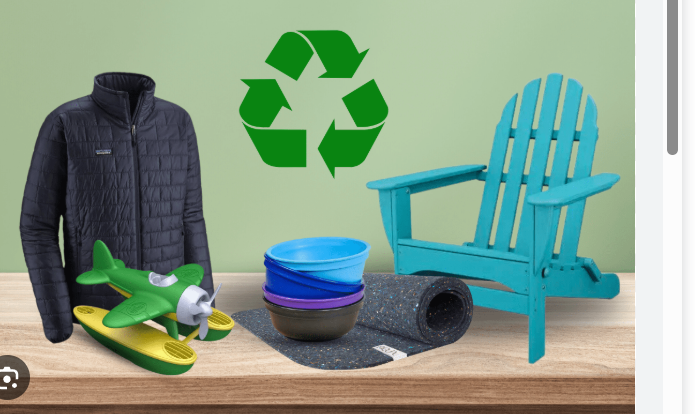
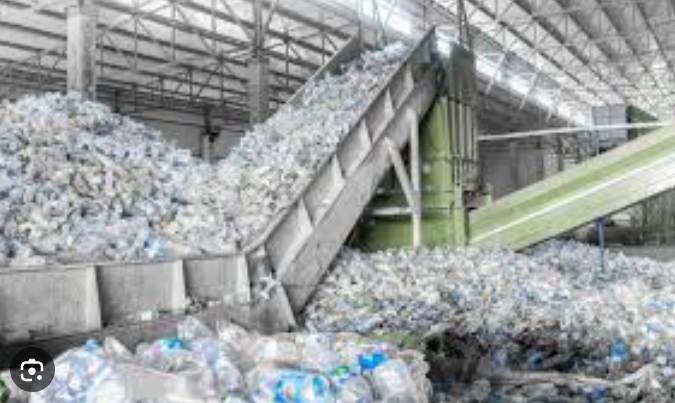
Once collected, the waste is transported to a segregation facility where plastics are classified into different grades such as PET, HDPE, LDPE, and PP. These segregated plastics are then sent to respective processing units where they are transformed into reusable consumer products like eco-tiles, containers, flower pots, and other sustainable products.
The platform also contains:
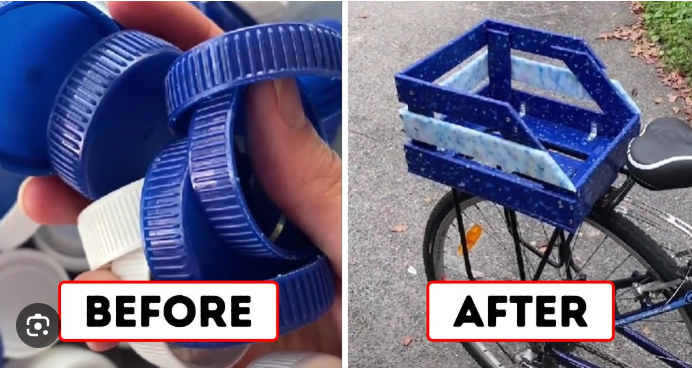
- A Reuse Section showcasing recycling methods and products created from recycled plastic.
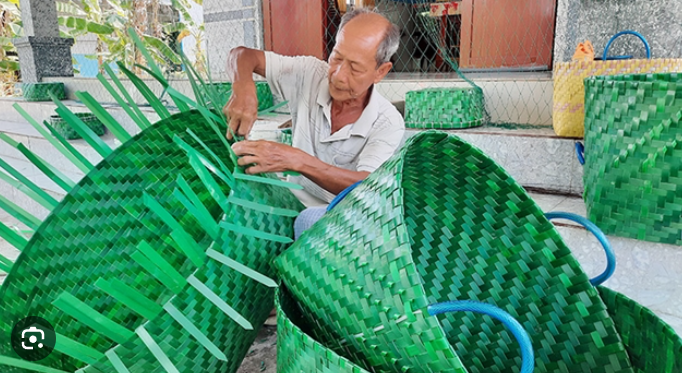
- An R&D Section where researchers, students, and innovators can contribute ideas and propose new methods to convert waste into useful products.
- A worker ecosystem where collection workers can enroll and receive assigned tasks and wages.
How we built it
We designed PlasticLoop as a web-based platform with separate modules for users, workers, administrators, recycling information, and research collaboration.
The frontend was planned using modern UI principles with a clean and eco-friendly design. The workflow was inspired by logistics and delivery applications where pickup requests are dynamically assigned to workers.
The backend structure includes:
- User registration and waste pickup requests
- Worker enrollment and task assignment
- Admin-based worker-customer matching
- Waste segregation records
- Product reuse and marketplace concepts
- Research and innovation submissions
The routing mechanism conceptually uses shortest-distance logic similar to delivery applications to improve collection efficiency and reduce transportation time.
For database and backend integration, we explored tools such as Supabase to manage user data, worker information, and collection requests efficiently.
Challenges we ran into
One of the major challenges was designing a system that combines multiple domains:
- waste collection logistics
- recycling workflows
- worker management
- product reuse
- research collaboration
Another challenge was structuring the collection mechanism in a way that resembles real-world delivery systems while adapting it for waste management purposes.
We also faced difficulties while integrating backend services and configuring project deployment settings during development. Managing database connectivity and organizing modular workflows for future scalability required careful planning.
Designing a platform that balances environmental impact, technical feasibility, and user accessibility was another important challenge.
Accomplishments that we're proud of
We are proud of building a concept that addresses a real-world environmental issue using technology and sustainability-driven thinking.
Some key accomplishments include:
- Designing a complete plastic waste collection ecosystem
- Creating a logistics-inspired collection workflow
- Incorporating waste segregation and grading concepts
- Integrating reuse and recycled product ideas into the platform
- Creating an R&D collaboration section for future innovation
- Building a scalable idea that can expand into a larger circular economy platform
We are especially proud that PlasticLoop not only focuses on recycling but also creates opportunities for workers, researchers, and environmentally conscious consumers.
What we learned
Through this project, we learned:
- How logistics systems like delivery apps function
- The importance of efficient waste segregation
- How circular economies work in sustainable systems
- The role of materials science in plastic recycling
- The importance of scalable backend architecture
- How technology can bridge environmental and social challenges
We also gained experience in:
- workflow planning
- database structuring
- UI/UX design
- sustainability-oriented problem solving
- collaborative project development
Most importantly, we learned that waste management is not just an environmental problem but also a systems-design challenge that requires innovation from multiple disciplines.
What's next for Hazard to Boon: PlasticLoop
In the future, we plan to enhance PlasticLoop with:
- Real-time GPS-based worker tracking
- AI-powered plastic type detection using computer vision
- Automated route optimization
- Reward systems for users contributing recyclable waste
- Integration with recycling industries and local municipalities
- Marketplace support for recycled products
- Analytics dashboards for environmental impact tracking
We also aim to expand beyond plastic waste into:
- e-waste recycling
- battery waste management
- metal and paper recycling
Additionally, we hope to develop the R&D section into a collaborative innovation hub where researchers, students, and industries can work together to create next-generation sustainable materials and recycling technologies.


Log in or sign up for Devpost to join the conversation.