-
-
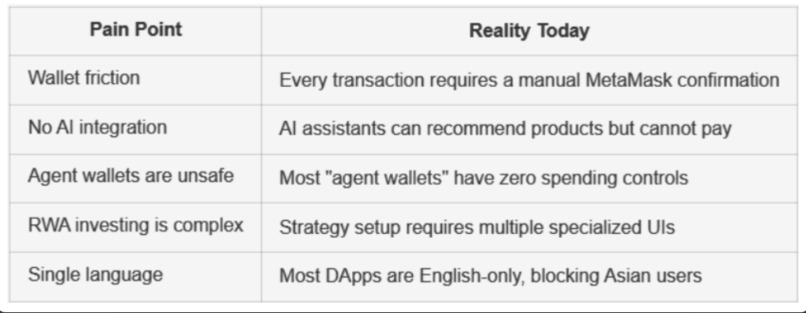
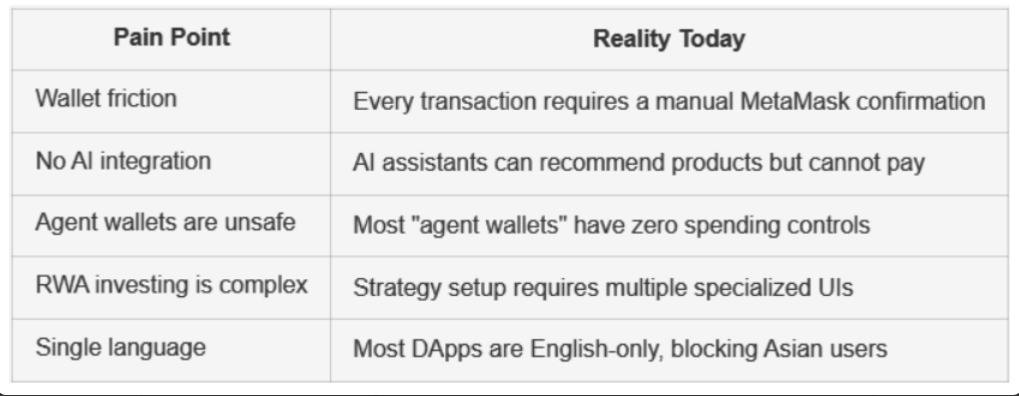
Current DeFi and Web3 payment UX is broken for mainstream adoption:
-

Two Payment Paths — Agent Auto Pay & User Wallet Pay
-
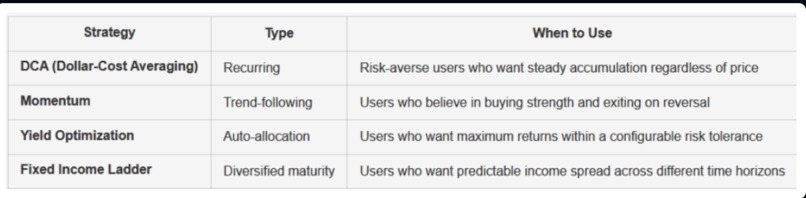
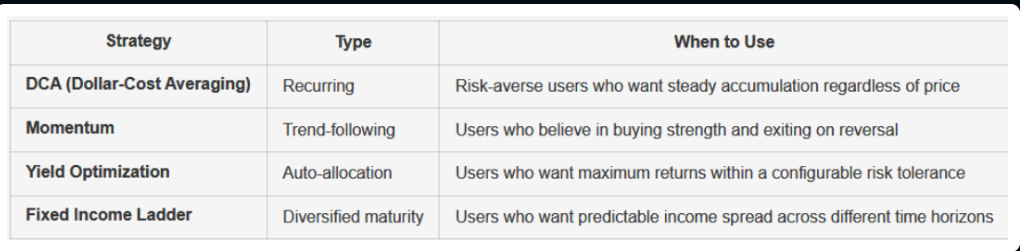
Quantitative Investment Strategies:
-
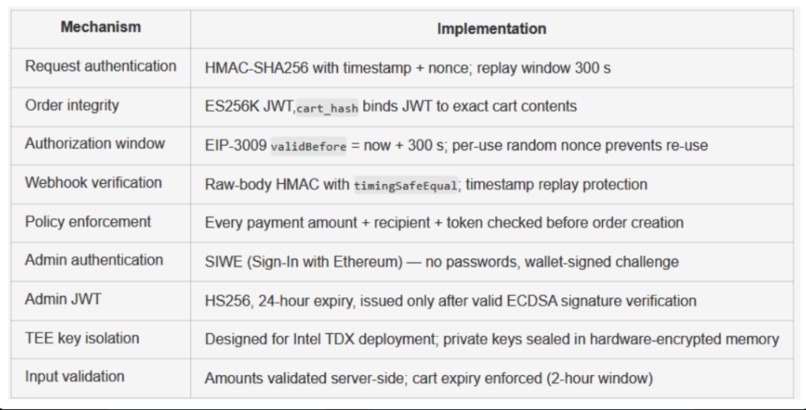
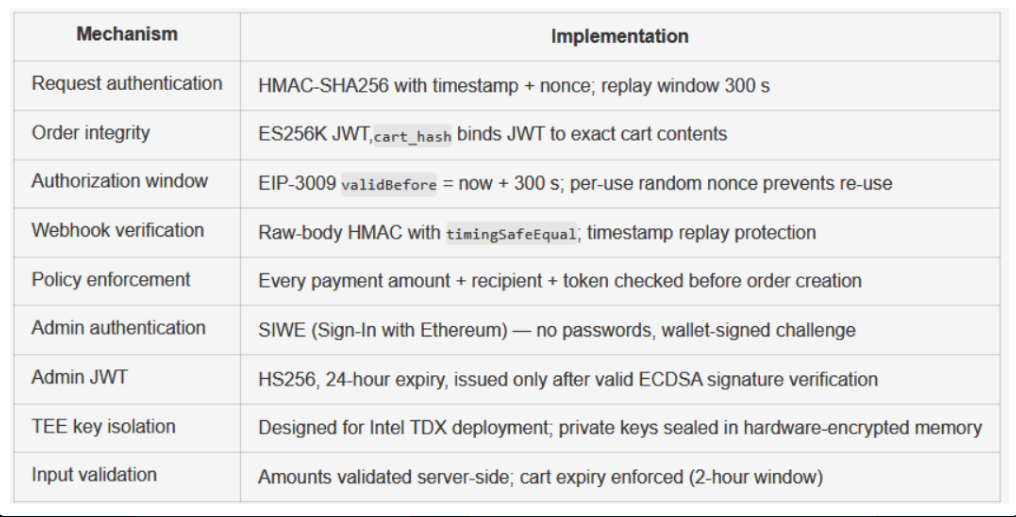
Security Design:
-
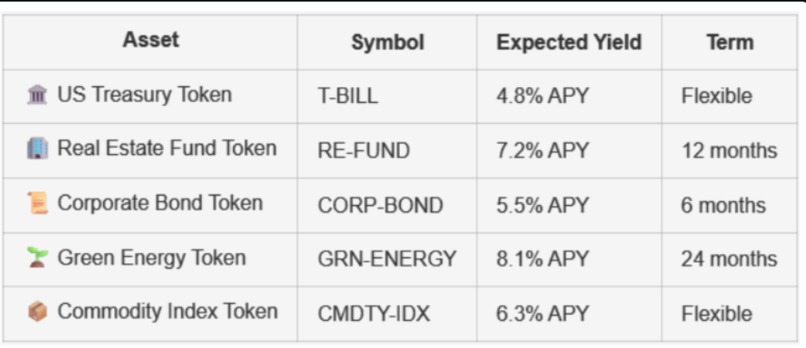
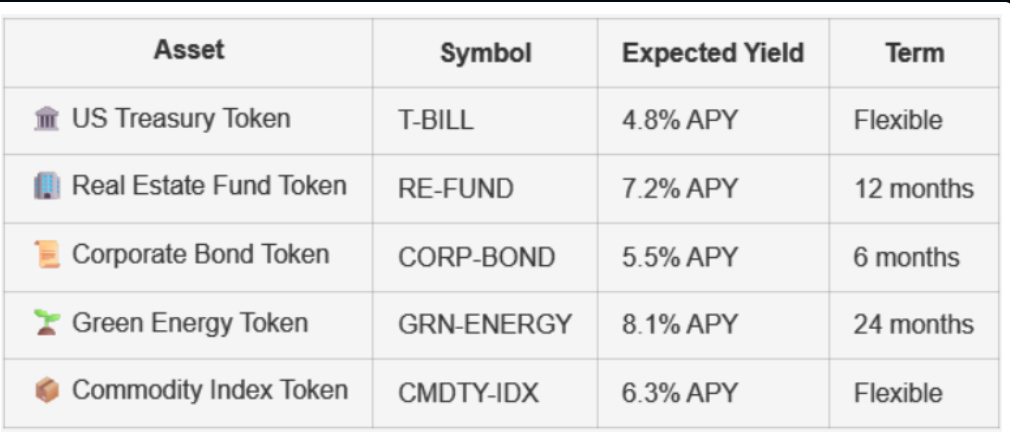
Users can allocate to five tokenized Real World Assets:
-
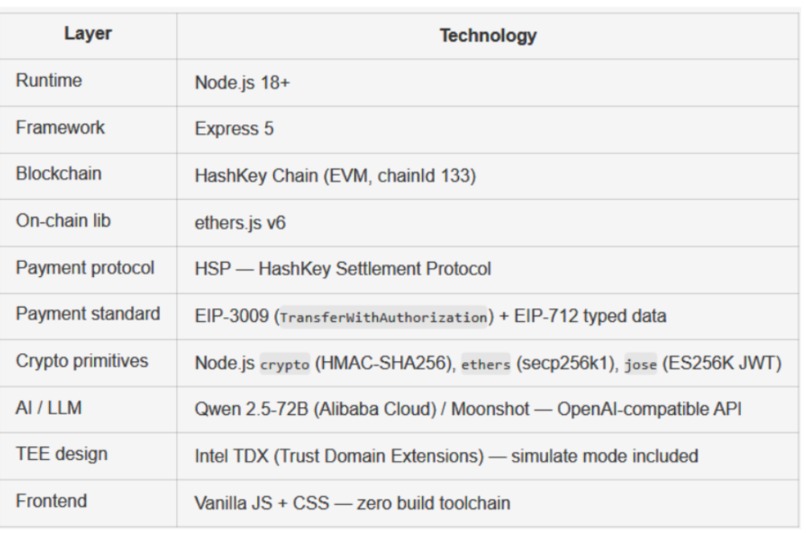
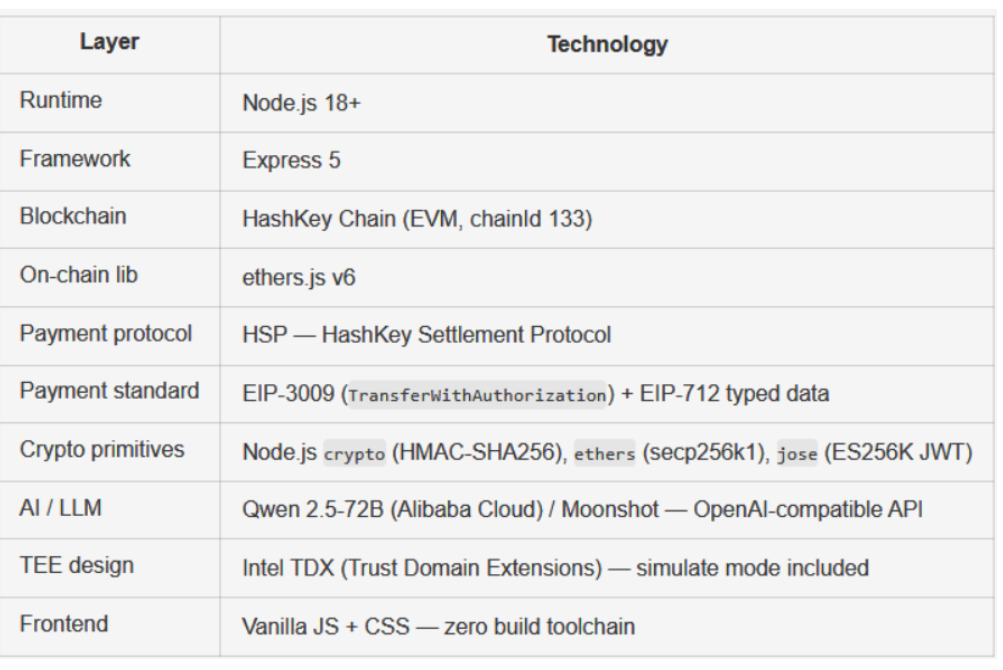
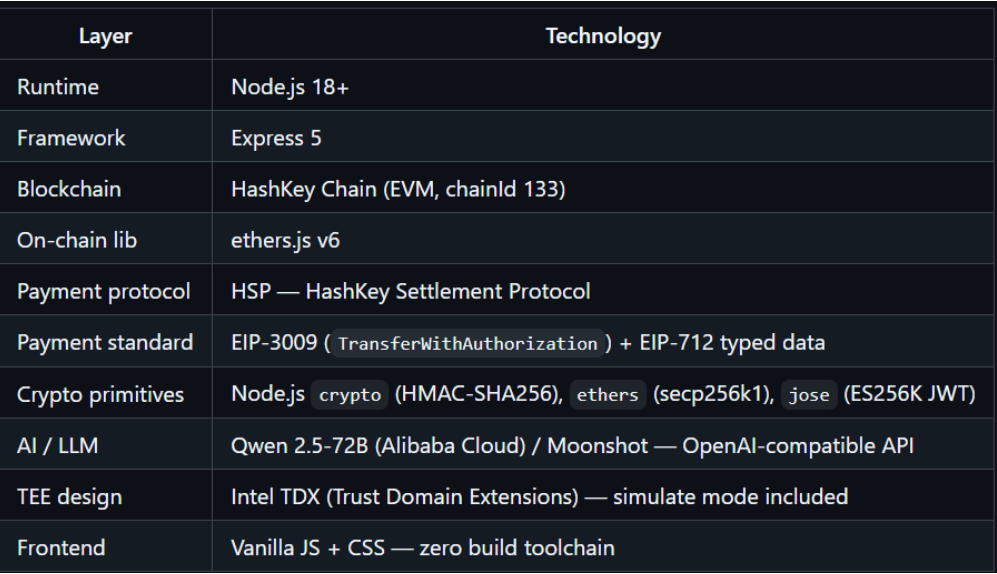
Tech Stack:
-
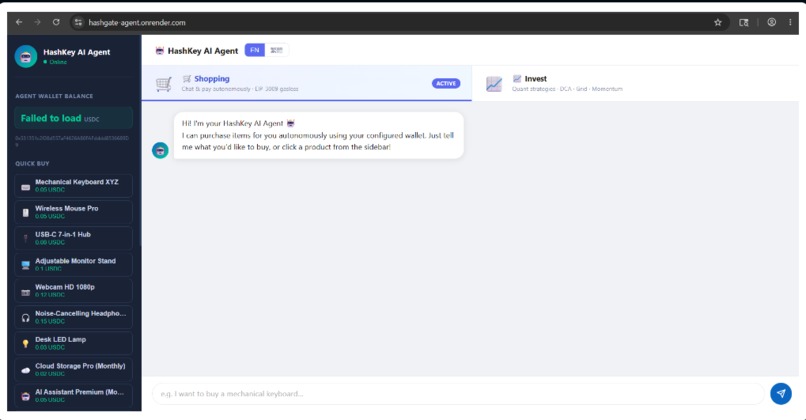
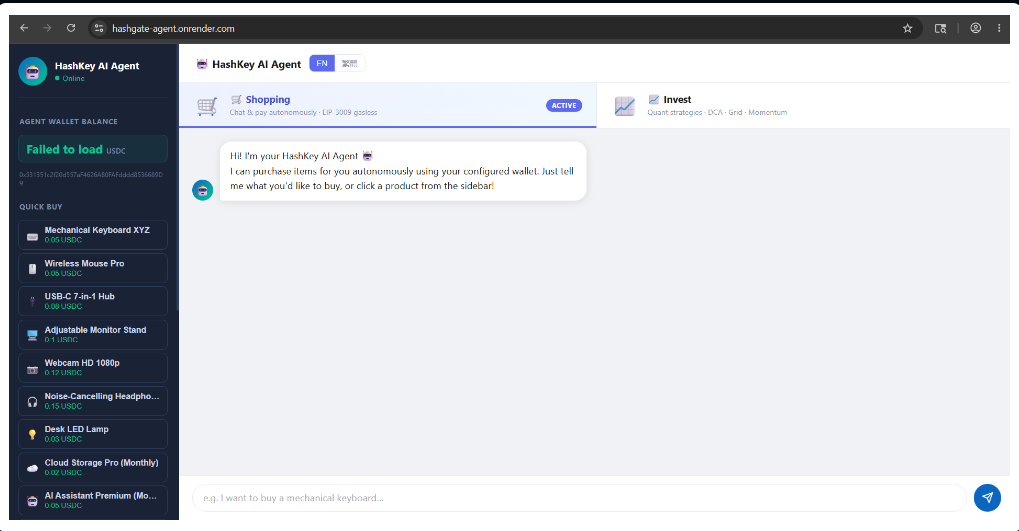
UI preview:
-
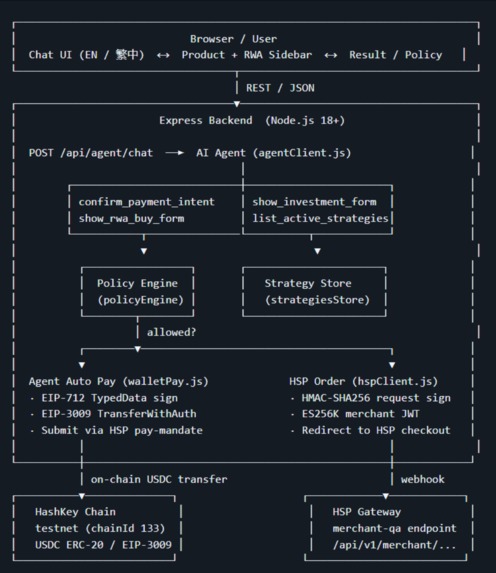
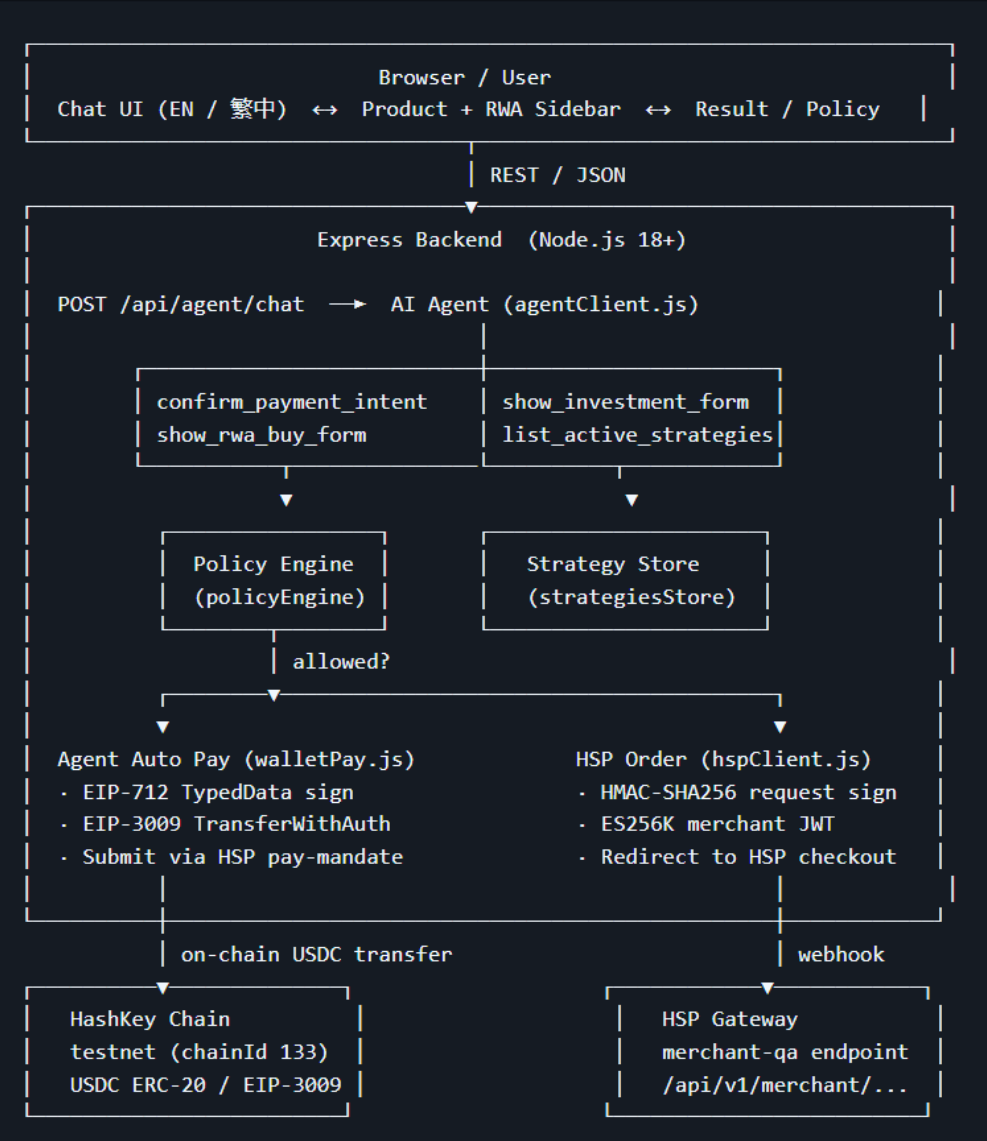
Architecture diagram:
-
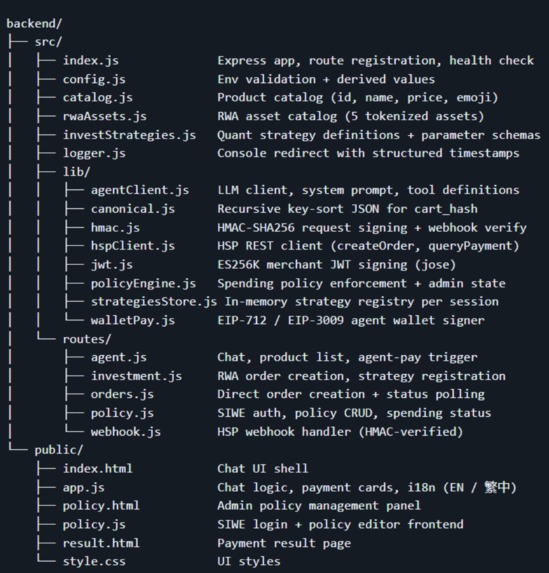
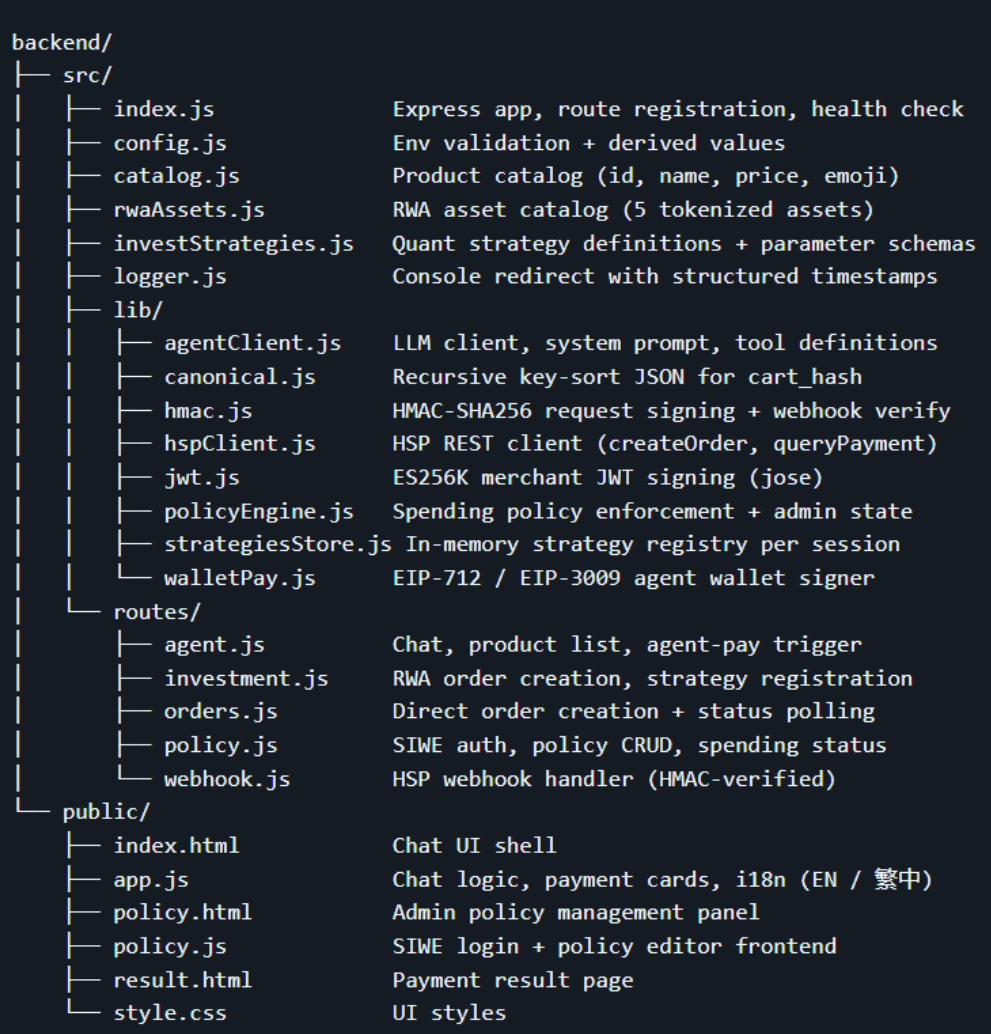
Project structure:
-
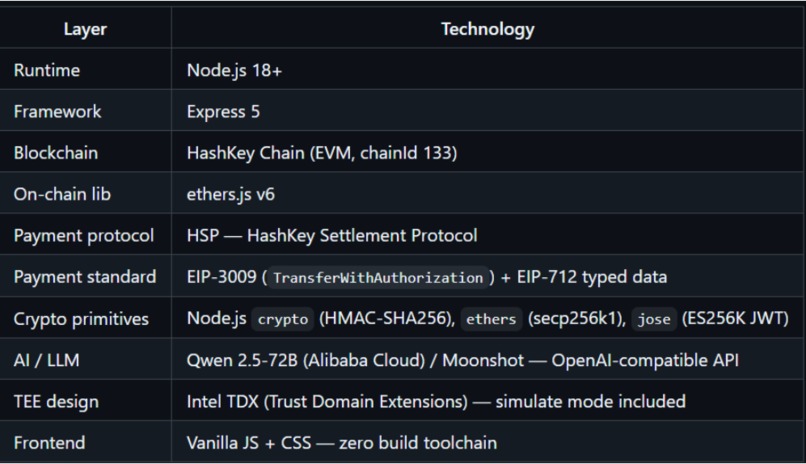
Tech stack:

Inspiration
The genesis of HashGate AI came from a simple observation: Web3 is suffering from a "UX debt." While the underlying protocols are revolutionary, the interface remains stuck in a paradigm of manual approvals, complex hex strings, and constant wallet switching. We were inspired by the Intent-Centric movement—the idea that a user shouldn't have to be a blockchain expert to move value. Our vision was to create a "Financial Co-pilot" that understands human language and handles the heavy lifting of cryptographic signing and protocol interaction autonomously on the HashKey Chain.
What it does
HashGate AI serves as a bridge between human intent and the HashKey Settlement Protocol (HSP).
Autonomous Payments: Users can chat in English or Traditional Chinese to purchase items from a catalog. The agent interprets the intent, validates the merchant's mandate, and settles the transaction using EIP-3009 for a "zero-click" experience.
Smart RWA Portfolios: Beyond simple payments, the agent manages tokenized Real World Assets (T-Bills, Corporate Bonds, Green Energy).
Quantitative Execution: It doesn't just "buy"; it executes strategies. Users can set up Dollar-Cost Averaging (DCA) or Momentum-based rebalancing that the agent maintains 24/7.
Safety First: Every action is governed by a Policy Engine that enforces spending caps and recipient allowlists, ensuring the agent never exceeds its authorized "trust envelope."
How we built it
We architected the system as a high-performance Node.js/Express monolith to minimize latency between the AI's decision and the on-chain execution.
Intelligence Layer: We integrated the Qwen 2.5-72B model via SiliconFlow. We utilized advanced JSON tool-calling to map natural language to specific function signatures (e.g., confirm_payment_intent or list_active_strategies).
Settlement Layer: Deep integration with HSP. We implemented HMAC-SHA256 request signing for all API calls and ES256K JWTs for merchant authorizations, ensuring that the "cart hash" cannot be tampered with mid-flight.
Signature Logic: We leveraged ethers.js v6 to handle EIP-712 typed data signing, enabling the agent to authorize EIP-3009 TransferWithAuthorization payloads that are settled directly via the HSP pay-mandate endpoint.
DevOps: The project is deployed on Render, utilizing secret vaults for sensitive .pem merchant keys and dynamic environment configuration.
Challenges we ran into
The most significant challenge was the security-vs-autonomy trade-off. To allow an agent to pay without a manual MetaMask pop-up, we had to build a robust Policy Engine that could live inside a Trusted Execution Environment (TEE). Implementing the cryptographic "handshake" between the agent wallet and the HSP gateway—specifically the cart_hash binding—required multiple iterations to ensure the SHA-256 digests perfectly matched the sorted canonical JSON. Furthermore, transitioning from a local environment to a cloud-ready production state on Render involved complex debugging of the static file serving and environment variable injection.
Accomplishments that we're proud of
We are incredibly proud of achieving a True Zero-Click Settlement. Successfully demonstrated an end-to-end flow where a user types a request, the AI interprets it, the policy engine validates it, and the on-chain transaction is settled via HSP—all within seconds and without a single manual wallet confirmation. This is the "North Star" of PayFi UX, and we delivered a working implementation on the HashKey Testnet.
What we learned
This journey taught us that PayFi is the missing piece of the AI Agent puzzle. We learned the critical importance of re-use protection (nonces) and timestamp validation in decentralized payment protocols. We gained deep insights into the HSP lifecycle, specifically how merchant mandates can provide a secure yet invisible layer of authorization for users. We also explored the potential of Intel TDX for hardware-grade key isolation, which has redefined our approach to agentic security.
What's next for HashGate AI: PayFi & RWA Investment Agent
The next phase for HashGate is Production Hardening. We plan to:
TEE Deployment: Move the private key management and policy engine into a live Intel TDX environment to provide maximum security.
Expanded Asset Catalog: Integrate with more diverse RWA providers to offer tokenized commodities and global real estate.
Cross-Chain Settlement: While currently focused on HashKey Chain, we aim to implement cross-chain PayFi bridges to allow the agent to settle value across the entire EVM ecosystem.
Built With
- css3
- eip-3009
- eip-712
- ethers.js
- express.js
- github
- hashkey-chain
- hmac-sha256
- hsp-(hashkey-settlement-protocol)
- html5
- intel-tdx-(tee-design)
- javascript
- jose
- jwt
- node.js
- qwen-2.5
- render
- siliconflow-api
- siwe

Log in or sign up for Devpost to join the conversation.