-
-
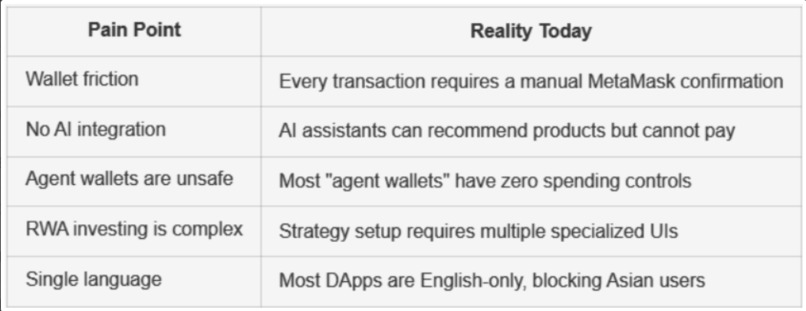
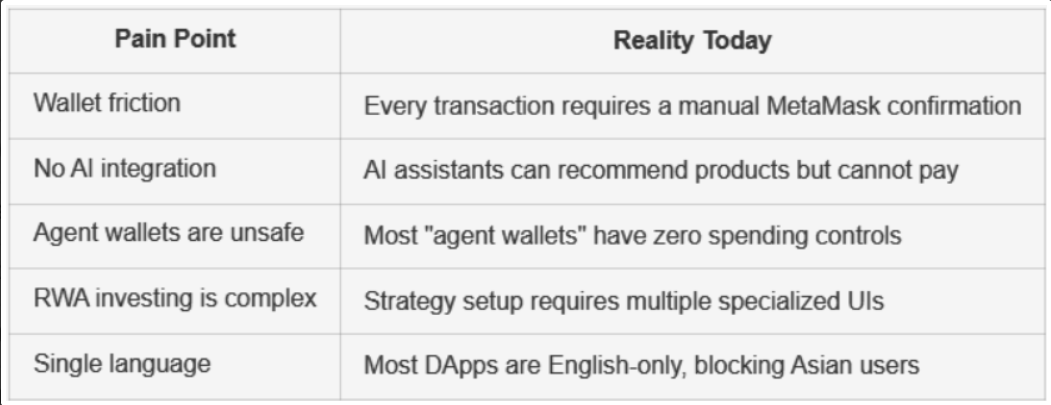
Current DeFi and Web3 payment UX is broken for mainstream adoption:
-
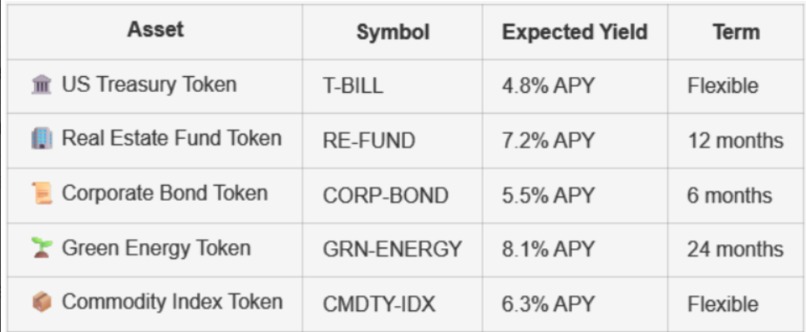
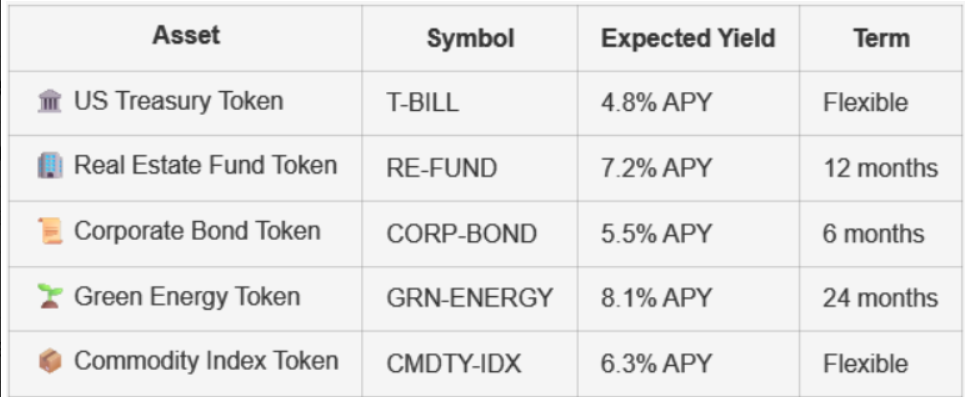
Users can allocate to five tokenized Real World Assets:
-

Two Payment Paths — Agent Auto Pay & User Wallet Pay
-
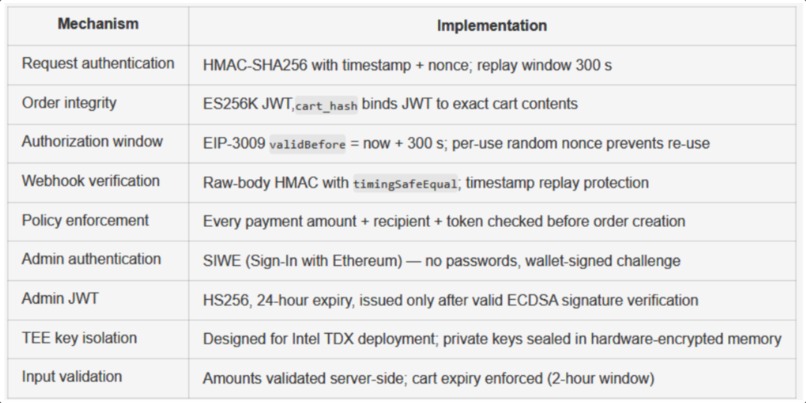
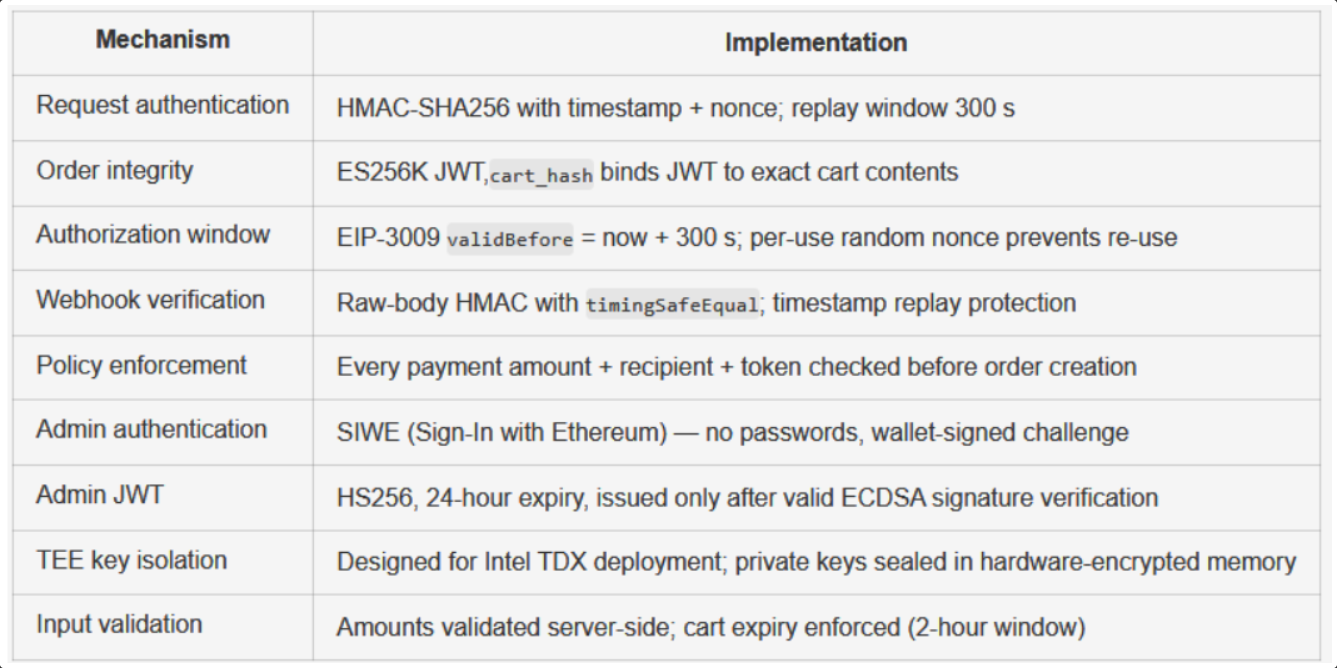
Security Design
-
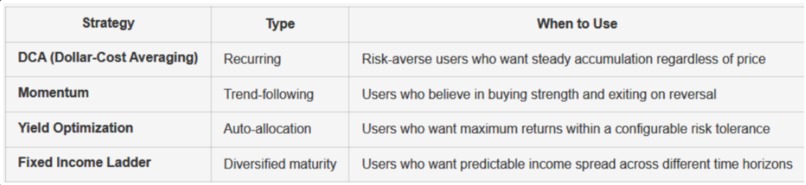
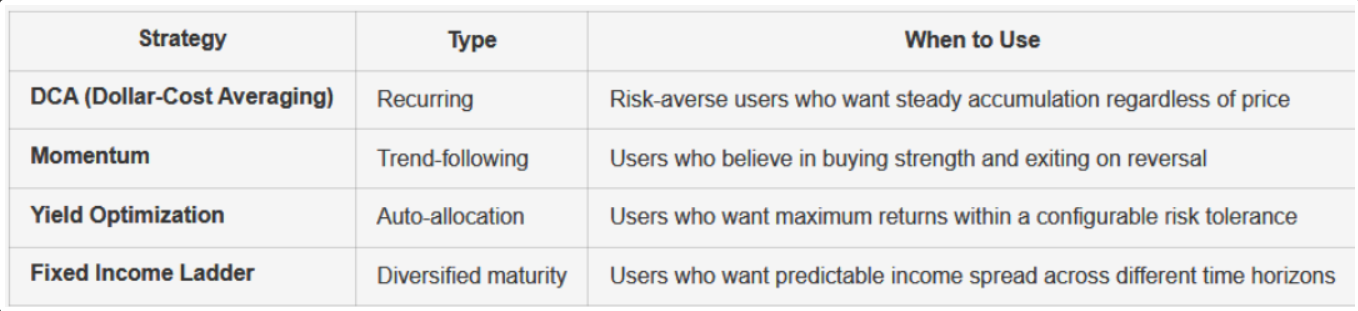
Quantitative Investment Strategies
-
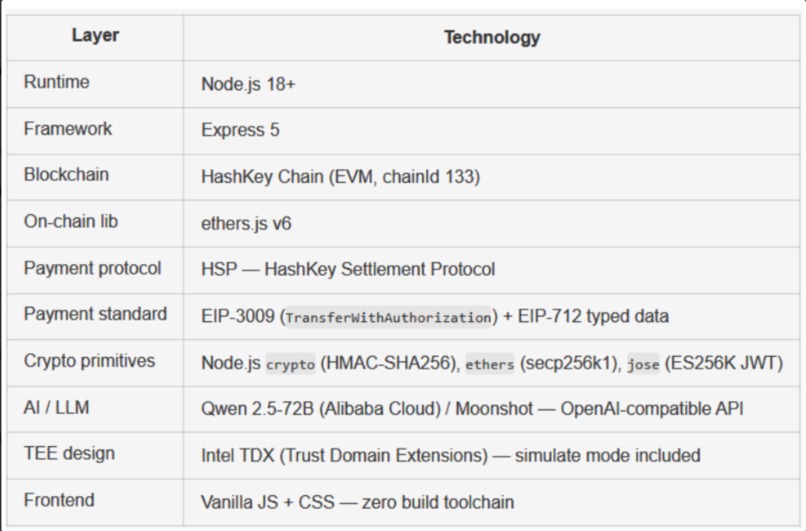
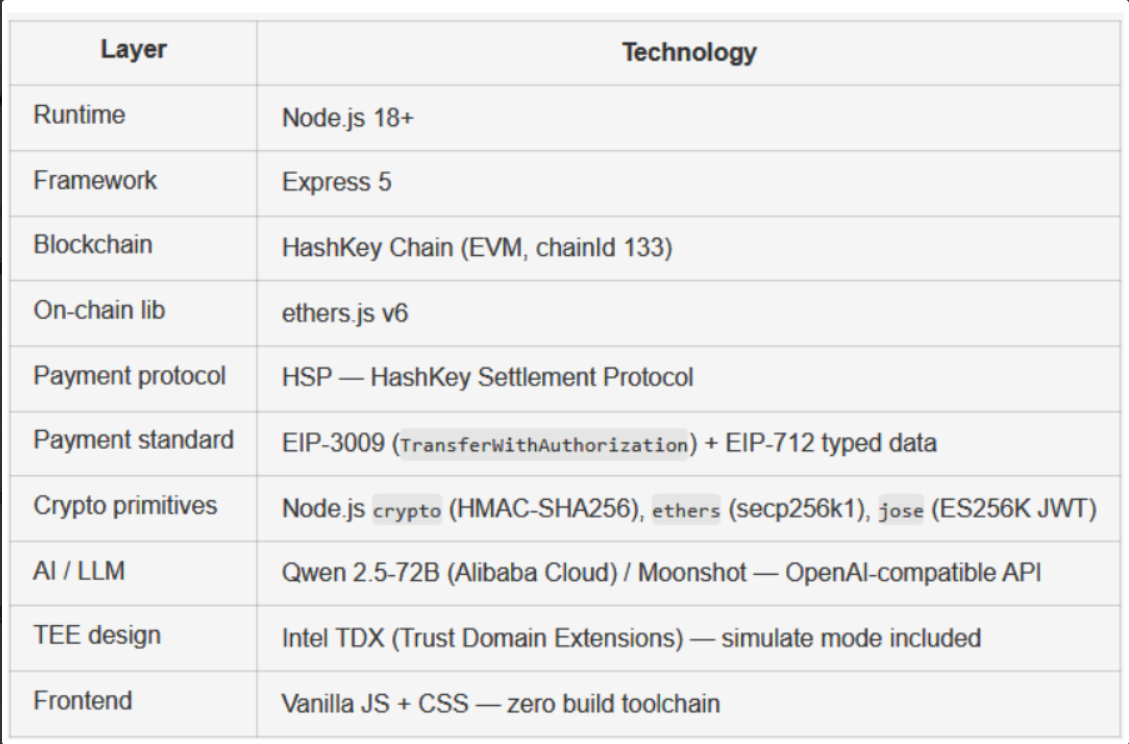
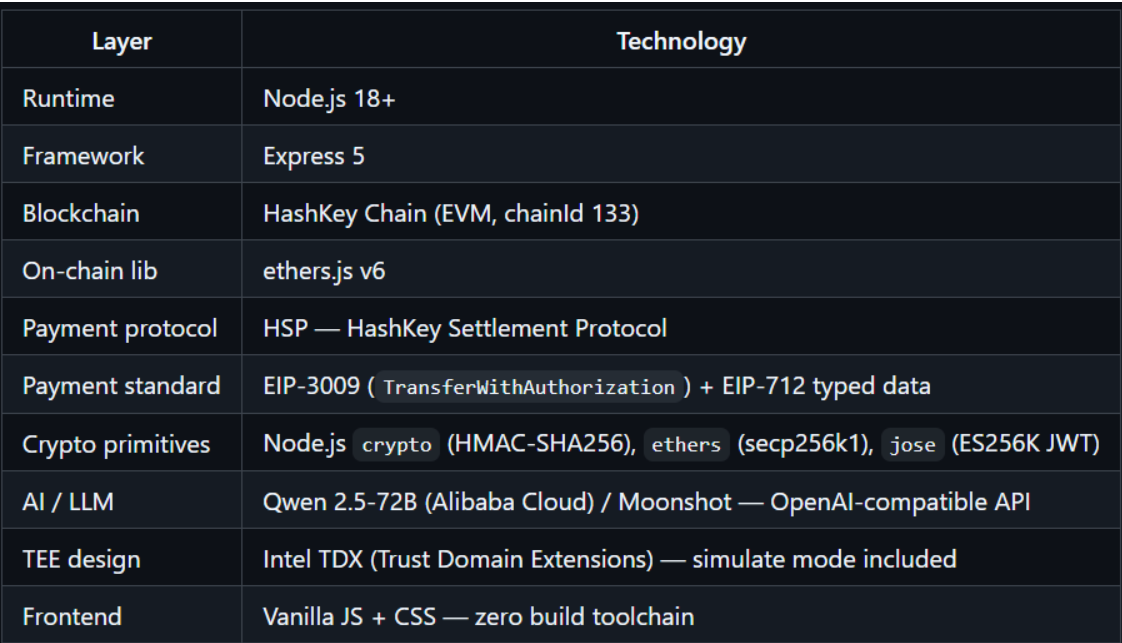
Tech Stack
-
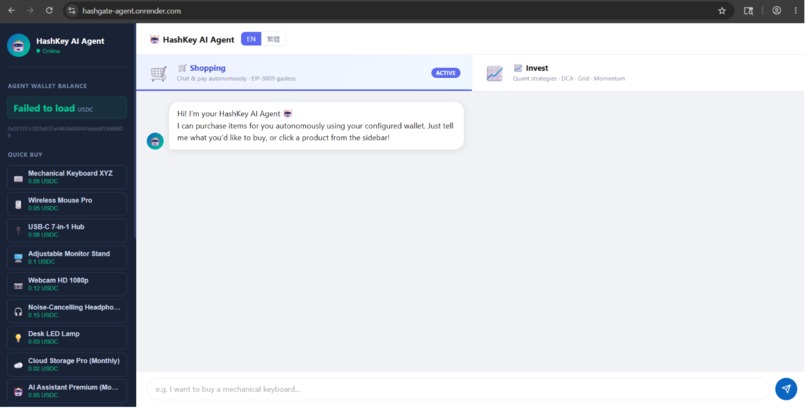
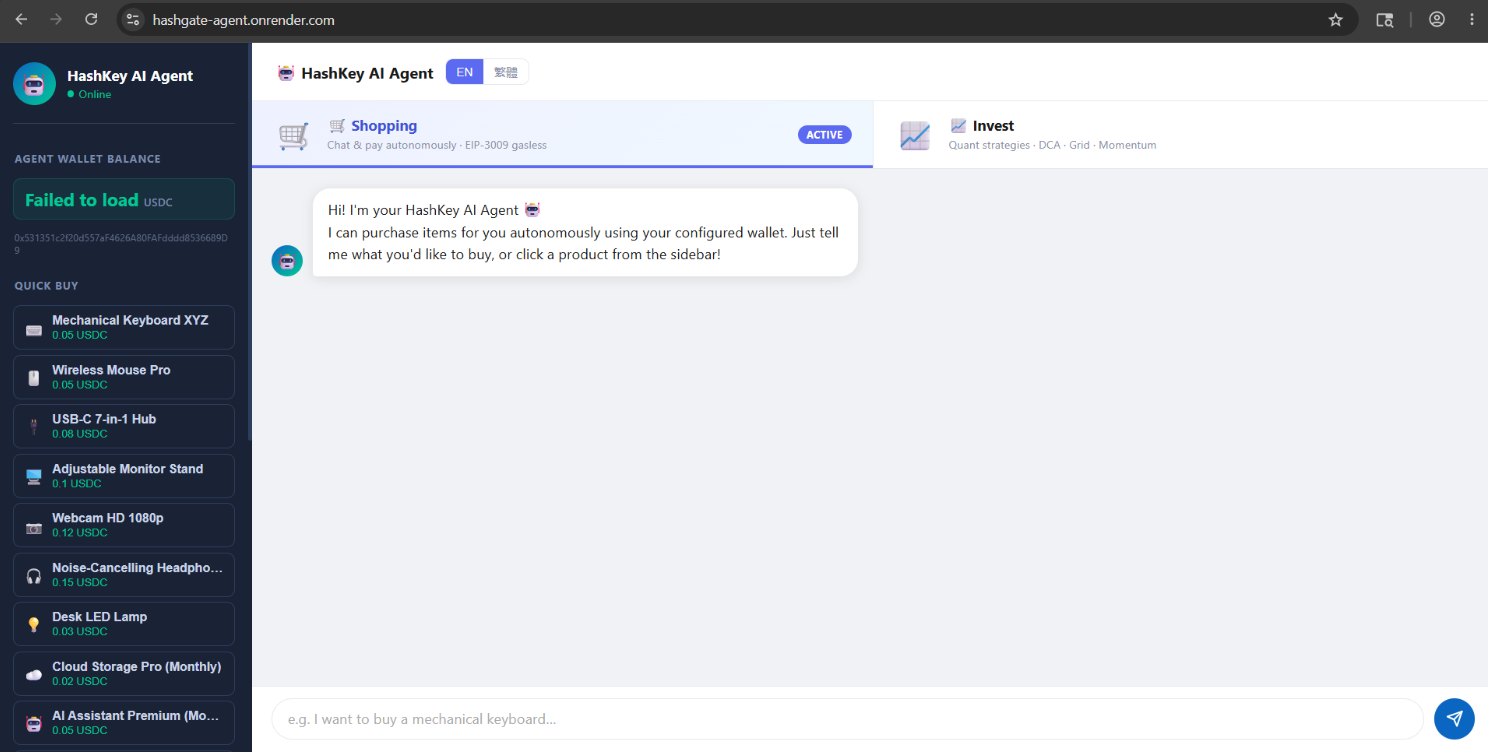
UI preview:
-
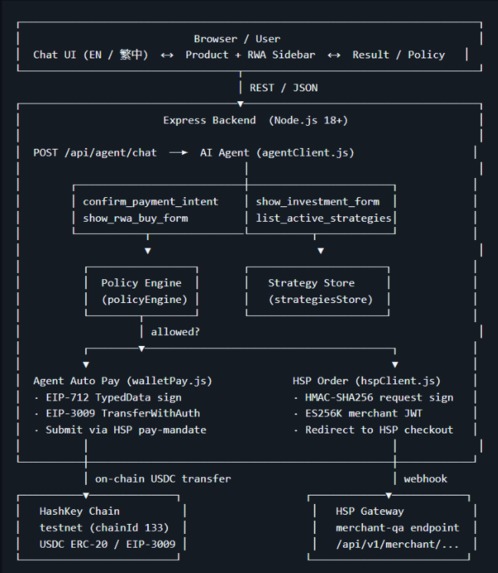
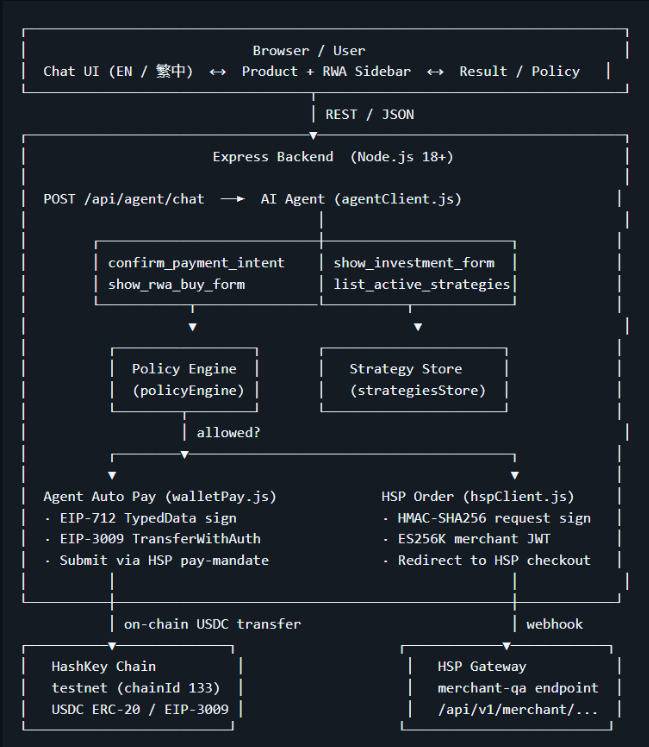
Architecture diagram:
-
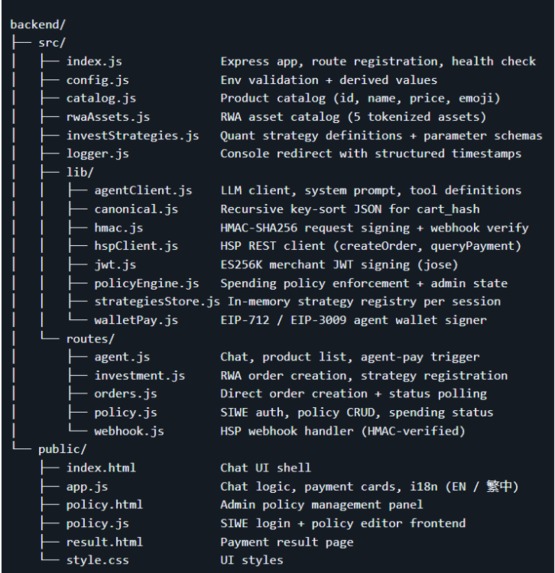
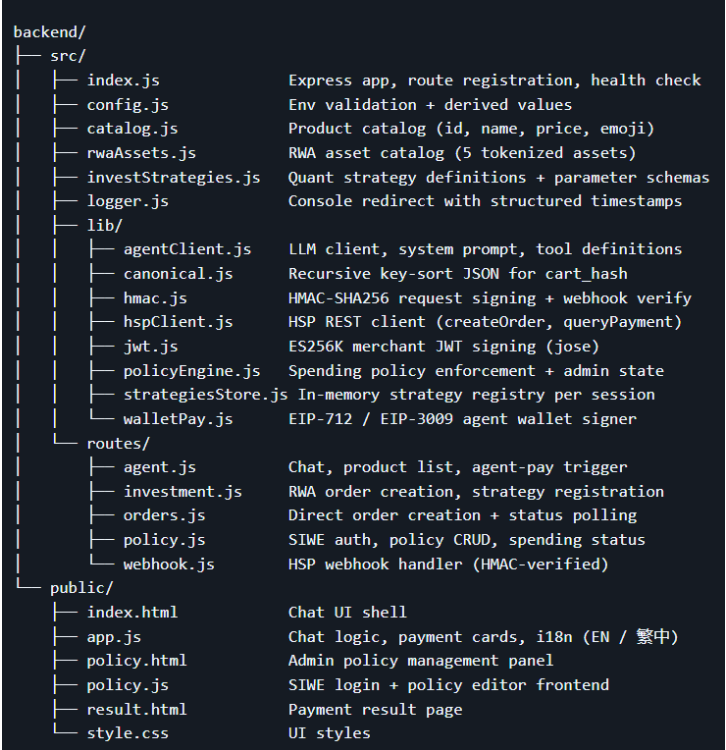
Project structure:
-
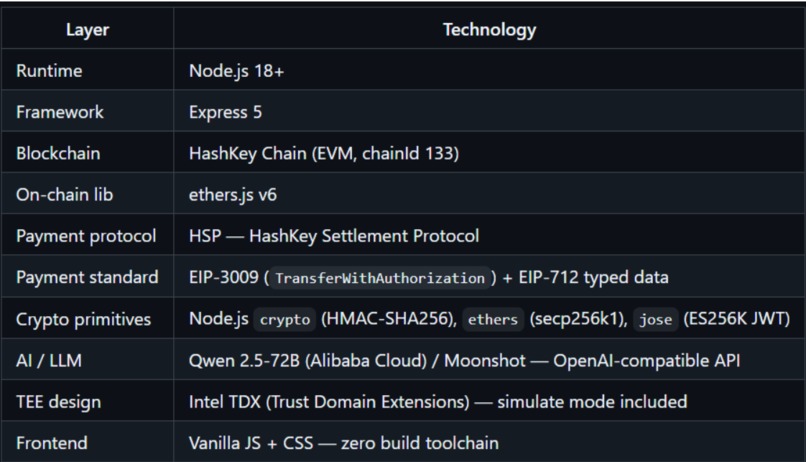
Tech stack:

Inspiration
The genesis of HashGate AI came from a simple observation: Web3 is suffering from a "UX debt." While the underlying protocols are revolutionary, the interface remains stuck in a paradigm of manual approvals, complex hex strings, and constant wallet switching.
We were inspired by the Intent-Centric movement — the idea that a user shouldn't have to be a blockchain expert to move value. Our vision was to create a "Financial Co-pilot" that understands human language and handles the heavy lifting of cryptographic signing and protocol interaction autonomously on the HashKey Chain.
What it does
HashGate AI serves as a bridge between human intent and the HashKey Settlement Protocol (HSP).
Autonomous Payments
Users can chat in English or Traditional Chinese to purchase items from a catalog. The agent:
- Interprets the intent
- Validates the merchant's mandate
- Settles the transaction using EIP-3009
- Provides a "zero-click" experience
Smart RWA Portfolios
Beyond simple payments, the agent manages tokenized Real World Assets (RWA) including:
- T-Bills
- Corporate Bonds
- Green Energy assets
Quantitative Execution
It doesn't simply "buy"; it executes strategies.
Users can set up:
- Dollar-Cost Averaging (DCA)
- Momentum-based portfolio rebalancing
- 24/7 autonomous execution
Safety First
Every action is governed by a Policy Engine that enforces:
- Spending caps
- Recipient allowlists
- Trust boundaries
ensuring the agent never exceeds its authorized "trust envelope."
How we built it
We architected the system as a high-performance Node.js/Express monolith to minimize latency between AI decisions and on-chain execution.
Intelligence Layer
We integrated Qwen 2.5-72B through SiliconFlow and used advanced JSON tool-calling to map natural language into function signatures:
confirm_payment_intent()

list_active_strategies()
Settlement Layer
Deep integration with HSP:
- HMAC-SHA256 request signing
- ES256K JWT merchant authorizations
- Cart hash integrity verification
Signature Logic
Using ethers.js v6, we implemented:
- EIP-712 typed data signing
- EIP-3009 TransferWithAuthorization payload generation
- Direct settlement through HSP pay-mandate endpoints
DevOps
Deployment stack:
- Render
- Secret vaults for sensitive
.pemmerchant keys - Dynamic environment configuration
Challenges we ran into
The biggest challenge was balancing security vs autonomy.
To allow an agent to pay without a manual MetaMask pop-up, we had to build a robust Policy Engine capable of operating inside a Trusted Execution Environment (TEE).
Additional challenges included:
- Building the cryptographic handshake between agent wallets and HSP gateways
- Implementing secure
cart_hashbinding - Matching SHA-256 digests with sorted canonical JSON
- Debugging production deployment on Render
- Environment variable injection issues
- Static file serving problems
Accomplishments that we're proud of
We are incredibly proud of achieving True Zero-Click Settlement.
We successfully demonstrated an end-to-end flow where:
- User enters a request
- AI interprets intent
- Policy engine validates permissions
- On-chain transaction executes through HSP
- Settlement completes within seconds
All of this happens without a single manual wallet confirmation.
This is our North Star of PayFi UX, and we delivered a working implementation on the HashKey Testnet.
What we learned
This journey taught us that PayFi is the missing piece of the AI Agent puzzle.
Key learnings:
- Importance of replay protection using nonces
- Timestamp validation in decentralized payment systems
- Understanding the HSP lifecycle
- Secure invisible authorization through merchant mandates
- Potential of Intel TDX for hardware-grade key isolation
What's next for HashGate AI: PayFi & RWA Investment Agent
The next phase for HashGate is Production Hardening.
TEE Deployment
Move private key management and policy engines into a live Intel TDX environment for maximum security.
Expanded Asset Catalog
Integrate more RWA providers including:
- Tokenized commodities
- Global real estate
- Broader investment assets
Cross-Chain Settlement
While currently focused on HashKey Chain, we aim to implement cross-chain PayFi bridges that enable settlement across the broader EVM ecosystem.
Built With
- css3
- eip-3009
- eip-712
- ethers.js
- express.js
- github
- hashkey-chain
- hmac-sha256
- hsp-(hashkey-settlement-protocol)
- html5
- intel-tdx(tee-design)
- javascript
- jose
- jwt
- node.js
- qwen-2.5
- render
- siliconflow-api
- siwe-(sign-in-with-ethereum)

Log in or sign up for Devpost to join the conversation.