-
-
Intro
-
Stats
-
Solution
-
Tech
-
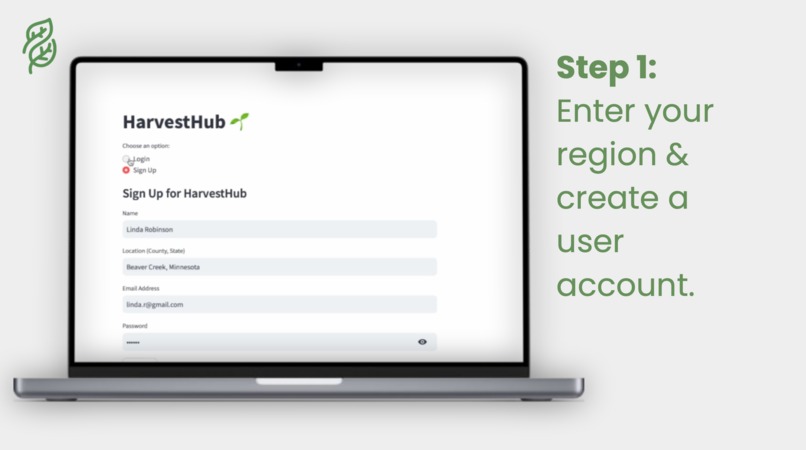
Step 1
-
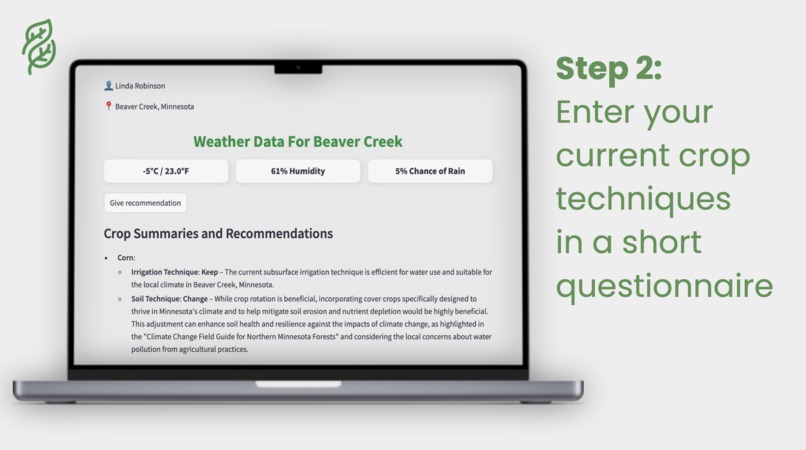
Step 2
-
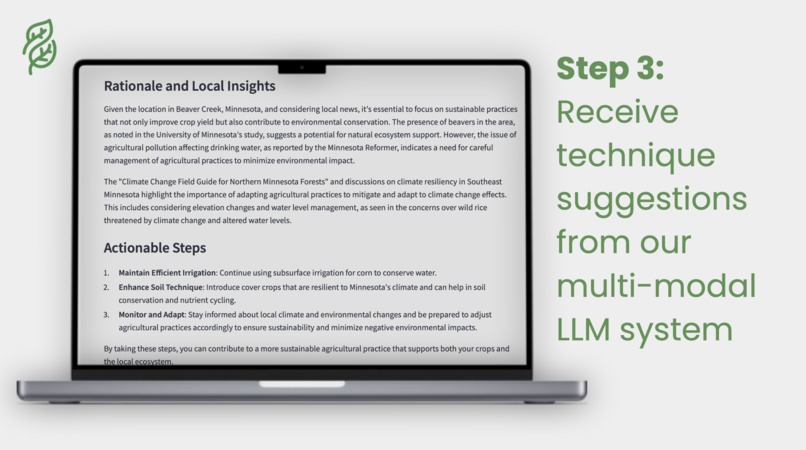
Step 3
-
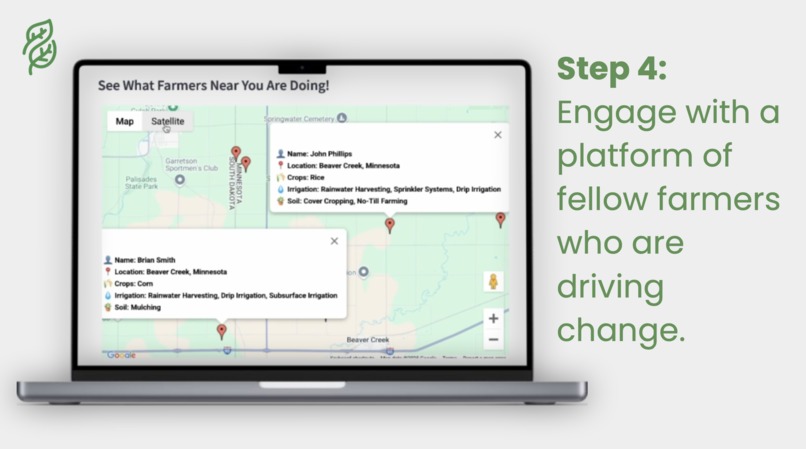
Step 4
-
Backend
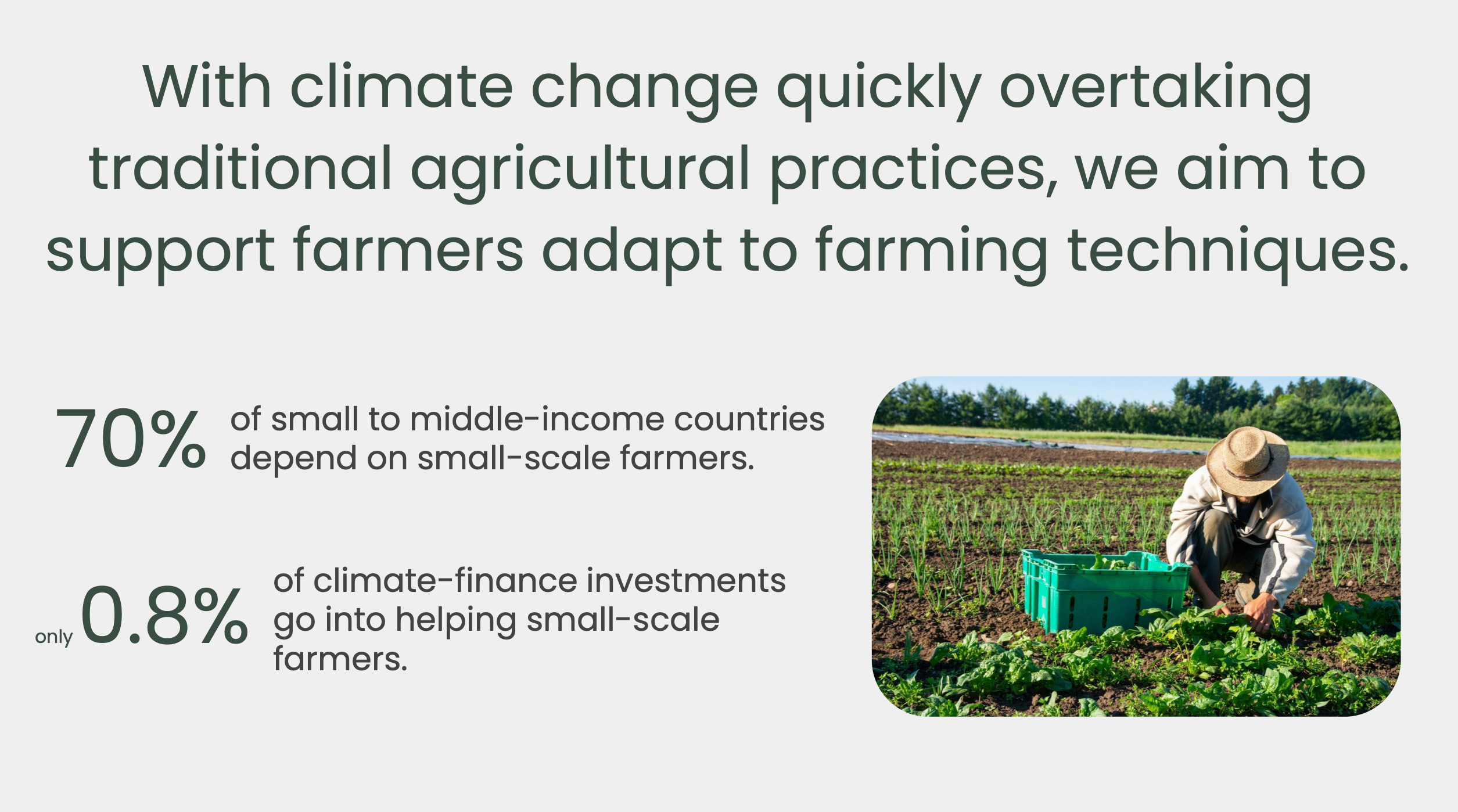
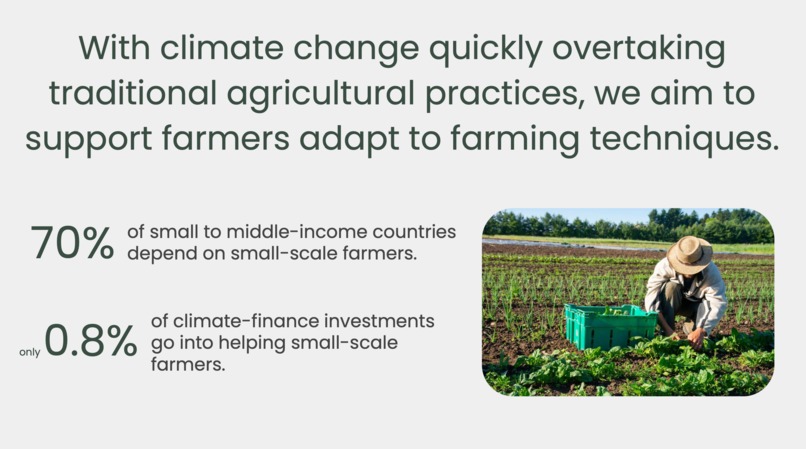
Why HarvestHub Farmers! They are the cornerstones of America and are responsible for 30% of the world’s crops and up to 70% of food production in low-and middle-income countries—but lack the resources to get ahead. Dynamic access to financial data, markets, high-quality seeds, and electricity is sparse. Paired with the evolving nature of climate change that threatens to disrupt traditional farming techniques, farmers are struggling more now than ever to adapt quickly to environmental challenges.
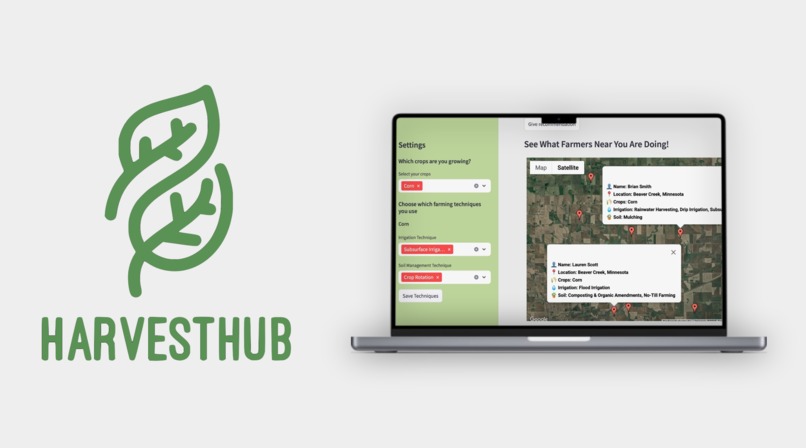
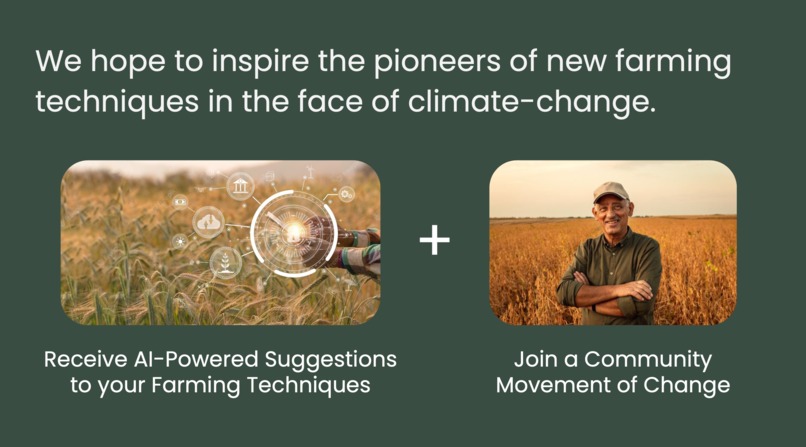
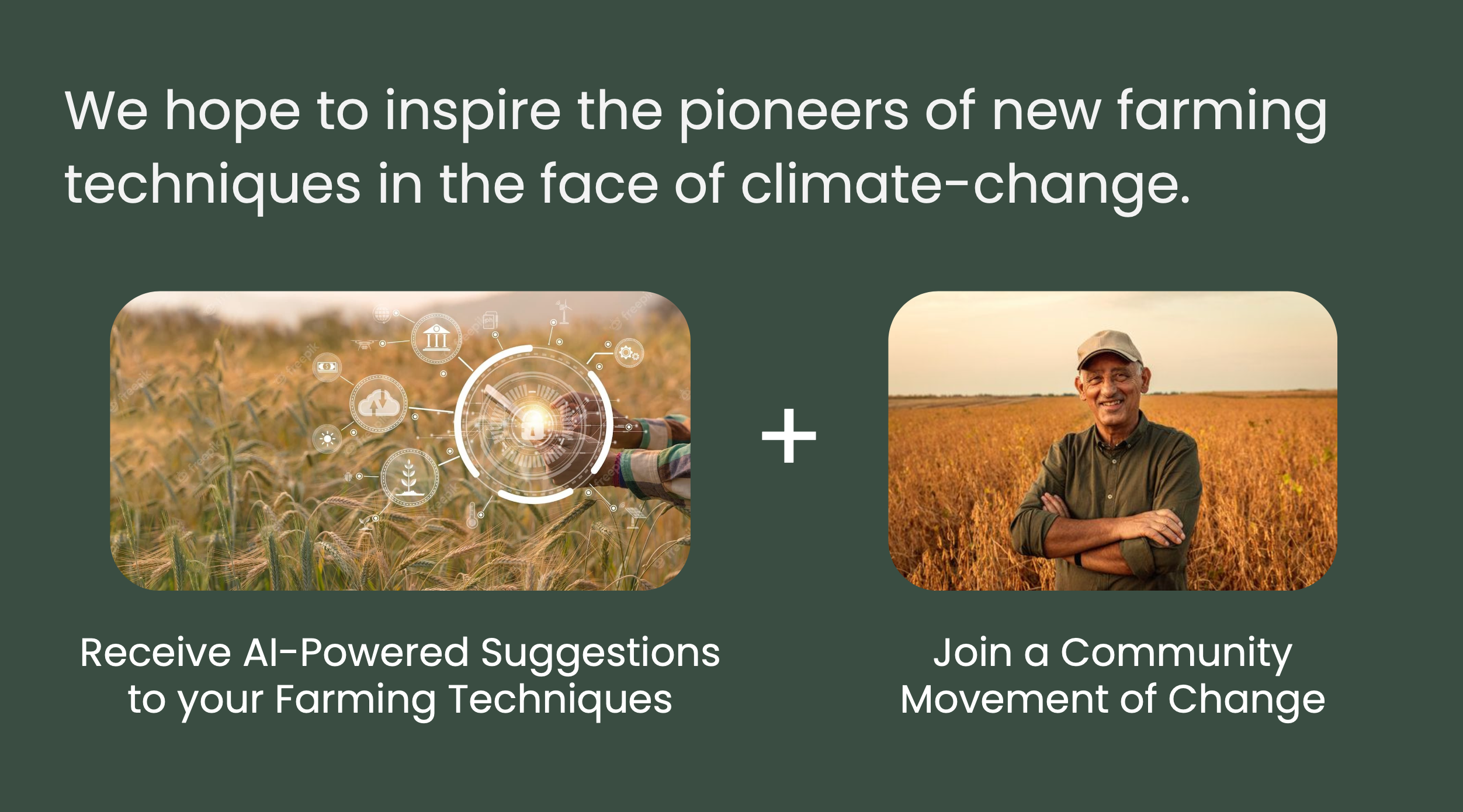
Our Vision HarvestHub empowers small-scale farmers with real-time, AI-driven insights to adapt their farming techniques in response to climate change. The platform delivers personalized recommendations by leveraging LLMs, Groq LPUs, Streamlit, and Firebase while fostering community-driven knowledge sharing.
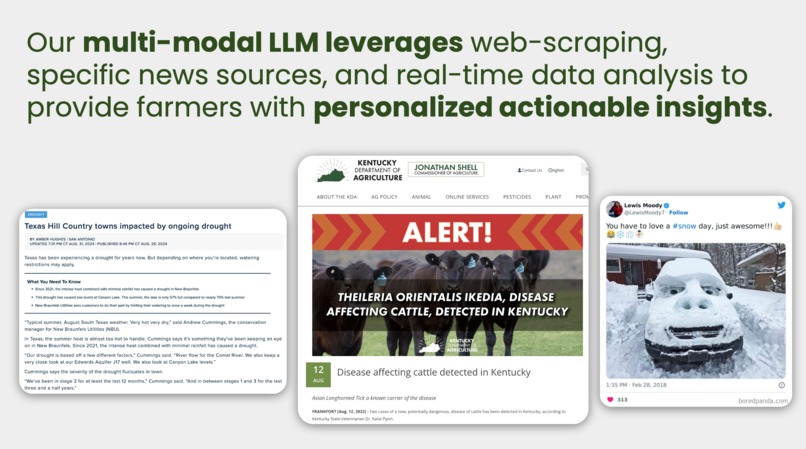
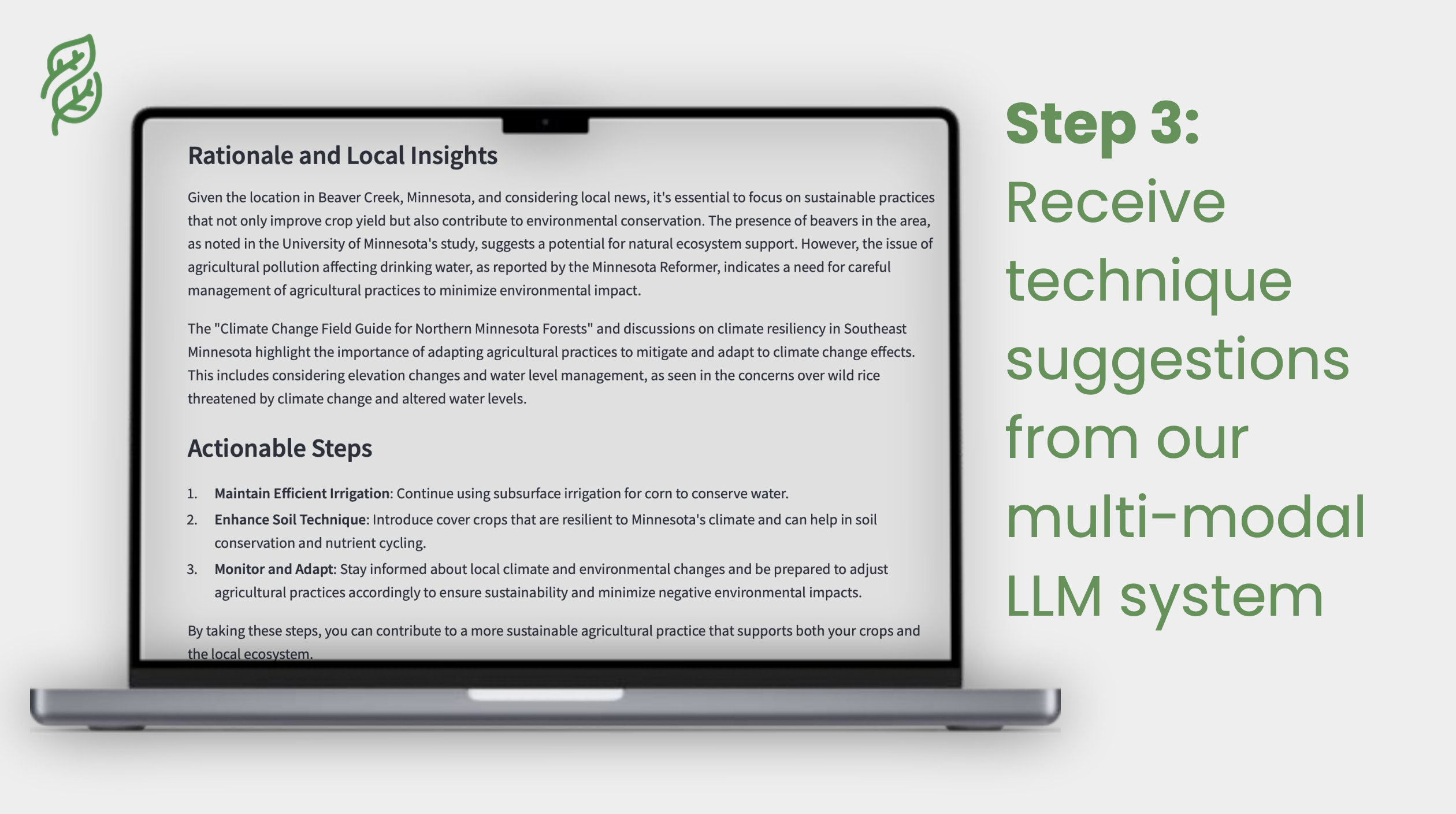
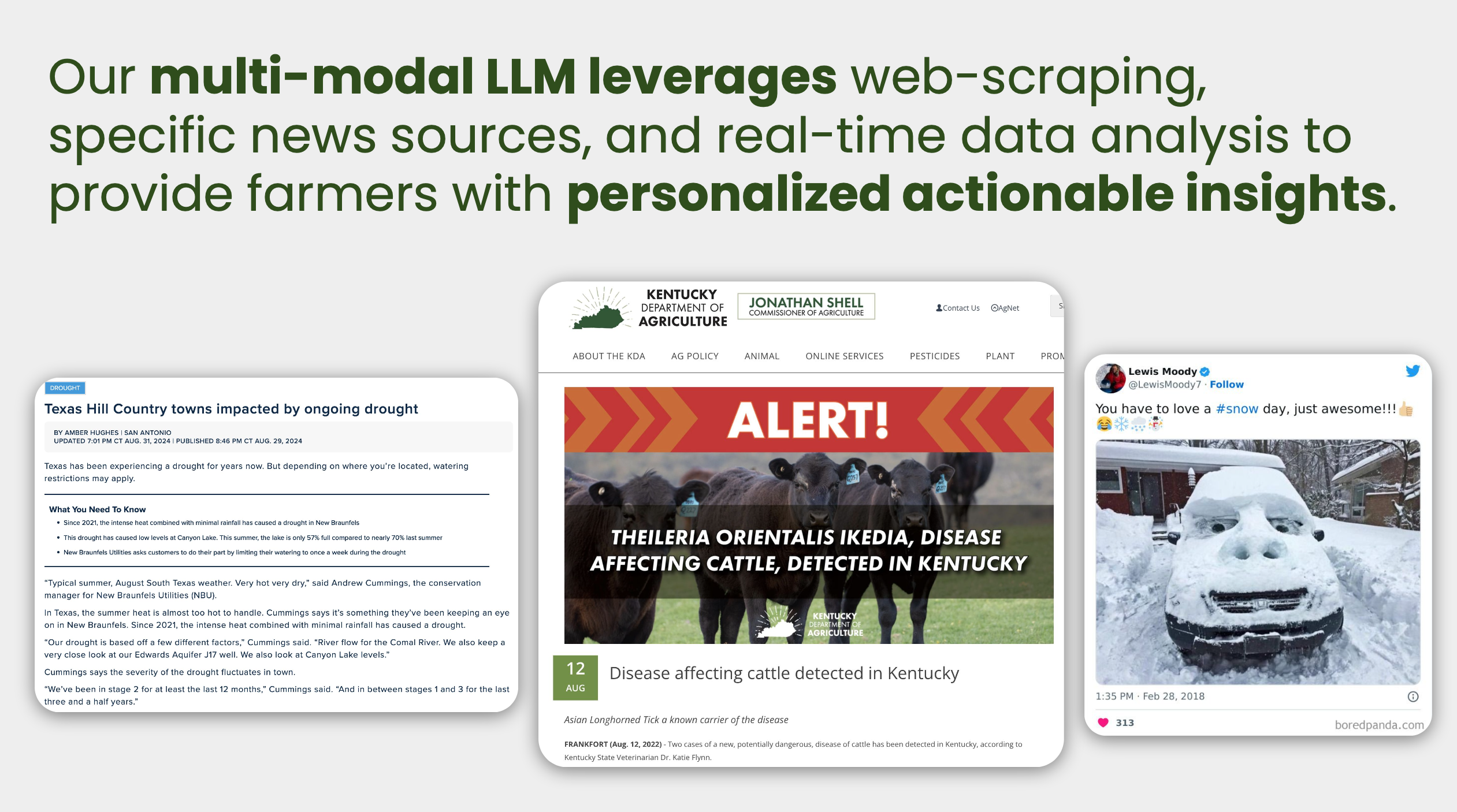
Using real-time web scraping using Google Gemini, we measure disaster risk using relevant historical data, use multi-modal data processing using a distilled DeepSeek R1 model to reason the historical data, and finally employ a 70-billion parameter llama 3.3 LLM trained on local, tailored news sources to summarize our data, allowing us to provide farmers with actionable insights on climate-resilient farming techniques.
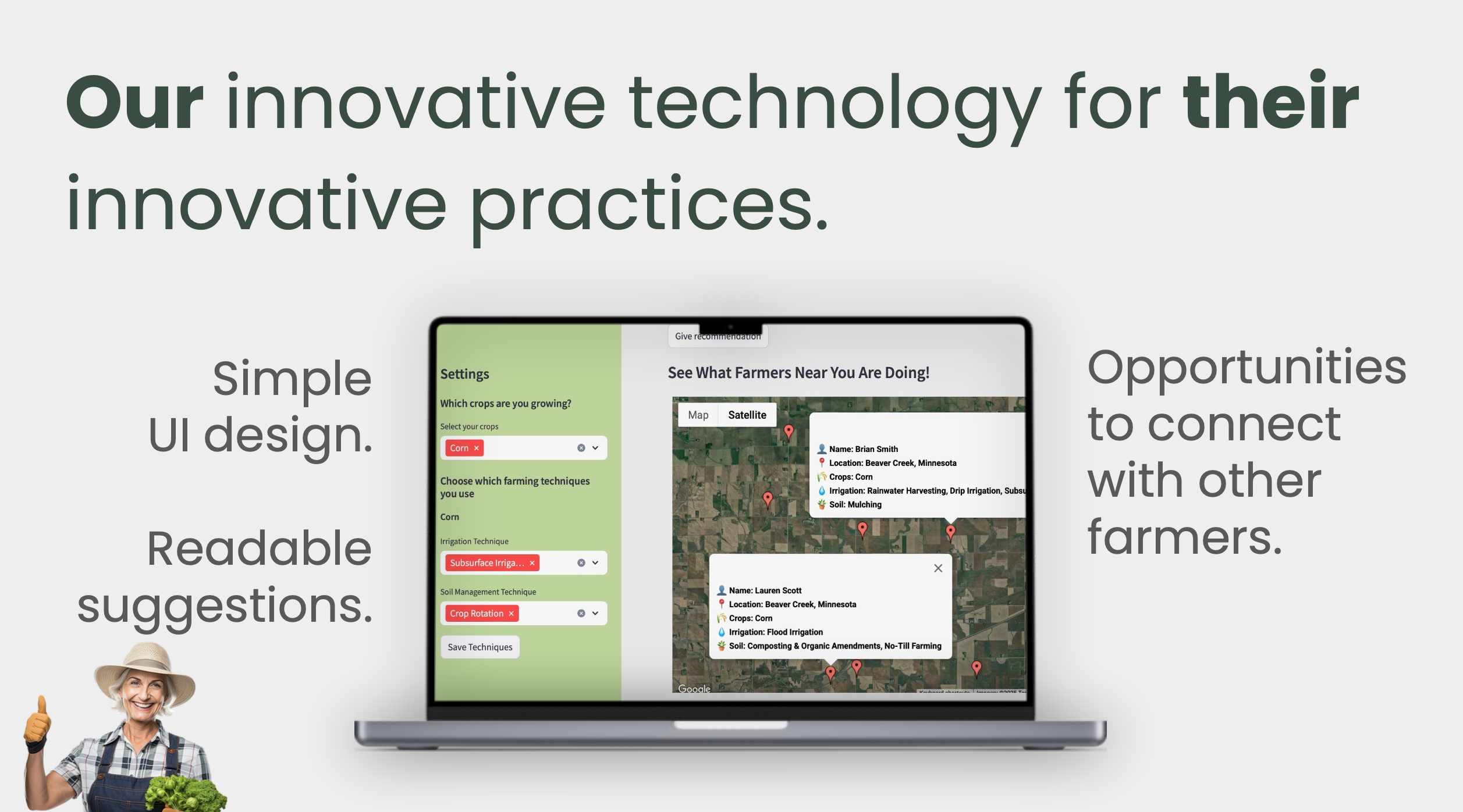
Lastly, we included a community aspect to our project. We understand that our target audience values community heavily and might not be the most technologically inclined group. Therefore, we wished to create a platform where farmers can see what other like-minded farmers are doing in their area to help them make an informed decision, instead of blindly trusting a machine's advice!
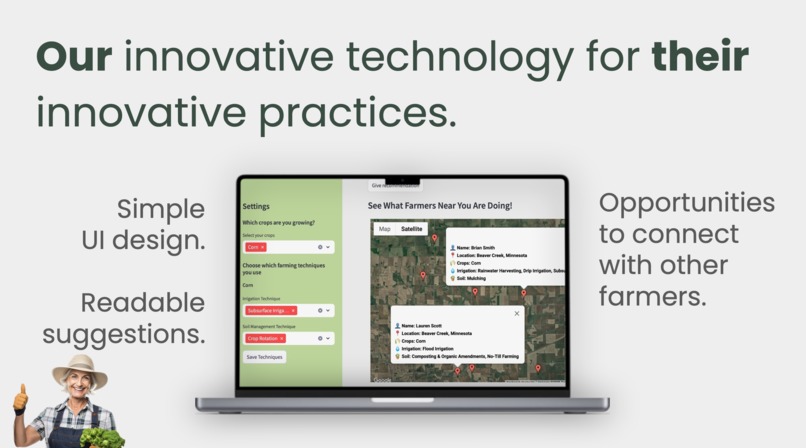
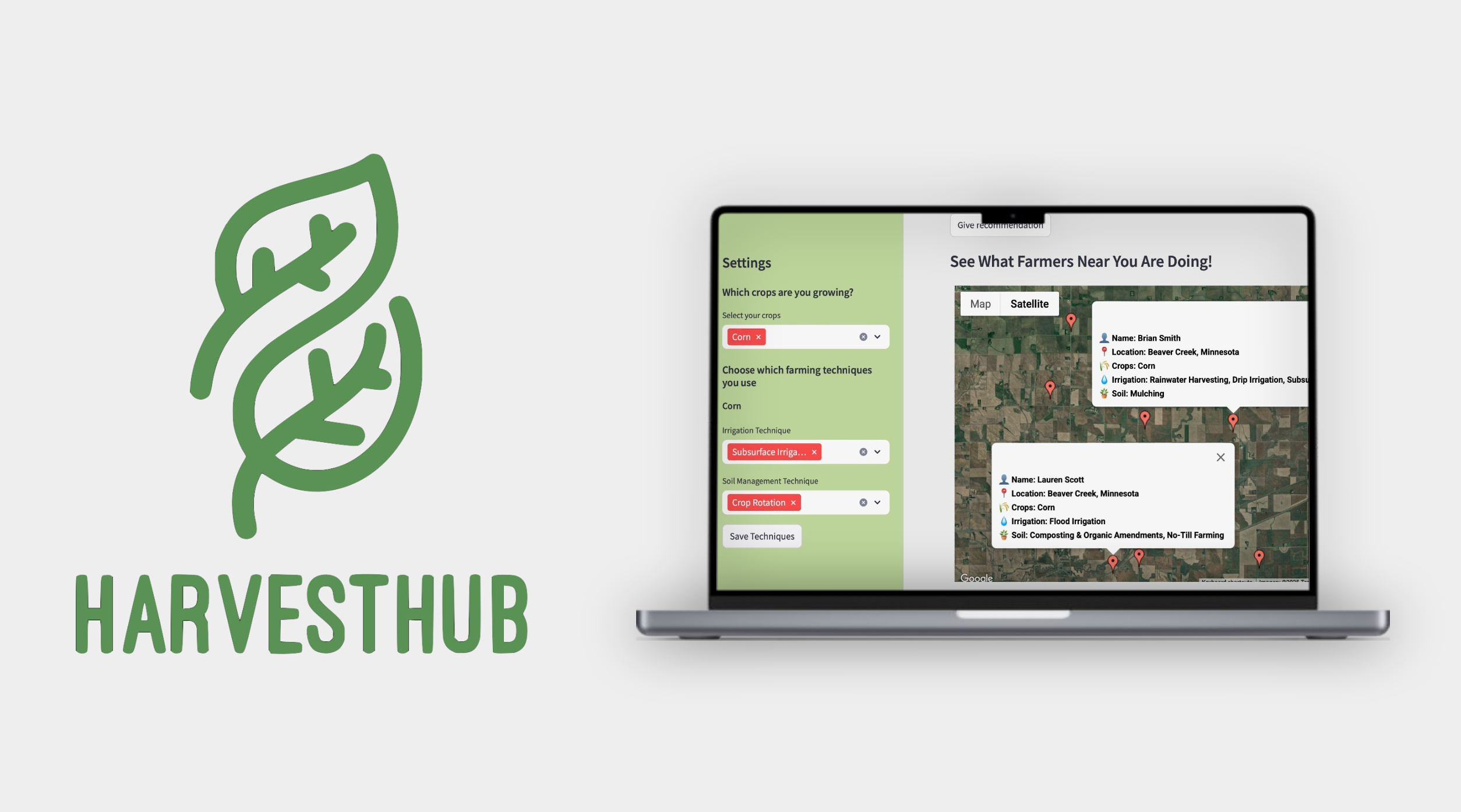
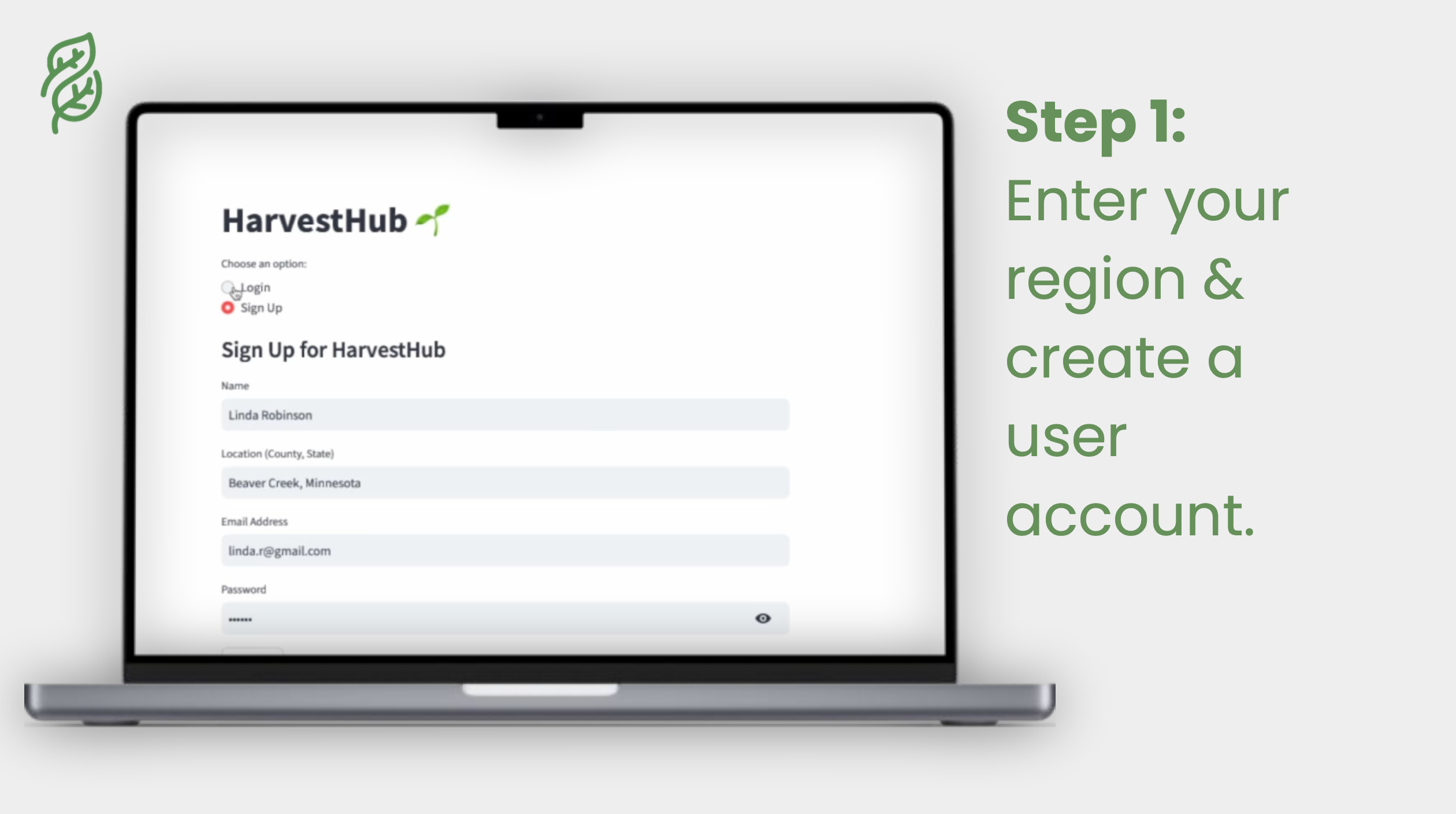
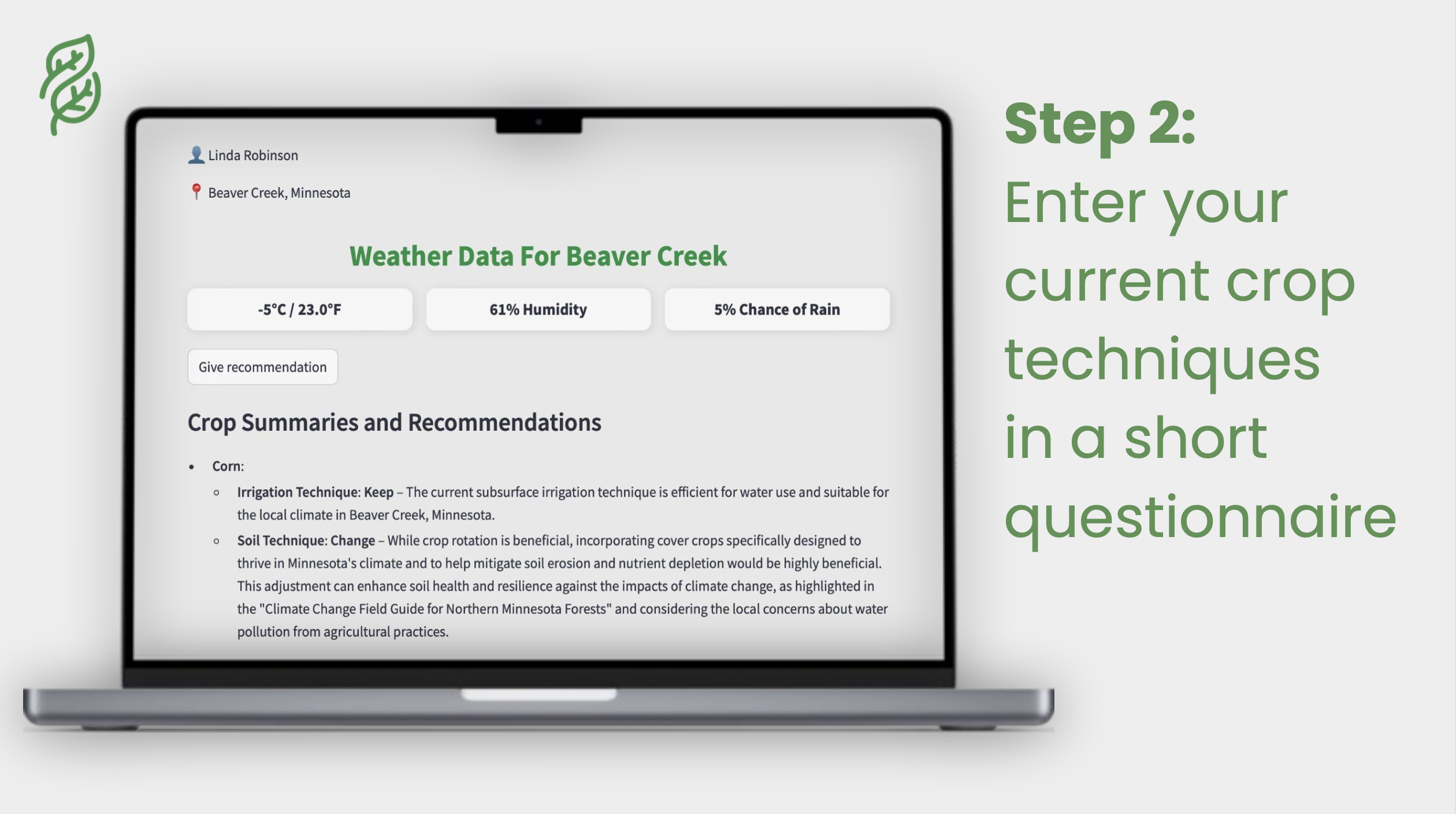
What it Does Farmers interact with a Streamlit-based interface, where they first begin entering their crop data into a short questionnaire about their crops (Coffee Beans, Tea Leaves, Rice, and Corn) and techniques (drip irrigation, cover cropping, mulching, etc)—all data that is stored on a Firebase integrated database. After, HarvestHub’s advanced multimodal LLM approach processes the user’s input data, evaluates the region by scraping web data, and gives the user precise suggestions on their farming techniques. With Groq’s LPU acceleration, our web app delivers efficient inference, allowing farmers to access timely, actionable insights without delays.
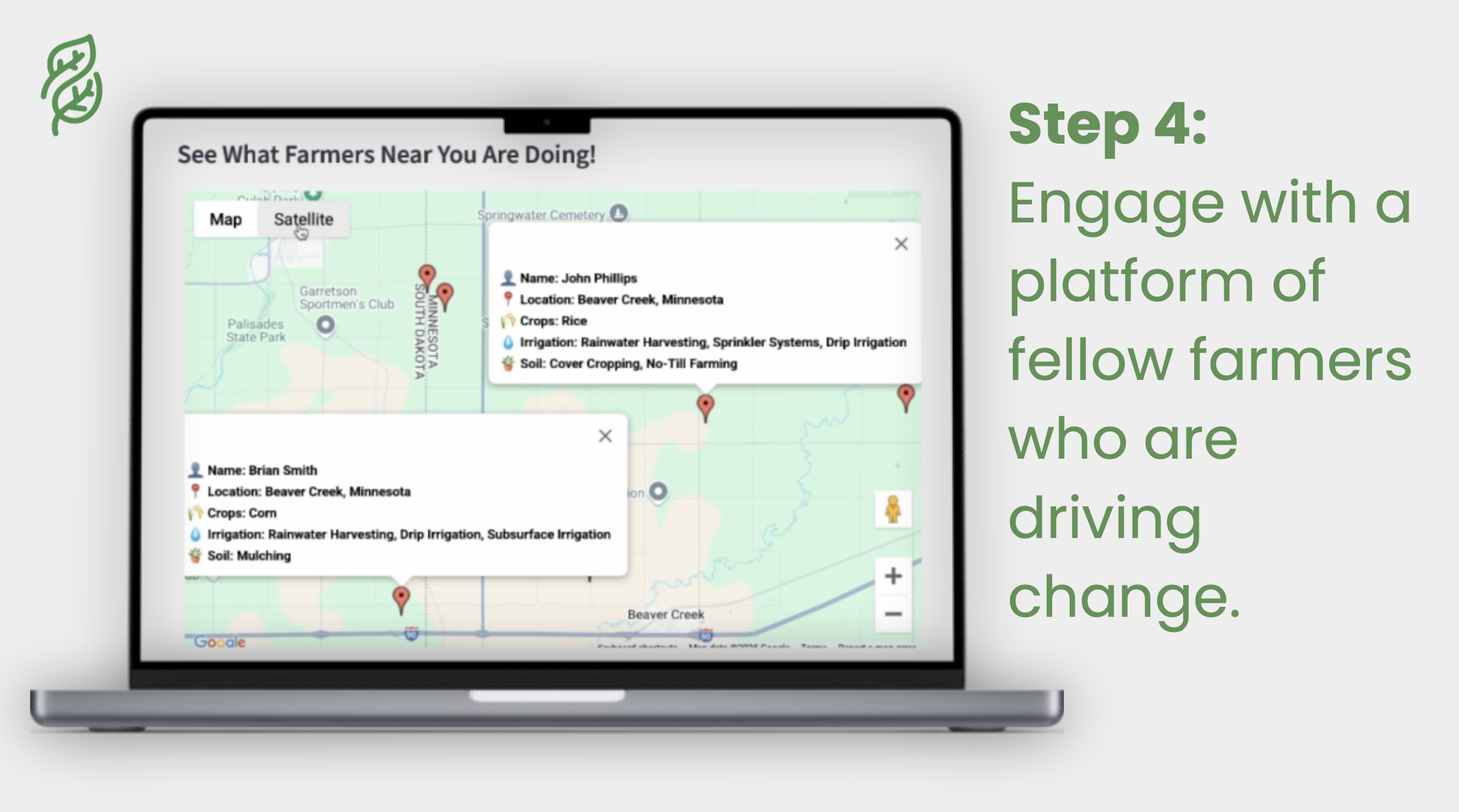
Beyond AI-powered recommendations, HarvestHub fosters a sense of community and facilitates word of mouth by enabling farmers to see how others in their region are adapting to climate challenges through a social map visualization (powered by Google Maps API). Farmers can log in to HarvestHub and immediately evaluate the success of other farmers’ new techniques, helping them inform their decision to take new risks in their farming approaches. This community-centric approach encourages small-scale farmers to work together by sharing successful techniques, accelerating the adoption of climate-resilient practices worldwide.
Our Team Experience & Motivations Overall, our team had a great experience in this hackathon. Even though 3/4 of us have never competed in a hackathon before, we are all thrilled with our group engagement in this project. Throughout our ideation phase, we prioritized having a unique product idea before building anything. We brainstormed for a very long time before deciding on this idea. Ultimately, we chose HarvestHub as our project of choice because of its meaningful real-world impacts. As students who care deeply about climate change and global warming, we felt drawn to the idea of creating a product that benefits both consumers (us, as consumers of food) and farmers (who depend on this as their business)!
Built With
- deepseek
- firebase
- gemini
- google-maps
- groq
- llama
- python
- streamlit
- weatherapi


Log in or sign up for Devpost to join the conversation.