Inspiration
Walk into the back office of almost any school cafeteria, university dining hall, food bank, or community kitchen, and you'll find the same paradox: mountains of edible food going into the trash, sitting right next to filing cabinets full of the very data that could have predicted it. Receipts. Inventory sheets. Attendance counts. Waste logs. Donation records. The information needed to prevent waste already exists — it's just scattered across spreadsheets, paper receipts, and photos that no one has the time or tools to connect.
That was our starting observation: food waste is not an information problem. It's a translation problem. Nobody can act on a stack of receipts and an inventory spreadsheet in real time, so by the time anyone notices a surplus, it's already spoiled.
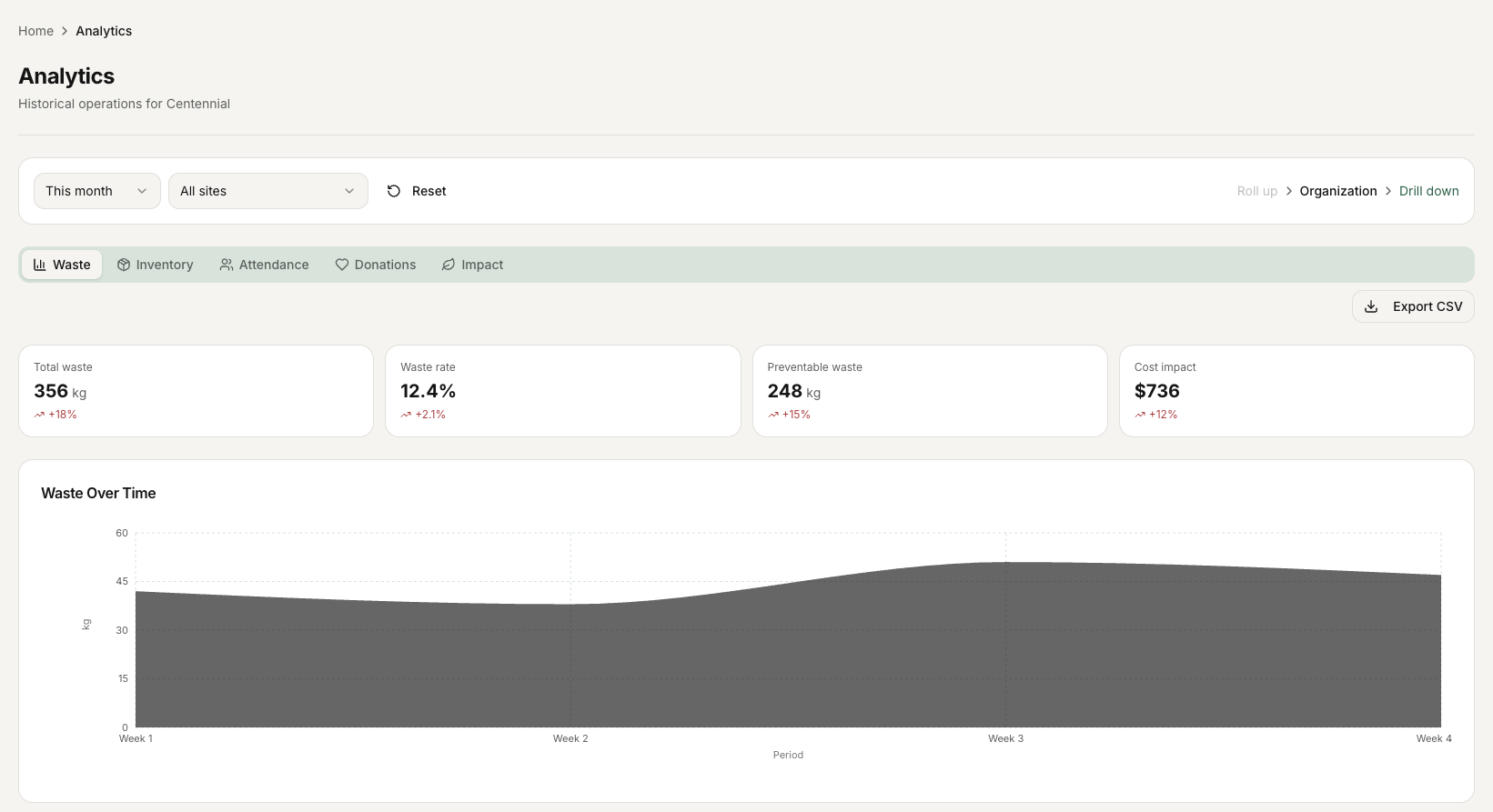
Every existing tool we looked at measured this damage after the fact — dashboards that report how much was thrown away last month, audits that confirm what staff already suspected. We wanted to flip the timeline: instead of an after-action report, build a before-it-happens warning system.
That question — can we predict waste before it occurs, using only the records organizations already keep? — became Harvest.
What it does
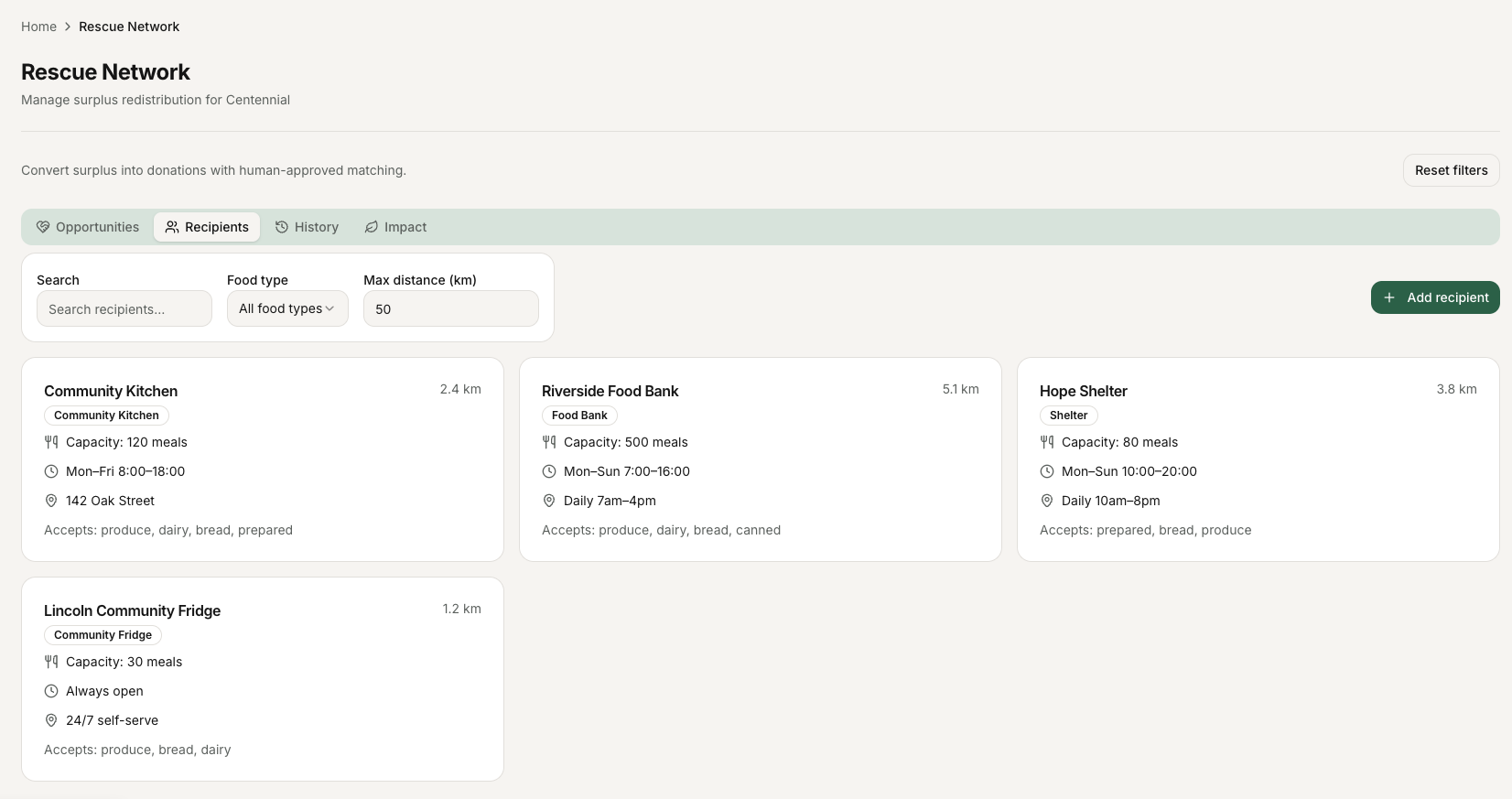
Harvest is an end-to-end food waste intelligence platform built for the people actually running food operations — cafeteria managers juggling next week's menu against this week's leftovers, university dining directors balancing five dining halls' worth of perishables, food bank coordinators deciding what to move before it spoils, and community kitchen leads stretching every donated pound as far as it will go.
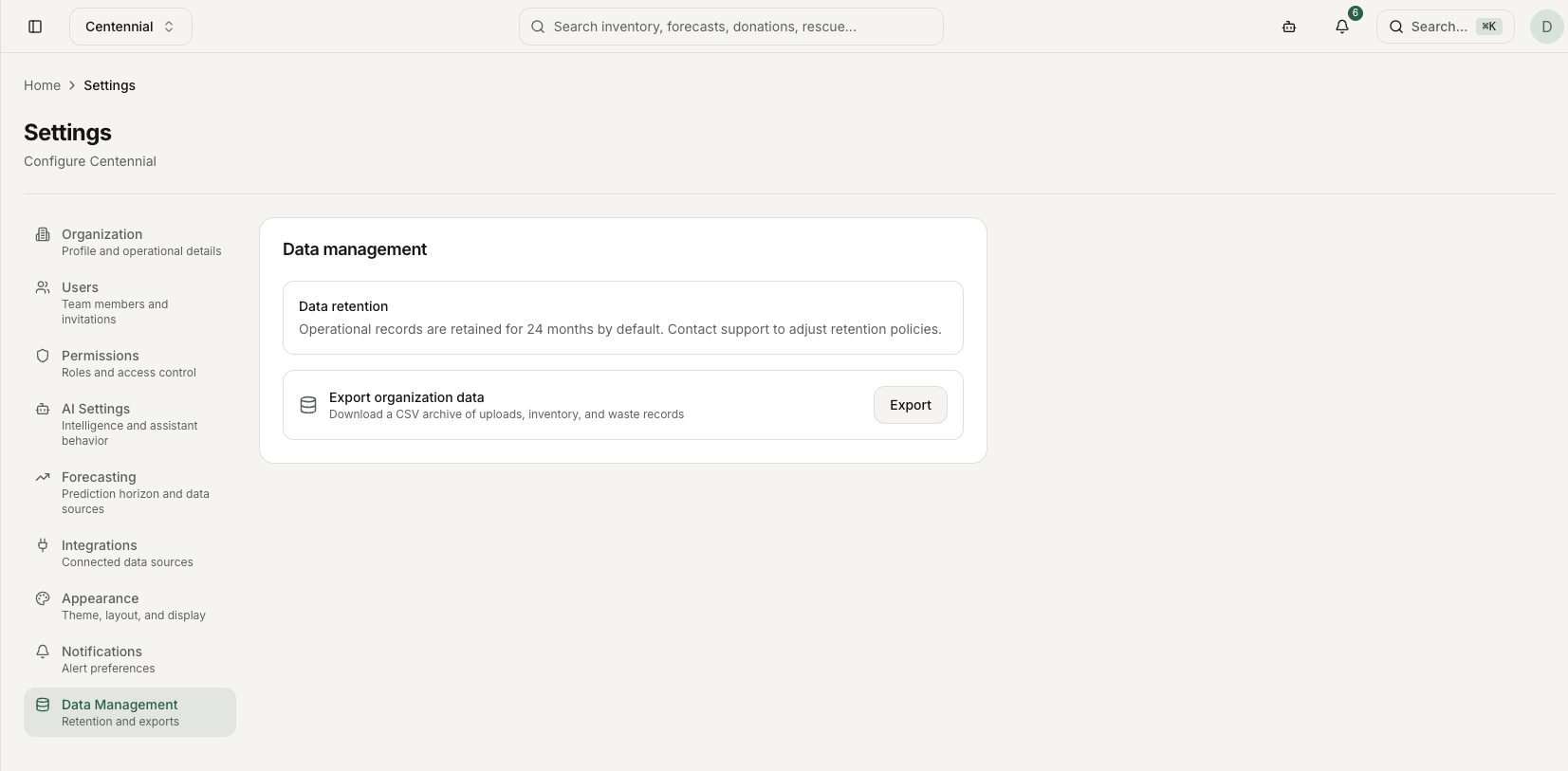
Harvest meets these users where they already are. It accepts operational information in the exact formats organizations already produce — no new software to learn, no new workflow to adopt:
- Receipts
- Inventory spreadsheets
- Attendance reports
- Waste logs
- Donation records
- Text documents
- Images and photographs
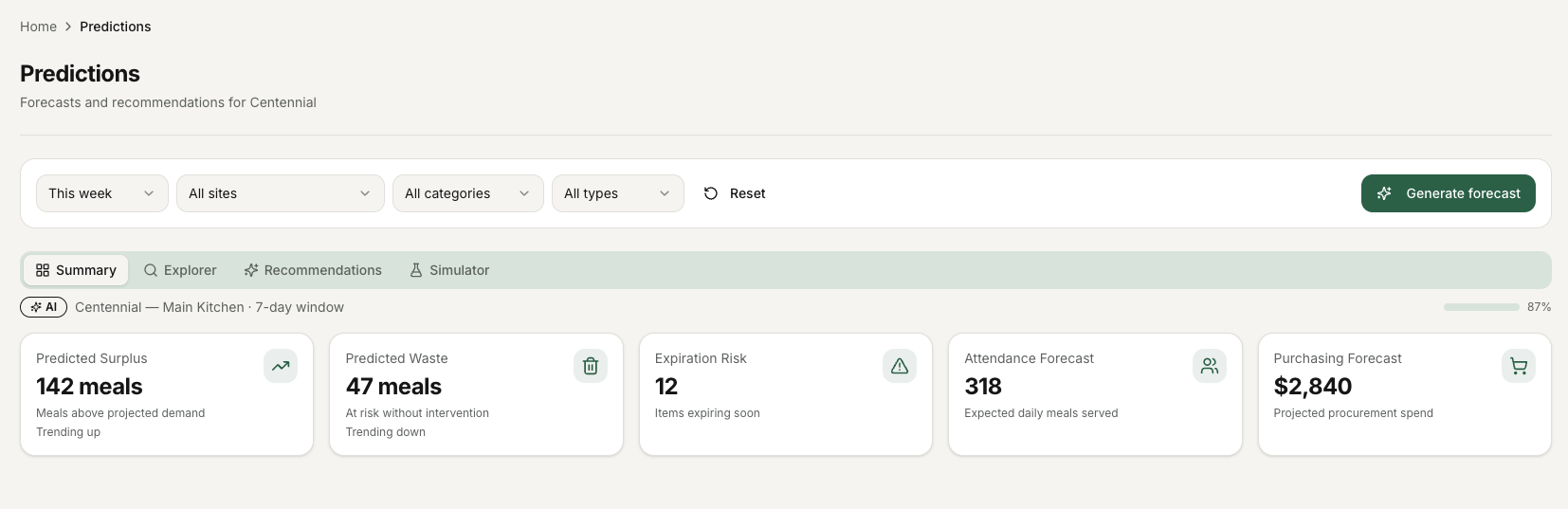
Using AI-powered document understanding, Harvest automatically classifies, extracts, and normalizes this information into a single, standardized operational model — turning a folder of mismatched files into one coherent picture of an organization's food flow.
Once that picture exists, Harvest layers four kinds of intelligence on top of it:
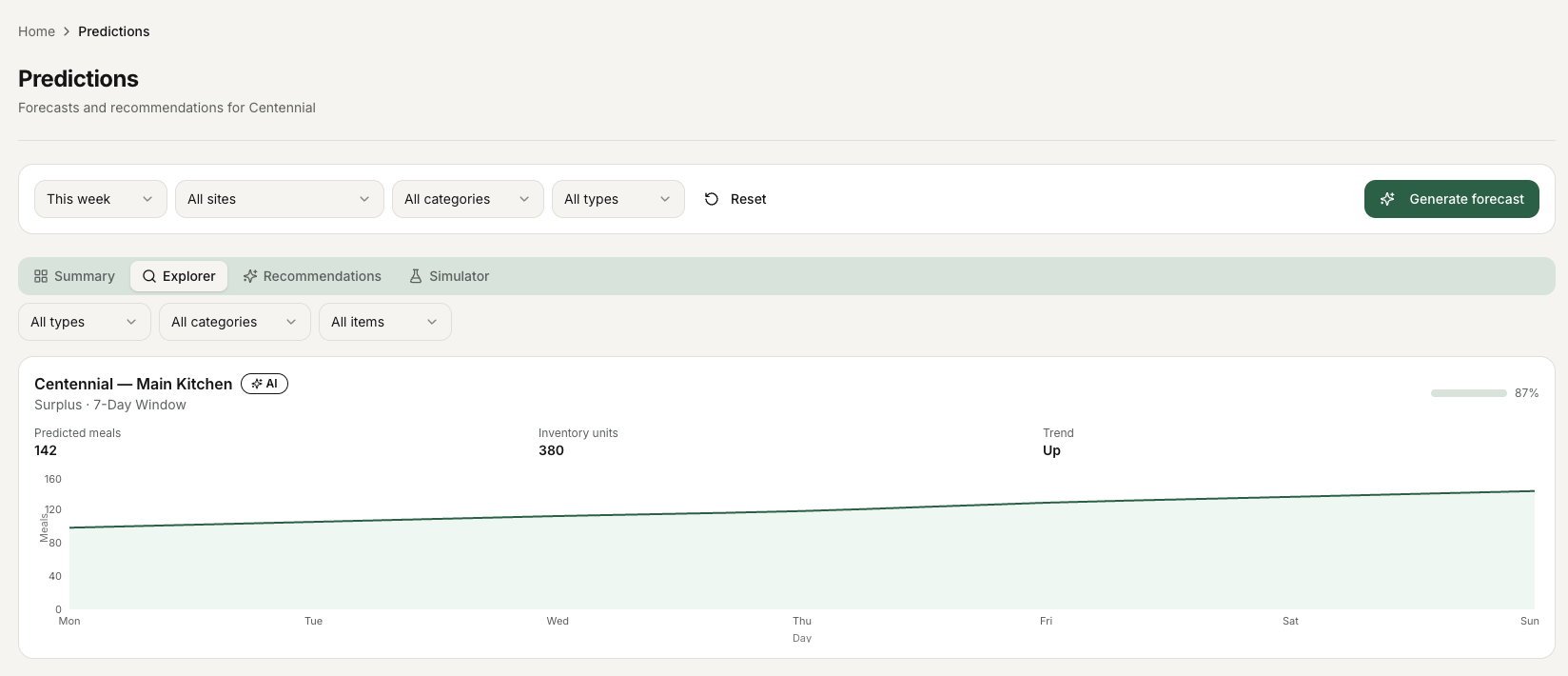
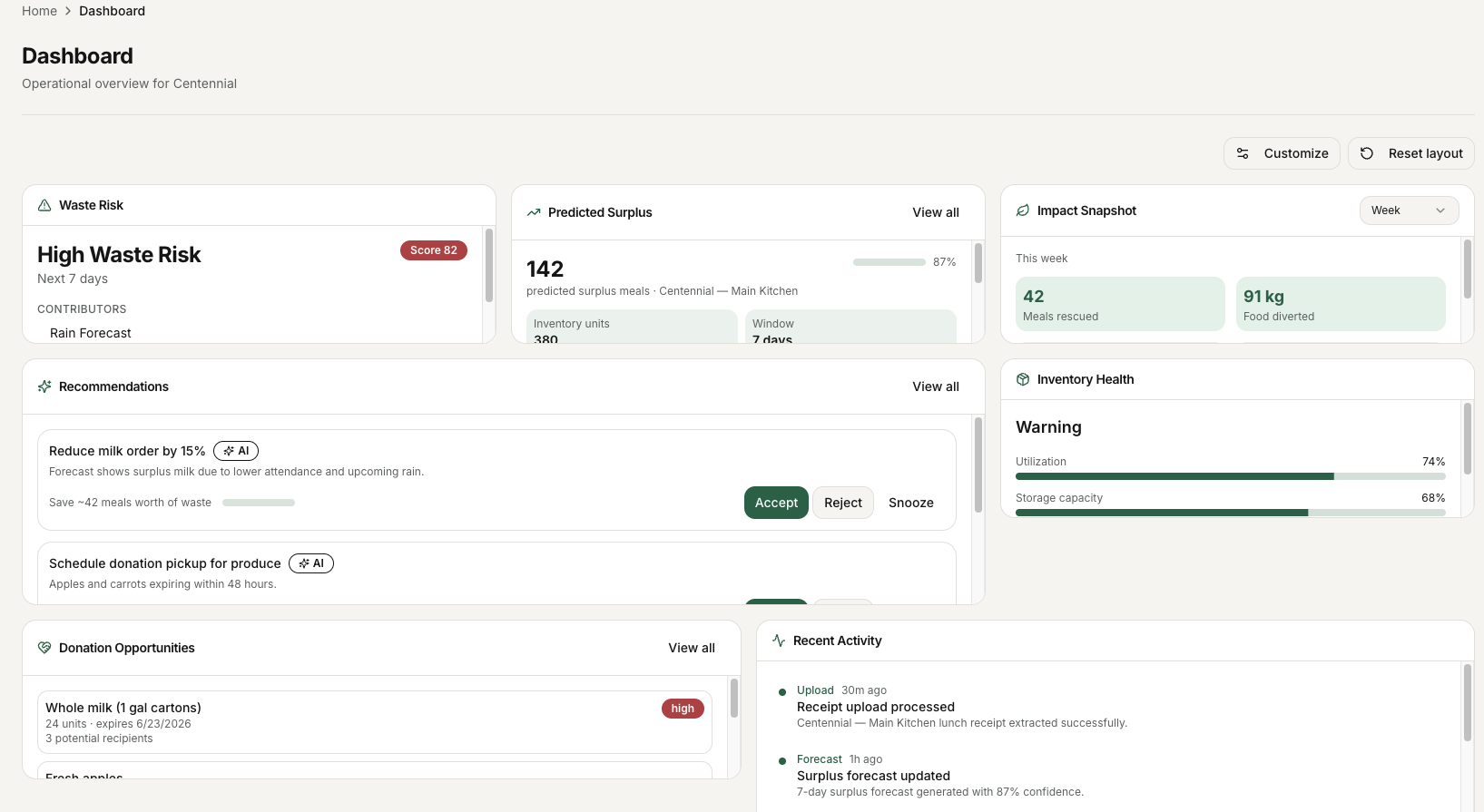
Predictive Intelligence — forecasts future waste generation, predicts inventory surplus, flags expiration risk, and surfaces operational inefficiencies before they compound.
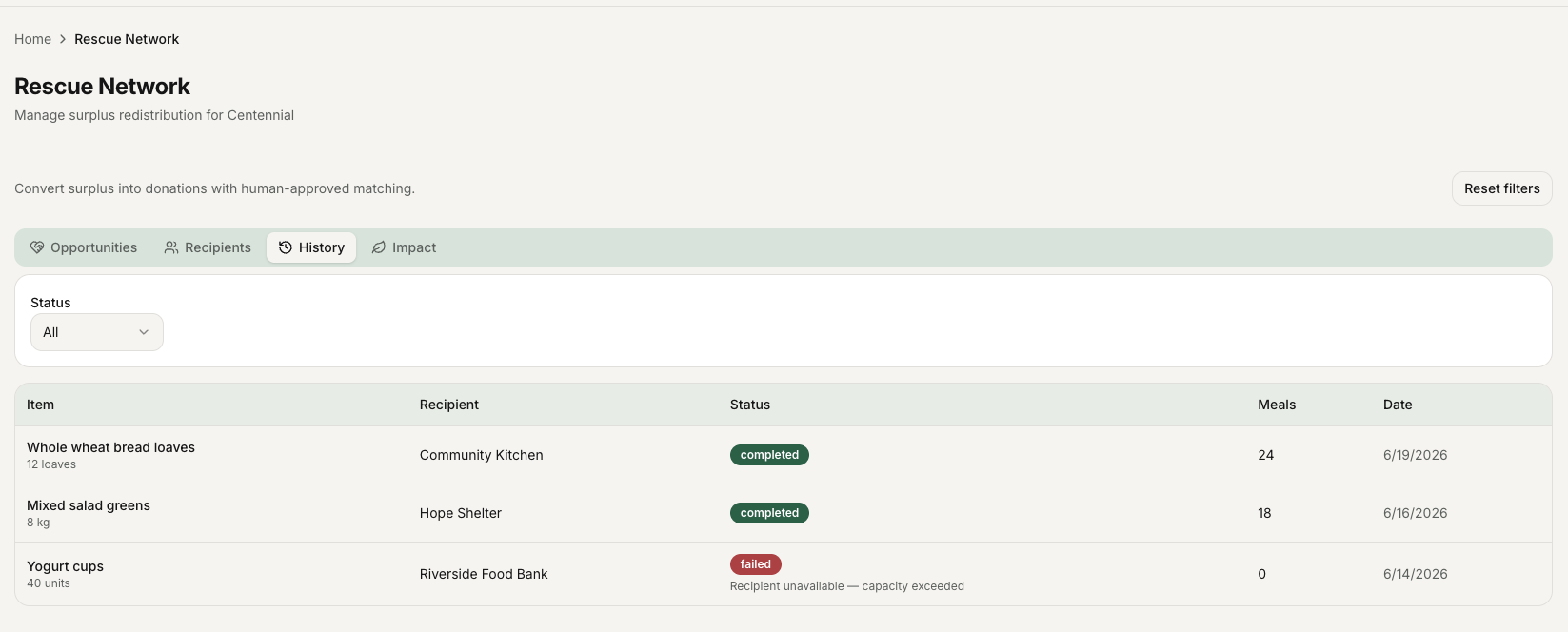
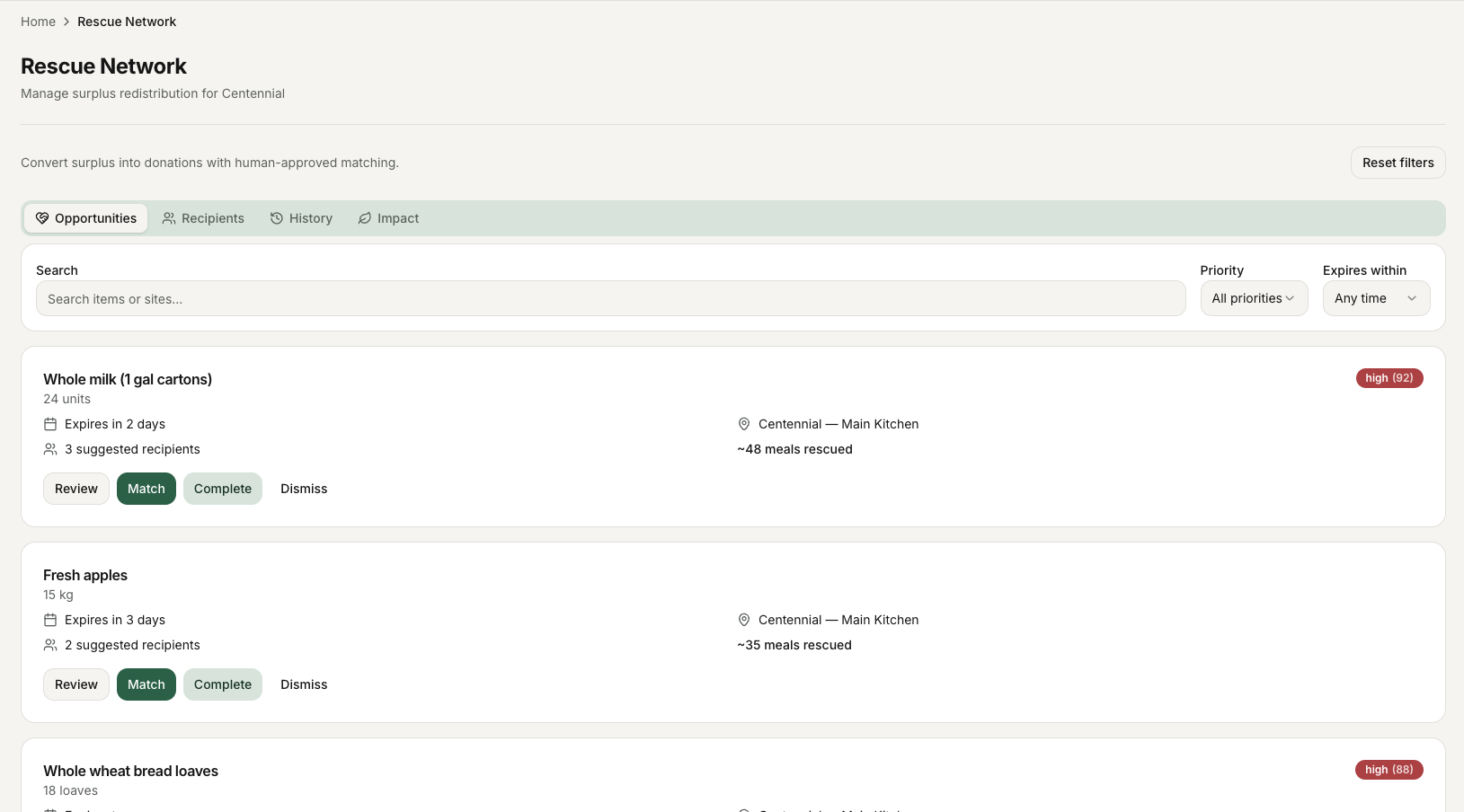
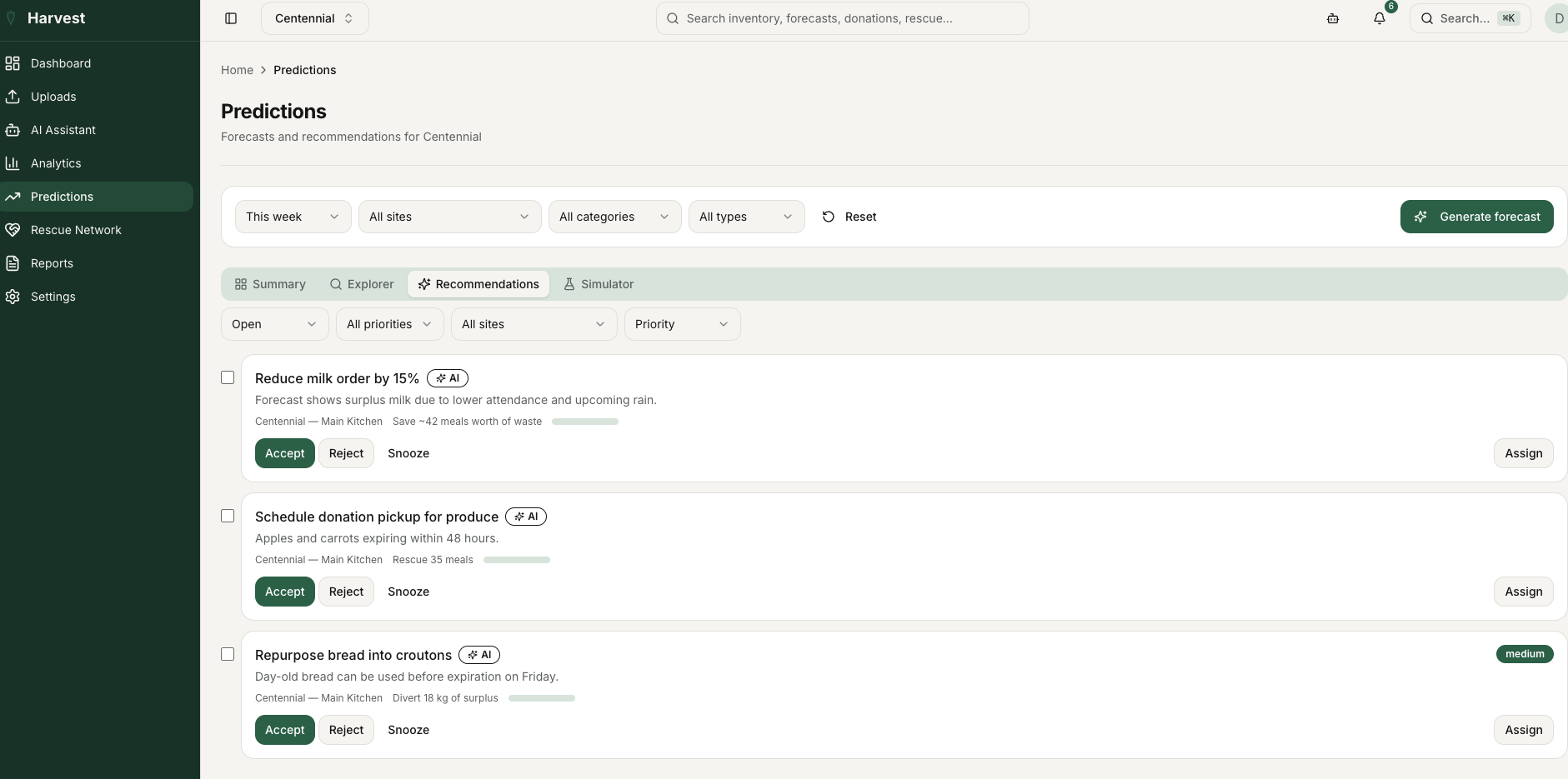
Prescriptive Intelligence — recommends specific inventory actions, surfaces redistribution opportunities, ranks interventions by impact, and supports day-to-day operational planning.
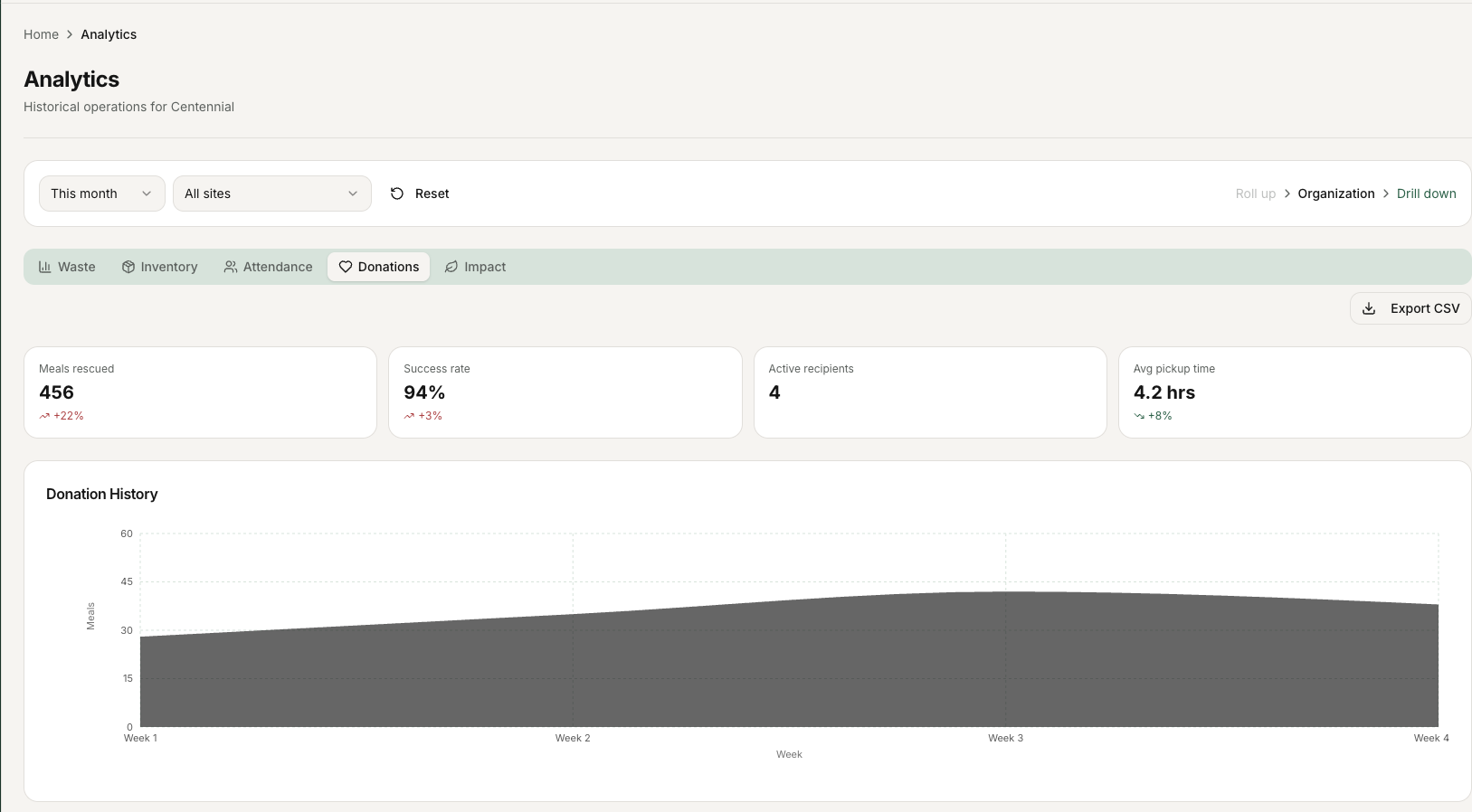
Impact Intelligence — estimates waste-reduction potential, quantifies financial savings, calculates environmental impact, and tracks sustainability outcomes over time.
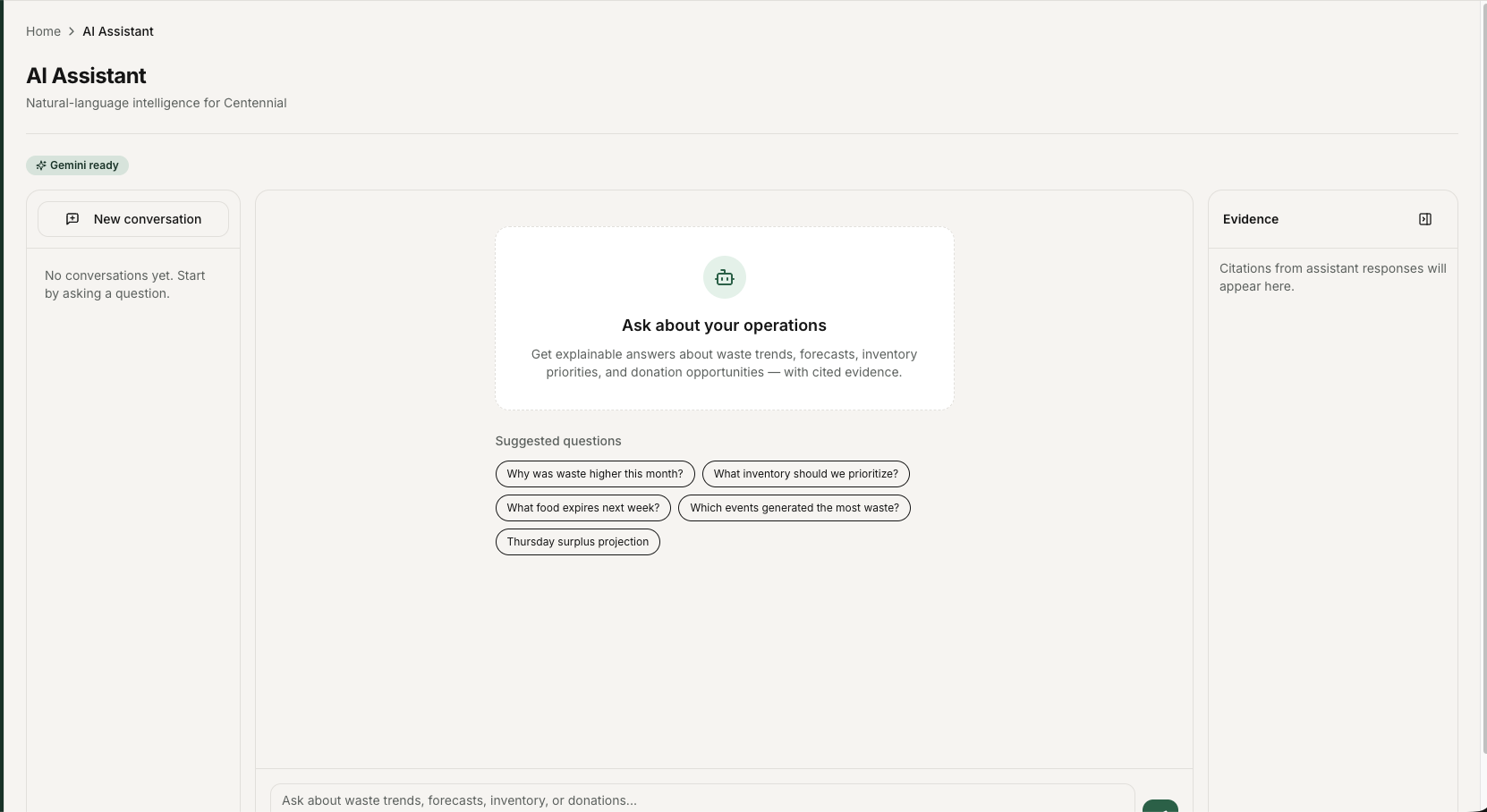
Conversational Intelligence — lets users ask, in plain language, the questions that actually drive decisions:
- "Which inventory items are most likely to expire this week?"
- "What factors are contributing to increased waste?"
- "Which actions would have the greatest impact right now?"
- "What donation opportunities should be prioritized?"
The result is not a dashboard you have to interpret. It's a system that turns raw, fragmented operational records into explainable decision support — answers a busy operations manager can act on in the time it takes to read them.
How we built it
We designed Harvest as a modular intelligence platform, with a clean separation between data ingestion, AI processing, forecasting, recommendations, analytics, and user interaction — so that any one layer could be improved, replaced, or scaled without destabilizing the rest of the system.
Frontend Architecture
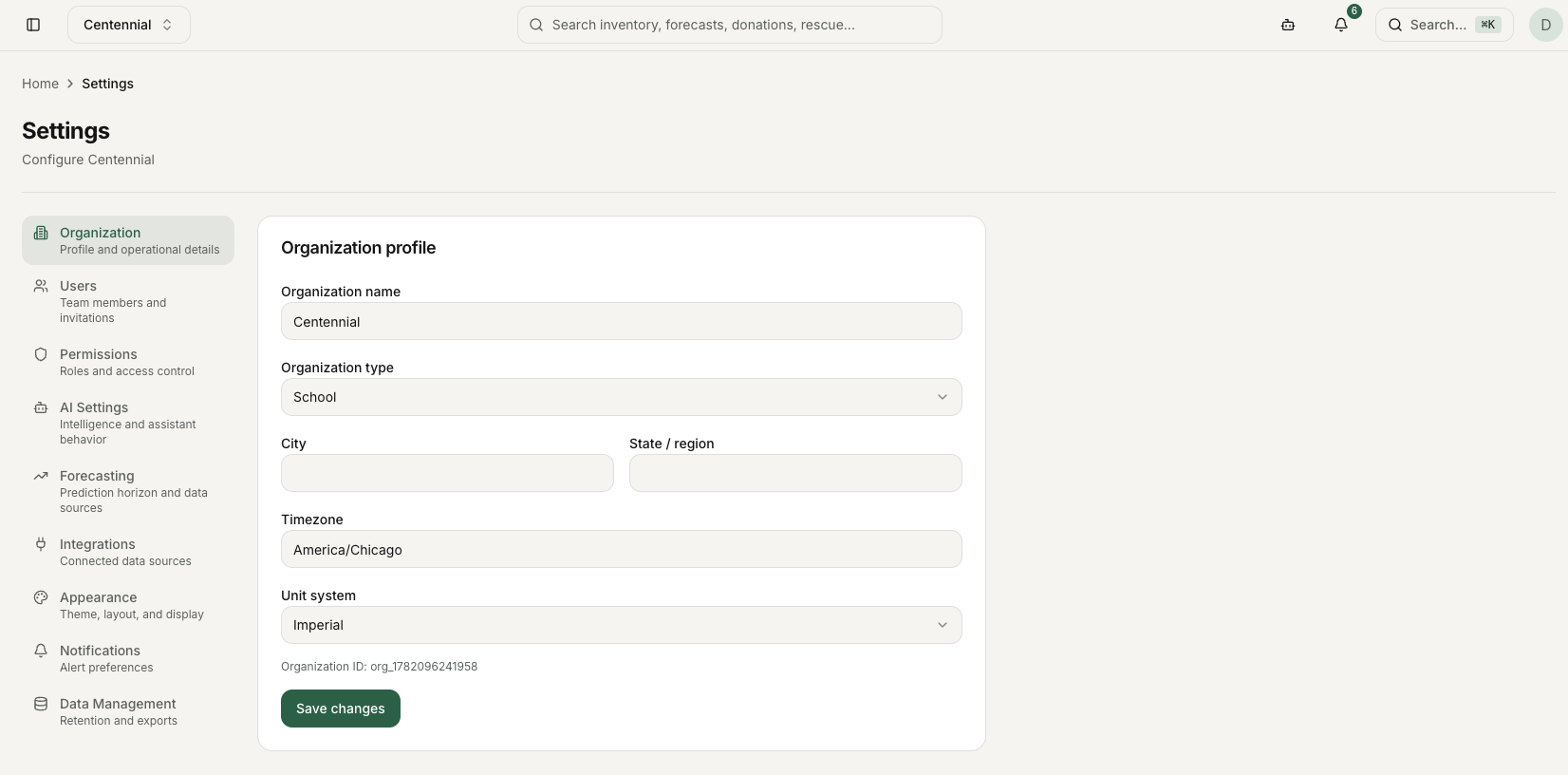
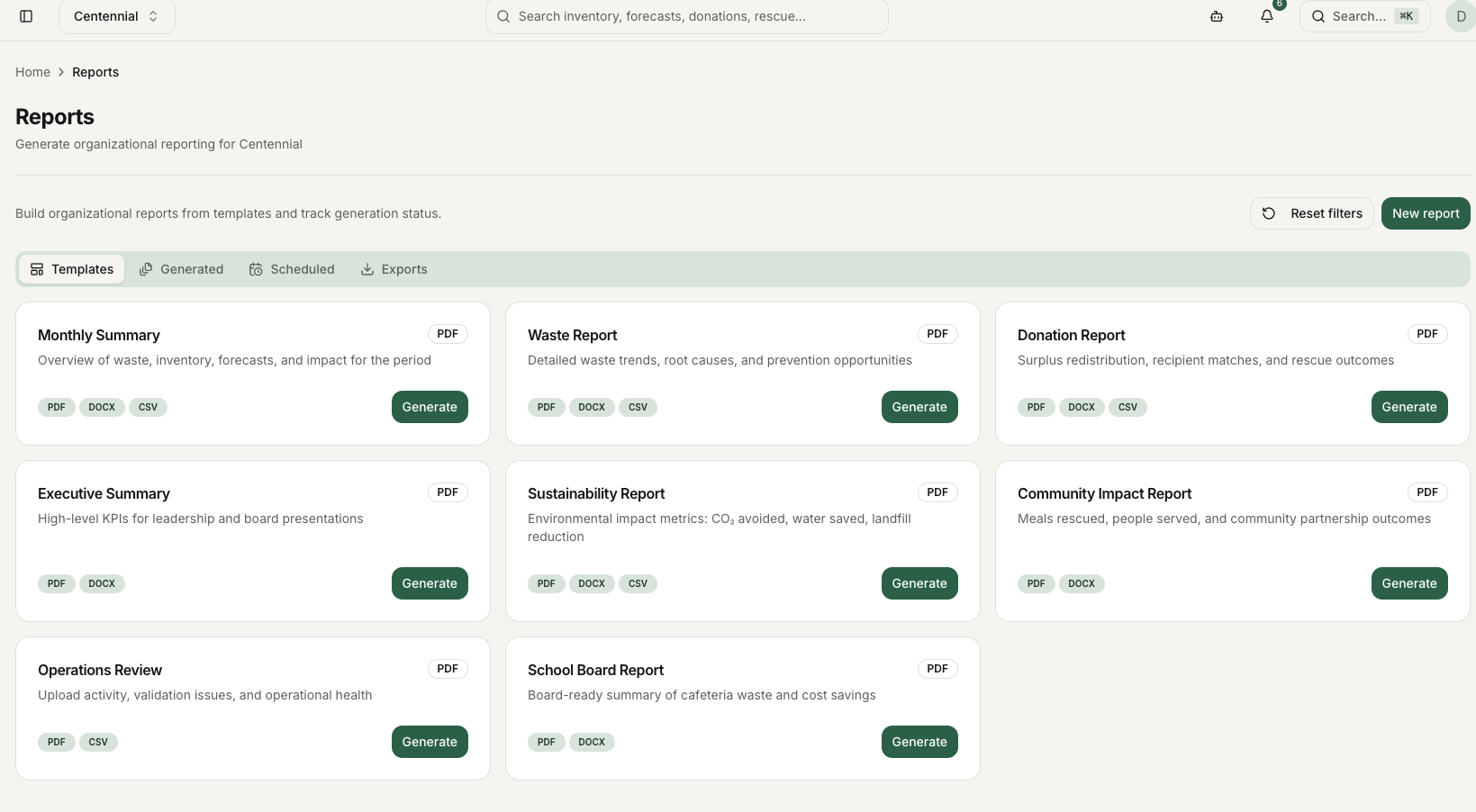
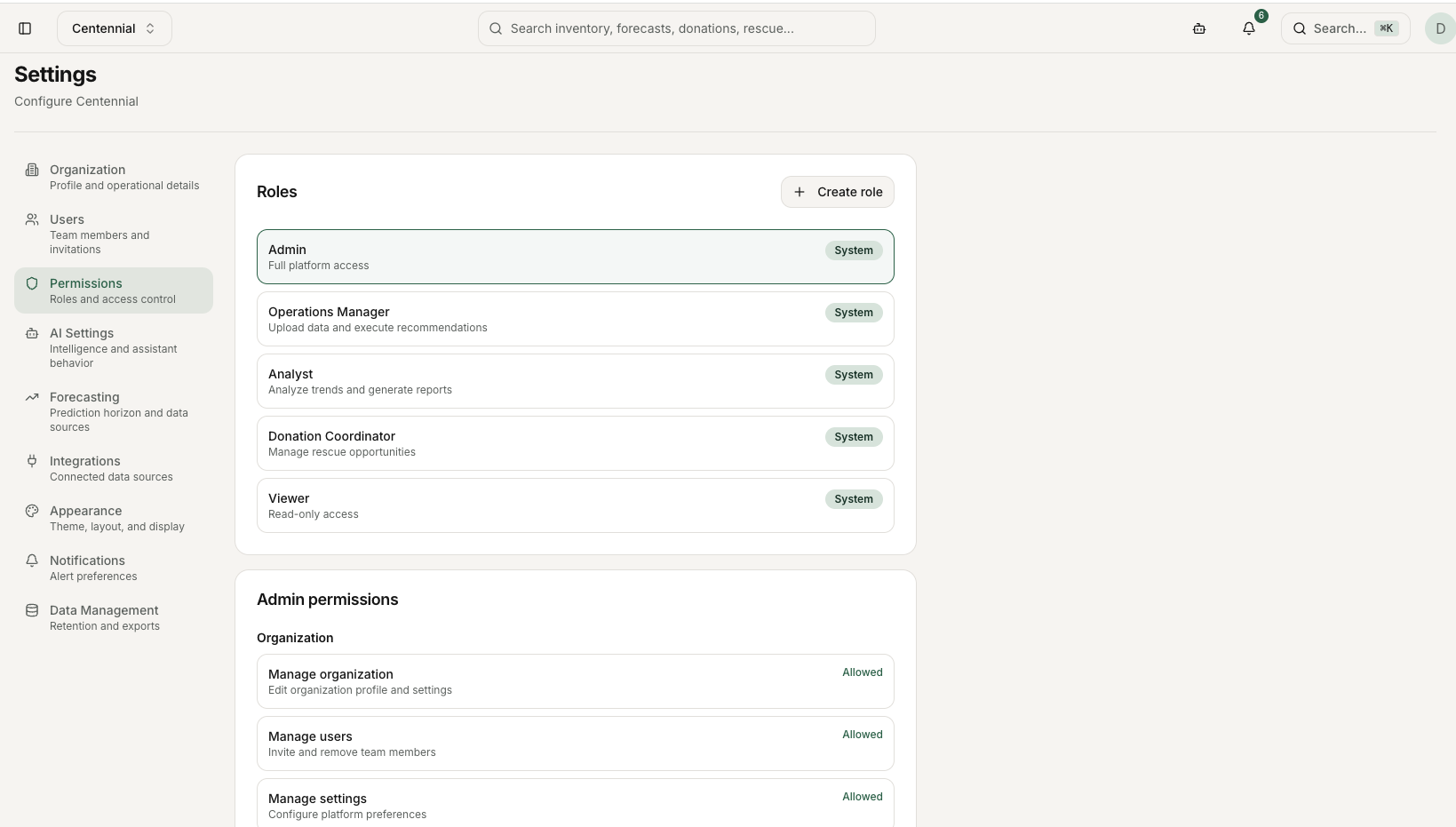
The user experience is built on Next.js, React, TypeScript, Tailwind CSS, and shadcn/ui, giving the platform a fast, consistent interface for document ingestion, operational dashboards, recommendation review, reporting, and conversational AI — all in one place.
Backend Architecture
The backend runs on Node.js and Next.js API Routes, backed by PostgreSQL through Supabase and Drizzle ORM. This stack handles structured operational storage, authentication, analytics, forecasting, and recommendation workflows with the reliability a food-operations tool needs to be trusted day after day.
AI Architecture
We applied AI only where it earns its place. Gemini powers document classification, entity extraction, data normalization, conversational reasoning, and insight generation — the tasks that genuinely require language and visual understanding. Forecasting and recommendation ranking, by contrast, run on deterministic logic, statistical methods, and explainable business rules, not unconstrained generative output. This hybrid design is deliberate: it keeps the parts of the system that make operational claims grounded in math we can audit, while reserving generative AI for the parts of the problem — understanding messy documents, explaining reasoning in plain language — that actually need it.
Intelligence Pipeline
Every document that enters Harvest moves through the same disciplined pipeline: Data Ingestion → AI Classification → Entity Extraction → Data Normalization → Validation → Forecast Generation → Recommendation Generation → Donation Opportunity Identification → Impact Analysis → Conversational Querying. Each stage adds a layer of operational understanding, so that by the end of the pipeline, a single uploaded receipt has become a structured, validated, forecastable data point inside an organization's larger food system.
Challenges we ran into
Data heterogeneity was the hardest problem we solved. A waste log from a 200-student elementary school looks nothing like a waste log from a 12,000-student university dining system or a regional food bank's intake sheet. Inventory records, attendance logs, receipts, and donation reports vary in format, vocabulary, and structure across nearly every institution we looked at. Building an intake system that could reliably extract meaning from that inconsistency meant going deep on schema design, normalization rules, validation logic, and error handling — work that doesn't show up in a demo but that the entire platform depends on.
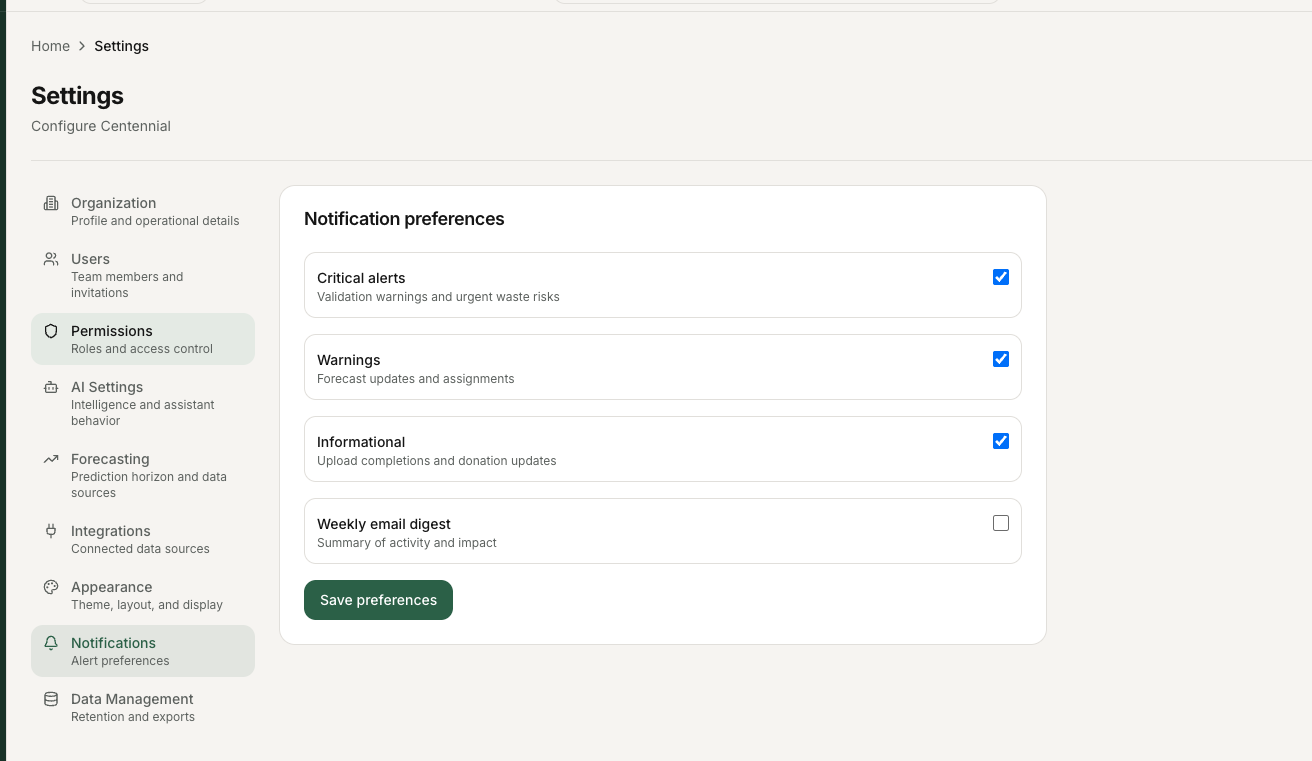
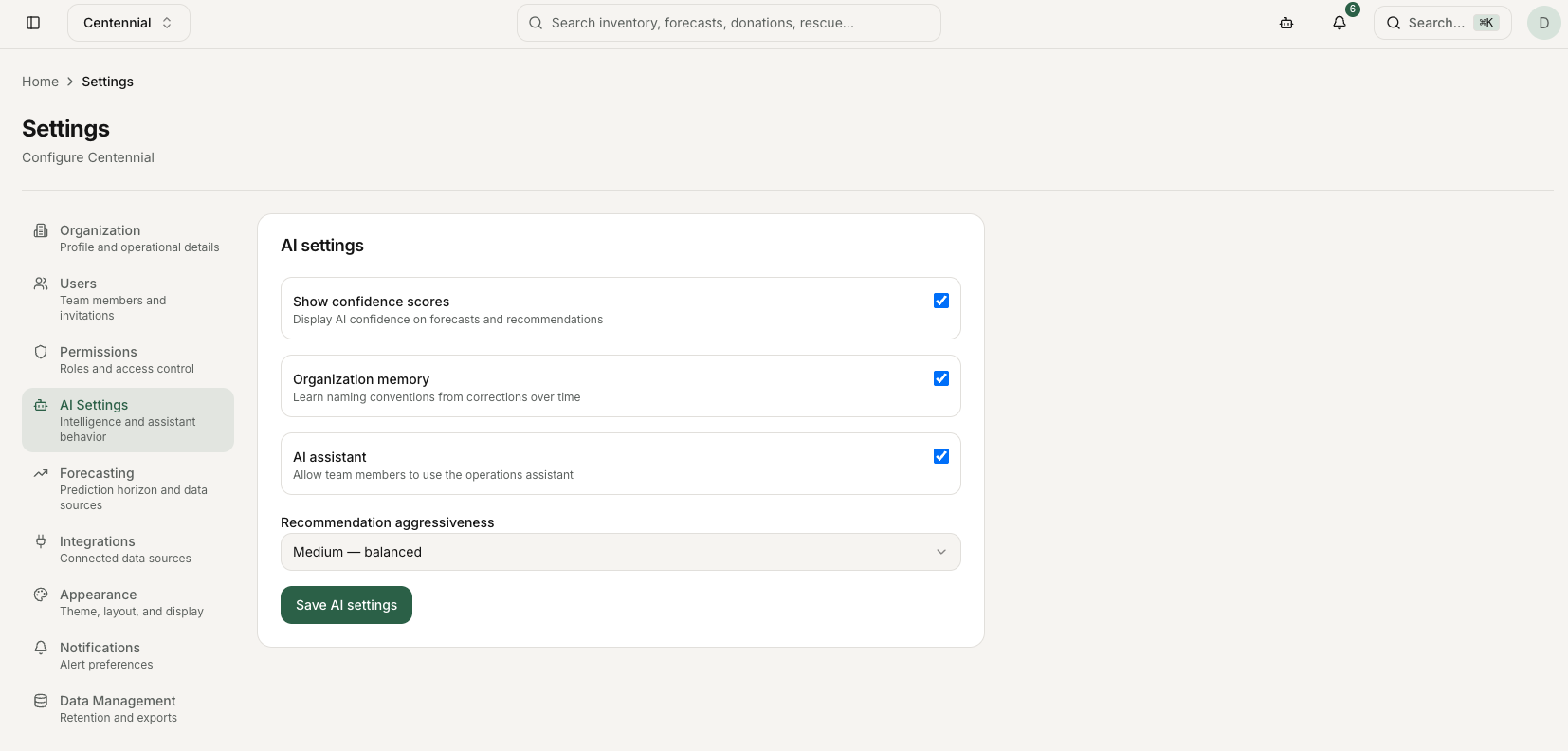
Automation versus responsibility was the harder design problem. Food-service decisions carry real consequences — financial cost, food safety, staffing, and community impact. AI can spot a pattern, but it shouldn't be the thing that decides what happens to a pallet of produce. We resolved this by building a human-in-the-loop architecture from day one, not bolting it on afterward: the system generates evidence and recommendations, and a person makes the call.
Stitching it all together was its own challenge. Ingestion, forecasting, recommendations, impact measurement, and conversational AI are five different systems that all have to feel like one product. Getting there took careful system design and a lot of iteration on how information flows between stages.
Accomplishments that we're proud of
Universal Data Ingestion. Organizations don't have to change how they work to use Harvest. We built the system to adapt to existing operational habits — receipts, spreadsheets, photos, scanned logs — rather than asking already-stretched staff to adopt a new workflow on top of their real jobs.
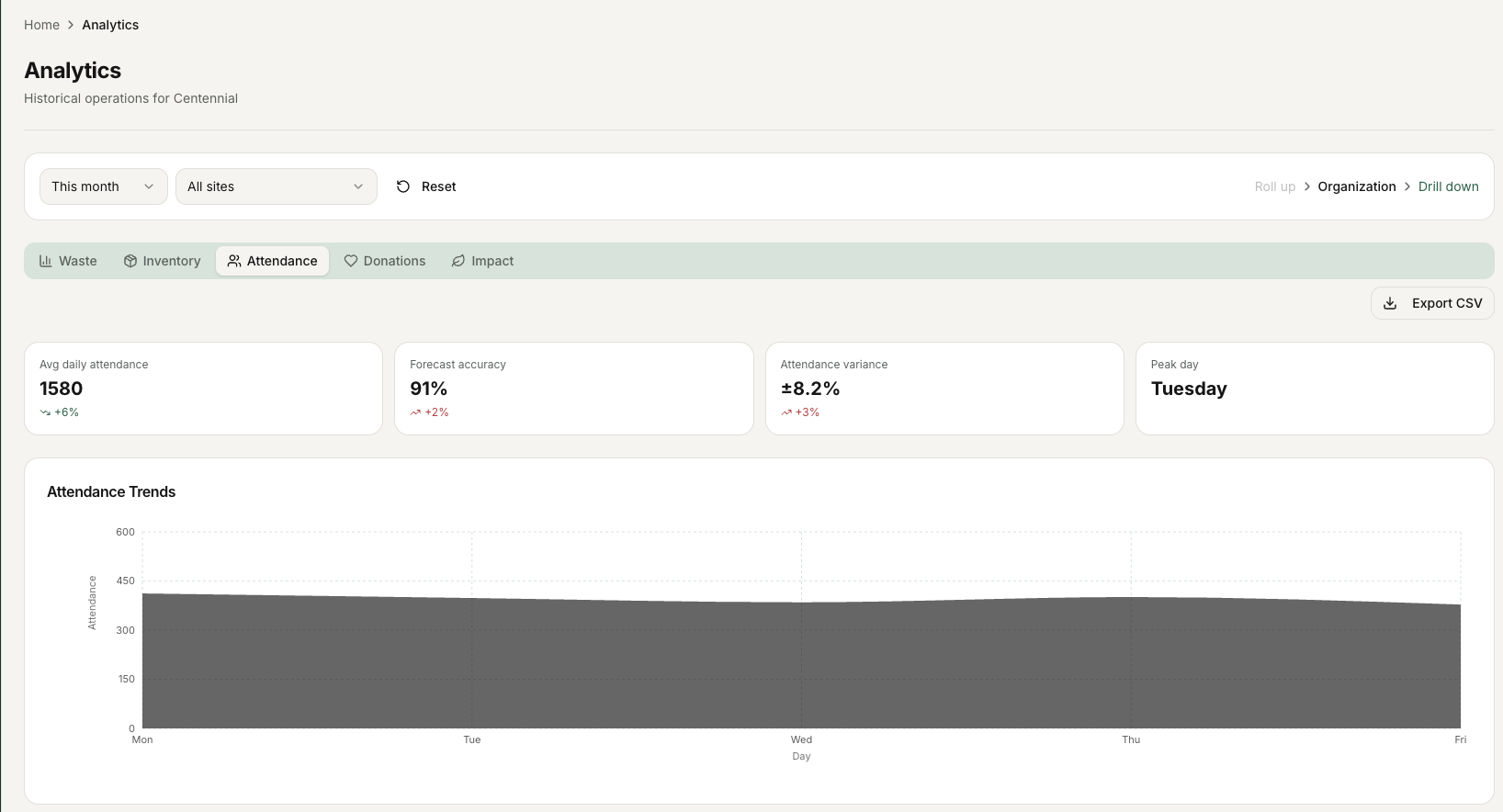
End-to-End Intelligence Architecture. Most tools in this space stop at analytics or prediction. Harvest goes further, connecting prediction to recommendation, recommendation to redistribution opportunity, and all of it to measurable impact — inside one platform, not three.
Explainable AI. Every recommendation Harvest produces is grounded in operational evidence and contextual reasoning a user can inspect. Nothing is a black box; users can see not just what the system recommends, but why.
Responsible AI Design. We built Harvest so AI augments judgment instead of replacing it. That choice cost us some "wow factor" in the demo — but it's the difference between a tool operations teams will actually trust with real decisions and one they won't.
Real-World Relevance. The problem we're solving is measurable in dollars and pounds, environmentally significant, and the same underlying need — turn the data you already have into a warning system — scales from a single elementary school cafeteria to a multi-site university dining system.
What we learned
The biggest lesson wasn't about model sophistication — it was about system design. The most useful AI we built wasn't the most impressive model call; it was the AI capability embedded inside a well-defined workflow with clear validation, transparency, and accountability around it.
We also learned that explainability isn't a compliance checkbox — it's the difference between a recommendation someone trusts and one they ignore. Users act on outputs they understand. They route around outputs they don't.
And we got hands-on experience building a genuinely hybrid intelligence system: structured analytics, deterministic forecasting, AI-powered extraction, natural-language reasoning, and human oversight, working together. That combination turned out to be far more robust — and far more trustworthy — than leaning on generative AI alone.
Built With
- drizzle
- geminiapi
- github
- next.js
- node.js
- postresql
- react
- recharts
- shadcn/ui
- sql
- supabase
- tailwind
- tanstack
- typescript
- zustand

Log in or sign up for Devpost to join the conversation.