-
-
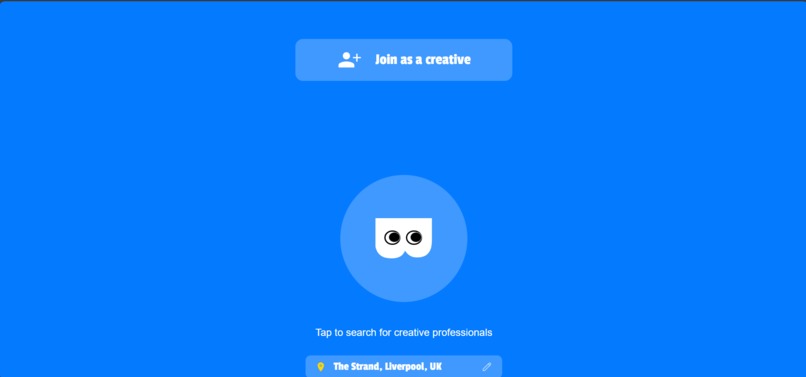
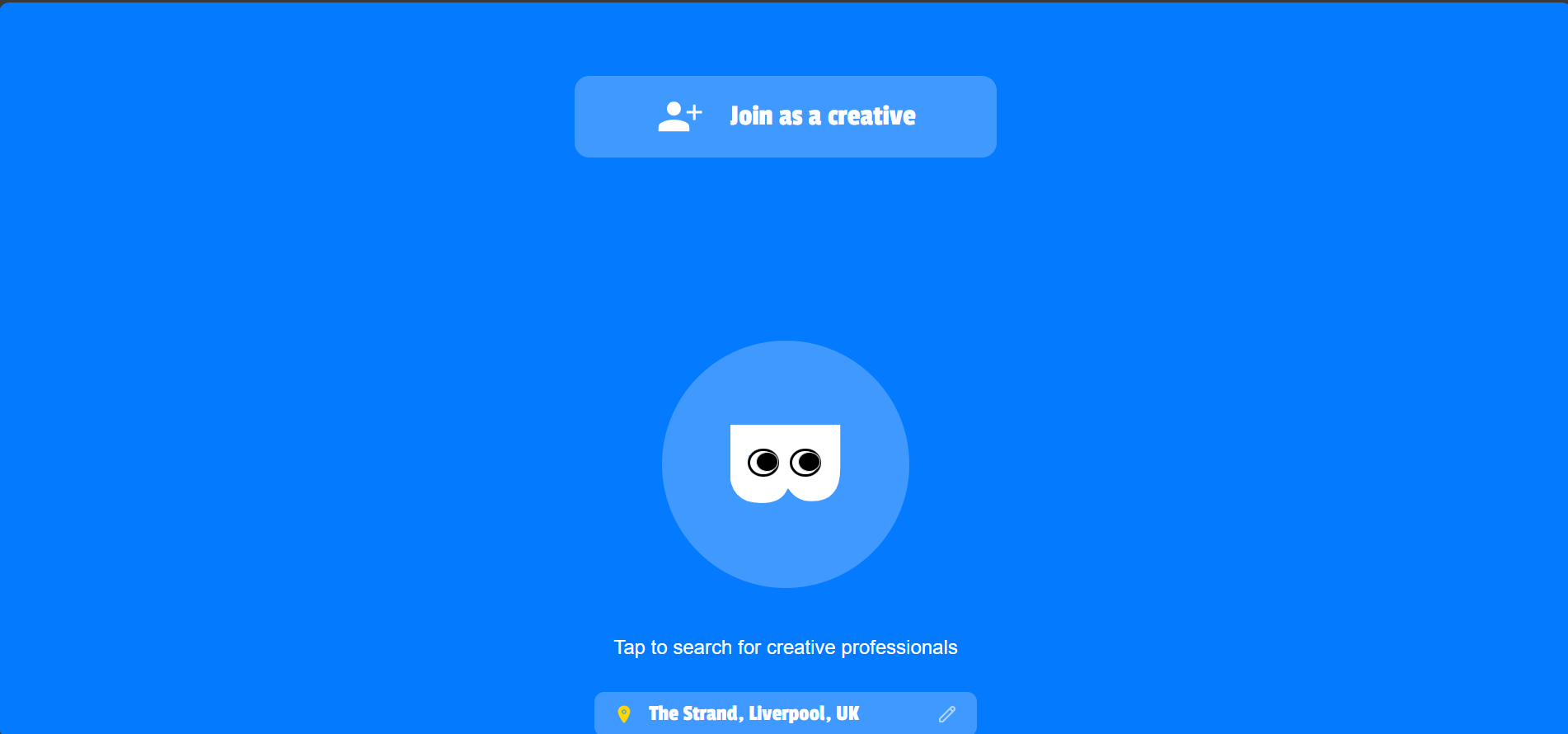
The search page
-
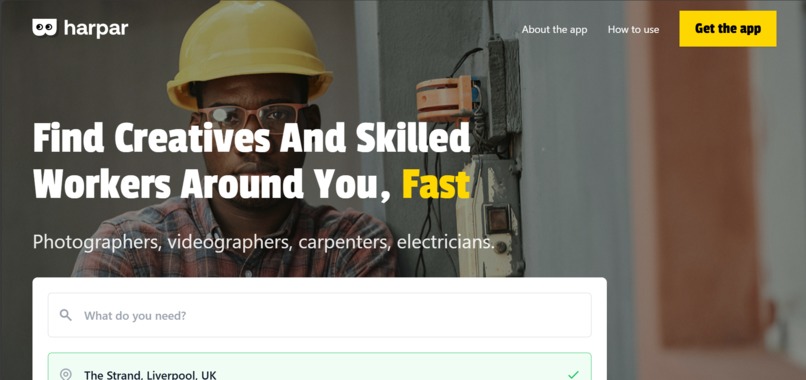
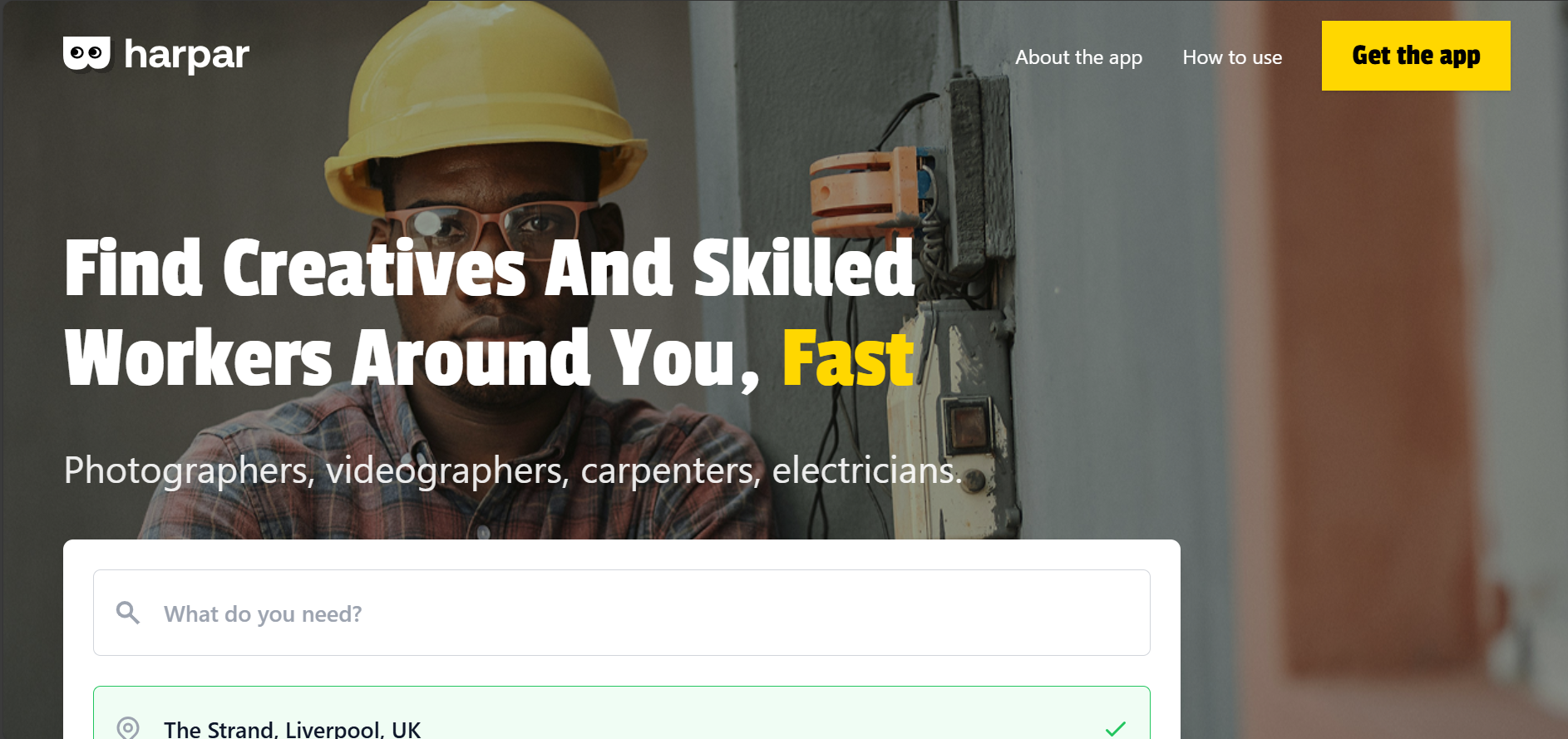
The landing page
-
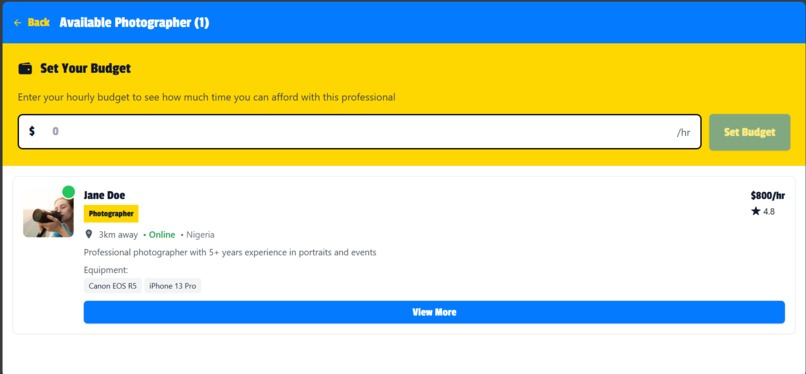
-
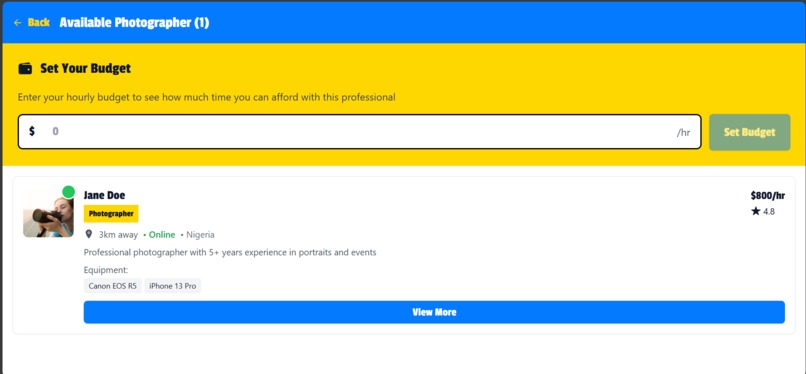
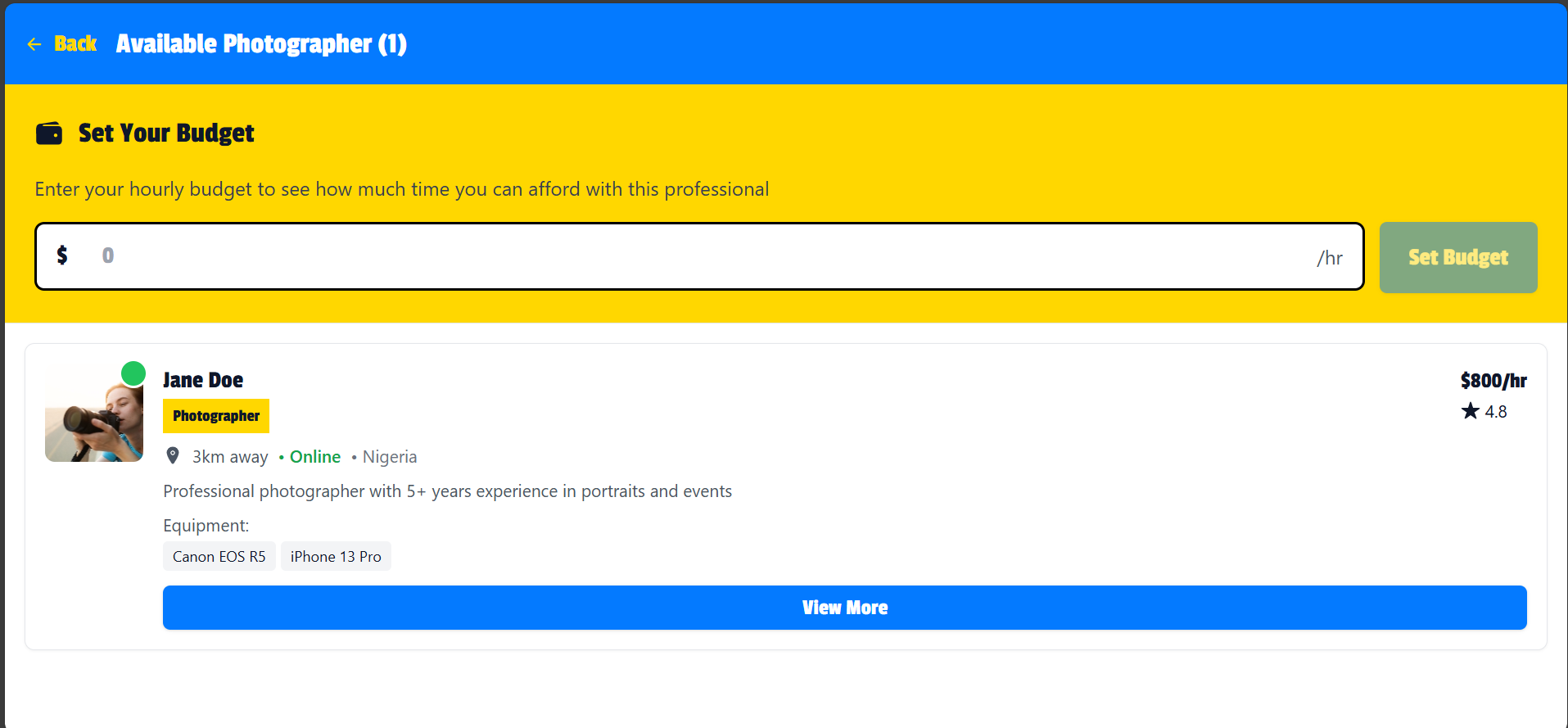
The hiring page
-
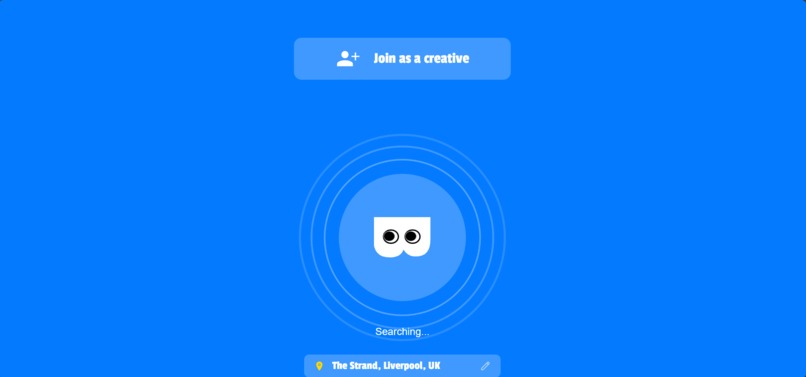
Searching
I’m an introvert and a musician on my off days. Most of my performance videos don’t do well, not because the music is bad, but because they lack the kind of crowd energy you see in those trending performance clips. I’ve always wanted to hire people to be part of my videos, but I never knew where to begin.
At the same time, I’ve been dealing with a water drainage issue in my house. My plumber wasn’t around, and I had no idea how to quickly find someone else I could trust to fix it. That’s when I realized a lot of people probably face the same thing. They need help, but they don’t know where to look.
So when I heard about the hackathon, I decided to build something that could actually solve that problem. That’s how Harpar was born.
The name comes from one of my favorite shows, Industry. My favorite character is Harper Stern. She’s smart, tough, and always finds a way through difficult situations. Naming the app Harpar felt like a way to hold on to that inspiration and build something meaningful.
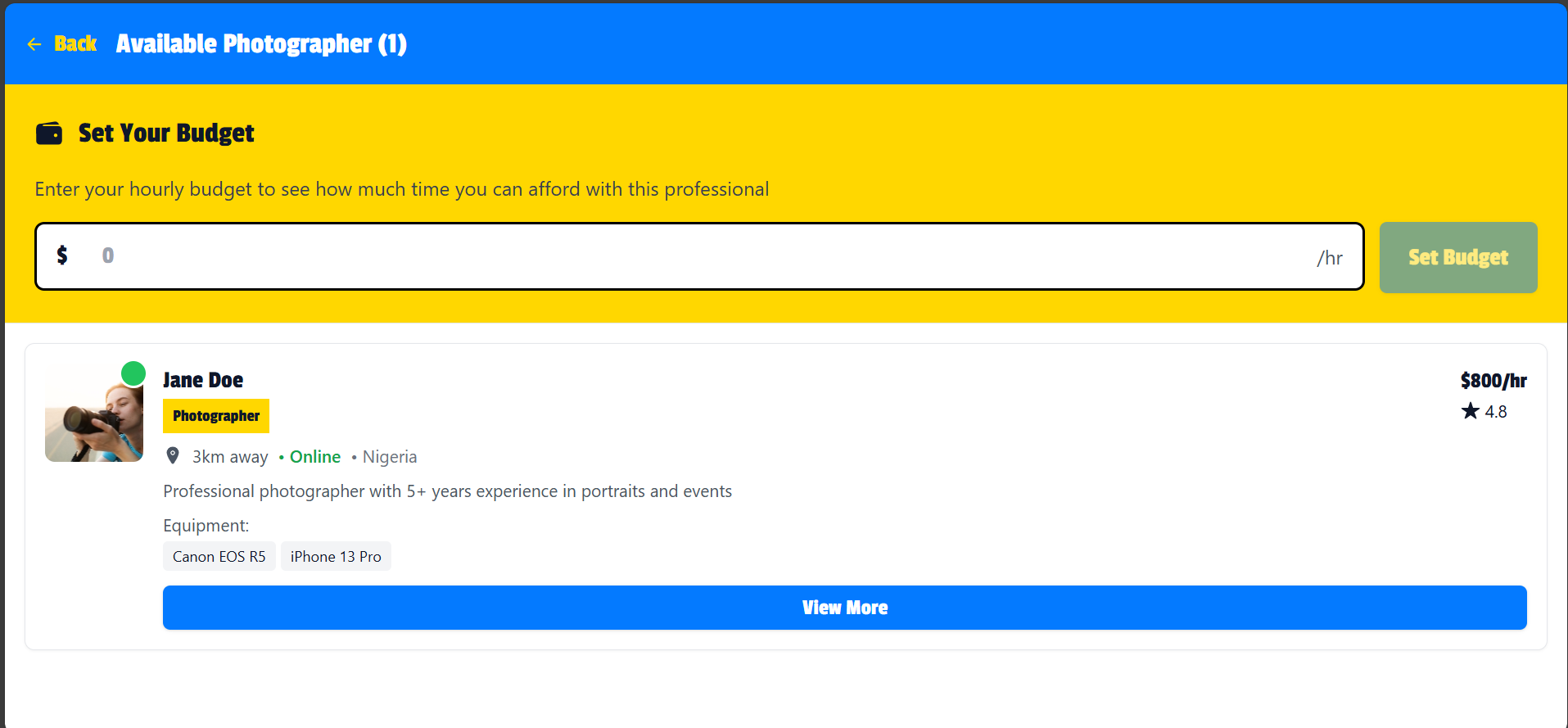
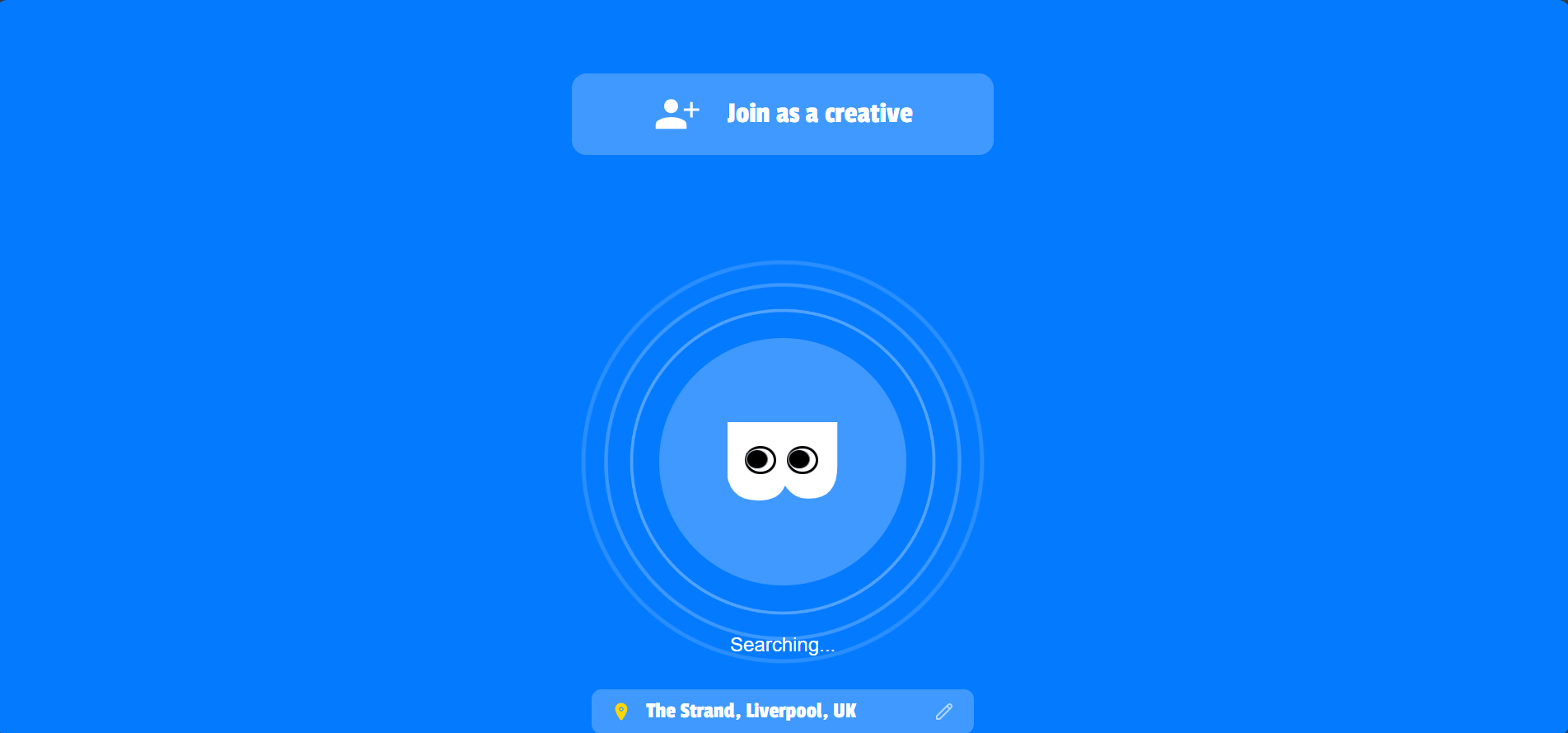
Harpar is like Shazam, but for workers. It helps people quickly find nearby service providers like electricians, plumbers, carpenters, photographers, video vixens or videographers; especially when you don't have personal connections to ask
We used Figma for the original design and built the frontend with Bolt.new. For the backend, we went with Supabase, and we integrated Google Maps API to power the location suggestion feature. The project is hosted on Netlify. I planned to use IONOS to register the domain Harpar.org, but at the time of writing, it’s been 48 hours and I still haven’t received any confirmation email from them. I’ll probably miss out on the domain challenge because of that, which is a bit frustrating.
While working on Harpar, I ran into a few issues that slowed things down. One of the main tools I used was Bolt.new, which has a lot of potential, but there were some frustrating limitations.
For example, when trying to create a popup, Bolt wouldn't automatically add a dark background with 30 to 50 percent opacity, the way most modals should. Instead, it gave a plain popup with no backdrop. It took me about 3 to 5 prompts just to get it right. That wouldn’t have been a problem, except that each prompt consumes credits, and they seem to be used up way too quickly for simple changes.
Bolt also tends to make random changes to the frontend that I didn’t ask for, while taking a long time to handle basic tasks like changing the color of an icon. It also uses emojis instead of proper icons, which didn’t work for the design I had in mind. Adding new buttons or placing elements in specific parts of the layout was difficult unless I described it in exact detail. A drawing or markup feature would’ve been really helpful, something where you could sketch with a pencil, write a prompt, and have the changes applied to that area.
Storage was another challenge. I realized Bolt didn’t offer a simple way to store user data, so I had to figure out how to set up Supabase buckets myself and connect the media in it.
Then there was the domain issue. I tried to get Harpar.org through IONOS. They attempted to charge me $5, refunded it, and even after successfully deducting it, it’s now been 58 hours, and I still haven’t received any confirmation email. The domain hasn’t been registered, and I’m likely going to miss out on the domain challenge because of that.
I’m really proud that I took my time and built this myself, with no help apart from the internet. I had never used Bolt.new before, so I had to learn it from scratch. I also learned how to set up and work with Supabase, and how to connect it properly to store and retrieve data. I got familiar with using Google APIs and even figured out how to write better prompts to get more accurate results. It wasn’t always smooth, but doing it all on my own made it feel even more meaningful.
If I win the hackathon, my first step would be to grow the worker base. I plan to run a $2 sign-up challenge, where any worker who joins the platform gets $2. This will help me quickly onboard a large number of electricians, plumbers, photographers, and other professionals.
Once I’ve built up a solid pool of available workers, I’ll gradually open the platform to users, launching state by state so I can control the growth and ensure everything runs smoothly. This approach will help keep the quality high and give users a better experience right from the start.
Built With
- bolt.new
- css
- figma
- google-maps
- html
- supabase
- tailwind


Log in or sign up for Devpost to join the conversation.