What it does
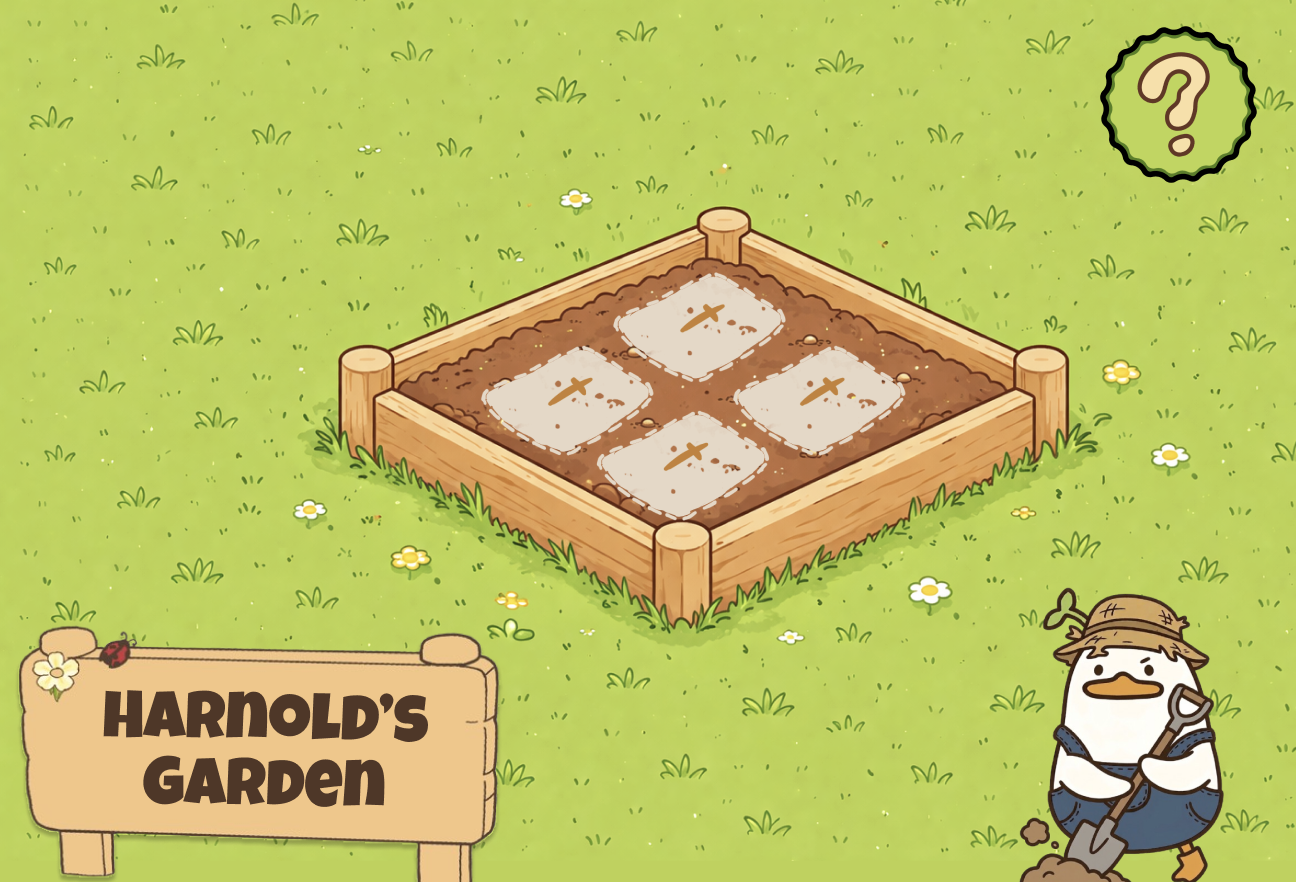
The user adds plants that track the plants they are currently growing within their garden, and they can log the days they watered the respective plants in their garden. If their plants seem to be struggling, the user can explain their issue to Harnold and/or upload an image of their plant to receive tailored feedback for methods to revive their plant. If the user would like to add to their garden, Harnold can also generate recommendations based on the difficulty of growing the plant, and the environment within the surrounding area.
Inspiration
Our inspirations were apps that have user friendly interfaces and compelling visuals. However, we also wanted to delve into an underexplored problem space. While there are many games or apps that use appealing designs that focus on farming or gardening as a simulation, we wanted to create a helpful tool or tracker for people who are either already avid gardeners or are interested in beginning.
How we built it
We built Harnold's Garden using React and Tailwind CSS on the frontend, with an Express.js backend in TypeScript and firebase. For the AI features, we integrated the Groq API to analyze any written descriptions or images of plant issues and personalized garden recommendations based on the user's environment and preferred difficulty. The Express backend managed API routing and communication with Groq, while TypeScript kept our data models consistent across the stack.
Challenges we ran into
It was difficult for us to go through the full process of ideation to design to coding especially since our progress was very design heavy with us drawing out our components and then having to move everything to Figma.
Accomplishments that we're proud of
We were proud of the UI integration within the application. We wanted to make sure the app was engaging to the users so they felt encouraged to use the app to keep track of their plants and caring of plants, while also being provided resources to grow their garden further.
What we learned
We learned a lot about translating a design-heavy idea into a functional product under time pressure. Working through Figma before implenting helped us stay aligned as a team, but we also learned to balance thoroughness in design with the constraints and difficulties of actually coding it. On the technical side, we gained hands-on experience integrating a multimodal AI API to get good responses based upon user input.
What's next for Harnold's Garden
Our next steps are to expand the plant types Harnold’s garden can work with. To allow for a thorough understanding of the plants in his garden, we only have 4 different types of plants in the inventory, however, we could expand our database to have a greater variety of plants. We could also animate the plants in the garden to reflect the real statues of the plant. If the user has not watered their plant in an extended period of time, their plant on Harnold’s farm could reflect that with slightly wilted visuals.
Built With
- express.js
- groq
- react
- tailwind
- typescript

Log in or sign up for Devpost to join the conversation.