-
-
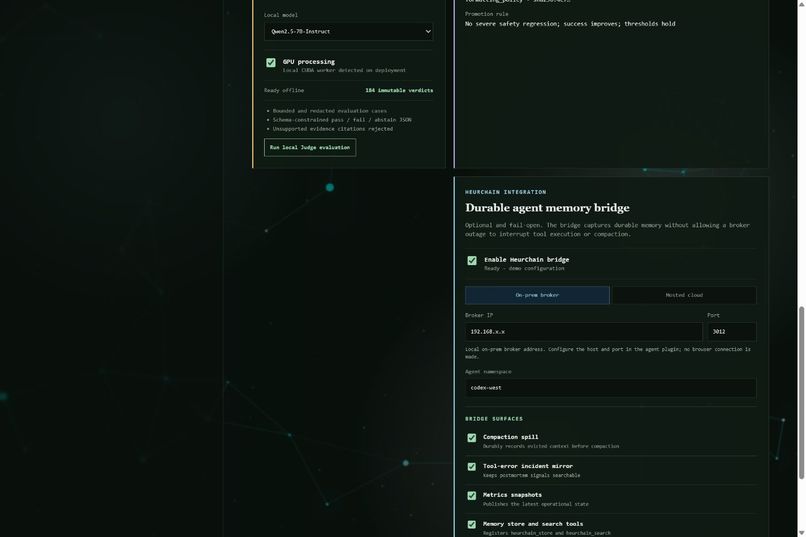
HeurChain Memory Integration
-
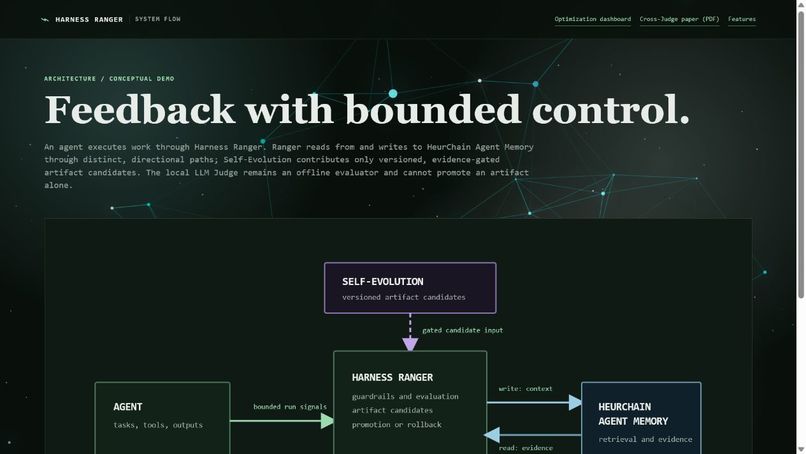
System Flow
-
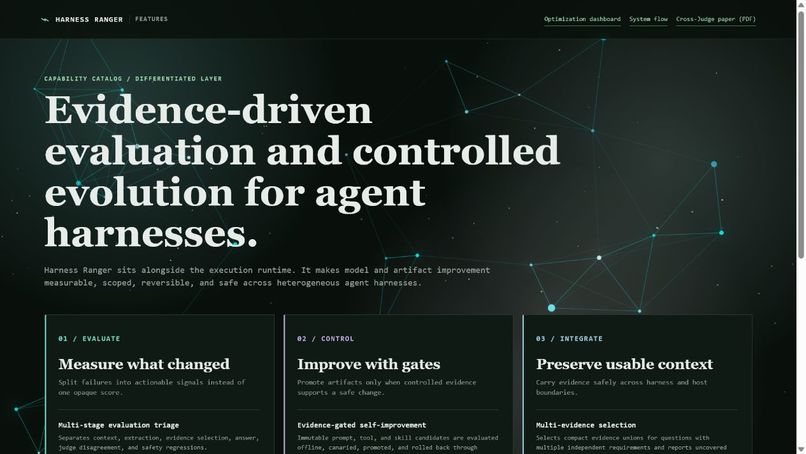
Features Catalog
-
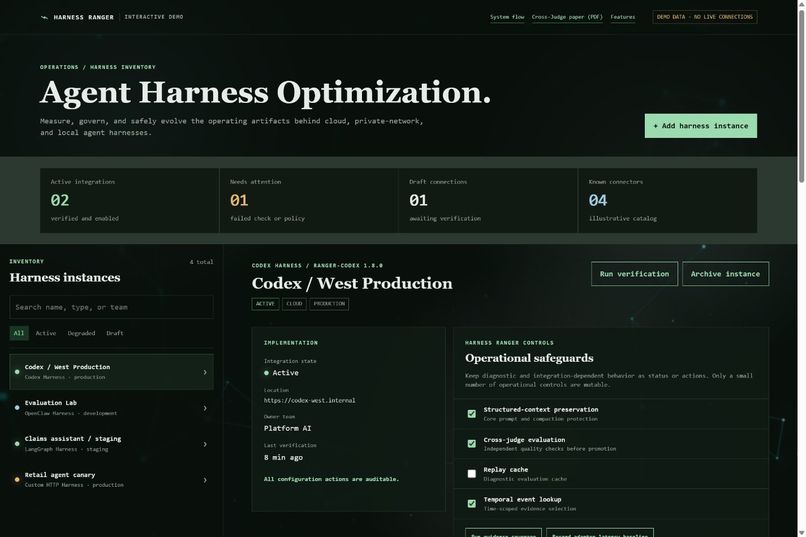
HarnessRanger Dashboard
-
Self-Evolution
Inspiration
Human knowledge first lived in books and then scaled through libraries. But books and libraries are passive: knowledge produces action only after someone reads it, absorbs it, reasons about it, and turns it into work.
AI changes that relationship.
We can now record not only our finished work, but also the conversations, decisions, tool calls, experiments, and ideas that produced it. When this corpus is stored in a persistent, human-readable, and machine-readable form, it becomes inferencible. It can generate new work, improve future decisions, and extend our experience beyond the limits of individual memory.
A few months ago, when OpenClaw first launched, I distilled the agent harnesses available in the marketplace. I compared their instructions, operating patterns, and behavioral heuristics, then incorporated the strongest ideas into OpenClaw.
The improvement was immediate. Small changes to the harness translated directly into significantly better agent performance.
That observation inspired Harness Ranger: if better heuristics produce better agents, we should have a systematic way to discover, test, refine, and preserve those heuristics.
What it does
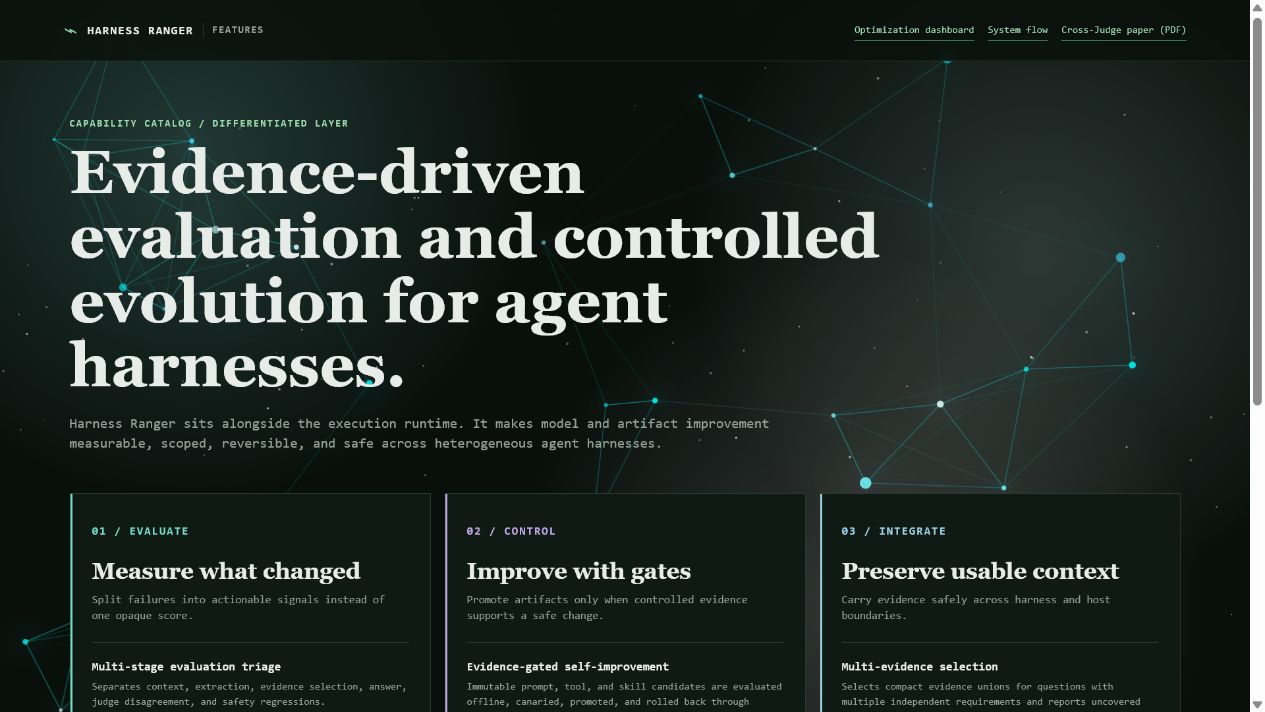
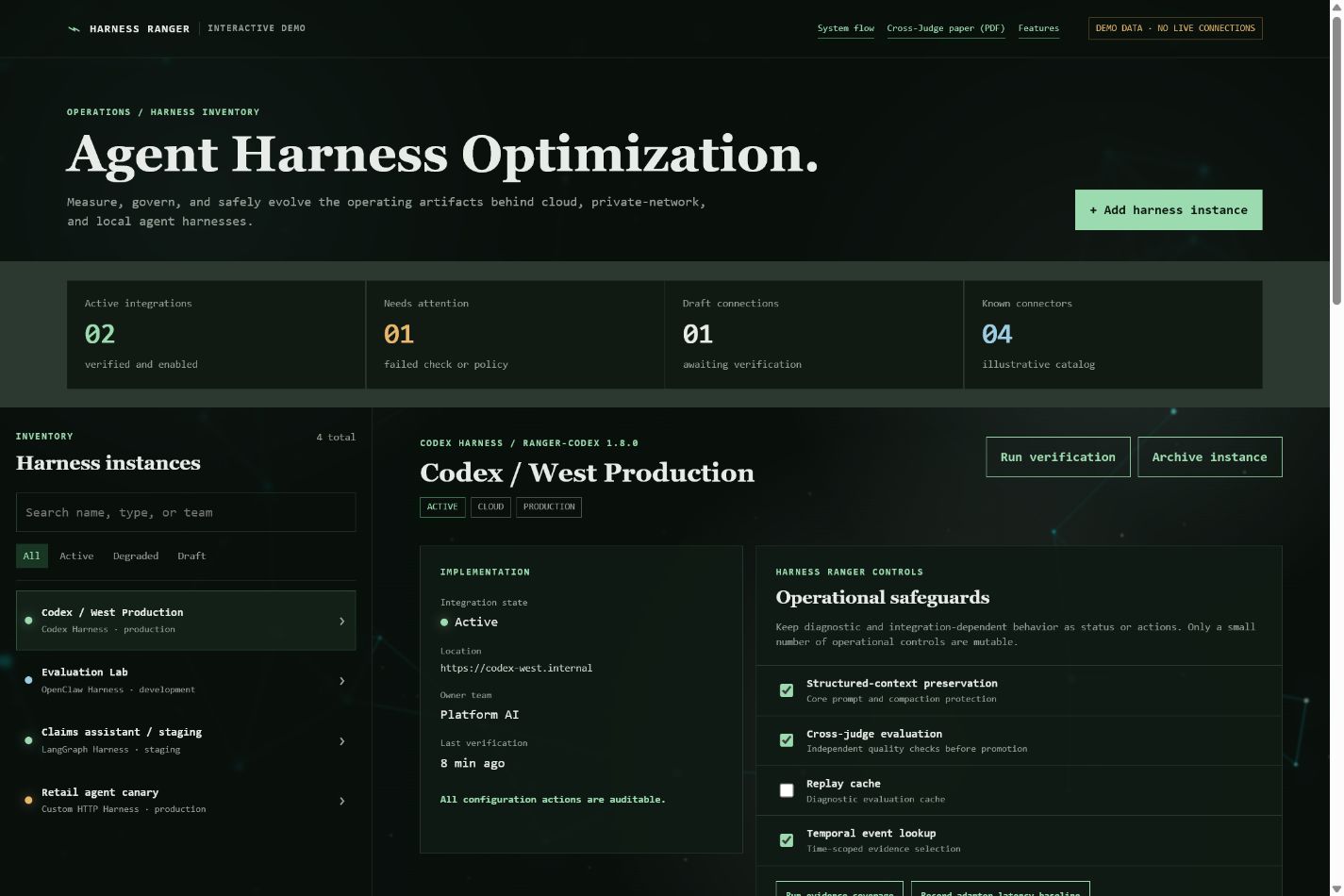
Harness Ranger is a fine-tuning and heuristic optimization system for AI agents.
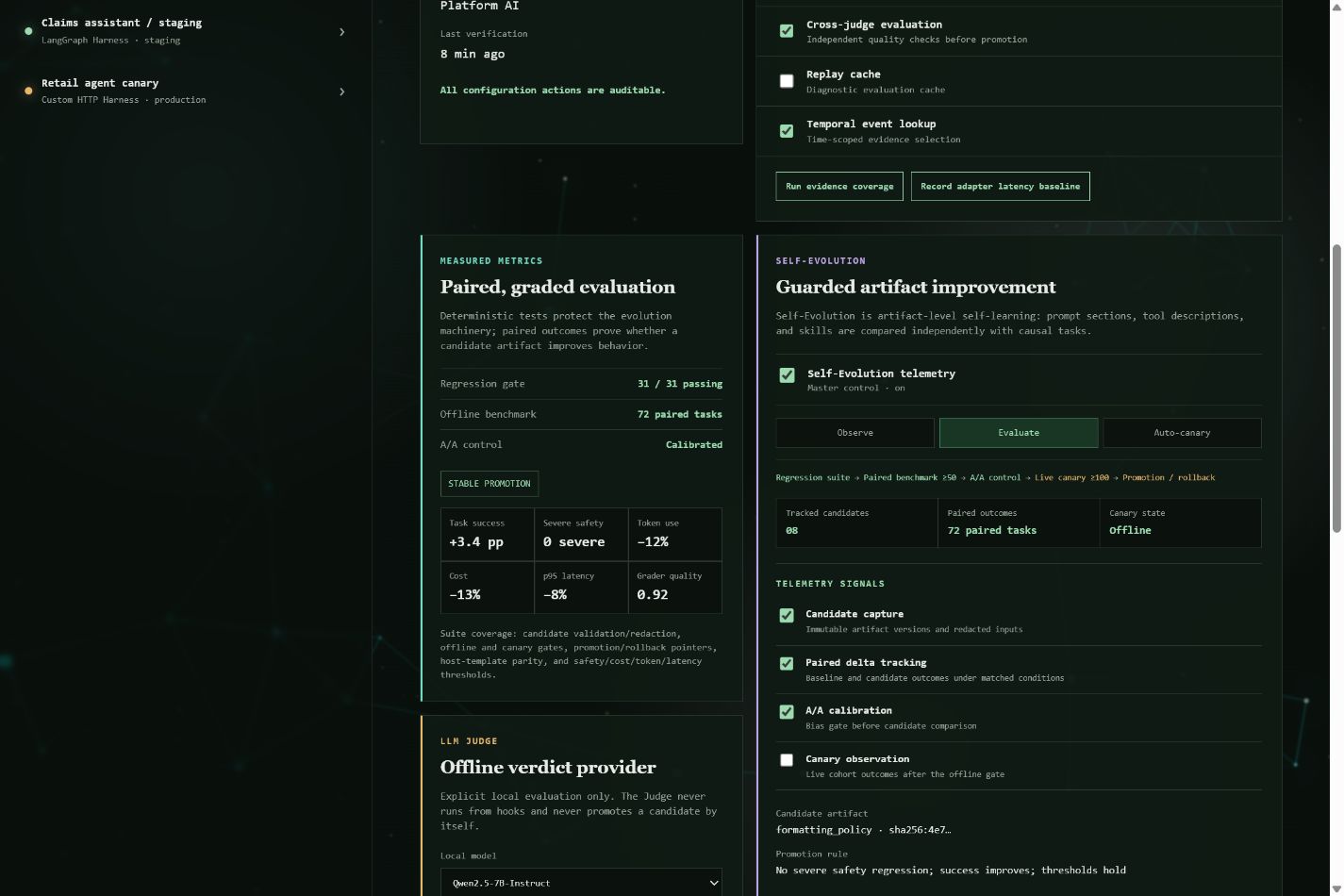
It examines evidence from real agent work, identifies the instructions and behavioral patterns associated with better outcomes, and uses those findings to improve how agents reason, use tools, collaborate, remember, and complete tasks.
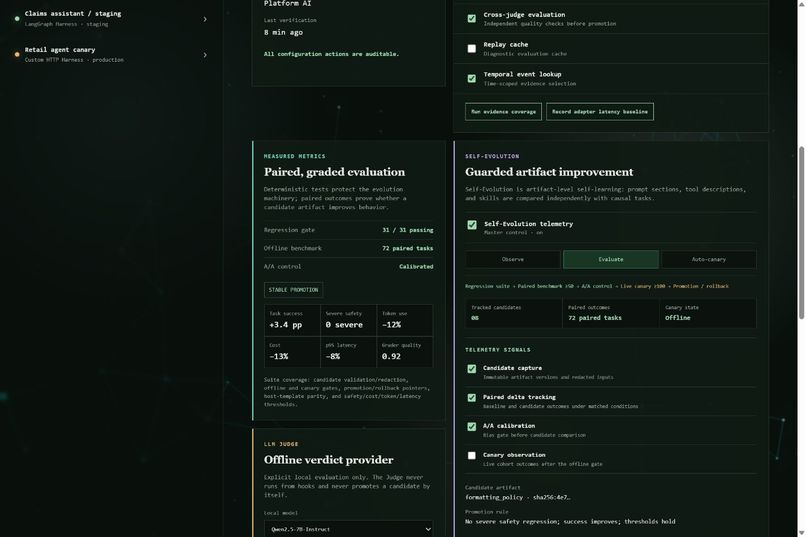
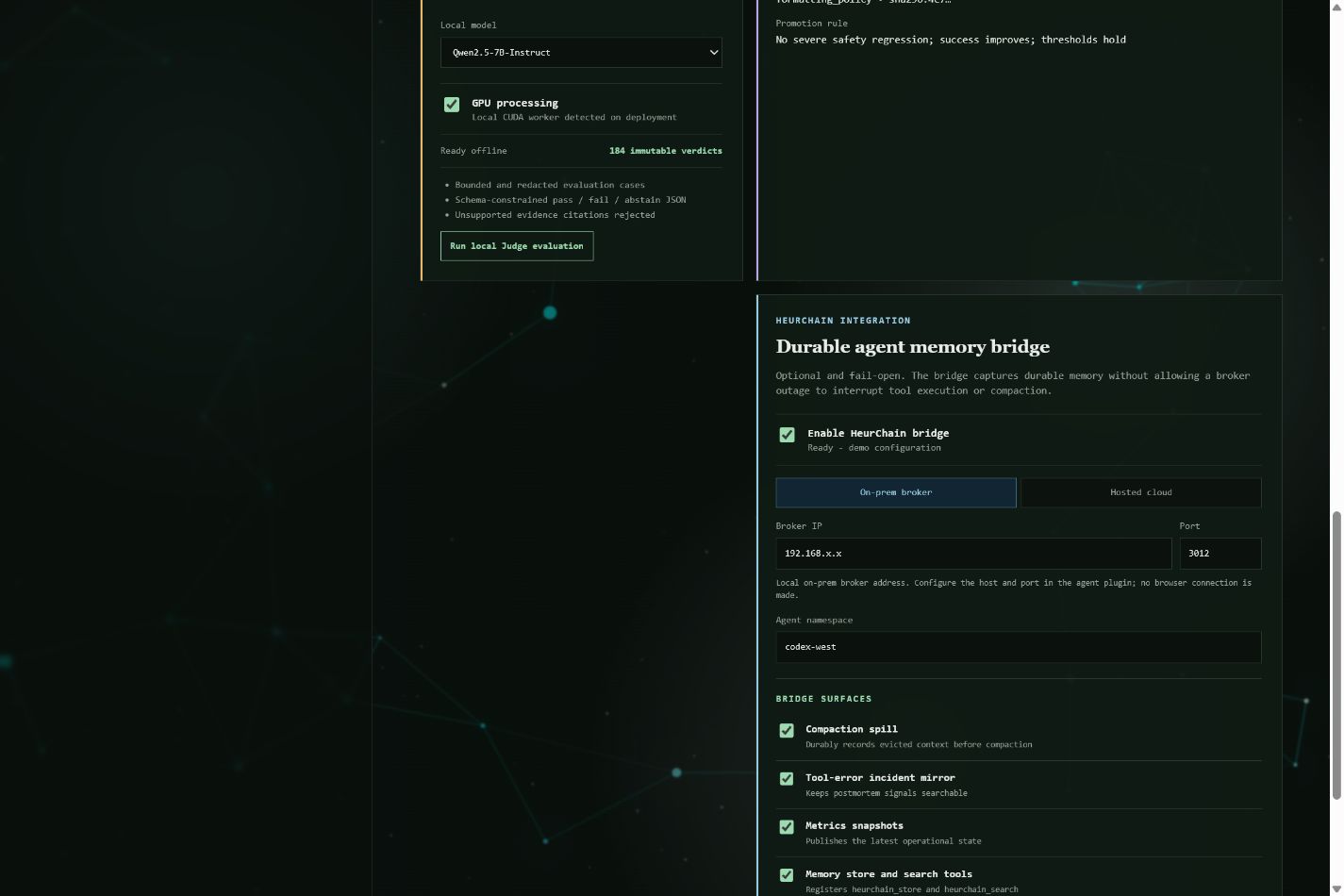
HeurChain provides the persistent memory foundation for this process. It preserves the lineage between agent experiences, evidence, heuristic changes, and resulting behavior in a format that people and machines can inspect.
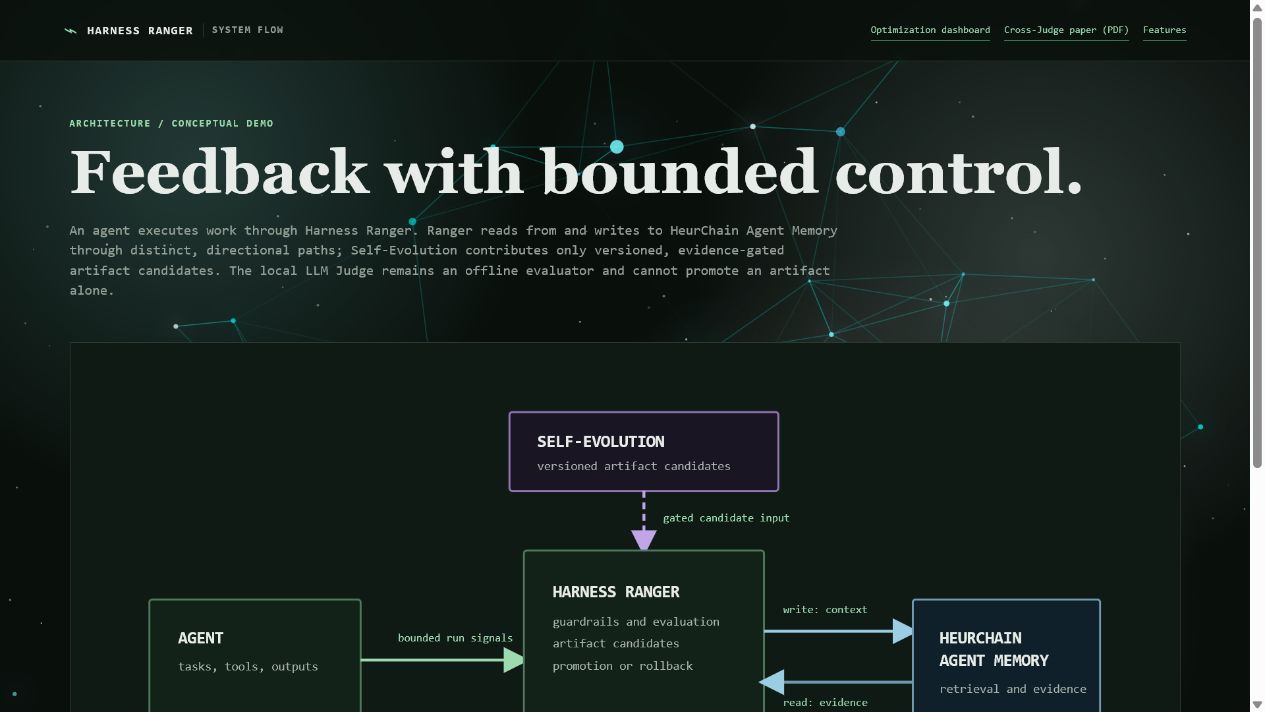
Together, Harness Ranger and HeurChain create a continuous improvement loop:
- Agents perform real work across models and tools.
- Their inputs, outputs, decisions, and outcomes become durable evidence.
- Harness Ranger evaluates which heuristics helped or hindered performance.
- Candidate improvements are tested, compared, and refined.
- HeurChain preserves what was learned for future agents and evaluations.
The goal is not simply to aggregate transcripts from ChatGPT, Claude, OpenClaw, Hermes, and other tools. It is to turn work performed across those systems into persistent, interpretable, and reusable experience.
How we built it
The original Harness Ranger repository grew from my OpenClaw harness-distillation experiment. After that initial work, the repository remained largely untouched. It was not substantially evolved or refactored until I selected it for this Build Week submission.
That pause allowed me to revisit the project with fresh eyes, a cleaner architectural perspective, and a development tool that had not been used during the original implementation: Codex.
For this iteration, I used DeepSeek Flash to scaffold the implementation and DeepSeek V4 Pro to refactor it. I then used Codex to review the architecture, trace execution paths, compare the implementation with its intended behavior, and identify integration gaps.
HeurChain was incorporated as the durable memory layer, while Harness Ranger remained focused on evaluating and optimizing the heuristics that govern agent behavior.
Challenges we ran into
The central technical challenge was distinguishing code that looked complete from functionality that was genuinely connected end to end.
The scaffolded and refactored implementation appeared functional on the surface. Codex, however, identified bugs, missing connections, and features that existed in the code but were not actually wired into the running system.
A broader challenge was defining what agent improvement should mean. A heuristic should not be promoted merely because it sounds more sophisticated. It must be connected to evidence, evaluated against actual outcomes, and retain a traceable history explaining why it changed.
We also had to treat models, harnesses, memory, and evaluation as parts of one system. Agent performance emerges from the interaction among all four, making isolated optimization insufficient.
Accomplishments that we're proud of
We transformed an early harness-distillation experiment into a clearer framework for evidence-based agent improvement.
We established a feedback loop that connects real agent work to heuristic evaluation, candidate refinement, and persistent memory.
We also demonstrated the value of Codex as engineering overwatch. It found deficiencies that other model-assisted development passes had missed, including components that appeared implemented but were not functionally connected.
Most importantly, we developed a practical foundation for treating accumulated agent experience as more than archived history. It can become reusable material for improving future agents.
What we learned
The underlying model is only one part of an agent’s performance. Instructions, memory, tool discipline, evaluation, and decision frameworks can be equally consequential.
We learned that AI-generated code requires more than surface-level validation. An implementation may look polished while still containing disconnected execution paths or incomplete integrations.
We also learned that Codex would have been valuable from the beginning of the project. Starting with Codex likely would have been more efficient and produced deeper insights than moving through the full range of tools originally explored, including Tencent, Hi3, and others.
Finally, we learned that persistent memory must preserve more than outputs. It must retain evidence, context, decisions, and lineage if it is going to support meaningful future inference.
What's next for Harness Ranger
The next step is to make heuristic improvement increasingly systematic, measurable, and evidence-driven.
Accompanying this submission is a paper pending publication on the tenets being examined by Harness Ranger and associated projects in its orbit.
Harness Ranger will continue evolving toward a system that can evaluate agent behavior across tools and models, propose candidate heuristic changes, test those changes against real outcomes, and preserve successful discoveries through HeurChain.
Longer term, the opportunity is larger than harness optimization.
Books preserved knowledge. Libraries organized it. Computers made it searchable. AI makes accumulated knowledge actionable.
The work products we generate today—including the reasoning and experimentation behind them—will increasingly perform work of their own. They will guide future agents, generate new ideas, reveal optimization opportunities, and compound the value of past experience.
That future requires deliberate infrastructure for deciding how experience is captured, structured, evaluated, governed, and made inferencible.
HeurChain preserves the experience. Harness Ranger learns from it. Together, they move us toward AI systems that do not merely complete isolated tasks, but continually improve through the durable record of work already done.
Built With
- agent
- api
- claude
- code
- codex
- dspy
- eslint
- gepa
- hermes
- javascript
- json
- node.js
- npm
- openai
- openclaw
- python
- runner
- test
- yaml

Log in or sign up for Devpost to join the conversation.