-
-
Harmony Paws
-
Icon
-
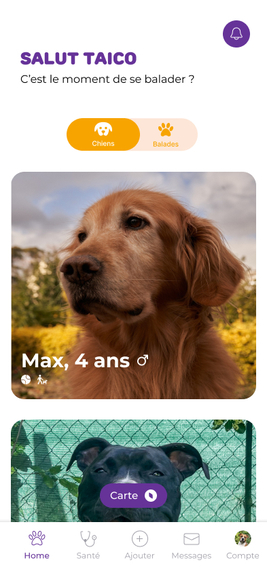
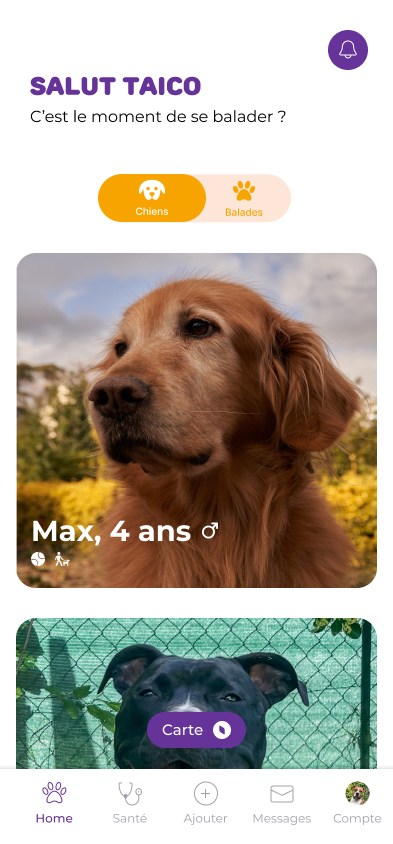
Dog listing
-

Activity listing
-

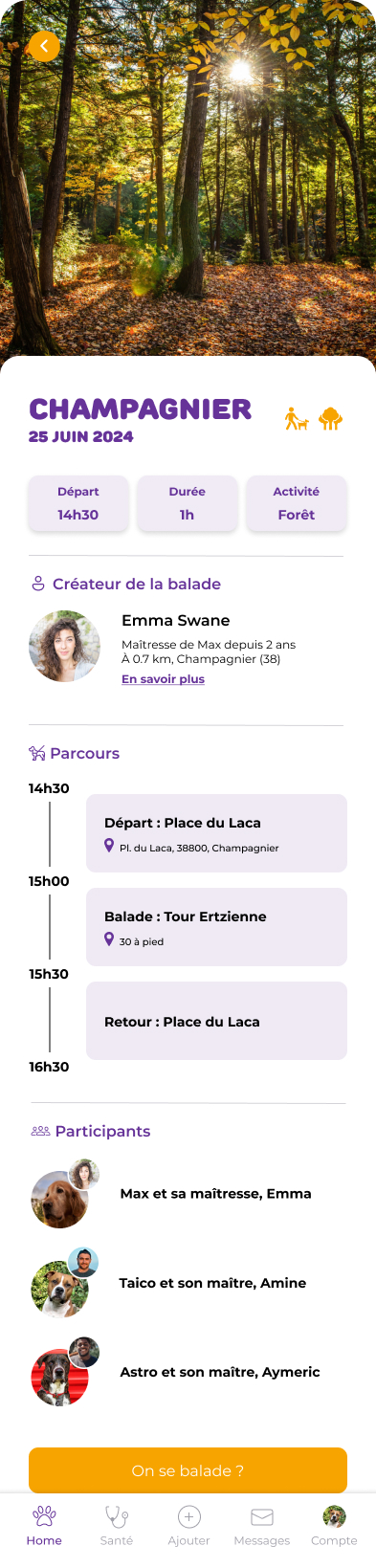
Single activity
-
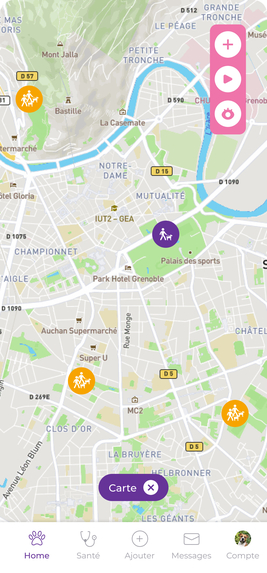
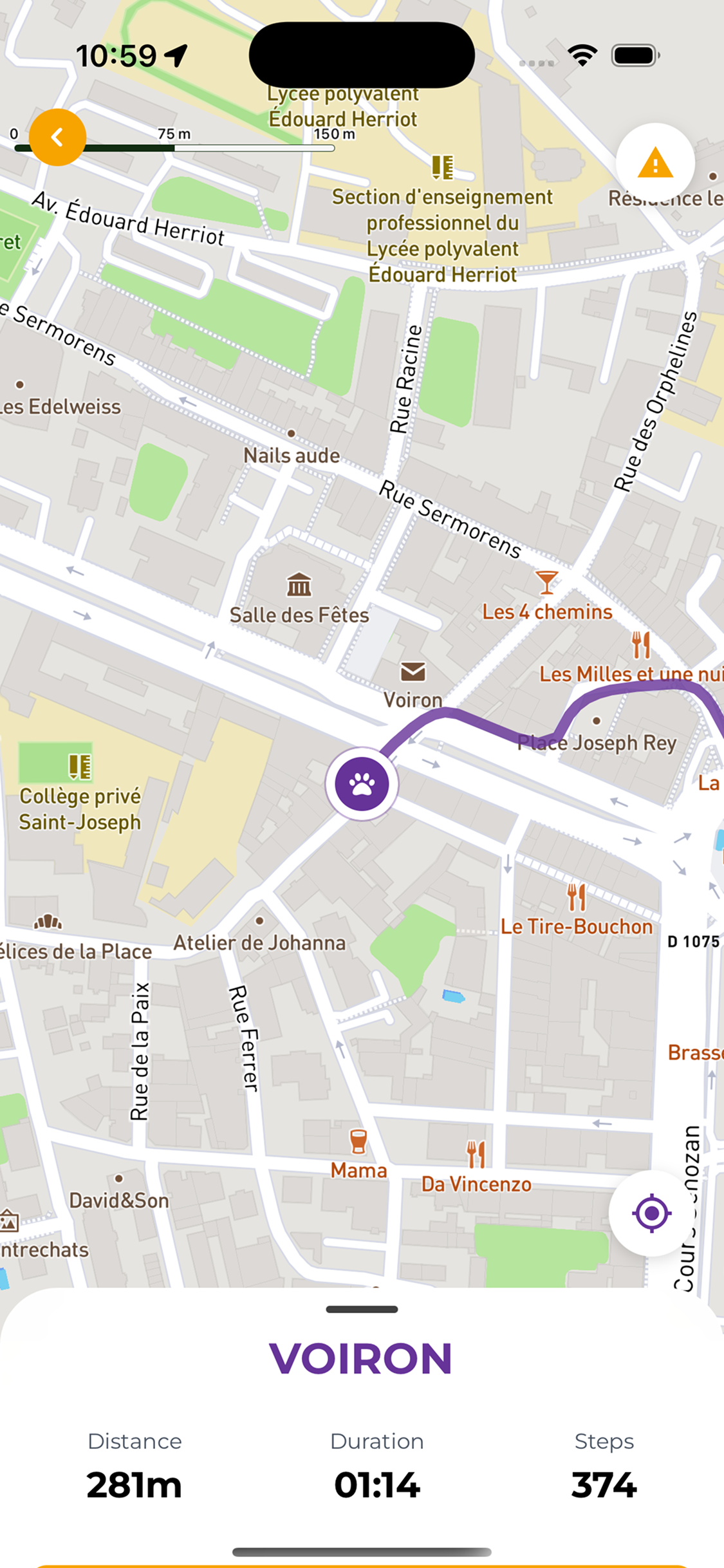
Live map
-
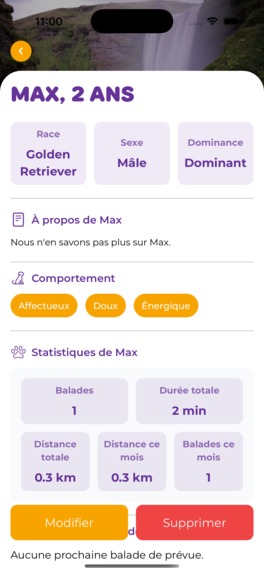
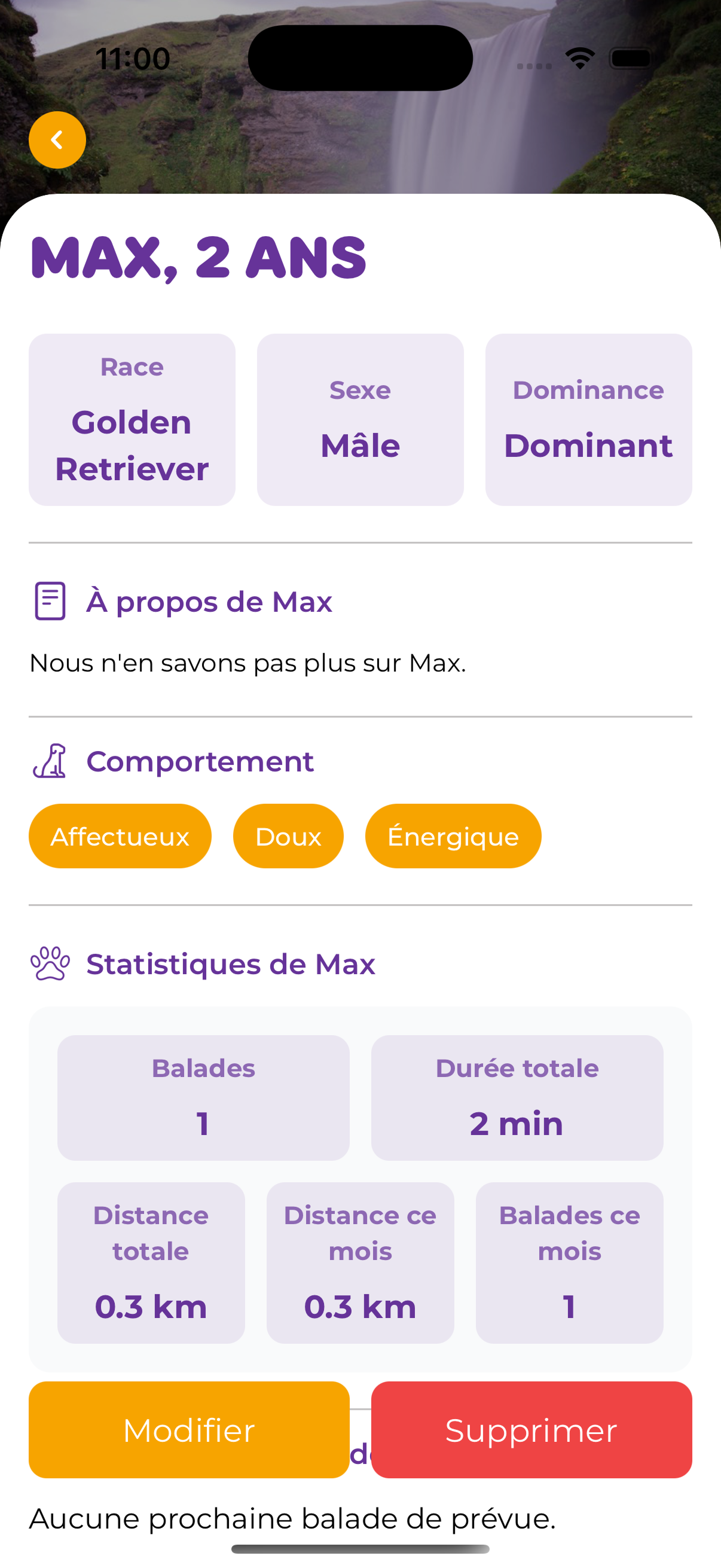
Dog profile
-
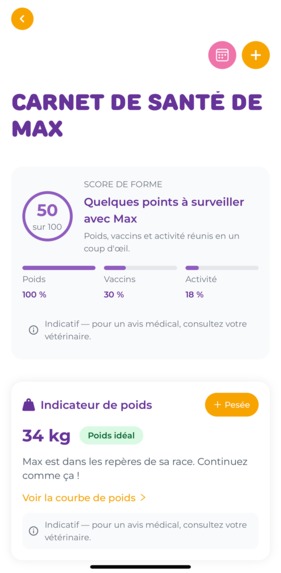
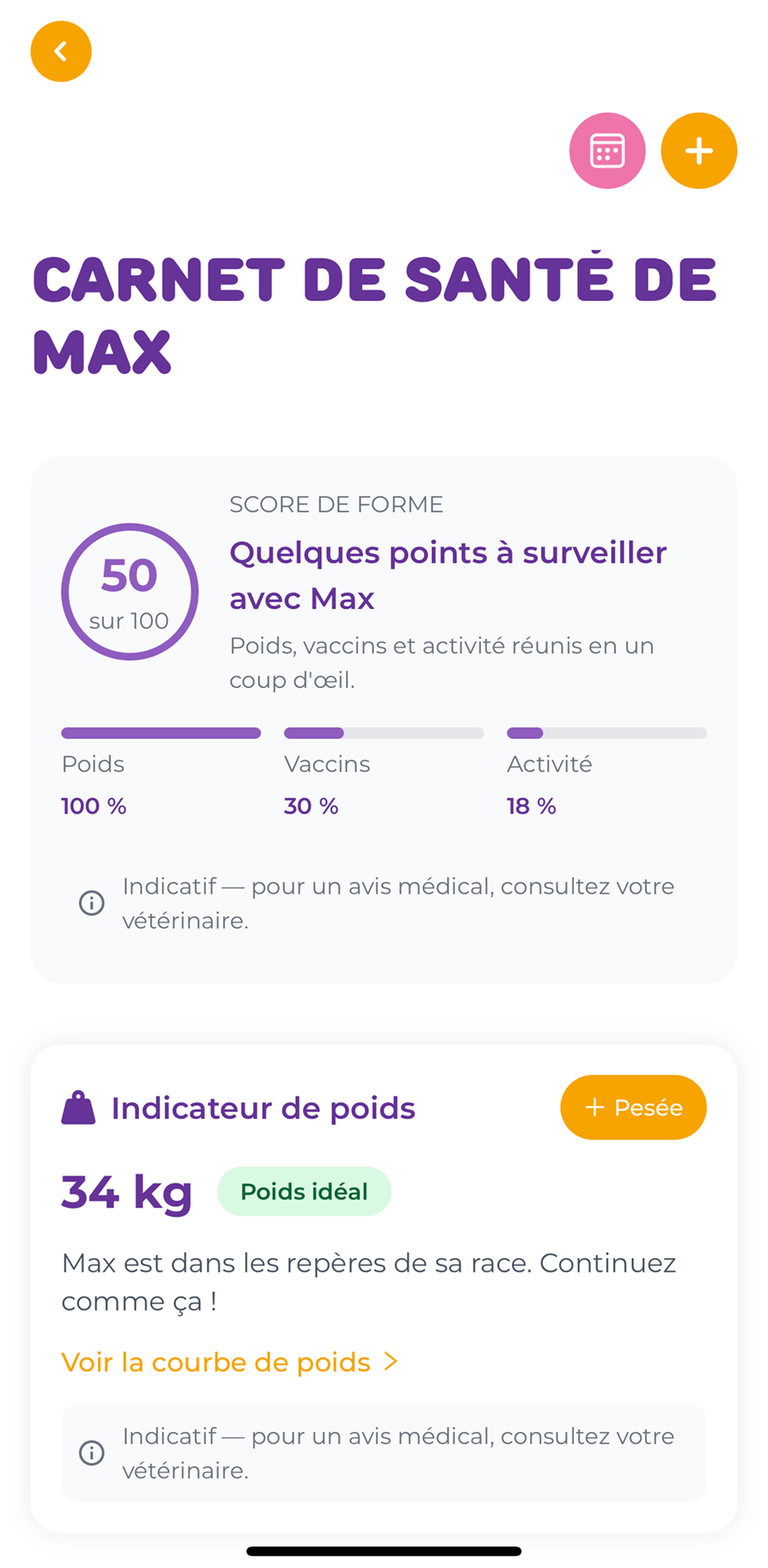
Health record
-
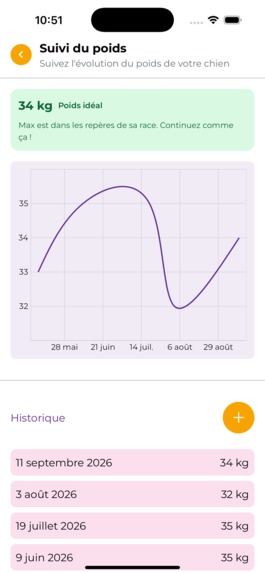
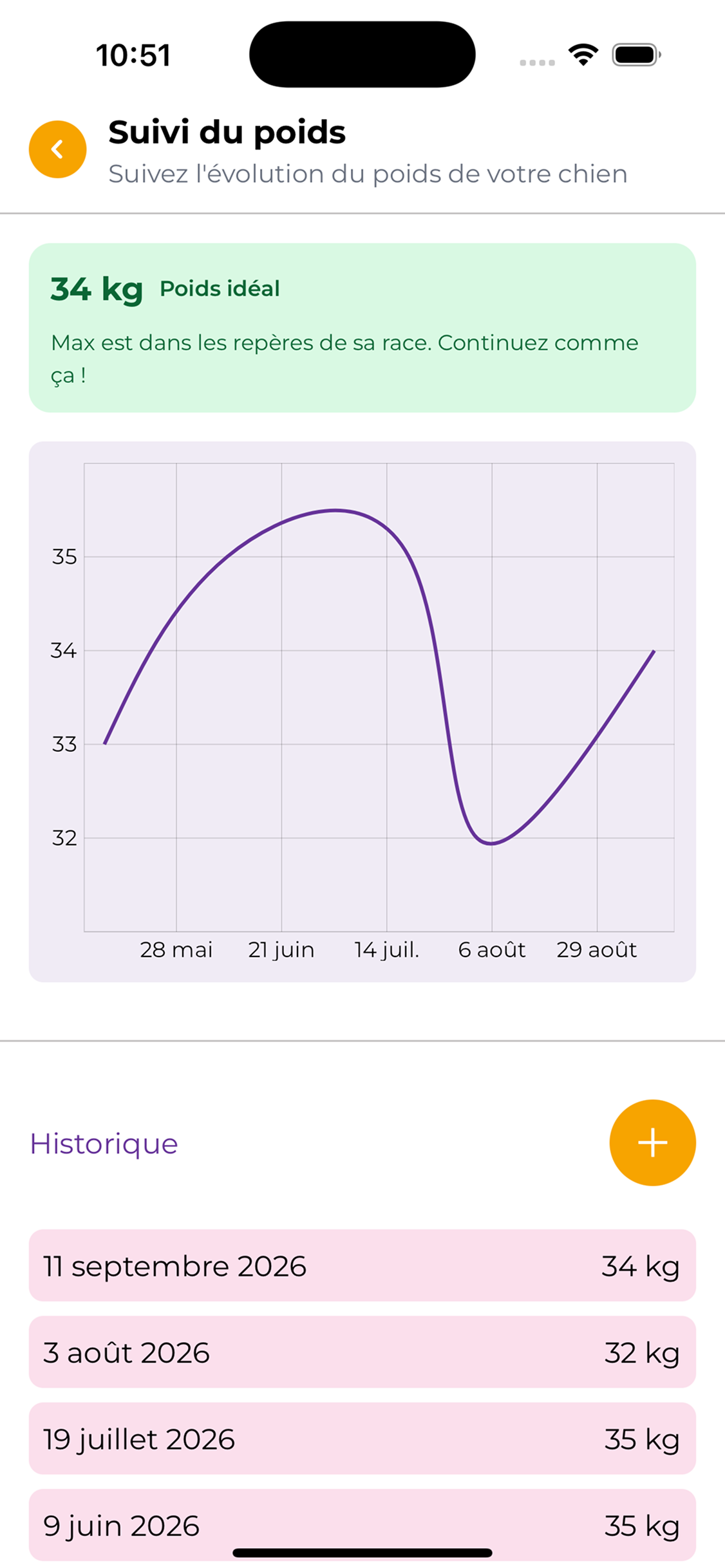
Weight tracker
-
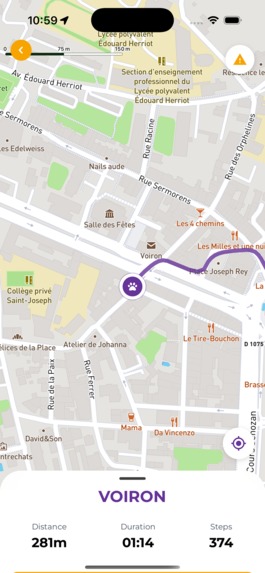
Live activity
-

Activity ending
-

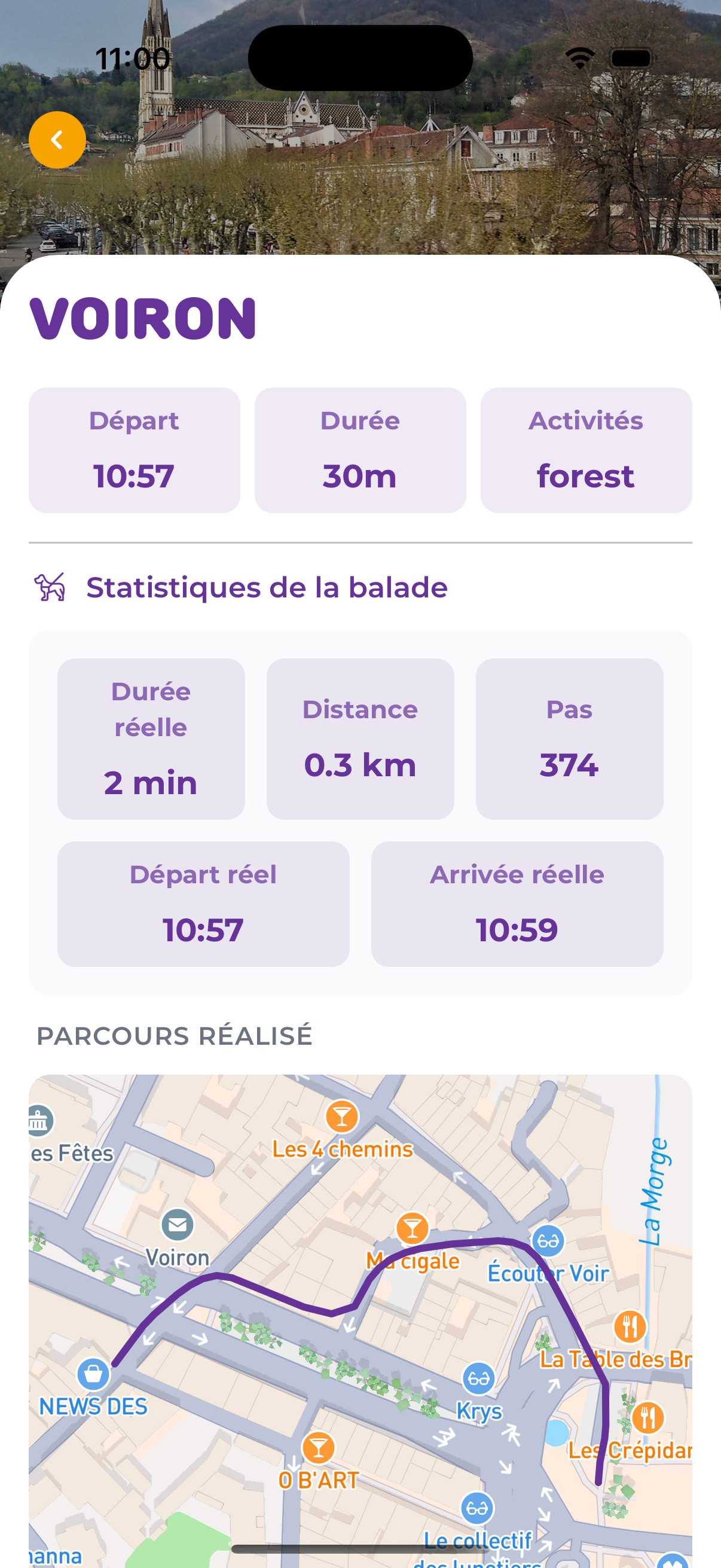
Activity realized
-

Notifications



Inspiration
As a dog owner, I kept running into the same problem: there was no single place to manage my dog's health and connect with other dog owners nearby. Health tracking apps ignored the social side, and social apps for pets ignored health. Harmony Paws was born from wanting both in one place — a way to actually build a "pack" for your dog, backed by real health data instead of guesswork.
What it does
Harmony Paws is a social platform for dog owners. It combines:
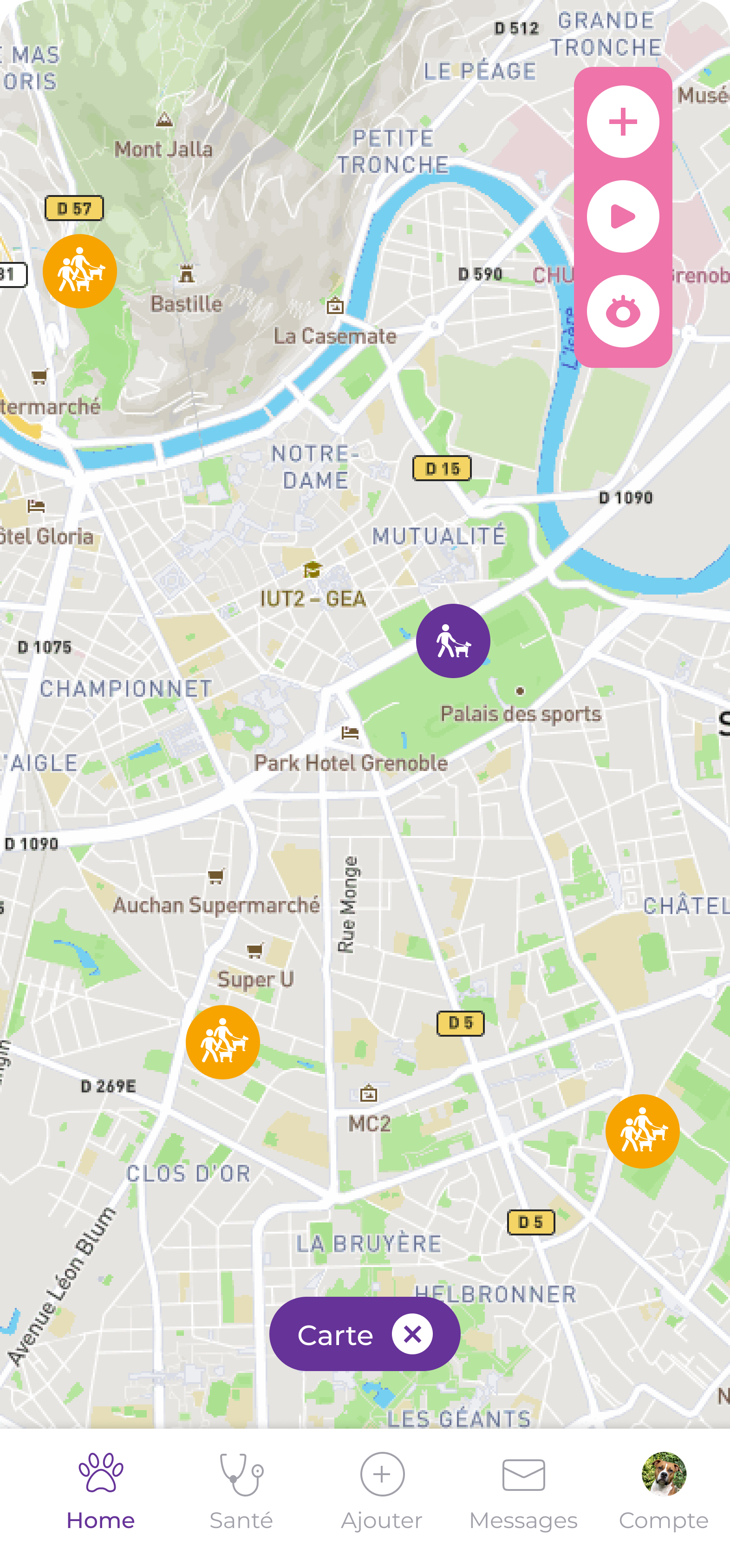
- Social features — join group walks, message other owners, find dog-friendly locations on a map (sourced from OpenStreetMap)
- Health tracking — weight curves, vaccine records, vet history, and Body Condition Score, with breed- and life-stage-aware activity targets
- Gamification — XP, bones, levels, and badges to keep engagement fun rather than clinical
- Freemium model — a 14-day trial, with premium unlocking historical data, charts, and advanced health tools
How I built it
The mobile app is built with React Native / Expo, using EAS for builds and OTA updates. The backend runs on NestJS + Prisma + PostgreSQL/PostGIS (for location-based features like nearby dog parks). Monetization runs through RevenueCat, which made it possible to ship a real freemium subscription flow — trial, paywall, entitlements — without building billing logic from scratch.
I sourced dog-friendly location data from OpenStreetMap/Overpass, and built a breed reference dataset (FCI + AKC data + Wikipedia) to power breed-specific health guidance, like activity targets that adjust for puppies, adults, and seniors.
Challenges I ran into
- Making social proof honest — early versions of the onboarding screen were tempted to show generic stats. I decided to only ever show real, threshold-gated numbers (e.g. "5+ dogs of this breed nearby"), falling back to a "be the pioneer" message rather than ever faking data.
- Framing health data responsibly — since I'm not a vet, every health indicator in the app needed clear "indicative, not diagnostic" framing, especially around Body Condition Score and activity recommendations.
- Google Play's closed testing requirement — getting from a working Android build to a public release meant recruiting real opt-in testers over 14 consecutive days, which took real coordination as a solo builder.
- Solo full-stack scope — building the mobile app, backend, admin panel, and infra alone meant constantly prioritizing what to build now vs. defer (like keeping PawPal, the sitter marketplace, as a separate future product instead of trying to ship everything at once).
What I learned
Shipping a real subscription business — not just an app — forced a lot of decisions I wouldn't have made building a toy project: trial length and eligibility rules, GDPR-compliant consent flows, ASO keyword strategy, and how to structure analytics around a genuine conversion funnel rather than vanity metrics. RevenueCat in particular made the monetization side dramatically faster to build correctly.
What's next for Harmony Paws
Finishing the Health tab expansion, rolling out to Android publicly, and eventually launching PawPal — a companion pet-sitting marketplace that reuses Harmony Paws' social and health data (trust scores, vet records) as its foundation.
Built With
- expo.io
- nestjs
- react
- react-native


Log in or sign up for Devpost to join the conversation.