-
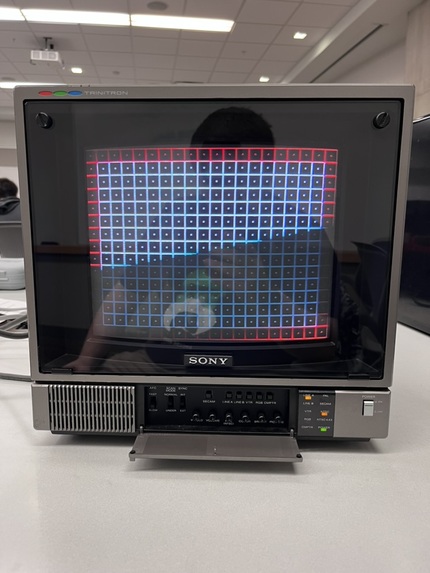
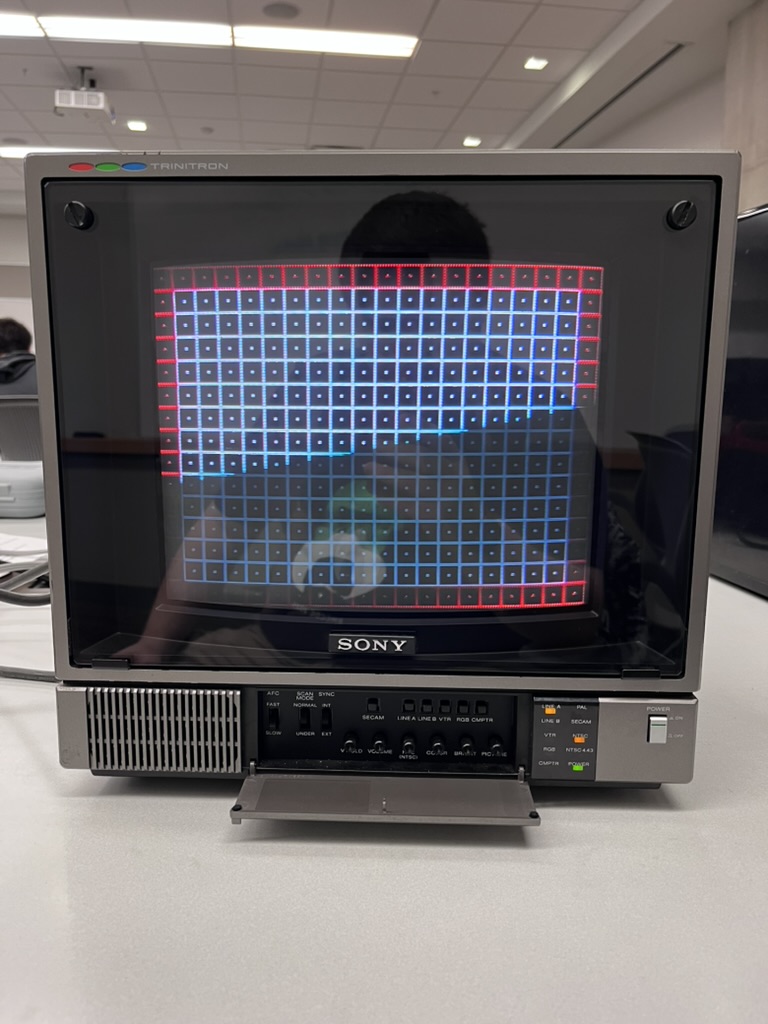
Box grid from the 240p test suite.
-
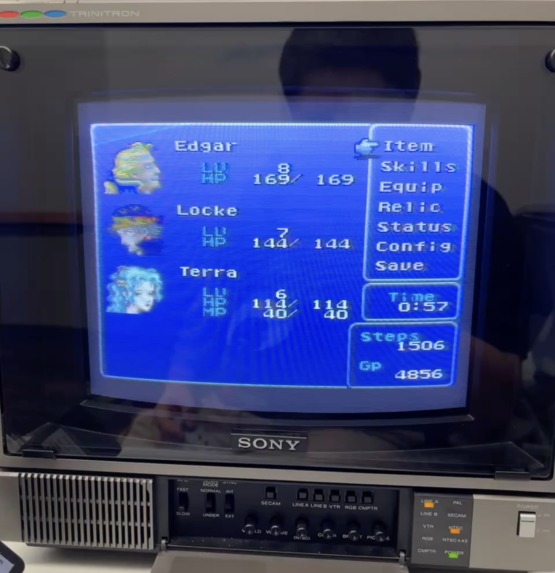
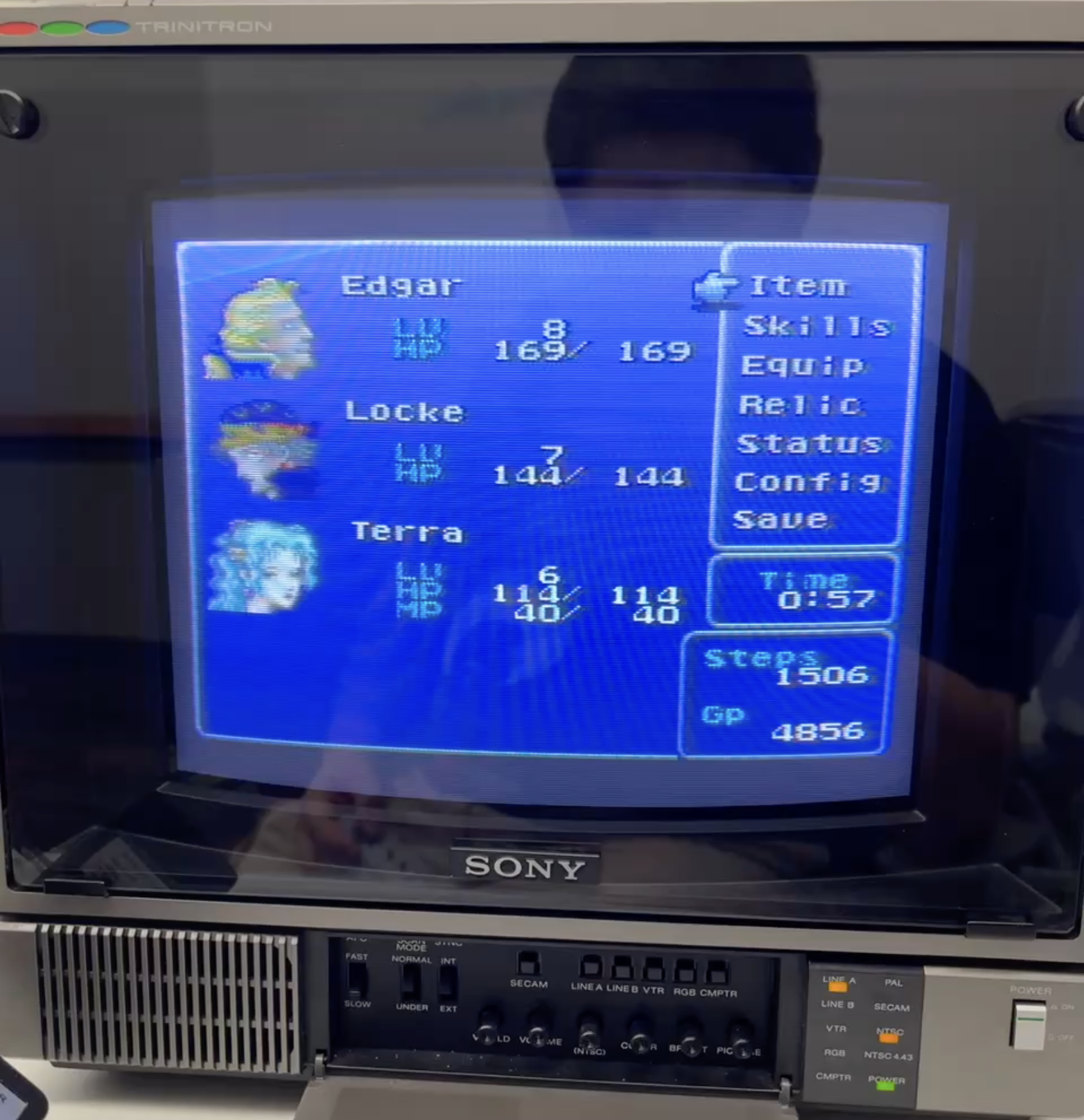
Menu Screen, Final Fantasy VI (SNES, 1994)
-
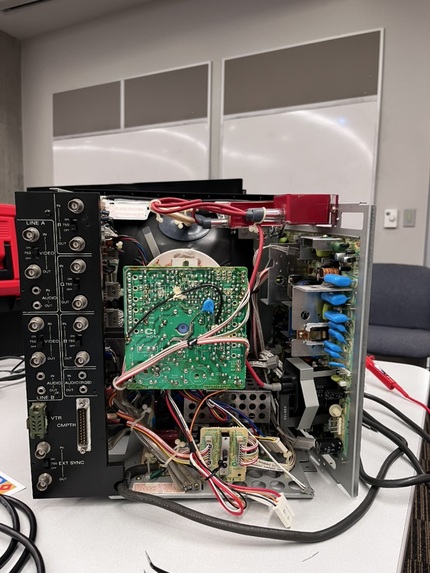
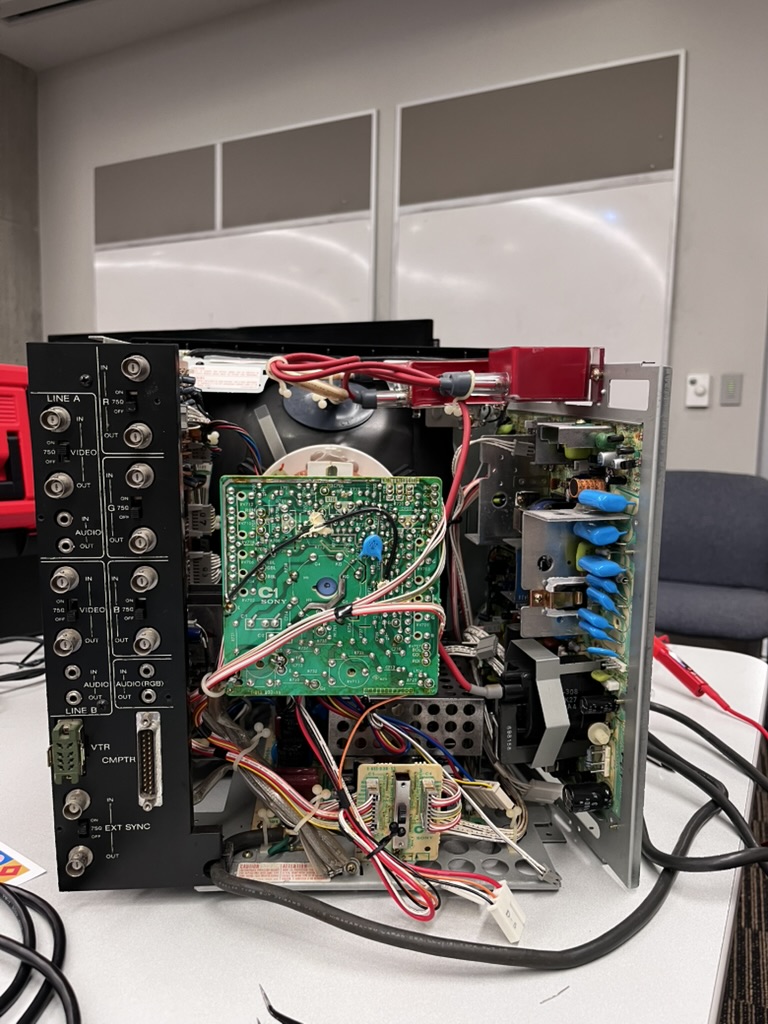
The Inside of the PVM-1271Q. Our focus is on the vertical board on the right - the deflection board.
-
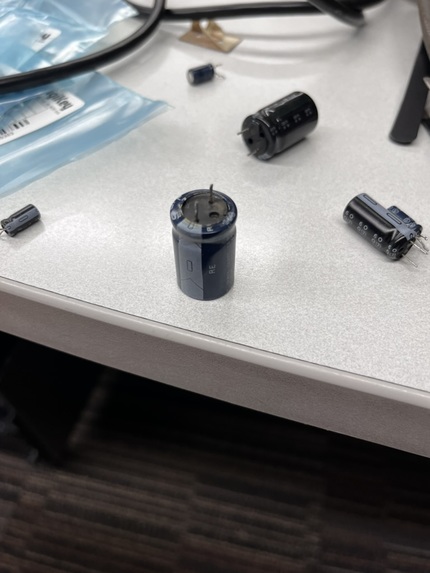
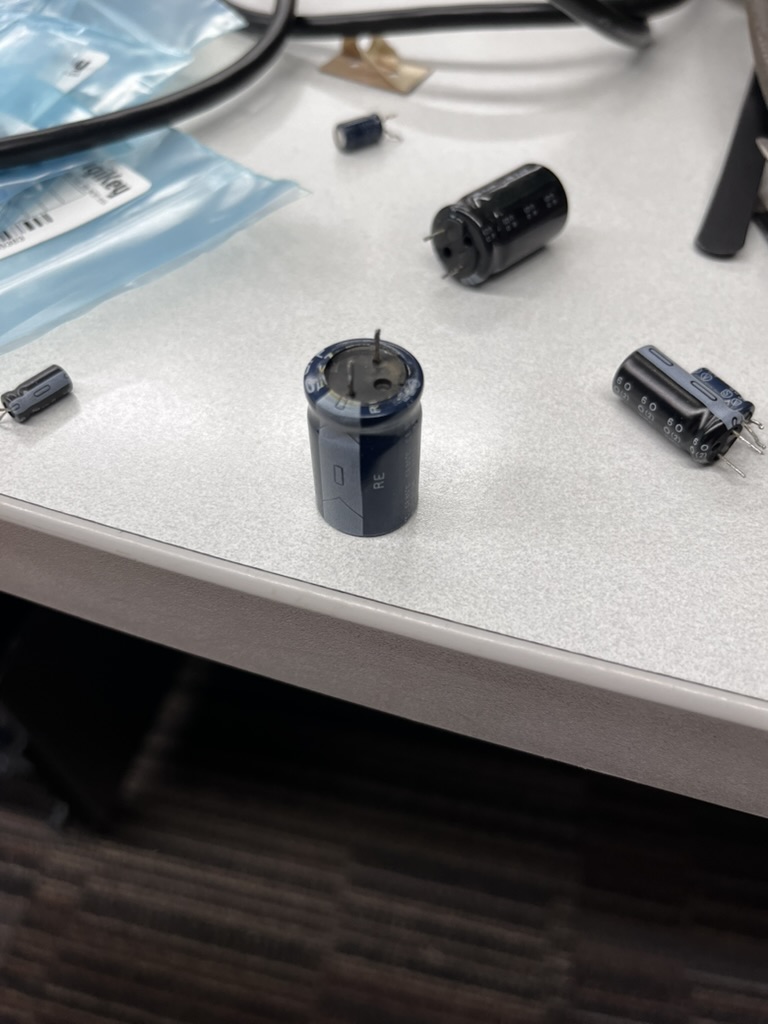
Capacitor gore
-
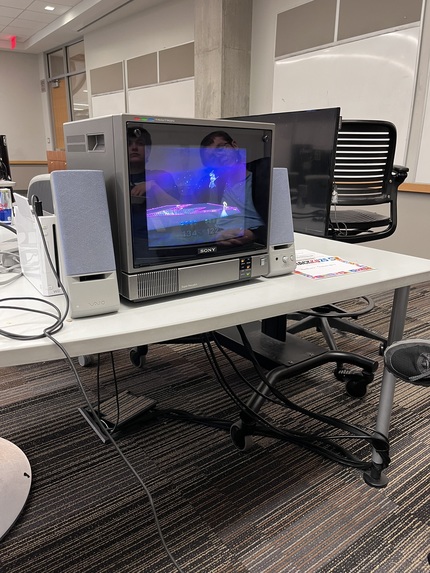
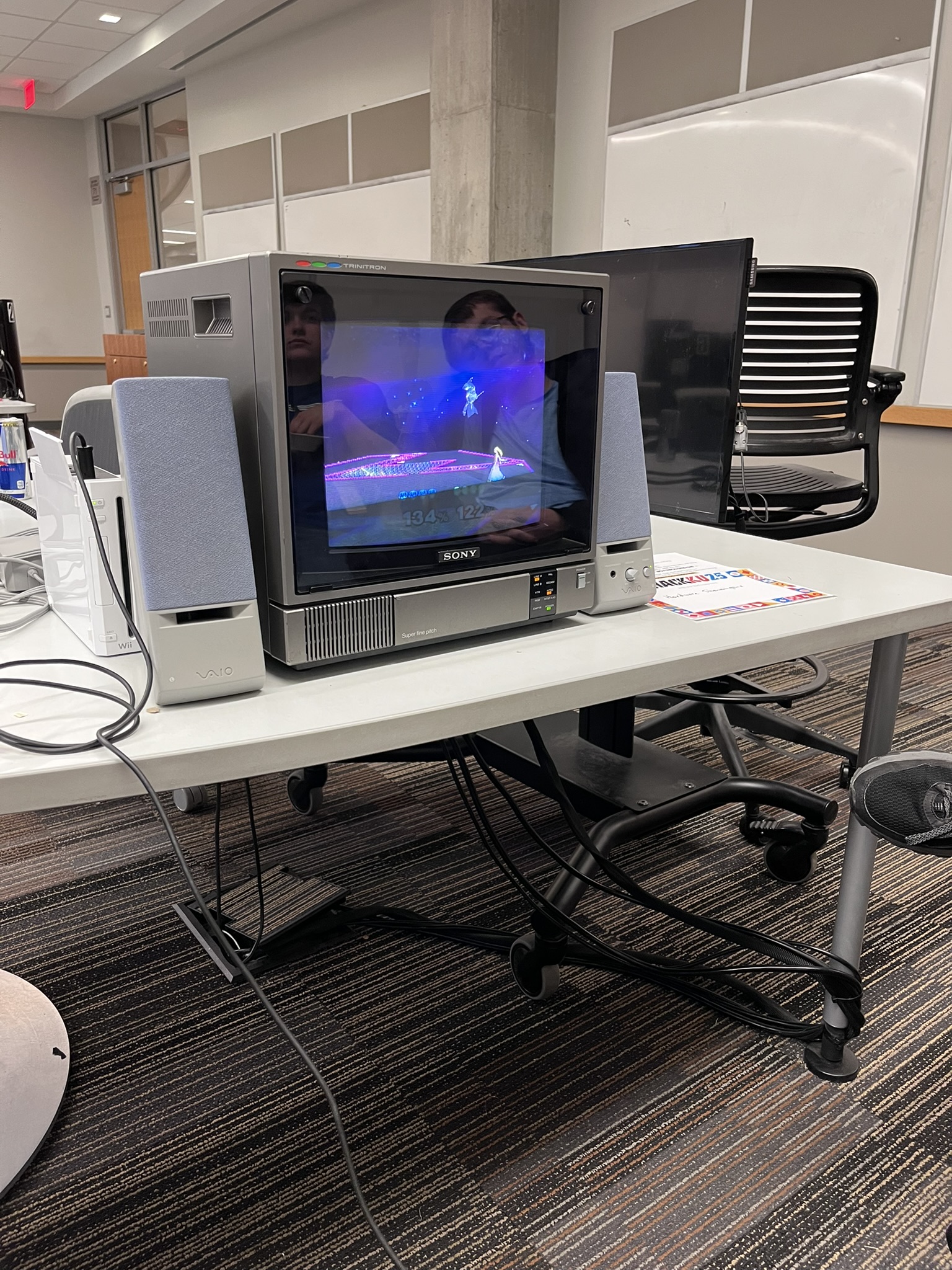
Playing Super Smash Bros. Melee (Nintendo Gamecube, 2001) after the recap work.
Hardware Shenanigans - CRT Restoration
I hope I've kept you waiting. Back for yet another hardware hack, this year I am fixing up an early 1980s Sony Trinitron PVM-1271Q. With a nice 14" picture tube, this is an excellent monitor for watching old movies and playing older games.
As electronics age, the components in them can begin to fall out of spec, and while there is a tolerance that is usually afforded, they will eventually fall out of spec, which will result in issues cropping up. With electrolytic capacitors, we can also find that their electrolyte can leak out, which is corrosive and can damage the PCBs and other components on the board. Most electrolytic capacitors only have a shelf life of around 15-20 years, and a service life closer to 10 years. With this monitor being 40 years old... you can see how that's a concern.
CRT Monitors and TVs can age in many different ways - worn down picture tube, screen burn in, geometry issues, deflection issues, and power issues are some of the most prolific. But they're of special interest for restoring and preserving, as they're completely and fundamentally different than LCDs and OLEDs in that they don't have physical pixels. Ever notice how old 240p or 480p content looks awful on a modern TV but looks perfectly fine on a tube TV? That's why - LCDs and OLEDs have a physical pixel grid which result in them having to very roughly scale up old 240p and 480p content. CRTs will nicely display them due to the them not having a physical grid, and is entirely based on the signal being put into them! In addition, since there aren't physical pixels, older pixel art really shines on old hardware.
This particular unit is having some deflection issues, which results in some issues with geometry, as we can see from the top left corner stretching out in the pixel grid, as well as some image clarity issues. By recapping the board, we can solve the fundamental deflection issues that result in image clarity issues, and help us dial in the geometry. However, due to time, we're only going to focus on the recapping, rather than the geometry adjustments themselves - those only need potentiometer adjustments and adjustment of the yolk.
Due to the way CRTs draw images, it is very difficult for one to capture a good image of one from a phone, so if you want to see good pictures of the end result of the recapping, you'll need to come by the demo!
Built With
- capacitors
- hardware


Log in or sign up for Devpost to join the conversation.