Inspiration
Many everyday problems in Filipino households start with a simple question: “May kilala ka bang…?” Whether it’s a clogged sink, electrical issue, or home repair, people rely heavily on word-of-mouth, Facebook posts, or random contacts. At the same time, skilled workers within the same community struggle to find consistent opportunities. This disconnect between demand and supply—despite both existing locally—inspired us to build HandyJuan.
What it does
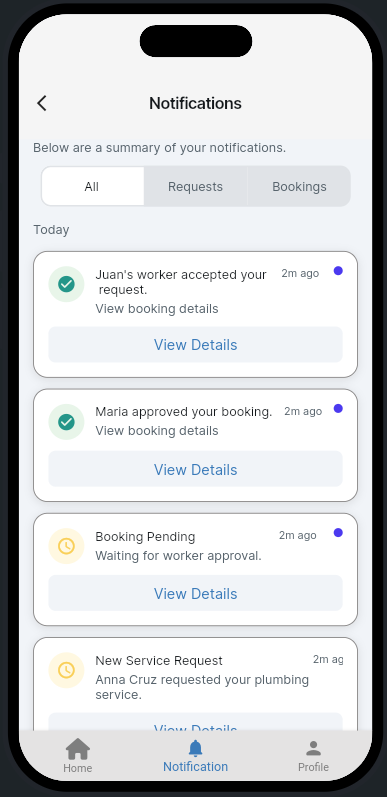
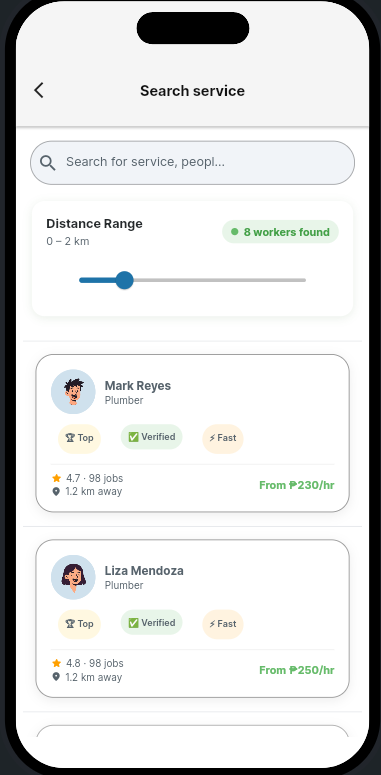
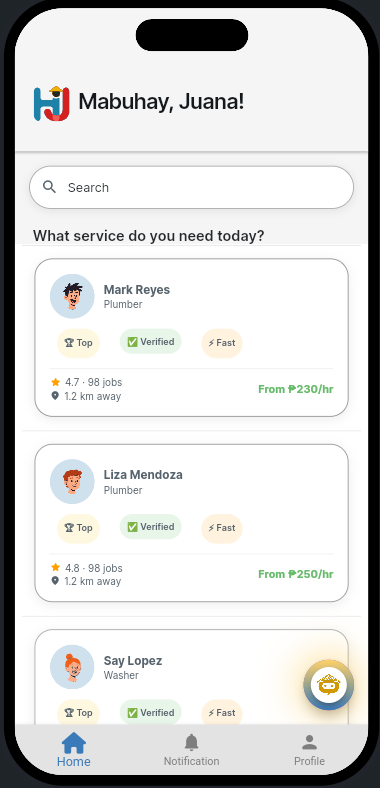
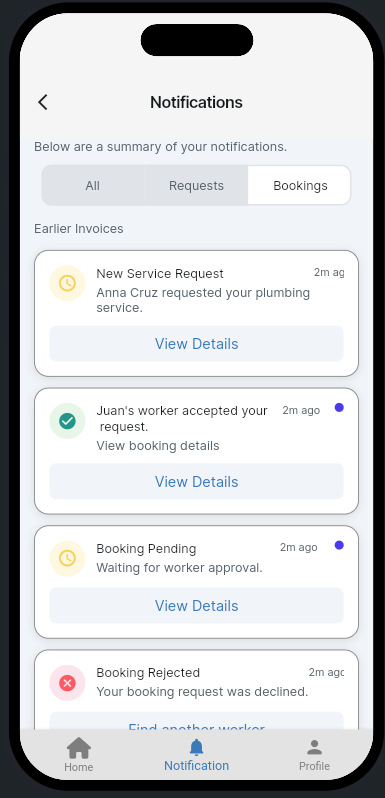
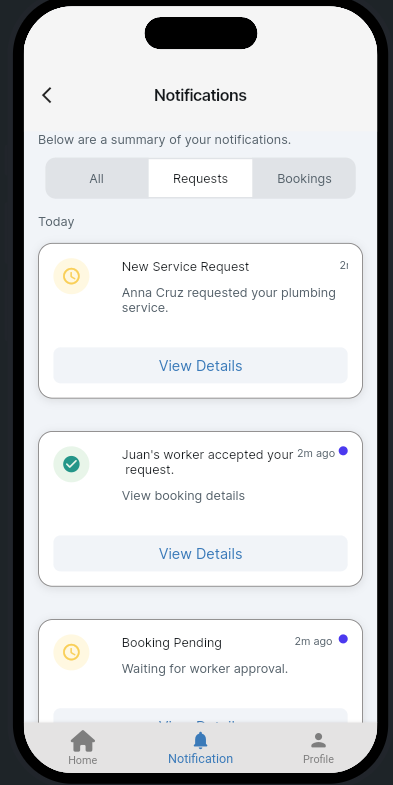
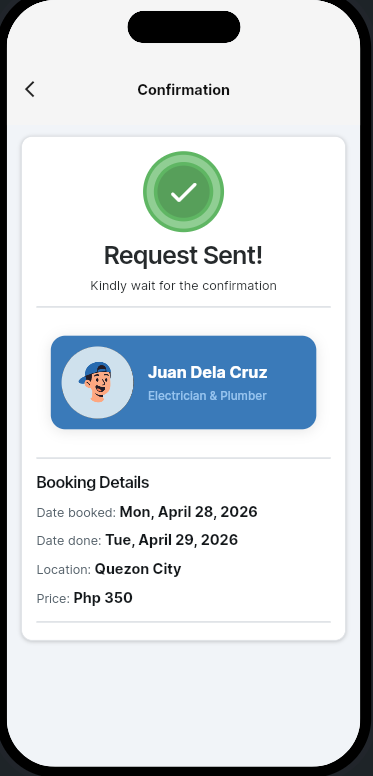
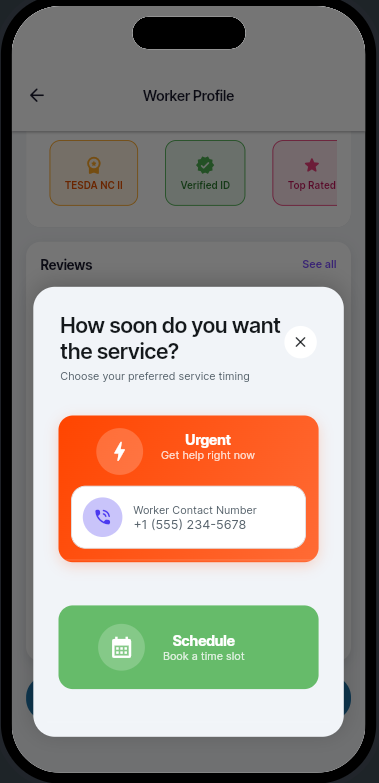
HandyJuan is a hyperlocal service-matching platform that connects users with nearby skilled workers such as plumbers, electricians, cleaners, tutors, and more. Users can browse, evaluate, and book workers based on trust signals like ratings, certifications, responsiveness, and proximity. For workers, HandyJuan provides visibility, allowing them to receive consistent job opportunities and build a reputation over time.
How we built it
We developed HandyJuan using FlutterFlow for rapid UI development and Firebase for backend services, including real-time data handling for user profiles, bookings, and ratings. Custom validation logic was implemented to ensure proper data input and improve user experience. The system design focuses on scalability and responsiveness, enabling real-time interactions between users and workers.
Challenges we ran into
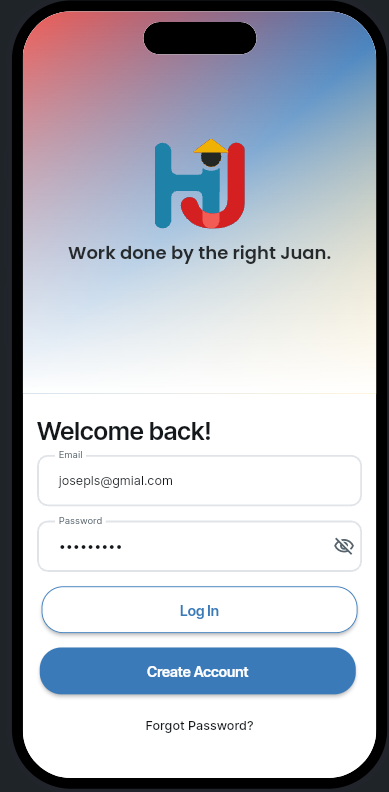
One of the main challenges was structuring validation and state management within FlutterFlow, especially when implementing custom actions and conditional UI behavior. We also faced issues with UI configuration constraints such as form nesting, navigation flow, and authentication setup. Balancing simplicity for users while ensuring trust and reliability in the system was another key design challenge.
Accomplishments that we're proud of
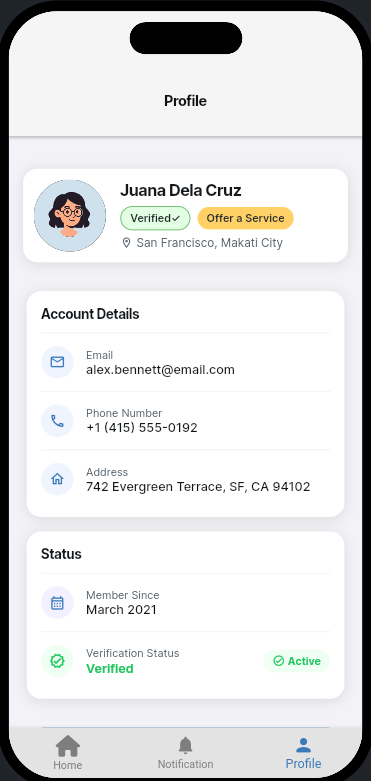
We developed a working prototype that demonstrates real-time service discovery and a two-sided user experience, where individuals can both access services and provide them. The platform highlights trust factors such as ratings and proximity, and is designed specifically for the Philippine context to address real community-level challenges.
What we learned
We gained a deeper understanding of the challenges faced by informal workers, particularly the lack of visibility, consistent opportunities, and access to structured platforms. This highlighted how technology can play a role in improving accessibility and creating more stable livelihood opportunities.
We also learned how to efficiently use low-code tools like FlutterFlow while still integrating custom logic when needed. Additionally, we developed a better understanding of UX design for trust-based systems, including the importance of validation, data integrity, and smooth user flow.
What's next for HandyJuan
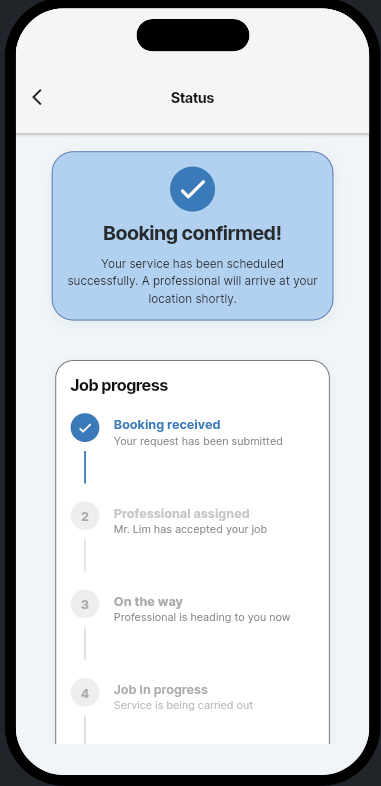
We aim to evolve HandyJuan into a fully functional platform by implementing a complete booking system and strengthening trust through identity verification and improved rating mechanisms. We will refine our matching logic and user experience, and explore low-connectivity features to ensure accessibility. Ultimately, we plan to scale HandyJuan to support more communities and provide more consistent opportunities for local workers.
Built With
- dart
- firebase
- flutterflow
- grok


Log in or sign up for Devpost to join the conversation.