-
-

LOGO
-
-
-
-
-
-
-
-

Inspiration
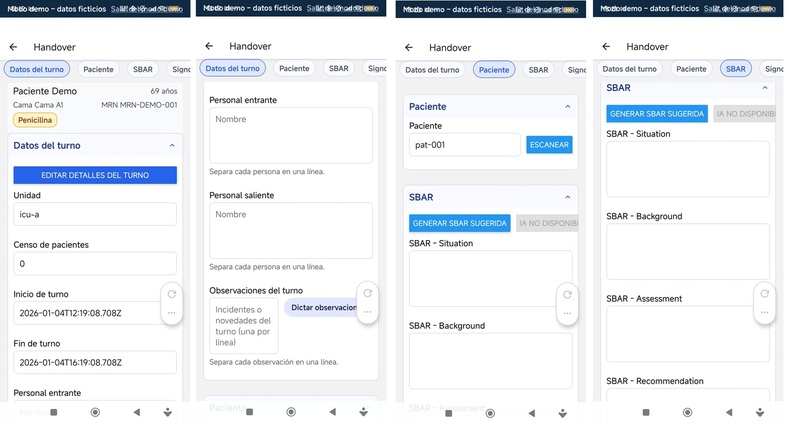
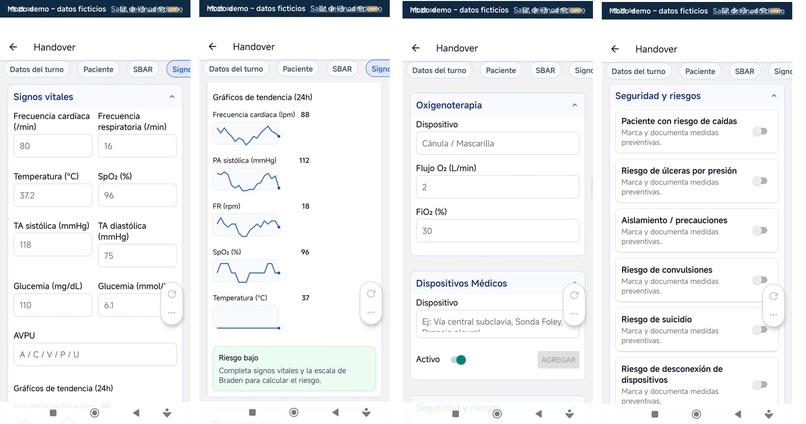
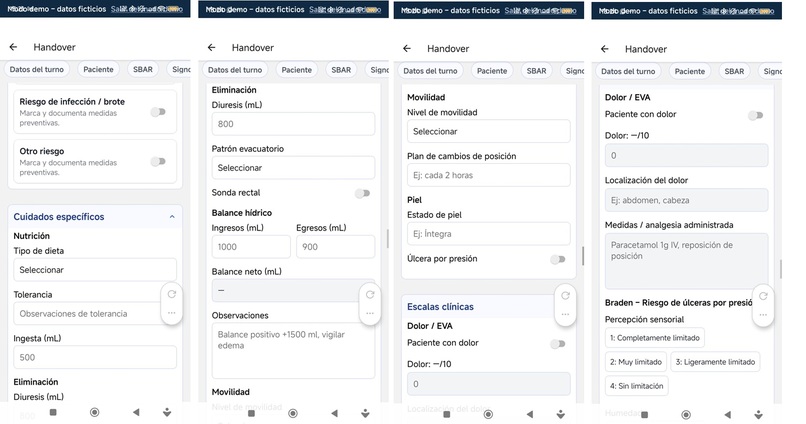
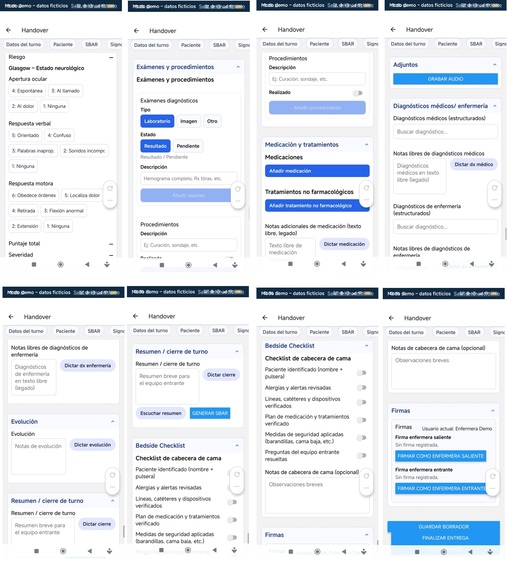
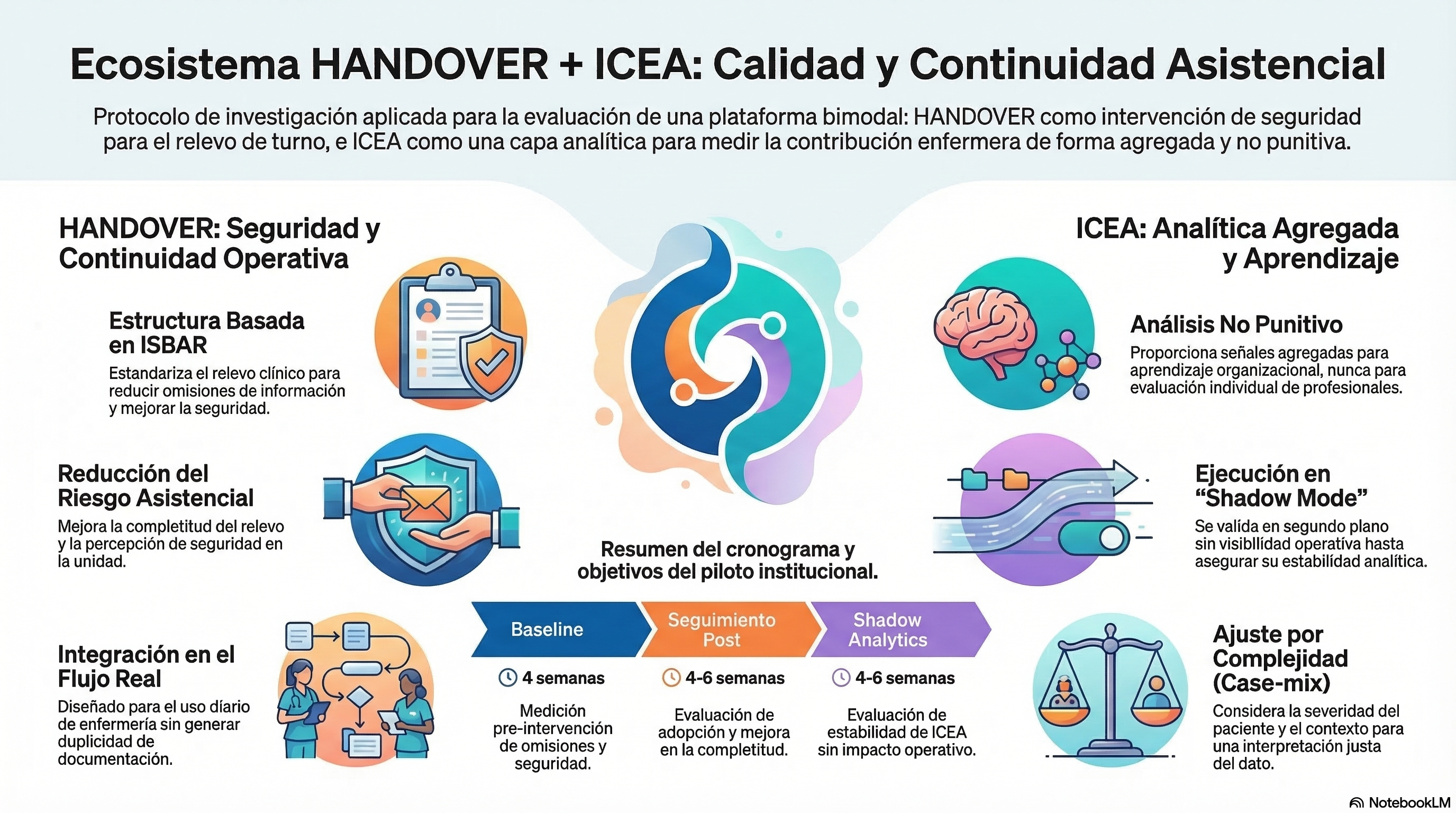
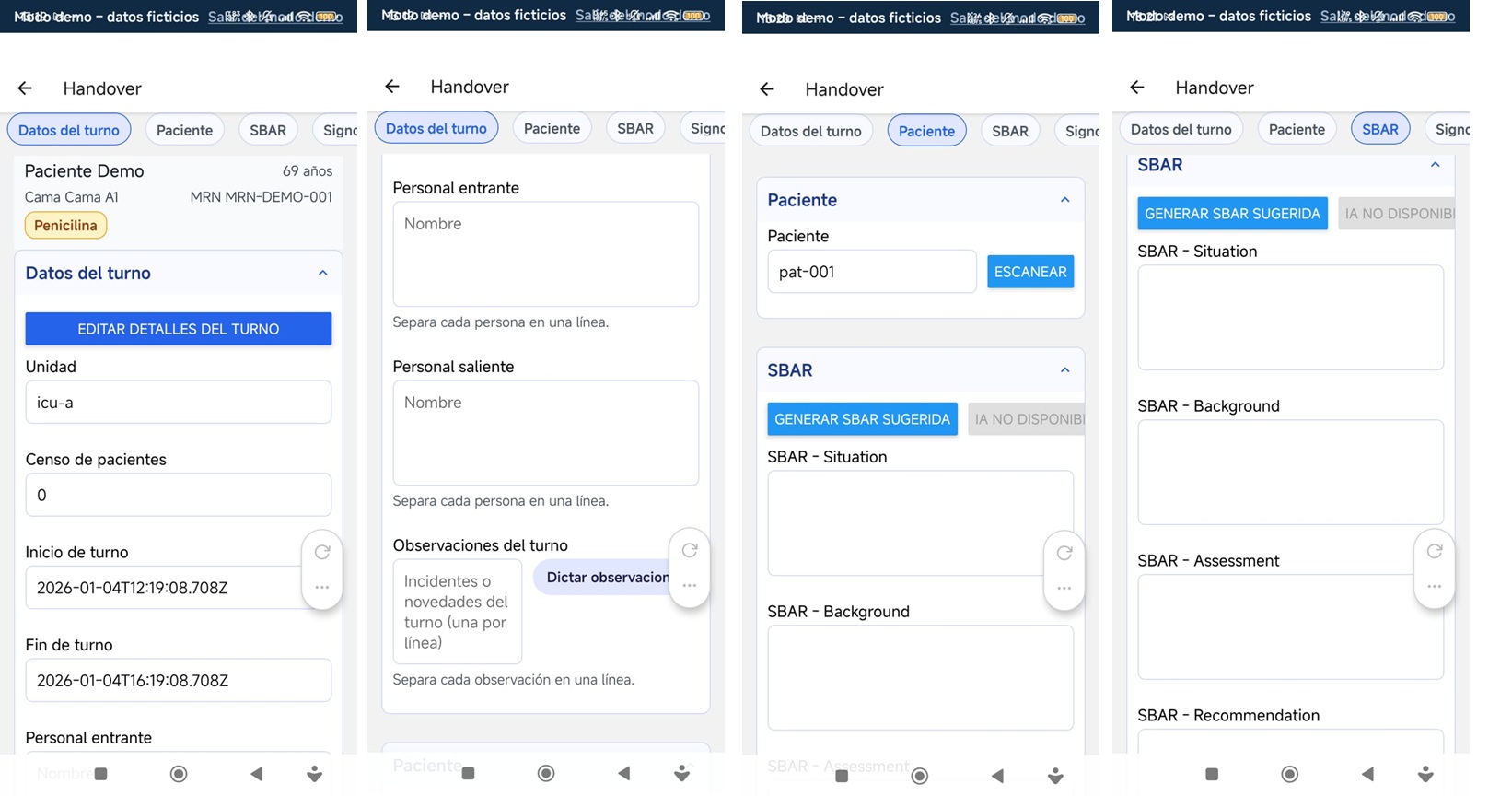
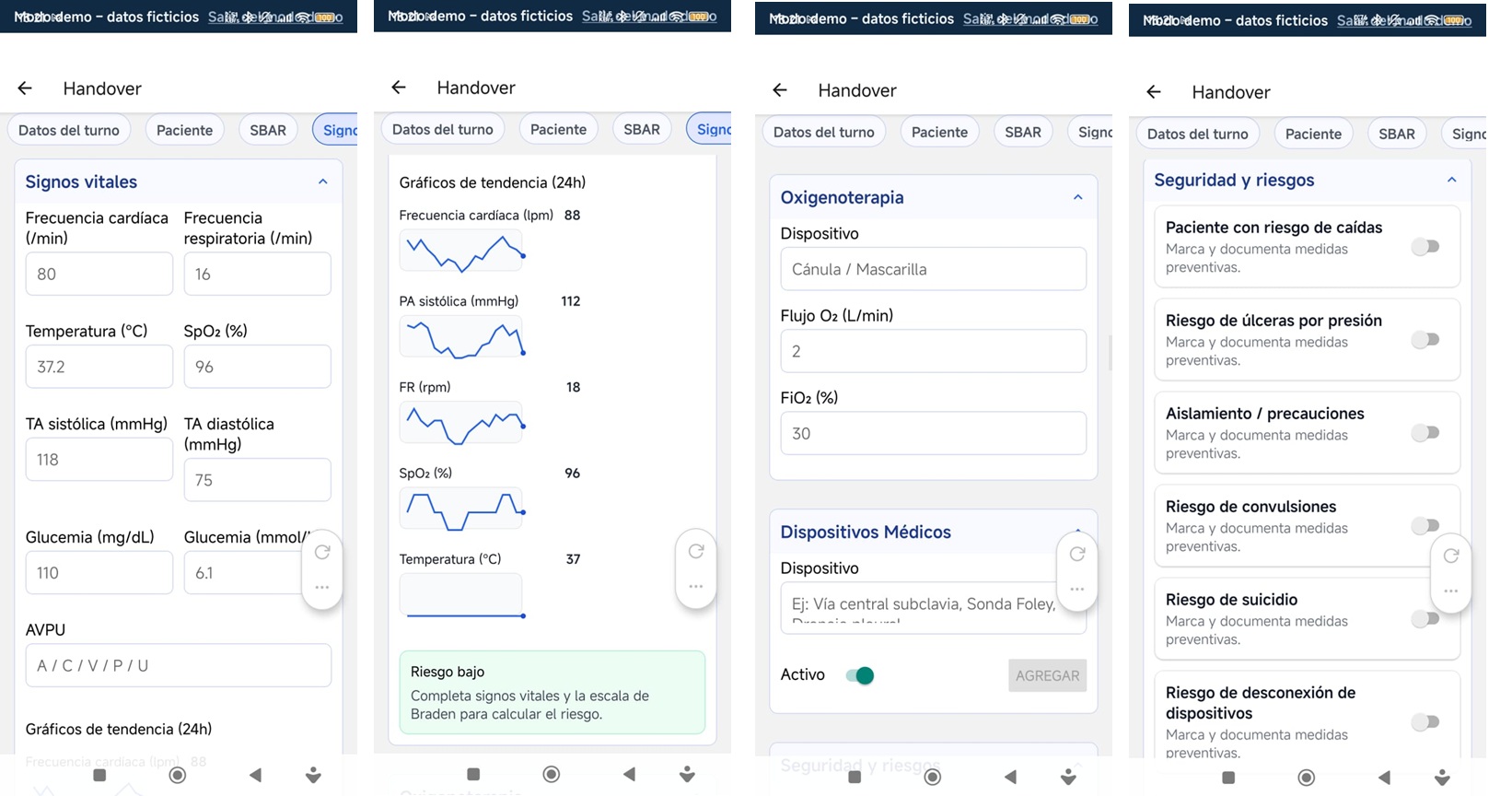
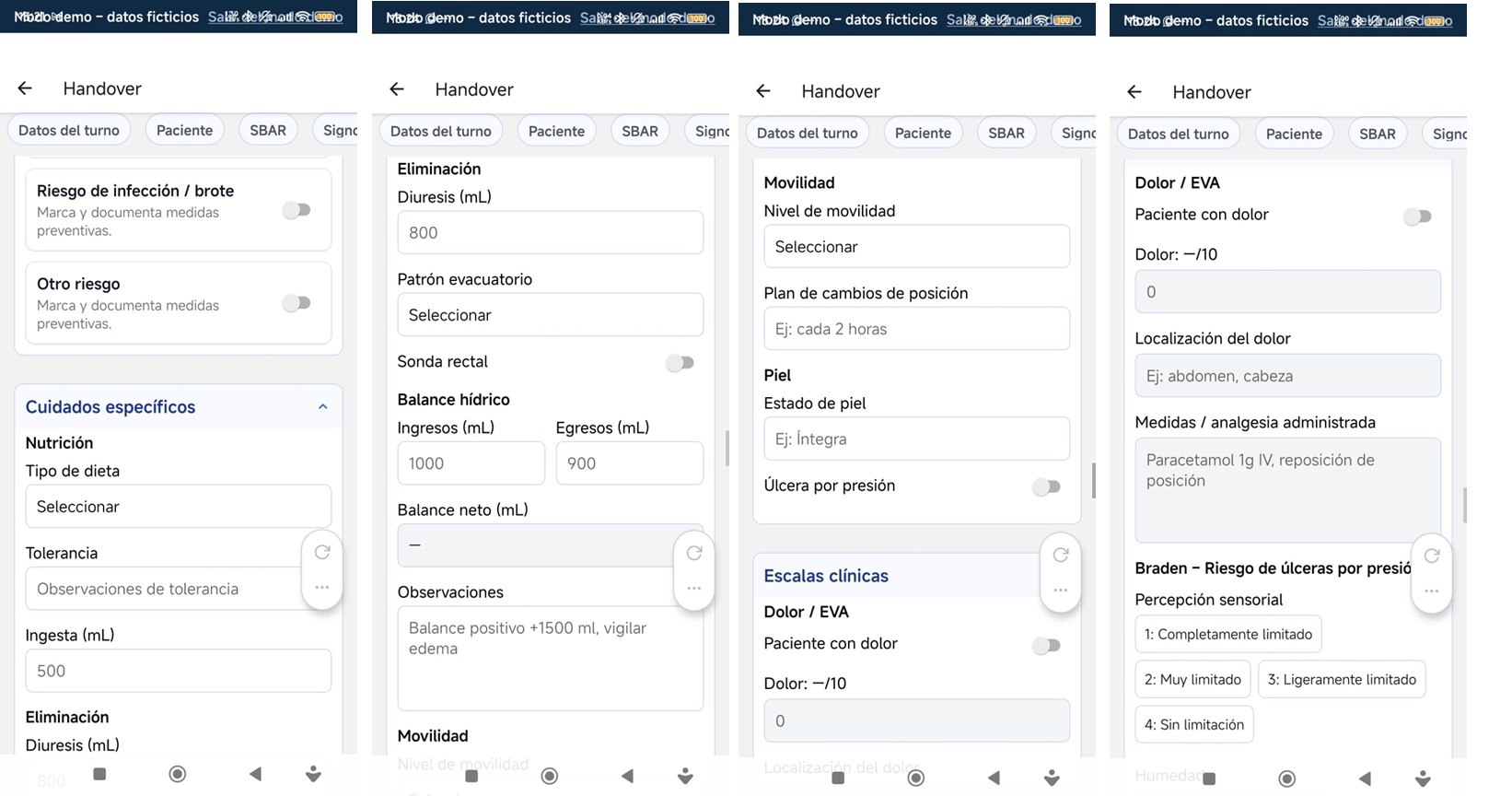
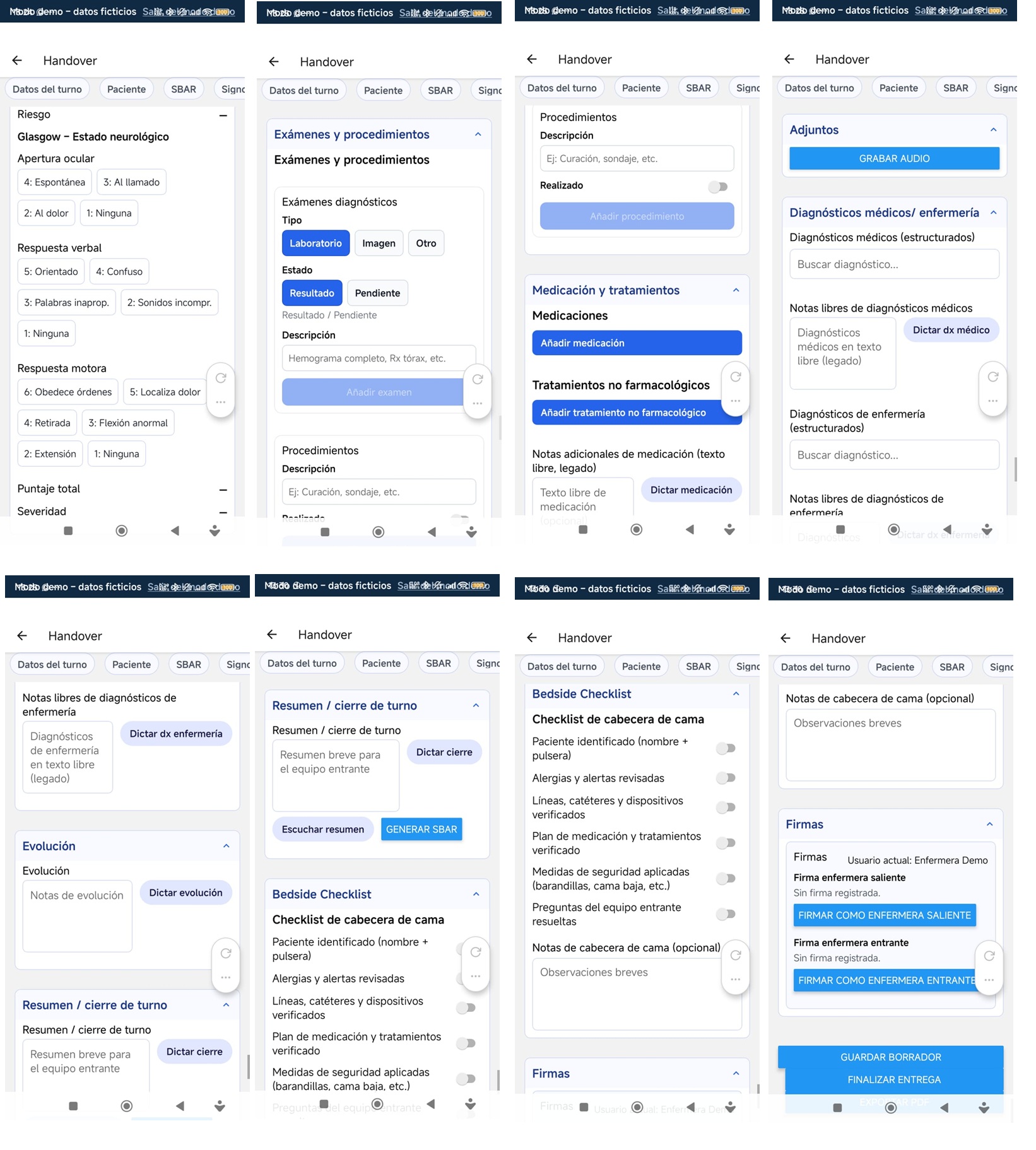
I have experienced firsthand how much critical information must be transferred safely during a shift change. HANDOVER grew from that clinical reality and from the need to reduce omissions without adding unnecessary documentation burden.
Nursing handoffs are high-information clinical transitions where omissions, fragmented documentation and cognitive load can threaten continuity of care.
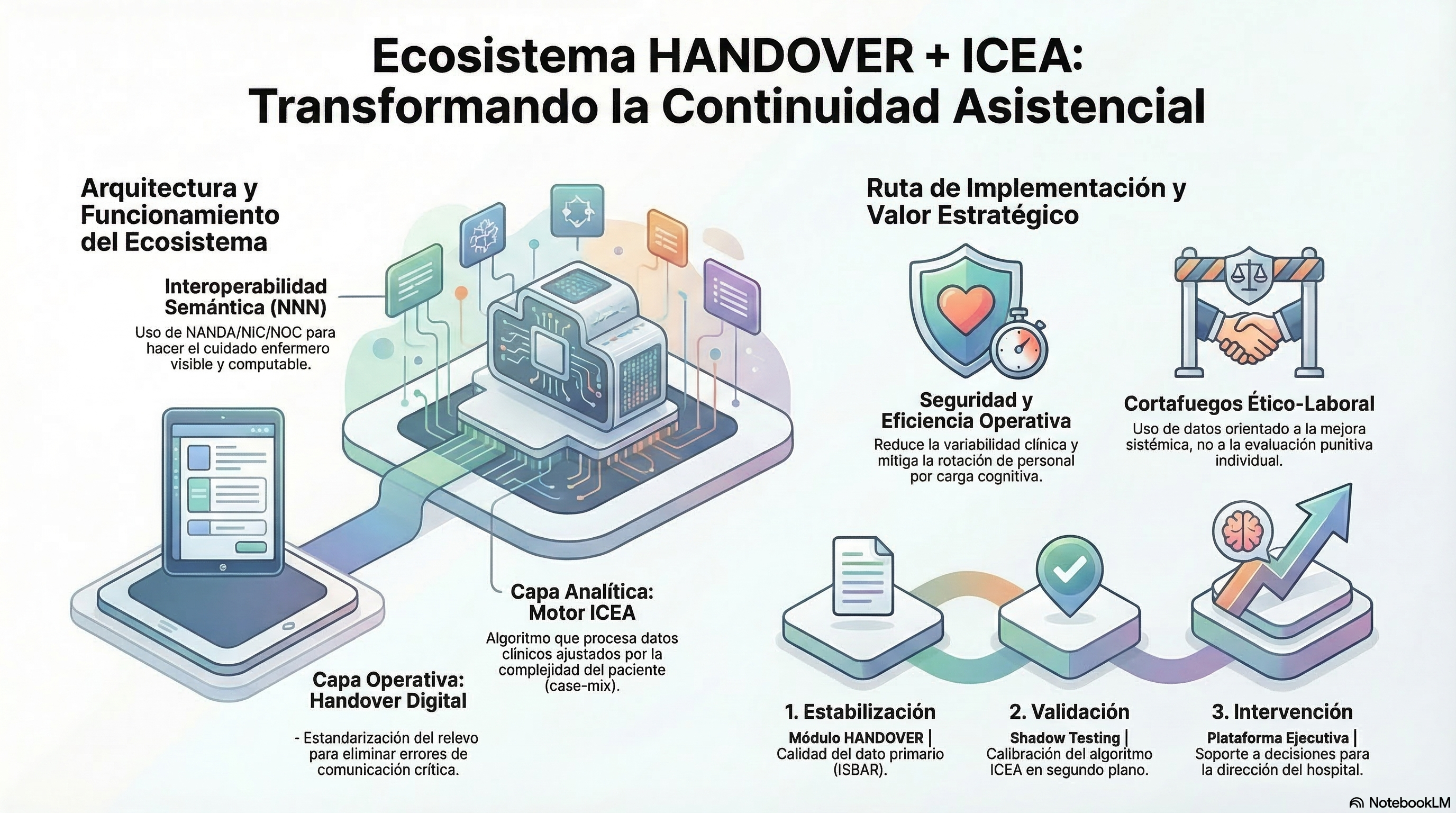
HANDOVER + ICEA was designed around a strict separation of responsibilities:
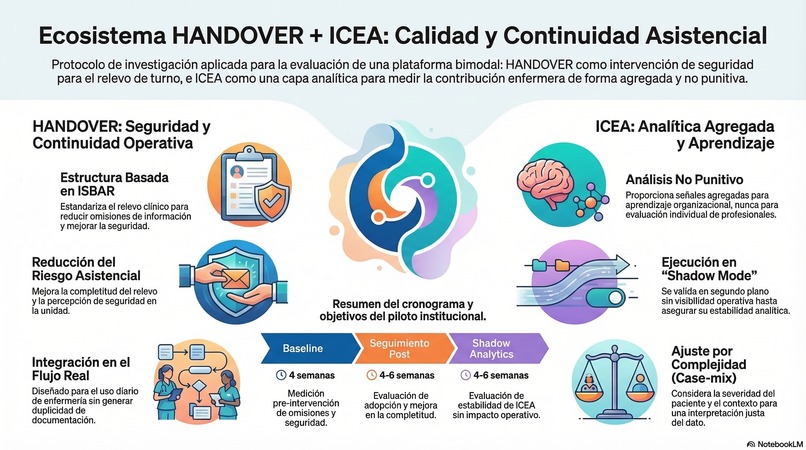
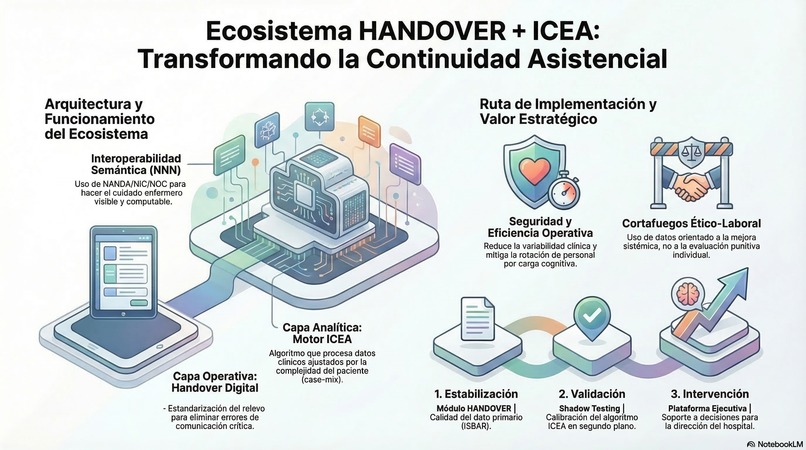
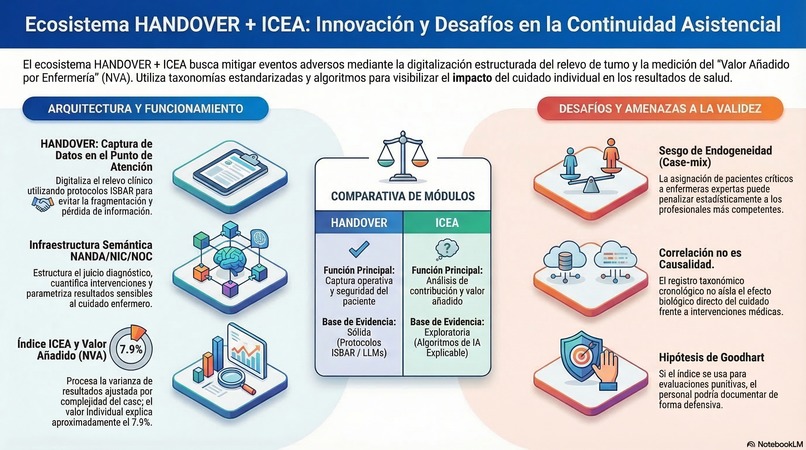
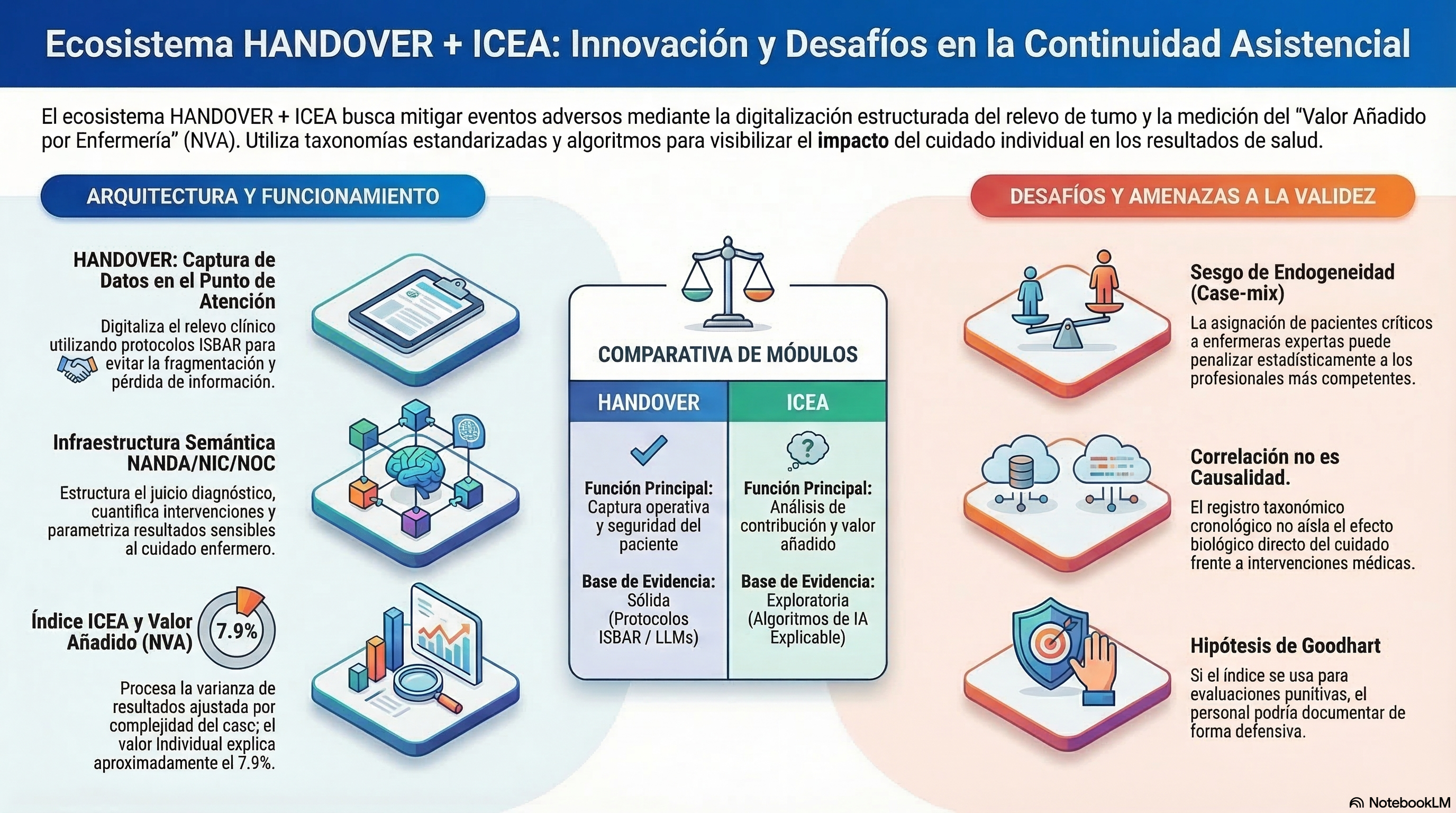
- HANDOVER is the operational nursing handoff layer: structured, offline-first, interoperable and auditable.
- ICEA is a separate aggregated shadow-analytics layer designed for progressive validation, organizational learning and non-individual, non-punitive use.
The goal is not simply to move data between systems. It is to make clinical handoffs safer while ensuring that any downstream analytics remain governed, explainable and honest about uncertainty.
What it does
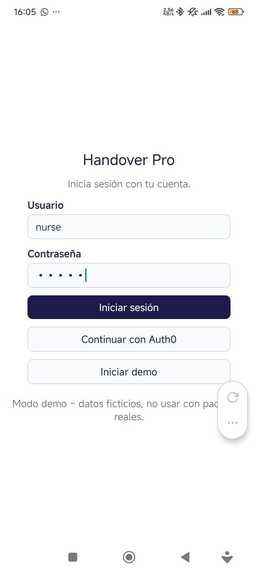
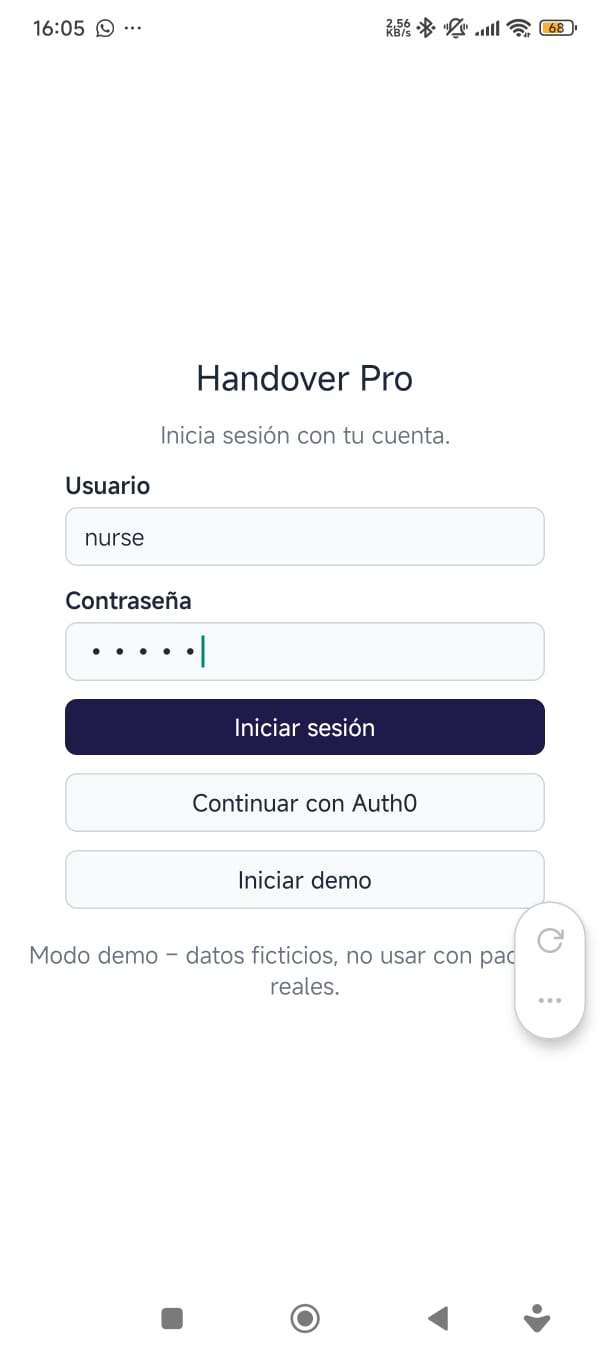
HANDOVER supports structured nursing shift handoff workflows with offline-first synchronization, traceability and FHIR interoperability.
During OpenAI Build Week 2026, we used Codex with GPT-5.6 to build a focused new capability:
HANDOVER → ICEA Integration Readiness & Shadow Bridge Verification
The verifier uses synthetic data only and:
- builds the real versioned
handover-icea-feature-v1payload; - reuses the existing HANDOVER → ICEA bridge;
- checks transport, feature-contract compatibility and shadow-governance constraints;
- returns structured
PASS,FAILorNOT_VERIFIEDresults; - fails closed when it detects contract mismatch or prohibited individual material;
- rejects individual numeric scores, rankings, employment-related scoring, clinical writeback and automatic clinical actions.
Real Build Week result
We executed a real local cross-repository verification.
HANDOVER successfully:
- reached an ICEA instance over HTTP;
- authenticated using JWT;
- passed service-role RBAC;
- received HTTP 200.
However, the available ICEA demo model had a feature-space mismatch with the HANDOVER payload.
The verifier correctly detected contract_mismatch and failed closed instead of reporting a false success.
This is intentional: successful HTTP communication alone is not treated as successful integration. Contract compatibility and governance must also pass.
How we built it
The ecosystem uses:
- React Native / Expo + TypeScript
- Django + Django REST Framework
- FHIR transaction interoperability
- OIDC / JWT / RBAC
- offline-first synchronization with controlled retries and idempotency
The Build Week extension reused the existing architecture. It did not introduce a parallel backend, microservices or an LLM into the clinical runtime.
Codex with GPT-5.6 helped us:
- inspect existing HANDOVER and ICEA contracts;
- identify the smallest safe integration seam;
- implement the verifier and management command;
- reuse existing bridge and idempotency logic;
- correct the semantics of
insufficient_evidence; - create focused governance and security tests;
- analyze the real cross-repository run;
- harden fail-closed detection of recognized individual-score aliases after automated review.
GPT-5.6 was used as the Codex development model. It is not part of the clinical runtime, and no clinical data is sent to an LLM.
Challenges we ran into
The main challenge was a genuine contract mismatch between the current HANDOVER feature-space and the available ICEA demo model.
We deliberately chose not to modify the analytical contract simply to manufacture a successful demo.
Instead, the verifier reports the incompatibility honestly and prevents a false PASS.
We also hardened the verifier after Codex Review identified additional response aliases that could potentially expose individual numeric scoring.
Accomplishments that we're proud of
- A reproducible HANDOVER → ICEA integration readiness verifier.
- Explicit
PASS,FAILandNOT_VERIFIEDsemantics. - Real cross-repository HTTP verification.
- Fail-closed governance and contract checks.
- Focused protection against individual scoring, ranking and employment-related outputs.
- Synthetic-data-only testing.
- No weakening of FHIR, authentication, RBAC, audit or offline-first architecture.
What we learned
A technically successful request is not automatically a safe integration.
An HTTP 200 response proves transport, not semantic compatibility or governance.
For healthcare systems, it is equally important to prove when an integration is safe and to refuse to pretend when it is not.
What's next for HANDOVER + ICEA
The next step is controlled alignment and validation of the HANDOVER → ICEA analytical contract using synthetic and governed pilot data.
HANDOVER remains the operational intervention for nursing continuity and patient safety.
ICEA remains a separate aggregated shadow-analytics layer under progressive validation.
ICEA is not presented as an individual causal attribution, workforce ranking or employment decision tool.
HANDOVER + ICEA remains pilot-stage and is not presented as production-ready or clinically validated.
Safe integration means proving when systems are compatible — and refusing to pretend when they are not.
Built With
- actions
- api
- codex
- django
- docker
- expo.io
- fhir
- framework
- github
- gpt-5.6
- hl7
- jwt
- native
- oidc
- postgresql
- python
- rbac
- react
- rest
- typescript


Log in or sign up for Devpost to join the conversation.