-
-
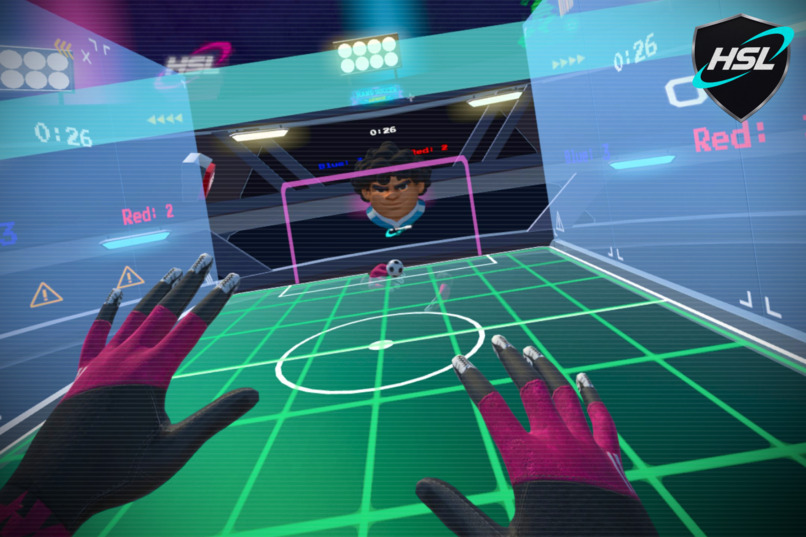
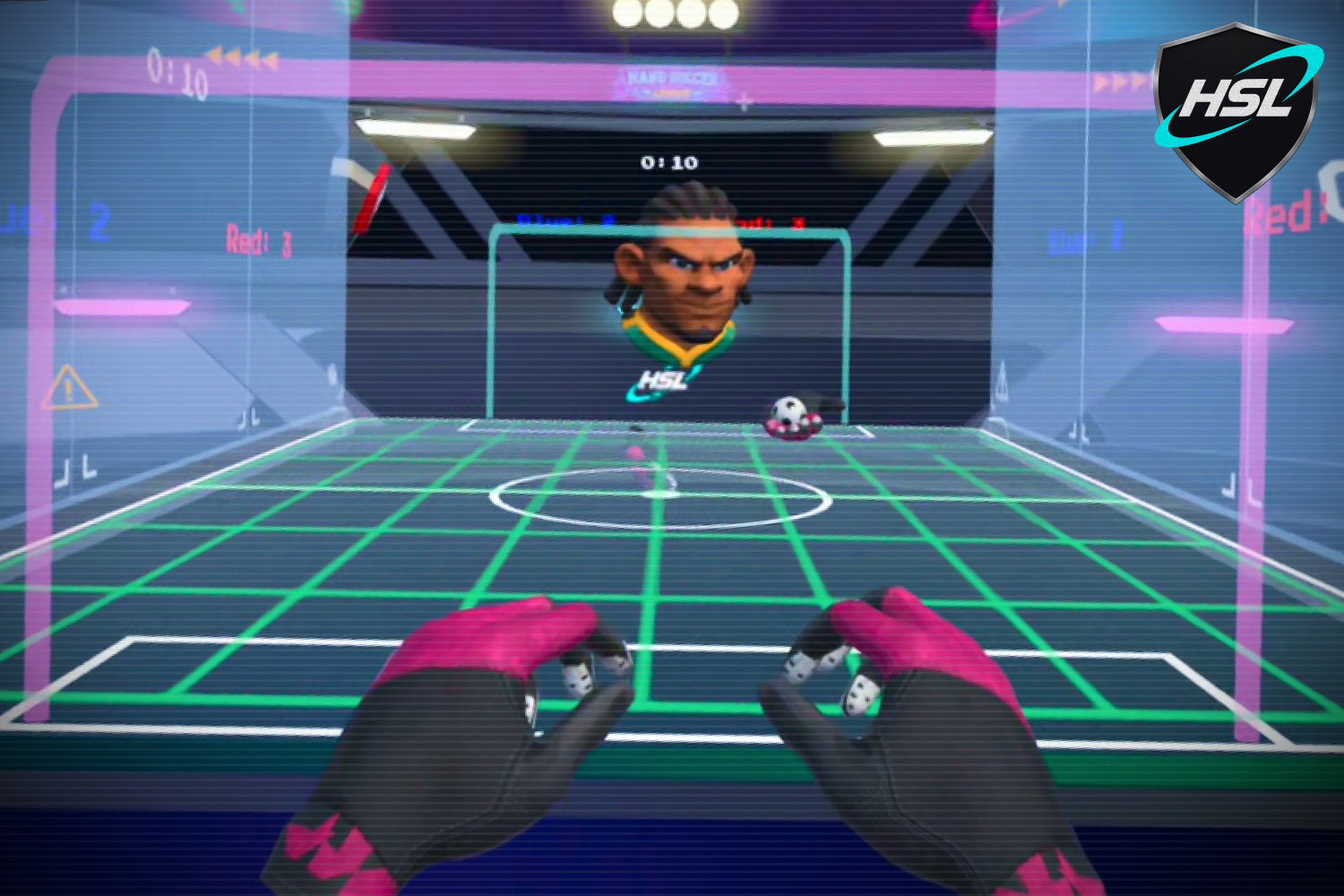
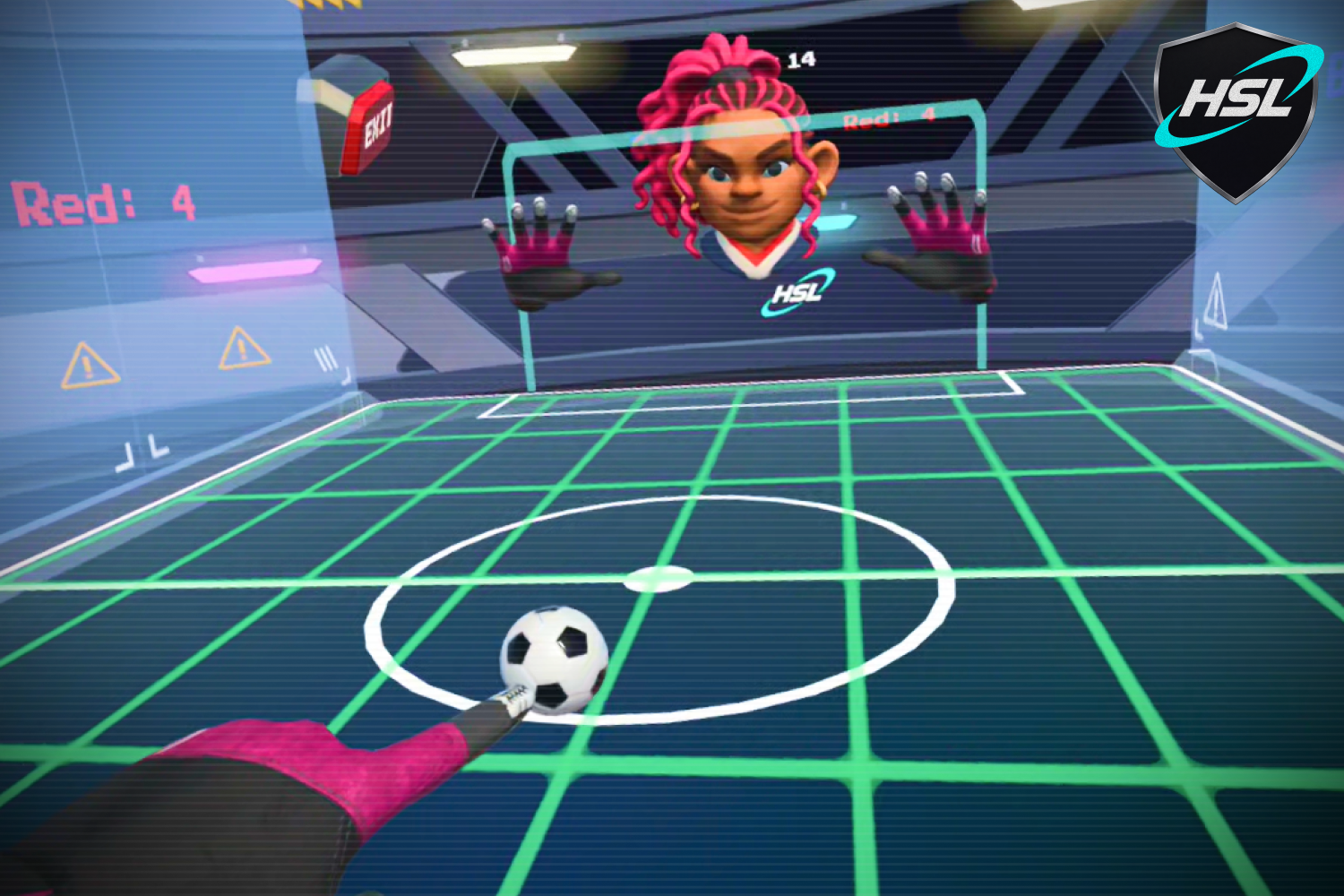
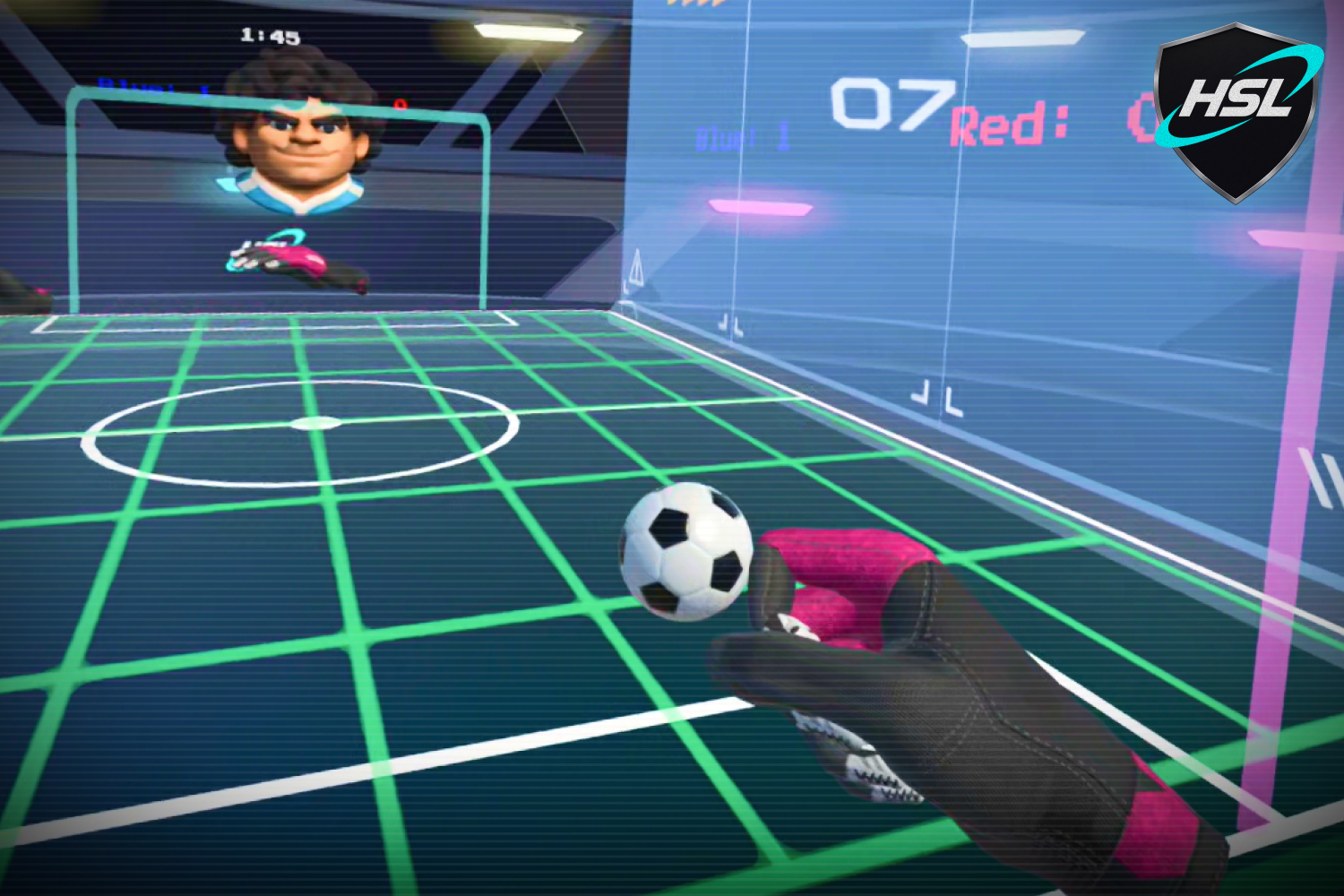
Field play and goalkeeper defence in the same 1v1 soccer match
-
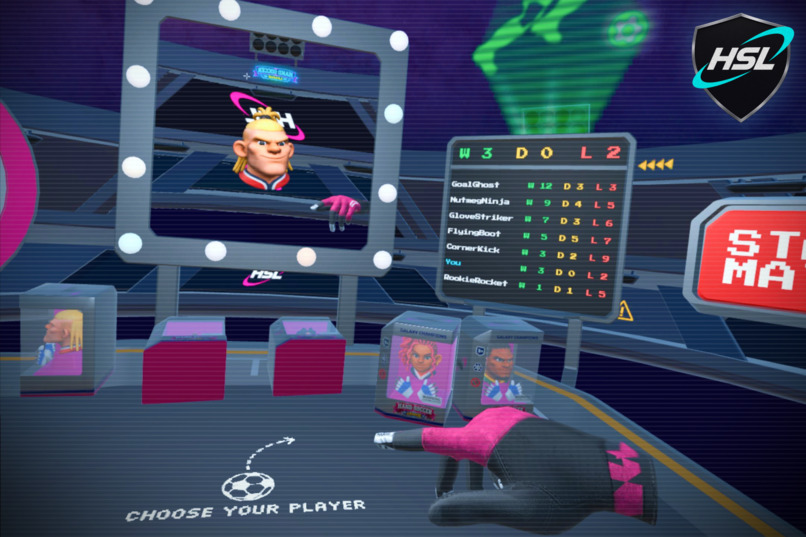
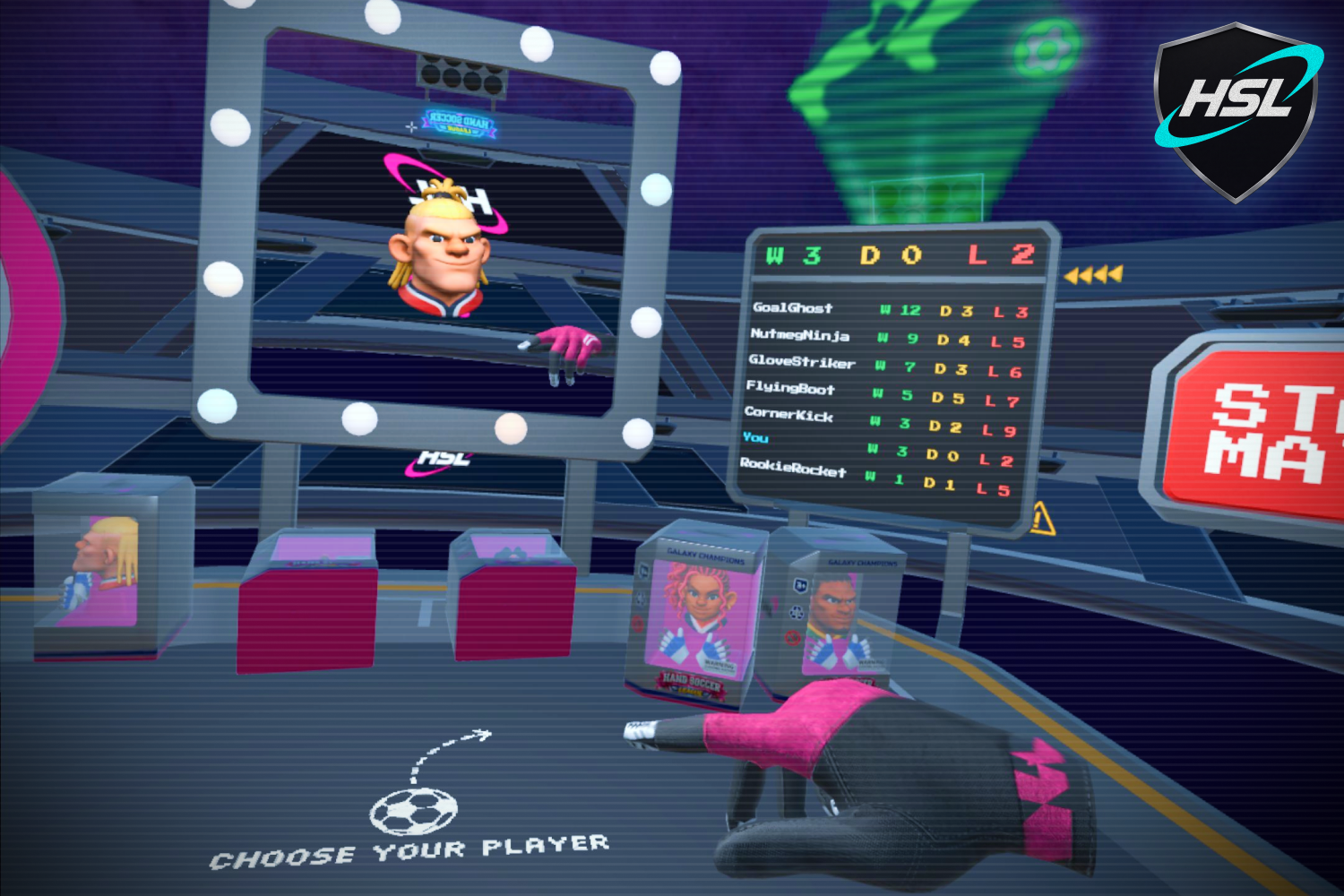
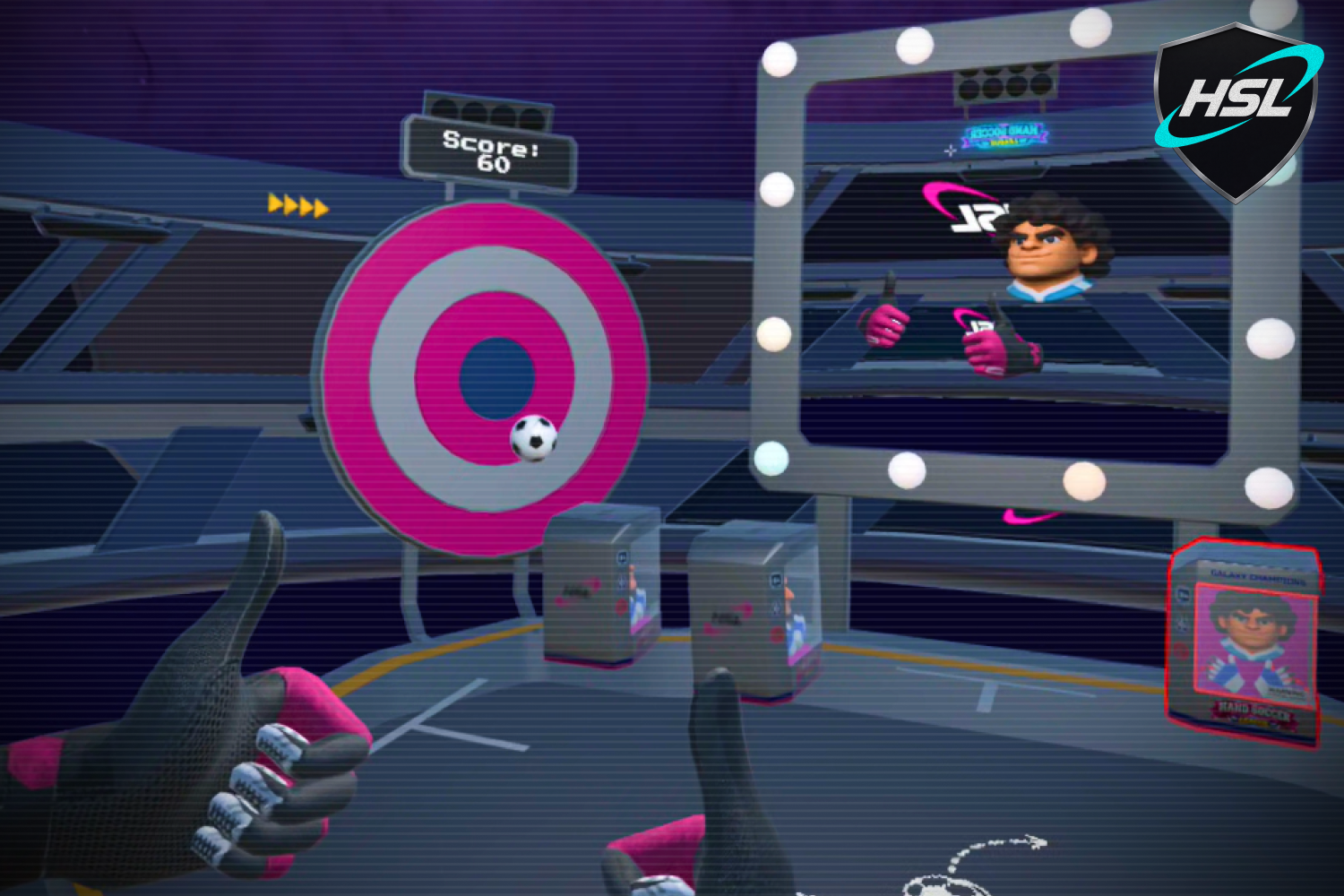
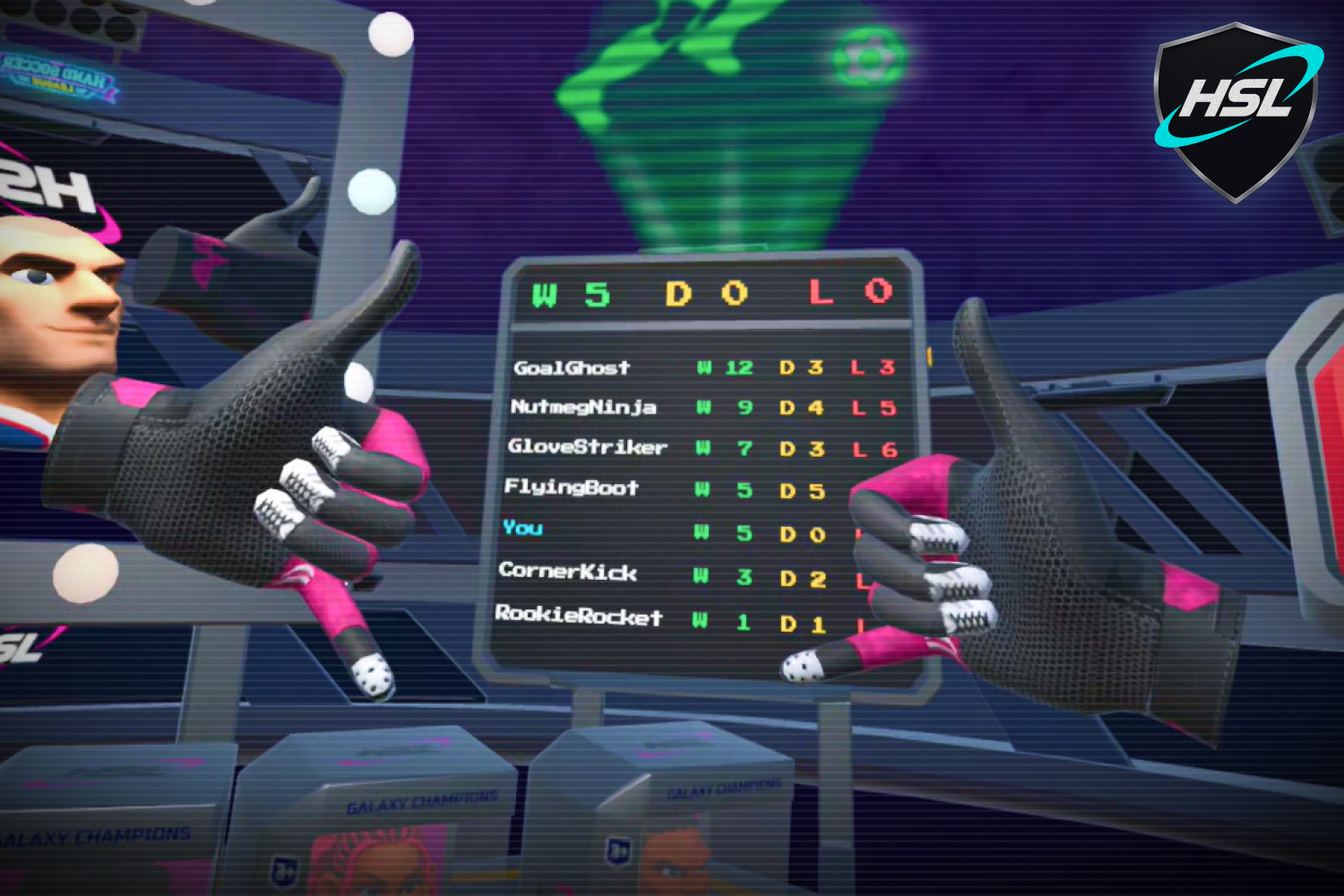
Player selection, leaderboard and training area
-
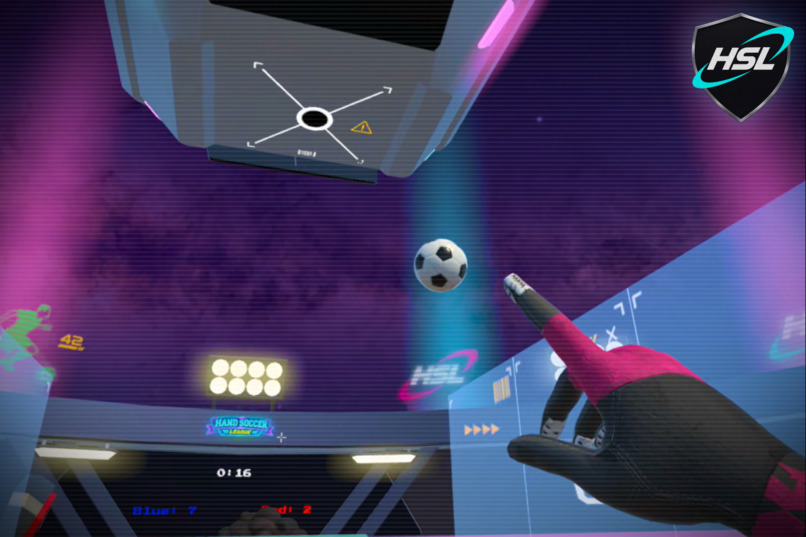
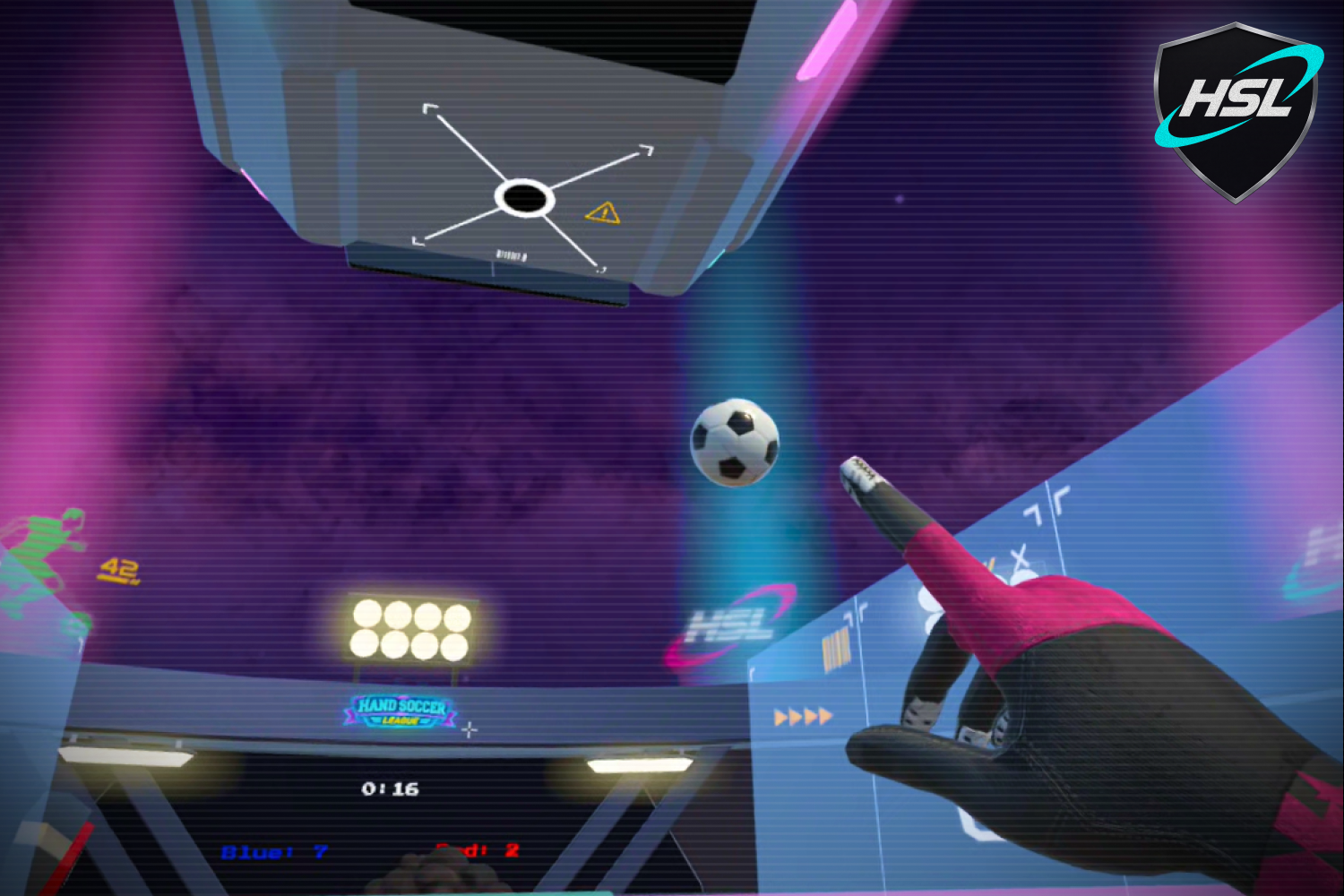
Aerial ball control
-
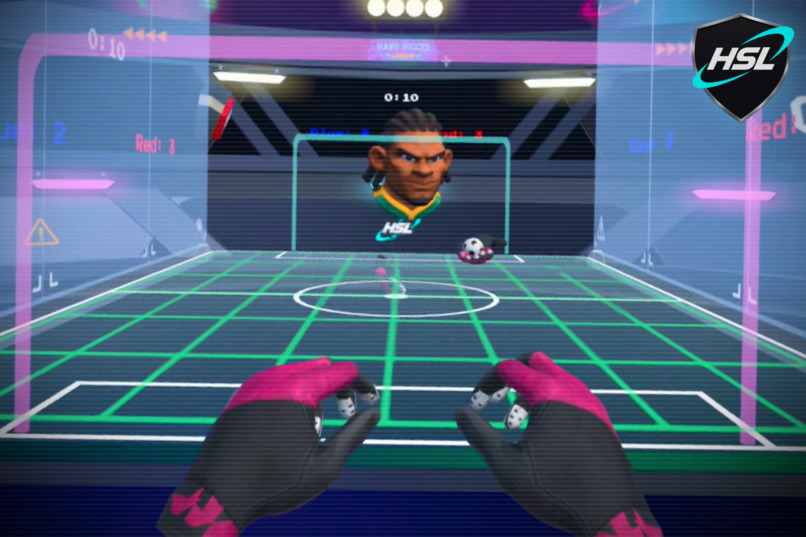
Defence and counterattacking play
-
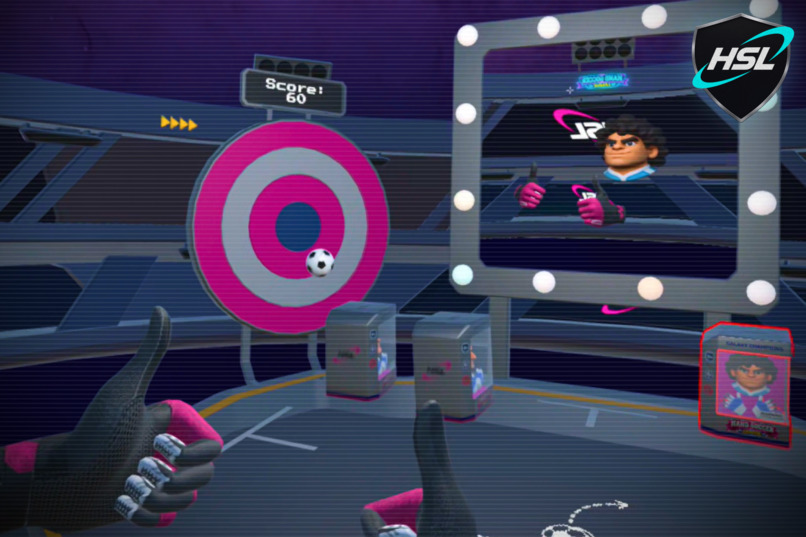
Shooting practice with scoring
-
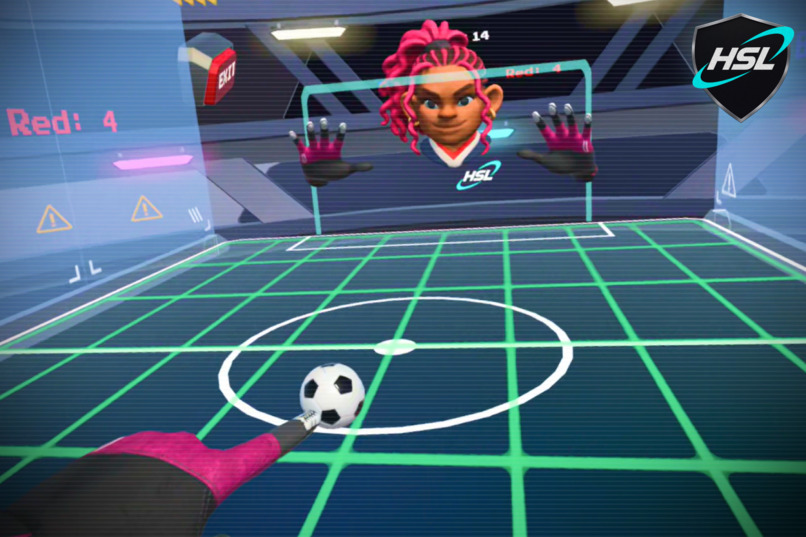
Poke-slide play
-
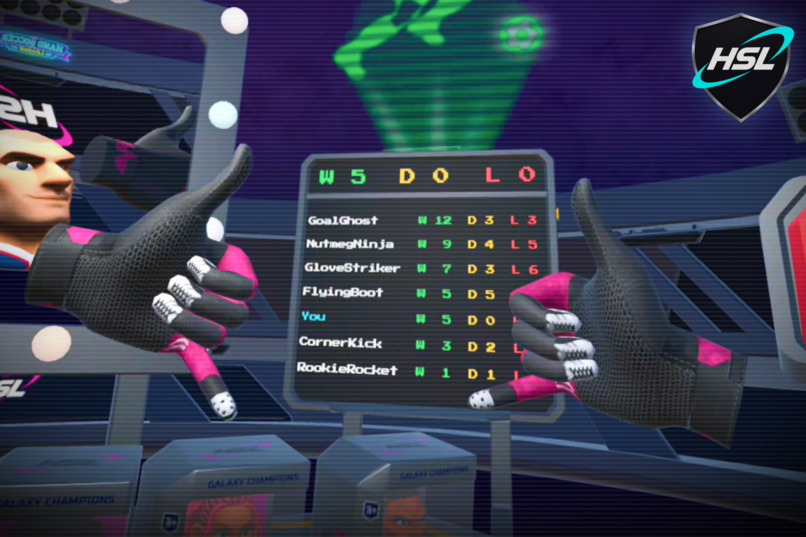
Climbing the leaderboard
-
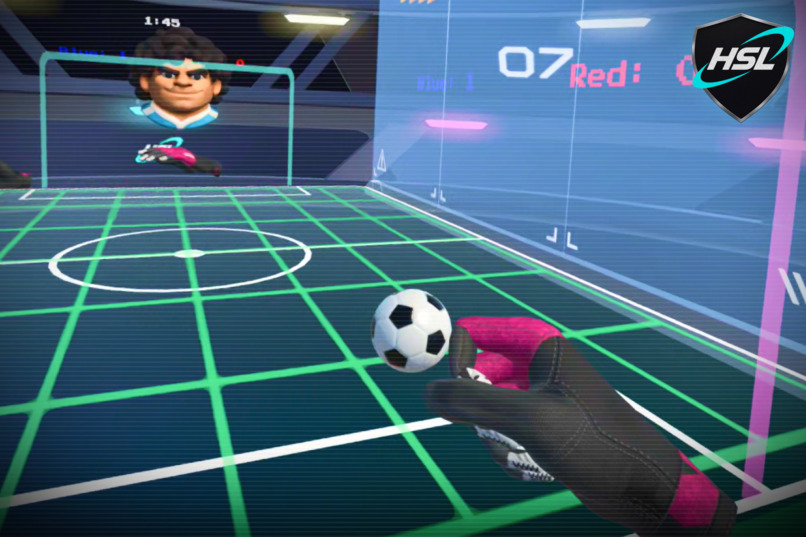
Powerful flick shot
-
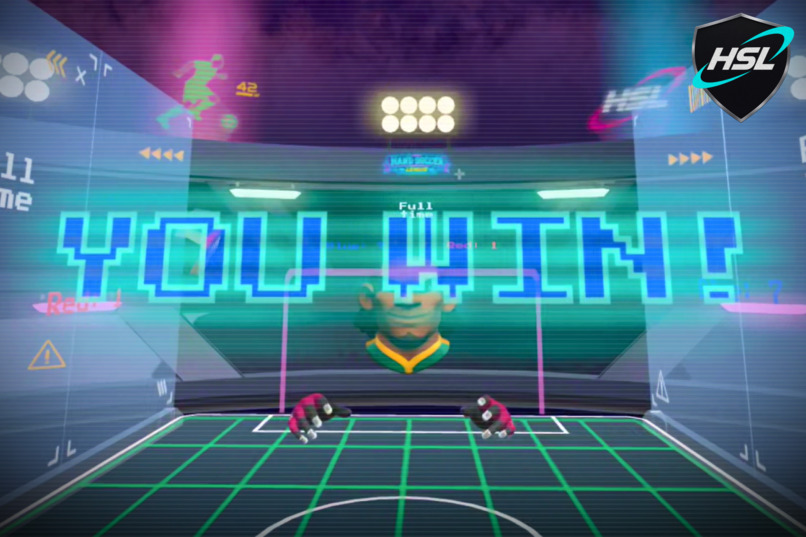
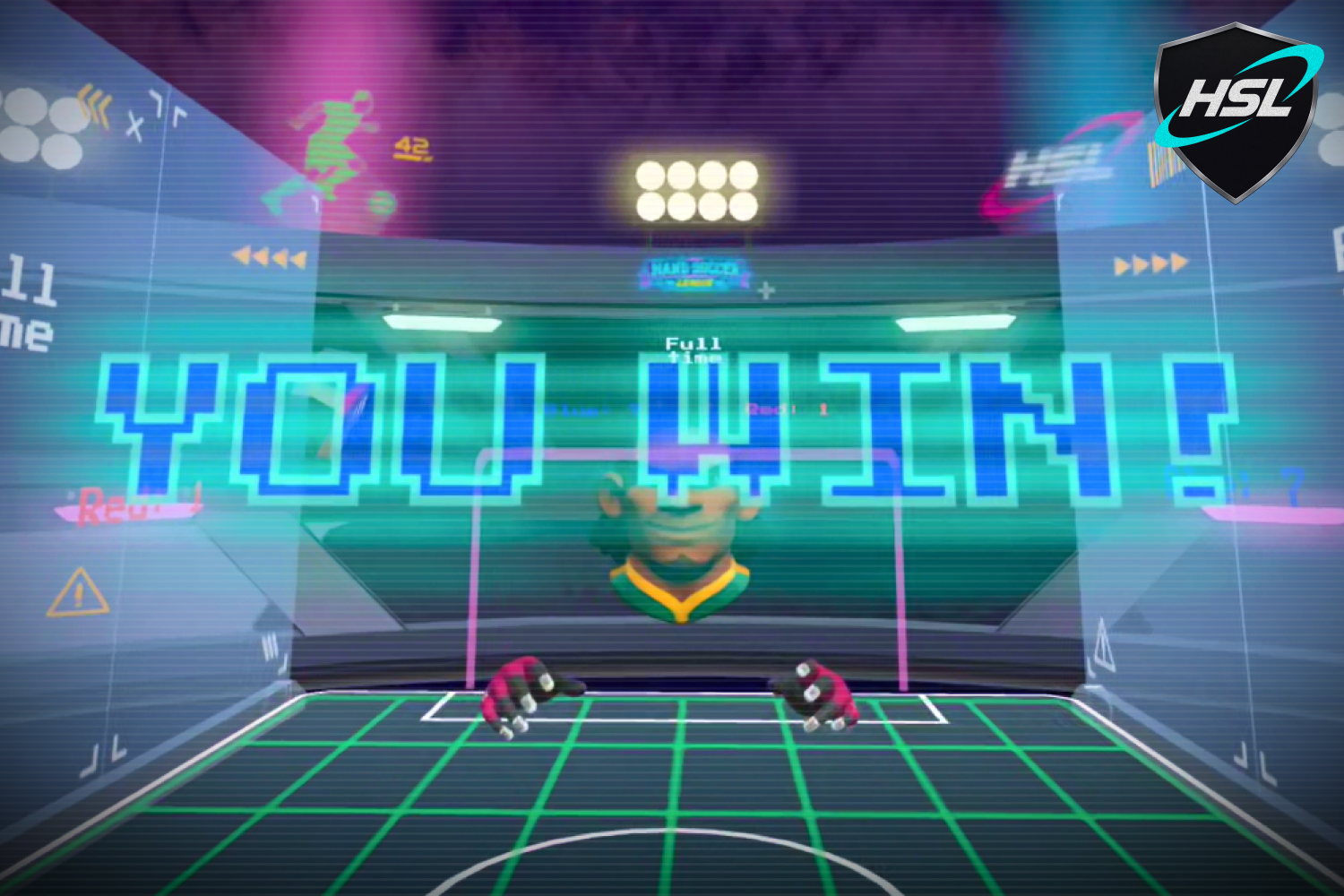
Victory!
Inspiration
We took this project as a challenge: make a new hand-tracking-based game that needs no explanation and gives players of any age fun from the start, in almost any environment. After trying several ideas, we realized the foundation had to be something people already knew. That led us to soccer. We looked around and couldn’t find a VR soccer game built around the same level of accessibility and direct hand-tracking interaction we were looking for. That became the starting point for Hand Soccer League.
What it does
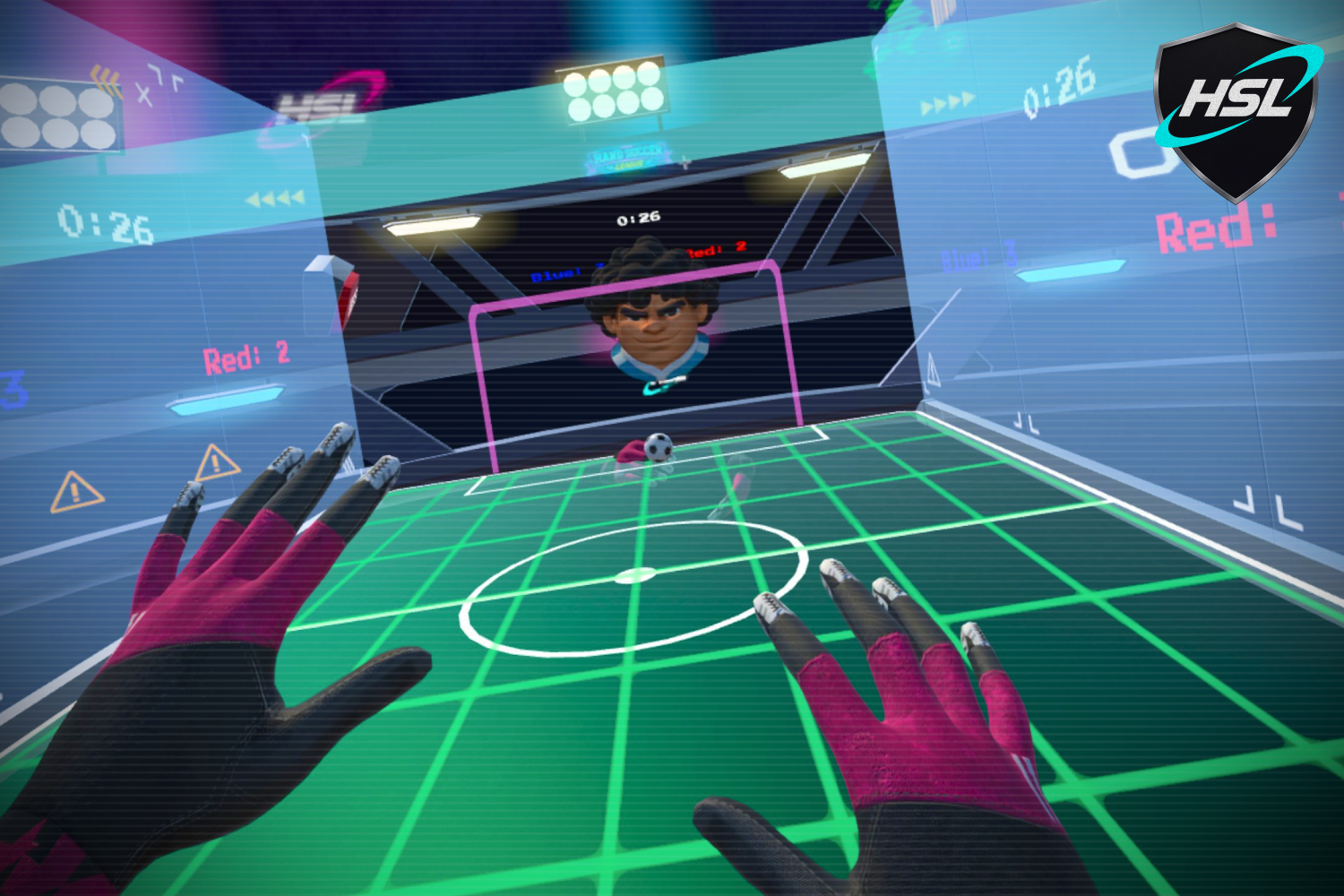
Hand Soccer League is a 1v1 online soccer game that organically combines field play, where your hands are the players, with intuitive goalkeeper defence, where your hands go back to being hands. You can block your opponent’s shots, build passes, pull off tricks and attack with pokes, slaps, flicks or tennis-style serves with aerial ball physics tuned for expressive play. You can also use your head in both attack and defence. Each match lasts two minutes, keeping the pace high and turning “one more rematch” into an endless cycle of revenge.
How we built it
We built the process around early prototyping and searching for fun mechanics without committing to a specific idea or a sport. The goal was to validate hypotheses quickly: did they fit the competition constraints and the limits we set during ideation, were they actually fun? So a large part of the development time went into exploratory prototypes. We tested around ten different concepts, including mechanics built around sound synthesis, meditative skiing, and fingerboarding. We settled on soccer as the sport everyone understands. Then, we finalized the gameplay and moved on to polishing. Technically, we used Unity, Blender, and AI tools for references and mockups.
Challenges we ran into
Soccer is a versatile sport, and there are many ways to translate it into VR gameplay built around hand tracking. We had the initial idea of hands as players that could pass between each other and shoot, but that raised a lot of questions. How big should the field be? Should it scroll? Are the hands actual players on the pitch or just direct controls? Should we simulate a full team with AI teammates, or build around smaller formats like 1v1 two-touch soccer? Do players defend the goal themselves? Should it feel like a complete match or a simulator for specific game situations? Answering these questions required another round of prototyping, physics experiments, and external playtesting.
Accomplishments that we're proud of
We managed to explore a challenging design space and arrive at a solution that matched our checklist within the short competition timeframe. It held up in external testing: every player we gave it to could start cold and have a successful first session. They had fun, many wanted to play again, and some began experimenting with original ways to play. We’re happy that we found an unusual angle on one of the most classic sports and turned it into a cohesive, native hand-tracking experience.
What we learned
A familiar foundation can leave more room for unusual interaction. Because players already understand soccer, we could experiment much more freely with how they control it without making the game harder to learn. We also found that hand tracking feels strongest when it is not simply replacing a controller, but becomes an essential part of the game itself.
What's next for Hand Soccer League
We see the current prototype as the starting point for a larger free-to-play competitive game. Next, we want to develop ranked matchmaking and progression, expand the roster of collectible players and cosmetics, add new arenas and introduce match modifiers that create more variety without complicating the core gameplay. However, we want to keep what worked from the first tests: a game you can understand immediately, but keep discovering new ways to play.


