-
-
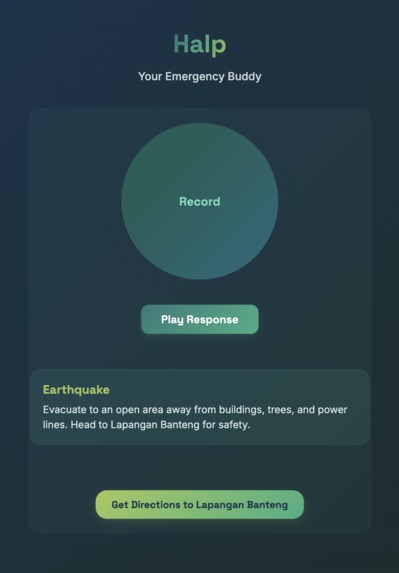
Action
-
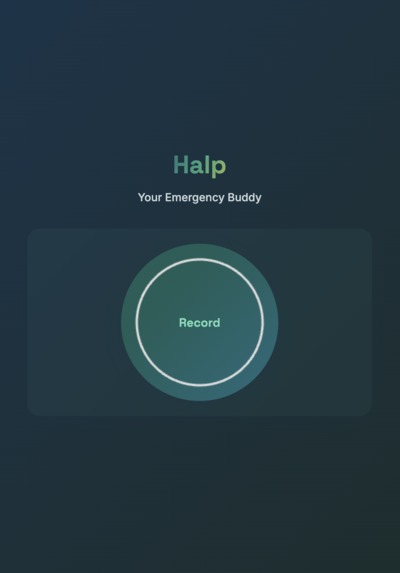
Landing Page
Inspiration
Indonesia experiences natural disasters with remarkable frequency, making it one of the most disaster-prone countries in the world. According to data from the National Disaster Management Agency (BNPB), between 2000 and 2016, Indonesia recorded nearly 16,000 natural disaster events—an average of about 1,000 incidents per year. More recent years have seen an even greater rise: in 2022, there were 3,522 disasters, and by 2023, the number increased to between 4,852 and 5,400 events, depending on the data source. Even in 2024, thousands of disasters were recorded, with numbers varying slightly depending on the reporting period.
During the disaster, citizens rushed to call the National Disaster Management (BNPB—in Indonesia) to seek help and guidance on where and how to evacuate. These concurrent calls spiked the call center, making it unscalable because most of the calls were on hold.
Halp is built for one purpose: to help citizens evacuate and help themselves during crisis time on a scale.
What it does
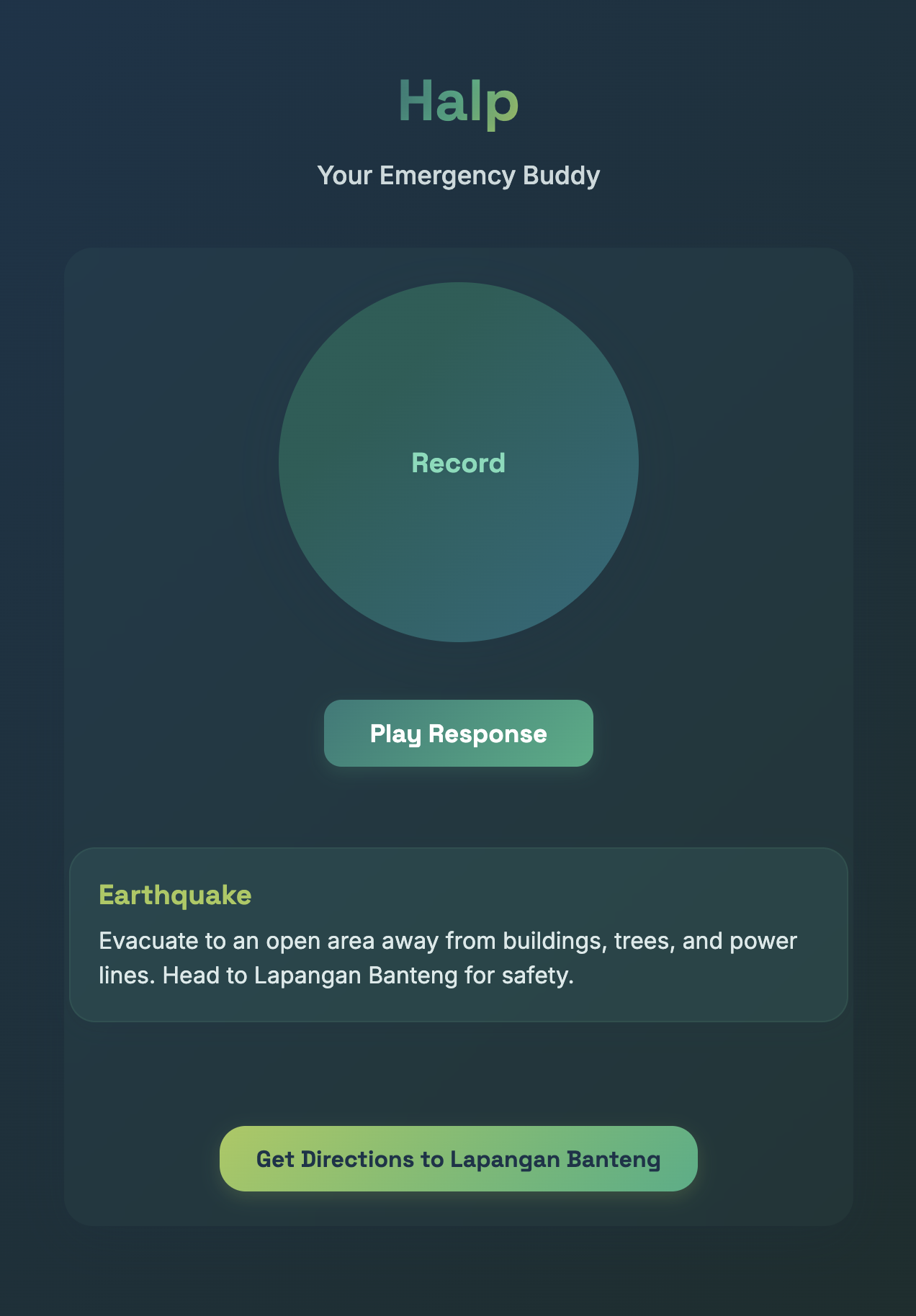
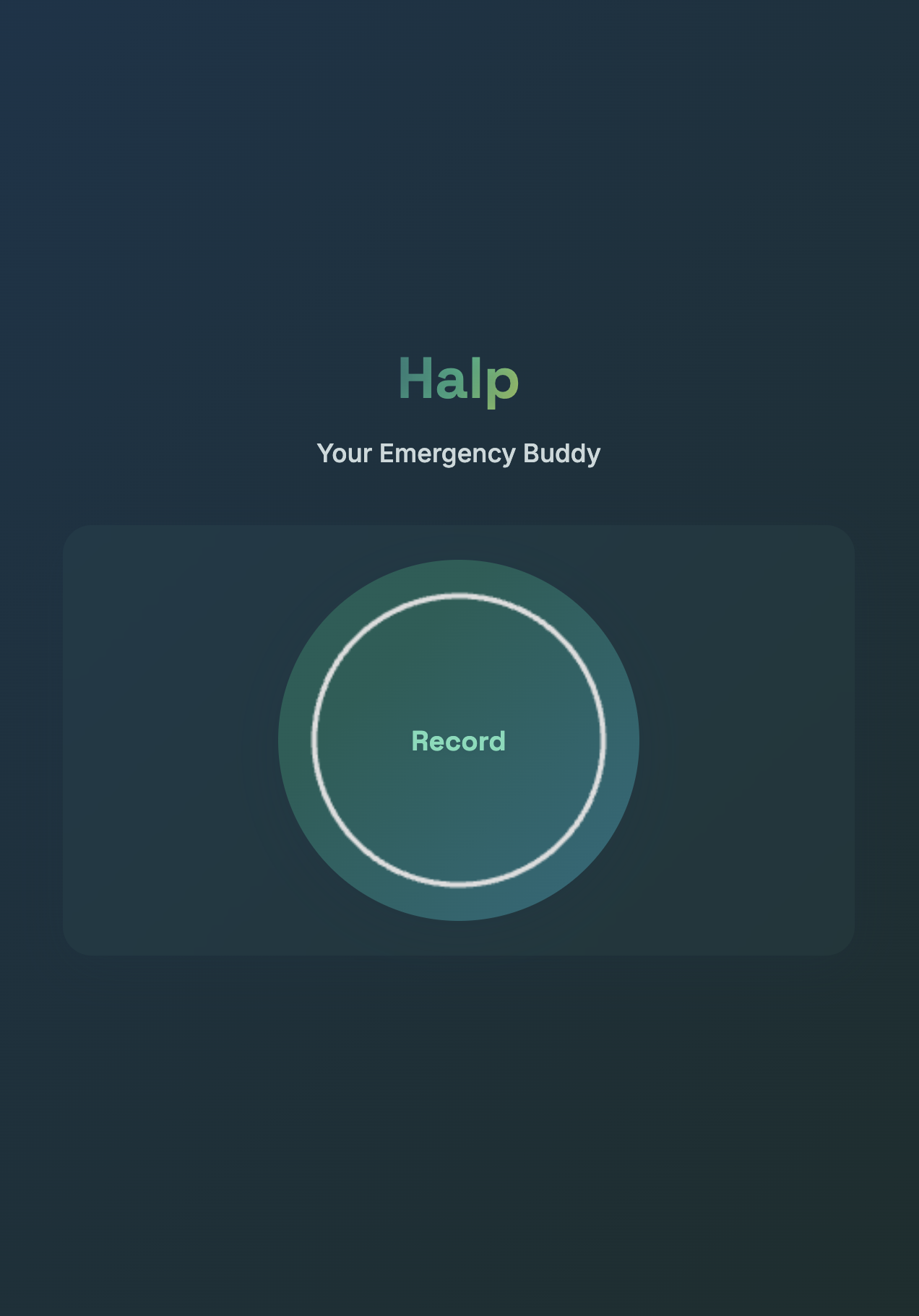
Halp is a mobile-friendly web application that helps citizens quickly find and navigate to safe locations or evacuation points during emergencies. By leveraging real-time location data and AI-powered voice interaction, Halp guides users away from danger and toward safety, reducing reliance on overloaded emergency call centers.
How we built it
- ElevenLabs: Used for converting speech to text and text to speech, enabling hands-free, voice-driven navigation.
- Perplexity Sonar Pro: After extensive experimentation with various APIs, Sonar Pro emerged as the most reliable and performant solution for processing user queries and providing accurate, context-aware responses.
- Progressive Web App (PWA) Architecture: Using Node.js and Express to build the PWA.
Challenges we ran into
- Location Accuracy: In some cases, the coordinates provided by mobile devices were not pinpoint-accurate, although they remained reliable enough for evacuation purposes.
- Browser Limitations: Certain mobile browsers restrict access to voice or location features, limiting functionality for some users.
- API Selection: It took several iterations and trials to identify the optimal API (Perplexity Sonar Pro) that met our needs for speed, accuracy, and reliability.
Accomplishments that we're proud of
- Acceptable Latency: The application delivers responses with minimal delay, ensuring timely guidance during emergencies.
- Optimal API Selection: After thorough evaluation, Perplexity Sonar Pro was chosen for its superior performance and robustness.
What we learned
- Mobile web browser has many limitations, one of which includes not autoplaying the audio from ElevenLabs for text-to-speech
- Importance of API Flexibility: The ability to quickly test and switch APIs was crucial in finding the best solution for our needs.
What's next for Halp: AI Emergency Response
- Advanced Mapping Integration: Partnering with leading map APIs to provide more detailed and context-aware navigation.
- Multilingual Support: Expanding language options to ensure Halp is accessible to Indonesia’s diverse population.
- Accessibility Features: Making Halp more inclusive by supporting users with disabilities, such as those who are mute or have limited mobility.
- Community and Collaboration: Exploring partnerships with local authorities and NGOs to further improve disaster response and resource allocation.
- Improve compatibility with mobile phone
Built With
- elevenlabs
- express.js
- node.js
- perplexity


Log in or sign up for Devpost to join the conversation.