-
-

Meet our mascot, Halo!
-

HaloFlow Logo
-
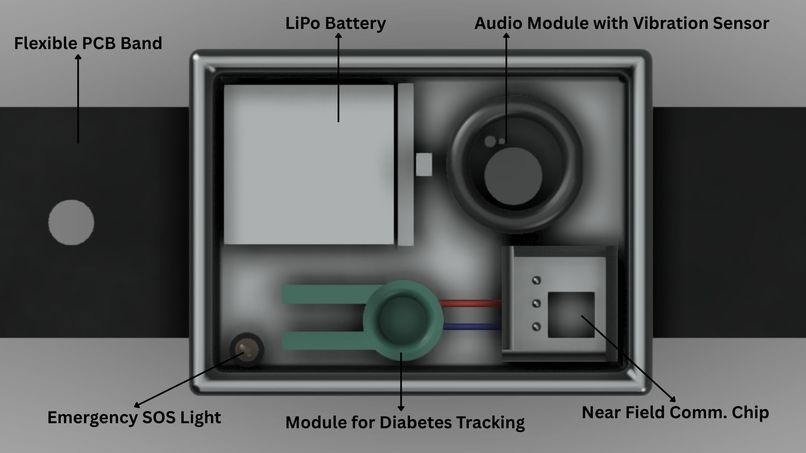
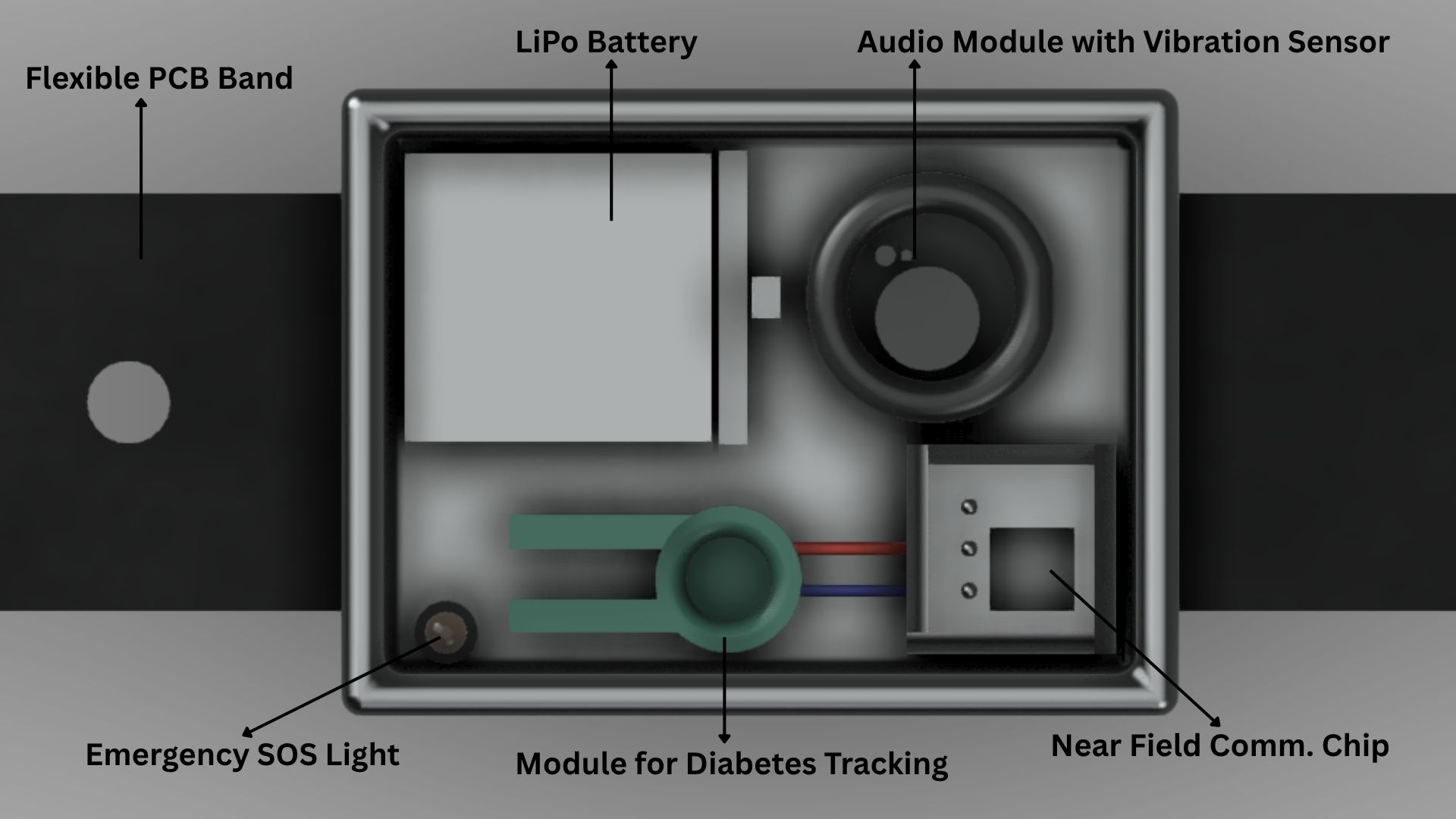
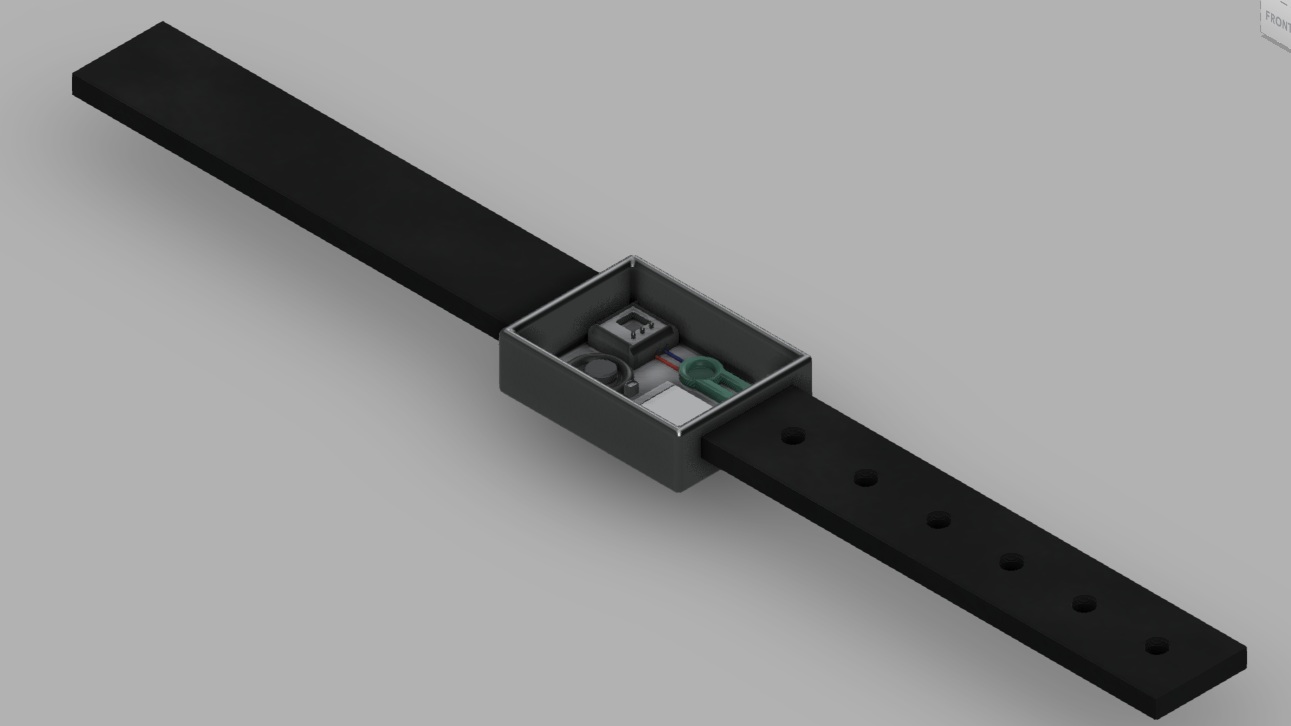
Autodesk Fusion Model
-
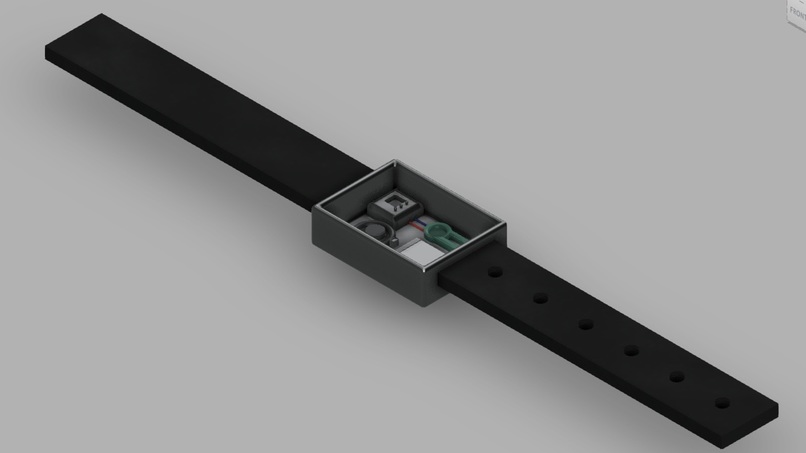
Full View of the HaloBand
-
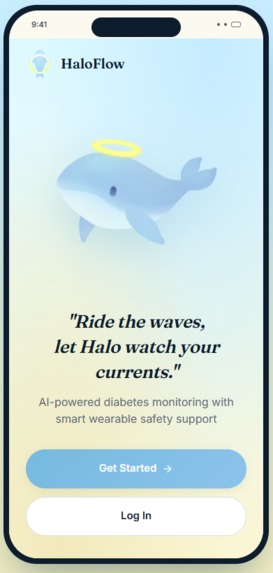
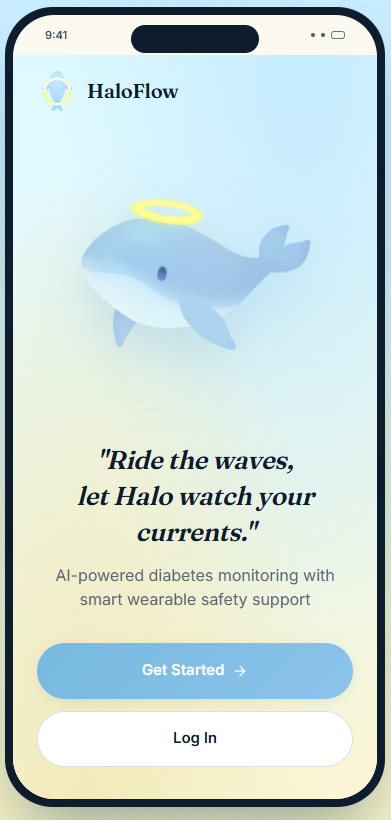
Landing Page
-
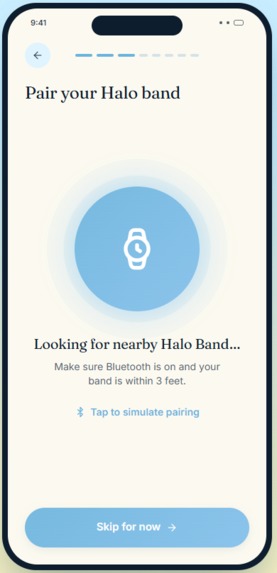
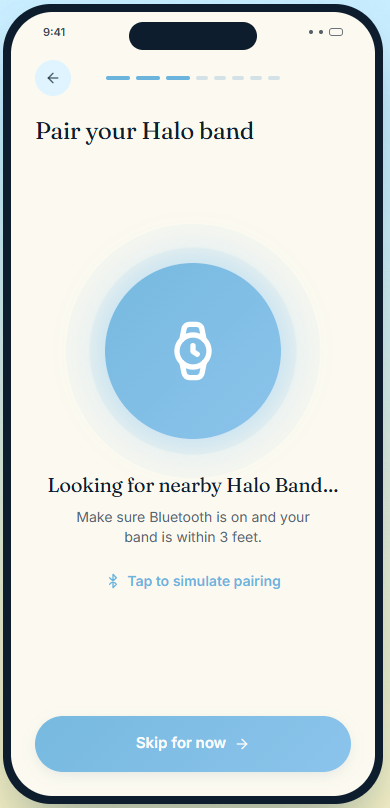
Pairing to HaloBand
-
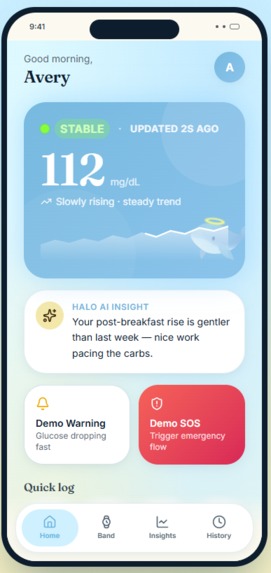
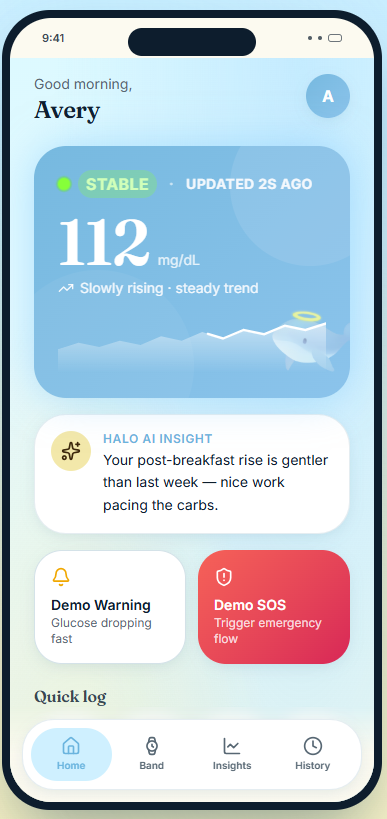
Home Page
-
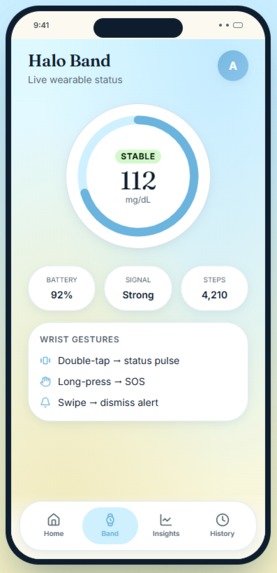
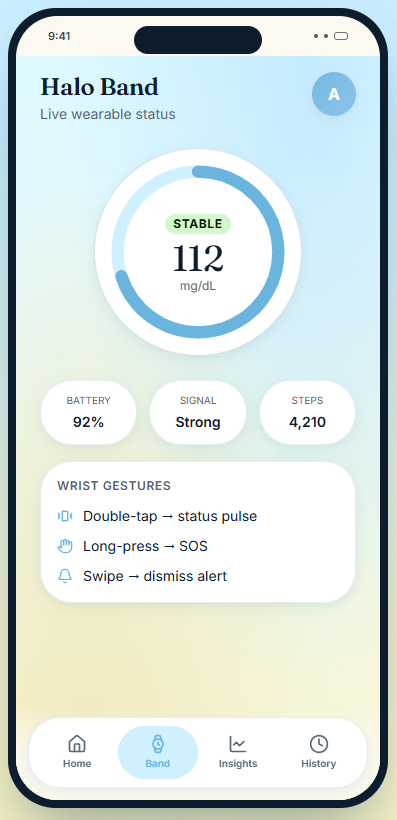
HaloBand Stats
-
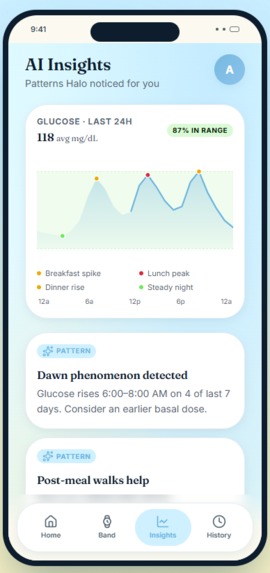
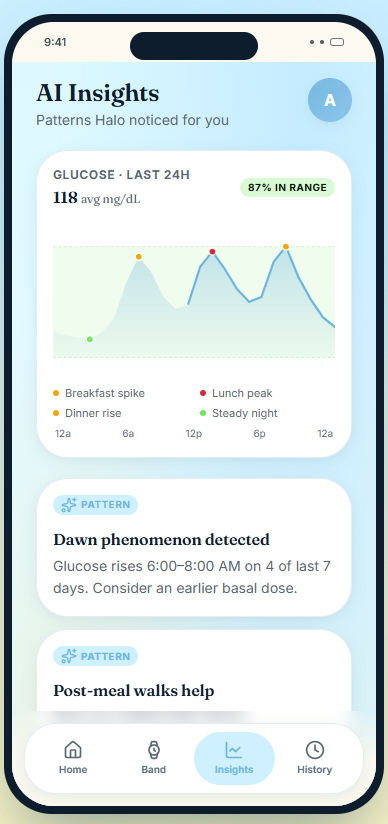
AI Powered Dashboard
-
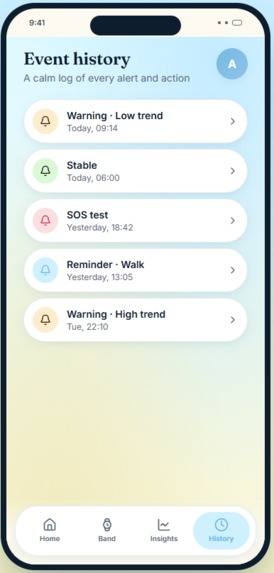
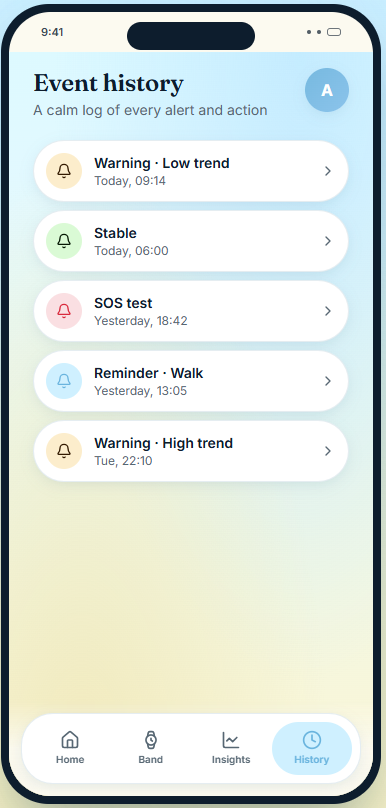
Event History
-
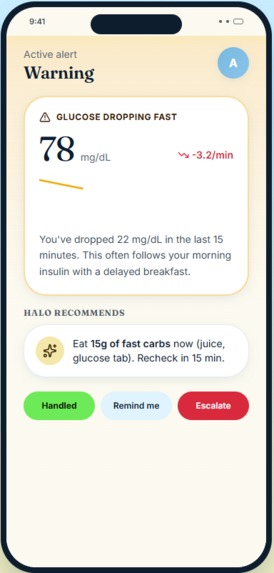
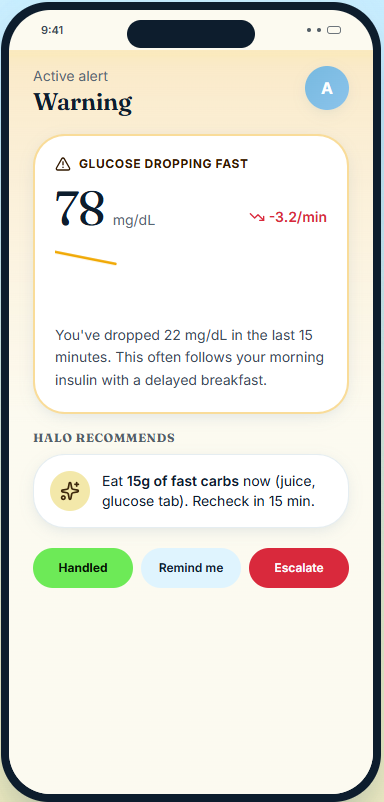
Warning Page
-
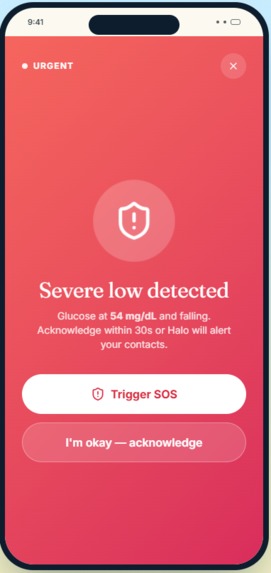
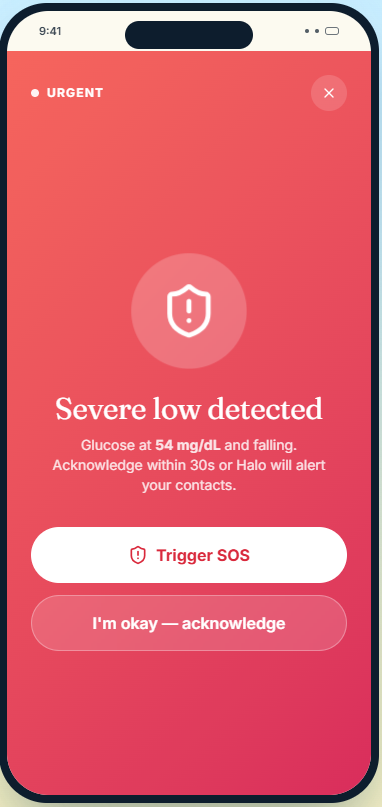
SOS Alert


Inspiration
Managing diabetes means constantly watching numbers, reading trends, and dealing with those “what if” moments that can’t wait until you check your phone. A lot of us know someone who lives with that quiet stress, and we noticed how easy it is to miss an important alert when your phone is on silent, across the room, or buried in notifications. HaloFlow came from the idea of turning that invisible anxiety into something calmer and more reliable. An on-body safety net that is always there. We wanted it to feel less like a medical tool and more like a companion you can trust.
What it does
HaloFlow is an AI-powered diabetes support system that combines a smart wrist wearable with a mobile app. The wearable tracks glucose-related signals, blood pressure context, and movement, then communicates what matters through gentle vibrations, light cues, and urgent alerts when needed. The app acts as the brain, classifying your state as Stable, Watch, Warning, or Urgent. It explains what is happening in simple language and suggests what to do next. If things get serious, HaloFlow can trigger an SOS, notify trusted contacts, and step in as a coordinated safety system instead of just another noisy tracker. TLDR; HaloFlow skit.
How we built it
We started by mapping key user journeys like setup, warning moments, and SOS escalation. From there, we designed a mobile-first app with an ocean-inspired look using deep blues, soft gradients, rounded cards, and a calm whale mascot to make everything feel more reassuring and less clinical. On the product side, we focused on building a connected system. A wearable that monitors signals and provides subtle feedback, paired with an app that uses AI to interpret and classify user states. For the hackathon, we focused on prototyping the core UI, alert logic, wearable interaction model, and emergency flow.
Challenges we ran into
This was our first time using Autodesk tools, so there was a learning curve. We had to figure out basic modeling while also translating a hardware idea into something we could actually prototype during a hackathon. We also ran into issues with AI-assisted design tools. We started with Figma’s AI features, but ran into reliability and control problems. We ended up switching to Lovable, which gave us a faster and more predictable way to move between prompts, UI, and code. It cost us some time, but it helped us land on a setup that actually worked.
Accomplishments that we're proud of
We are proud that we went from zero experience with Autodesk tools to a tangible hardware concept that fits the HaloFlow story both visually and functionally. Learning new tools under time pressure and still producing something that works with our app was a big win. We are also proud of how we handled switching away from Figma’s AI features. Moving to Lovable mid-hackathon could have slowed us down, but it actually helped us tighten our flows and ship a more polished demo. Overall, we showed that we can adapt quickly, change direction when needed, and still deliver something cohesive.
What we learned
We learned that choosing tools is just as important as choosing features. Jumping into Autodesk with no experience pushed us to think more carefully about how hardware supports the user experience. It also showed us that even rough models can make an idea feel real. We also learned where AI-assisted design works well and where it does not. Figma AI helped us explore quickly, but Lovable gave us the control we needed to actually build. Most importantly, we learned to keep the user problem at the center. Every decision only felt right when it made HaloFlow clearer, safer, and more believable.
What’s next for HaloFlow
Next, we want to connect HaloFlow to real wearable and glucose data so we can test and refine our alert system with real-world use. We also want to expand the caregiver and clinician experience with better summaries, more visibility between visits, and smarter escalation tools. Long term, we see HaloFlow becoming a more complete everyday health companion that keeps improving its AI, wearable feedback, and safety features while staying true to its core idea. Ride the waves. Let Halo watch your currents.
Built With
- autodesk-fusion-360
- figma
- lovable


Log in or sign up for Devpost to join the conversation.