-
-

SIREN Logo
-
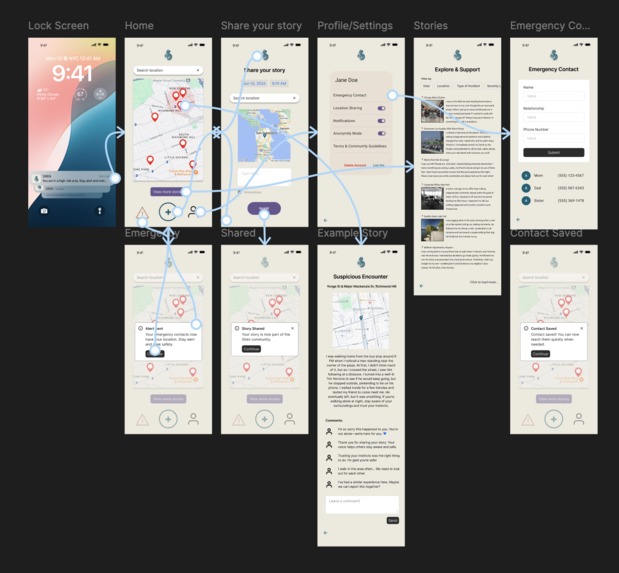
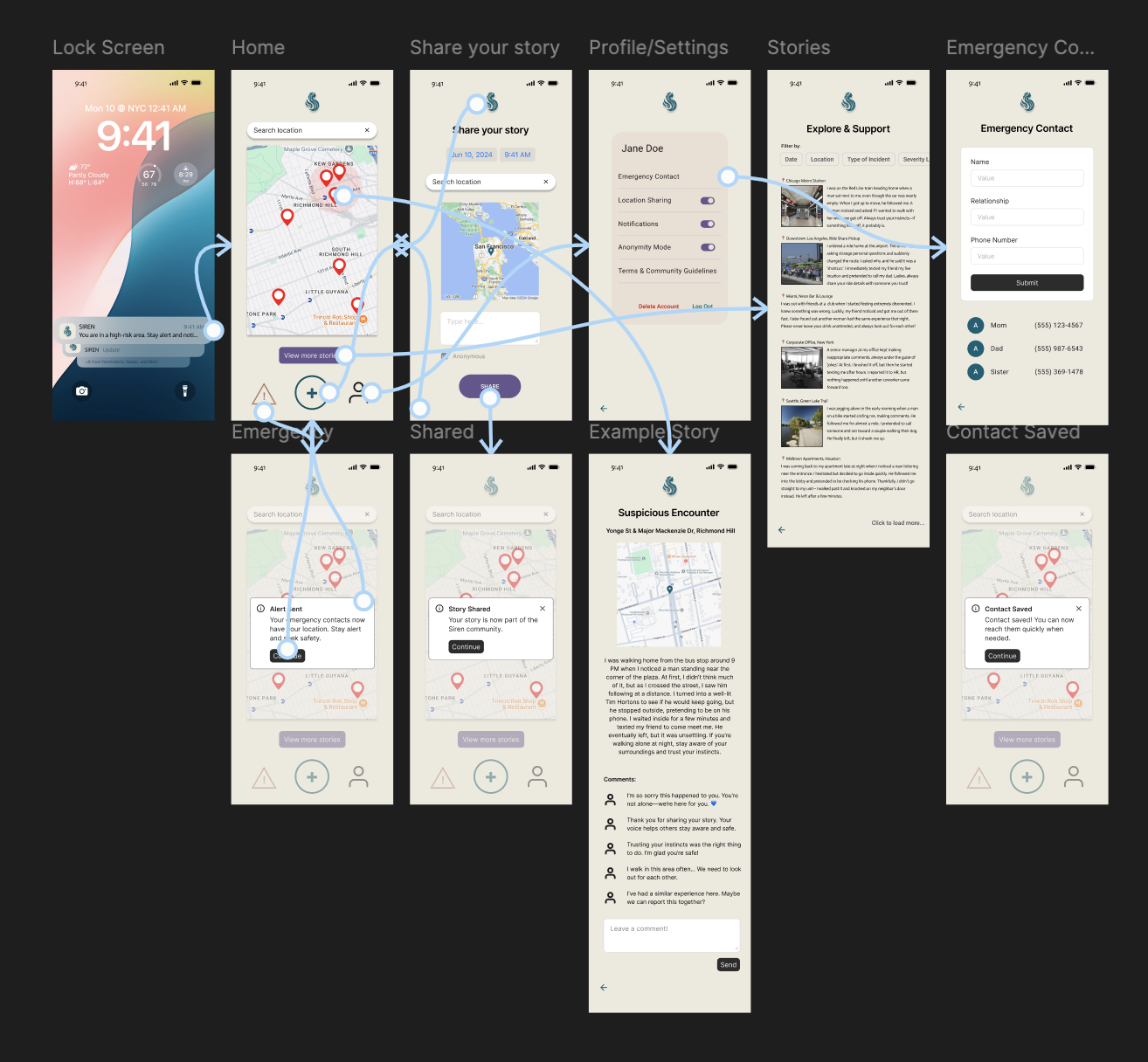
High-fidelity, interactive prototype
-
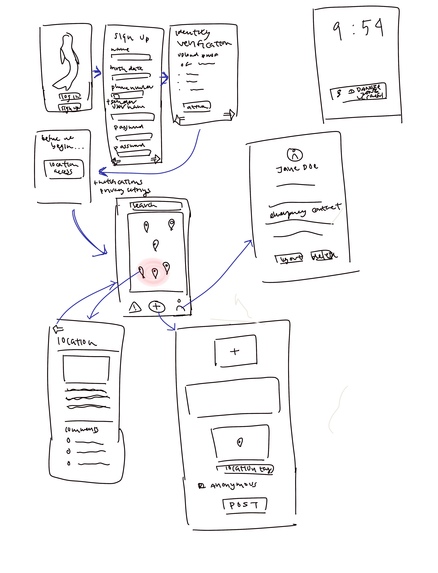
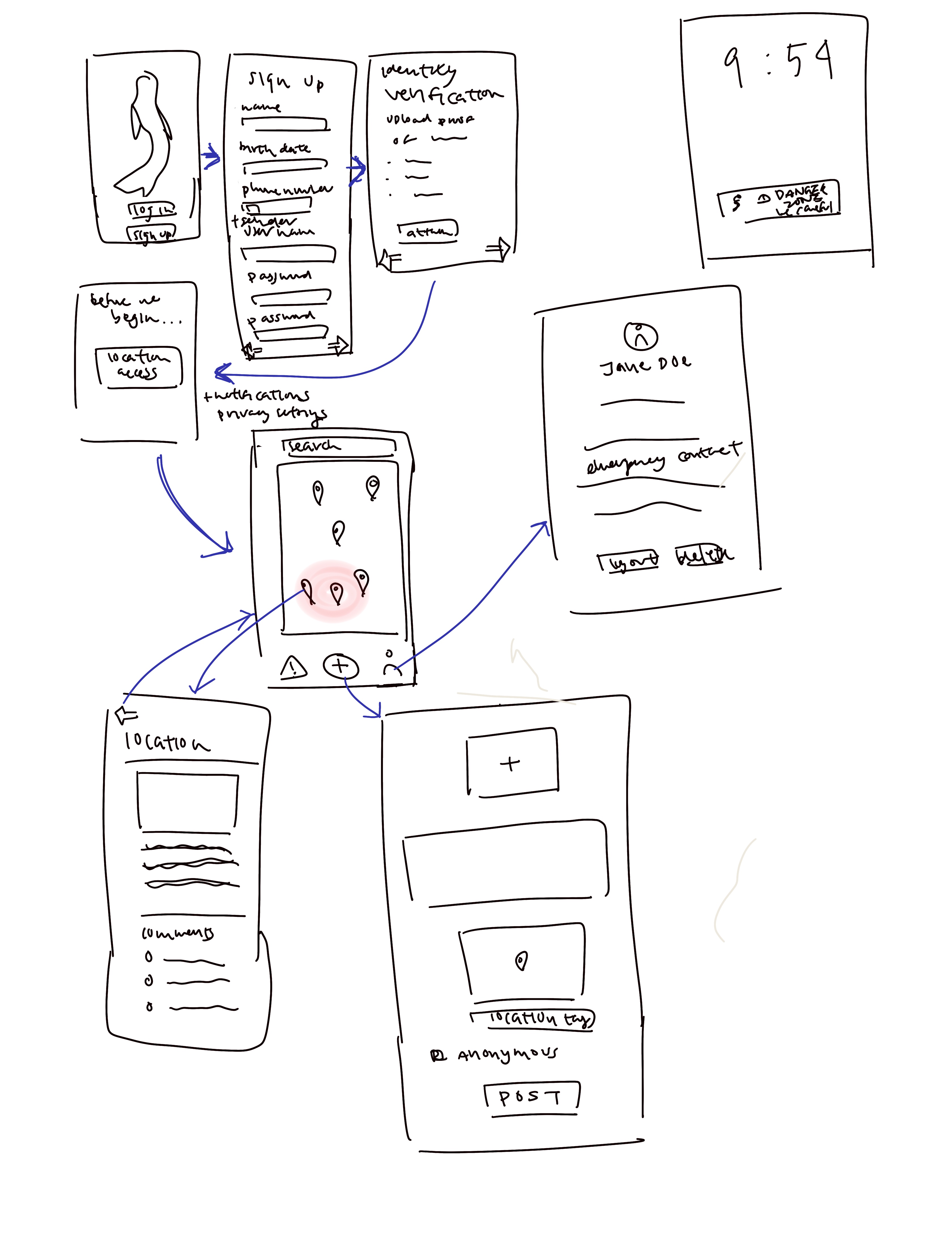
Low-fidelity prototype
-
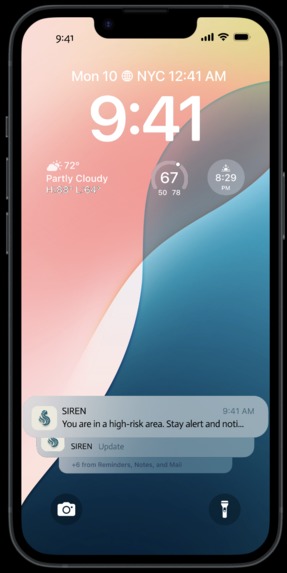
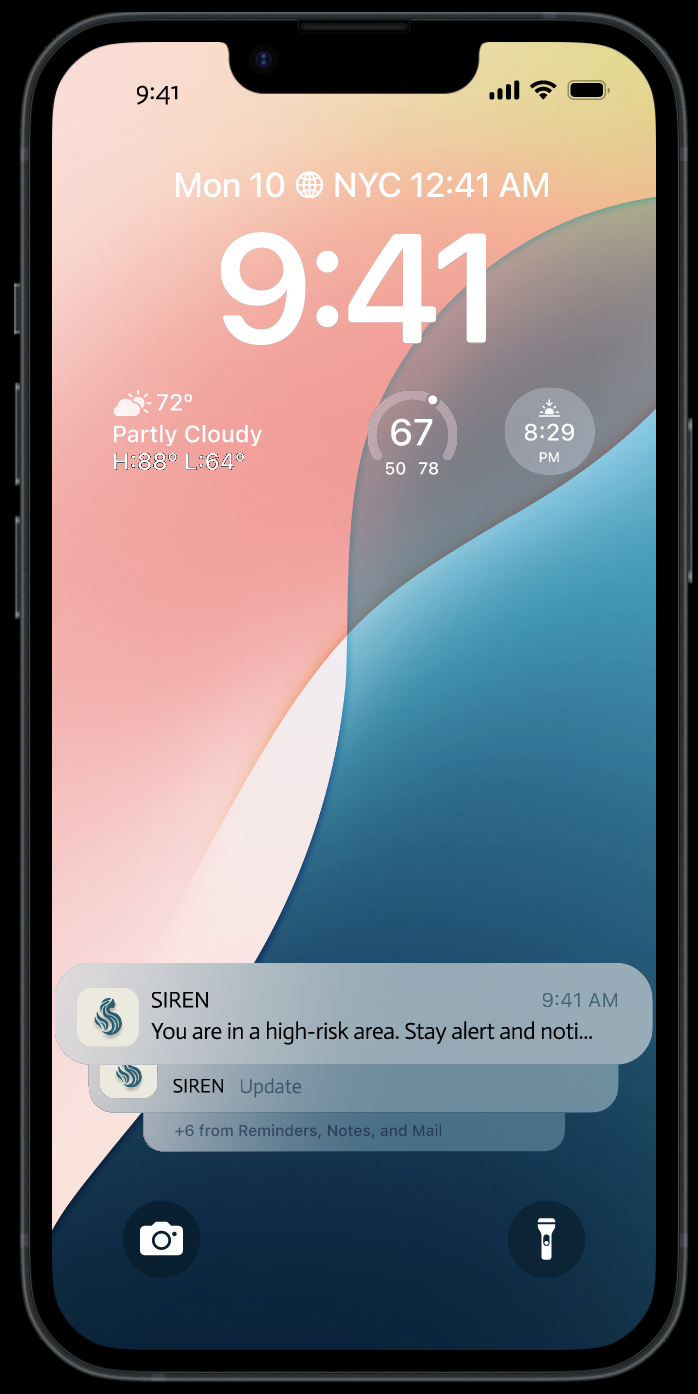
Lock Screen
-
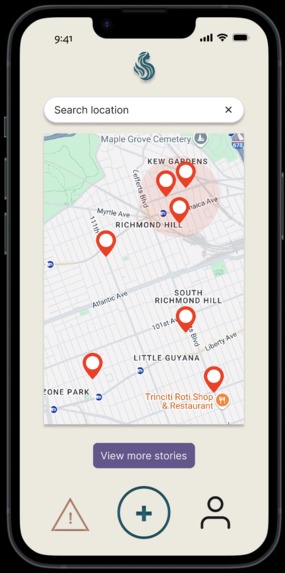
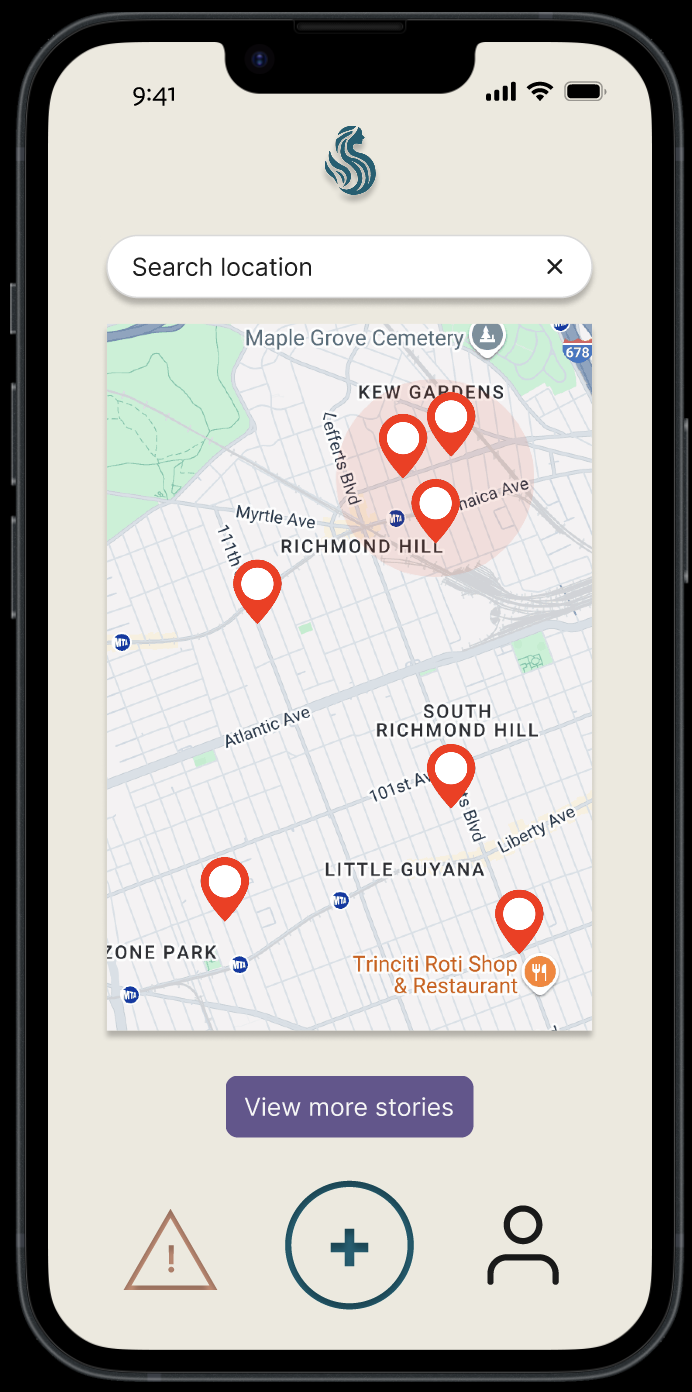
Home
-
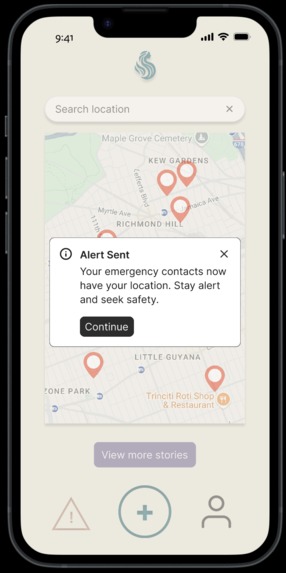
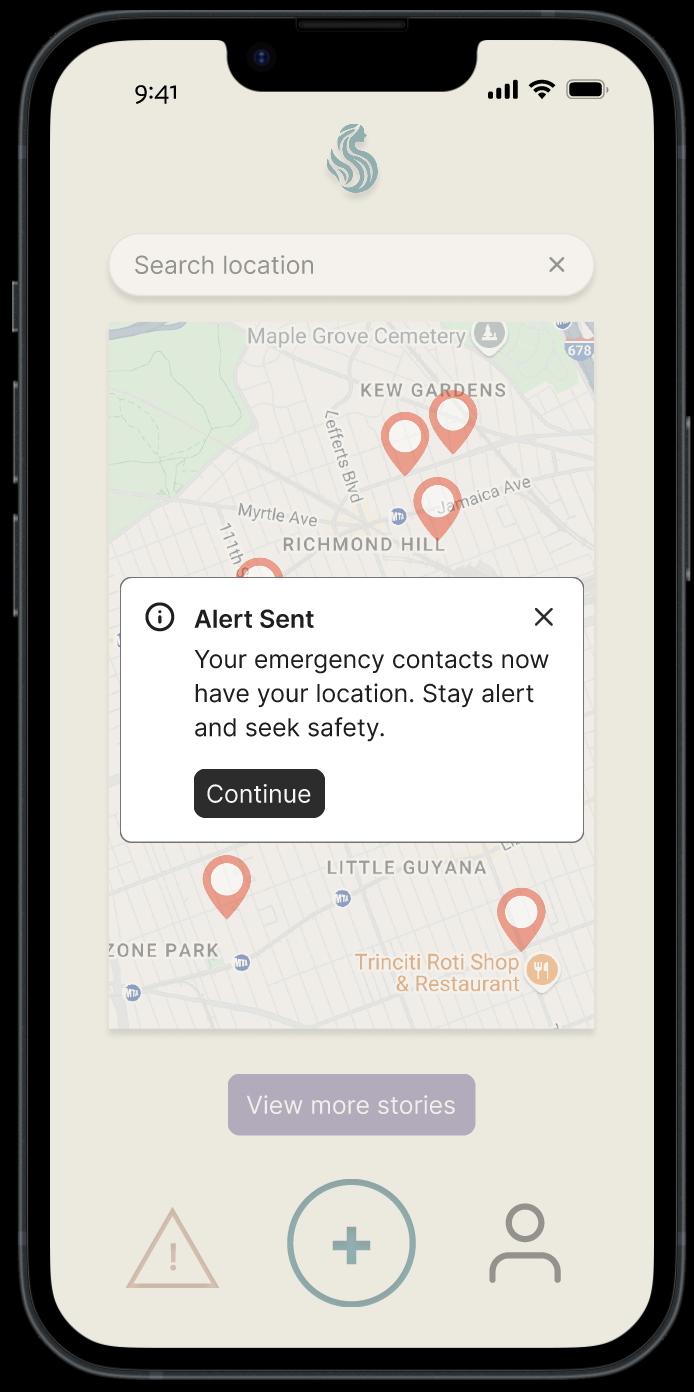
Alert Confirmation
-
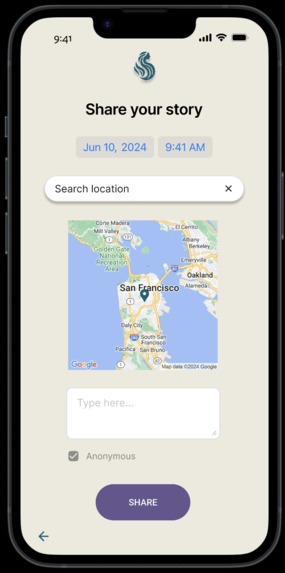
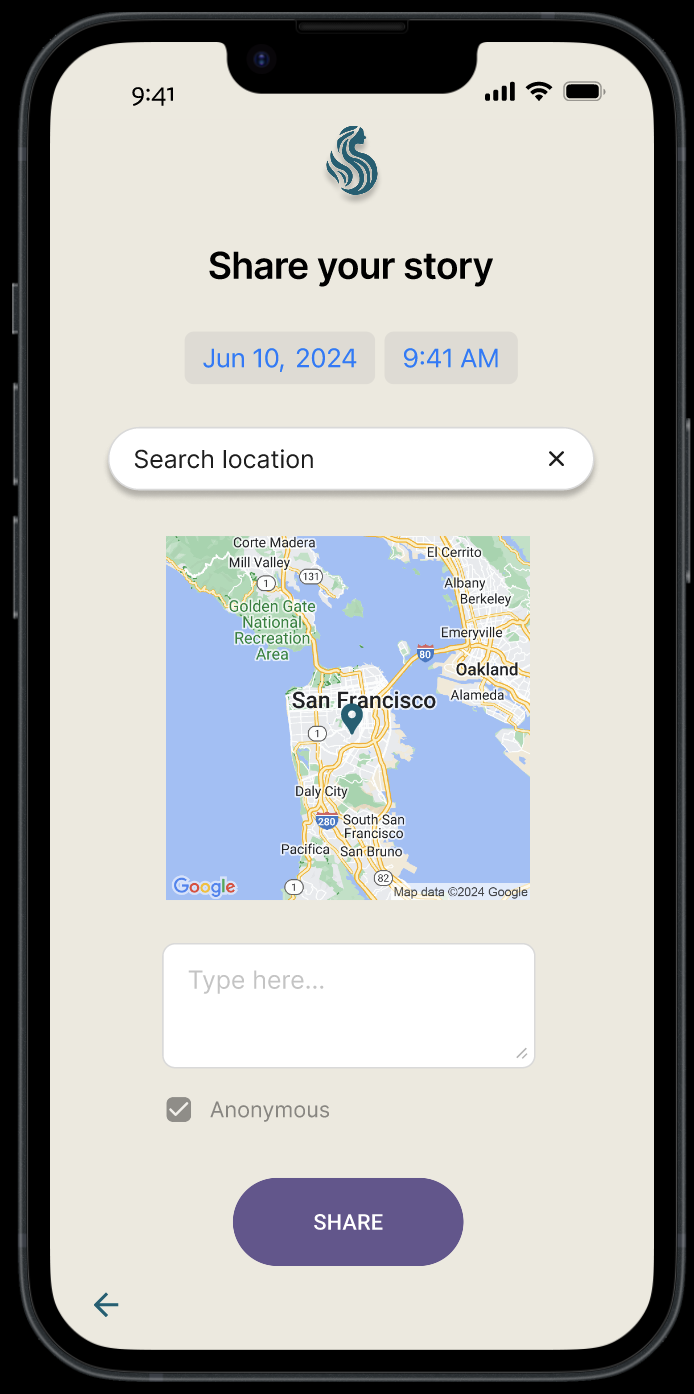
Share Page
-
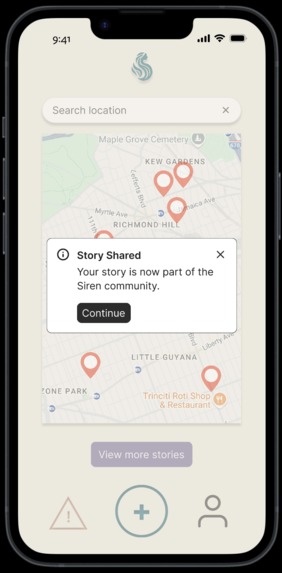
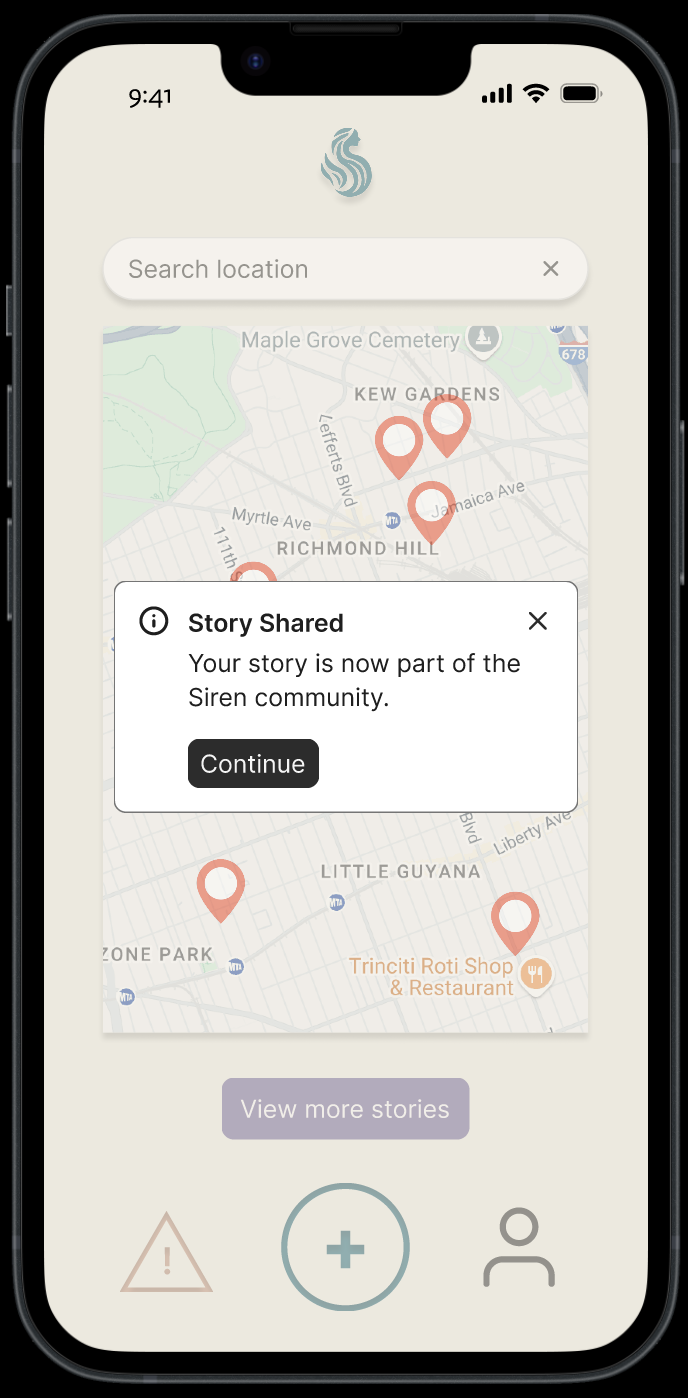
Shared Confirmation
-
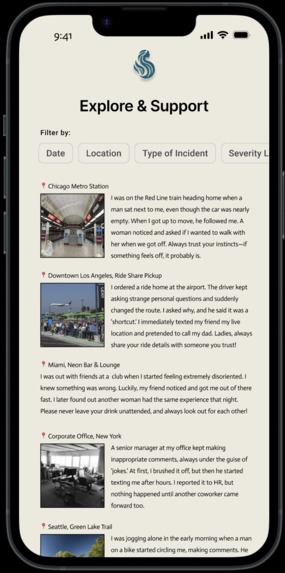
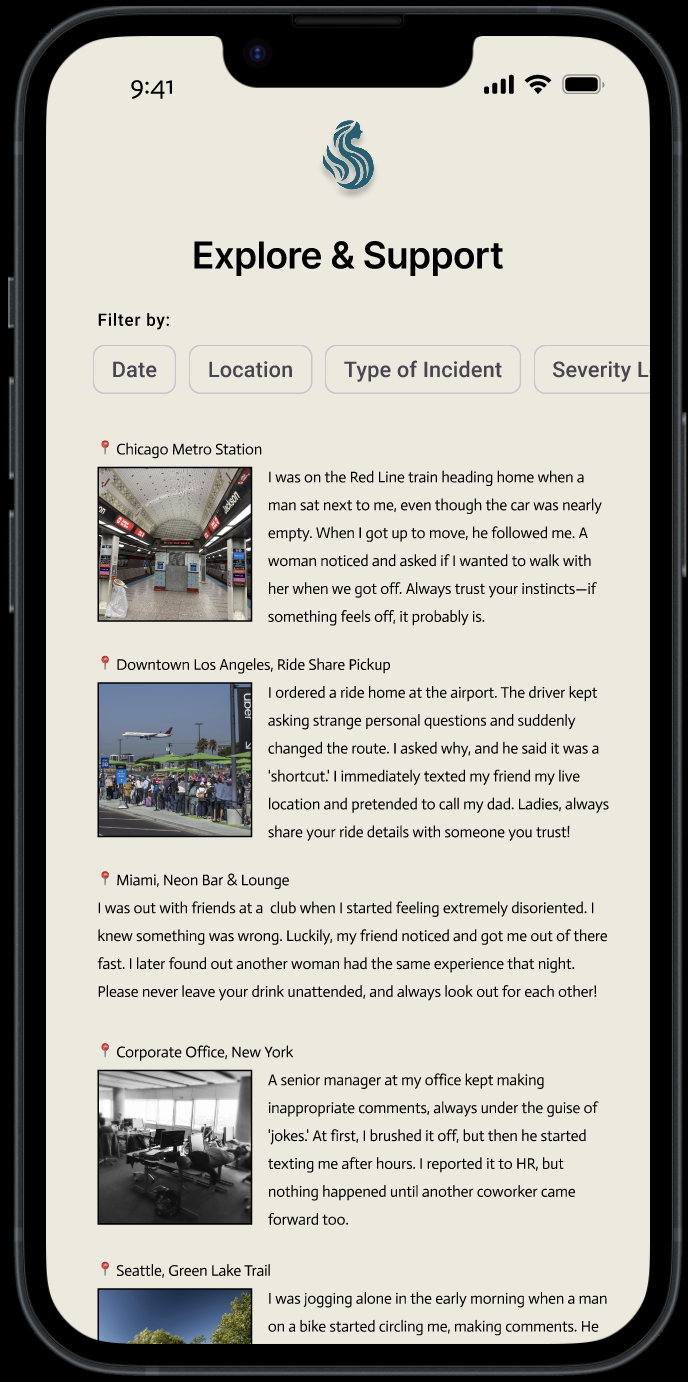
Explore page
-
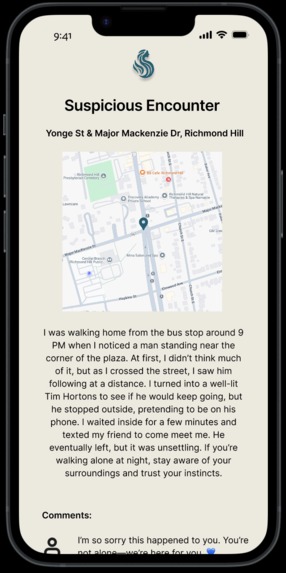
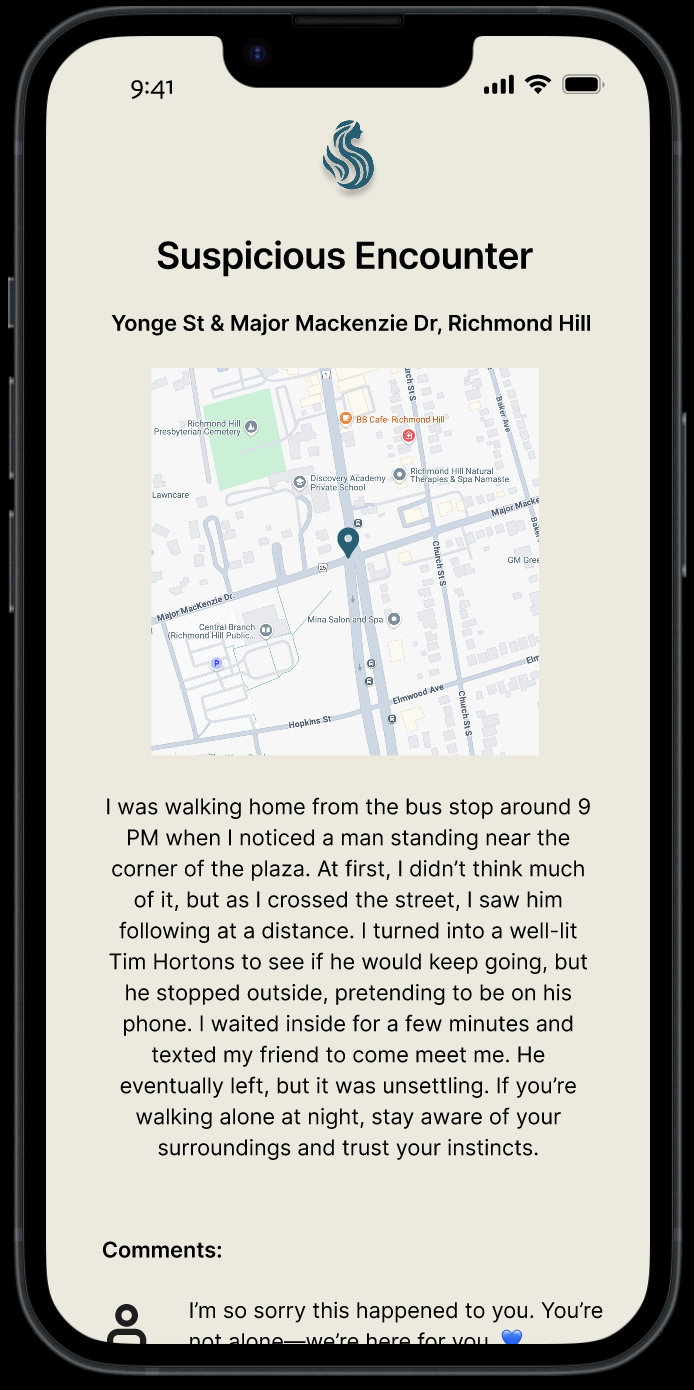
Example Story
-
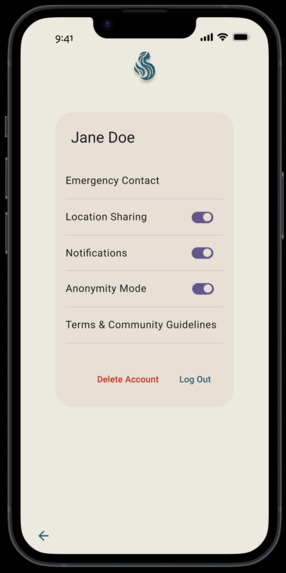
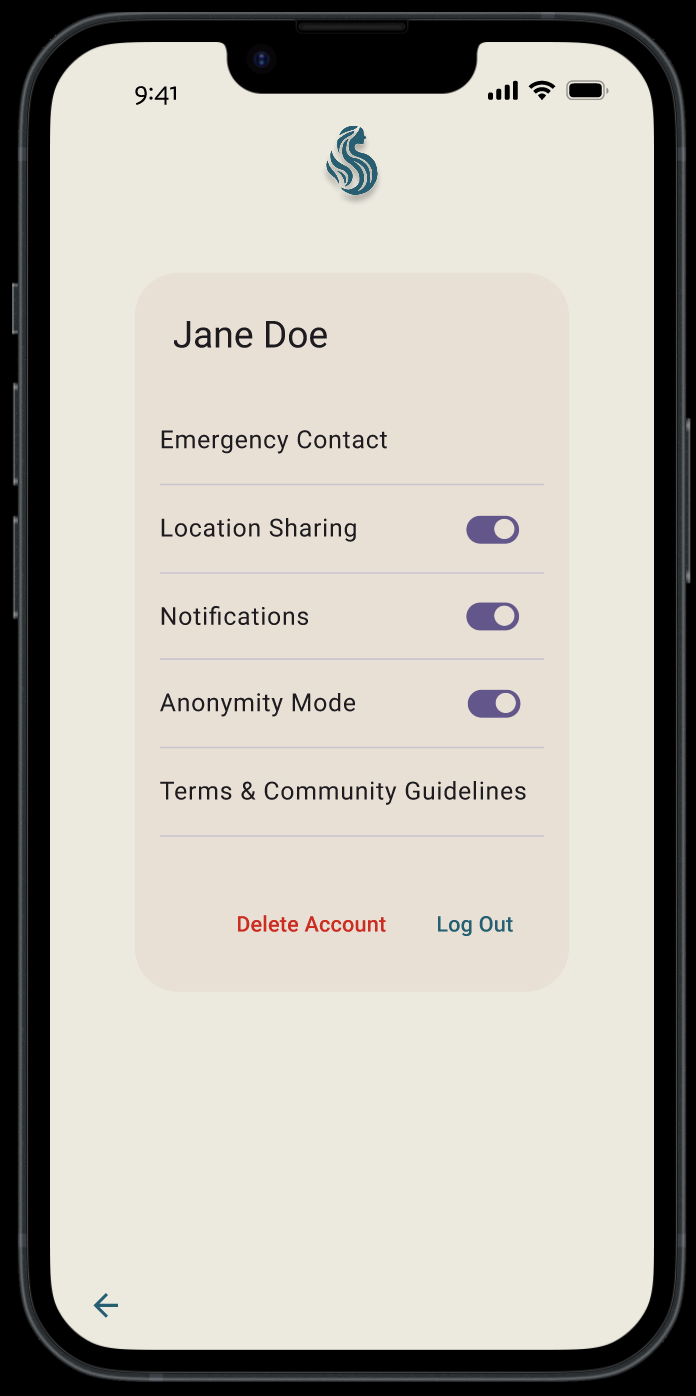
Profile/Settings
-
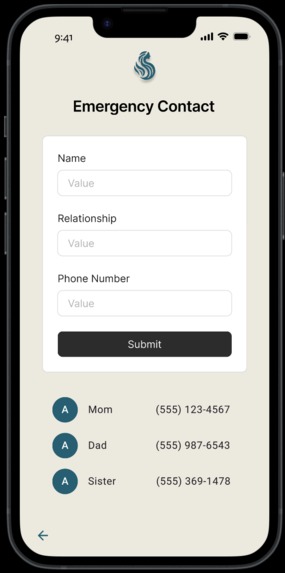
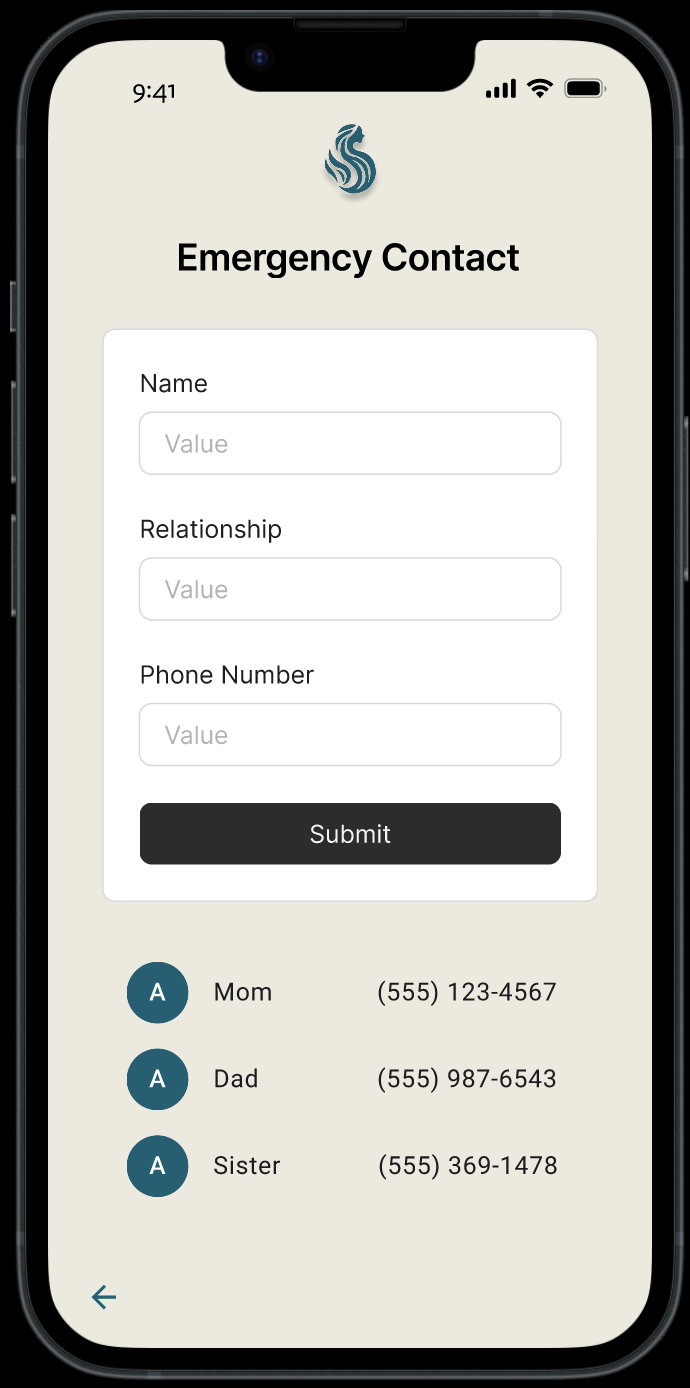
Emergency Contacts
-
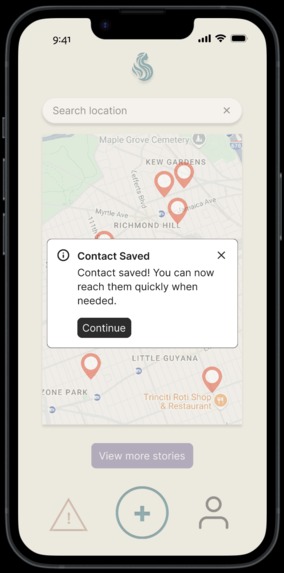
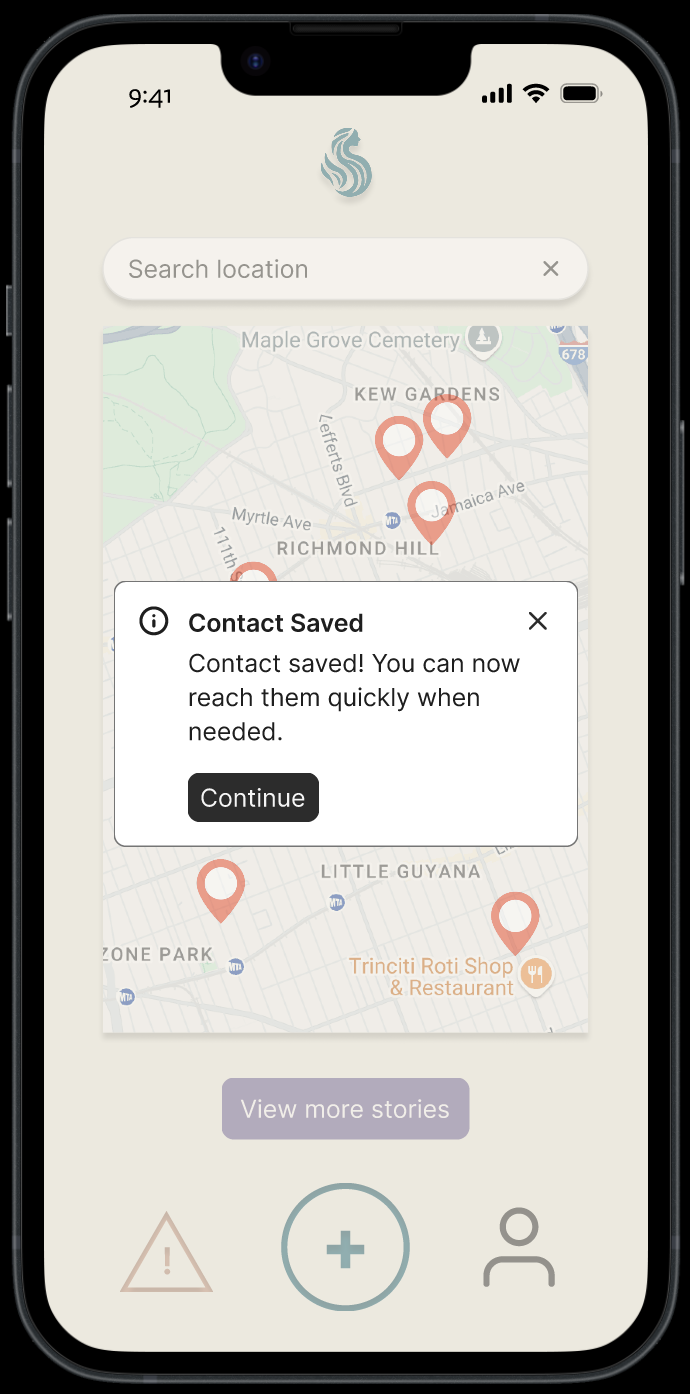
Contact Confirmation

Prototype link (Please submit a link to a playable prototype, not a link to your design file) https://www.figma.com/proto/C7OEJha9yQSVik9d9yp9gR/Prototype?node-id=12-97&p=f&t=GYHzOQwuxrUUmato-1&scaling=scale-down&content-scaling=fixed&page-id=0%3A1
Describe your project (max 150 words)
The goal of Siren, a safety-focused smartphone app, is to empower women by offering AI-enhanced security features, community-driven safety reports, and real-time location-based notifications. Siren makes sure women maintain control over their safety and narratives in a time when artificial intelligence is influencing digital encounters. Users of the app may share their own experiences, mark and read reports of dangerous regions, and get immediate AI-driven alerts when they reach high-risk areas. The platform is kept kind and encouraging via AI-powered comment moderation, and only women are allowed to sign up thanks to identity verification. Siren creates a community where women can defend one another and move through their cities with more assurance by fusing technology with human resiliency.
Describe your research process and findings. If you conducted any surveys or interviews, please include the survey form and/or interview questions here. If you conducted secondary research by pulling from online sources, please include a link to your sources. (Max 500 words)
I used a thorough study method that included surveys, interviews, and secondary research to learn more about the safety issues that women confront. Significant trends in safety concerns, current protective methods, and faith in safety-focused apps were found in the responses I gathered from a varied group of women.
According to survey data, many women actively take safety precautions when they go out alone. The most popular safety measures include utilizing ridesharing applications rather than walking, avoiding specific regions, and sharing one's location with friends and relatives. There is an urgent need for a solution like Siren, as 78% of respondents said they felt frightened walking alone at night. Respondents emphasized the significance of verified data and responsible moderation, voicing worries regarding the veracity of reported instances and the abuse of a safety platform. The necessity of Siren's AI-driven location-based warnings was further supported by the significant result that 62% of respondents said they would feel safer if they had access to real-time user-generated safety alerts.
The need for AI-enhanced features was further confirmed by interviews. Numerous women shared firsthand accounts of harassment and stalking, highlighting the need for immediate response technologies like AI-powered identity verification and emergency SOS alerts. Many respondents also noted that although current safety applications have some basic functionalities, they are unable to deliver accurate and timely information about dangerous locations. Their suggestions influenced Siren's emphasis on AI-backed filtering and real-time event reporting for improved security and usability.
These results were supported by secondary research, which demonstrated that situational awareness is greatly enhanced by crime mapping and AI-powered risk assessment. According to research on AI in public safety, machine learning algorithms can improve users' decision-making skills by predicting and identifying high-risk areas. I created AI-moderated conversations within the app since research also showed how important it is to create an active online community where users feel comfortable sharing their experiences.
These research findings informed the creation of Siren's essential features, guaranteeing that the app not only has cutting-edge technology but also directly tackles the actual issues that women deal with on a daily basis.
Describe your most important design decisions. What research findings and/or user testing results led you to make these decisions? (Max 500 words)
User input, safety studies, and the requirement to strike a balance between AI automation and human control all influenced our design choices. Using AI-powered red zone notifications was one of the most important design choices. According to the survey's findings, the majority of women feel unsafe at night in new places. AI analyzes user-submitted occurrences, criminal reports, and city safety data to identify high-risk regions in order to remedy this. Users are immediately alerted when they enter certain areas, enabling them to make well-informed decisions regarding their safety. By bridging the gap between human awareness and AI-driven insights, this feature makes sure users remain alert in real time.
AI-filtered community involvement was another important design decision. By automatically identifying and eliminating offensive remarks, AI moderation contributes to the maintenance of civil interactions in a supportive online environment. Users can share their experiences thanks to this feature without worrying about backlash or harassment. AI empowers women to assist one another while ensuring that the dialogue stays positive.
I added AI-driven identity verification to improve security, limiting platform access to women only. The importance of anonymity should not come at the expense of safety, as our interviews made clear. AI verification protects privacy while confirming that people are who they say they are. By doing this, bad actors are kept out of the area and community trust is maintained.
Another important choice was the emergency contact mechanism. When a user is in danger, the AI-powered SOS alert promptly notifies reliable contacts. When AI notices patterns in behavior, like abrupt stops or distress signs, it recommends sending out a warning. In these circumstances, quick action is essential, and this system makes sure that people may get assistance when they need it most.
Lastly, I created a system for user-generated reporting that uses AI to look for patterns. In order to raise awareness of hazardous situations, users can file safety reports. In order to keep people informed, AI analyzes these reports, finds trends, and updates the map appropriately. This feature uses feedback from the community to build a dynamic, real-time safety network. Siren makes sure that women stay at the heart of their safety experience—staying human in the age of AI—by fusing AI-driven automation with a solid community base.
Built With
- figma


Log in or sign up for Devpost to join the conversation.