Inspiration
Our inspiration came after watching the movie 2001: A Space Odyssey. We wanted to create a VR simulation that brings the user into an encounter with HAL 9000--the iconic, malfunctioning AI who takes control over the Discovery One (who was fictionally manufactured in Urbana, Champaign). This idea caught our attention because of the HackIllinois theme of space and of course, the increasing popularity of AI.
What it does
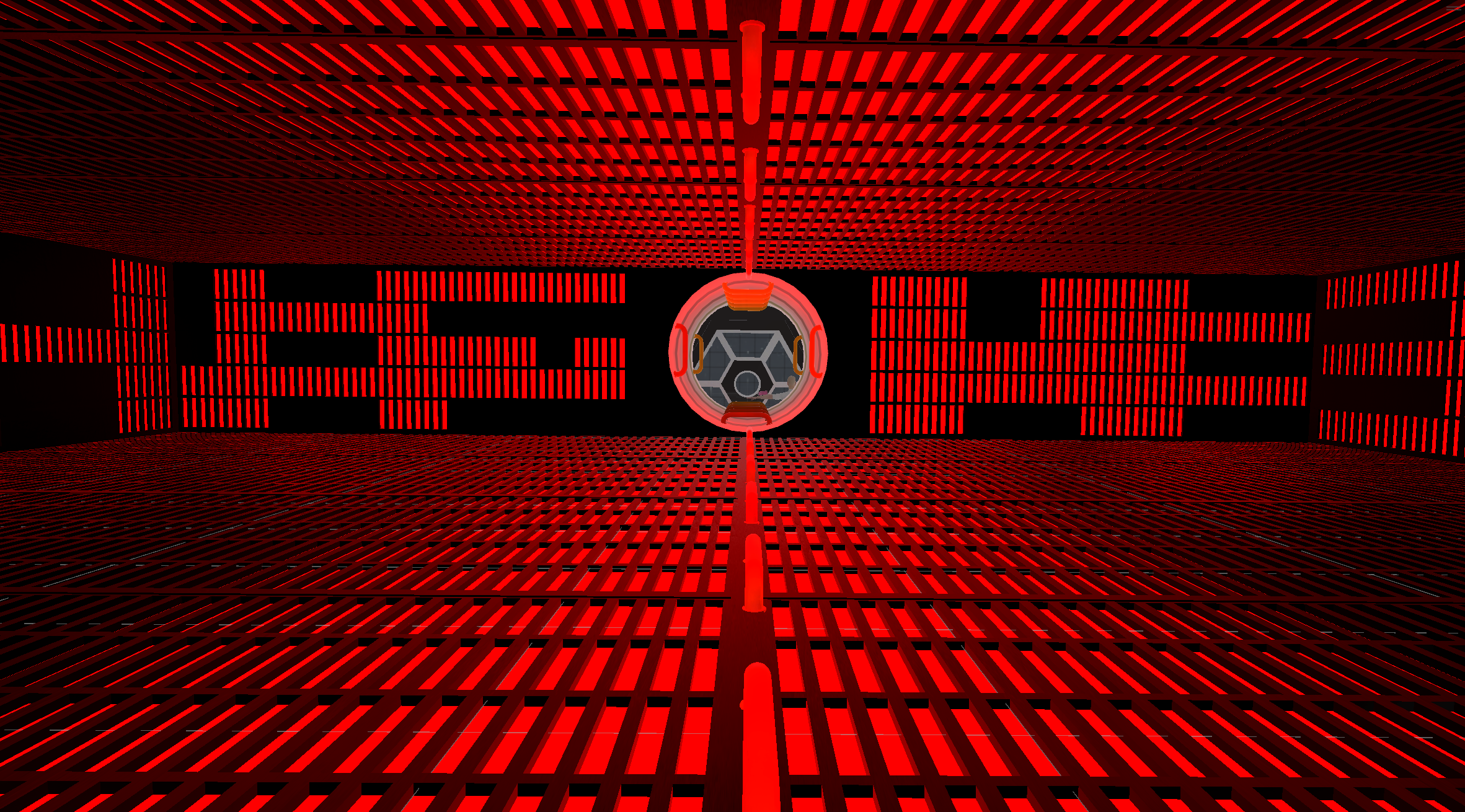
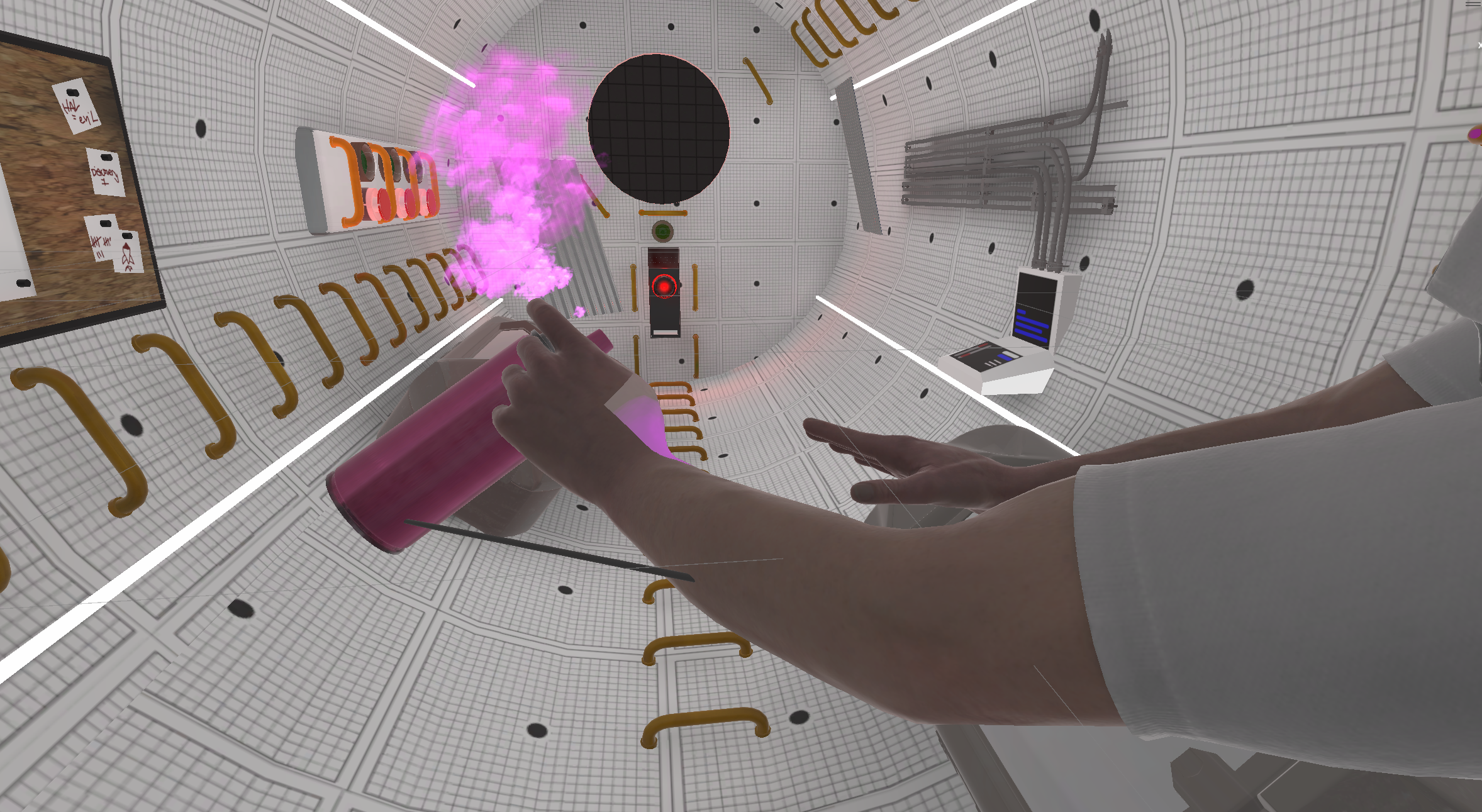
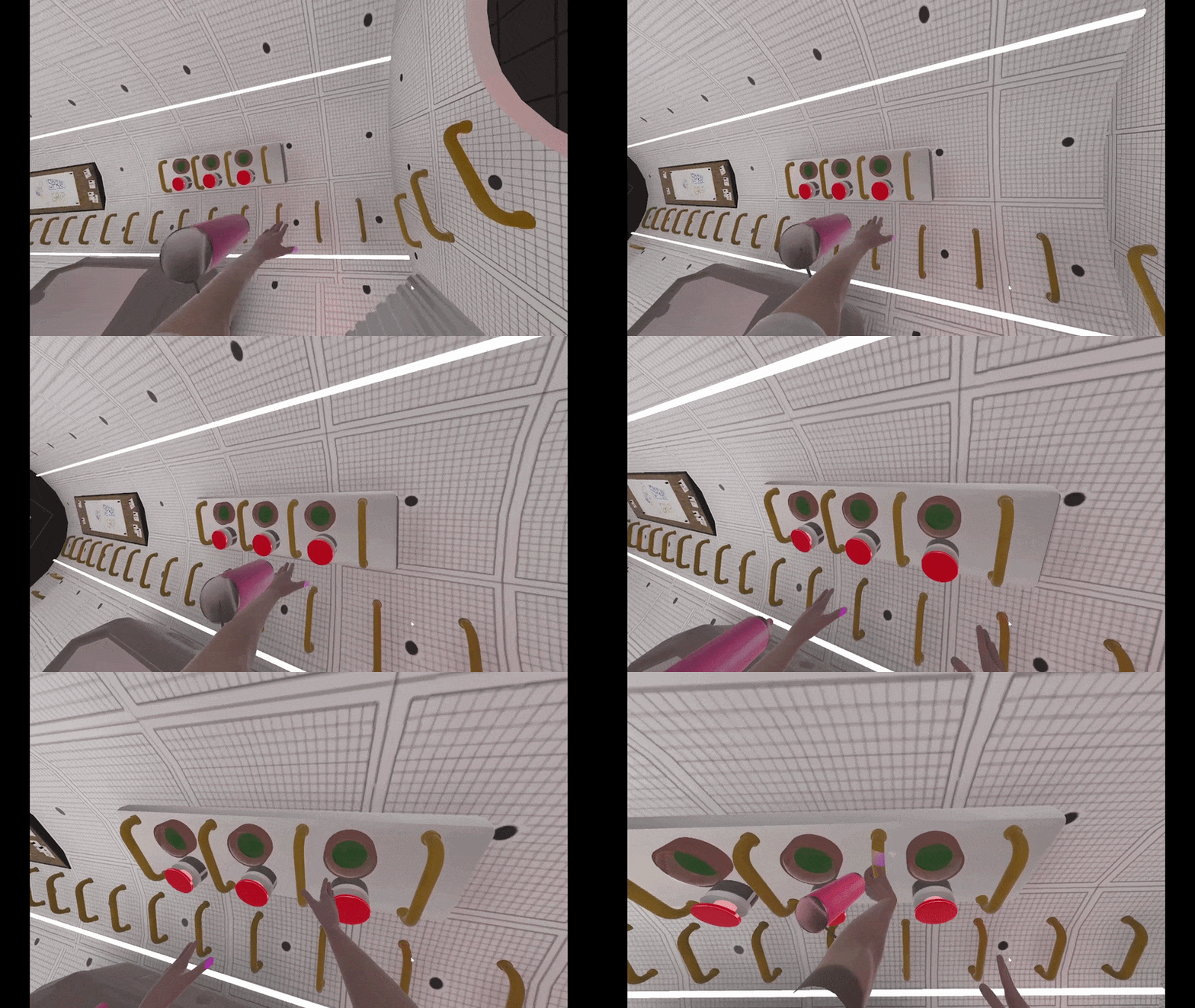
It is a virtual reality experience that places the player aboard the Discovery One. The main goal is to turn off HAL 9000 by solving the puzzle and navigating his watchful eye. In addition, it explores the idea of being in space with the help of AI. In this situation, it specifically puts a negative spin on the use of AI to make the audience aware of the risks associated with AI. Overarching the design, it provides a microgravity experience that is mostly inaccessible for people to experience in real life.
How we built it
We used Blender to create 3D models of the experience's most vital rooms, the main room and the server room. Unity was used to put everything together, from the custom, physics-based character rig that simulates microgravity, to the game's puzzles that rids the ship of the rule of HAL 9000.
Challenges we ran into
One major error that cost us a lot of time was when trying to commit files that were too large. Although everything was saved locally, this meant we could not collaborate very effectively. However, we figured it out and could finally work in the project together. Moreover, there was lots and trial and error in creating textures for the models. This was one of the most important elements that would let the game feel somewhat realistic, so we were forced to push through. This really helped the project come together, so it was worth it.
Accomplishments that we're proud of
We are proud of the accurate simulation of microgravity movement in virtual reality in a physics-based body.
What we learned
This project taught us the importance of technical management. On the design side, we learned how to use spatial audio and textures to create a realistic and convincing experience. We also gained an appreciation for Newtonian physics in a game engine, because it definitely was a challenge to figure out how the player was going to move around without being able to walk.
What's next for HAL9000 VR Simulation
The core movement rig we developed is the main accomplishment of the project. We plan to adapt it for other space-based experiences, such as exploring the SpaceX Starship. For the HAL9000 VR Simulation, we also hope to integrate a live voice-recognition API so that players can actually speak to HAL, which would truly replicate Dave's experience from 2001: A Space Odyssey.


Log in or sign up for Devpost to join the conversation.