Inspiration
The inspiration for the hairstyle recommendation system likely stems from the growing demand for personalized beauty solutions and the advances in deep learning technology. People often struggle to find hairstyles that complement their unique face shapes, leading to dissatisfaction with their look. By leveraging deep learning algorithms, the system can analyze and classify face shapes with high accuracy, offering personalized hairstyle suggestions that enhance an individual’s natural beauty.
This project taps into the intersection of technology and personal care, aiming to provide users with a practical, AI-driven solution to a common styling challenge. It reflects the broader trend of using AI to deliver tailored experiences, whether in fashion, beauty, or beyond.
What it does
The hairstyle recommendation system uses deep learning algorithms to analyze an individual's face shape and then recommends hairstyles that best complement that shape. Here’s how it works:
Face Shape Classification: The system takes an input image of the user’s face and classifies it into one of five predefined face shapes: heart, oblong, oval, round, or square. This classification is done using a neural network trained on a dataset of images with labeled face shapes.
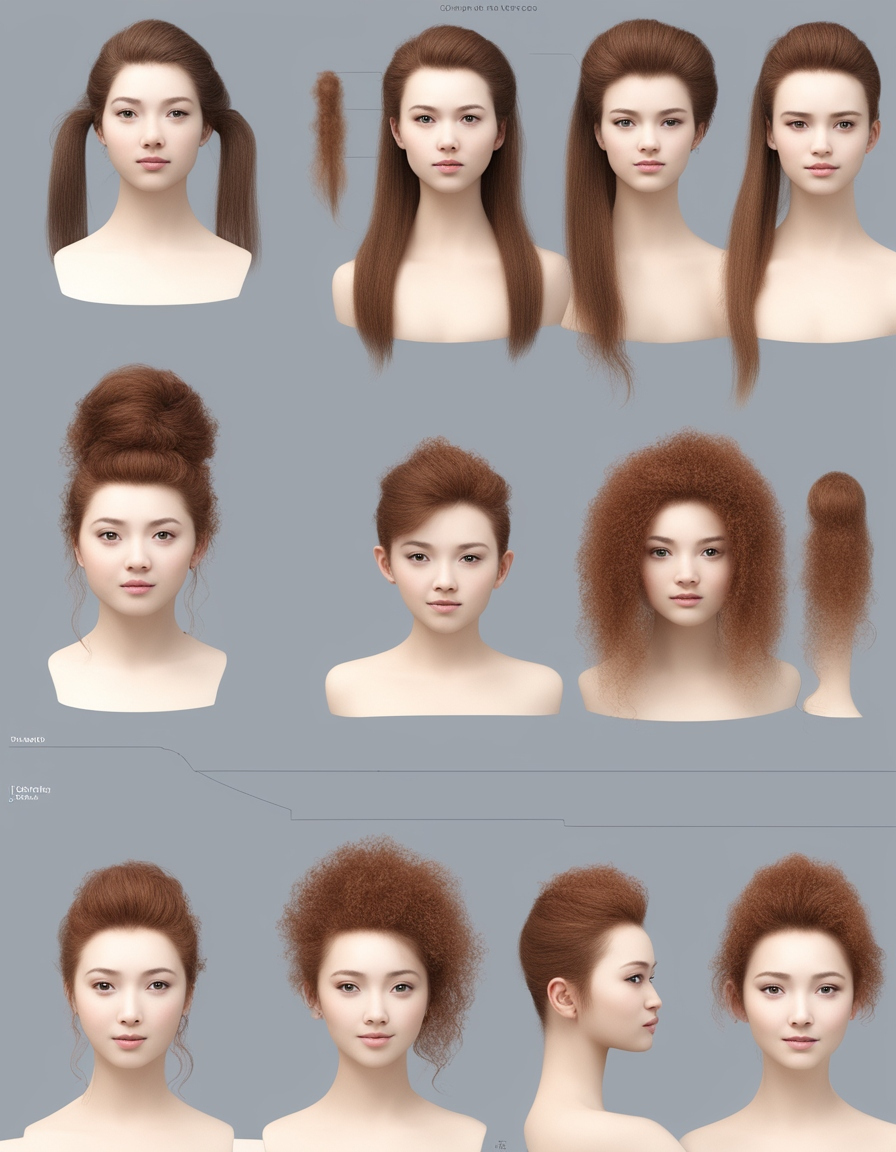
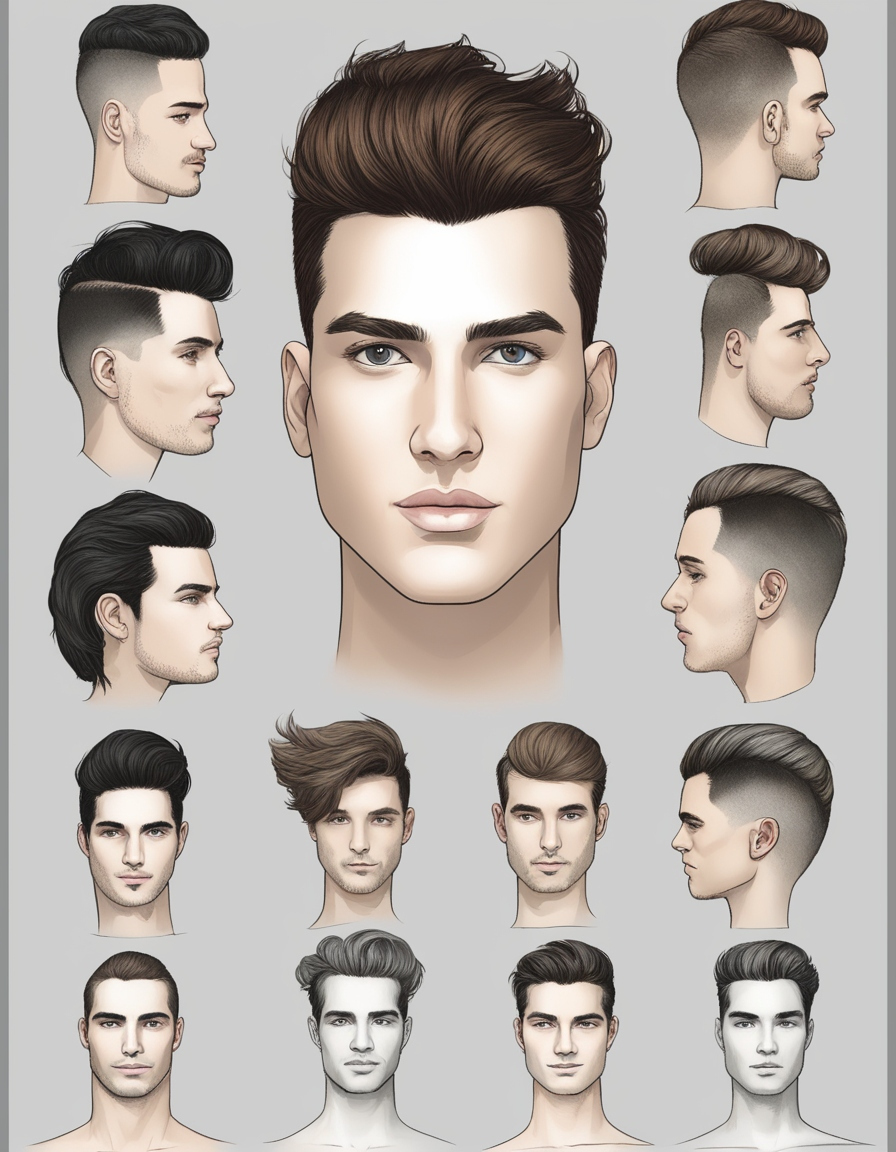
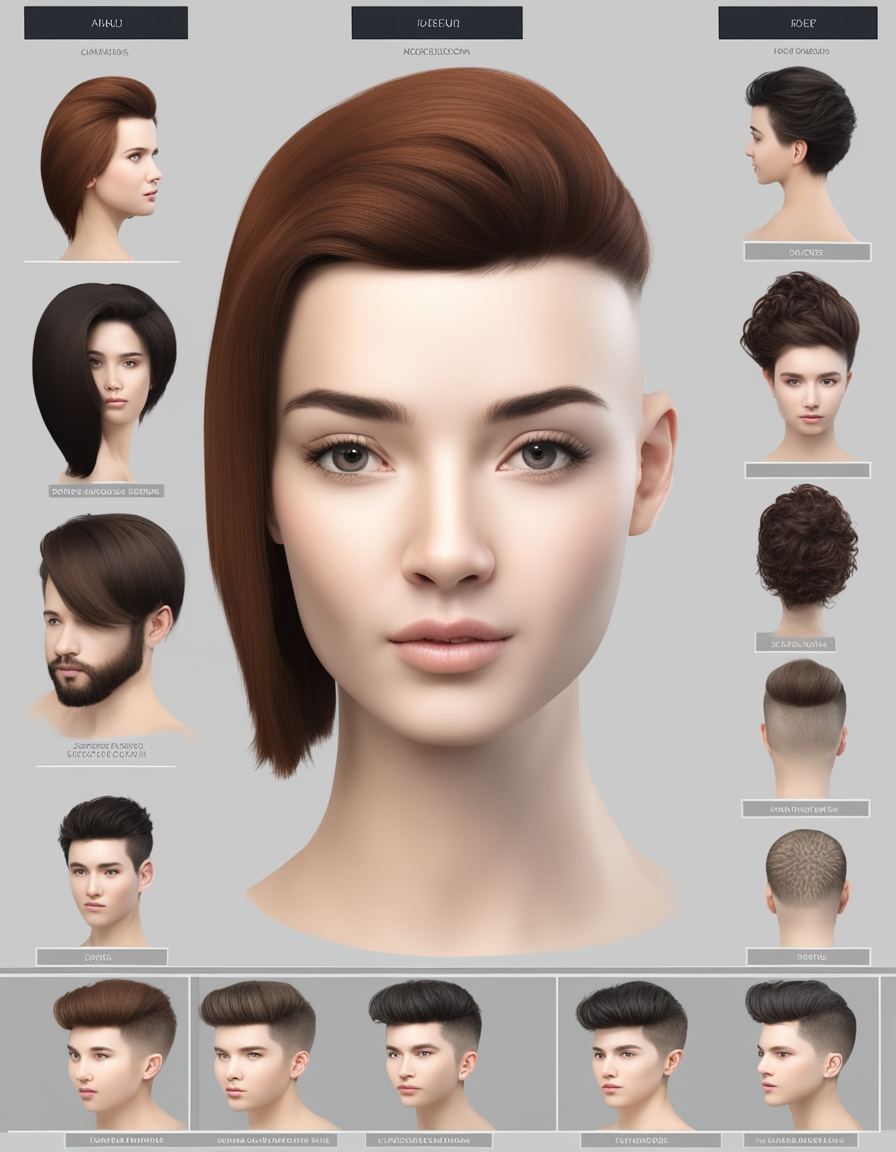
Hairstyle Recommendations: Once the face shape is identified, the system provides a selection of 10 hairstyles specifically chosen to enhance the user’s unique features. These recommendations are based on stylistic guidelines that match certain hairstyles with particular face shapes.
Personalized Suggestions: The system offers personalized advice, making it easier for users to choose hairstyles that will flatter their face shape, helping them achieve their desired look.
Overall, the system aims to provide a customized, AI-powered hairstyling experience that simplifies the decision-making process and boosts user confidence.
How we built it
The hairstyle recommendation system was built using a combination of deep learning techniques and a carefully designed pipeline for image processing and classification. Here’s a step-by-step overview of how it was developed:
1. Data Collection and Preparation
- Dataset Creation: A large dataset of images was collected, each labeled with one of the five face shapes (heart, oblong, oval, round, or square). The dataset also included a variety of hairstyles associated with these face shapes.
- Preprocessing: The images were preprocessed to standardize size, resolution, and color channels. Techniques such as data augmentation (e.g., rotations, flips) were applied to increase the diversity and robustness of the training data.
2. Model Development
- Face Shape Classification Model:
- A deep convolutional neural network (CNN) was designed and trained to classify the face shapes. The network architecture included multiple layers of convolution, pooling, and fully connected layers to extract features and make accurate predictions.
- The model was trained using a large labeled dataset, optimizing with techniques like batch normalization, dropout, and learning rate scheduling to improve accuracy and prevent overfitting.
- Hairstyle Recommendation Engine:
- Based on the classified face shape, the system queries a predefined database of hairstyles that are most suitable for that specific shape.
- The recommendations are generated by matching the face shape with a curated list of hairstyles, taking into account styling rules and aesthetic principles.
3. System Integration
- Frontend Development: The user interface was built using web technologies like HTML, CSS, JavaScript, and React. This allows users to upload their photos, view their classified face shape, and explore recommended hairstyles.
- Backend Development: The backend, likely developed with Python and frameworks like Flask or Django, handles the image processing, model inference, and interaction with the hairstyle database. The backend is responsible for sending the results back to the frontend for display.
- Deployment: The system was deployed on a cloud platform, allowing users to access the service online. The deployment includes setting up a server to handle user requests, running the model, and serving the recommendations.
4. Evaluation and Optimization
- Model Testing: The classification model was tested on a separate validation set to evaluate its accuracy and performance. Various metrics like accuracy, precision, recall, and F1 score were used to measure its effectiveness.
- User Feedback: The system was refined based on user feedback, making adjustments to the model, recommendations, and user interface to enhance the overall experience.
This multi-step approach ensures that the system is accurate, user-friendly, and capable of providing personalized hairstyle recommendations that align with individual face shapes.
Challenges we ran into
Developing the hairstyle recommendation system came with several challenges, each requiring specific strategies to overcome. Here are some of the key challenges:
1. Data Collection and Quality
- Challenge: Obtaining a sufficiently large and diverse dataset of images with accurately labeled face shapes and corresponding hairstyles was difficult. Variability in lighting, angles, and image quality further complicated the dataset.
- Solution: We addressed this by sourcing images from multiple databases, manually annotating face shapes where necessary, and using data augmentation techniques to enhance the dataset's diversity. This helped improve the model’s robustness.
2. Face Shape Classification Accuracy
- Challenge: Classifying face shapes with high accuracy is challenging due to the subtle differences between some shapes and the variability in human faces.
- Solution: We experimented with different neural network architectures, including deeper models and fine-tuning pre-trained models, to improve classification performance. Implementing regularization techniques like dropout and batch normalization also helped reduce overfitting and improve generalization.
3. Handling Variability in User-Uploaded Images
- Challenge: User-uploaded images could vary widely in terms of quality, angle, and lighting, which could impact the model’s ability to accurately classify face shapes.
- Solution: We implemented preprocessing steps to normalize user images before classification. This included face detection to crop and align faces, contrast adjustment, and resizing to match the model's input requirements.
4. Creating Meaningful Hairstyle Recommendations
- Challenge: Translating face shape classifications into meaningful hairstyle recommendations required understanding aesthetic principles and ensuring that the suggestions were relevant and varied.
- Solution: We collaborated with hairstyling experts to curate a list of hairstyles for each face shape, ensuring that the recommendations were both practical and stylish. The system was also designed to provide a diverse set of options to accommodate different user preferences.
5. User Interface Design
- Challenge: Designing a user-friendly interface that allows users to easily interact with the system, upload images, and view recommendations was a key challenge.
- Solution: We focused on creating a clean, intuitive interface using modern web technologies like React. We incorporated clear instructions and feedback mechanisms to guide users through the process, making the experience seamless and enjoyable.
6. Performance and Scalability
- Challenge: Ensuring that the system could handle multiple users simultaneously while providing quick and accurate results was critical, especially if deployed on a large scale.
- Solution: We optimized the model and backend code for performance, using techniques like model quantization and caching to reduce inference time. The system was deployed on a scalable cloud infrastructure, allowing it to handle increasing user loads efficiently.
7. Ethical Considerations
- Challenge: Addressing ethical concerns related to privacy and potential biases in the model was crucial to ensure that the system was fair and respectful of users.
- Solution: We implemented strong privacy policies to protect user data, ensuring that images were securely processed and not stored without consent. Additionally, we worked to identify and mitigate any biases in the model, ensuring that recommendations were inclusive and representative of diverse populations.
By tackling these challenges head-on, we were able to build a reliable, user-friendly system that provides valuable, personalized hairstyle recommendations.
Accomplishments that we're proud of
Here are some of the key accomplishments from building the hairstyle recommendation system that we're particularly proud of:
1. High-Accuracy Face Shape Classification
- Achievement: We successfully developed a deep learning model that achieves high accuracy in classifying face shapes. The model can distinguish between subtle differences in face shapes, which is a significant accomplishment given the complexity and variability of human faces.
2. Personalized and Diverse Hairstyle Recommendations
- Achievement: We created a recommendation engine that provides personalized and aesthetically pleasing hairstyle suggestions tailored to each user’s face shape. The system offers a diverse range of options, ensuring that users can find styles that suit their preferences and lifestyle.
3. User-Friendly Interface
- Achievement: The user interface we designed is intuitive and easy to navigate, making it accessible to a wide audience. Users can quickly upload their photos, receive their face shape classification, and explore hairstyle recommendations with minimal effort.
4. Robust Data Processing Pipeline
- Achievement: We developed a robust data processing pipeline that effectively handles a wide variety of user-uploaded images, ensuring consistent and accurate results regardless of image quality, angle, or lighting. This enhances the system’s reliability and user satisfaction.
5. Scalable and Efficient System
- Achievement: The system was optimized for performance and scalability, enabling it to handle multiple users simultaneously without compromising on speed or accuracy. This makes it suitable for deployment in real-world applications, reaching a broad audience.
6. Incorporation of Expert Knowledge
- Achievement: We successfully integrated expert knowledge from hairstylists into the recommendation engine, ensuring that the system provides professional-level advice. This collaboration enhanced the quality and relevance of the hairstyle suggestions.
7. Ethical and Privacy-Conscious Design
- Achievement: We are proud of our commitment to ethical considerations, including implementing strong privacy protections and addressing potential biases in the model. This ensures that the system is respectful, fair, and inclusive, providing a positive experience for all users.
8. Positive User Feedback
- Achievement: Early user testing and feedback have been overwhelmingly positive, with users appreciating the accuracy of the face shape classification and the relevance of the hairstyle recommendations. This validation from users is a testament to the system's effectiveness and value.
These accomplishments reflect our dedication to creating a cutting-edge, user-centered system that leverages AI to provide practical and personalized beauty solutions.
What we learned
During the development of the hairstyle recommendation system, we gained valuable insights and learned several important lessons:
1. Importance of High-Quality Data
- Lesson: We learned that the quality and diversity of the dataset are crucial for building a robust deep learning model. A well-curated dataset with accurate labels and a variety of images is essential for training a model that generalizes well across different face shapes and user-uploaded photos.
2. Challenges in Model Generalization
- Lesson: Ensuring that the model generalizes well to real-world images, which may vary significantly in quality, lighting, and angles, was a significant challenge. This taught us the importance of implementing effective data augmentation and preprocessing techniques to handle such variability.
3. Balancing Technical and Aesthetic Considerations
- Lesson: Developing a system that combines technical accuracy with aesthetic considerations required a balance between AI-driven insights and expert knowledge. We learned how to integrate domain expertise into the recommendation engine to ensure that the suggestions are both technically sound and aesthetically pleasing.
4. User-Centric Design
- Lesson: Designing with the user in mind is critical for creating a successful application. We learned that a seamless and intuitive user interface greatly enhances the user experience, making complex AI-powered features accessible and easy to use.
5. Scalability and Performance Optimization
- Lesson: As we developed the system, we realized the importance of optimizing both the model and the backend infrastructure for performance and scalability. This experience underscored the need for efficient code, model optimization techniques, and scalable deployment strategies to handle large numbers of users.
6. Ethical AI Practices
- Lesson: We learned the importance of considering ethical implications, such as ensuring user privacy and addressing potential biases in the model. This experience reinforced the need to build AI systems that are not only effective but also fair, transparent, and respectful of users' rights.
7. Collaboration and Interdisciplinary Work
- Lesson: The project highlighted the value of collaboration between different fields, such as AI, user experience design, and hairstyling expertise. We learned how interdisciplinary collaboration can lead to more well-rounded and practical solutions.
8. Iterative Development and Continuous Improvement
- Lesson: Throughout the development process, we learned the importance of iterative development—testing, receiving feedback, and making continuous improvements. This approach helped us refine the system and adapt to new challenges as they arose.
9. Real-World Application of AI
- Lesson: Building this system provided us with practical experience in applying AI to solve real-world problems. We learned how to translate theoretical knowledge into a working application that meets users' needs and expectations.
These lessons have not only contributed to the success of this project but have also equipped us with valuable skills and insights that will be beneficial in future AI and machine learning endeavors.
What's next for HairStyle Recommendation System
The next steps for the Hairstyle Recommendation System could focus on enhancing its capabilities, expanding its reach, and improving user experience. Here are some potential directions:
1. Expanding the Dataset
- Goal: To improve the accuracy and robustness of the face shape classification model, we can expand the dataset to include a broader range of face shapes, ethnicities, age groups, and hairstyles. This would help the system better cater to a more diverse user base.
2. Adding More Customization Options
- Goal: Introduce additional customization features, such as allowing users to filter hairstyle recommendations based on length, color, texture, and occasion. This would provide users with even more personalized suggestions.
3. Incorporating Augmented Reality (AR)
- Goal: Integrate AR technology to allow users to virtually try on recommended hairstyles in real-time. This feature would enable users to see how a hairstyle looks on them before making a decision, enhancing the interactive experience.
4. Integration with Professional Services
- Goal: Partner with salons and hairstylists to offer users the option to book appointments directly through the platform. This could include features like finding local stylists, viewing their portfolios, and scheduling a consultation or styling session based on the recommended hairstyles.
5. Improving AI and Machine Learning Models
- Goal: Continuously refine the deep learning models to increase the accuracy of face shape classification and the relevance of hairstyle recommendations. This could involve experimenting with more advanced architectures or incorporating feedback loops where user preferences influence future recommendations.
6. Launching a Mobile App
- Goal: Develop a mobile app version of the system to make it more accessible and convenient for users. The app could include push notifications, reminders for hair appointments, and personalized tips based on users' preferences and history.
7. User Feedback and Community Features
- Goal: Implement features that allow users to rate and review the recommended hairstyles, share their looks on social media, and interact with a community of users. This could foster a more engaging and collaborative environment, where users can inspire and support each other.
8. Global Expansion
- Goal: Adapt the system for different regions and cultures, taking into account local beauty standards, hair types, and styling trends. This could involve translating the interface into multiple languages and incorporating region-specific hairstyles.
9. Incorporating Haircare Recommendations
- Goal: Expand the system to include personalized haircare advice, such as recommending products or routines based on the user's hair type and condition. This would position the system as a more comprehensive hair management tool.
10. Monitoring and Analytics
- Goal: Develop analytics tools to monitor system performance and user engagement. This data can be used to make informed decisions about future updates, ensuring that the system evolves in line with user needs and industry trends.
11. AI-Driven Trend Analysis
- Goal: Introduce AI-driven trend analysis to predict upcoming hairstyle trends based on social media, celebrity styles, and fashion shows. This feature could keep the recommendations current and relevant, offering users cutting-edge style advice.
These next steps will help the Hairstyle Recommendation System evolve into a more comprehensive, user-friendly, and innovative platform, offering users a highly personalized and engaging experience.


Log in or sign up for Devpost to join the conversation.