-
-
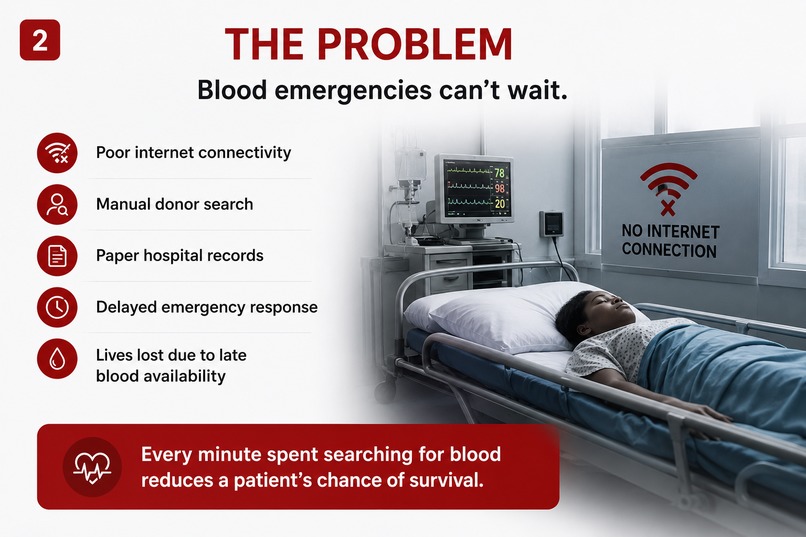
THE PROBLEM
-
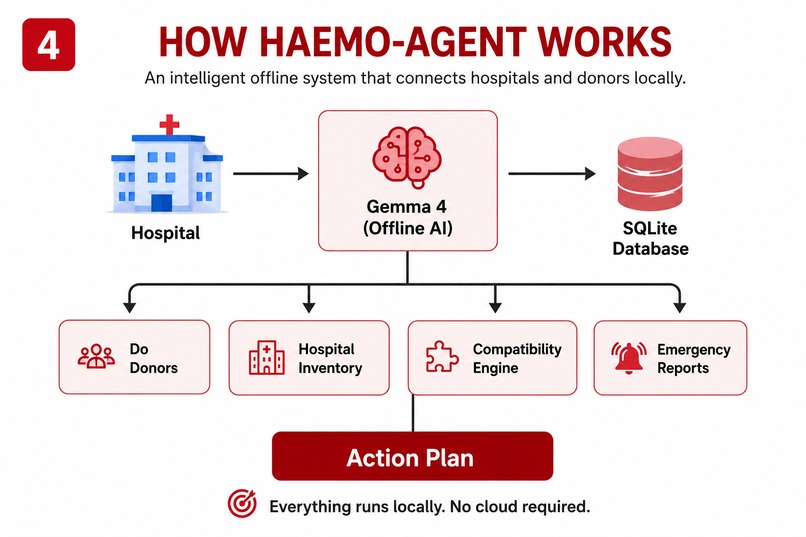
HOW IT WORKS
-
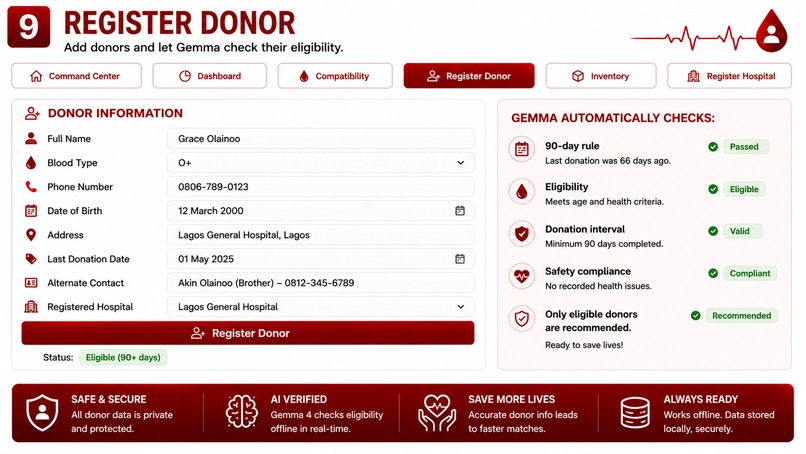
REGISTER DONOR
-
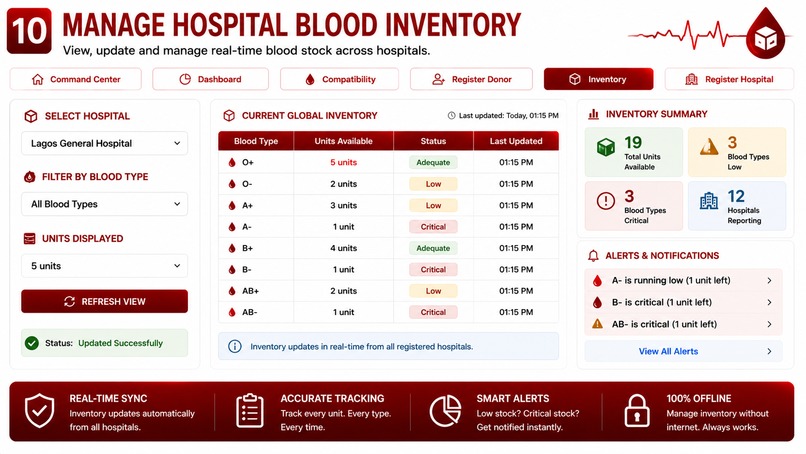
HOSPITAL BLOOD INVENTORY
-
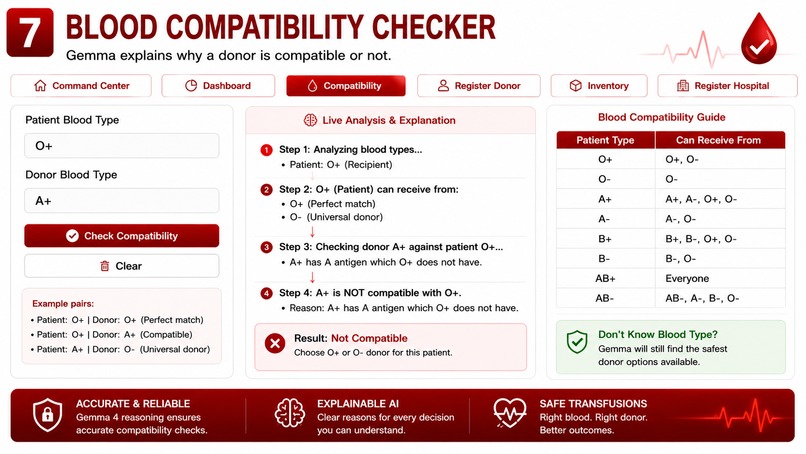
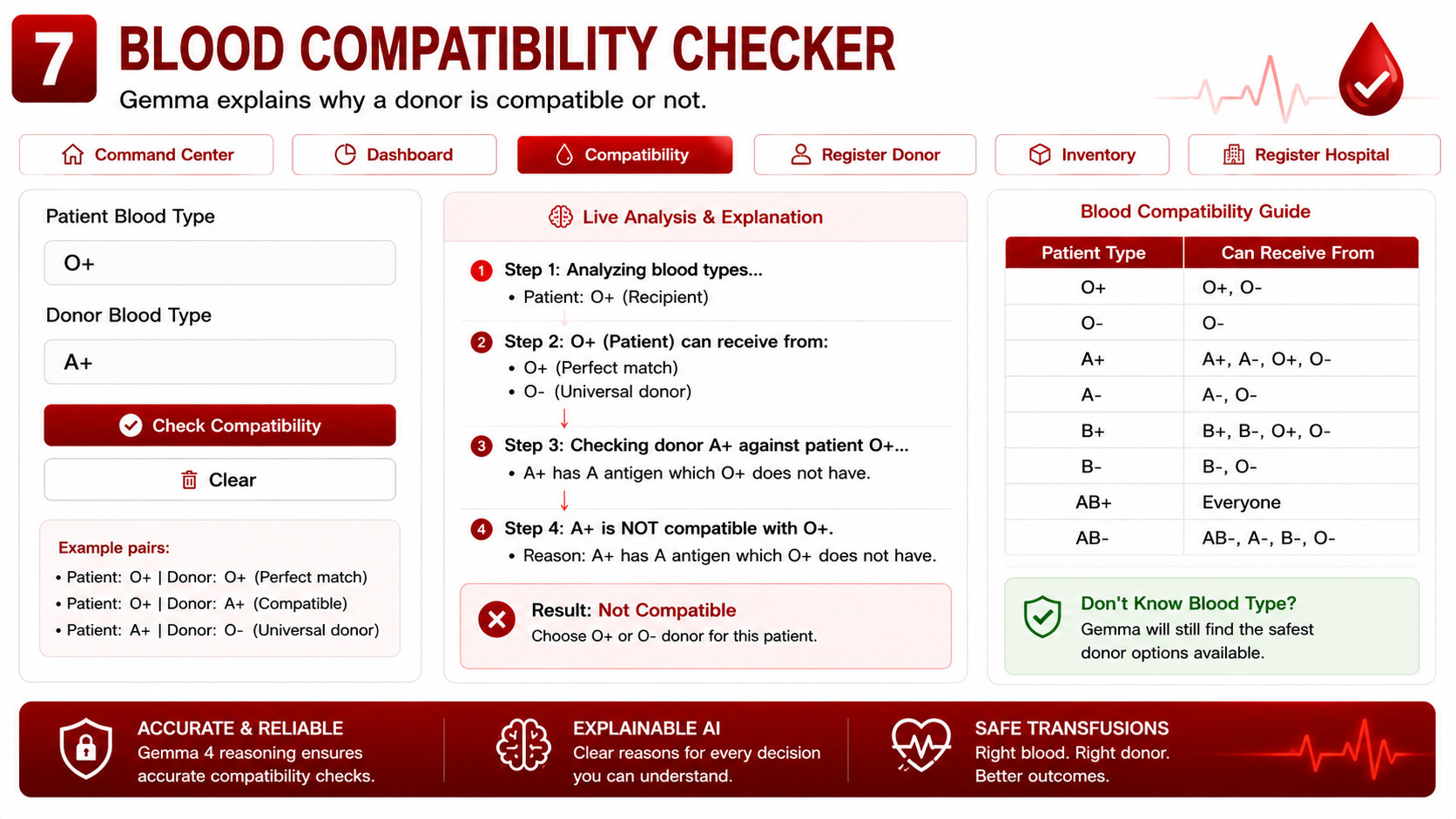
BLOOD COMPATIBILITY CHECKER
-
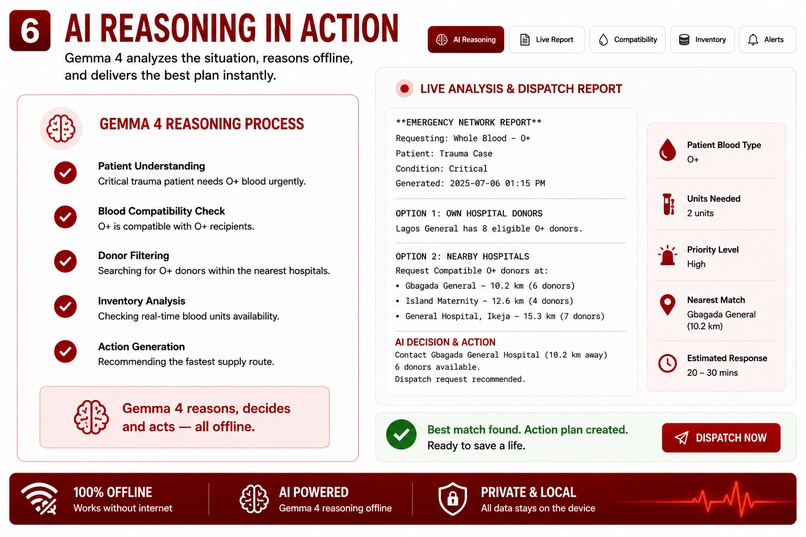
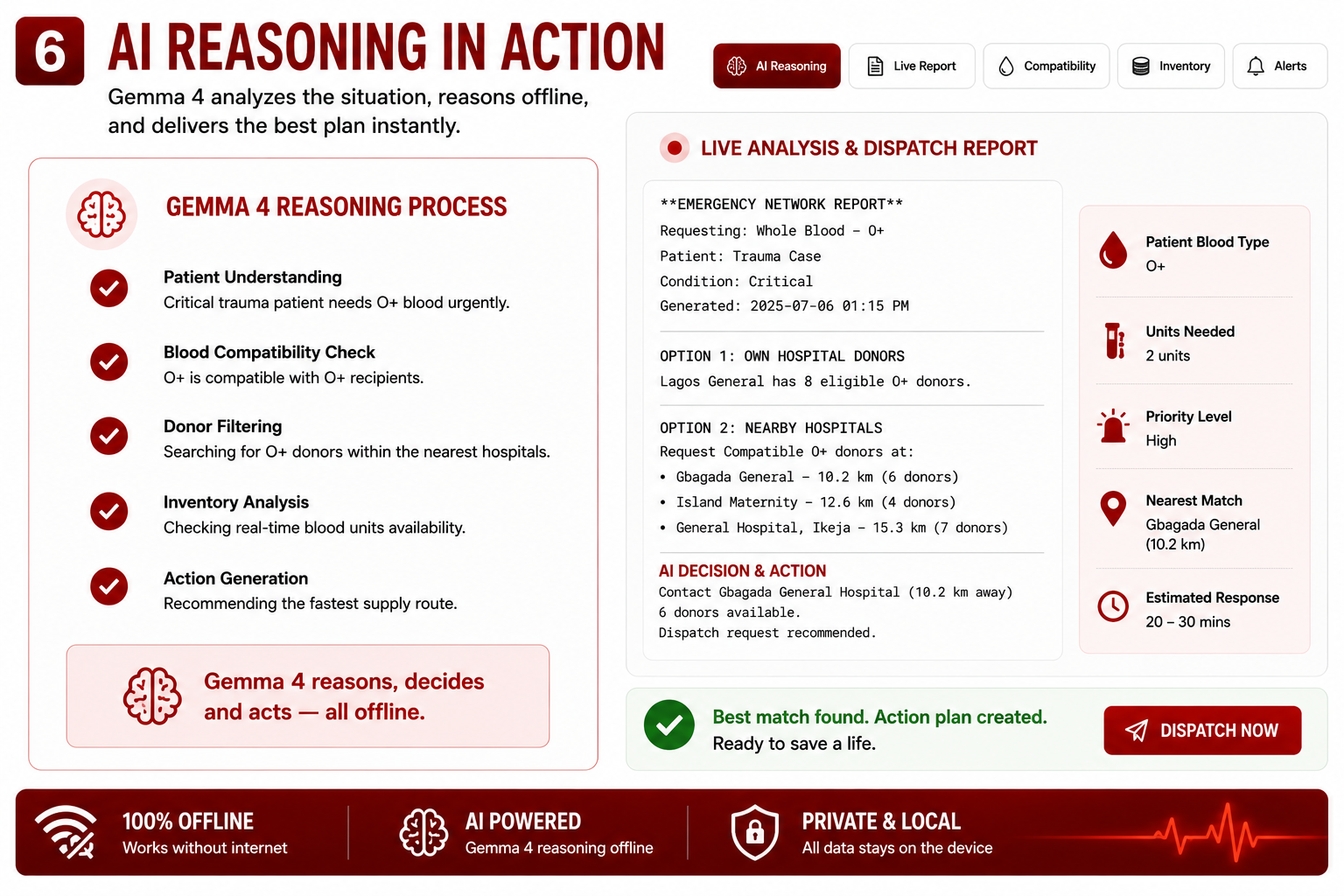
AI REASONING IN ACTION
-
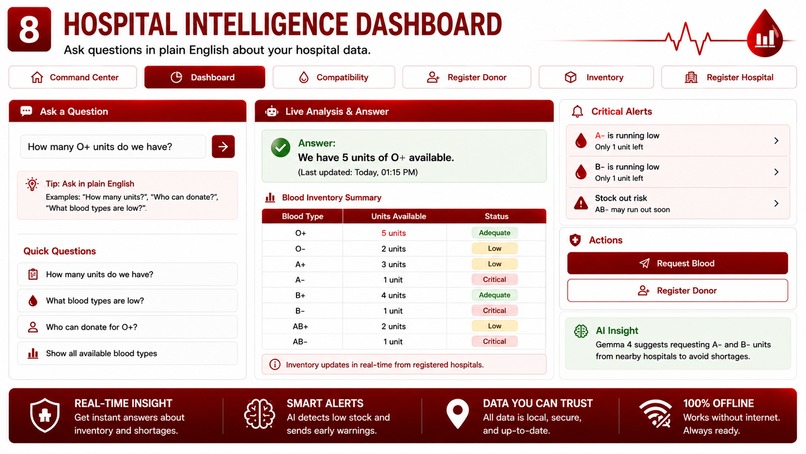
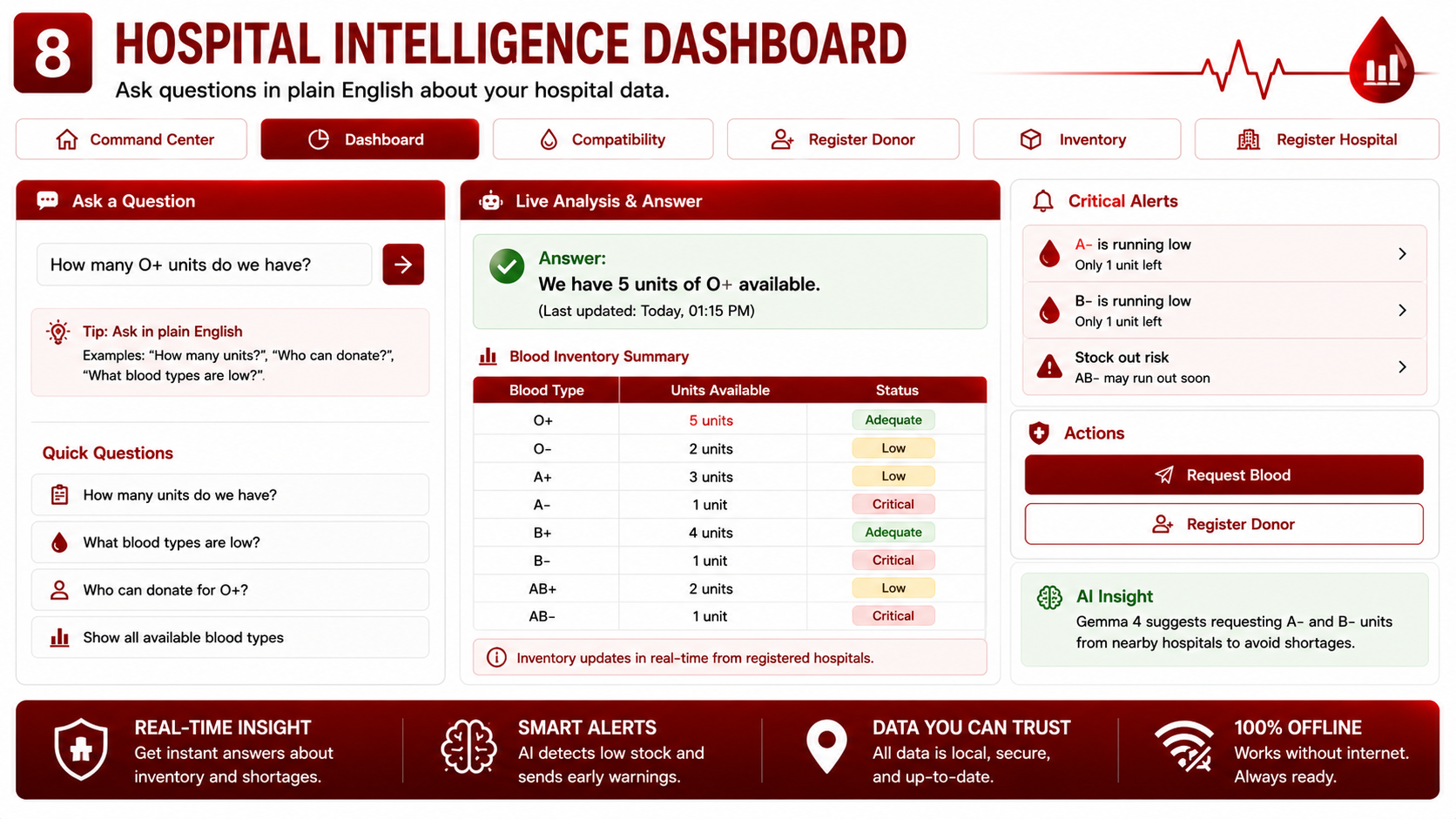
HOSPITAL DASHBOARD
-
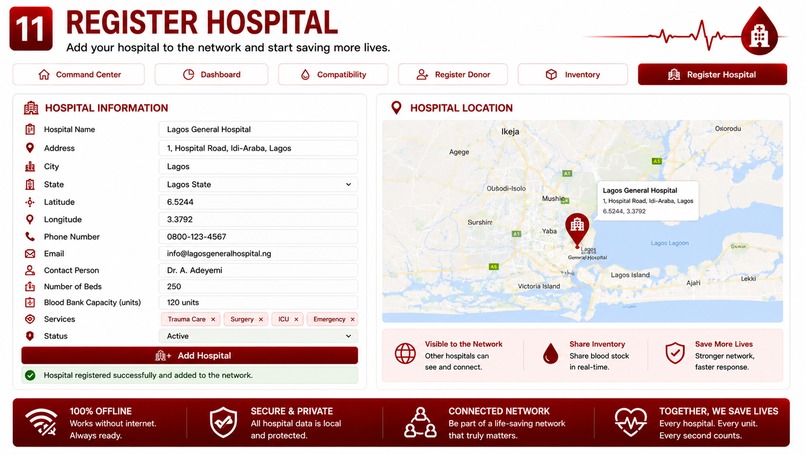
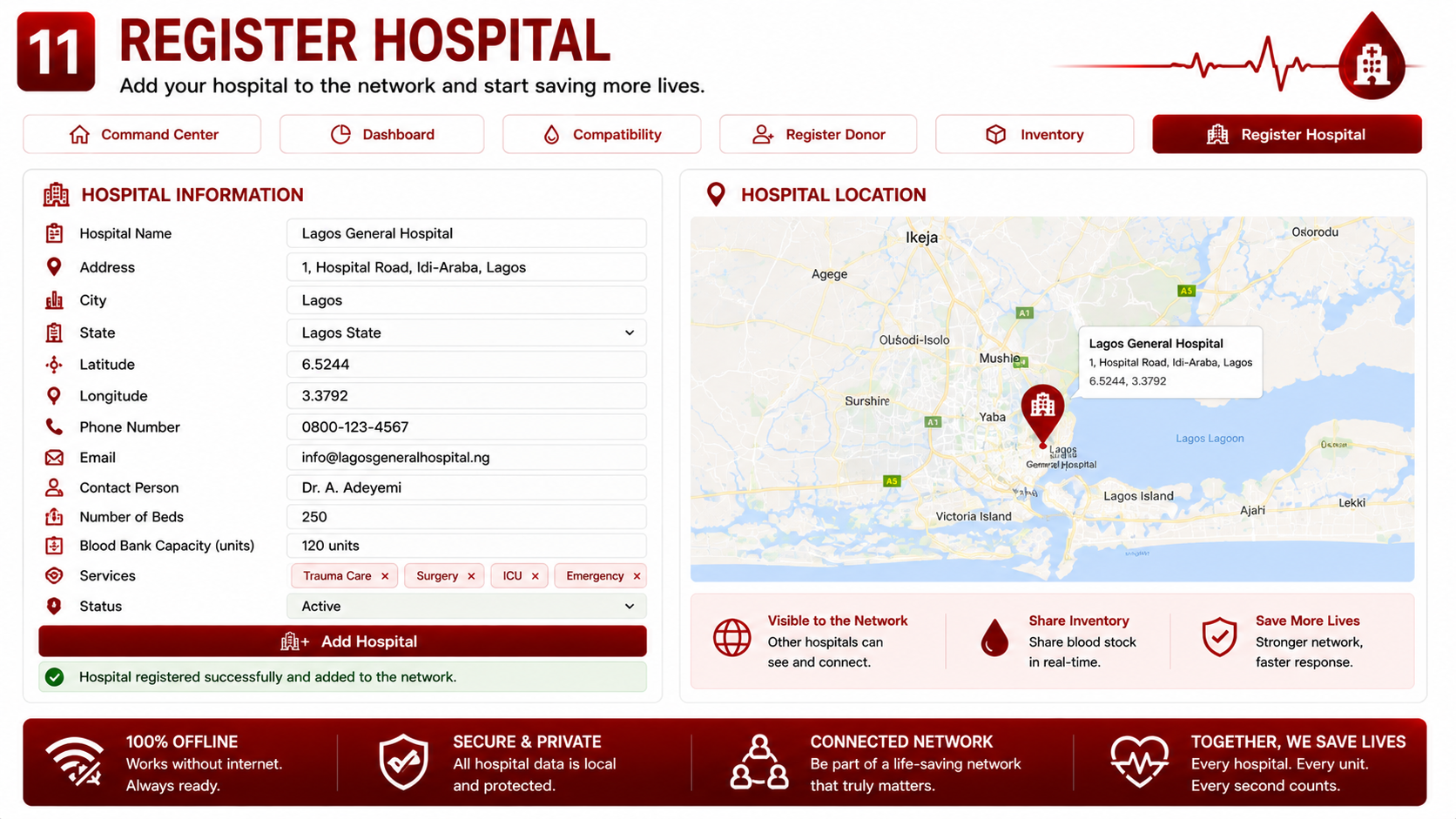
REGISTER HOSPITAL
Inspiration
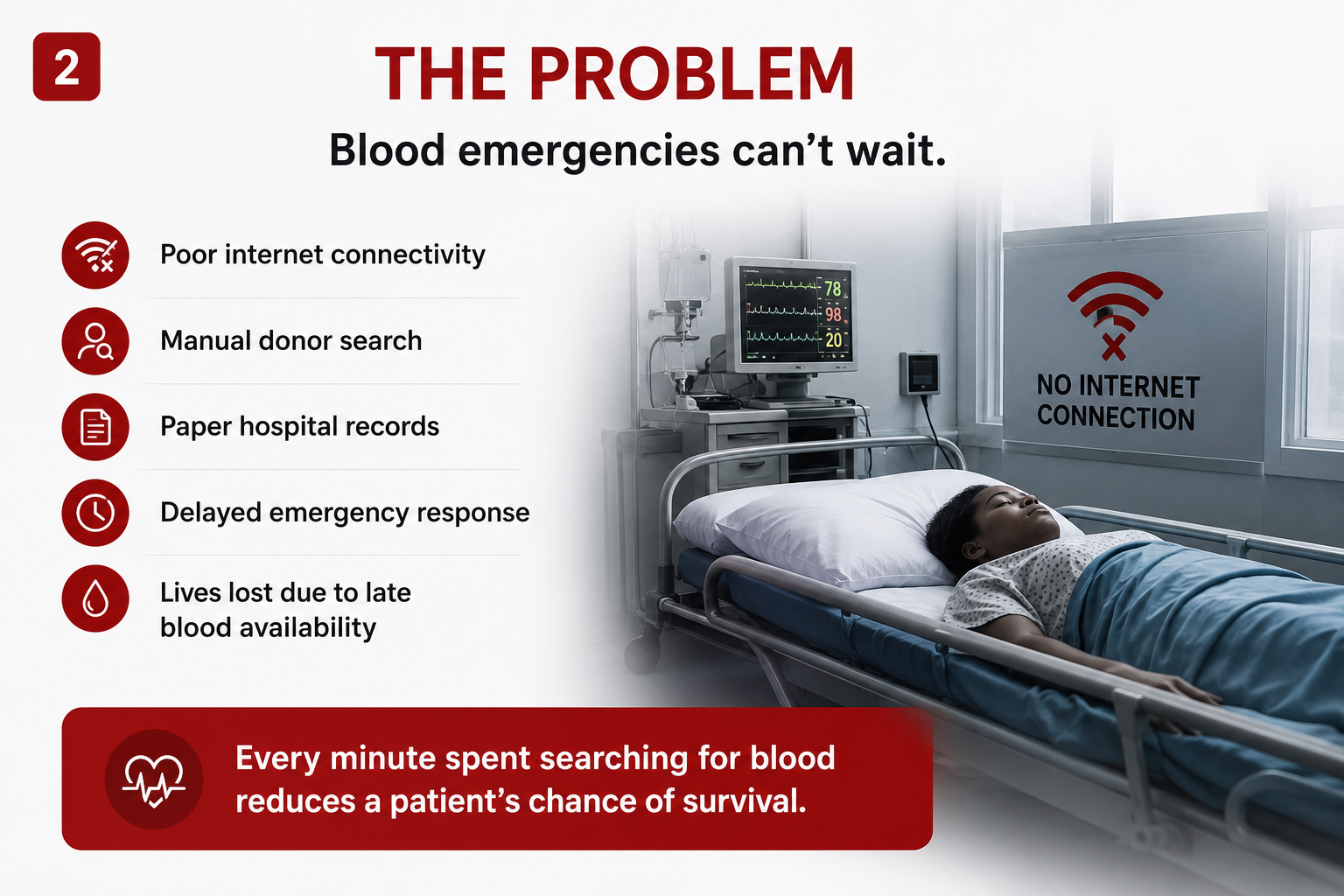
Blood shortages and delays in finding compatible blood can become critical during medical emergencies. We were inspired by the need for a faster and more organized way for hospitals to manage blood availability and connect with suitable donors when time matters most.
I wanted to create a solution that could help reduce the time spent searching through scattered records or contacting donors manually, while making blood coordination more organized and accessible.
What it does
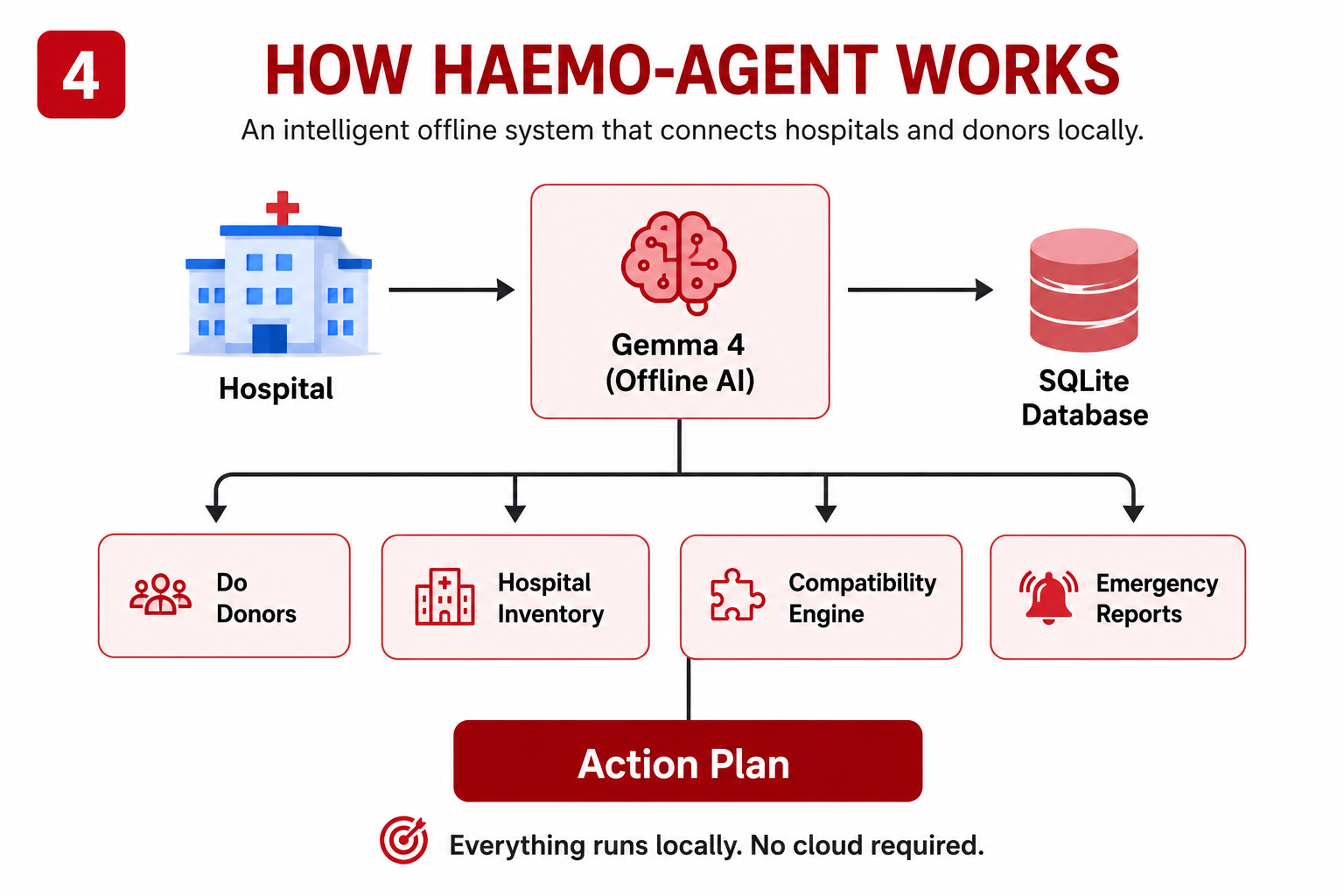
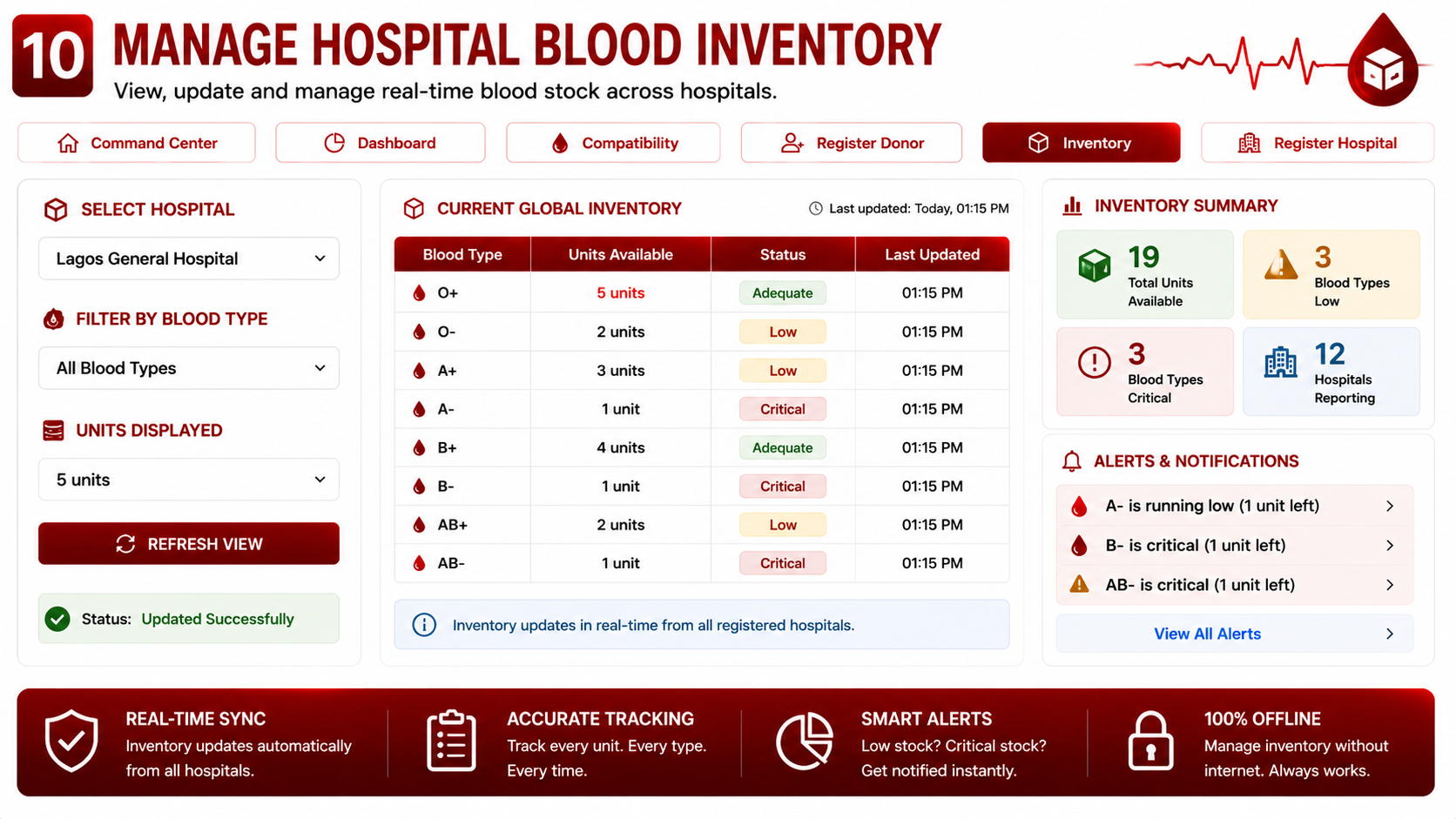
Haemo_Agent_Network is an intelligent blood coordination platform designed to help hospitals manage blood inventory, identify compatible blood resources, and coordinate with suitable donors during emergencies.
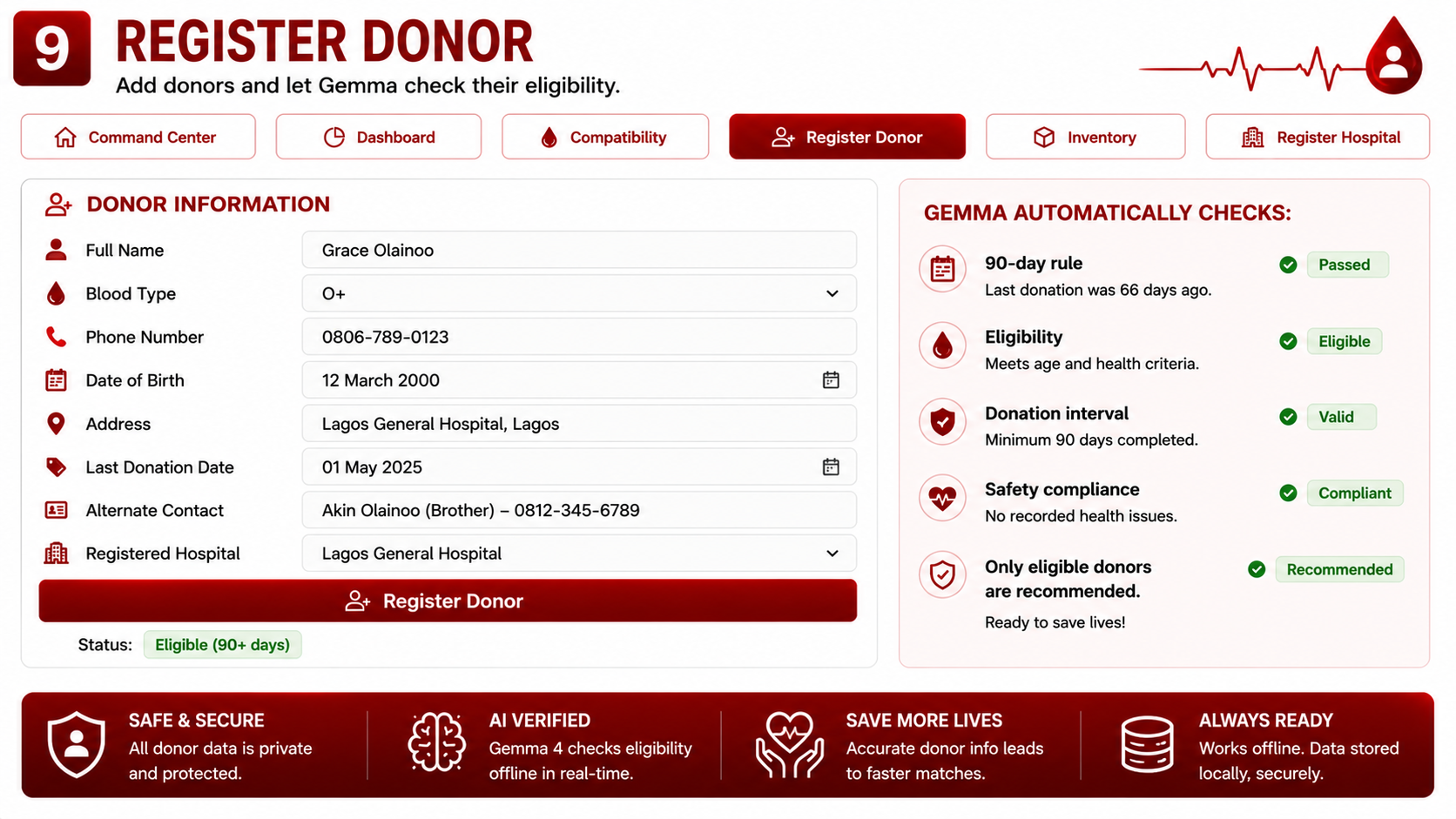
The platform brings important information into one place, allowing hospitals to keep track of available blood units and donor information while using blood-group compatibility logic to identify suitable matches.
The goal is simple: help hospitals find the right blood resource faster when every minute matters.
How we built it
I built Haemo_Agent_Network as a web-based application with a focus on a simple and practical hospital workflow.
The platform combines blood inventory management, donor information, emergency coordination, and blood-group compatibility checking into one system.
I also integrated Google Gemma 4 to provide the intelligent capabilities of the platform and explored how AI can support healthcare coordination without replacing medical professionals or clinical decision-making.
The application was developed with a modular approach so that the system can be expanded with additional hospitals, donors, blood banks, and emergency coordination capabilities in the future.
Challenges we ran into
One of my biggest challenges was designing a system that could simplify a potentially complex healthcare workflow without making it difficult for hospital staff to use. I also had to think carefully about blood-group compatibility and how information should be presented so that users can quickly understand available resources during an emergency.
Another challenge was figuring out how to use AI meaningfully. I wanted Gemma 4 to contribute to the solution rather than simply adding AI as a feature for the sake of having AI.
Accomplishments that we're proud of
I was proud that I transformed a real healthcare problem into a functional prototype rather than leaving it as only a concept.
I successfully brought blood inventory, donor coordination, and compatibility checking together into one platform.
I was also proud of integrating Gemma 4 into a practical healthcare use case and demonstrating how AI can support faster coordination during situations where time is critical.
Most importantly, Haemo_Agent_Network gave me the opportunity to build around a problem that can have a direct human impact.
What we learned
I learned that building a useful healthcare product requires more than simply making an application functional. The workflow has to be clear, the information has to be reliable, and the system must be designed around the people who will actually use it.
I also learned more about applying AI to a real-world problem and about using Gemma 4 as part of a larger product rather than treating the AI model as the entire solution.
The project also taught me the importance of starting with a real problem, understanding the users, and then designing technology around their needs.
What's next for Haemo_Agent_Network
My next goal is to make Haemo_Agent_Network more useful in real healthcare environments.
I want to expand the platform to support stronger hospital and blood-bank networks, real-time blood availability, improved donor coordination, emergency notifications, and better support for situations where internet connectivity may be limited.
In the long term, I envision Haemo_Agent_Network becoming a connected blood coordination network that can help hospitals and donors respond faster to blood emergencies across communities and eventually across Nigeria.
Built With
- eligibility-checks
- google-gemma4
- gradio-ui
- ollama
- python


Log in or sign up for Devpost to join the conversation.