About the Project
Inspiration
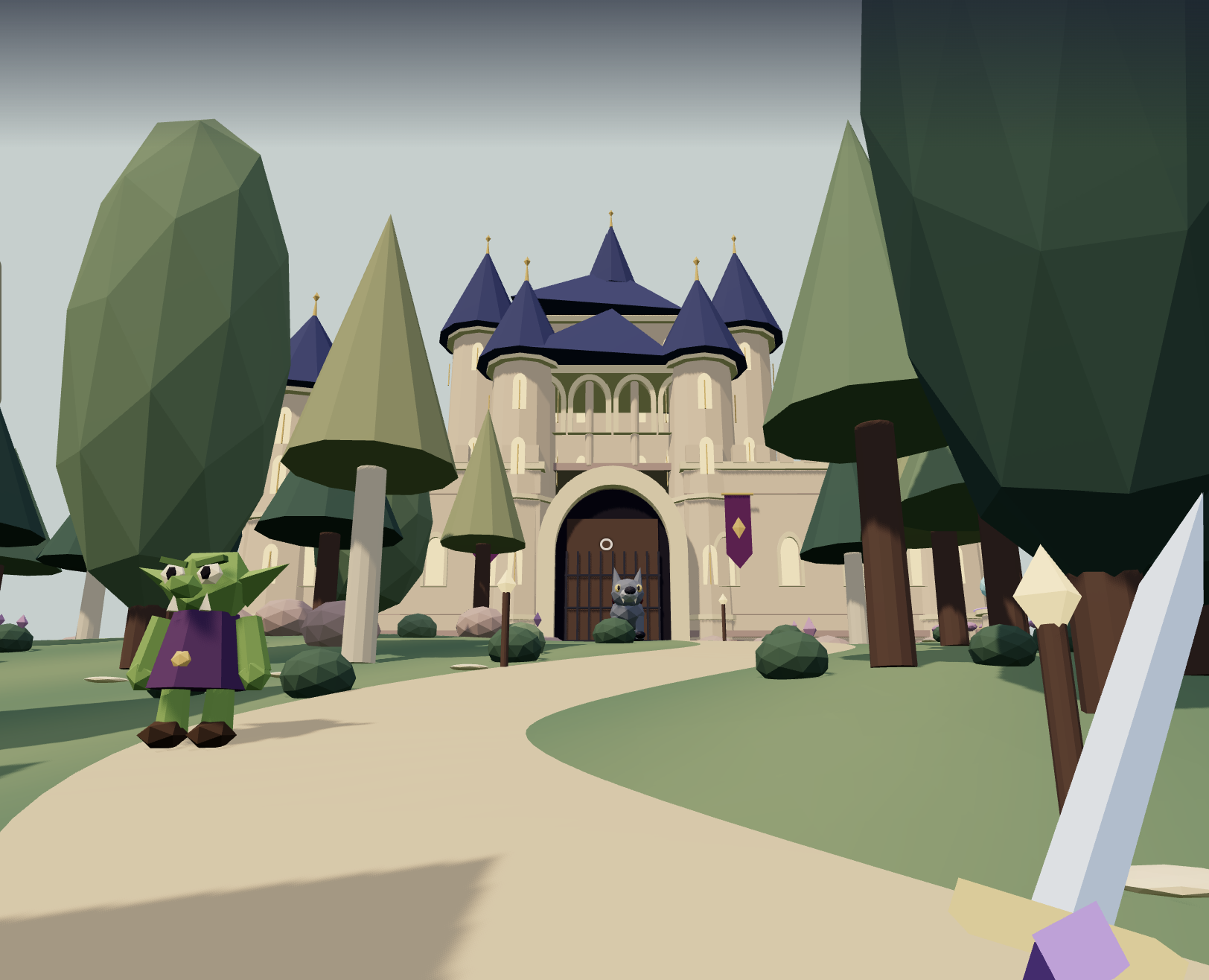
For HackTX ’26, we wanted to build something that connected the hackathon’s own theme and experience with a meaningful, interactive use of AI. We took inspiration from the scavenger hunt featured in the HackTX ’26 video and reimagined that idea as a fantasy adventure. Instead of simply finding items in the real world, players explore an enchanted forest, collect the same scavenger-hunt items featured in the video, battle monsters, and eventually journey toward a castle to rescue a princess.
We combined this scavenger-hunt concept with another challenge students know well: studying. Reviewing notes and repeatedly going over the same material can feel tedious, so we asked ourselves: what if your own study materials could power an adventure?
That idea became Agora, a fantasy scavenger-hunt game where players upload their study materials and use AI-generated questions based on their PDFs to progress through the world. Collecting experience and defeating enemies becomes a way to test your knowledge, making studying feel more like exploration than repetition.
How We Built It
We built Agora as a web-based game using React, JavaScript, and Vite for the frontend, connected to a Python backend that handles accounts, study materials, and gameplay logic. Our AI pipeline processes uploaded PDFs and generates questions based on their content, allowing players to study their own material as they progress through the adventure.
The gameplay is built around the scavenger-hunt experience. Players explore the forest, collect the featured items by answering questions, and encounter monsters along the way. Completing these challenges unlocks further progression toward the castle and the final rescue mission. Health, lives, experience points, and battle progression help connect the learning experience to the game's objectives.
We wanted the HackTX ’26 inspiration to be reflected in the actual gameplay, rather than just the game's appearance. The scavenger hunt gives players concrete objectives to pursue, while the AI-generated questions make each player's learning material part of the journey.
Challenges We Faced
One of our biggest challenges was integrating the game with the backend and AI question-generation pipeline. Accepting a PDF is only the beginning: the application must process the document, generate usable questions, and communicate with the backend so that the correct questions appear during the appropriate encounters.
We also had to connect learning outcomes to game progression. Collecting an item, defeating a monster, and advancing toward the castle all depend on answering questions and maintaining consistent game state. Managing health, lives, experience points, and progression across the frontend and backend required us to think carefully about how the different parts of the system interact.
Another challenge was combining two ideas into one cohesive experience: the concrete objectives of a scavenger hunt and the flexibility of personalized studying. We wanted players to feel that they were making progress in an adventure while engaging with material relevant to their own learning.
What We Learned
Building Agora helped us explore how frontend development, backend APIs, AI-powered document processing, and game design can work together in one application. We learned that creating an interactive game requires more than an engaging environment: reliable question generation, state management, error handling, and consistent communication between services are essential to making the experience work.
We also learned how a familiar activity like a scavenger hunt can provide structure and motivation for a different experience. By drawing from the scavenger hunt featured in the HackTX ’26 video and connecting its collection-based objectives to personalized study questions, we explored a way to make learning feel more active, rewarding, and adventurous.
Agora brings the HackTX ’26 scavenger-hunt inspiration into a fantasy learning adventure, where the items players seek and the challenges they overcome are powered by what they are studying.



Log in or sign up for Devpost to join the conversation.