-
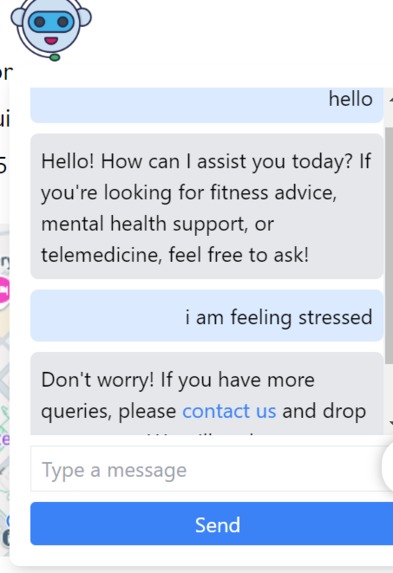
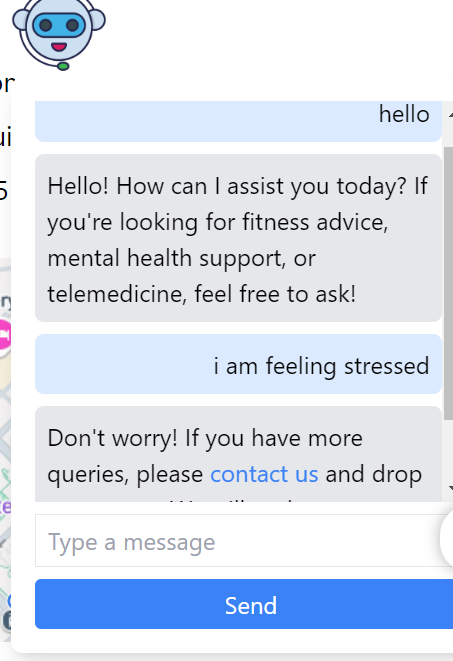
Our chatbot
-
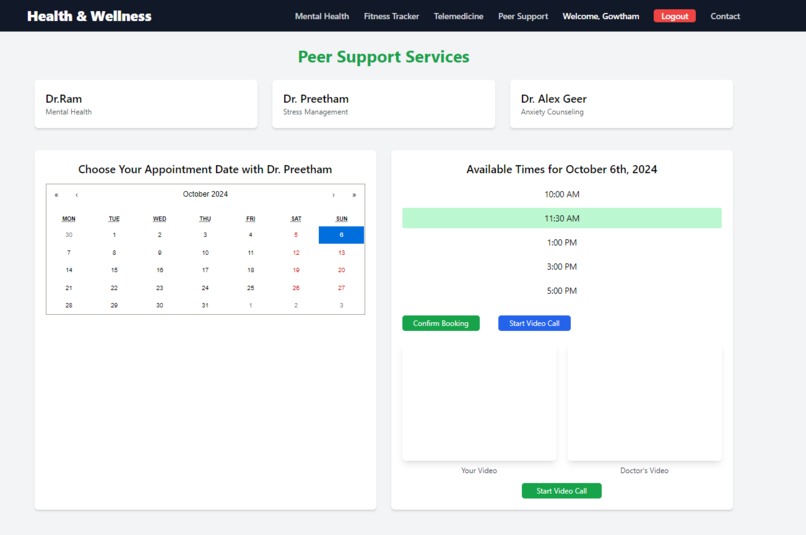
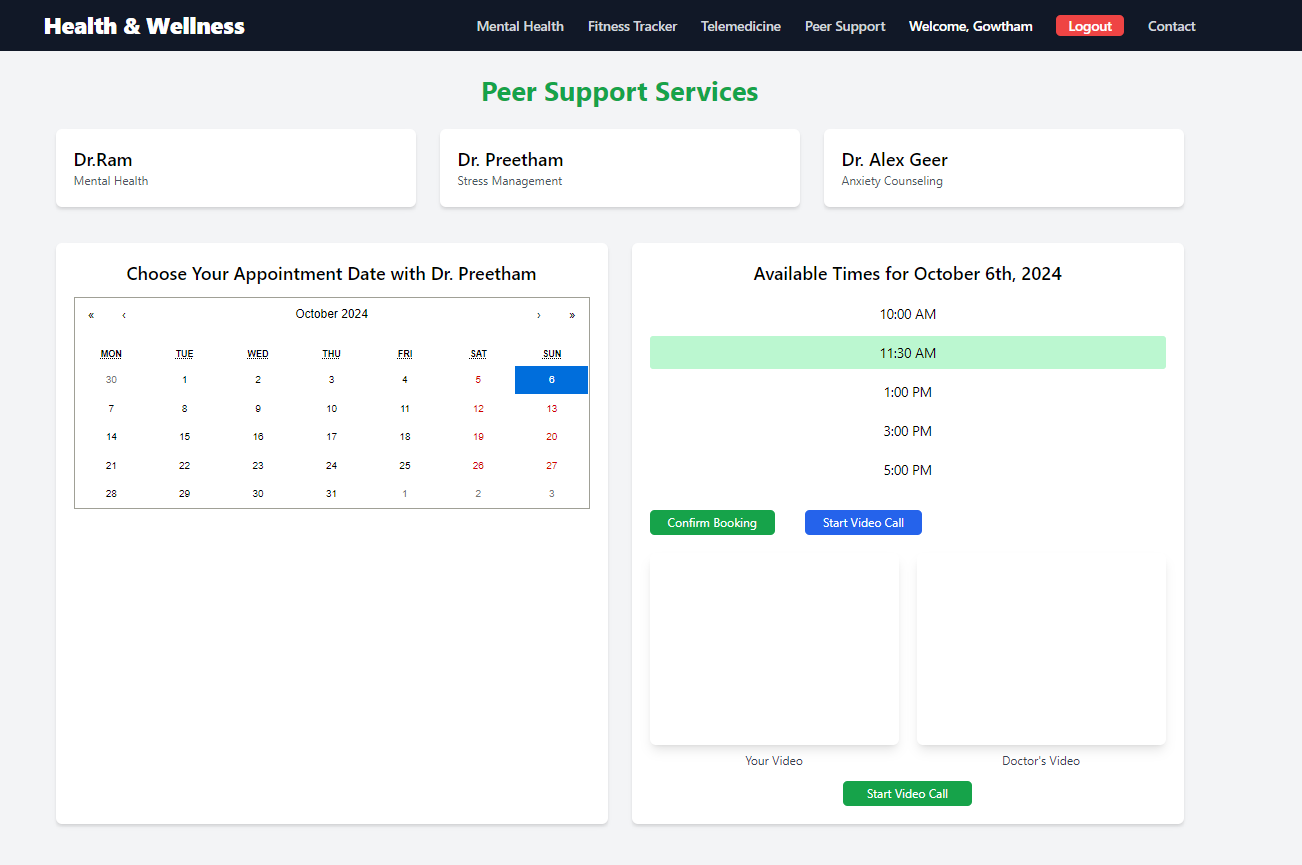
Peer Support
-
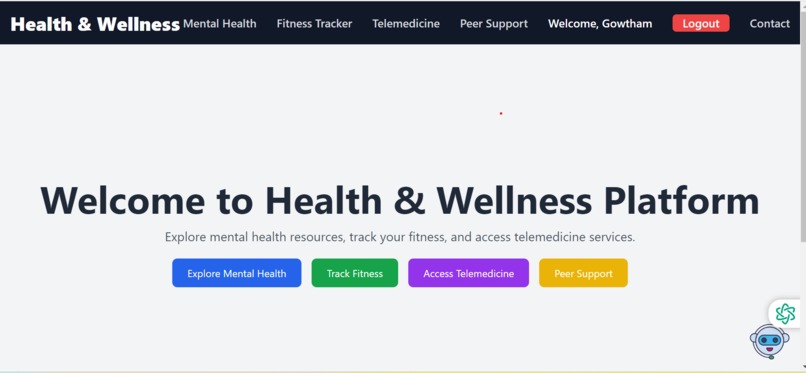
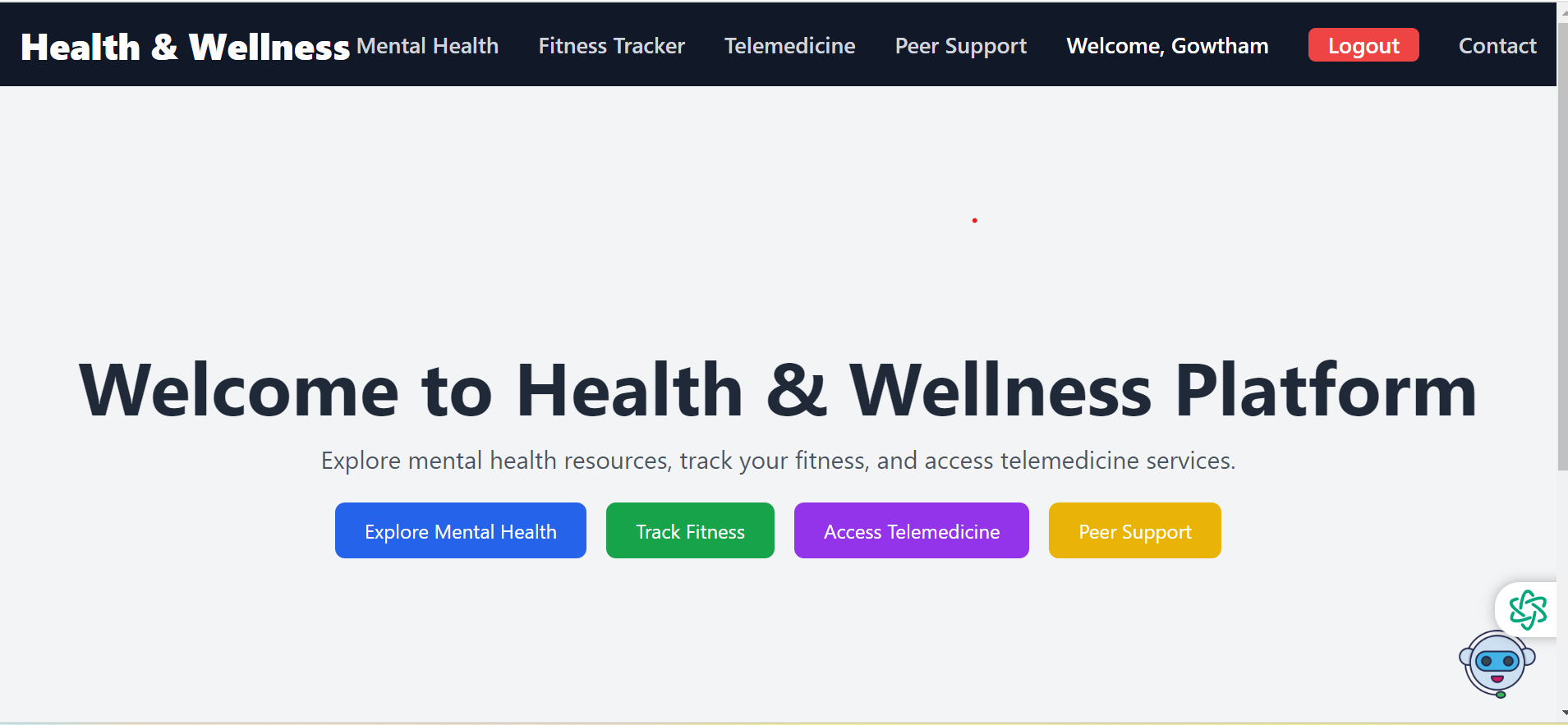
Our Home page
-
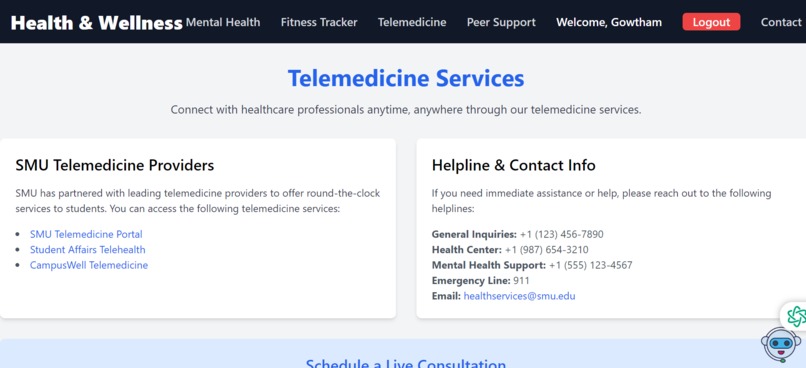
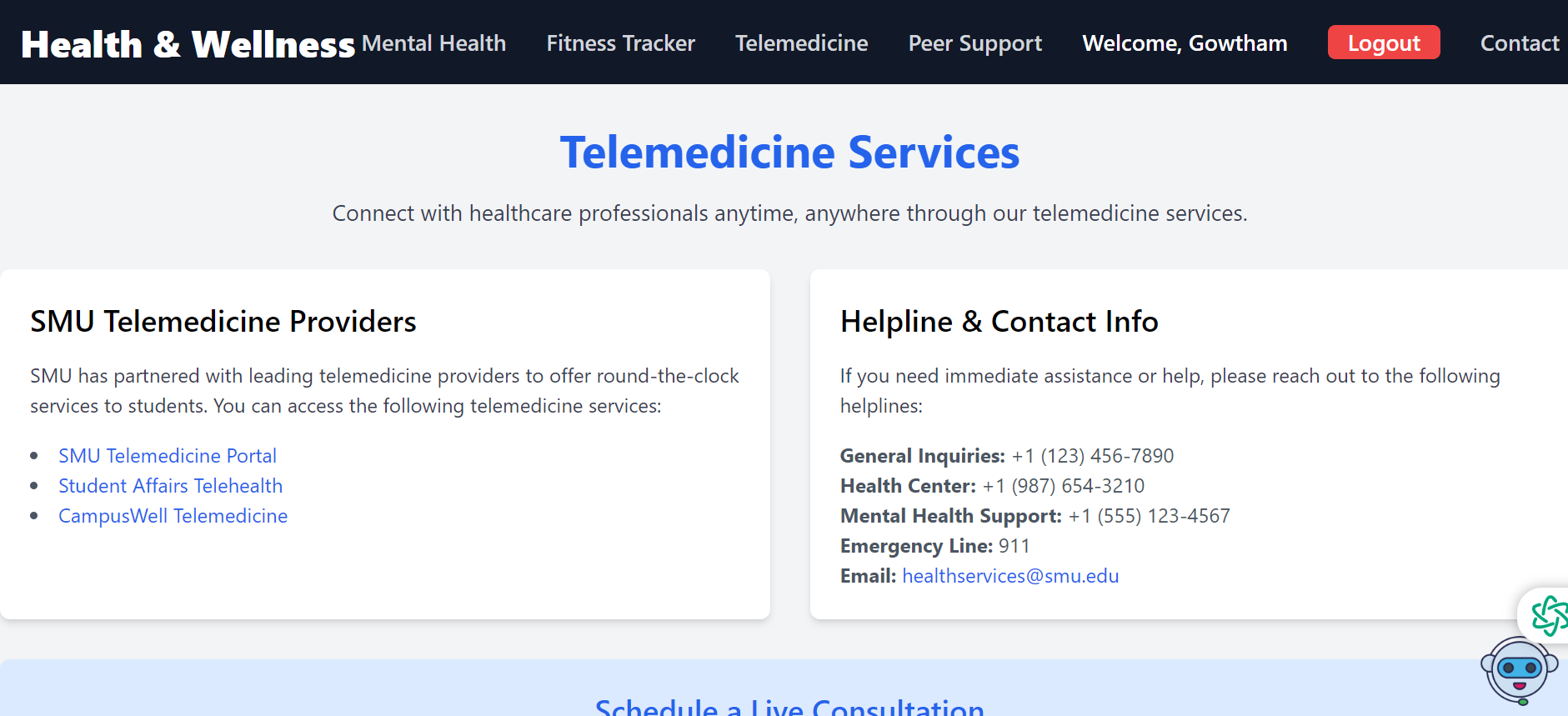
Telemedicine
-
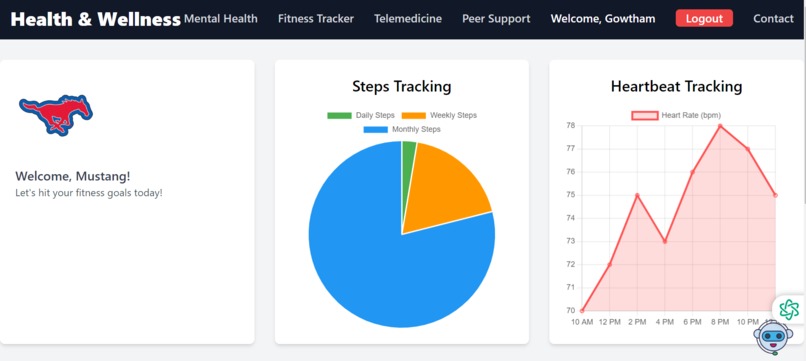
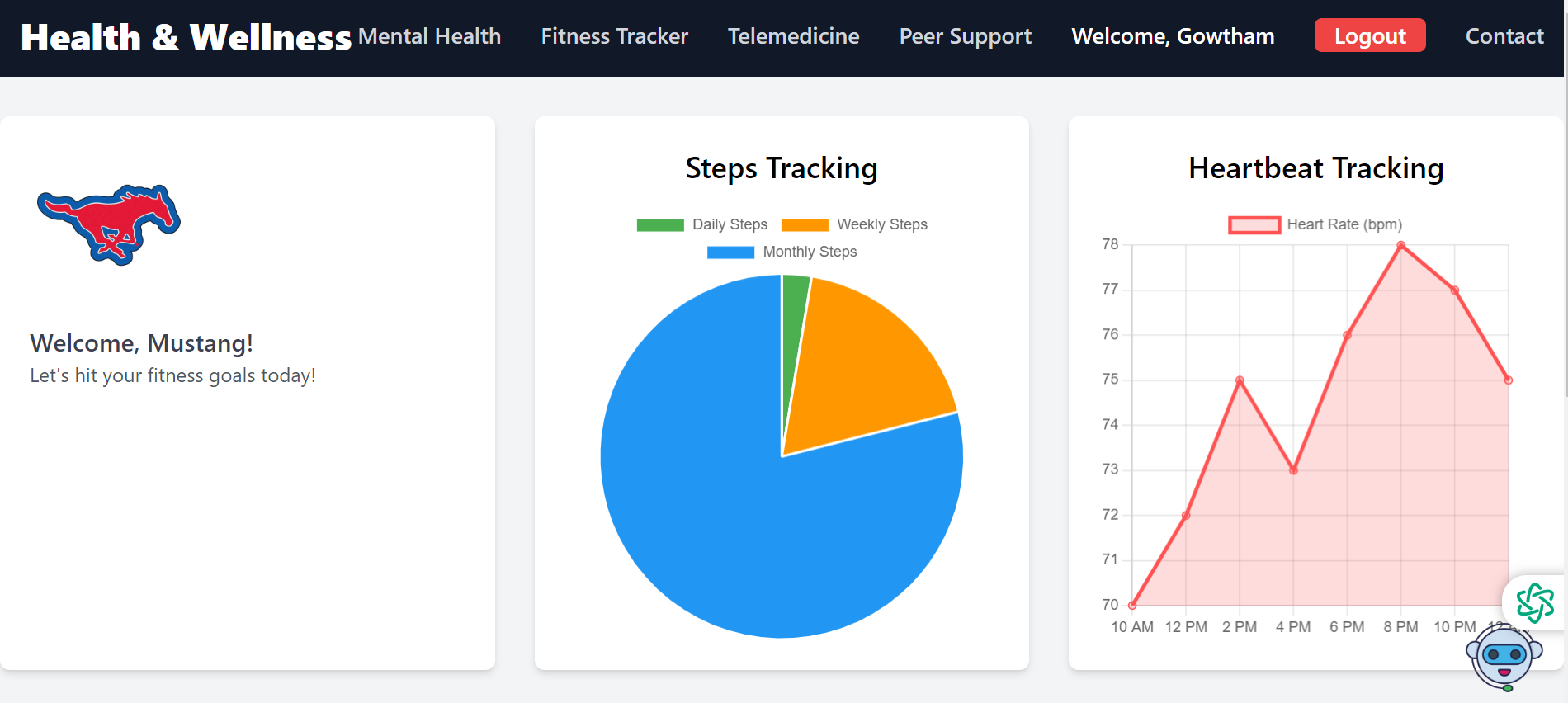
Fitness Tracker
-
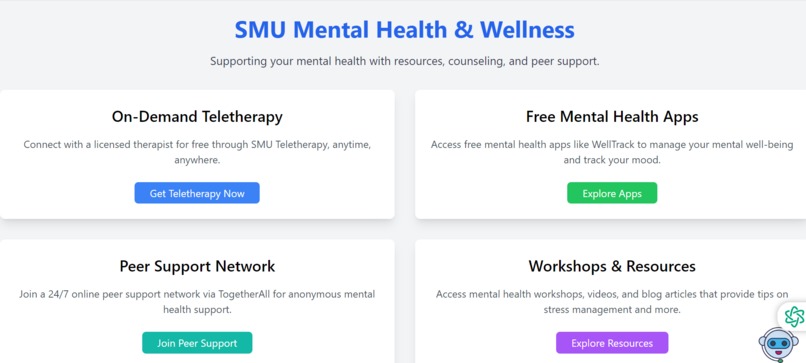
Mental Health page
-
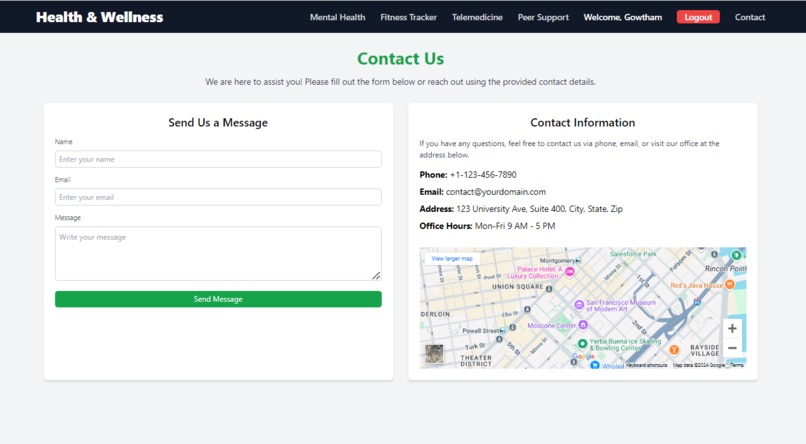
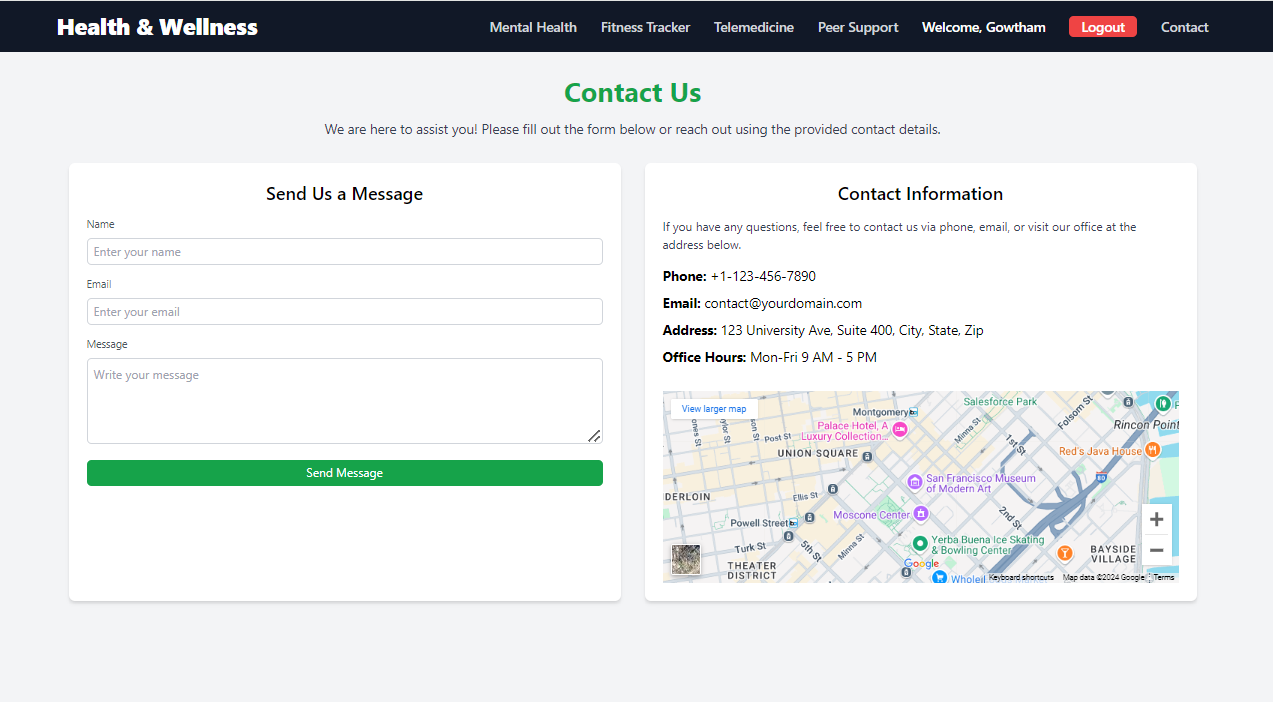
Contact page
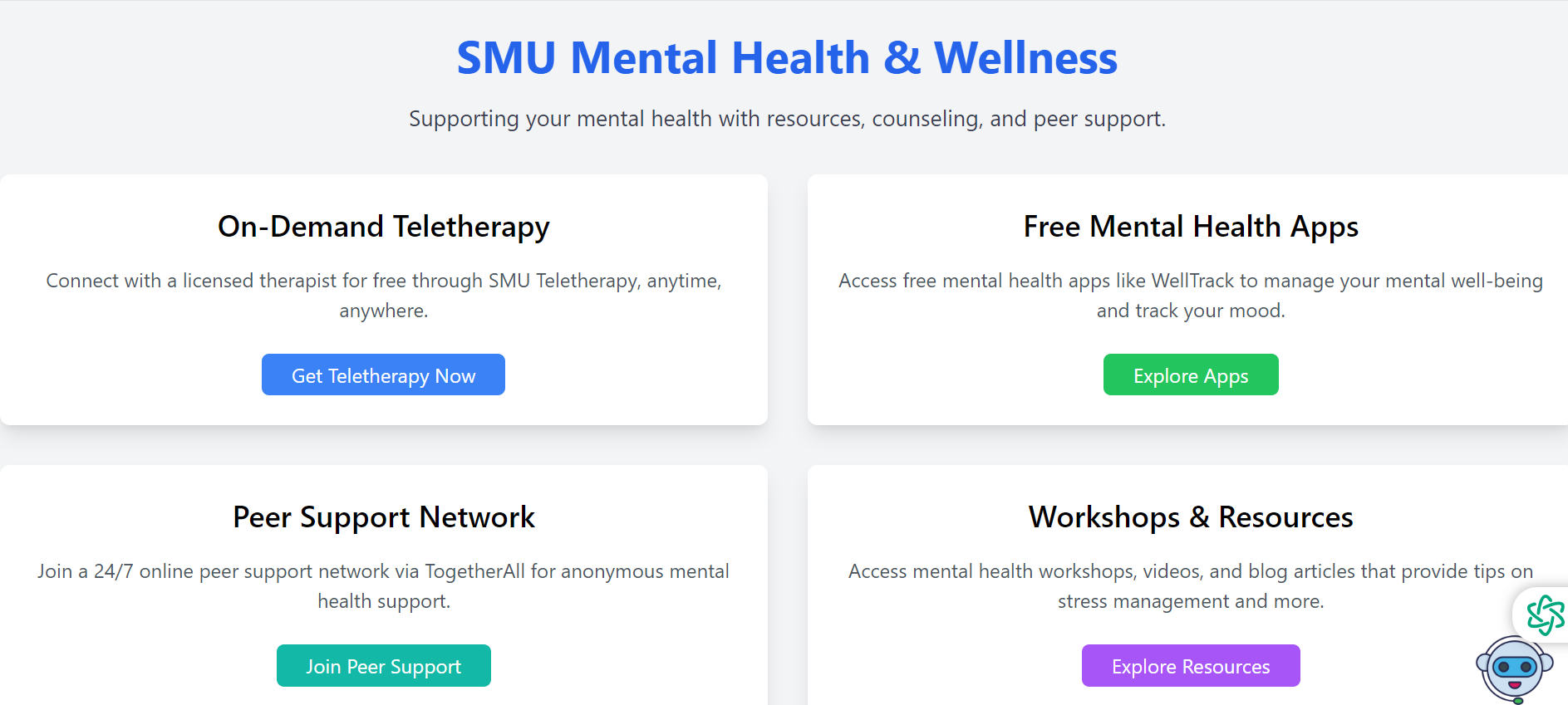
Inspiration Our inspiration stemmed from the urgent need to offer a holistic approach to health and wellness, particularly for students. During stressful times like exam seasons or adjusting to new environments, students need quick, reliable access to mental health resources, fitness tracking, peer support, and professional telemedicine services. Our team, Seal-Four, envisioned a platform that combines physical and mental well-being services in one place to cater to these growing needs, ensuring students have easy access to help whenever they need it.
What it does
Our platform offers four core services designed to improve the overall well-being of students: Mental Health Resources: Users can access curated mental health articles, tips, and professional resources to manage stress, anxiety, and other mental health issues. Fitness Tracking: The platform includes a section for students to set fitness goals, record daily workouts, and monitor their progress. Telemedicine Consultations: Through our integrated WebRTC video call feature, students can connect directly with healthcare professionals for consultations, ensuring they receive timely, professional advice. Peer Support Services: Students can schedule peer support sessions with mentors or doctors, using real-time video calls for 1-on-1 or group support. Peer support provides emotional assistance during challenging times like exam stress or personal issues.
How we built it
We utilized a modern stack of web technologies to create this platform: Frontend: Built using React.js for a responsive and seamless user interface, while Tailwind CSS provides a clean and modern design. Backend: Implemented using Node.js and Express.js, our backend handles user authentication, session booking, and secure video communication. Real-Time Communication: For real-time notifications, we integrated Socket.io to send and receive alerts when a user initiates a video call. WebRTC and Peer.js handle video and audio communication between students and mentors or doctors. Database: MongoDB is used to store user information, session bookings, doctor availability, and health data securely. Authentication: We implemented JWT (JSON Web Tokens) to secure user data, ensuring that only authenticated users have access to their health and session data.
Challenges we ran into
Implementing WebRTC for real-time communication: Managing peer-to-peer video calls with WebRTC and integrating it with Socket.io notifications was a new and complex challenge. Ensuring that both the student and doctor can seamlessly initiate and join video calls required careful coordination between frontend and backend. Real-Time Notifications: Implementing a real-time notification system to alert doctors and students when a video call is initiated was challenging. We needed to ensure that notifications are reliable and appear instantly for users, regardless of their current activity on the platform. Calendar Integration & Scheduling: Coordinating doctor availability with student booking times required complex logic to ensure both parties’ calendars are in sync and sessions are booked without overlaps.
Accomplishments that we're proud of:
Seamless Video Communication: Successfully implementing real-time video calling with WebRTC, allowing students to connect with doctors or mentors for telemedicine and peer support. Peer Support & Telemedicine Integration: Building a platform that combines mental health, fitness tracking, and telemedicine in a seamless experience for users. Real-Time Notifications: Ensuring that users receive instant notifications when a call is initiated, creating a responsive and reliable communication flow between users and doctors.
What we learned
WebRTC & Real-Time Communication: We gained extensive experience in integrating real-time video communication using WebRTC, handling video streams, and managing peer-to-peer connections. Efficient Backend Systems: We learned the importance of building a scalable backend architecture that can handle user data, session bookings, and video call connections simultaneously without compromising performance. Security Considerations: When dealing with sensitive user data such as health information, we had to ensure secure data storage and transmission, improving our understanding of security best practices.
What we learned
WebRTC & Real-Time Communication: We gained extensive experience in integrating real-time video communication using WebRTC, handling video streams, and managing peer-to-peer connections. Efficient Backend Systems: We learned the importance of building a scalable backend architecture that can handle user data, session bookings, and video call connections simultaneously without compromising performance. Security Considerations: When dealing with sensitive user data such as health information, we had to ensure secure data storage and transmission, improving our understanding of security best practices.
What's next for hacksmu-sealfour We plan to: Expand Telemedicine: Add features such as video consultations, prescription management, and automated reminders. Peer Support Enhancement: Introduce more categories of peer support and expand to professional mentors in various fields. Mobile App: Develop a mobile version of the platform to make the services even more accessible. Advanced Fitness Tracking: Integrate wearable devices for more accurate and real-time fitness data tracking.

Log in or sign up for Devpost to join the conversation.