-
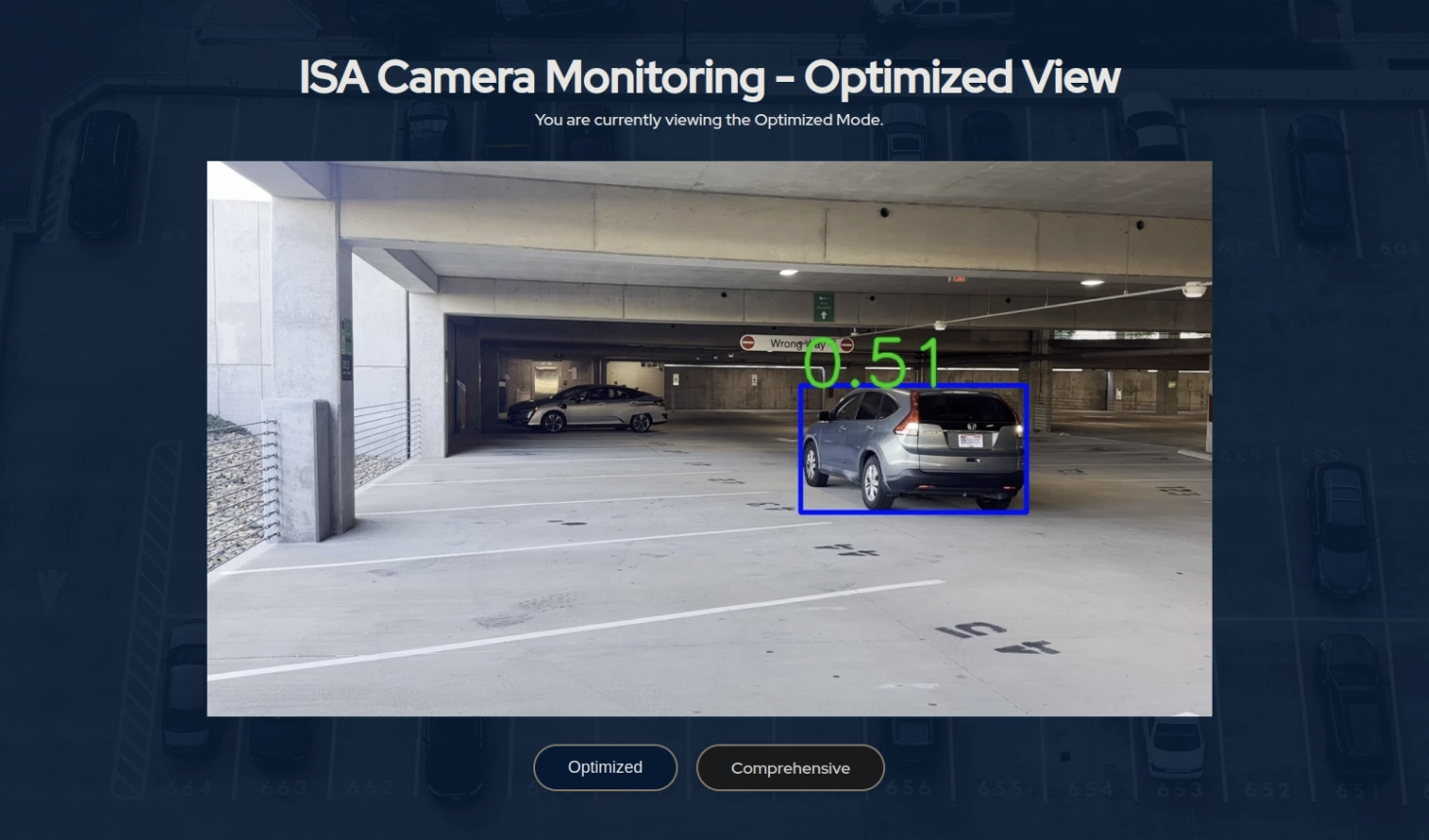
frontend_view
-
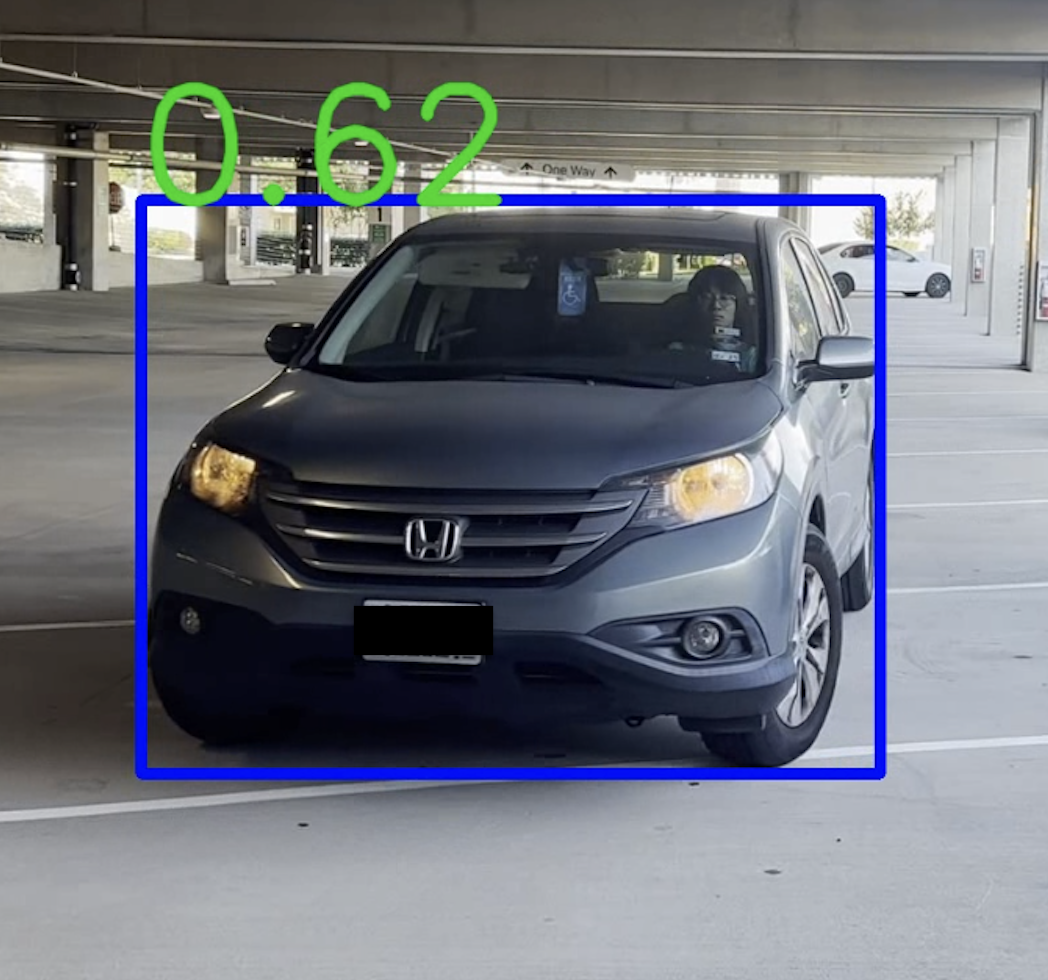
test_data
-
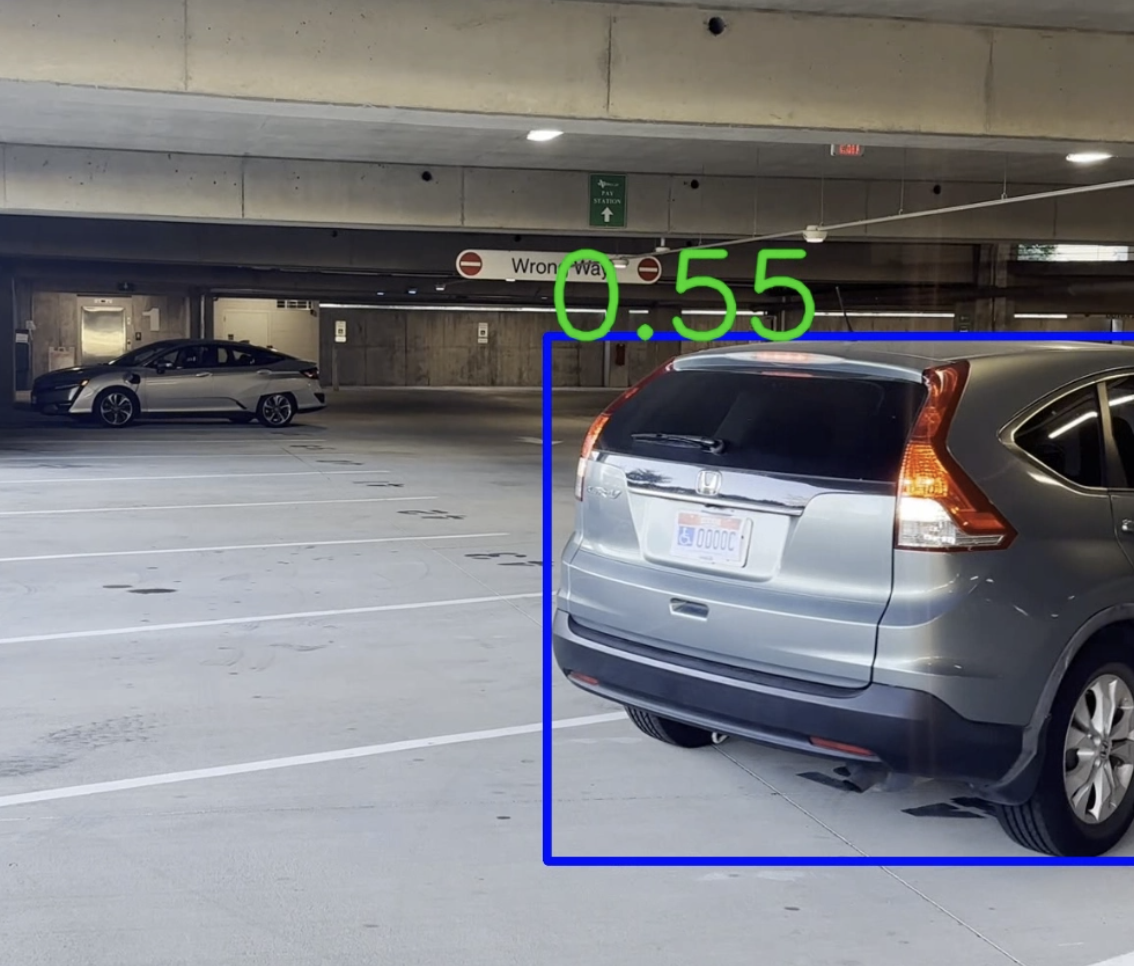
test_data
-
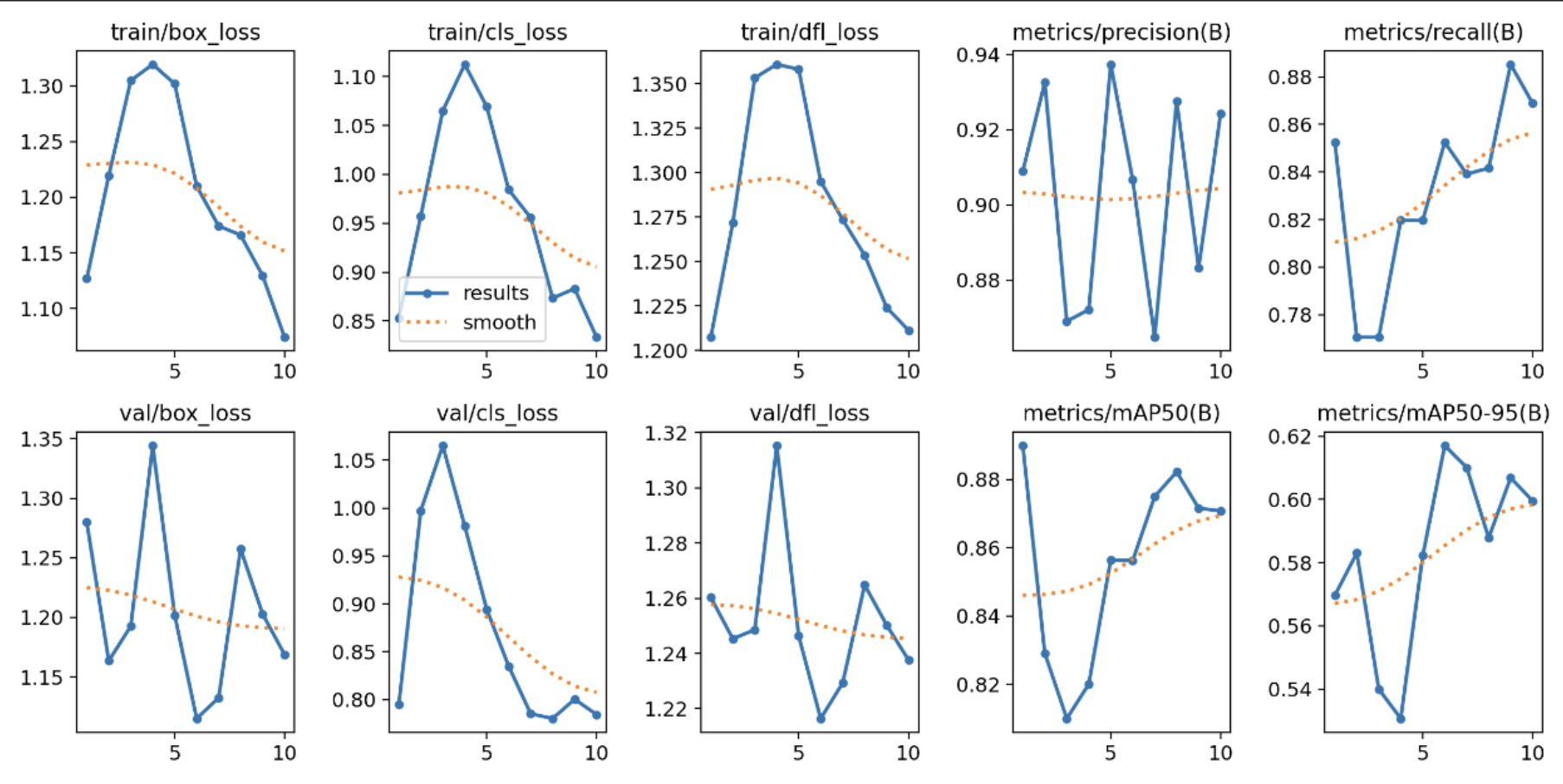
training_graphs
🚀 HACKSMU 2024: Accessible Parking Detection
Inspiration
We were inspired by ParkHub’s prompt to create a system that helps detect accessible vehicles in parking areas using computer vision. We wanted to make parking more inclusive for people with disabilities by leveraging cutting-edge technology.
What It Does
ParkGuard is an AI-powered monitoring system that helps property owners find and correct ADA parking violations to ensure their properties remain accessible for all patrons. Our system uses two different AI models for both livestream and long-term monitoring (in practice, these feeds would come from on-premise cameras set up by owners and integrated with our help).
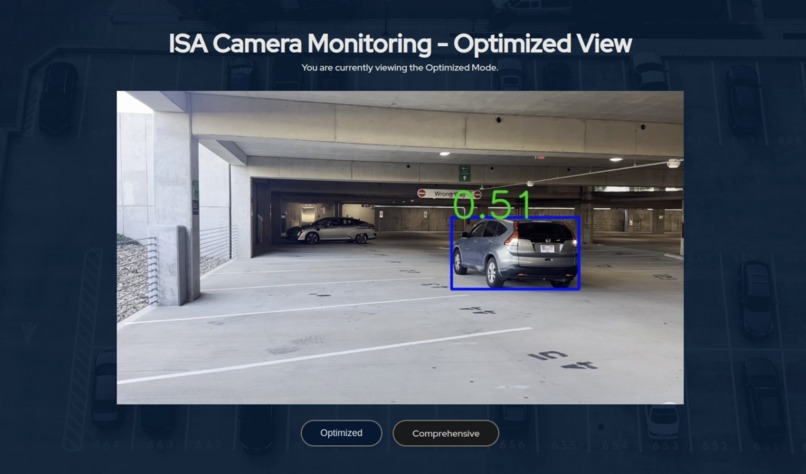
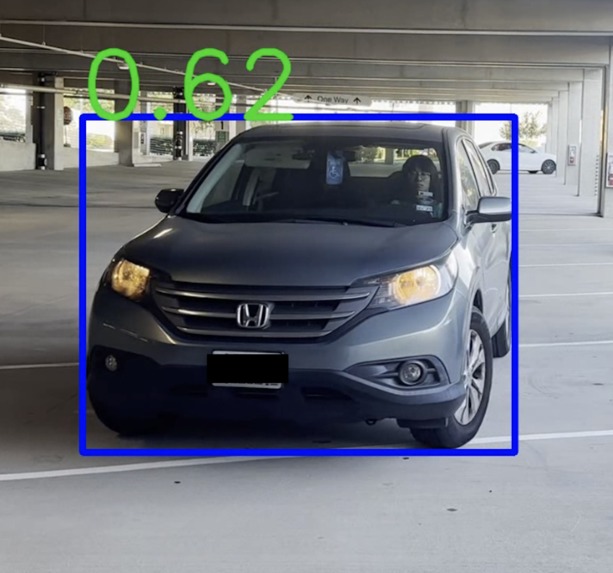
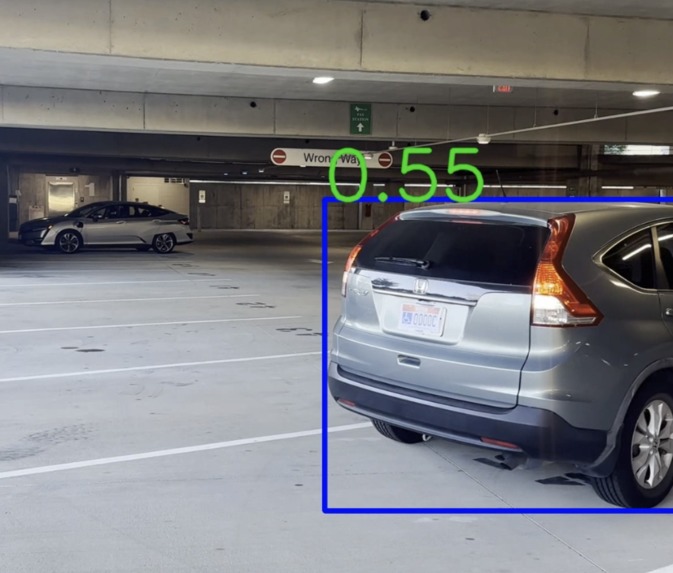
Using YOLOv11, our system detects the International Symbol of Access (ISA) in real-time video streams, identifying accessible vehicles by recognizing the ISA on license plates, windows, or body decals, allowing property owners to model traffic and violations in real time.
We also include a functionality that uses a multimodal model that intelligently detects and identifies obstructed parking spots and other violations (e.g., illegally parked vehicles), so that property managers can swiftly find and respond to these issues and ensure their lot is accessible as it can be for patrons of _ all _ abilities.
- Processes at 300 fps (frames per second).
- Outputs bounding boxes and confidence scores for ISA detections.
How We Built It
- YOLOv11 and PyTorch for real-time object detection.
- Used Flask for backend and HTML and CSS for frontend
- Propel Auth for authentication
- Used OpenCV for video processing.
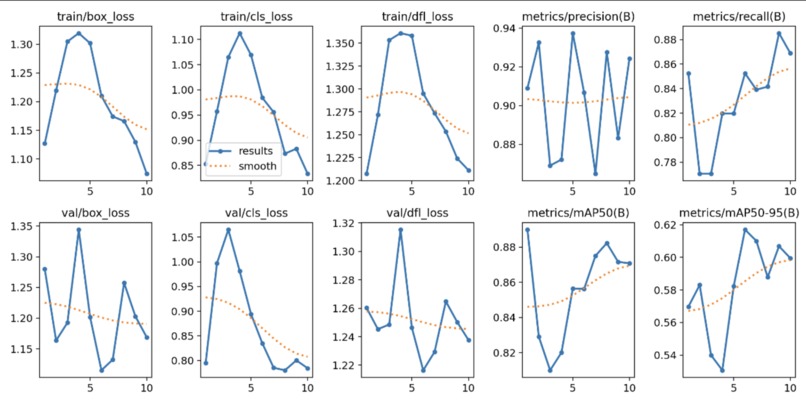
- Trained on a custom dataset, combining open-source data and self-recorded footage.
Challenges
- Finding the right dataset was difficult, so we created our own.
- Optimizing the model to run faster than 33ms per frame while maintaining accuracy was a significant challenge.
Accomplishments
- Achieved 3ms per frame, far exceeding the required 33ms.
- Successfully detected ISA symbols in real-time video with high accuracy.
What We Learned
We learned how to fine-tune YOLOv11 for specialized detection tasks and balanced speed, memory, and accuracy to optimize real-time processing.
What’s Next
We aim to deploy this system at scale, enhancing parking management for people with disabilities and improving model accuracy in diverse conditions.

Log in or sign up for Devpost to join the conversation.