-
-
-
-
-
Slide 1
-
Slide 2
-
Slide 6
-
Slide 5
-
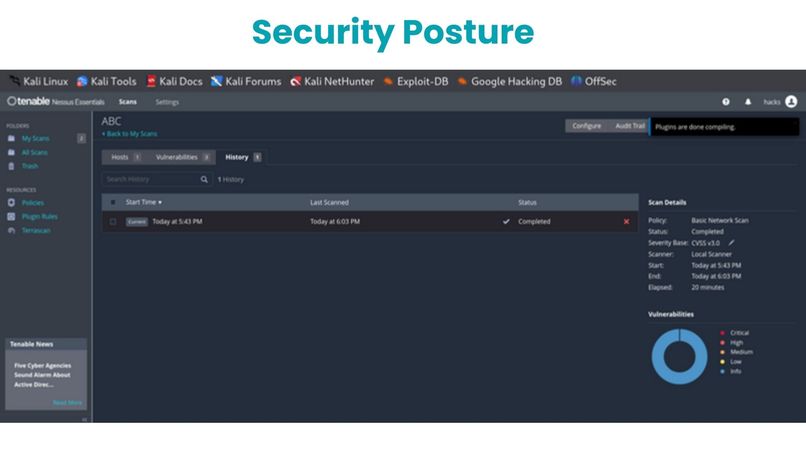
Slide 10
-
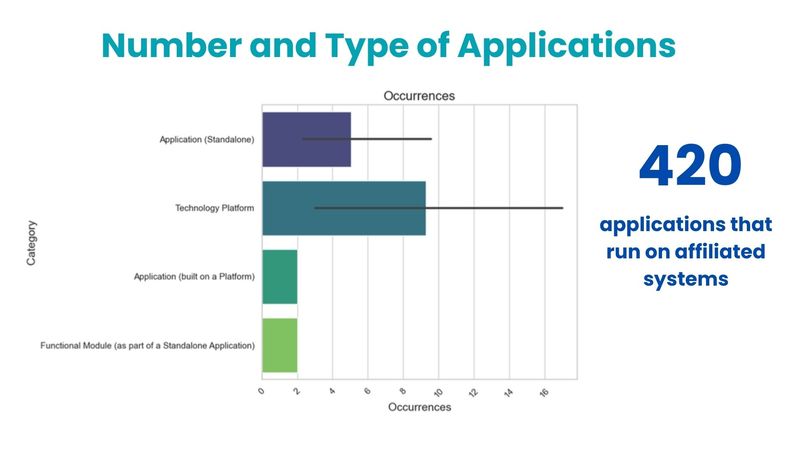
Slide 7
-
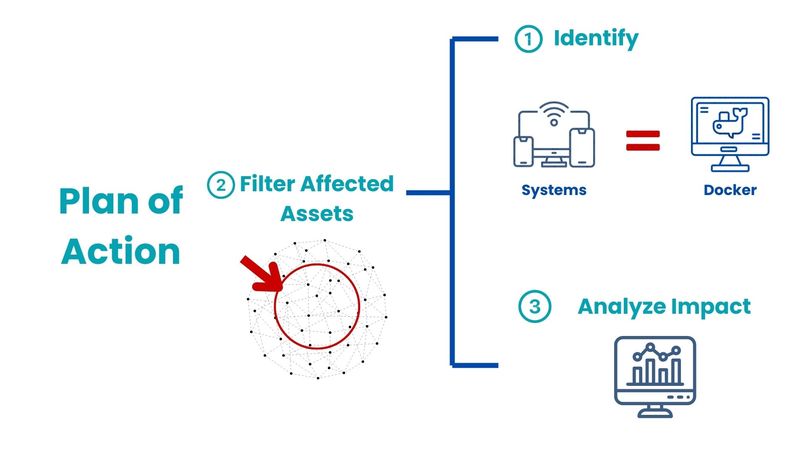
Slide 3
-
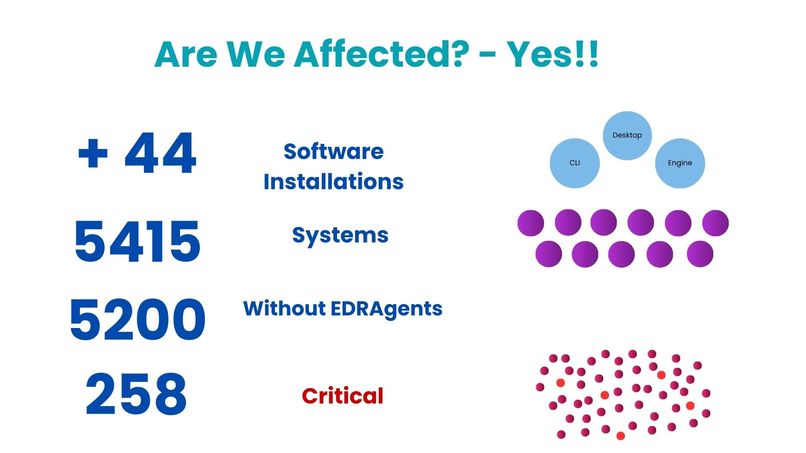
Slide 4
-
Slide 8
-
Slide 11
-
Slide 9
-
Slide 12
-
HackSiem: The Incident Game
Inspiration
Cybersecurity incidents in IT/OT environments often arise unexpectedly, particularly during critical times. Inspired by the need for robust, actionable, and scalable solutions to such crises, The Incident Game aims to simulate these scenarios in a controlled, collaborative, and competitive environment. The challenge combines real-world vulnerabilities, knowledge graphs, and practical threat mitigation strategies to mirror the complexities faced by cybersecurity teams.
What It Does
HackSiem empowers teams to:
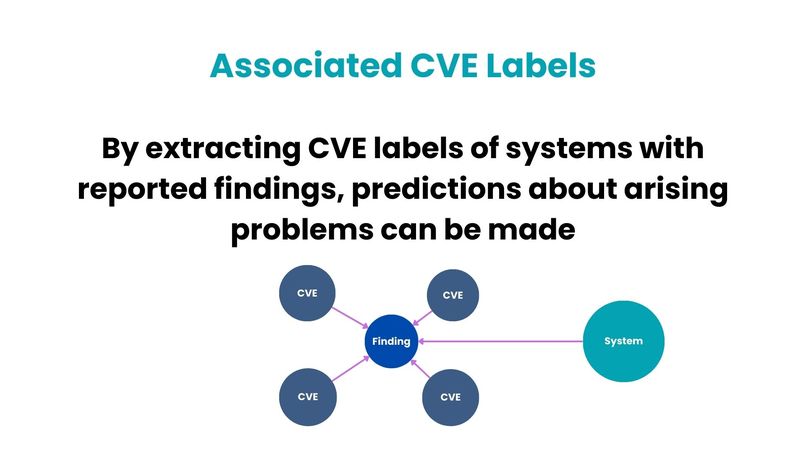
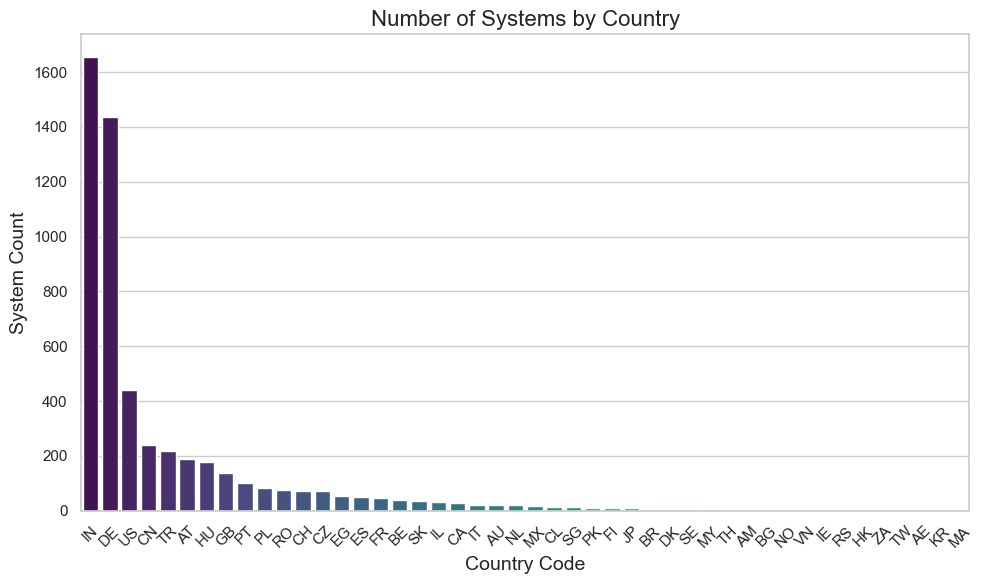
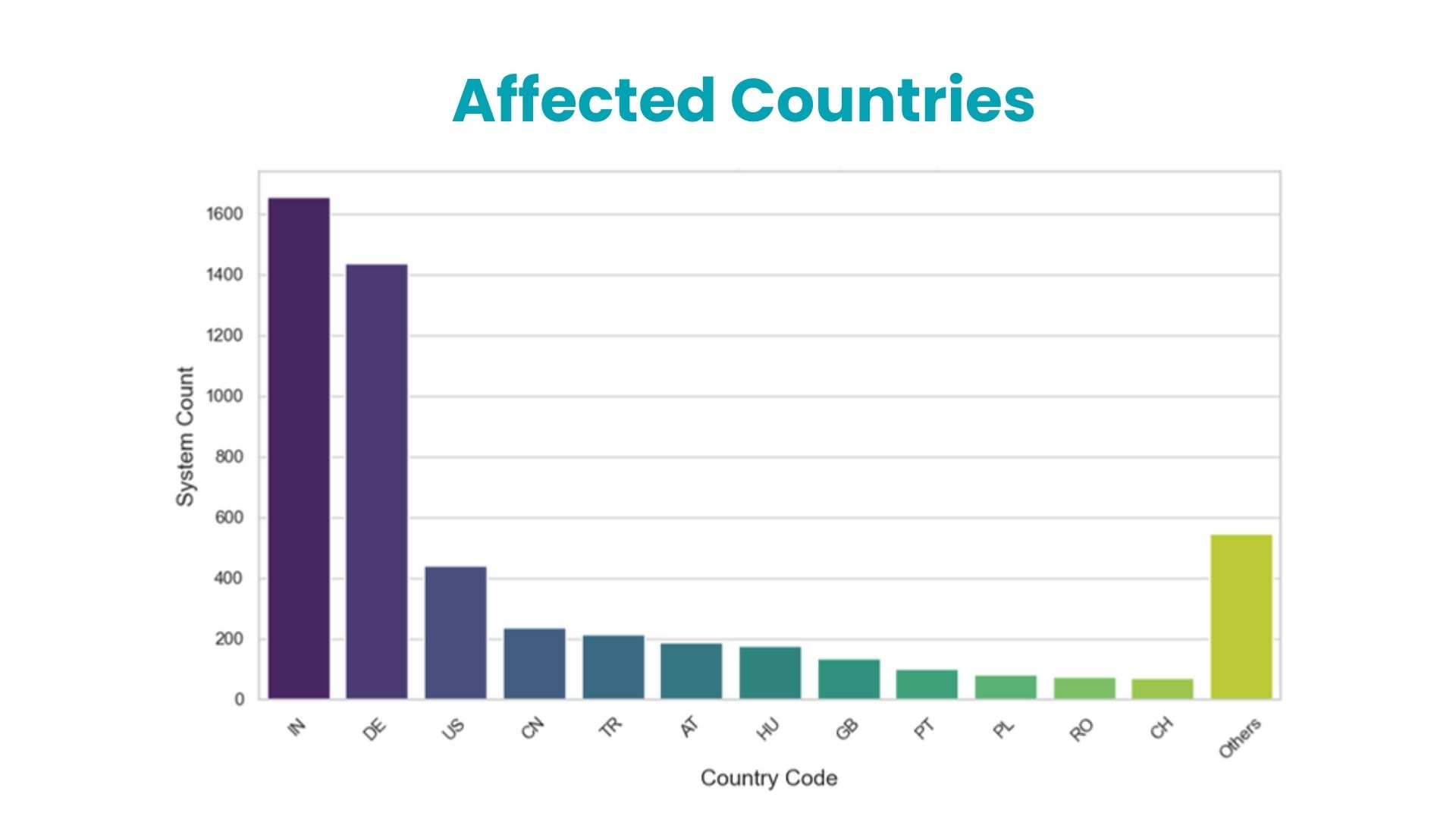
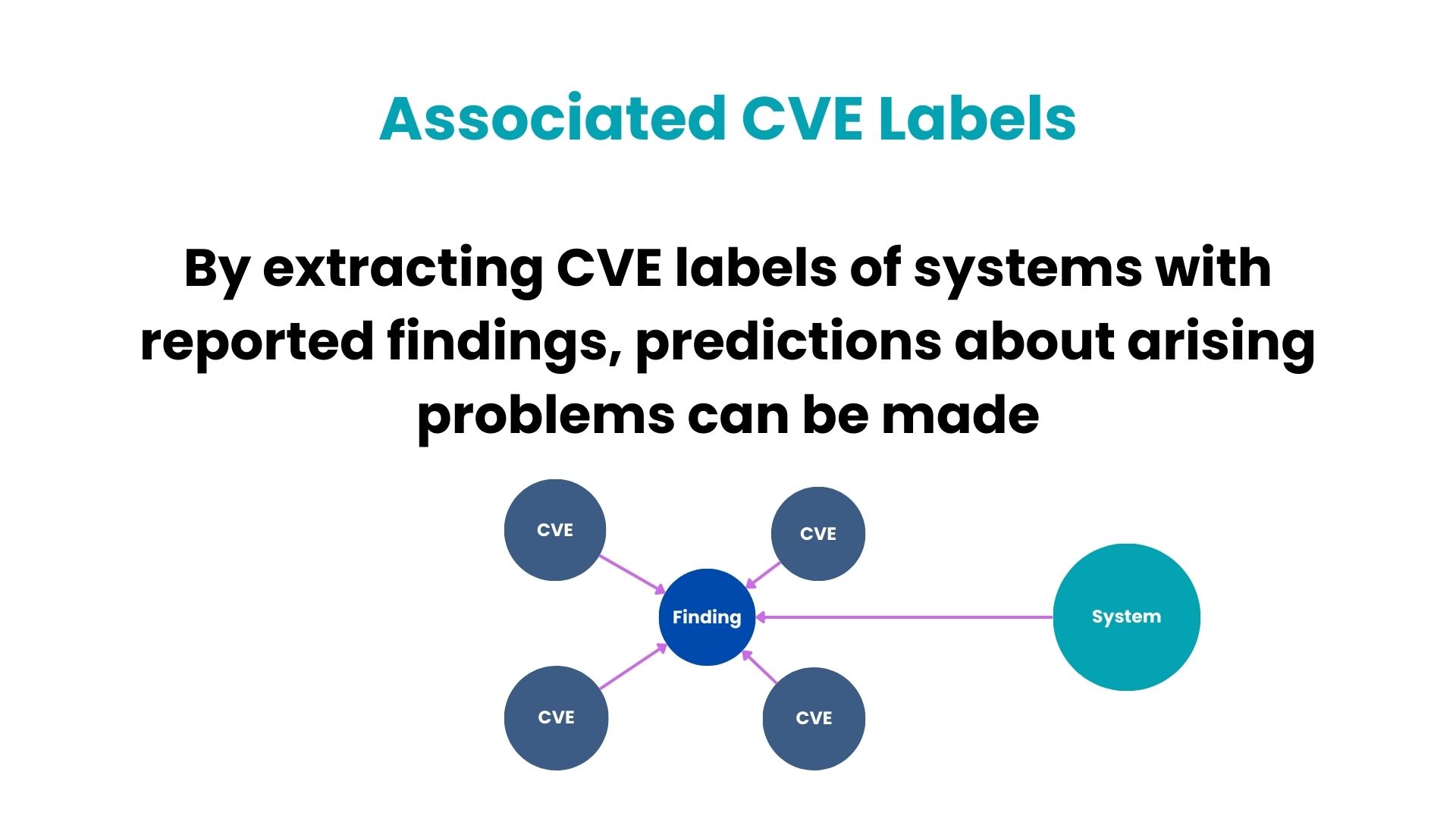
- Analyze and Map Risks: Using a digital twin (a Neo4j-based knowledge graph), teams identify the scope of vulnerabilities like CVE-1900-8033 and assess their potential impact.
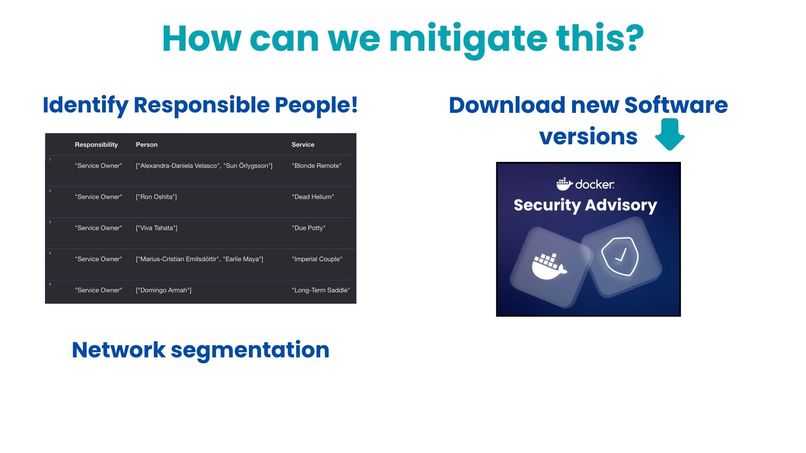
- Propose Effective Solutions: Develop real-time recommendations for addressing vulnerabilities and protecting affected assets.
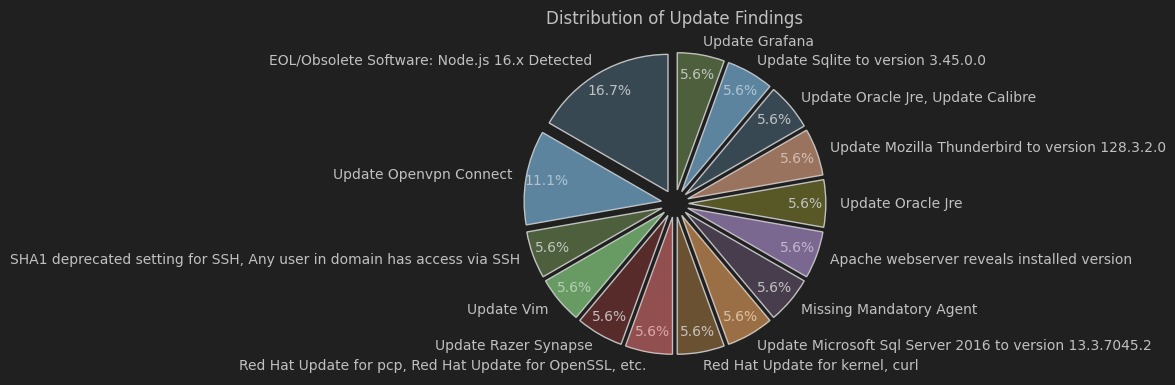
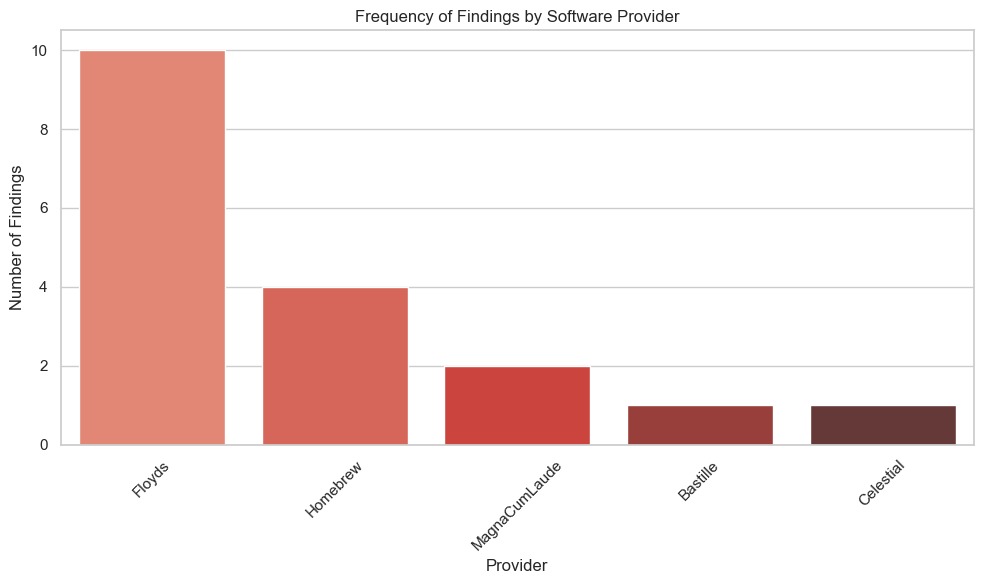
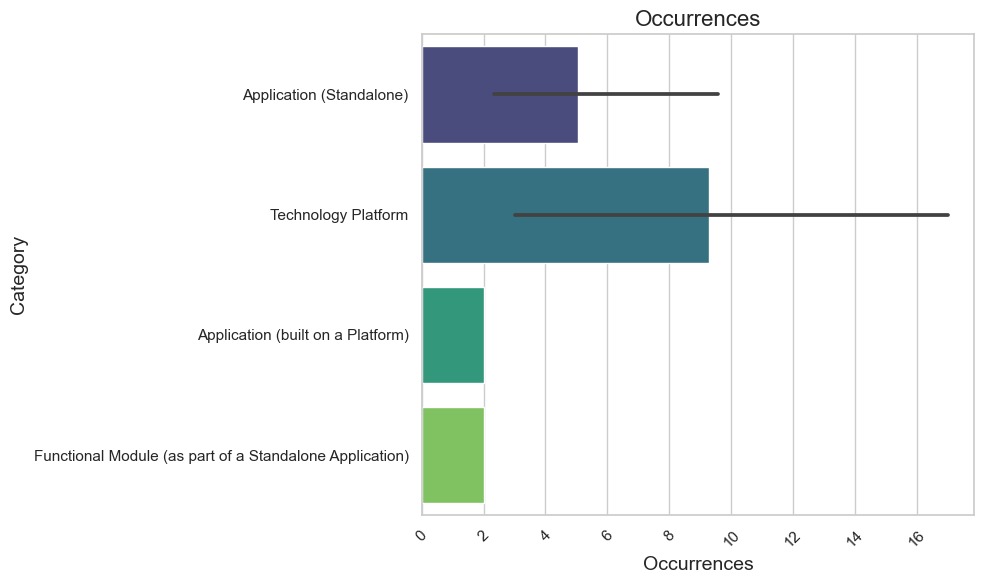
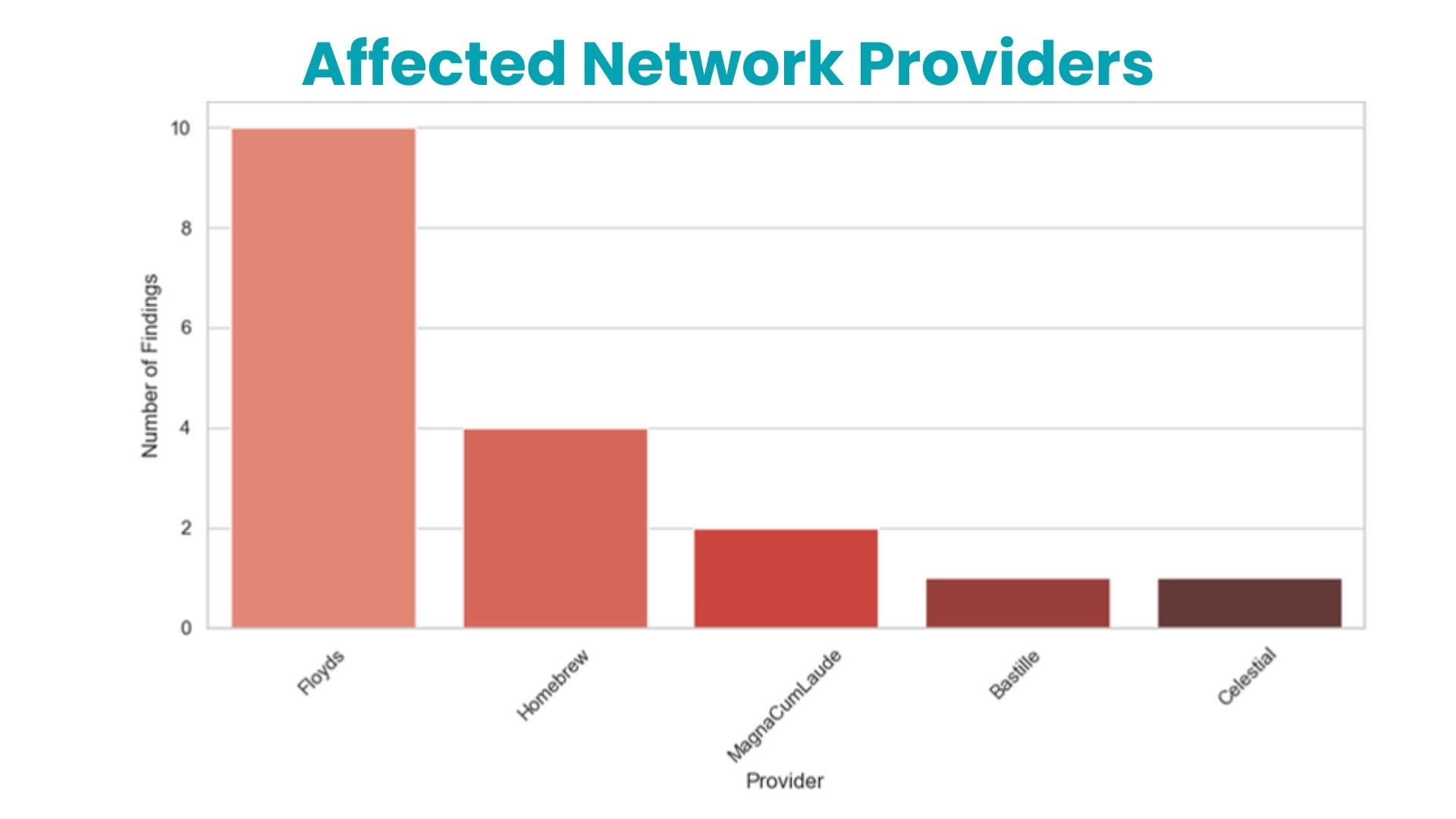
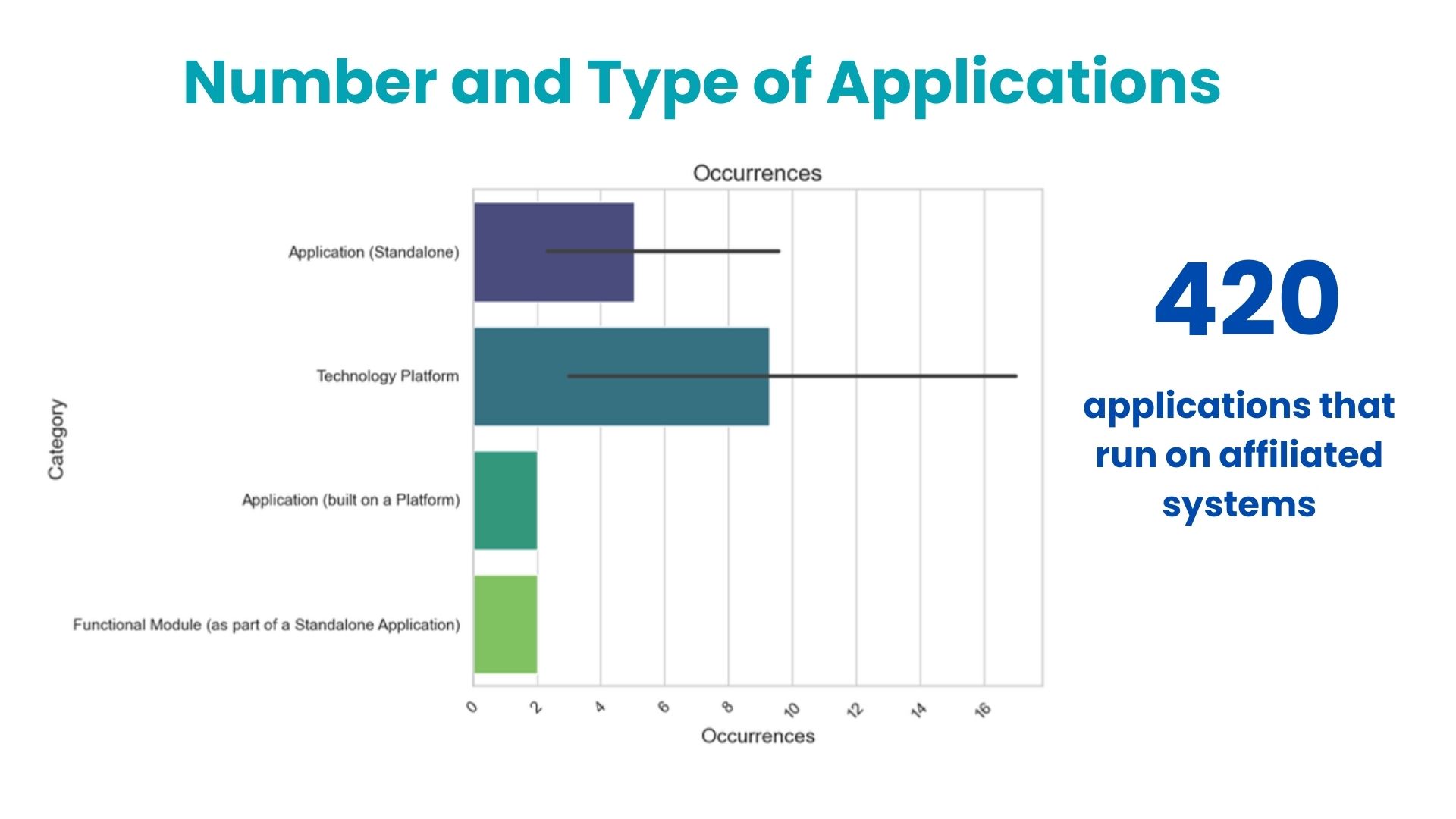
- Visualize Cyber Postures: Provide intuitive, actionable visualizations for both technical and non-technical stakeholders.
- Create Sustainable Strategies: Establish a repeatable framework for incident response that prepares teams for future crises.
How We Built It
- Data Input: Leveraged Siemens' virtual IT environment digital twin, enriched with Neo4j knowledge graphs.
- Analysis Tools: Utilized Cypher queries to extract meaningful insights about the affected nodes and relationships within the graph.
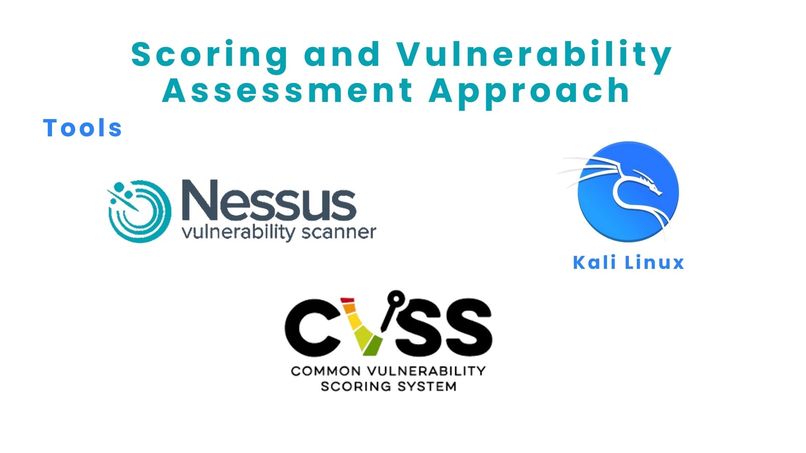
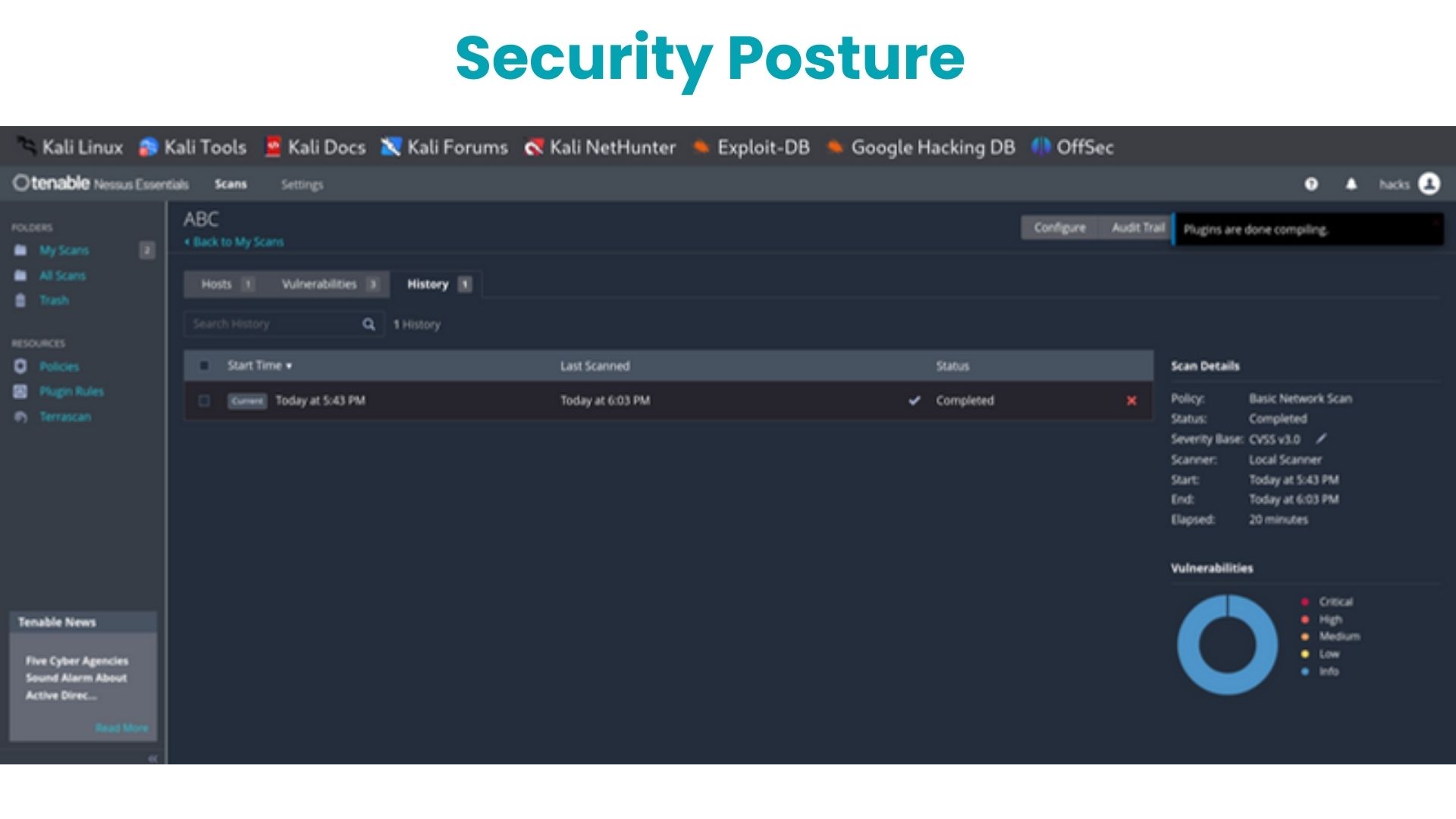
- Risk Assessment: Cross-referenced the affected assets with external databases like NIST's CVE database for risk evaluation.
- Visualization: Used tools like Neo4j Bloom or custom dashboards to create easy-to-understand visuals for stakeholders.
- Action Plan: Developed prioritized roadmaps based on risk metrics and operational criticality.
Challenges We Ran Into
- Complex Graph Modeling: Adapting and enriching the knowledge graph to include missing or contextual data required significant effort.
- Time Constraints: Simulating a real-time Friday night incident left limited time for developing and testing solutions.
- Balancing Detail and Simplicity: Ensuring technical depth while maintaining management-friendly visualizations was challenging.
Accomplishments That We're Proud Of
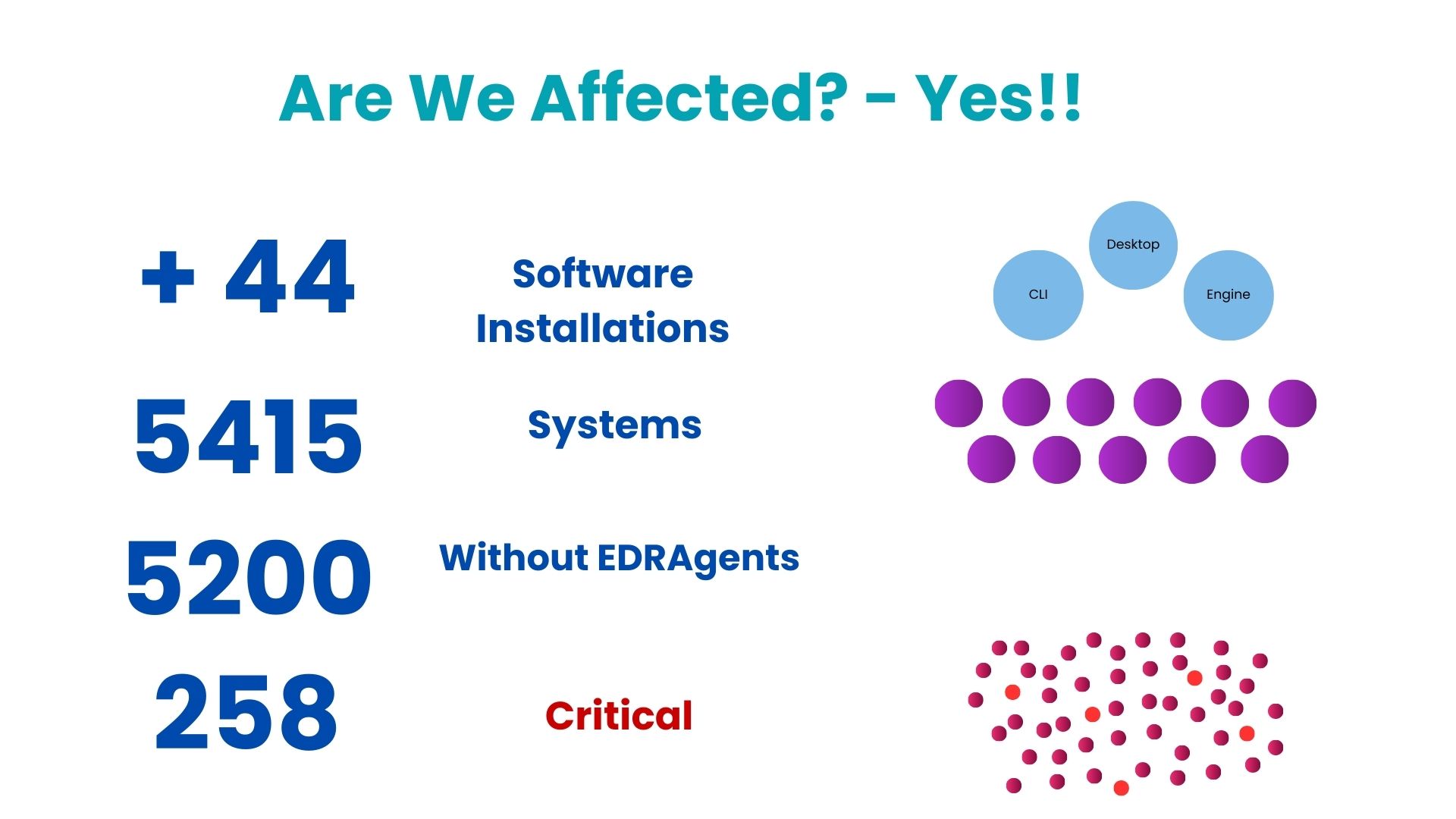
- Successfully identifying and mitigating the critical vulnerability (CVE-1900-8033) within the provided time frame.
- Designing a scalable incident response framework that can be adapted for future vulnerabilities.
- Creating intuitive visualizations that bridge the gap between cybersecurity experts and management teams.
What We Learned
- Knowledge Graphs: Mastery of Neo4j and Cypher for cybersecurity applications.
- Incident Management: Effective strategies for real-world IT/OT security crises.
- Collaboration Under Pressure: The importance of teamwork and clear communication during high-stress scenarios.
What's Next for HackSiem
- Expanding the Framework: Incorporating automation for vulnerability detection and prioritization using AI/ML models.
- Enhancing Visualization: Developing advanced dashboards with interactive features for stakeholders.
- Scaling Solutions: Applying lessons learned to larger, more complex environments in IT/OT domains.
The Incident Game: Challenge Recap
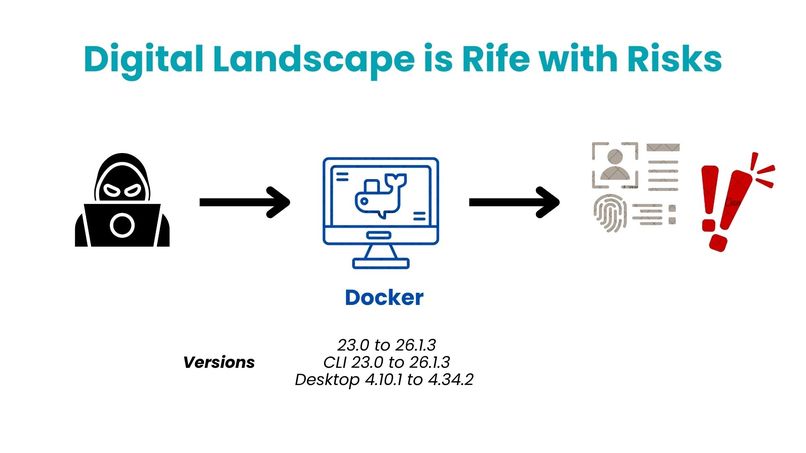
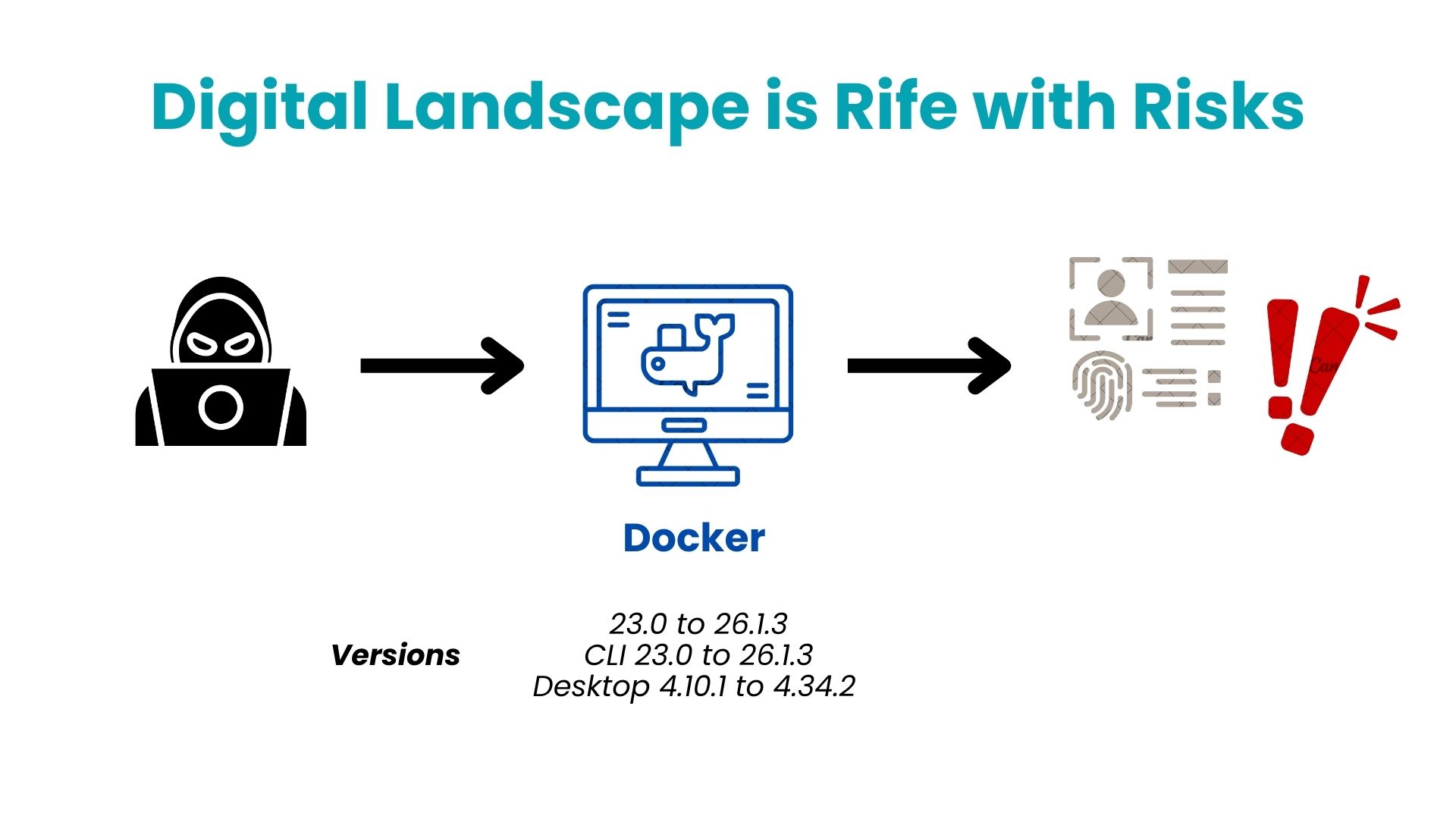
Scenario: A critical vulnerability (CVE-1900-8033) in Docker is discovered, with a CVSS score of 9.8. Teams must:
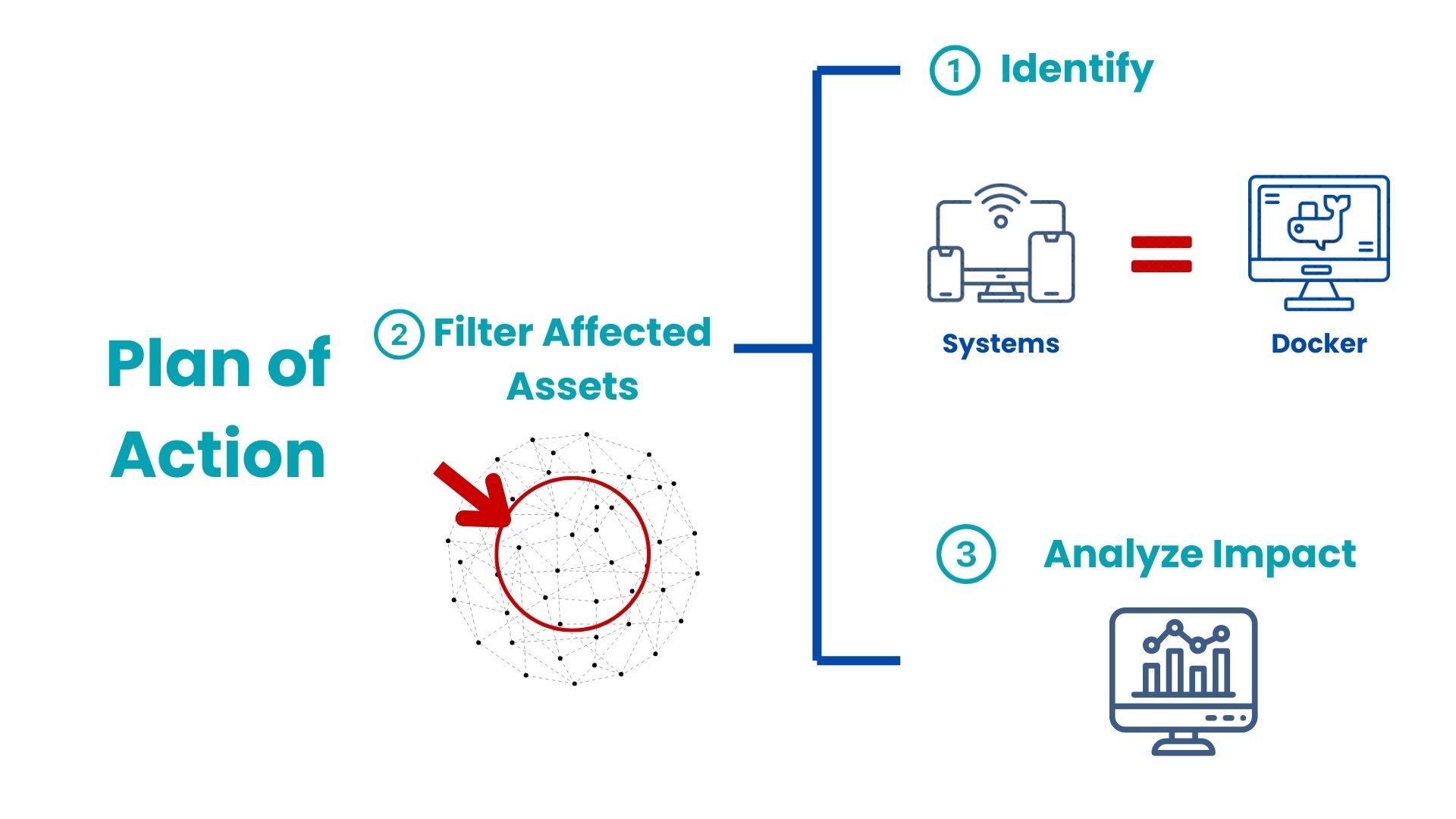
- Identify affected assets in the knowledge graph.
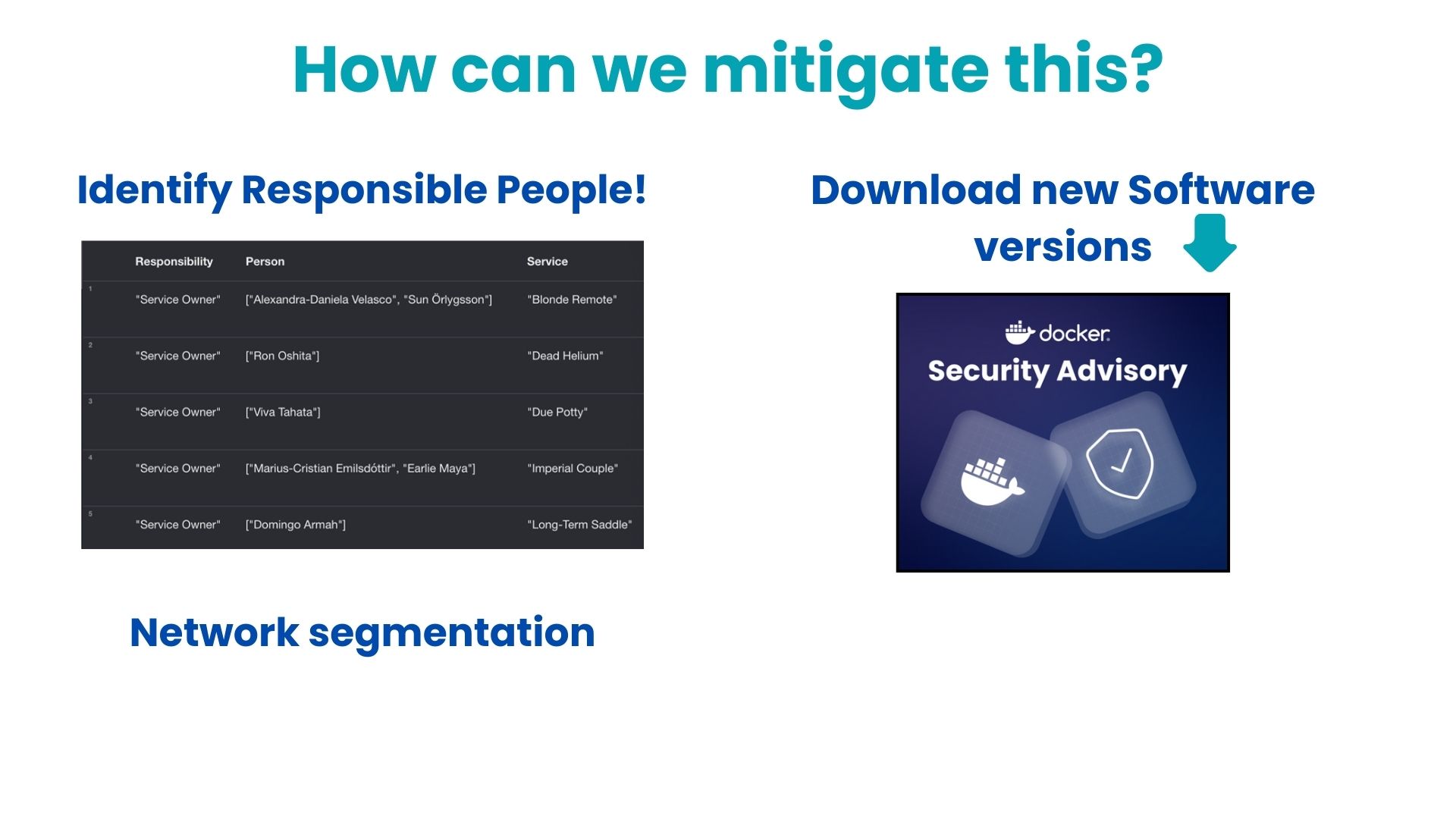
- Assess risk and recommend mitigation strategies.
- Develop a roadmap prioritizing actions based on criticality.
- Present findings to Siemens' Cybersecurity Management.

Log in or sign up for Devpost to join the conversation.