-
-
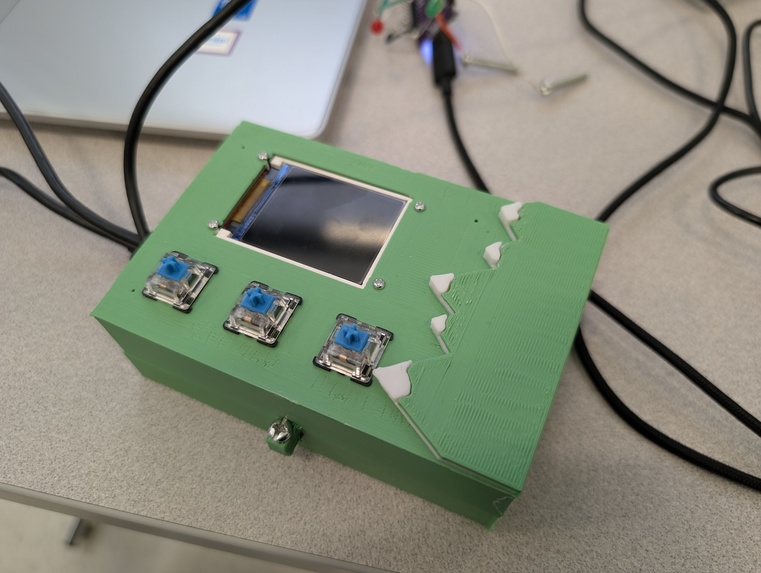
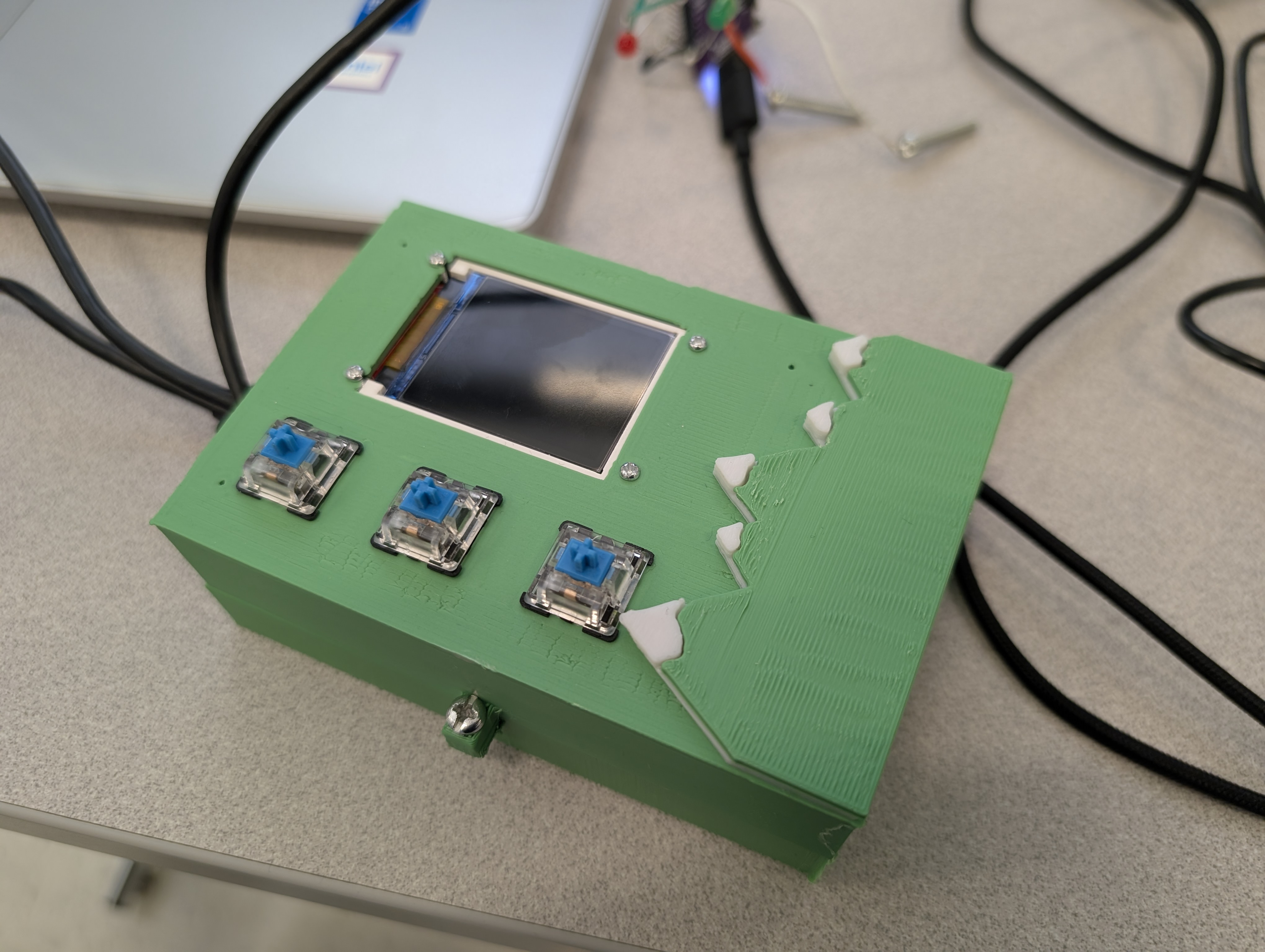
Our server with the mountain theme on the side
Inspiration
Originally we planned on making a weather station. We were thinking about what we had on hand and how we could combine communication with nature. We thought that learning about nature through data and wirelessly communicating it was a great idea. Unfortunately, we had multiple pieces of hardware die throughout the event, so we had to quickly pivot. We ended using what we had left to make a plant monitor that requires no actual sensors, just a microcontroller and some LEDs.
What it does
Our project measures the moisture in the soil by measuring the voltage drop between two electrodes. This helps the user know if they need to water their plant. The RGB spectrogram also helps the user understand the amount of light and the color, which does impact a plant's health. Combined with the graphs and AI tips, this tool can help you easily and quickly learn and take care of YOUR specific plant!
How we built it
We built it using a Wemos C3 Mini (ESP32) as the "node", which gathered the data. This is encased in a 3D printed case with a USB battery bank to power the whole thing. It wirelessly sends data to a Raspberry Pi Zero 2W with a hard drive, TFT display, and 3 buttons so you can quickly visualize your data, or import the CSV into Excel. Unfortunately, the Zero 2W doesn't have a USB-A port for the hard drive, so we had to harvest a USB-A female connector to add a USB port. After combining all of these technologies, we were able to make a tightly integrated system.
Challenges we ran into
- USB-A Female Socket - It was incredibly hard to harvest and required us to solder on very small pads
- 3D Printing the case - We had to design multiple cases, test fit them, and iterate them within a very short period of time
- The code - It was incredibly difficult to get the software to work nicely, because it wasn't always clear if it was a software or hardware problem. (This is also the reason we were unable to fully reach our goals in this weekend's short time frame).
Accomplishments that we're proud of
- Being able to gather individual light data
- Being able to gather moisture data
- Designing and printing the server case
- Getting the USB-A port connected to the Zero 2W
What we learned
- We should check our hardware to make sure it works before we come to the event
- We should research possible libraries ahead of time so we have a better understanding of how to use them or if we should use them at all
- We should define clear roles in our team (if we have a team planned ahead of time) so everyone can work on what they want to work on and what they're good at
What's next for HackPHS Plant Monitor
- Finish the node and properly package it
- Connect the display and buttons to make it a true desktop gadget


Log in or sign up for Devpost to join the conversation.