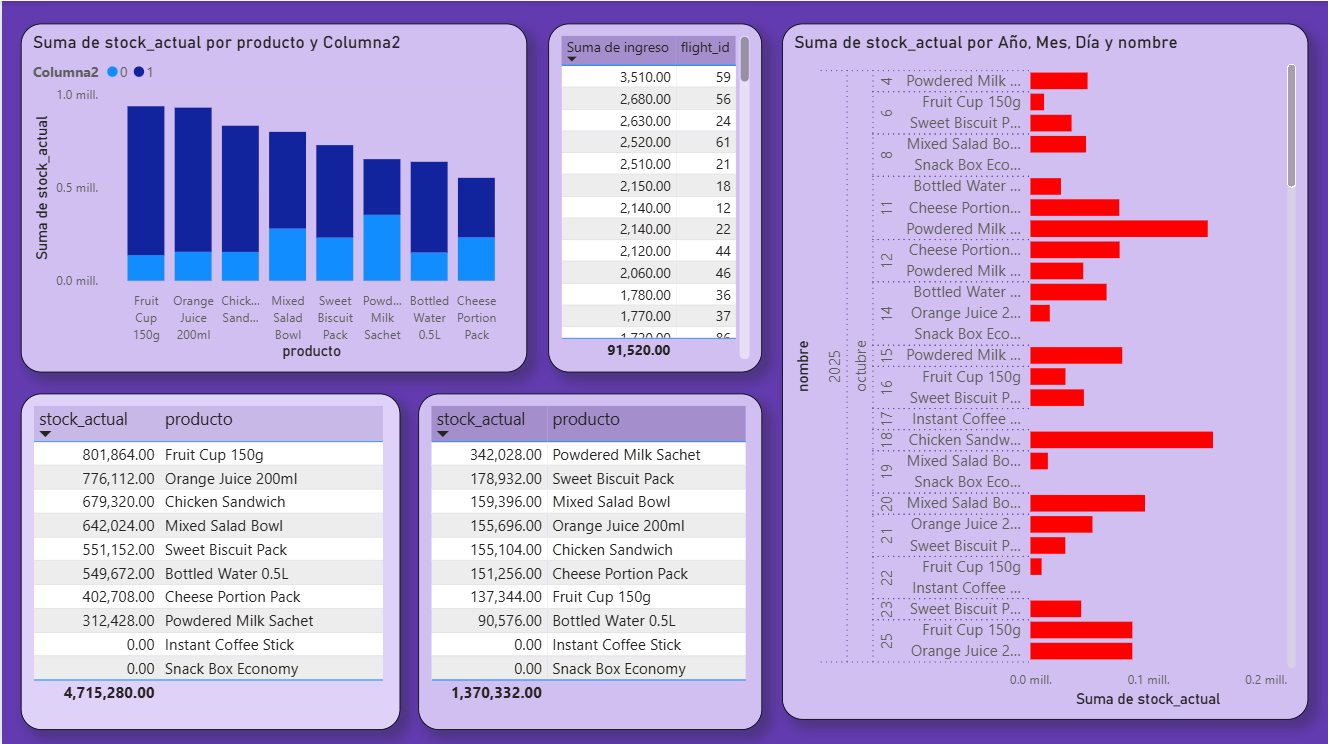
The inspiration came from a growing challenge in the food industry: balancing efficiency with sustainability. Every year, tons of products are wasted due to poor demand forecasting, expired goods, and inefficient packing processes. We wanted to create a system that uses artificial intelligence to make food handling smarter — predicting what will be consumed, when it will expire, and how production teams can perform better. Our vision was clear: turn small datasets into big decisions through smart, interpretable, and scalable AI. We divided the project into three interconnected modules — each addressing a real-world problem:
Consumption Prediction 🧾 Built with regression and ensemble learning techniques (including AdaBoost and Random Forest) to predict consumption trends and optimize production planning.
Expiration Date Management ⏳ Using computer vision and OCR (Optical Character Recognition), we designed a prototype system capable of reading printed expiration dates directly from packaging. The data is then classified as valid, near expiry, expired, or unreadable, with confidence levels visualized on a digital dashboard.
Productivity Estimation ⚡ Applied supervised machine learning and basic feature engineering to estimate workforce productivity using historical operational data.
Built With
- de
- deteccion
- empaques
- empleamos-opencv-y-pytesseract-(ocr)
- en
- la
- la-visualizacion-y-la-creacion-de-modelos-de-aprendizaje-automatico.-para-la-parte-de-vision-computacional-y-lectura-automatica-de-fechas-de-caducidad
- matplotlib-y-plotly-para-el-analisis-de-datos
- numpy
- optimizando
- power-bi
- python
- reconocimiento
- scikit-learn
- texto
- utilizando-librerias-como-pandas
- y


Log in or sign up for Devpost to join the conversation.