-
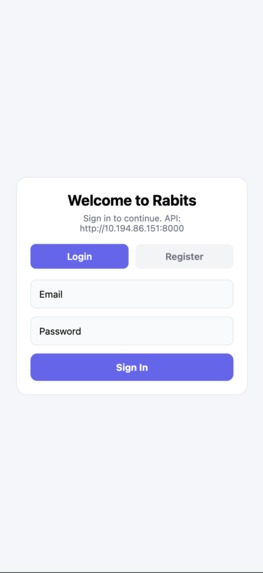
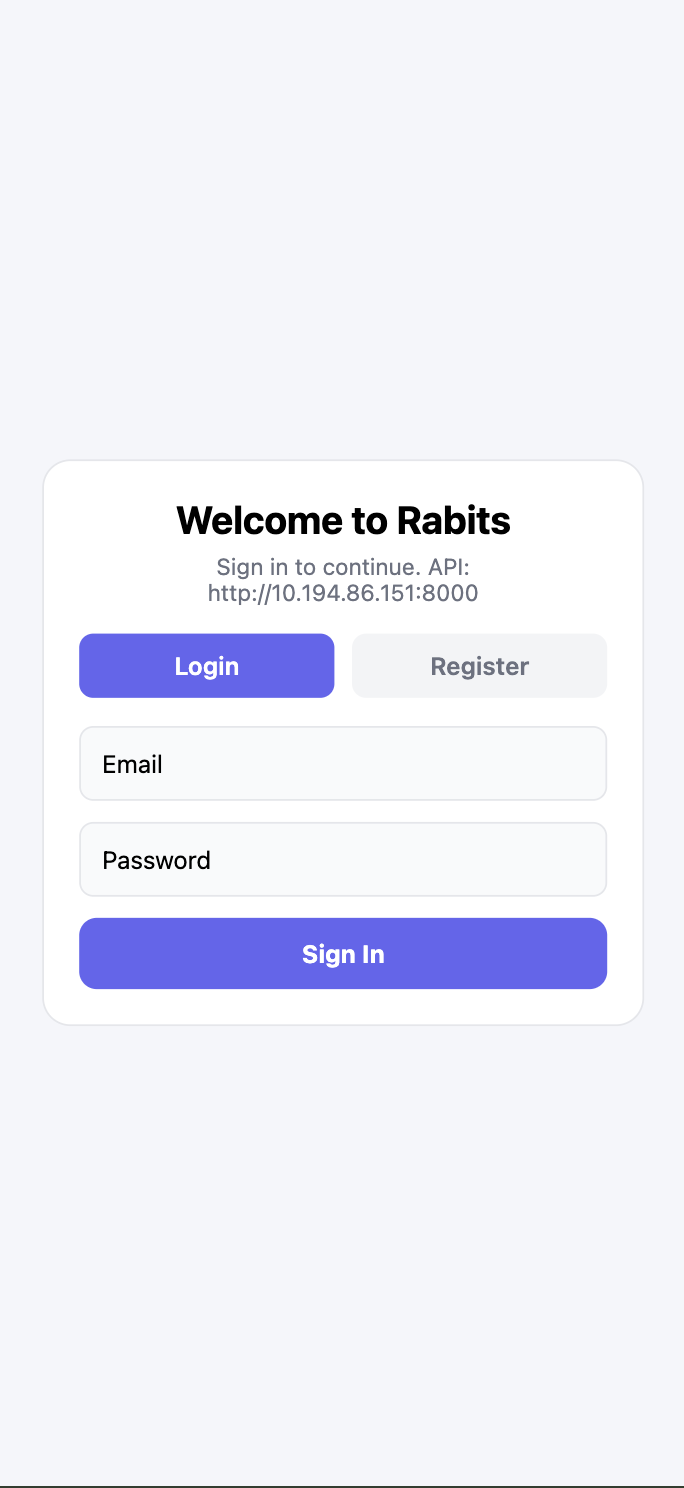
login page
-
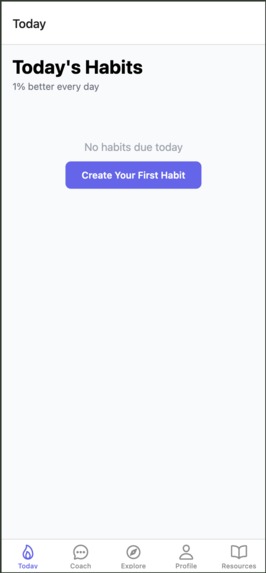
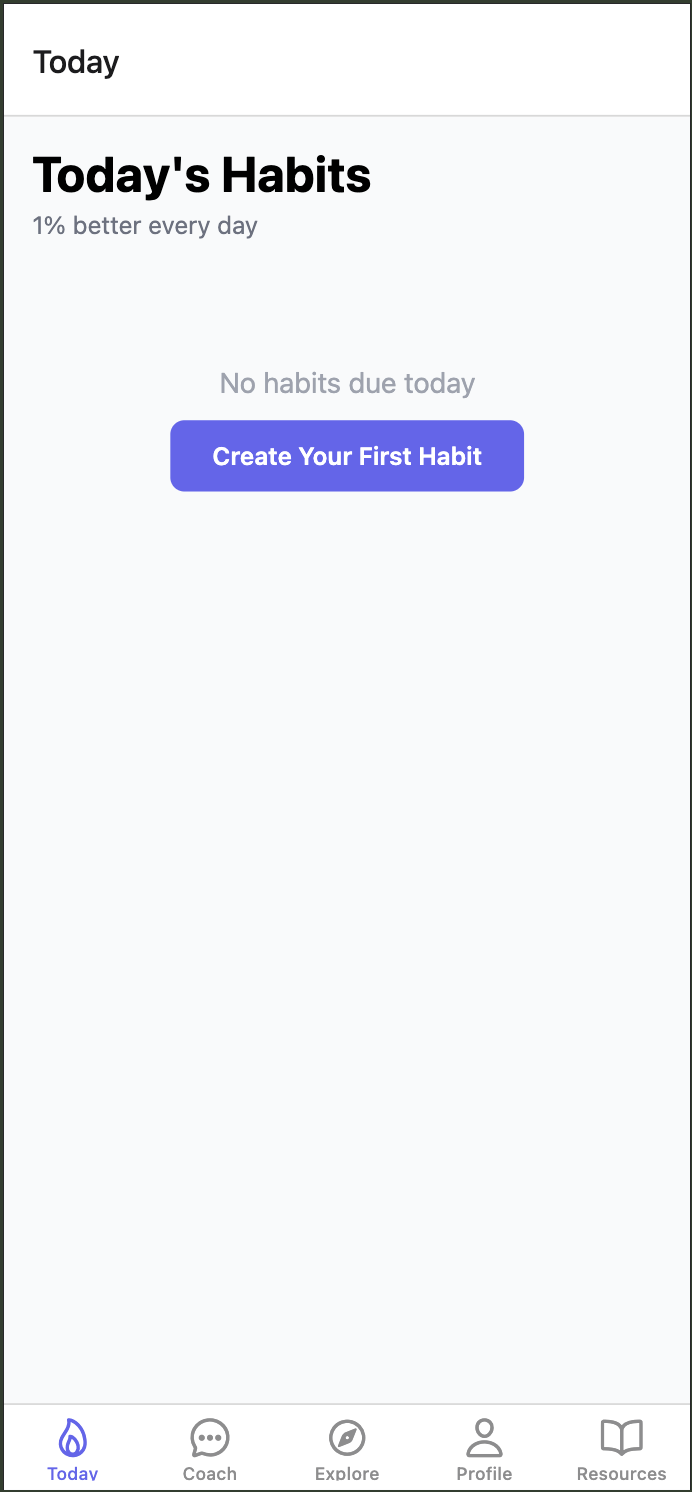
Main Habit Page with Ability to add habits
-
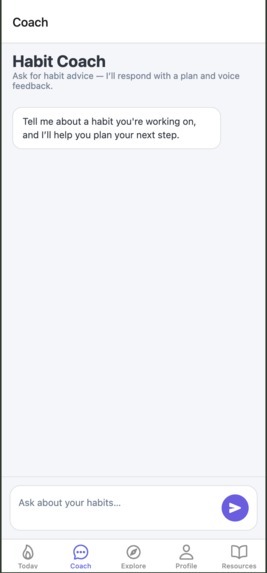
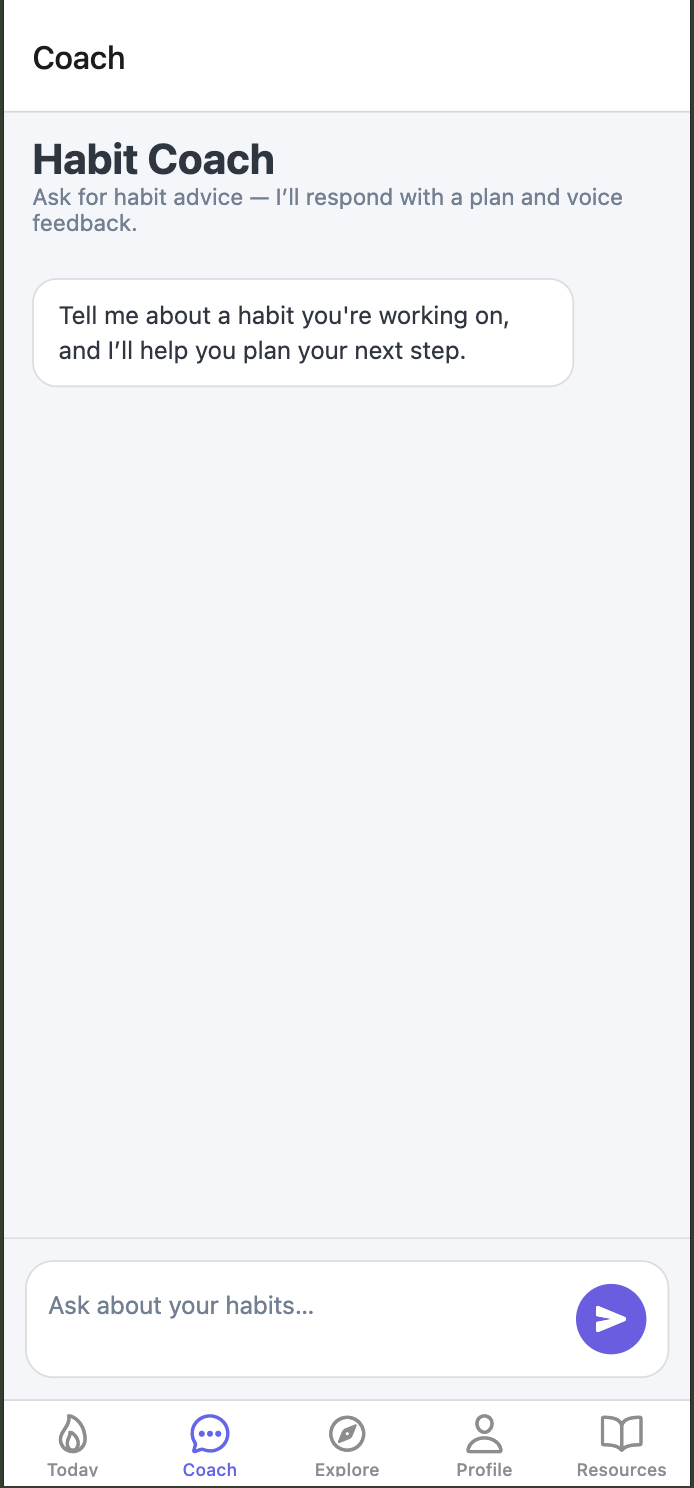
AI Coach to help narrow down habits
-
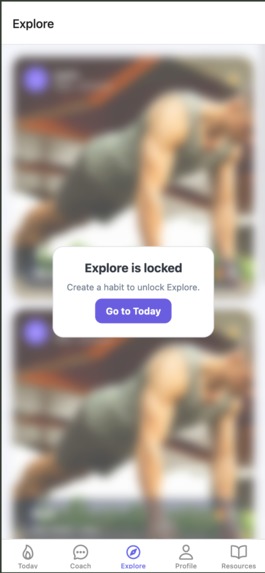
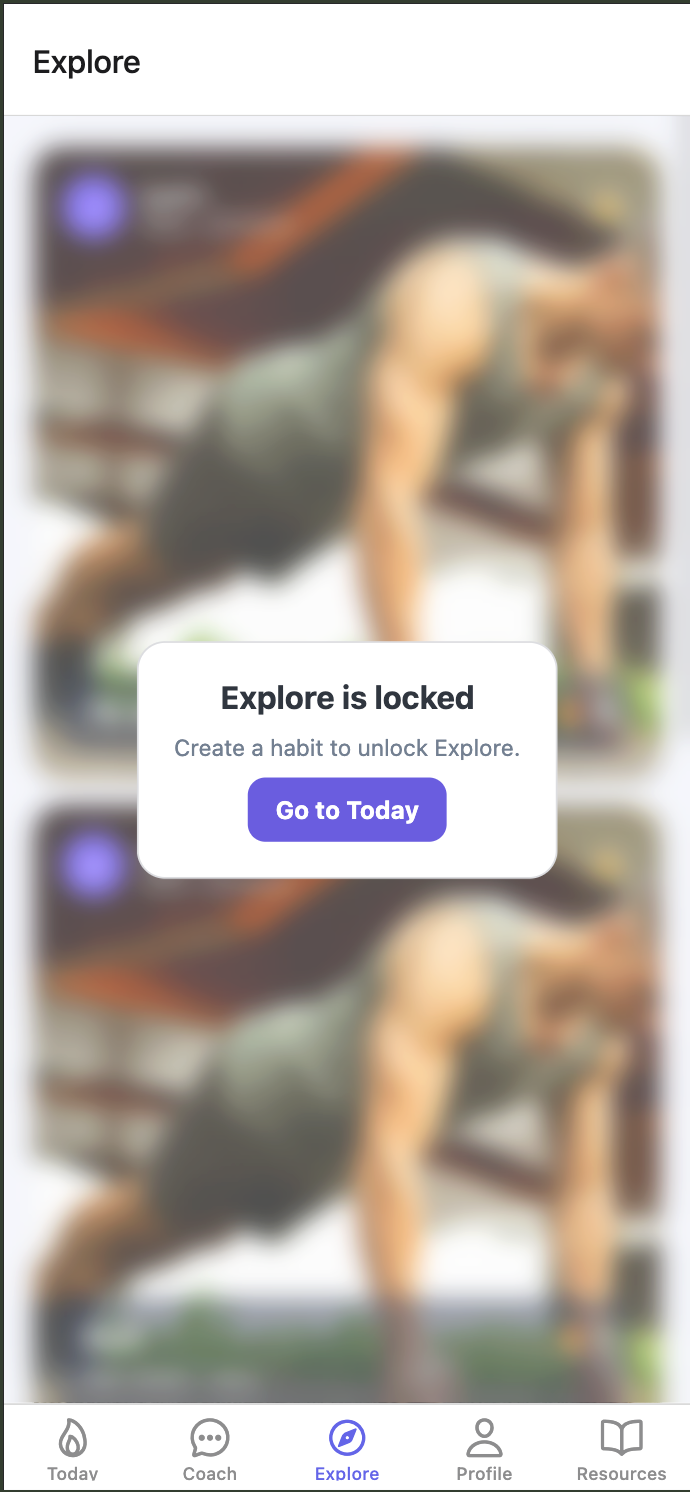
blurred effect
-
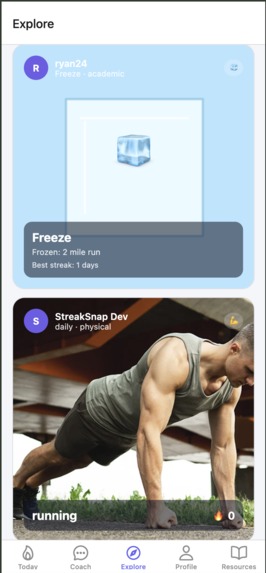
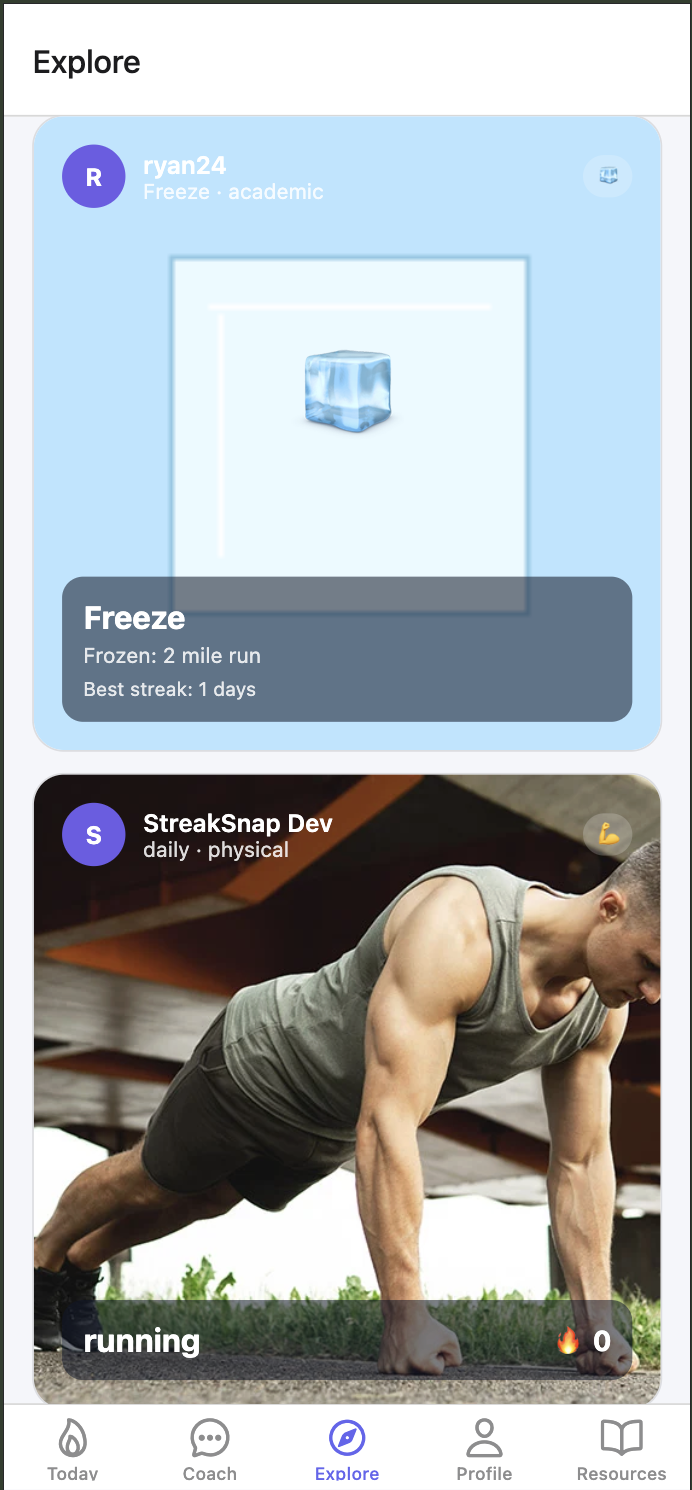
freeze effect, habit post, multiple user interaction
-
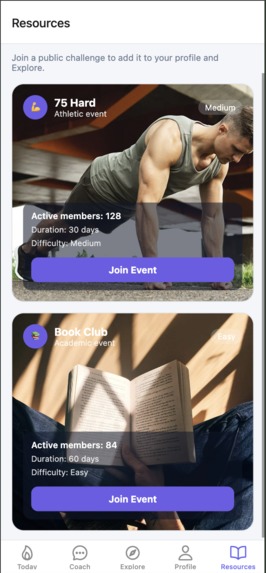
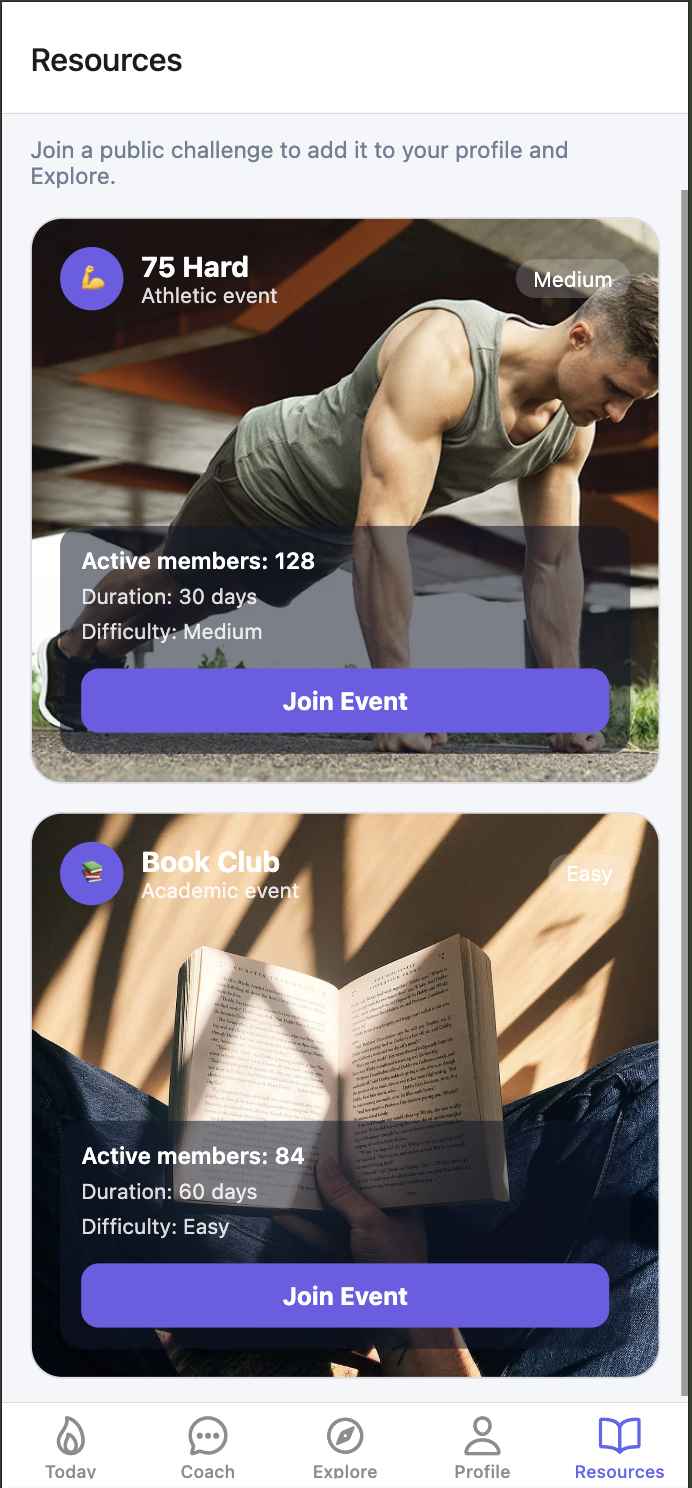
Resources/Events
Inspiration
We were inspired by productivity and commitment apps such as BeReal and Duolingo. We believe people can share their habits on a platform like Rabit to help keep others in their community accountable and encourage them to achieve their goals.
What It Does
At The Surface:
Allows users to track not only their own daily, weekly, and monthly habits but also lets users see their friends' habits too. Leverages AI to smoothen and increase accountability on the completion of tasks for the user.
(Main Features/Mechanics)
Creating a Habit:
Oftentimes users find the most motivation for a habit on Day One. Therefore this is when they will add the habit onto the application and store metrics like the frequency, time of day notification, description, first monthly milestone, etc.
Freeze Concept:
Users may be unable to complete their habits for the day due to uncontrollable circumstances or emergencies. Because of this edge case, we have added the ability to activate a freeze on a habit to prevent losing the streak, however, it will be posted to friends that you chose to freeze your habit for the day. Also, if a user uses a freeze, they are still unable to see other friend's habit posts until they have completed at least one habit. We are considering if their should be a maximum amount of freezes per habit per year.
Streak Concept:
Every time you complete a habit in the designated timeframe (daily, weekly, or monthly), the streak tied to the habit will increment by one. The only way the streak dies is if the user fails to do their habit in the designated timeframe or if they fail to use a freeze to protect the streak when they are unable to do their habit due to underlying circumstances.
Photo/Documentation Concept:
We want our users to be able to document their progress over time not only for themselves but also to share with others. These photos will prove their accomplishments and provide a tangible timeline of their progress to look back on. We also give the option for our users to provide a reflection after completing their habit. This can be additional information they would like to keep track of for their habit or just something they learned.
Blur Concept:
This is a vital concept protecting the integrity of our platform. Our users will want to see what their friends are up to on the explore page, but in order to do so they must complete a habit of their own first to take down the blur effect.
Milestones/Badges:
This is a fun way to make users' profiles unique. If a user completes a task x amount of times, then they may be eligible to receive a streak badge for their specific habit. They can also participate in sponsored group habit events and unlock unique badges. Milestones are also another great way to track progress of a habit. Users can make customizable monthly milestones tailored to their goals.
AI Accountability:
Users will have the ability to construct their habits and ideas with an inbuilt chatbot. Users will also be validated by a multimodal LLM to ensure that the habit they are tracking via the picture they are posting is consistent with the habit they are claiming to perform. The inbuilt LLM is also capable of reminding the user of inspirational quotes for little boosts of motivation while using our app. We also use OpenCV, a machine learning visual prediction model, to keep users accountable especially in tasks like pushups by counting the reps and form of the user until the amount of pushups designated has been performed.
How we built it
- Frontend: React,Expo, HTML, CSS, and JavaScript
- Backend: Fast API, Postgres, Python, SQLAlchemy, C++, CMake, and ElevenLabs
- Infrastructure and Authentication: JWT and Docker
Challenges we ran into
- Narrowing down features from brainstorming process
- Merging the frontend structure with the backend
- Determining edge cases with user interface
- Making the navigation of the application easy to traverse
Accomplishments that we're proud of
- Our brainstorming and planning phase
- The continuous time and energy spent developing this project.
What we learned
- How to properly structure and organize webpages
- The process of making constant iterations through trial and error
- The intricacies of the tech stack used
- OpenCV and LLM integration
What's next for Rabits
- Allowing sponsorships to help gain monetization
- Deploy and polish application fit for the IOS Appstore
- Increased security and authentication
- Increase OpenCV features

Log in or sign up for Devpost to join the conversation.