-
Hack Eats
Inspiration
Having spent late nights at study spots, a flow of rhythm is often achieved for students. This flow is fighting against the necessities of human boundaries like hunger and sleep. So, a student gets up and walks over to UCC just to return to his seat and have lost his sense of flow after checking his snap streaks. What if the UCC came to the student? Figuratively, with the product, then momentum can be maintained.
What it does
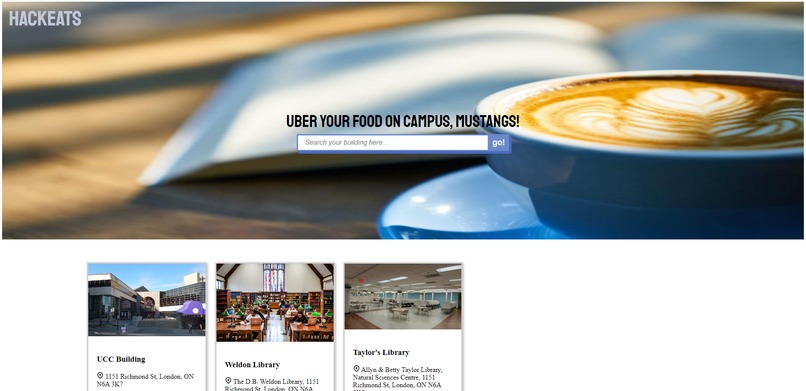
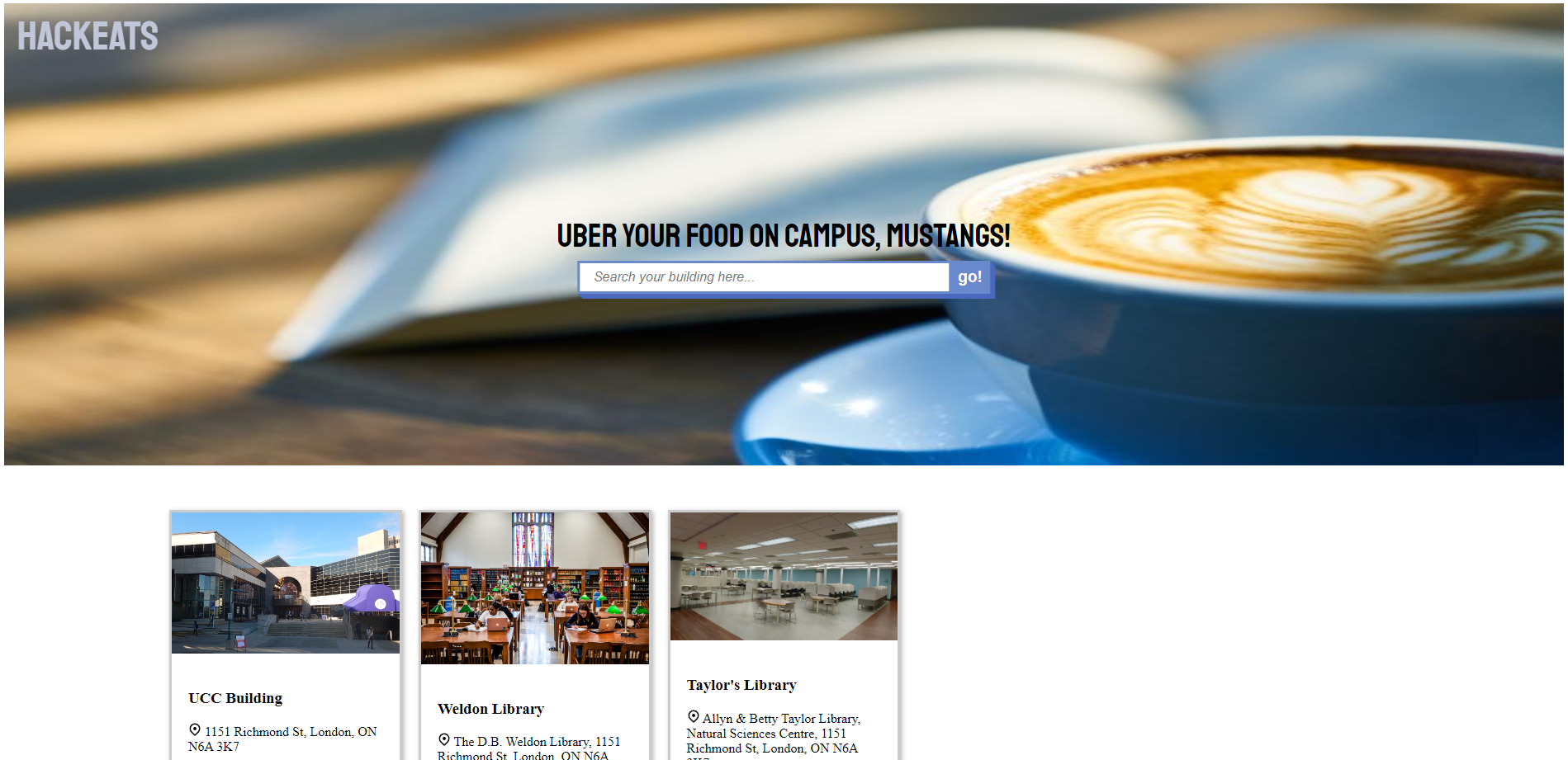
Let's you crowd order food to different campus hotspots, on demand!
How we built it
We brainstormed as a team, the design phase to decide on a minimum viable product(MVP) and how to architect it, as well as how to interface the backend with the frontend. We used flask to form the back-end, and standard HTML, CSS, Javascript to form the front-end. We used AJAX for seamless update of the views on the front-end.
Challenges we ran into
One of the challenges we ran into was getting HTTP redirects to work(redirecting the browser to a different webpage), whilst using AJAX requests. Our solution was fairly hacky, and we opted to manipulate the DOM of the current page to fulfill the desired functionality.
Accomplishments that we're proud of
Using AJAX requests to interface with the backend, and seamlessly update the front-end view. Leading to a more responsive and app-like feel.
What we learned
Connecting a backend to a frontend to form a full-stack website. Controlling for scope of the project and features to implement. Even supposedly simple things are surprisingly hard to implement, robustly and bug-free.
What's next for HackEats
Expanding to our universities, and fanshawe.

Log in or sign up for Devpost to join the conversation.