-
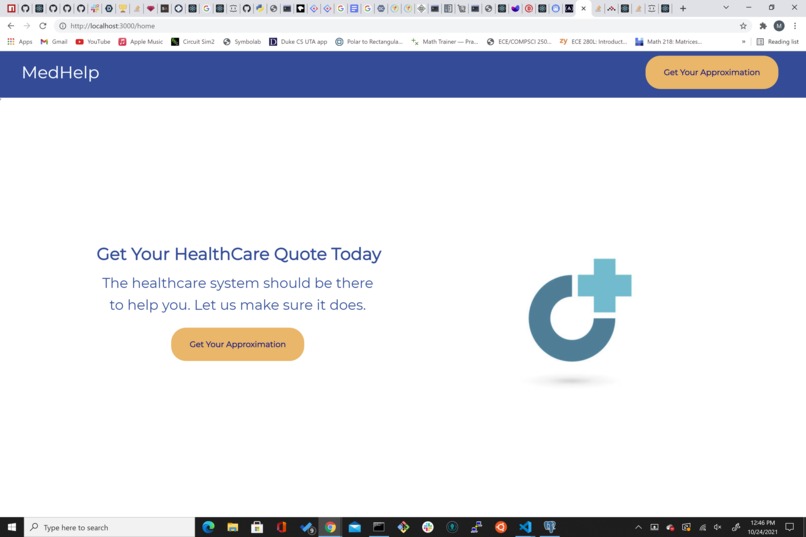
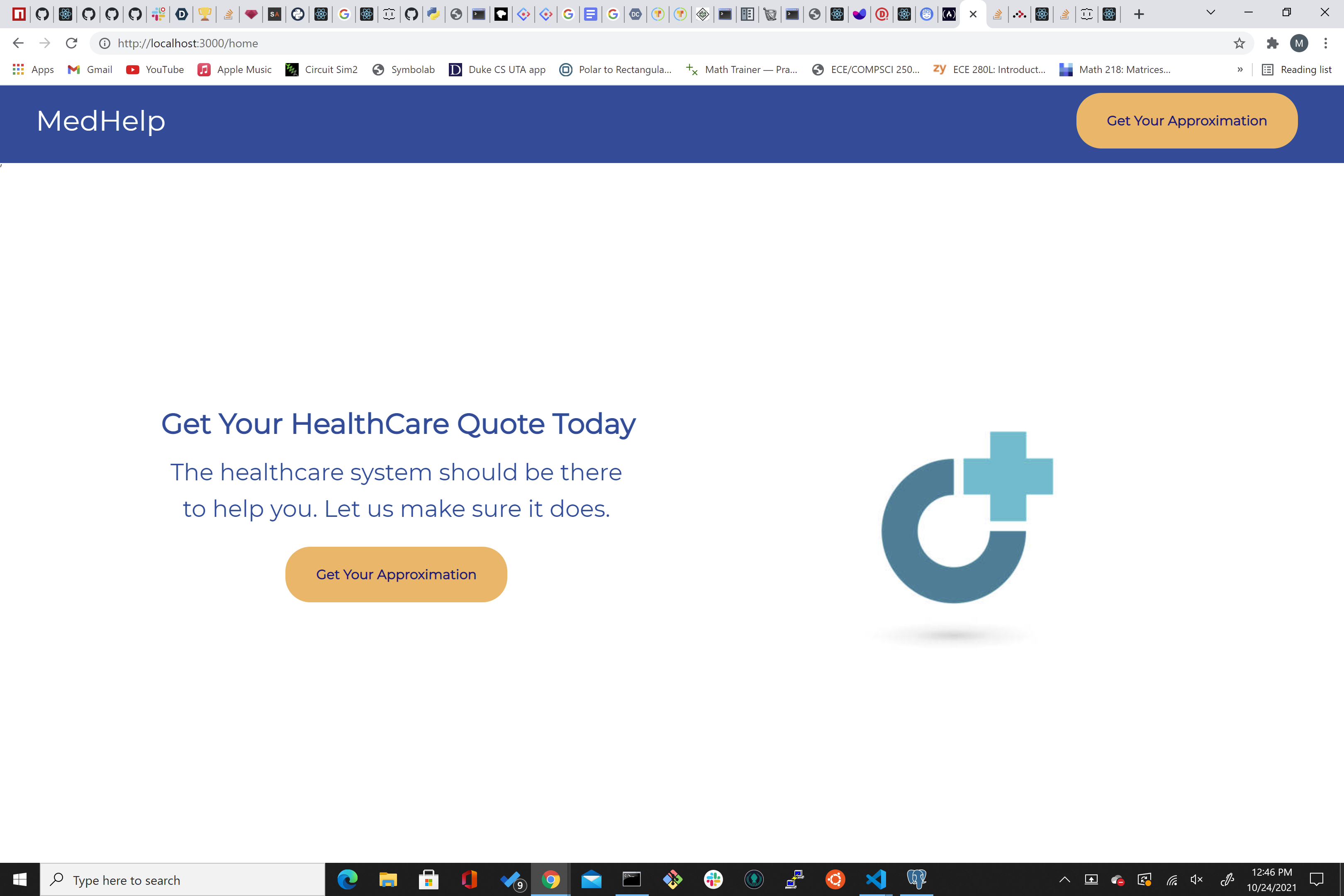
This is our landing page where people will be directed when they first enter the website.
-
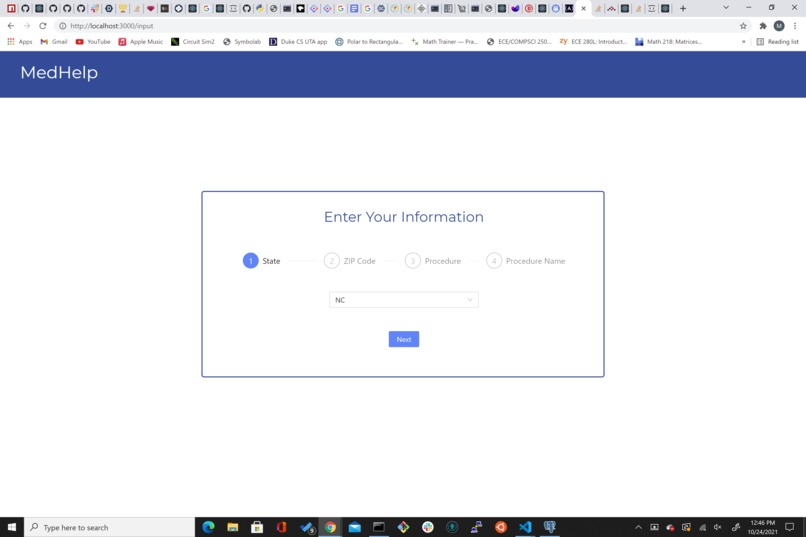
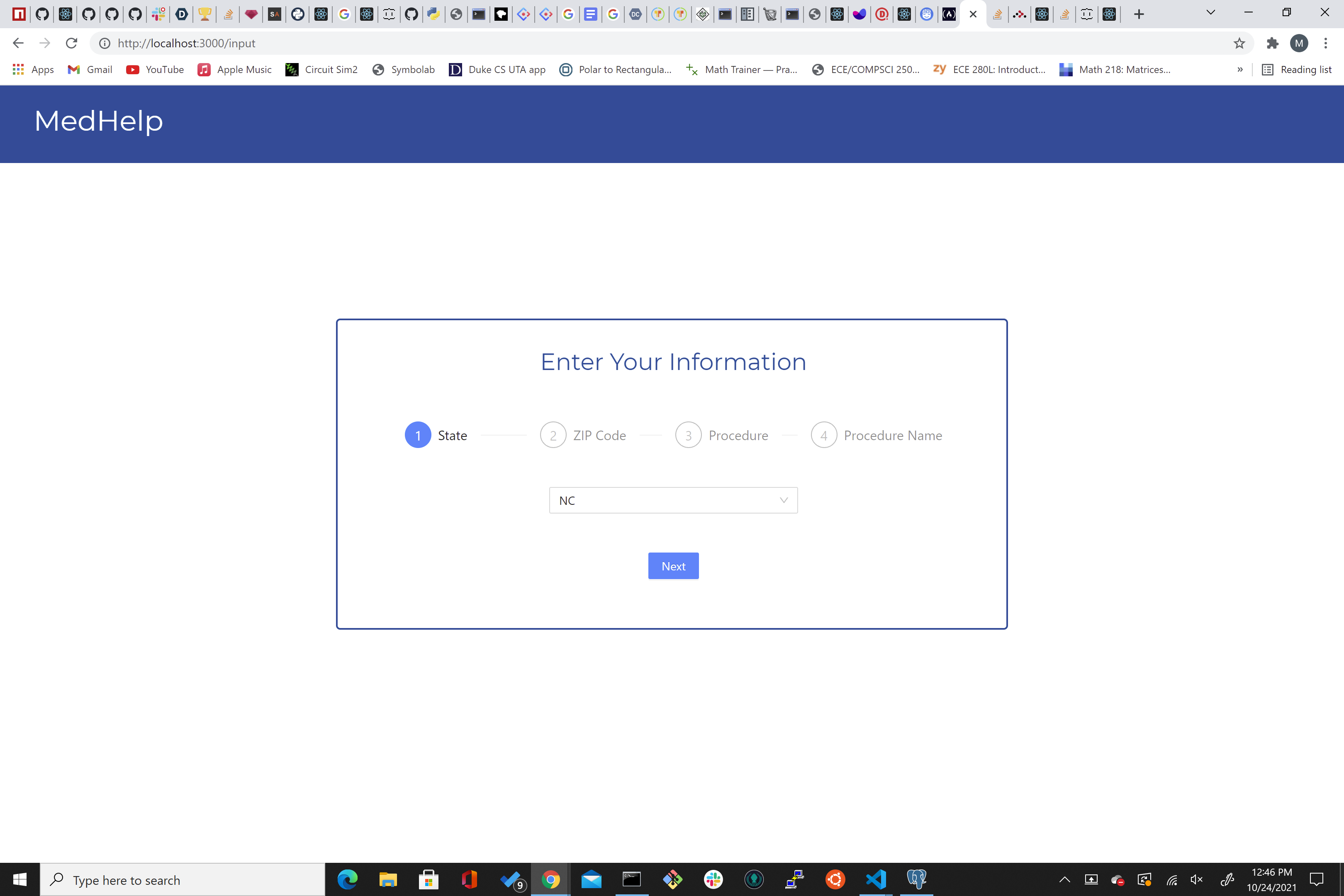
This is a page where we have a step based input system for the patient to give us their state, zipcode, and proceudre
-
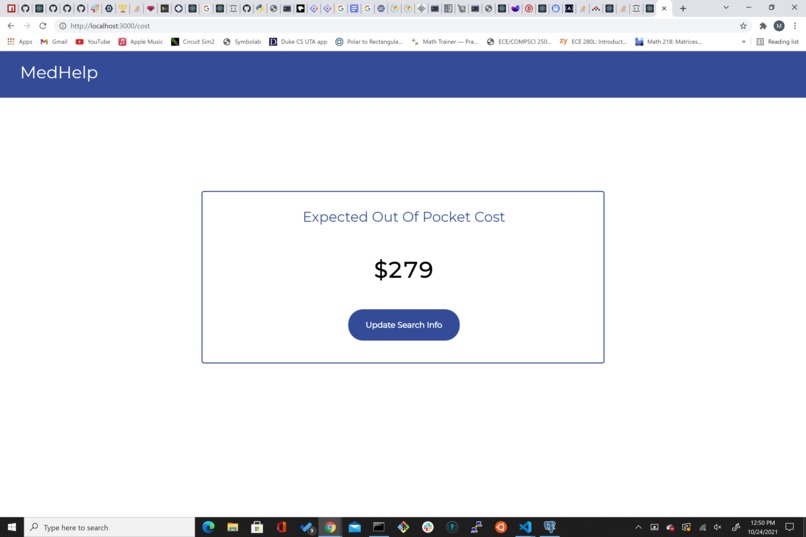
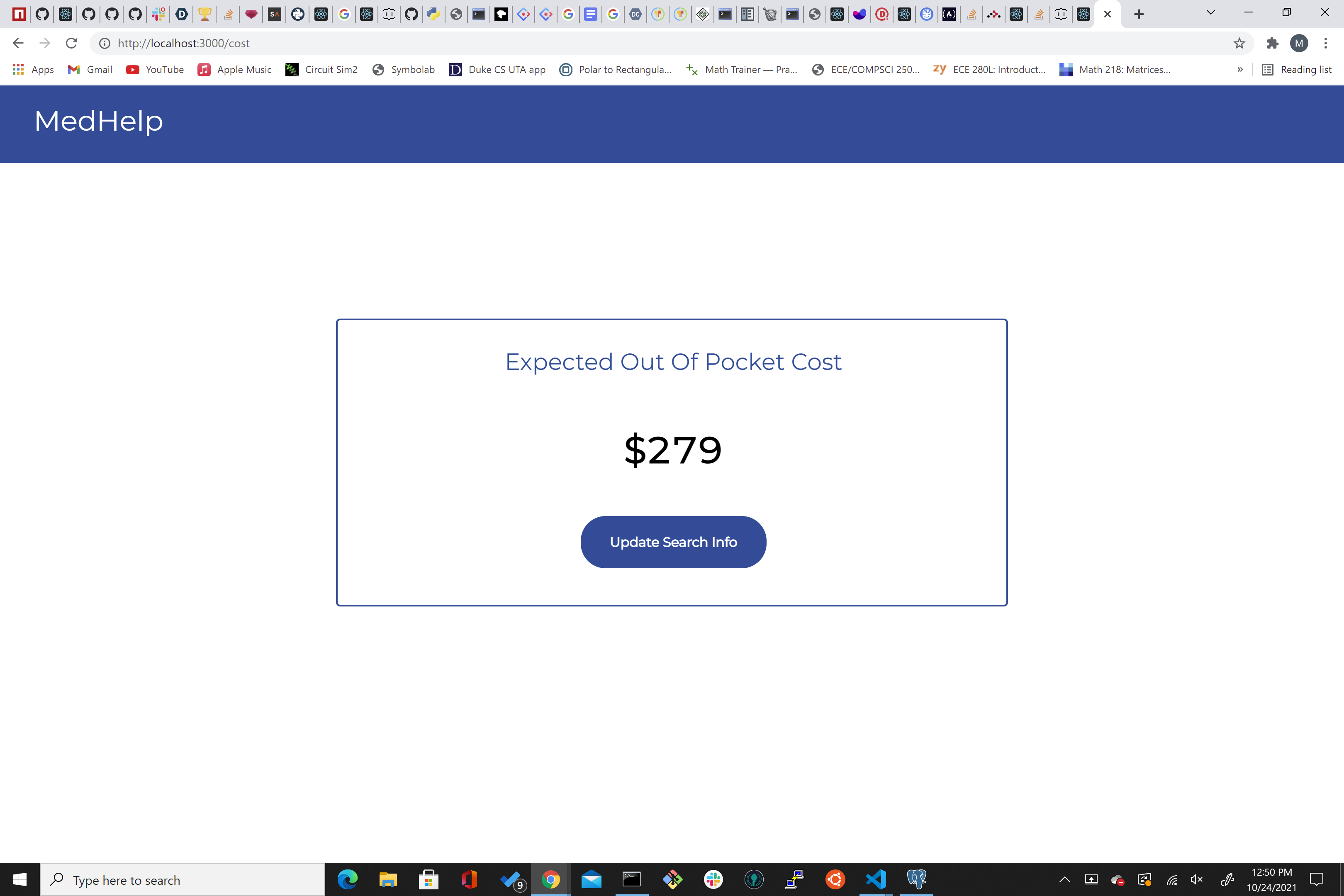
Using our neural network, this page presents the user with what a typical out of pocket cost for a procedure in this area should look like
Inspiration
We were inspired by researching the ways in which the health insurance industry's lack of transparency in billing hurts families and individuals across the country. The lack of transparency results in different patients paying wide ranges of co-payments for the same procedure. This is detrimental for the publics faith in the healthcare and health insurance industries, and is unfair to patients who are needless charged more than other people receiving similar procedures in their area. As a result of these faults, we were inspired to create a tool which can aid patients who may be getting overcharged in order to improve the efficiency and affordability of the healthcare system in the U.S.
What it does
Using the users state, zip code, and procedure, our two layer neural network predicts what a likely estimate for out of pocket costs would be given previous charges for similar procedures in the same area. This data is taken from our Postgres SQL database using Google Cloud's SQL Engine. It then displays what a typical procedure in the area should cost given past quote. This allows a patient to take action against a hospital or their insurance provider if their coverage is not consistent with what people should typically be able to expect.
How we built it
In order to design the front end of our online tool, we used Create React App and CSS to design the landing page for our website and the subsequent pages you can access from the landing page. We utilized components from Ant Design to assist in the designing our our website. Then, we created a neural network in PyTorch using a single hidden layer that can predict estimated copayments. We connected this neural network to a Postgres SQL database using Google Cloud's SQL Engine, and created a SQL query that could fetch relevant data from the database given the parameters that user specified.
Challenges we ran into
The biggest challenges our team faced were in dealing with DevOps such as connecting to the Google Cloud database. A general lack of experience on our team in working with databases and Google Cloud made it quite difficult for us to create the connection between our app and the database. In a similar vein, we also faced challenges in fetching data from the database. Prior to this hackathon, our group had no experience working with SQL, which made getting data from our Google Cloud database very challenging.
Accomplishments that we're proud of
Our team is very proud of the way that our web tool turned out, in terms of aesthetics and functionality. No one on our team had a lot of experience with web design or react prior to working on this project, and as a result, the creation of the webapp was a challenging but rewarding experience for us. Considering our lack of experience, we are exceptionally happy with the final product. We are also proud of the work we have done with databases for this project. This is another area where our team did not have much expertise, so we are proud of the way we were able to learn about databases and implement them over the course of the hackathon.
What we learned
The areas where our team learned the most over the course of the project were in web design and working with React/CSS and how to connect to and work with remote databases. Over the course of the hackathon, multiple team members learned how to write SQL queries and update databases using languages that we previously had no experience in. Some of our team members also learned about the structure and implementation of neural networks.
What's next for hackduke21
Outside of hackduke, we want to continue to work on our project to make it more accessible for a wider range of medical procedures/expenses. Due to database and time restrictions, we had to limit the functionality of our tool to only provide estimates for a certain range of medical expenses. With more time we will be able to expand this to be able to provide estimates for types of procedures than we currently have.

Log in or sign up for Devpost to join the conversation.