-
-
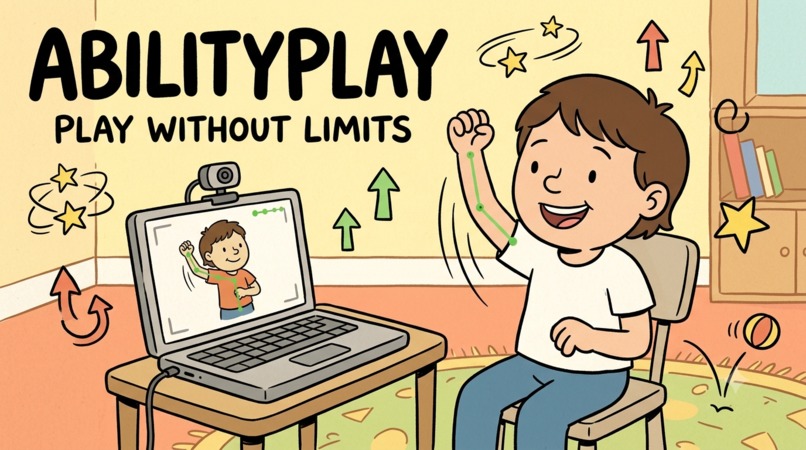
Gamifying physical therapy to make movement recovery fun, accessible, and limitless for every child
Inspiration
For children with Cerebral Palsy, rehabilitation can often involve repetitive exercises that feel more like therapy than play. We wanted to change that experience by making movement-based rehabilitation engaging, interactive, and motivating. This inspired us to build HackAbility: Play Without Limits.
What it does
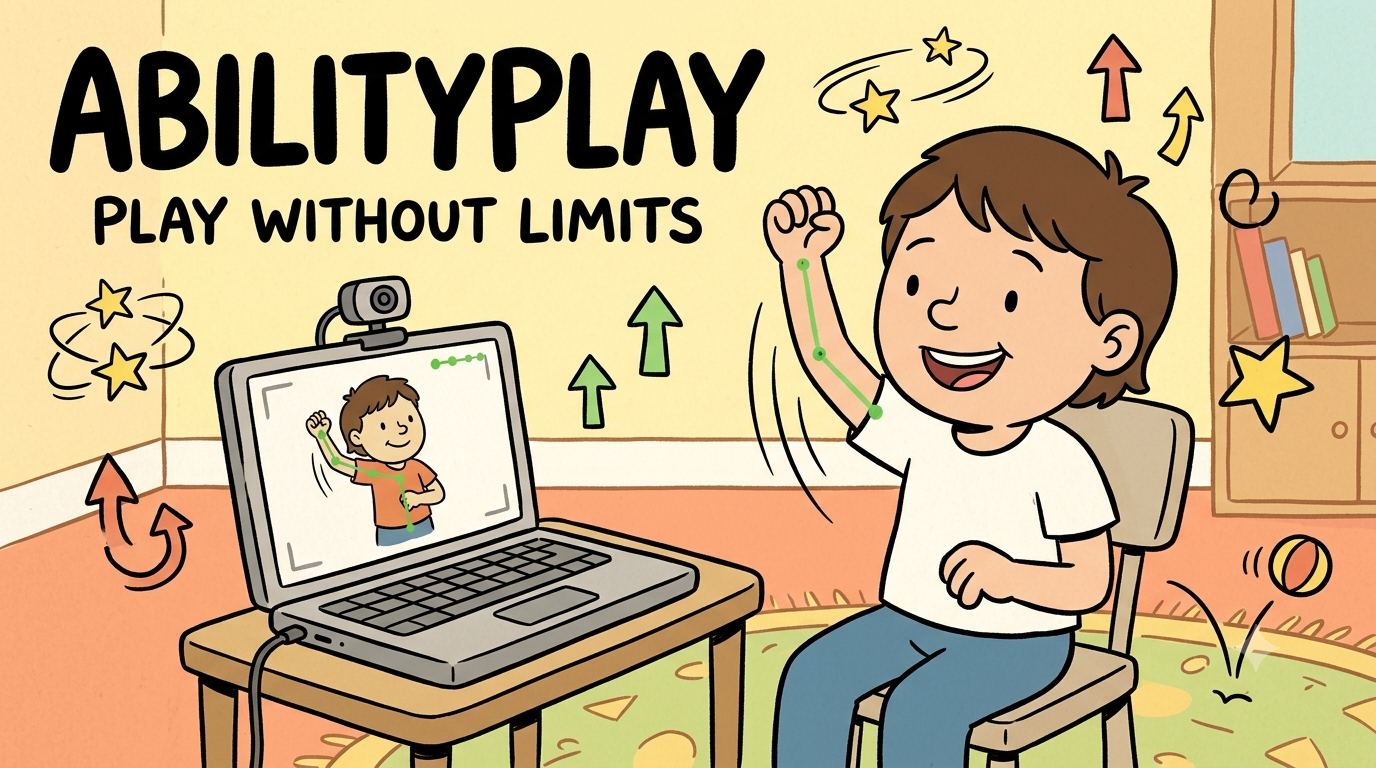
HackAbility transforms physiotherapy movements into interactive games. Using a regular camera, it tracks a child's body movements in real time and converts exercises such as arm raises, leg movements, and balance holds into game actions. The system adapts difficulty based on the child's ability and provides progress insights for parents and physiotherapists.
How I built it
We built the platform using Python, OpenCV, MediaPipe BlazePose, MoveNet, JavaScript, React.js, HTML, and CSS. Computer vision and pose estimation are used to detect body landmarks and track movements through a phone, tablet, laptop, or webcam. A personalized ability profile and adaptive game logic help adjust activities according to each child's baseline.
Challenges I ran into
Our biggest challenge was designing movement detection that could work reliably with different body movements, camera positions, and home environments. We also had to balance rehabilitation goals with gameplay so that the activities remained both meaningful and engaging. Making the experience device-agnostic without requiring special hardware was another key challenge.
Accomplishments that I'm proud of
We are proud of creating a hardware-free, camera-first rehabilitation concept specifically for children with Cerebral Palsy. Instead of requiring wearables or specialized equipment, HackAbility uses technology that families may already have. We also integrated rehabilitation, gamification, real-time movement tracking, and personalized difficulty into one experience.
What I learned
We learned that building for accessibility requires more than simply adding technology. Movement variability, user comfort, simplicity, feedback, and engagement all matter. We also gained hands-on experience with computer vision, pose estimation, real-time tracking, adaptive systems, and designing technology around the needs of a specific user group.
What's next for HackAbility: Play Without Limits
Next, we want to improve movement recognition, expand the library of rehabilitation games, strengthen personalized difficulty adjustment, and develop more detailed progress analytics. We also envision collaboration with physiotherapists to validate exercises and refine the platform for real-world home rehabilitation.
Built With
- adaptive-game-logic
- computer-vision
- css
- html
- javascript
- mediapipe-blazepose
- motion
- movenet
- opencv
- python
- react.js
- real-time-pose-estimation
- webcam-based


Log in or sign up for Devpost to join the conversation.