-
-
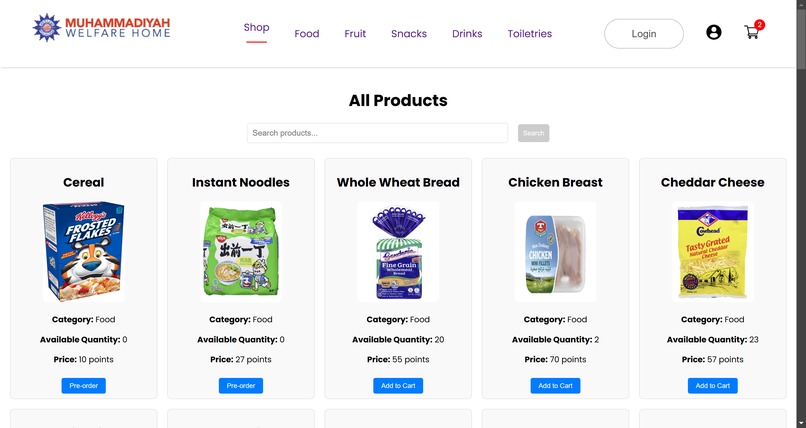
Resident user Interface
-
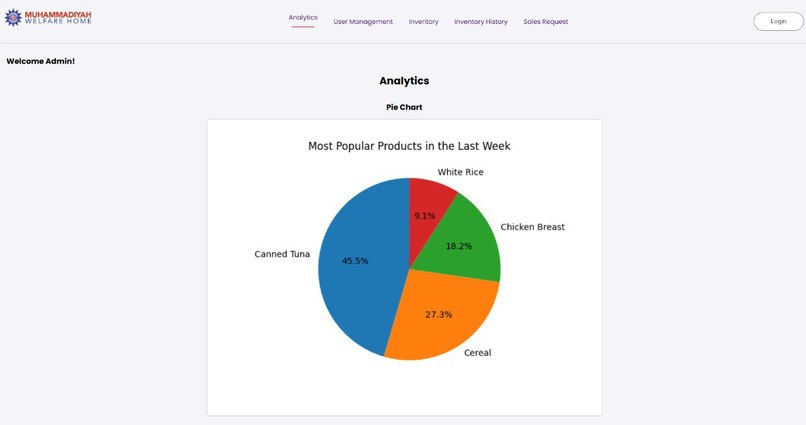
Admin User Interface
Inspiration
This project was inspired by the growing need for efficient e-commerce solutions that cater to both customers and administrators. By focusing on a community-based system, we aimed to create a platform that ensures equitable access to resources while providing administrators with comprehensive tools to manage inventory and sales effectively.
What it does
Developing this platform taught us the importance of database design and API integration. We also gained valuable insights into the practical use of Python Flask for connecting backend databases with user-friendly interfaces. Frontend optimization for a seamless user experience and error handling were also key areas of growth.
How we built it
- Frontend Development: Created with HTML, CSS, and JavaScript, ensuring a responsive and intuitive design. Bootstrap was used to streamline styling and ensure consistency.
- Backend Development: Python Flask acted as the backbone, pulling and pushing data between the user interfaces and the SQL database.
- Database Management: The SQL database housed tables for inventory, orders, admin actions, resident accounts, and coupons. Supabase facilitated authentication and synced user data with SQL.
- Features Implementation: Shopping functionality was linked with dynamic cart updates, while admin functionalities included user and inventory management, along with reporting and analytics features.
Challenges we ran into
- Database Synchronization: Ensuring smooth integration between Supabase and SQL required careful planning and debugging.
- Error Handling: Implementing real-time feedback for insufficient balances and failed actions was challenging but crucial for user experience.
- Report Generation: Automating analytics exports to PDF posed initial difficulties in formatting and layout but was resolved using Python libraries.
- Scalability: Designing the system to handle increasing data loads while maintaining speed and efficiency required optimization of database queries and caching techniques.
Accomplishments that we're proud of
- Comprehensive Dual-Interface Platform: Successfully designed and implemented a system that meets the needs of both customers and administrators, ensuring seamless functionality on both ends.
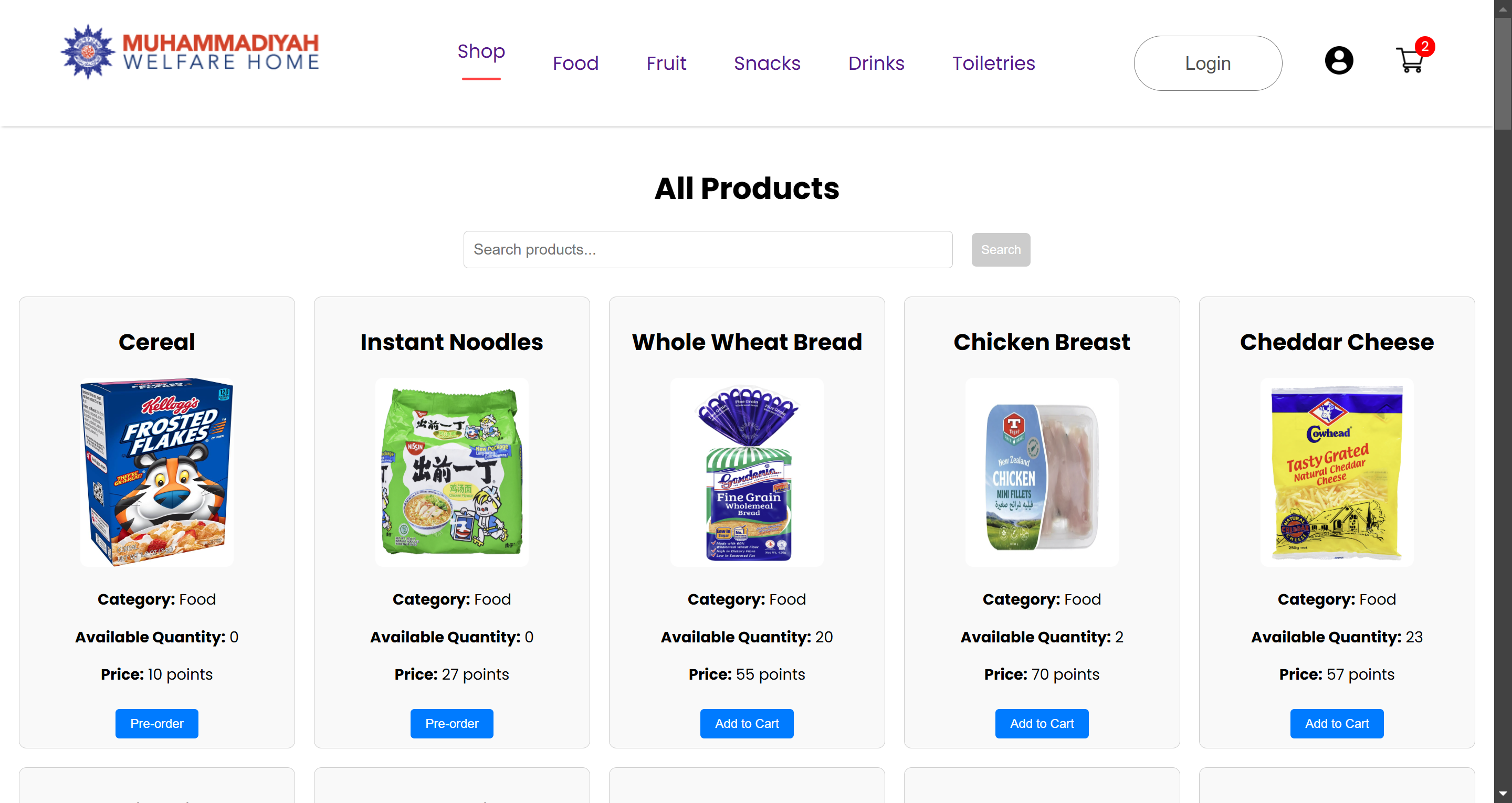
- Dynamic Shopping and Management Features: Built an intuitive shopping platform with real-time cart updates, error handling for insufficient balances, and pre-order capabilities for out-of-stock items.
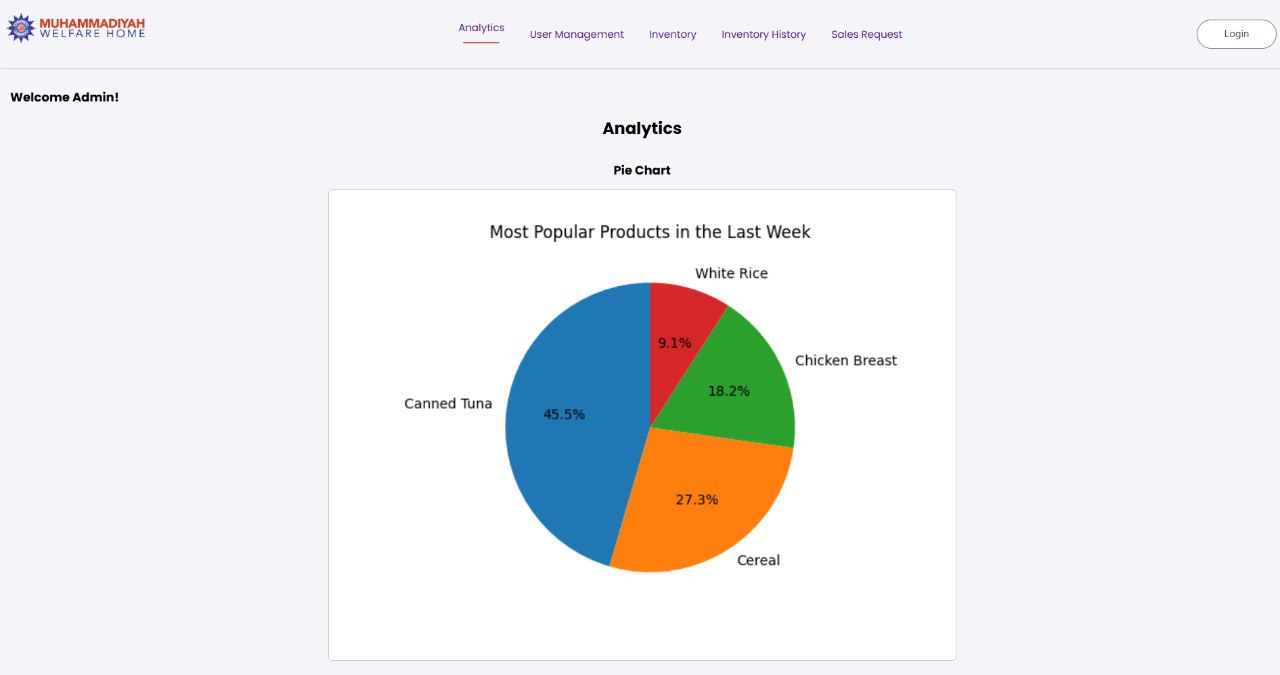
- Efficient Admin Tools: Developed powerful admin functionalities, including inventory and user management, sales request handling, and automated analytics with PDF exports for easy reporting.
- Seamless Integration of Databases: Achieved smooth synchronization between Supabase and SQL databases for authentication and user data management.
- User-Centric Design: Focused on creating a responsive, user-friendly interface using Flask and Bootstrap, ensuring accessibility and ease of use.
What we learned
- Database Integration: Understanding how to connect multiple databases (SQL and Supabase) and manage data flow effectively.
- Error Handling and User Feedback: The importance of providing clear, real-time feedback to users for actions like insufficient balances and failed requests.
- Frontend and Backend Collaboration: Balancing the design of user-friendly interfaces with the backend logic to deliver a cohesive experience.
- Report Automation: Leveraging Python libraries to generate dynamic, well-formatted PDF reports for analytics and summaries.
- Team Collaboration: Working as a team taught us the value of clear communication, efficient task delegation, and iterative problem-solving.
What's next for Hack4Cause
- Mobile App Development: Expanding the platform to include a mobile application for even greater accessibility and convenience.
- Enhanced Analytics: Implementing AI-driven insights to provide predictive analytics on stock trends and customer purchasing behavior.
- Gamification Features: Introducing features like reward points or badges for frequent shoppers to increase user engagement.
- Scalability Improvements: Optimizing the platform to handle a larger volume of users and data as the user base grows.
- Community Feedback Integration: Actively seeking feedback from users to iterate and improve the platform further.
- Expanded Features: Adding support for promotions, coupon management, and loyalty programs to provide a more engaging shopping experience.