-
Title
-
-
-
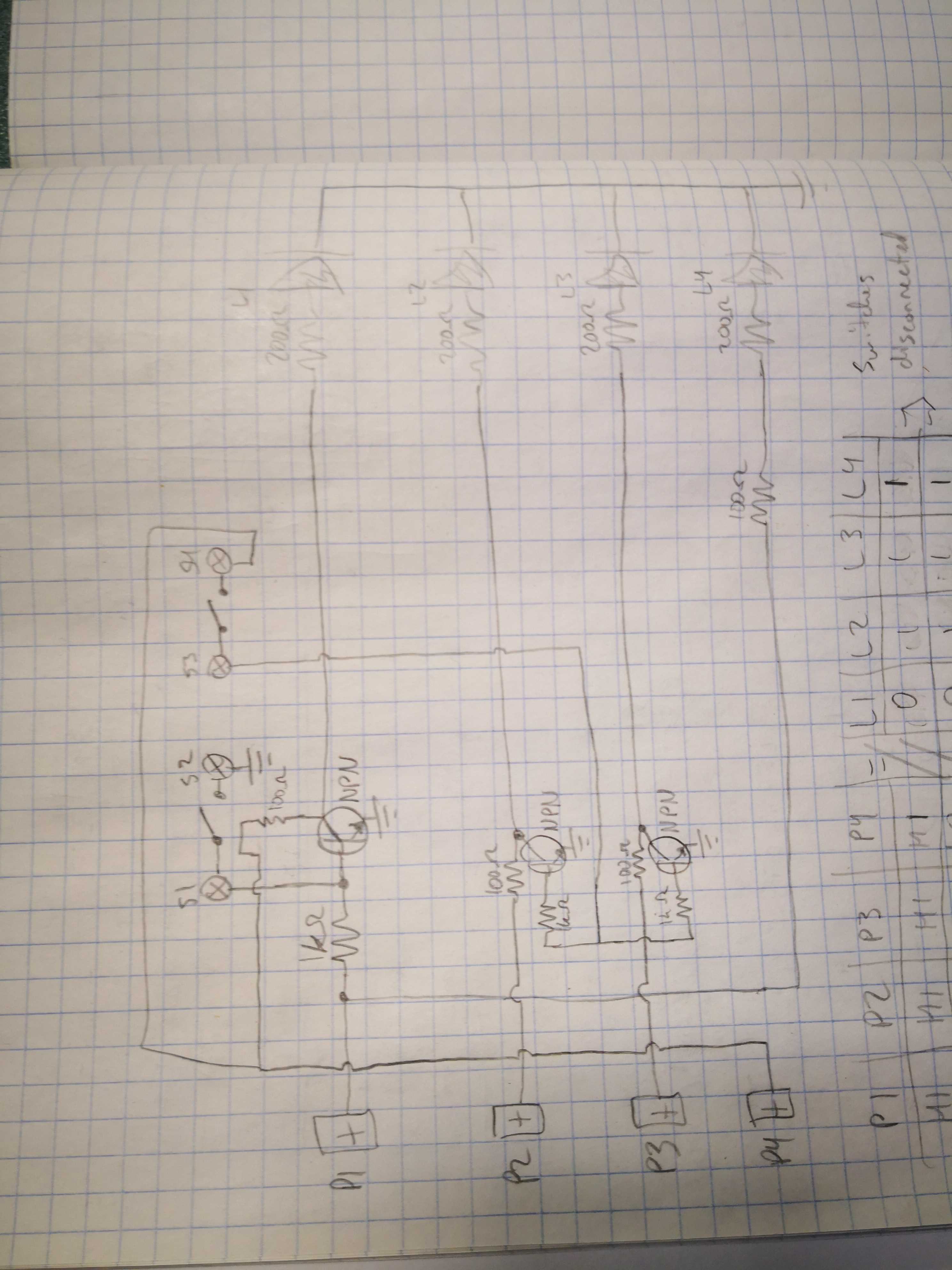
Circuit Diagram
-
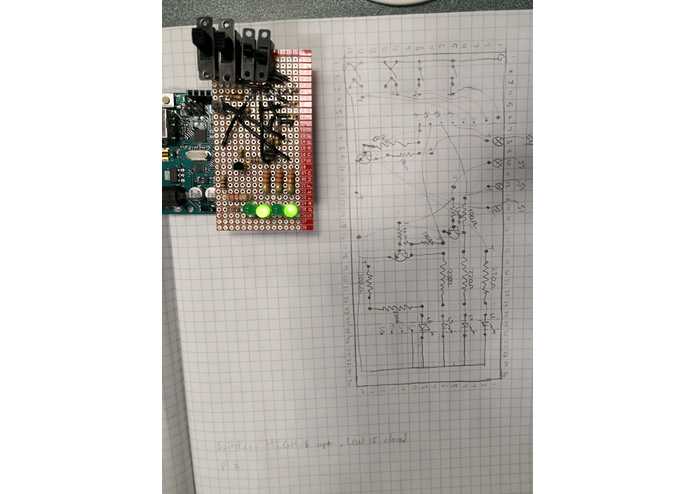
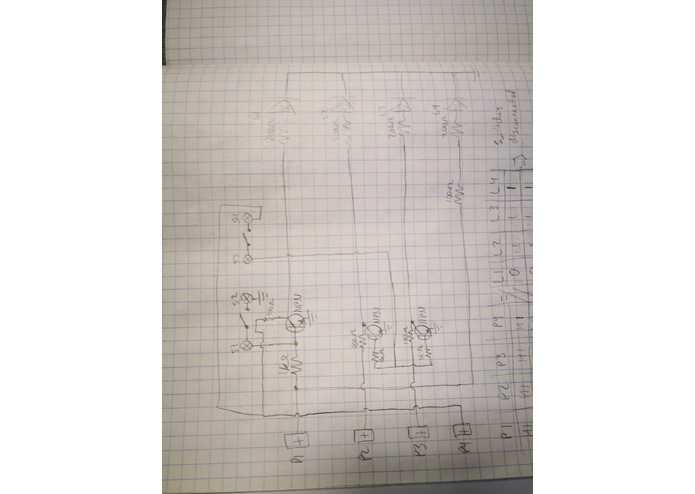
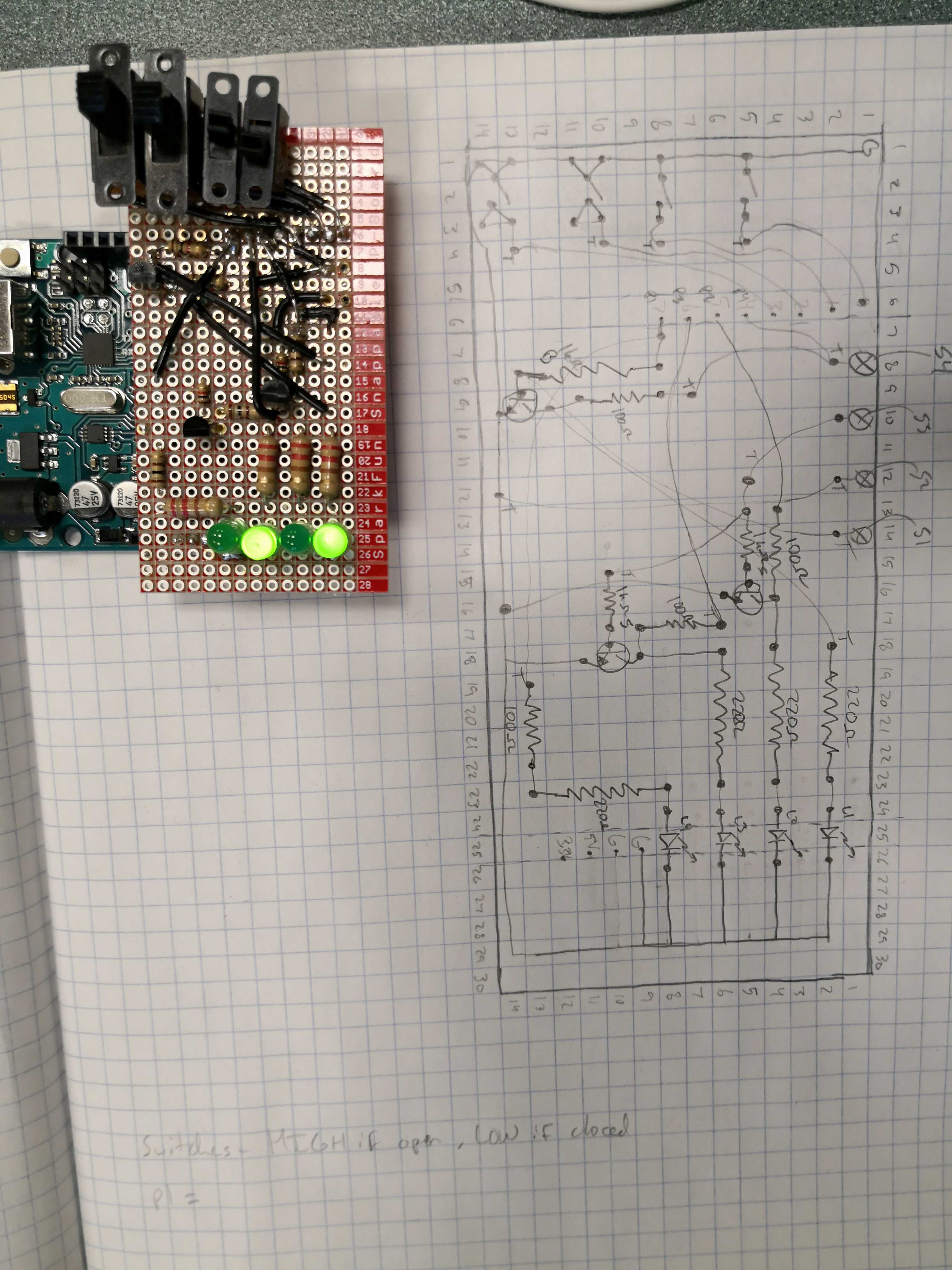
Prototype layout and final circuit
-
Inspiration
We really liked the powerpoint about how cybersecurity is underrepresented. David is currently taking a cyber security class and the rest of us are interested in the topic.
What it does
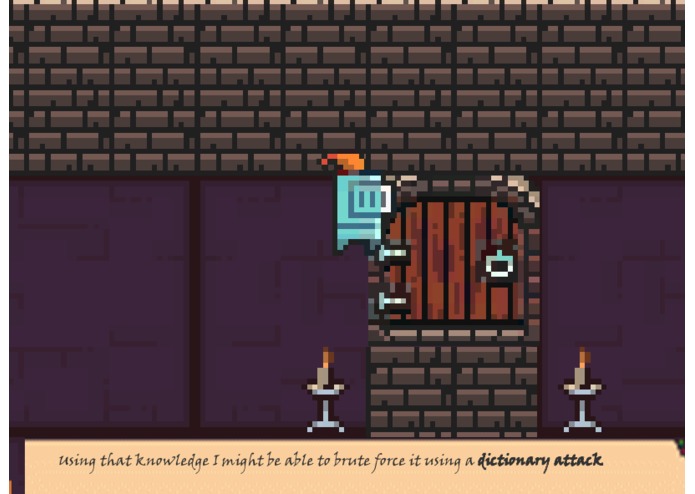
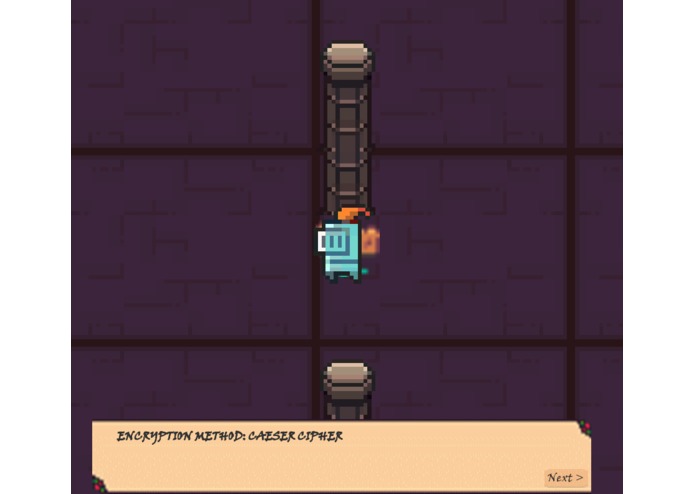
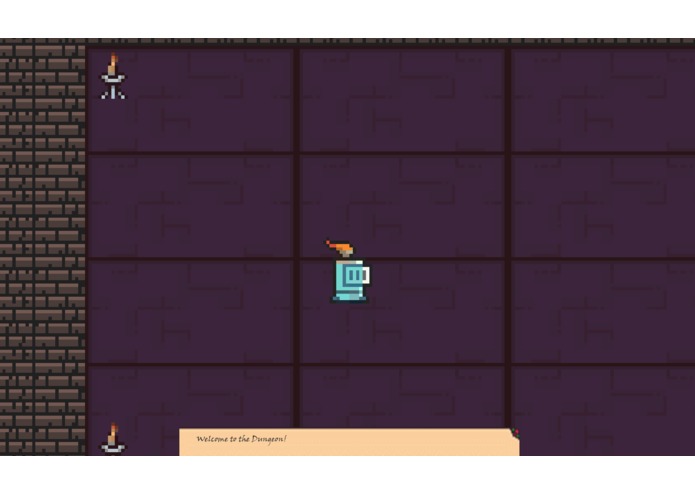
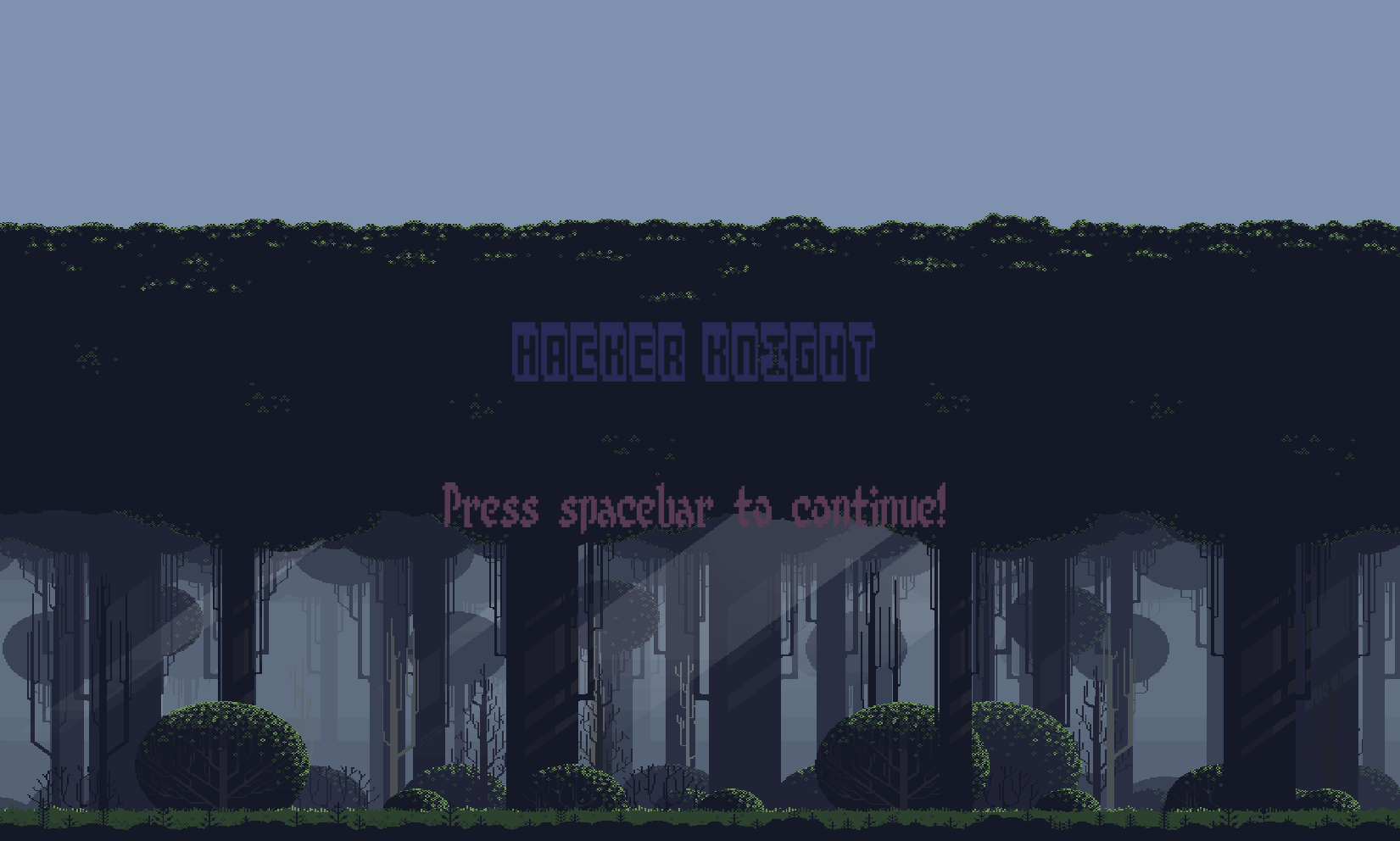
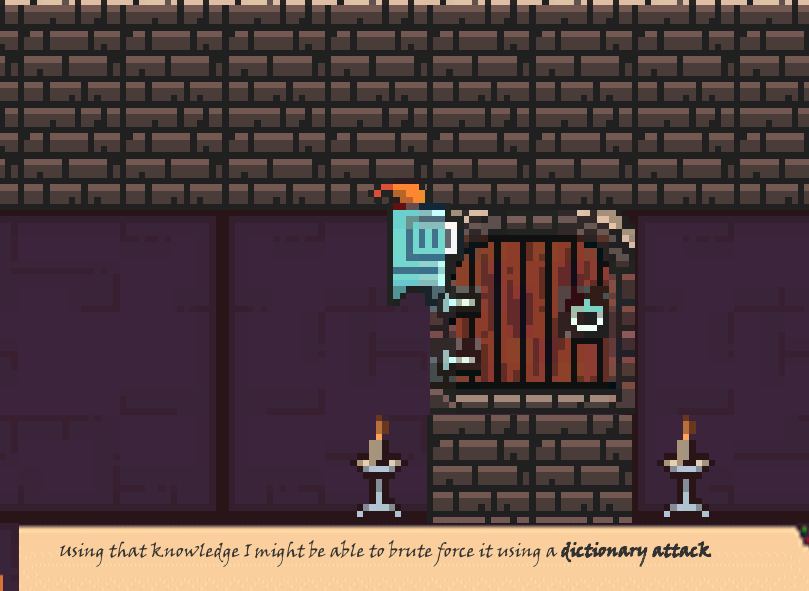
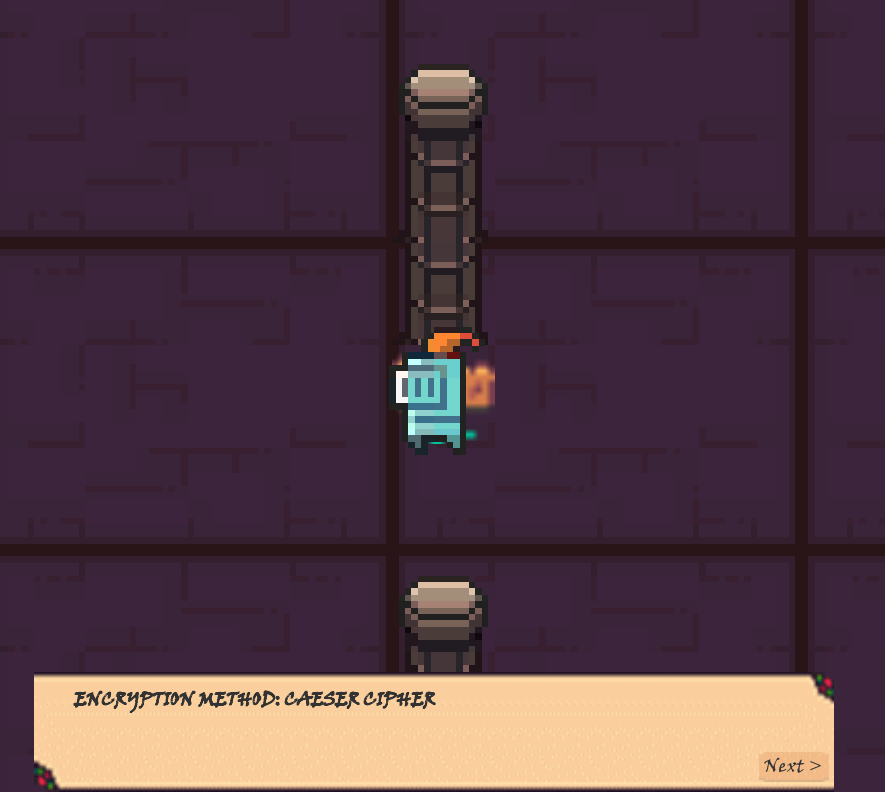
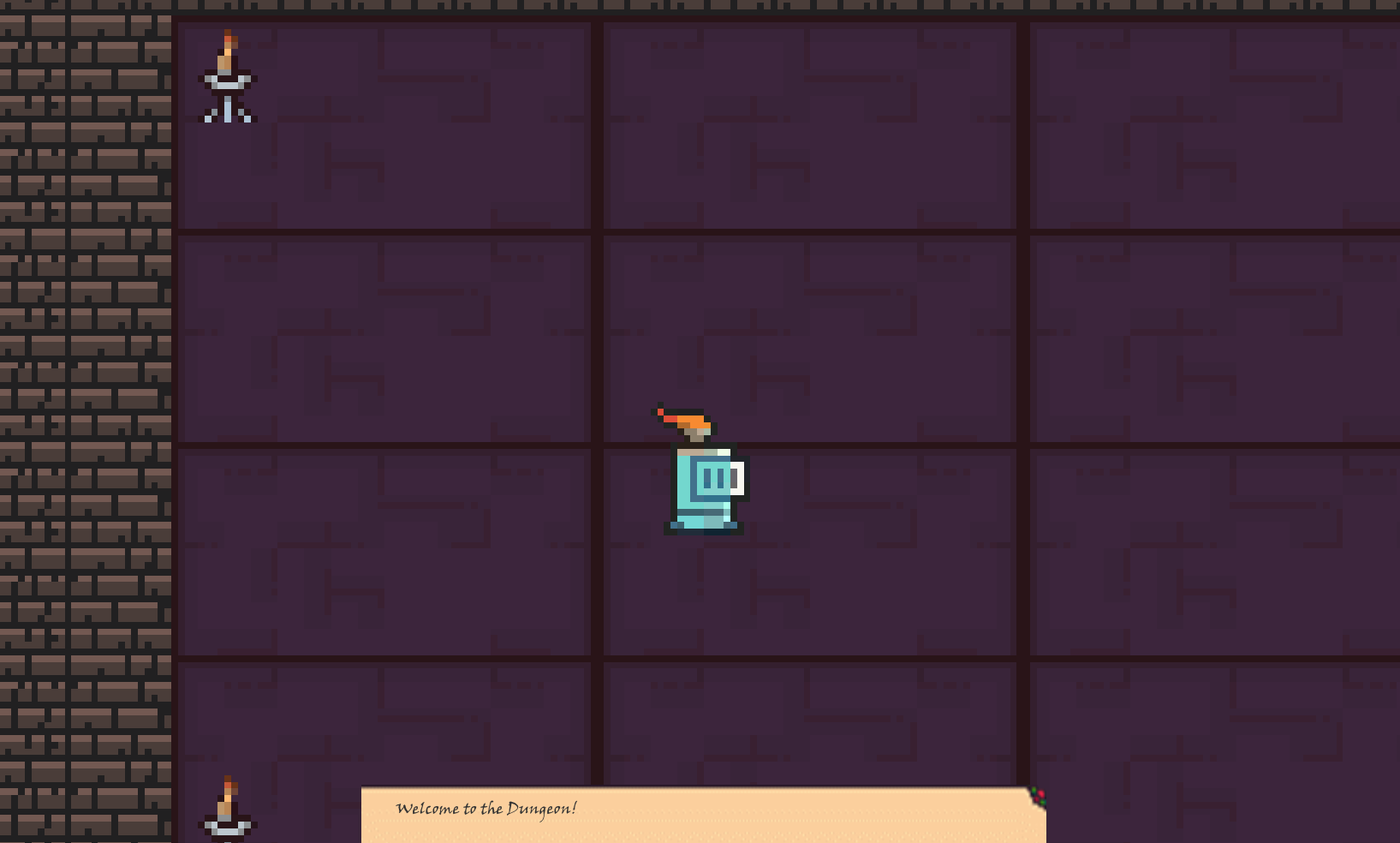
Our game is a top-down 2D puzzle game. The goal of the game is to use hacking and cryptography concepts to get your way to the end. We've structured the levels so that each room teaches a different concept. We really wanted to emphasize that the game was a fun learning experience, not a lecture or a tutorial with blocks of text. Our puzzles are designed to have the student realize how each concept works at a base level and experiencing each concept by trying to solve said puzzles. The concepts we cover are Brute Force, Dictionary Attacks, Caesar cipher, Crypto Analytic attack, and Binary Decryption.
How we built it
Caffeine. Lots of it.
We built the game from scratch. Most of us had never used Unity before and the one person who did has never made a top-down 2d game. Many of the art assets were premade or imported. We created all the scripts and mechanics from scratch; Matt worked mainly on the beautiful dialogue system and worked to make sure that the entire system flowed seamlessly. David knew the most about cryptography and worked on getting the concepts into the game and event triggers. Andrew worked on designing the analog puzzle and designed and built the entire circuit. Eric did basic movement mechanics and level design, animation, and event triggering. The entire thing was a huge collaborative effort and a lot of mistakes and learning were done. In the end, we are incredibly proud of our final product!
Challenges we ran into
3 out of 4 of our team members had never touched Unity or c# before ever! Learning to program in the language on a completely alien platform was a challenge when we started. The first 4 hours of this hackathon was spent downloading unity, troubleshooting unity, and learning basic Unity functionality.
We also tried really hard to incorporate a hardware portion to our project, showing that these very cyber-focused concepts could be applied in real life. None of us are electrical engineers but we were able to create a small circuit system that uses logic gates to represent binary and this aids in solving one of our puzzles!
Accomplishments that we're proud of
Learning Unity and C# in a very short span of time. Creating a game in the span of 24 hours. Creating a circuit board that demonstrates uses of cryptography in an analog setting using logic gates. Pulling an all-nighter (totally worth it). Collaborating on one project and not running into too many merge issues. Actually finishing a La Croix (not worth it).
Creating a truly fun and educational game that adheres to the bounds of the challenge given.
What we learned
Circuits are super hard. Drawing them is hard, making them work is even harder. But they're super rewarding when they work.
Unity and C#. Public variables are not as good as protected variables. Use prefabs when using an object repeatedly. Crunch time means functionality comes first, but don't let that deteriorate the quality of what you do. Lime La Croix still isn't good.
What's next for Hack U Knight (CyberHack Game)
Scaling level difficulty (both conceptually and mechanically) that includes more interaction, contact with "real" programming, much more complex encryption methods, and more creative use of the circuit created for the game. We also would like to add a much deeper storyline including but not limited to a physical antagonist that the student has to battle against using the encryption method that they've learned. We want to be able to convey these concepts clearly in as fun of a way possible!


Log in or sign up for Devpost to join the conversation.