-

Main screen
-
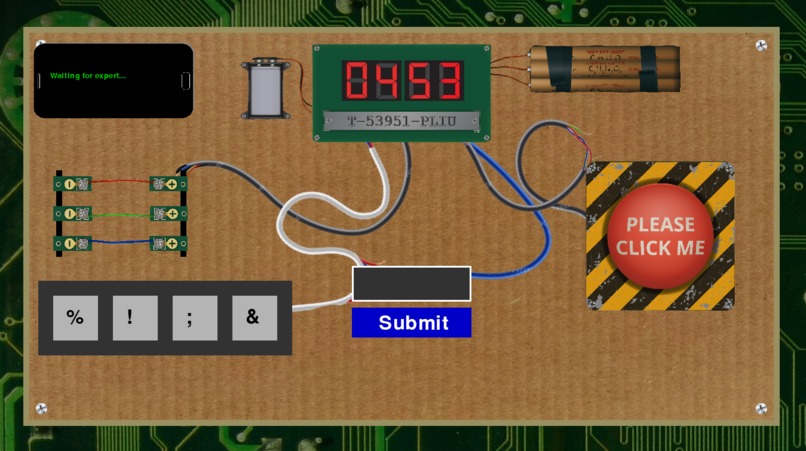
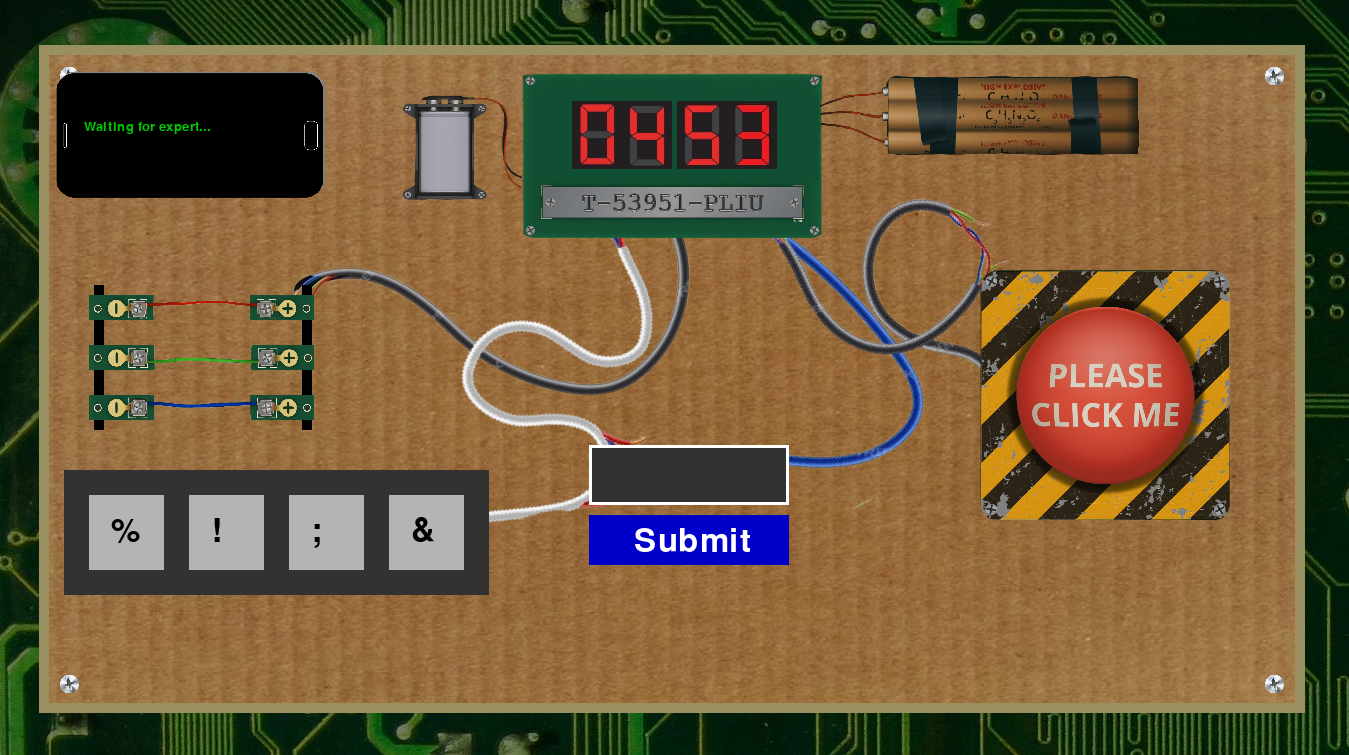
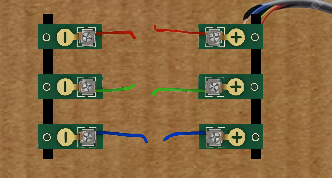
Defuser view
-
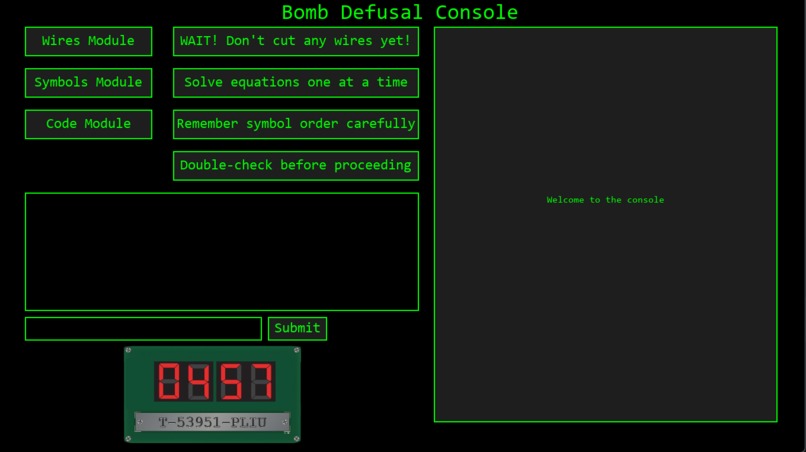
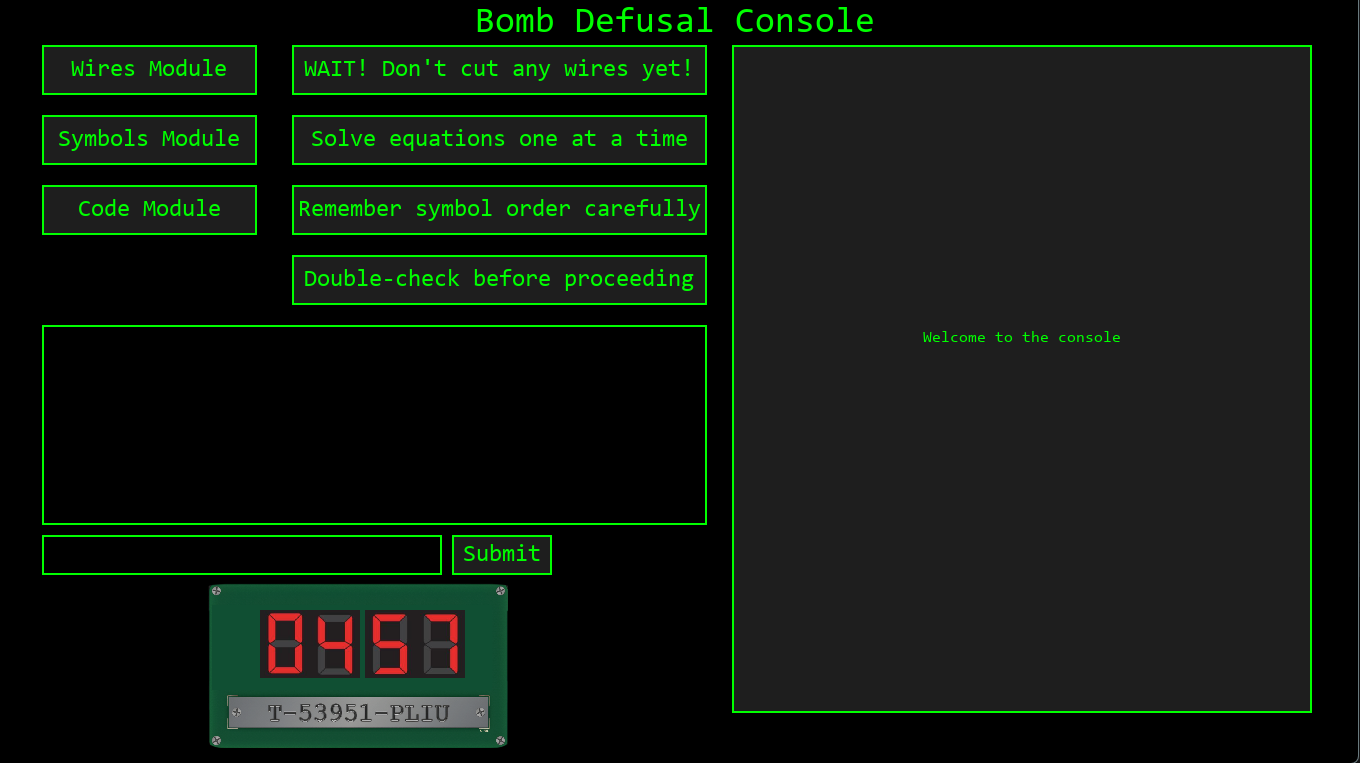
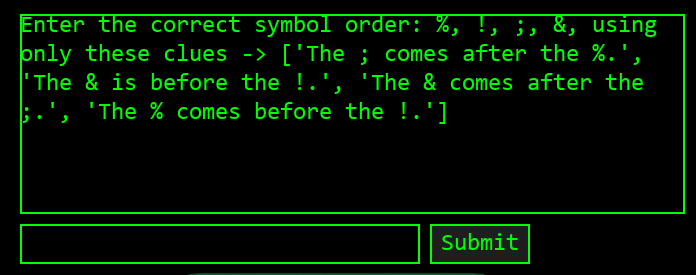
Expert console view
-
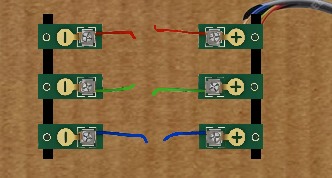
Wires cut
-
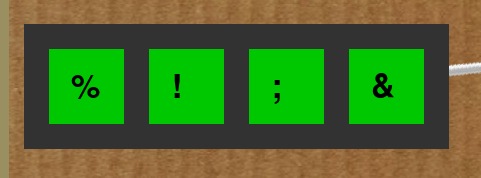
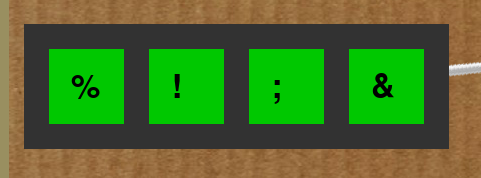
Symbols complete
-
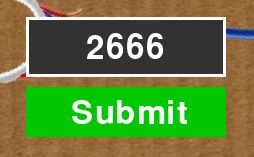
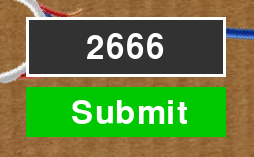
Code correct
-
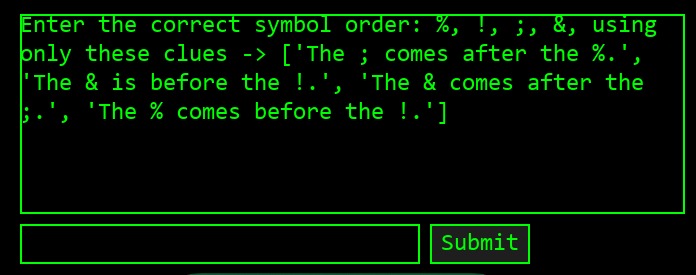
Hints for bomb defusal codes/symbols/wire
-
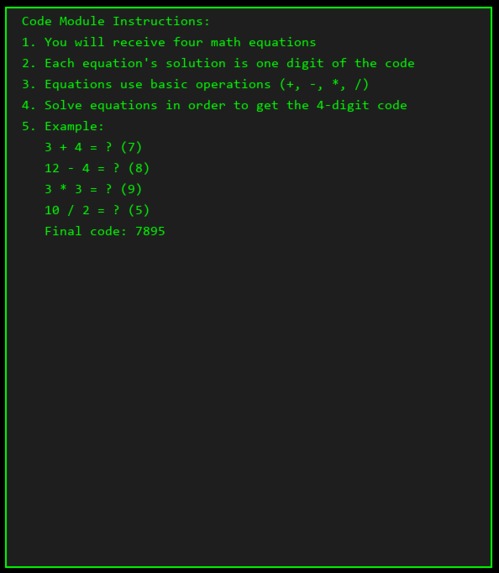
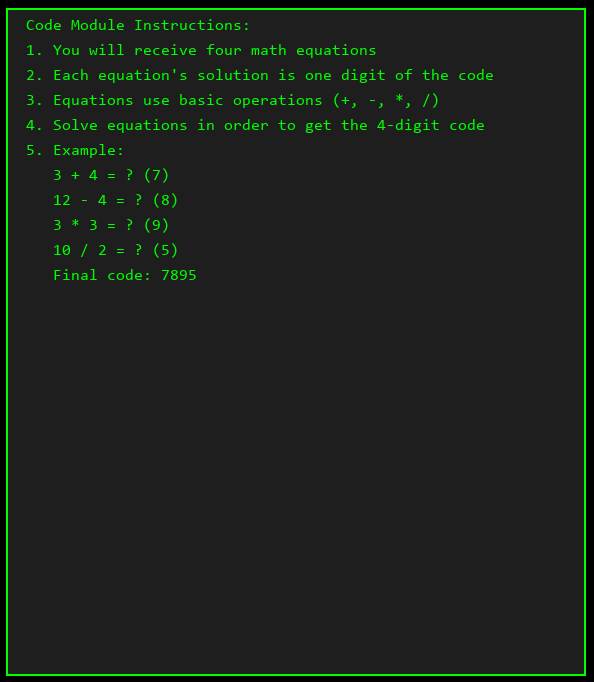
Manual 1
-
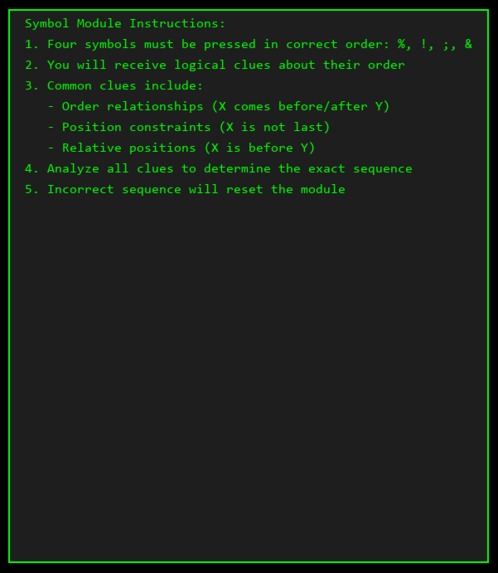
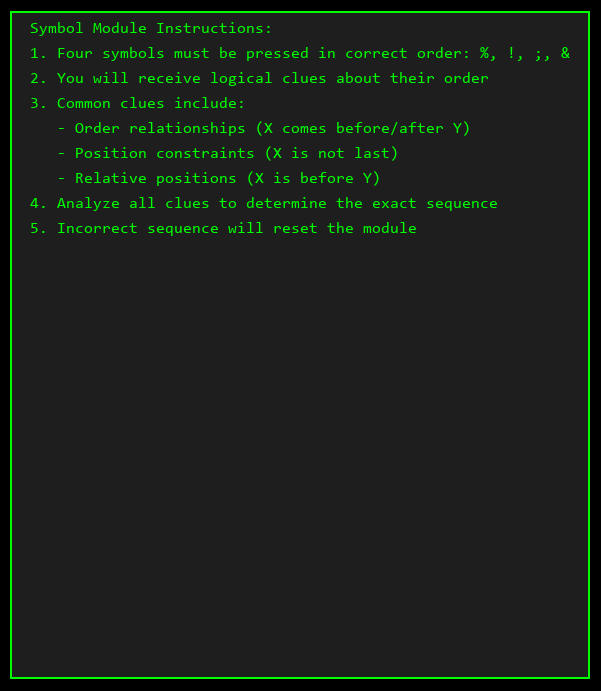
Manual 2
-
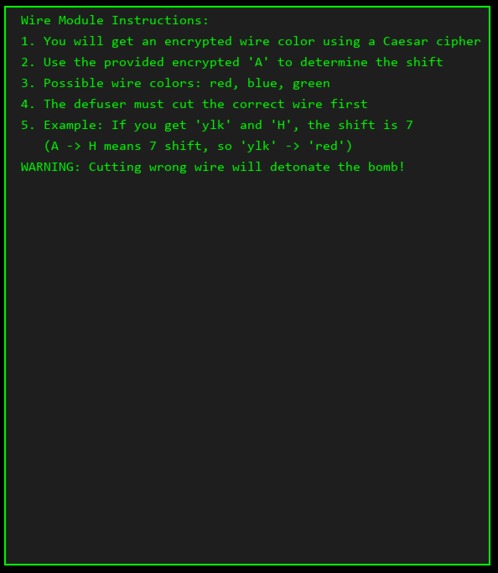
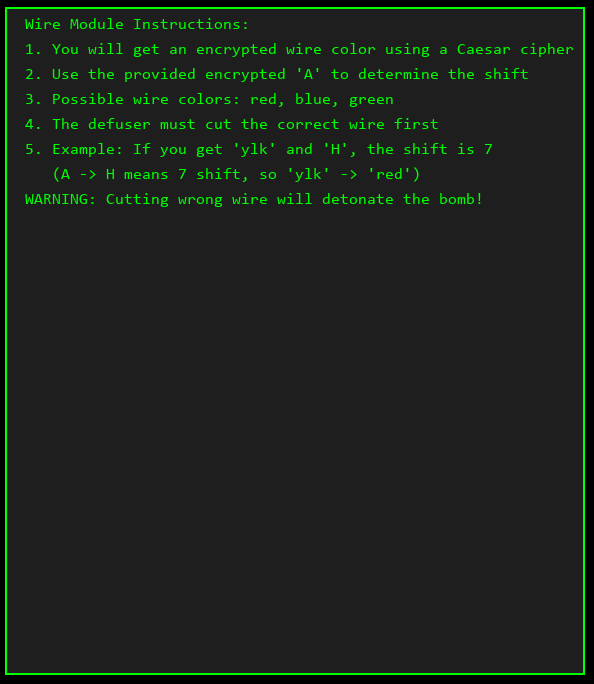
Manual 3
-

Bomb defused
-

Detonator triggered
-
Time ran out
-

Wrong code entered
-

Wrong wire cut



Inspiration
HackTheBomb was inspired by the high-stakes collaborative gameplay of games like "Keep Talking and Nobody Explodes." We wanted to create an experience that tests not just individual problem-solving skills, but also communication and teamwork under pressure. The concept of having one player with the manual and another with the bomb creates an intense dynamic where clear communication becomes literally a matter of virtual life and death.
What it does
HackTheBomb is a two-player collaborative puzzle game where players must work together to defuse a virtual bomb. The game features:
Player 1 (Defuser): Interacts with a graphical bomb interface containing:
- Three colored wires (red, green, blue)
- A symbol keypad with four symbols (%, !, ;, &)
- A numerical code input system
- A countdown timer
- A detonator button
- Visual feedback for all interactions
Player 2 (Expert): Has access to:
- A terminal-style interface with the bomb defusal manual
- Detailed instructions for each module
- Quick-message system for urgent communication
- Custom message input for detailed instructions
- Module-specific puzzle information
How we built it
The game was built using:
Technologies:
- Python as the primary programming language
- Pygame for graphics and game mechanics
- Socket programming for player communication using Hamachi
- File I/O for sharing puzzle information
Components:
main.py: Game launcher with player role selectiongame_state.py: Central game logic and puzzle generationplayer1.py: Defuser interface and bomb mechanicsplayer2.py: Expert interface and manual systemutility.py: Shared utility functions for file operations
Game Mechanics:
- Randomized puzzle generation for replayability
- Real-time network communication between players
- Multi-module puzzle system
- Timer-based gameplay
- State management for puzzle completion
Challenges we ran into
Networking Complexity: Implementing reliable real-time communication between the two players required careful handling of socket programming and data synchronization.
State Management: Coordinating game state between two separate applications while maintaining consistency proved challenging, especially with multiple puzzle modules.
User Interface Design: Creating an intuitive interface for both players that could convey complex information without overwhelming them required multiple iterations.
Puzzle Generation: Developing a system that could generate random but solvable puzzles while maintaining game balance was particularly challenging.
Error Handling: Implementing robust error handling for network disconnections, incorrect inputs, and various edge cases required significant testing and refinement.
Accomplishments that we're proud of
- Created a fully functional multiplayer game with real-time communication
- Implemented an engaging puzzle system with multiple modules
- Developed a clean and intuitive user interface for both players
- Successfully integrated randomized puzzle generation
- Created a balanced difficulty curve that challenges players without frustrating them
What we learned
- Advanced Pygame development techniques
- Network programming with sockets in Python
- State management in multiplayer applications
- User interface design principles
- Game balance and puzzle design
- Error handling in networked applications
- The importance of clear communication in collaborative games
What's next for HackTheBomb
Additional Puzzle Modules:
- Morse code module
- Pattern recognition puzzles
- Color sequence challenges
- Sound-based puzzles
Enhanced Features:
- Difficulty levels
- Custom puzzle creation tools
- Achievement system
- Tutorial mode
- Leaderboards
Technical Improvements:
- Cross-platform compatibility
- Enhanced graphics and animations
- Improved network stability
- Save/load functionality
- Spectator mode
Built With
- Python
- Pygame
- Socket Programming
- Hamachi/FortiClientVPN
- File I/O
- Random Number Generation
- Caesar Cipher Encryption
- Event-Driven Programming
- Object-Oriented Design


Log in or sign up for Devpost to join the conversation.