-
-
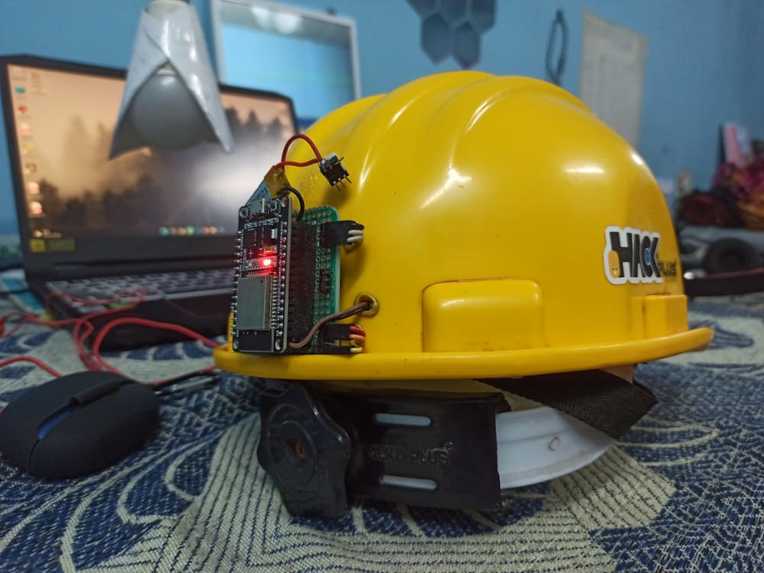
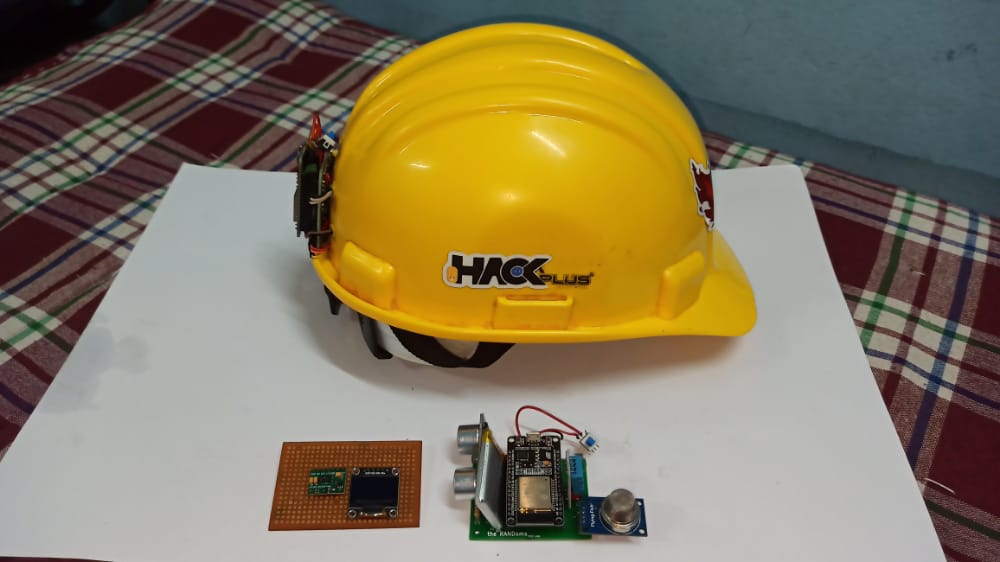
Helmet
-
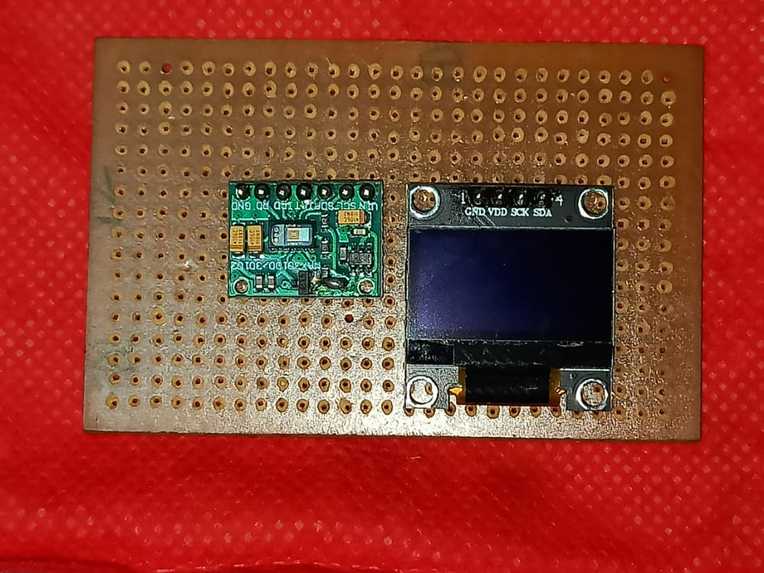
Watch
-
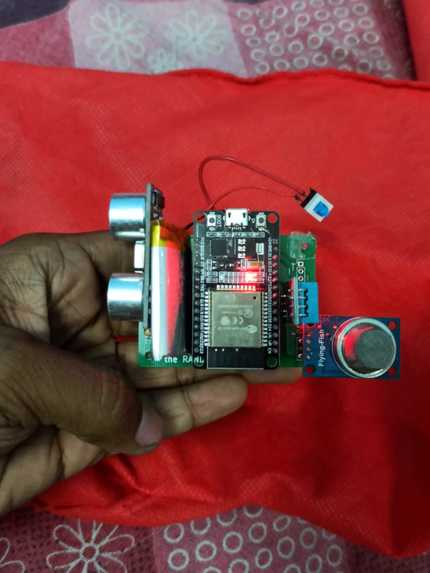
Coal-Mine Device
-
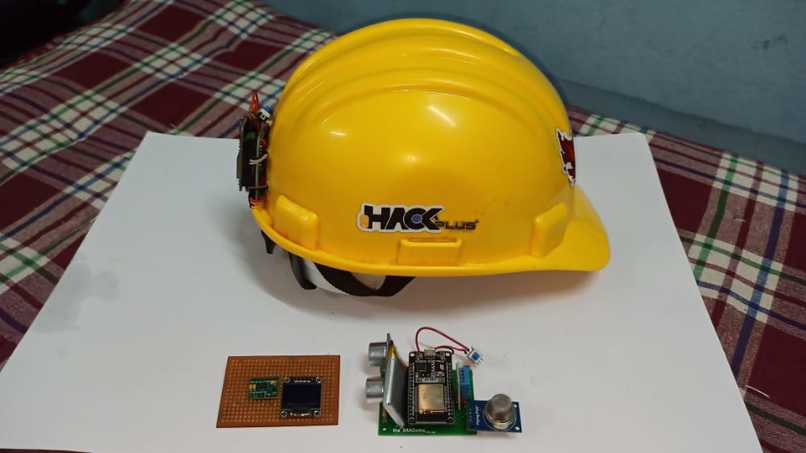
At a Glance
-
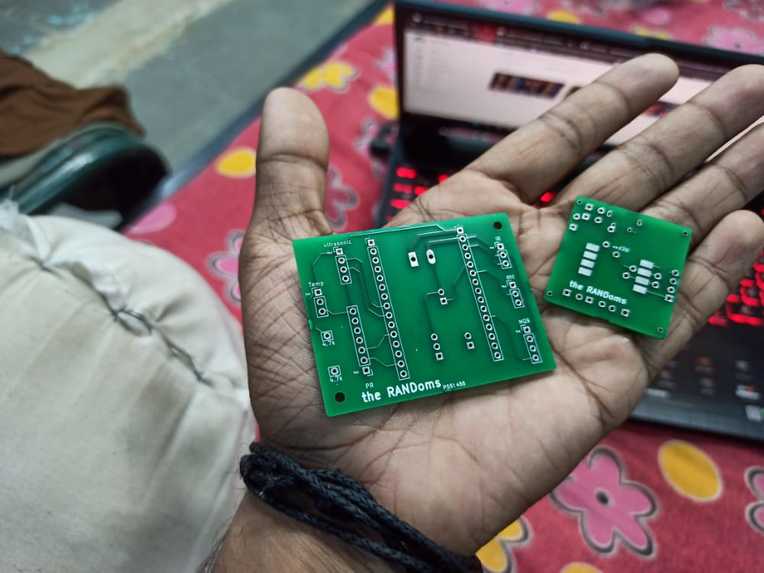
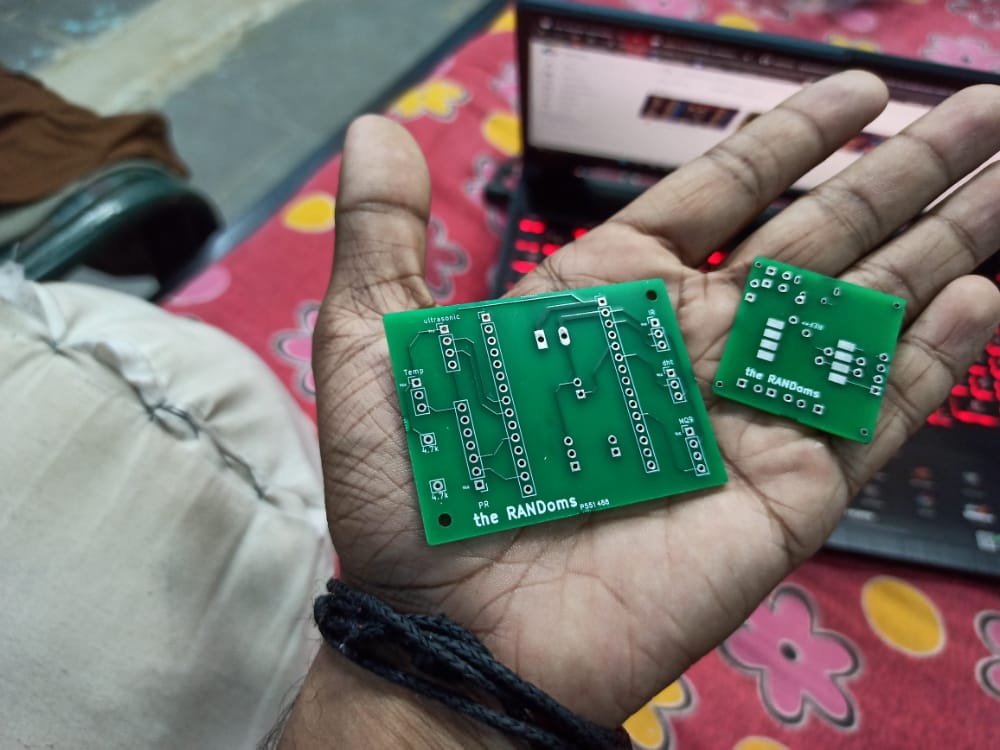
Printed PCBs
Inspiration
PROBLEM : ** The mining industry is known worldwide for its highly risky and hazardous working environment. Mining workers are affected by many hazards. ** Probably there is no communication mechanism available like internet facility for the transfer of Hazardous data like Ceiling Fall, Gas Explosion, Mine Flooding, Irregular Human Vitals i.e. Heart Beat and Blood Oxygen Levels. ** Basically there is a requirement of a smart device or clothing system for the solution that could resolve the problem of transferring these data to the control room with no internet facility.
What it does
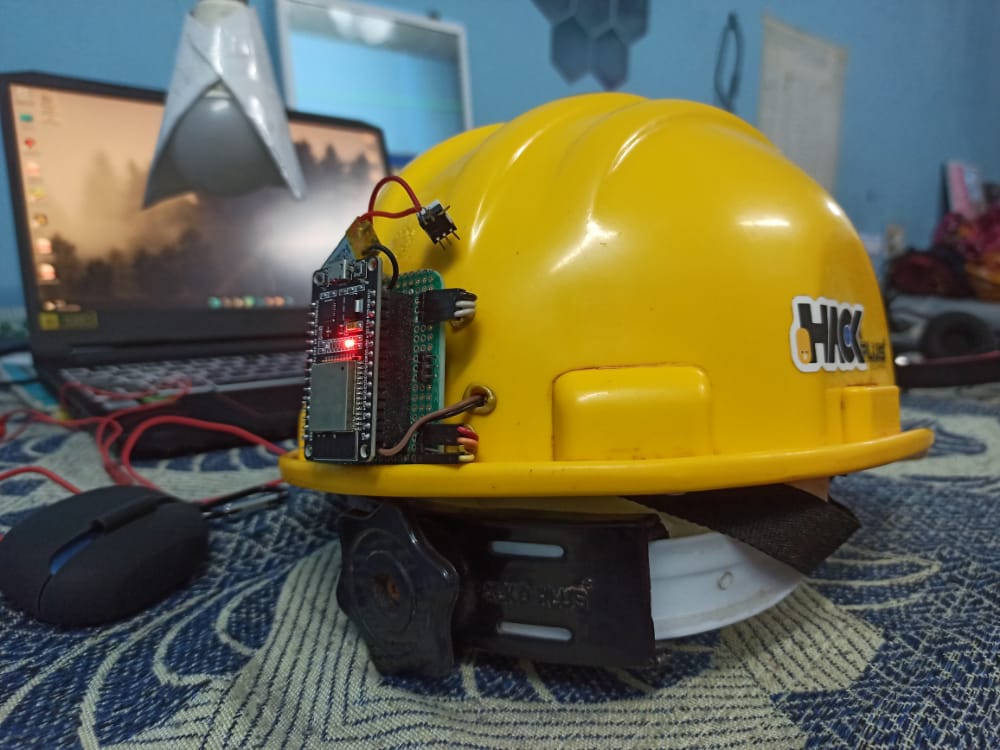
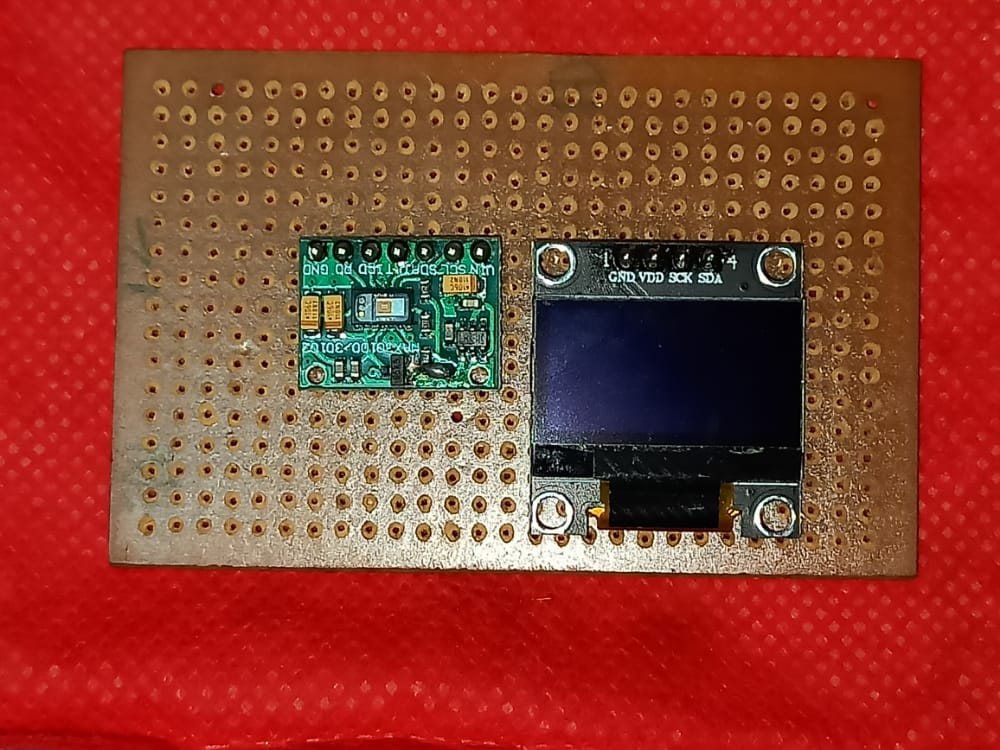
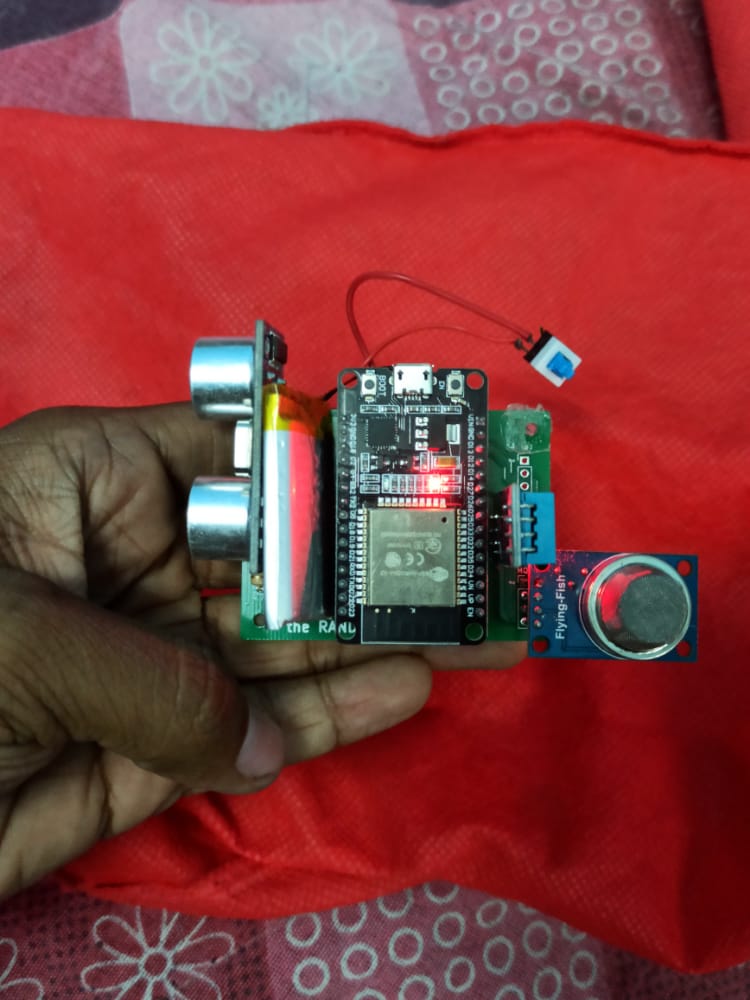
** A Device that can transmit data upto 1Km range without internet. By clustering several devices together, it can transmit upto N Kilometers. ** This project helps transfer the hazardous data inside the coal mines to control rooms that are around 1Km above the mines ** Hazardous data like : -Harmful Gas Release(Methane, Carbon Monoxide) -Temperature and Humidity rise to a indefinite level -Irregular Human Vitals(Heart rate, Blood Oxygen Levels) -Drastic Rise of water levels that can cause floods -Worker stuck or in any emergency. ** Buzzer sounds for high alerts ** Alerts while the device is not being used by the Worker or opened.
How we built it
** ESP-NOW Broadcast and Multicast Technology ** Used ESP32 Development Board and combined it with the LoRa Module to increase its efficiency. ** Designed and Developed an Arduino IDE Code the could connect the available devices in its range and form clusters to store data ** Data is being transferred as a peering method i.e. from one peer to another. ** It contains a Panic Switch that can be used by each user during panic situations to alert the safety managers of his location.
Challenges and Accomplishments
** At the very first stage the project was not made to be working without internet, which came out to be a challenging task. ** There are several research papers that deploy their project code with several features scattered. But putting all of them in a single bucket was another challenge for us. We implemented the project with hundreds of failures in code and correct hardware technology to be chosen. Finally we delivered a project with an integrated system. ** Battery issues are very common, but solving them again becomes a challenge. Hence, we came up with the "Sleep Mode" for the project that puts it to sleep, when there's no occurrence of hazard discovered i.e. the device stays partially awake. ** The Device could be placed anywhere as a wearable, but chose a Helmet and a Watch as they are essentials and no extra burden to people. But the challenge was to make the device smaller that could fit in, and so we did. ** Google might give a huge amount of information about device ranges, but testing on ground makes a difference was a challenge. We, personally took permissions and visited the nearest coal mines to test and clarify the device usability and its range issues. Pictures as proof of visit has been put in the Google Drive link.
What we learned
** we learned how to tackle a problem in the real world scenario by personally visiting the coal mines. ** we learned to make an android app without coding by using Kodular Platform.
What's next for HACK+
** we have applied for the patent for our project. ** waiting for an opportunity where the project could be made scalable into the public or industries.
Built With
- arduino
- cloudinary
- dht11-temperature-&-humidity-sensor
- esp32
- firebase
- google-sheets
- lora-module
- max30102-pulseoximeter
- mq9-gas-sensor
- proximity-sensor
- thingspeak
- ultrasonic-sensor


Log in or sign up for Devpost to join the conversation.