Inspiration
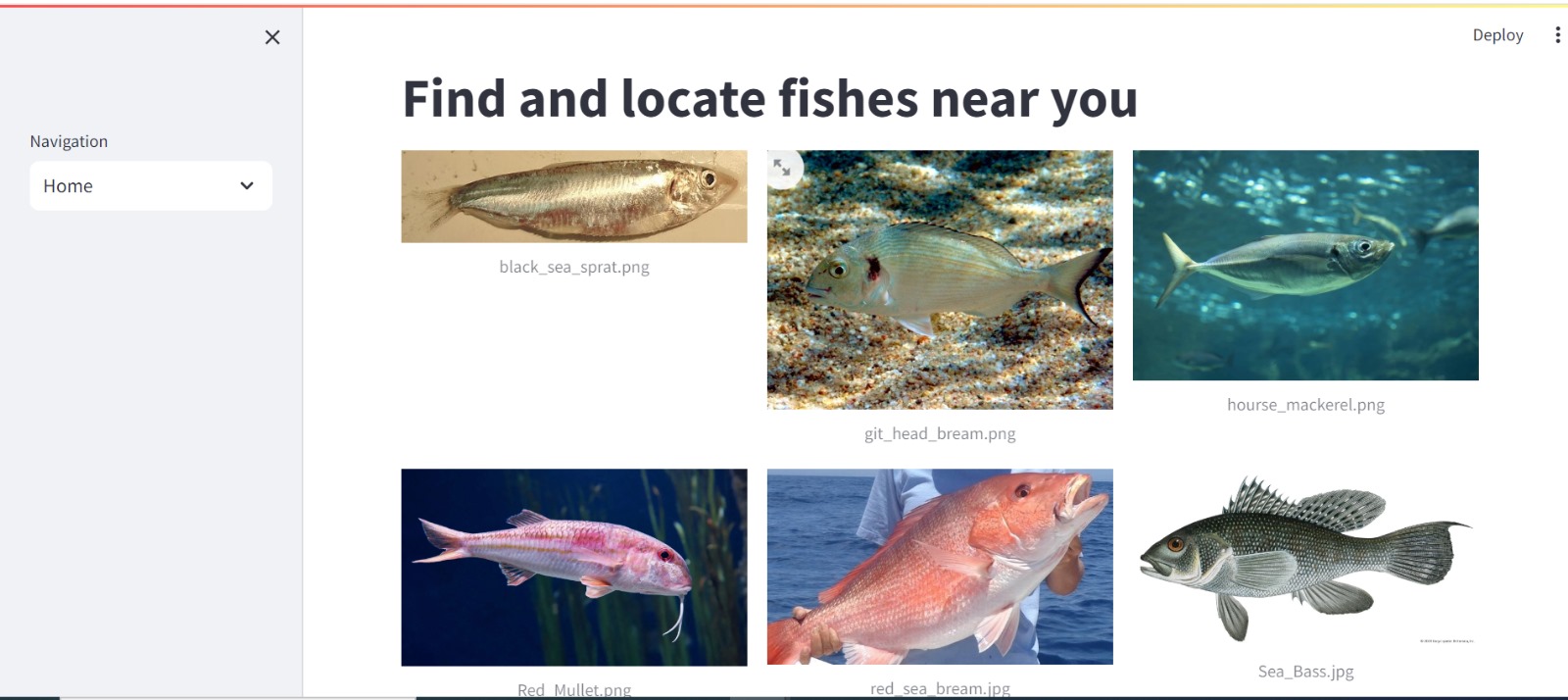
Our inspiration for Hack-a-Tuna stemmed from a passion for marine life and a drive to leverage technology for environmental stewardship. Recognizing the challenges in fish species identification and tracking, we envisioned an application that could make a real difference – both for those who love aquatic life and for professionals in the field of marine research and conservation.
What it does
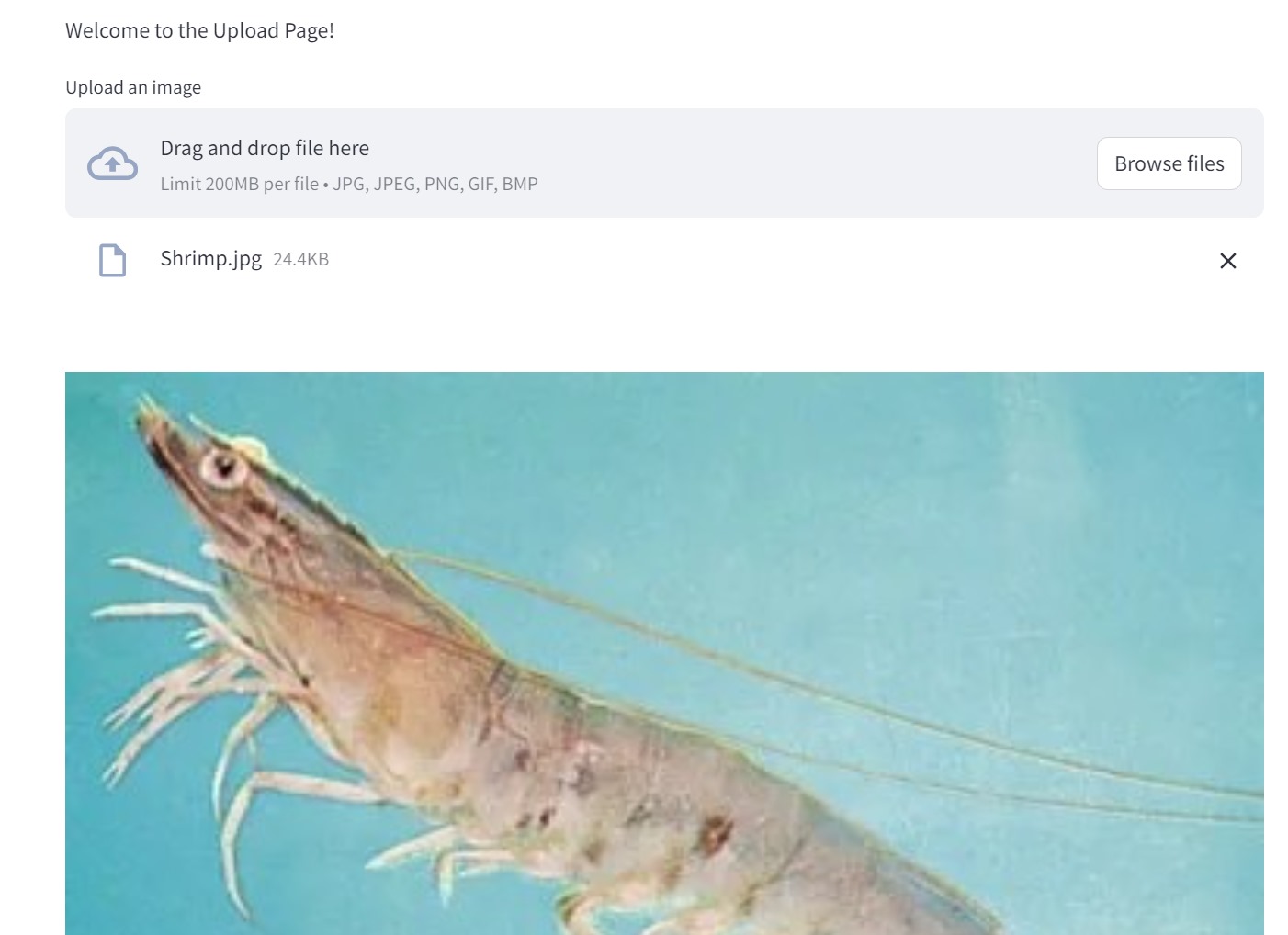
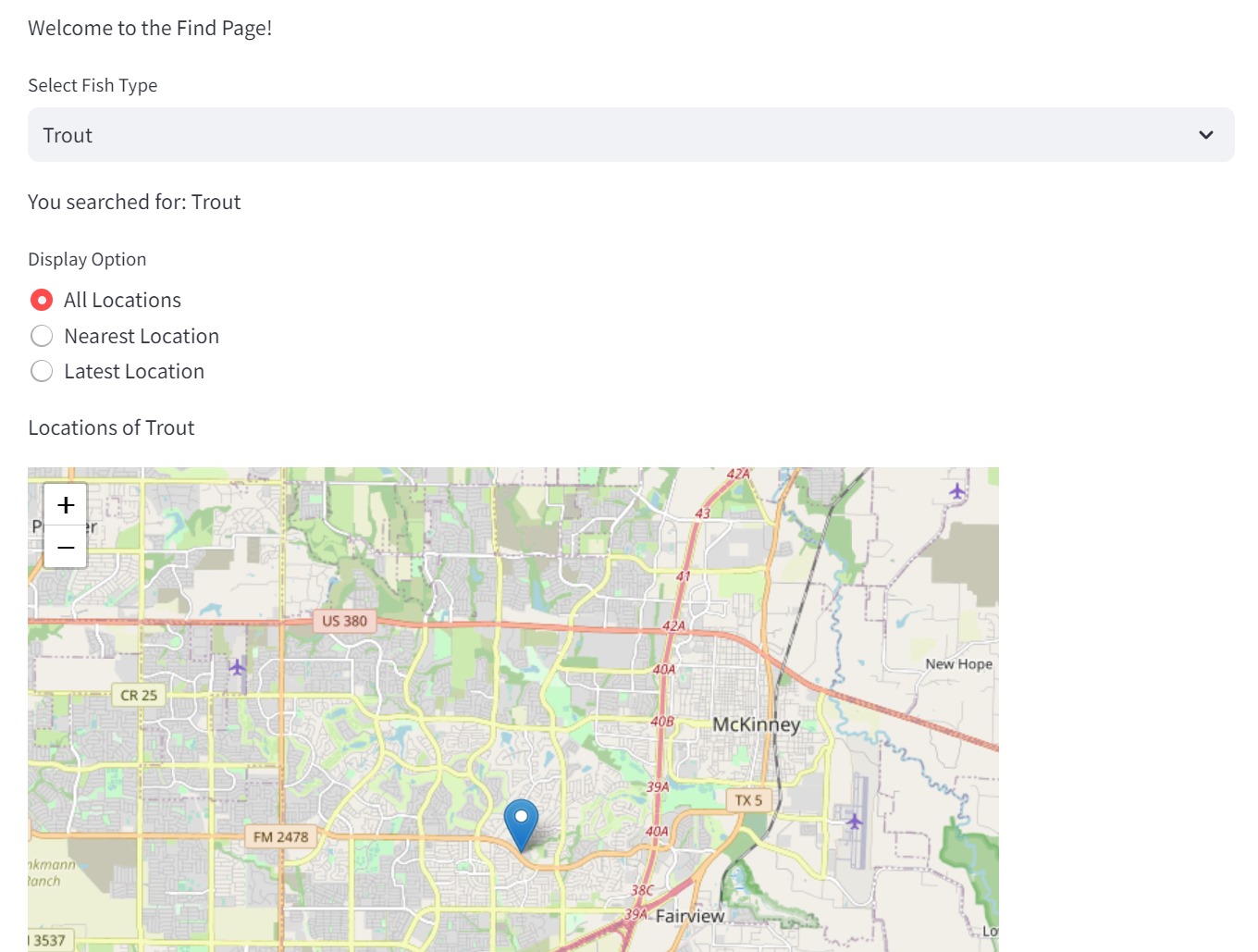
Hack-a-Tuna is a dynamic application that revolutionizes fish identification and tracking. Users can upload images of fish, which are then identified using a sophisticated machine learning model. The application also logs the geographic locations of these sightings, creating a comprehensive map that illustrates fish distribution and habitat patterns, invaluable for research and conservation efforts.
How we built it
We built Hack-a-Tuna using Streamlit for an intuitive user interface, TensorFlow and Keras for the machine learning model, and Folium for interactive map visualization. The backend is powered by Python, with a MySQL database managing the data storage. This combination of technologies provided a robust and efficient platform for our application.
Challenges we ran into
One of the main challenges was ensuring the accuracy of the fish identification model, which we addressed by training it on a diverse and extensive dataset. Integrating the geolocation data with the image upload feature also presented a technical hurdle. Additionally, creating a user-friendly interface that could handle complex processes in the backend was a significant focus.
Accomplishments that we're proud of
We are particularly proud of developing an application that not only meets technical expectations but also makes a meaningful contribution to marine life research. The precision of our fish identification model and the successful integration of geolocation mapping stand out as key achievements.
What we learned
Throughout this project, we deepened our understanding of machine learning, geospatial data handling, and user interface design. We also gained insights into the complexities of marine ecosystems and the importance of technology in conservation efforts.
What's next for Hack-a-Tuna
Moving forward, we plan to expand Hack-a-Tuna's capabilities. This includes enhancing the AI model for even more accurate identifications, broadening the database to cover more species globally, and incorporating community features to foster user interaction and collaborative data contribution. We are also exploring the integration of augmented reality (AR) for an immersive educational experience.
Built With
- amazon-web-services
- folium
- keras
- mysql
- python
- streamlit
- tensorflow


Log in or sign up for Devpost to join the conversation.