-
-
-
-
-
-
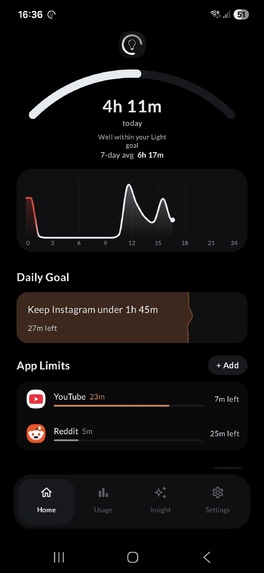
Screenshot 1179x2556
-

App Icon 1024x1024

Inspiration
One day, my friends and I were talking about what time we usually go to bed, and their answers made me notice something. It wasn’t just about the time they went to bed, but why they stayed up that late.
Phones have a significant influence on our daily lives, often without us realizing it. Over time, this can negatively impact our focus and well-being. Reducing social media usage may lead to a significant improvement in well-being.
Since digital wellbeing is an extremely common genre in apps, I did some market research and tested many apps. What surprised me was that I did not come across any app that uses AI beyond just a chatbot in a meaningful way to help users overcome their screen habits, which motivated me to bring my idea to life.
We humans tend to stick to our habits. And that’s where Haby can help. Along with tools to help create a healthier digital balance, it's designed to make the process feel like a challenge, a personalized journey that keeps you motivated to continue.
What it does
With Haby, you can:
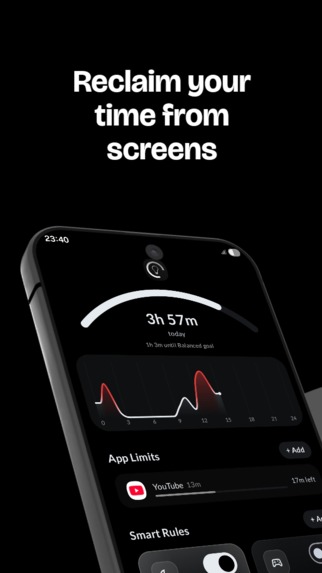
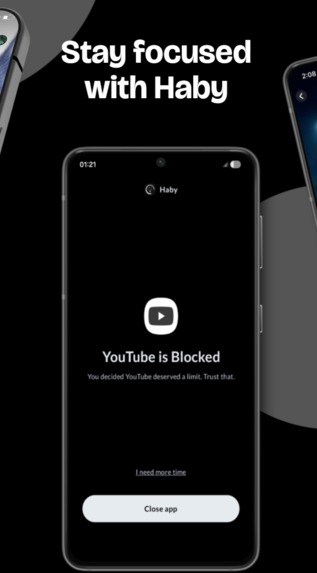
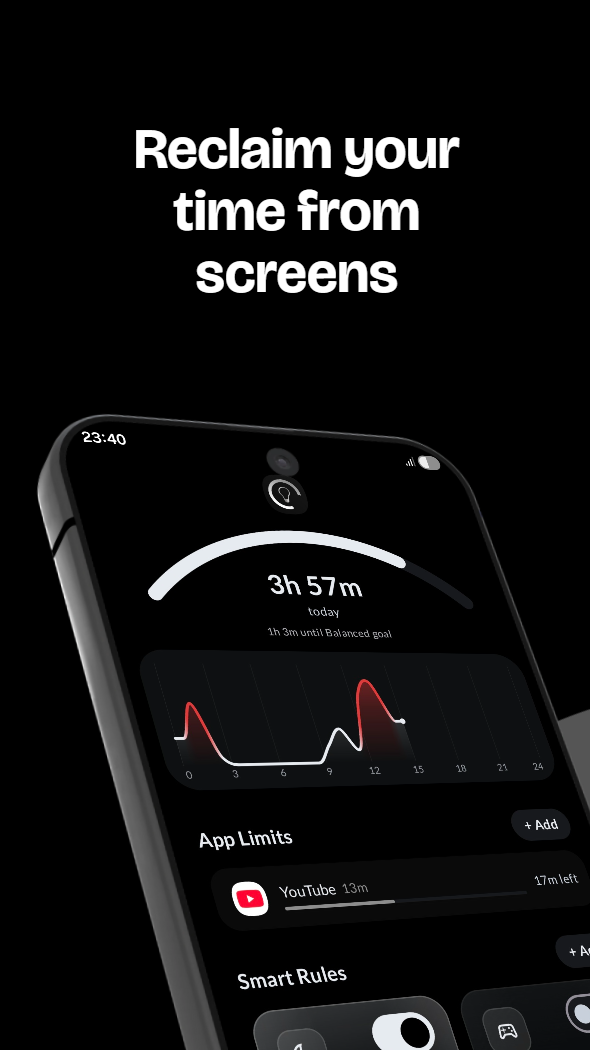
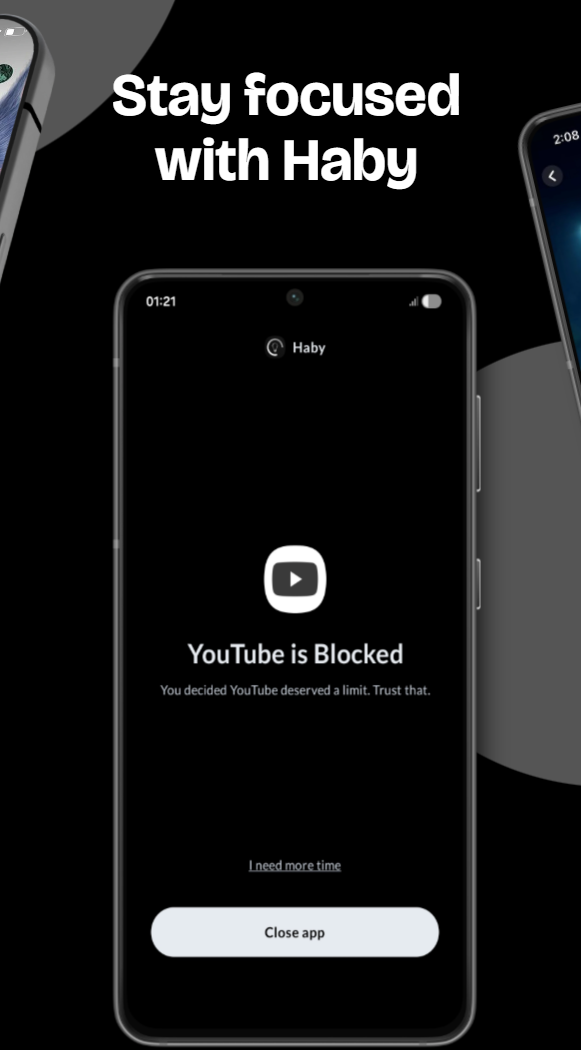
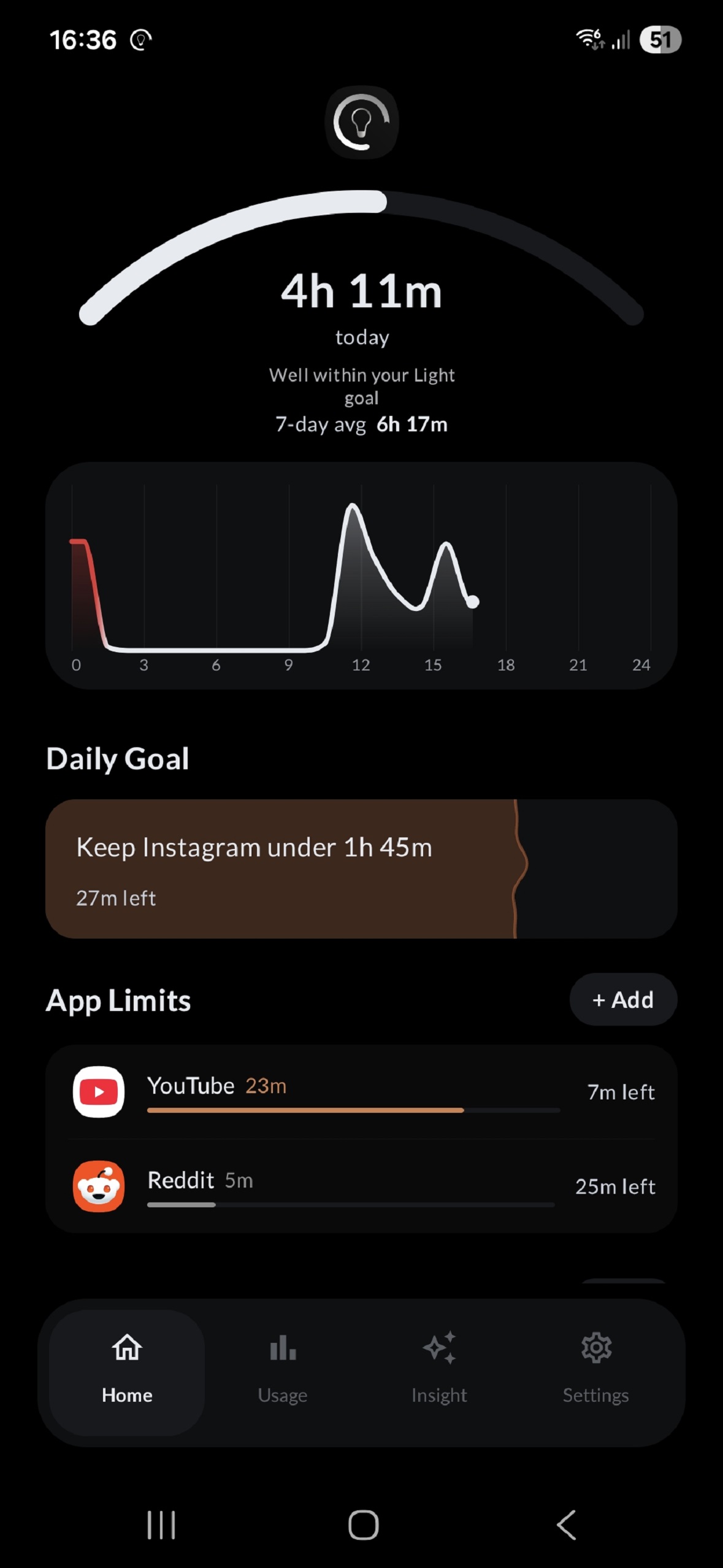
- Set your own limits for distracting apps
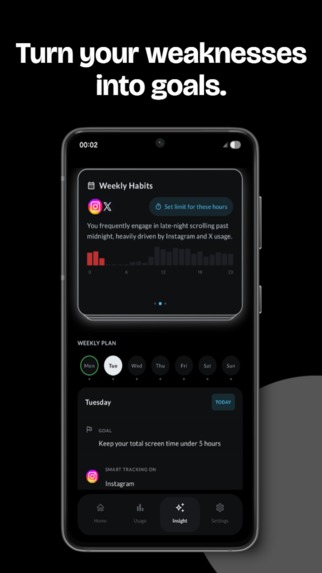
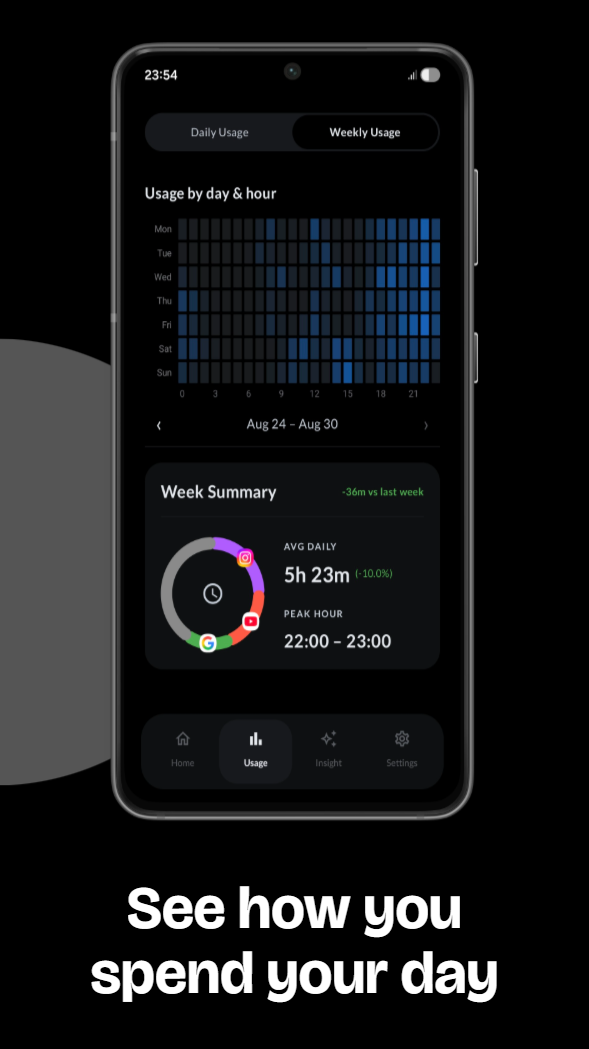
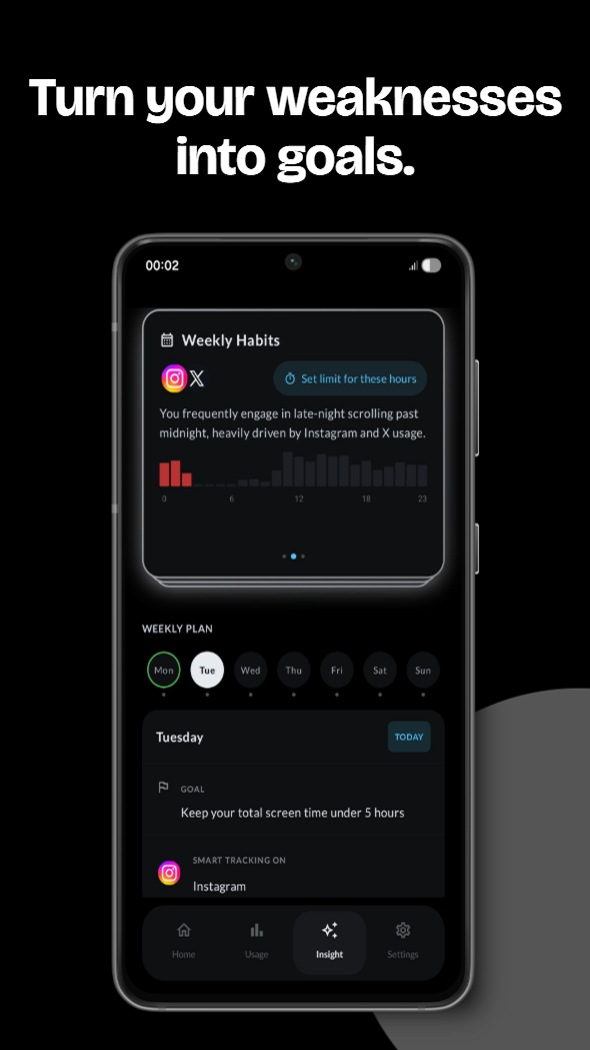
- Get AI-powered weekly habit report
- Complete daily goals based on your usage
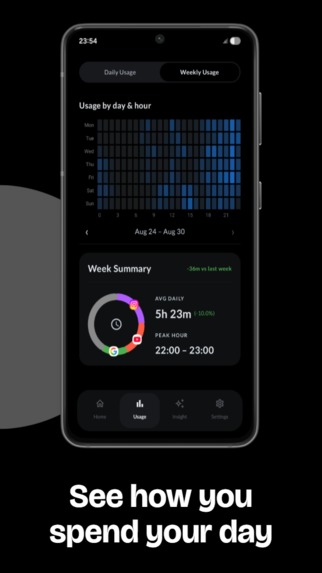
- Break your recurring mindless screen habits
Every user has different habits and goals. To help achieve them, Haby sometimes steps in whenever they get lost on their phone, like someone who understands their habits.
Privacy-first. No account creation. Usage data is not stored on our servers or used for model training.
How I built it
During the process, almost every script was written using Claude Code, while the core ideas were entirely my own.
Development: Android Studio (Kotlin)
Backend: Vercel (Node.js)
Database: Redis (Rate limiting)
Subscriptions: Revenuecat SDK forever
App Icon: Figma
Challenges I ran into
Play Store's closed testing process: Google requires a 14-day closed testing period before you can apply for production, which can be a stressful chapter. What if the app gets rejected? What if it misses the deadline? I made sure everything complies with Google Play's requirements to prevent any possible issues.
Never ending ideas: App development is full of possibilities, but you can't pursue every idea. At some point, you have to choose some and move forward.
Testing Across Many Scenarios: Real habits are messy, so I tested Haby's AI with many different usage patterns instead of a few ideal ones. It took a lot of iterations, but the reports and daily goals are now more reliable across very different users.
Accomplishments that I'm proud of
Haby exists: First of all, I managed to turn my idea into a functional app that helps users in a positive way.
Easy to navigate: I wanted every part of the app to feel easy to understand, without making users stop and wonder where they are.
Personalization: There’s no single path to digital wellbeing. Haby is designed for people with different goals and habits who want to reduce mindless screen time and build healthier digital habits with the help of AI.
What I learned
-The app development process consists of many steps. Some steps can take more time than we expect. Having a clear plan for your product is important in this regard.
-Every extra moment a user spends thinking about what to do in the app is a flaw in the design. This should be kept in mind throughout the design process.
What's next for Haby
Bringing your friends into the journey: Progress can be more motivating when experienced together. Soon, it will be possible to invite friends and turn this journey into a simple way to compete and motivate each other every day.
Focusing primarily on marketing
Further improving the app based on user feedback
Built With
- android-studio
- claude
- figma
- kotlin
- node.js
- redis
- revenuecat
- vercel

Log in or sign up for Devpost to join the conversation.