-
-
Research-3
-
Research-2
-
Research-1
-

HabitStax Icon
-
HabitStax Logo

Inspiration
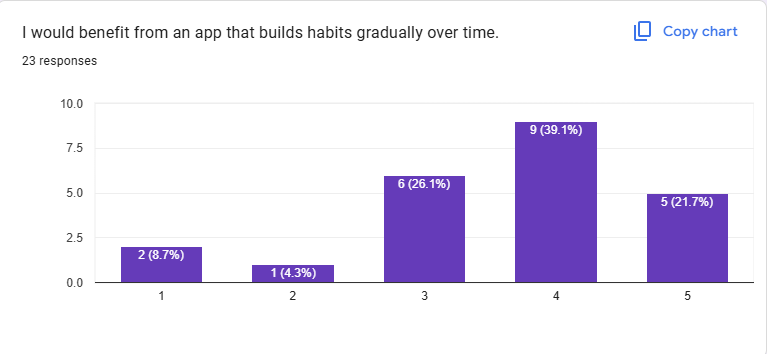
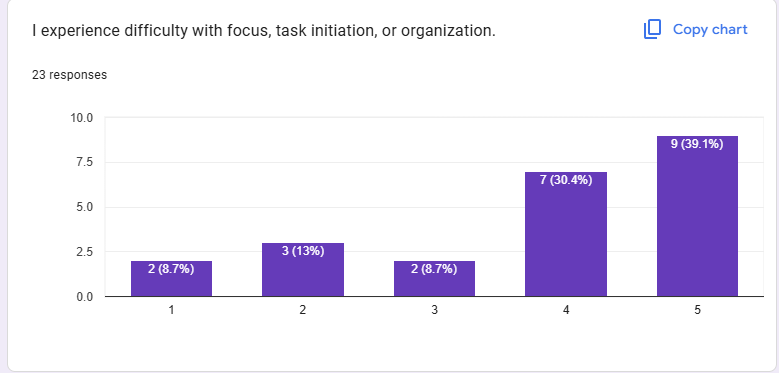
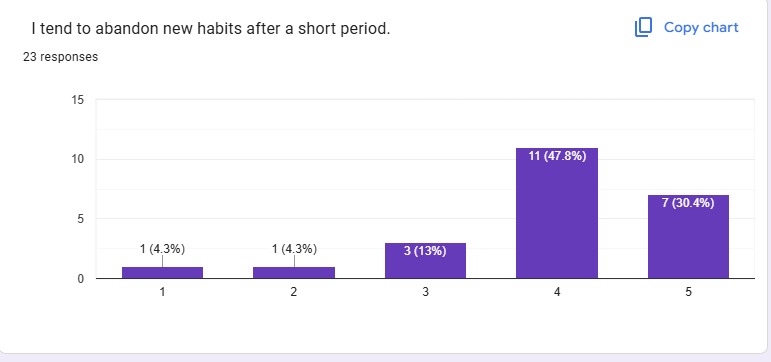
- We were motivated by solving problems of the present and the near future with preexisting solutions. Seeing how dopamine is one of the most essential chemicals in the brain, we looked into how it played a part in prehistoric humans developing new skills through pursuing risky dopamine-producing activities, which resulted in the development of hunting, gathering, communication through language, and early technological innovations. Since it was dopamine that played a part in famous explorers and scientists making ground breaking discoveries, we came to the conclusion that in order to allow the people of today to break their dependence on social media for dopamine, we chose to base our application on activating those dopamine receptors through pursuing new hobbies/habits through habit-stacking. We were also able to connect this to neurodivergent users, a significant subset of our target audience who face issues related to motivation, and can use habit stacking as a method of dealing with their day to day problems. One example is executive dysfunction, a condition that affects many who have ADHD. It essentially creates an obstacle in one's ability to start tasks, make important decisions, and keep track of memory and self-awareness due to the development of their prefrontal cortex. With this in mind, we also wanted to create an app that would appeal to not only neurodivergent individuals, but anyone who struggles with finding their way in life.
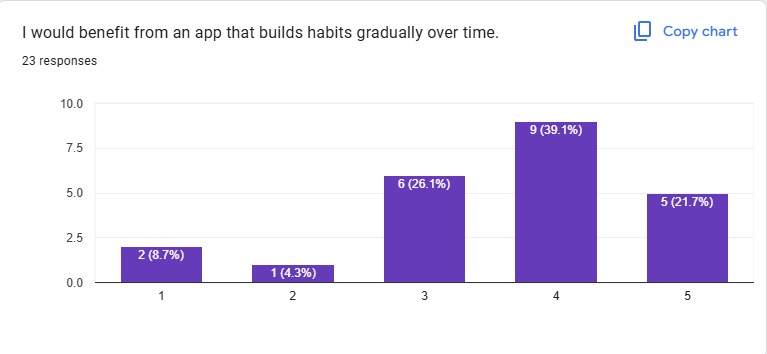
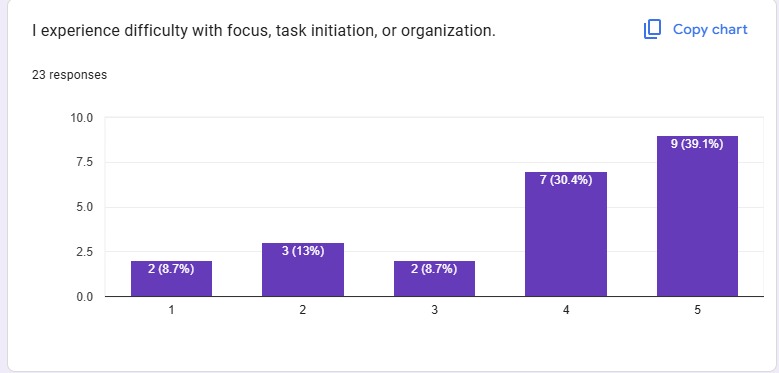
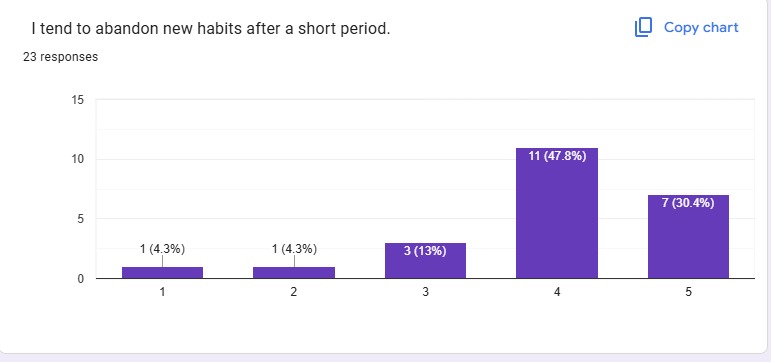
Research/Impact: View our image gallery to see a summary of the responses we've received on how useful our application is to the general public.
What it does
- Our app essentially allows users to set goals, receive tasks related to said goals, and complete a stack of habits in order to allow the user to engage in a productive session of habit stacking. Once they have completed the smaller, easier habits, they can build up to more complicated and challenging tasks. When the user completes their task for the day, the user will follow this routine of habit stacking for 60 days in order to develop familiarity with the chosen goal in their daily routine.
How we built it
Frontend: Next.js Backend: Supabase Misc: Capacitor (wraps our statically exported Next app in a native container that allows us to emulate a mobile app), Node.js (package manager) Design: Figma (We chose an organic theme related to nature in order to represent growth and calmness through the color scheme and the visuals of sky and earth. Green as a color is often related to growth and self-improvement, so we decided to pick out colors that we saw most often in nature in order to develop a bridge of familiarity for incoming users to get accustomed to and to not overwhelm our target audience.)
Challenges we ran into
- Architectural Issues: we had little familiarity with developing native mobile apps and needed an option where there wouldn't be a steep learning curve-- this is where capacitor came in. However, upon introducing this, we had trouble navigating its need for statically generated front end pages. We managed to find a workaround for this, and separated the server side functionality from the app to enable static code generation.
- Similarity to other apps: Preexisting apps working with the same problem came up with many solutions we had thought about. As a result, we had to think outside the box and come up with solutions that would cater to specific needs of our target audience.
- Differing Styling: Some coded front end pages with TailwindCSS, some with traditional CSS. We had to standardize this for streamlined coding.
Accomplishments that we're proud of
- We implemented a functional mobile experience from user input → database → AI → dynamic daily plan to demonstrate a real, usable app rather than just a concept.
- Our schema (Goals → Tasks → HabitStack → DailyCheckIn → DailyPlan) allowed us to represent how habits actually build on each other, not just track tasks. This made our app feel intentional rather than a basic to-do list.
- Using the Gemini API, we built a system that adapts tasks based on how the user feels each day. Instead of static plans, our app generates realistic, bite-sized steps tailored to the user’s current state. It also takes into account a user' history such as past tasks to provide better future task recommendations.
What we learned
- The importance of syncing the frontend pages with backend data
- How to communicate technical ideas through storytelling
- Incremental development and testing to avoid huge debugging problems
What's next for HabitStax
- Improved task generation using deeper habit progression and stacking
- Added feedback loops based on task completion
- Accessibility accommodations for a wide range of disabilities
- Including gamification of the app through streaks and multiplayer
- Enhancing UI/UX elements
- Testing with real users to refine and validate the experience

Log in or sign up for Devpost to join the conversation.