-
-
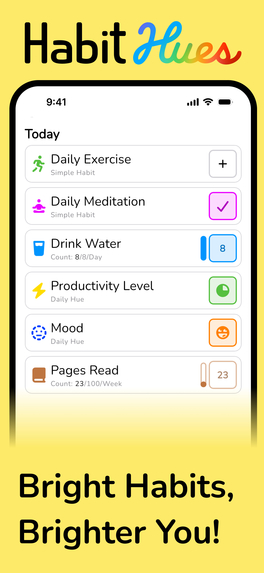
Store Screenshot 1
-
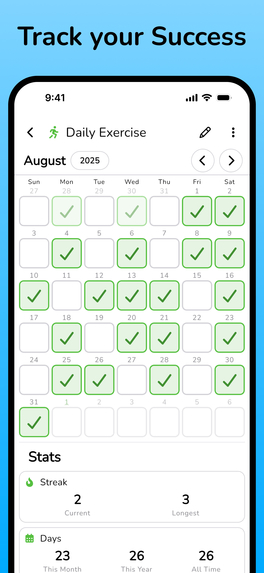
Store Screenshot 2
-
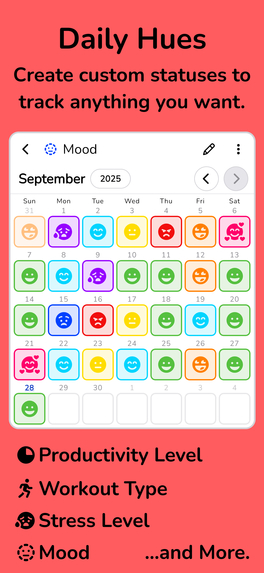
Store Screenshot 3
-
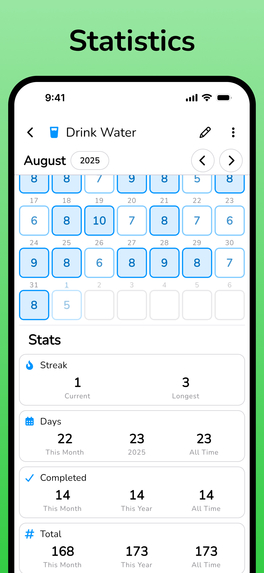
Store Screenshot 4
-
Store Screenshot 5
-
Device Screenshot
-

App Icon


Inspiration
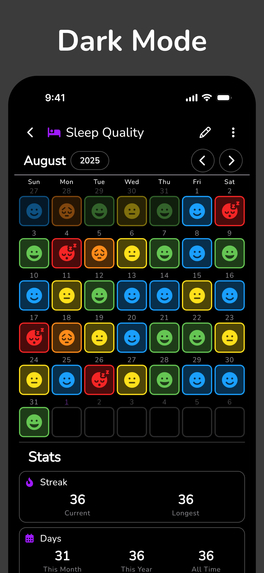
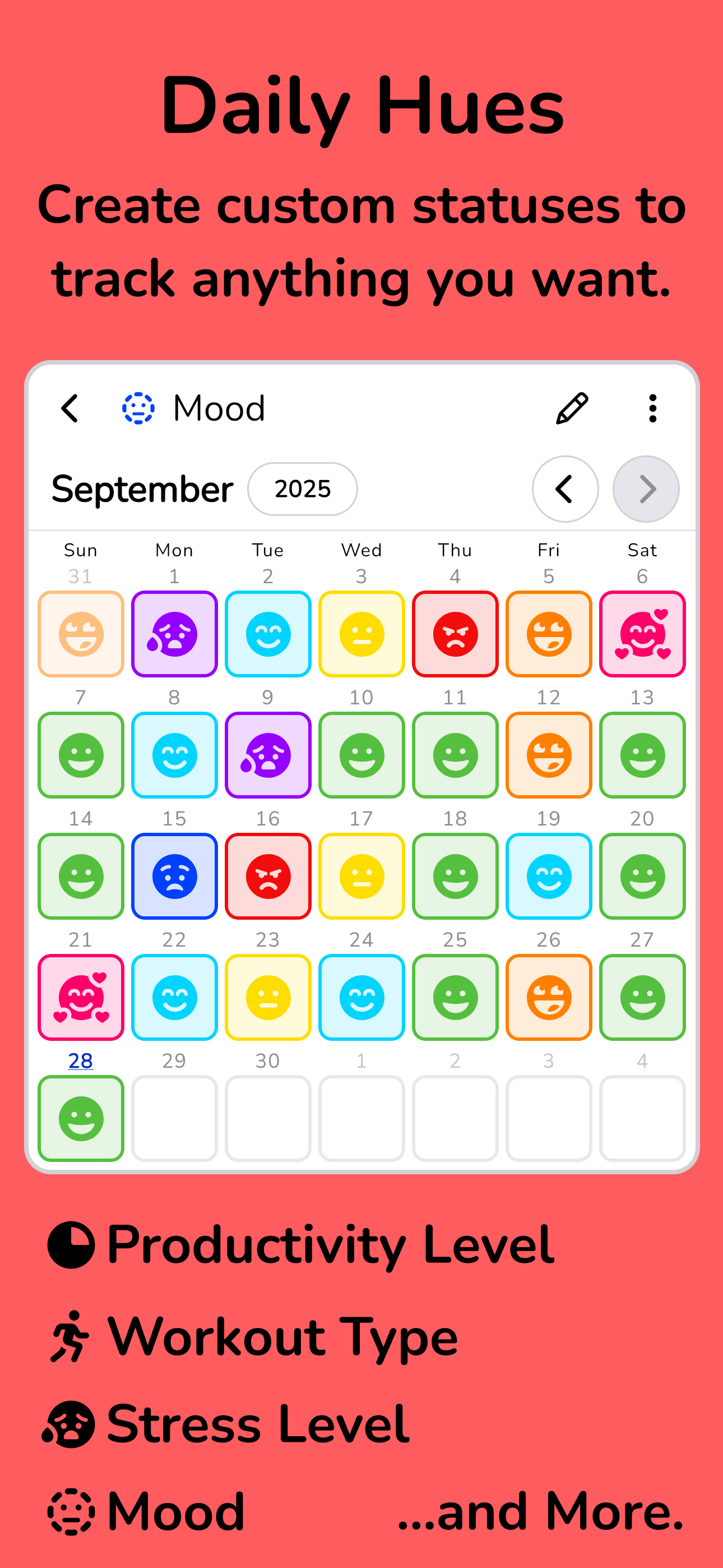
The inspiration for Habit Hues came from dot journaling, where people create small, visual calendars in their journals and use colors to represent moods, energy levels, anxiety, or anything else they want to track.
I wanted to bring that same creative and flexible approach into a digital habit tracker. Most habit trackers focus on binary progress, checked or unchecked, or simple numeric counts. With Habit Hues, the goal was to go beyond that by allowing people to express their day in color, making habit tracking more personal, meaningful, and fun.
What it does
Habit Hues is a simple yet powerful habit tracker that helps you stay consistent and truly understand your progress over time.
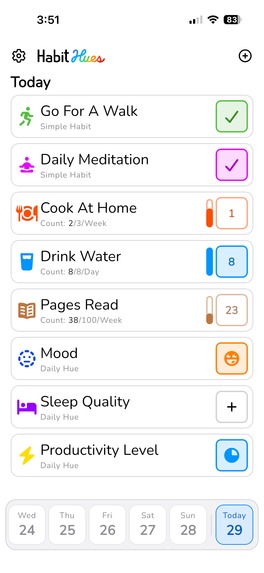
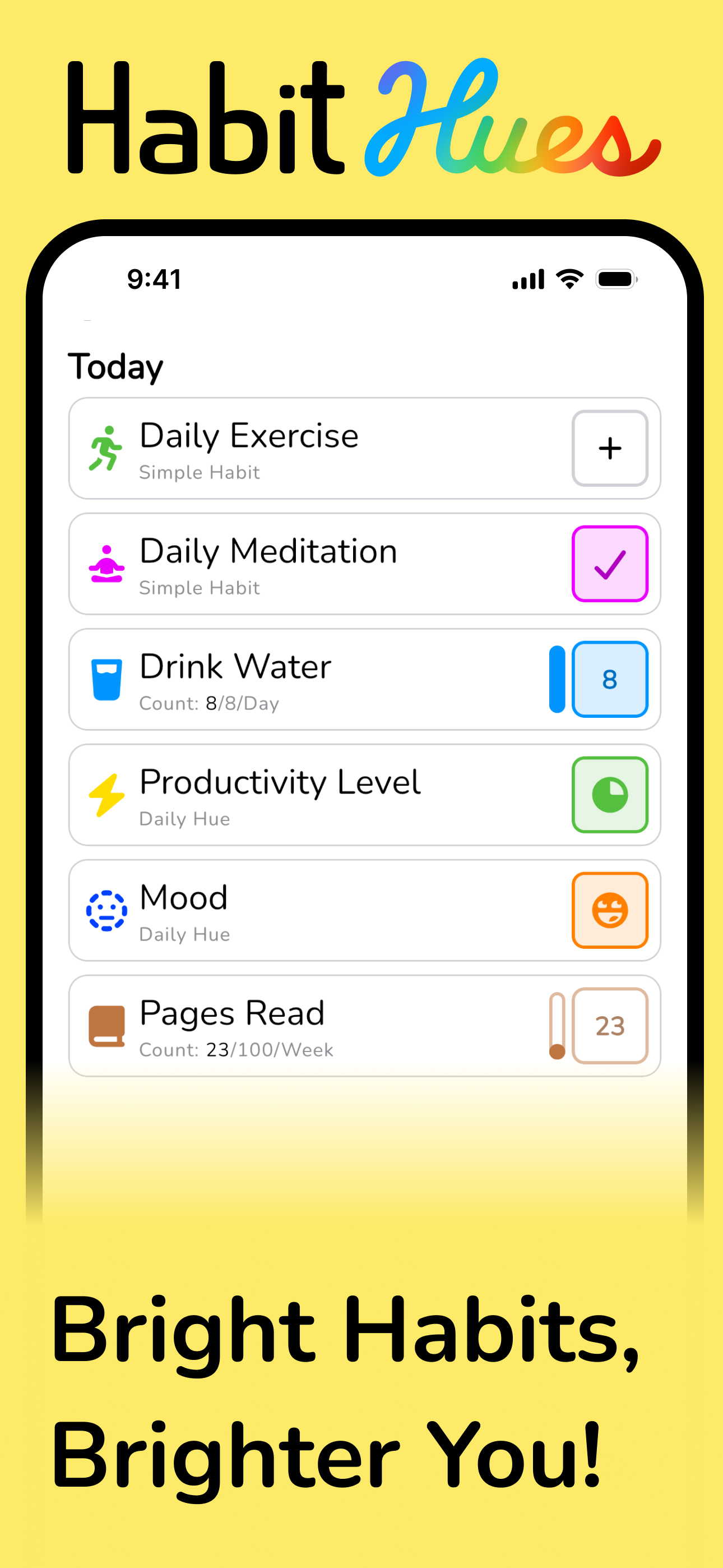
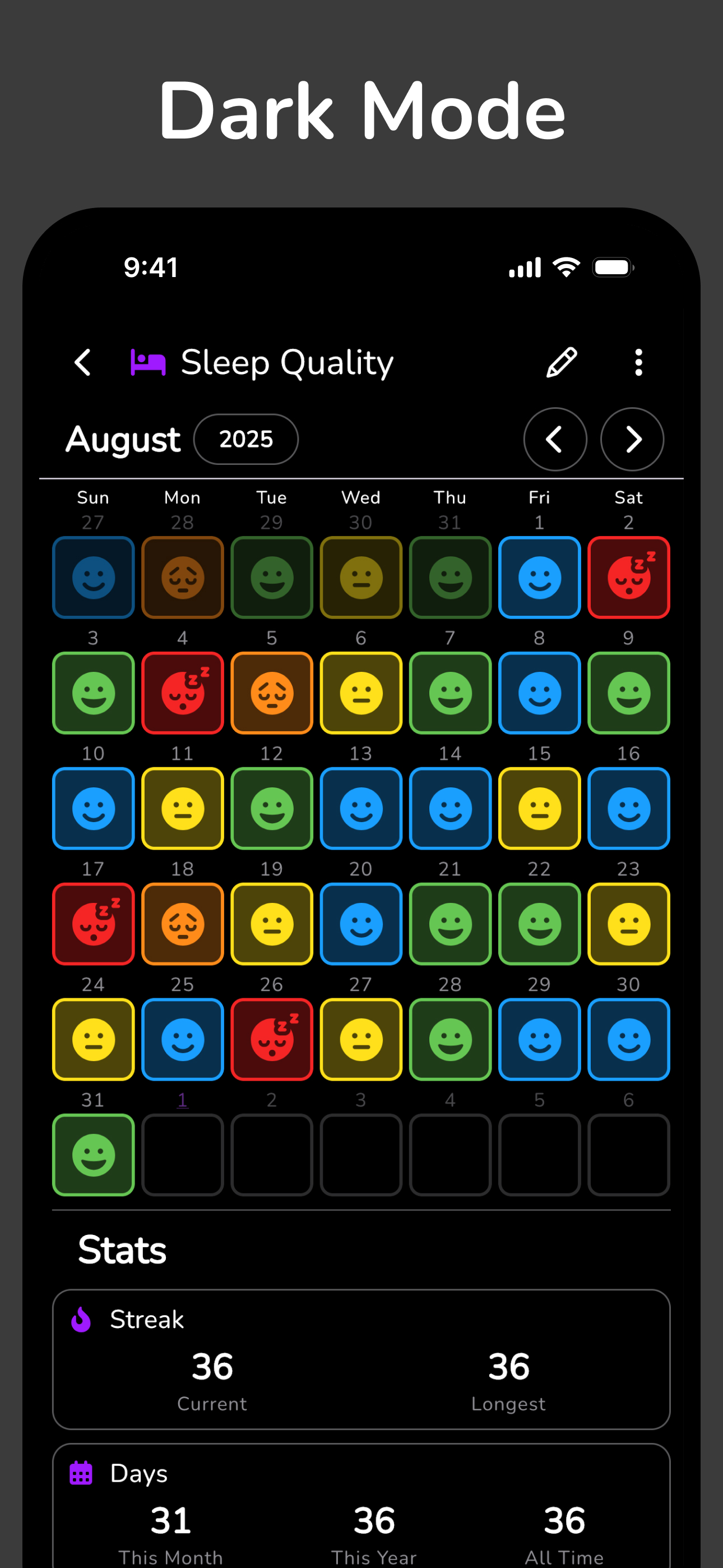
Instead of just checking off a task, you can log your day with colors and icons using the Daily Hues feature. This lets you track more than just completion you can represent how you felt, how well you performed, or any other dimension that matters to you. Whether it’s building habits, reflecting on your mood, or monitoring personal growth, Habit Hues gives you a visual and customizable way to track it all.
How we built it
Habit Hues was built using Compose Multiplatform, allowing us to share a single codebase across iOS and Android while still delivering a smooth, native-like experience on each platform. The app uses a local Room database to securely store user data on-device, ensuring fast performance and offline access.
For monetization and user management, we integrated RevenueCat Paywalls and Customer Center, making it easy to handle subscriptions and in-app purchases seamlessly. The end result is a cross-platform habit tracker that feels consistent, responsive, and private — all while being available on both major mobile platforms.
Challenges we ran into
Building with a cross-platform UI framework like Compose Multiplatform meant carefully designing a visual style and theme that felt at home on both iOS and Android. Small differences, like navigation patterns, typography, and animations, added complexity when aiming for a cohesive UX.
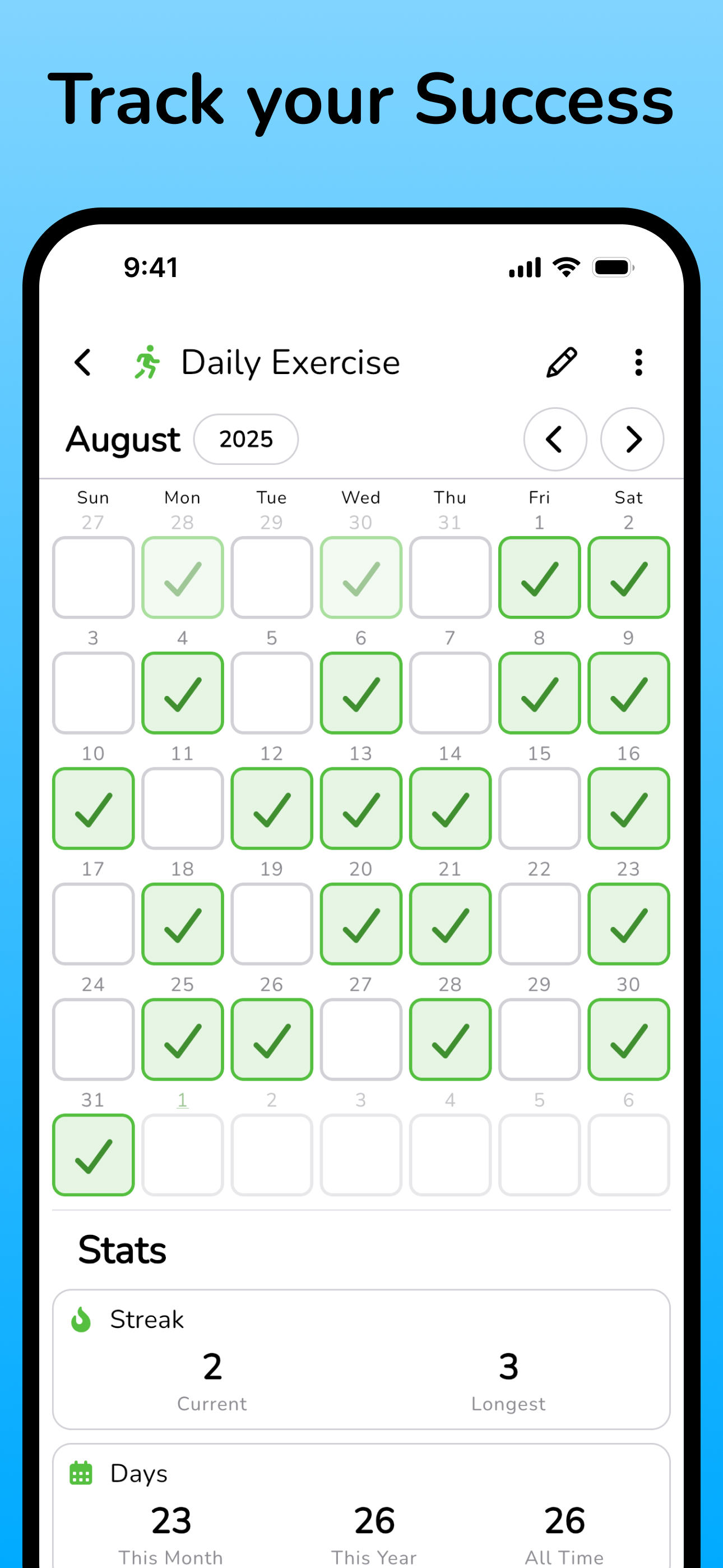
Another challenge was performance tuning, like a dynamic, scrollable calendar and a searchable icon picker. Balancing flexibility with smooth performance required a lot of iteration and testing.
Accomplishments that we're proud of
One of the biggest accomplishments was designing and integrating a library of nearly 700 habit icons, each with keywords and search terms to make finding the right icon quick and intuitive.
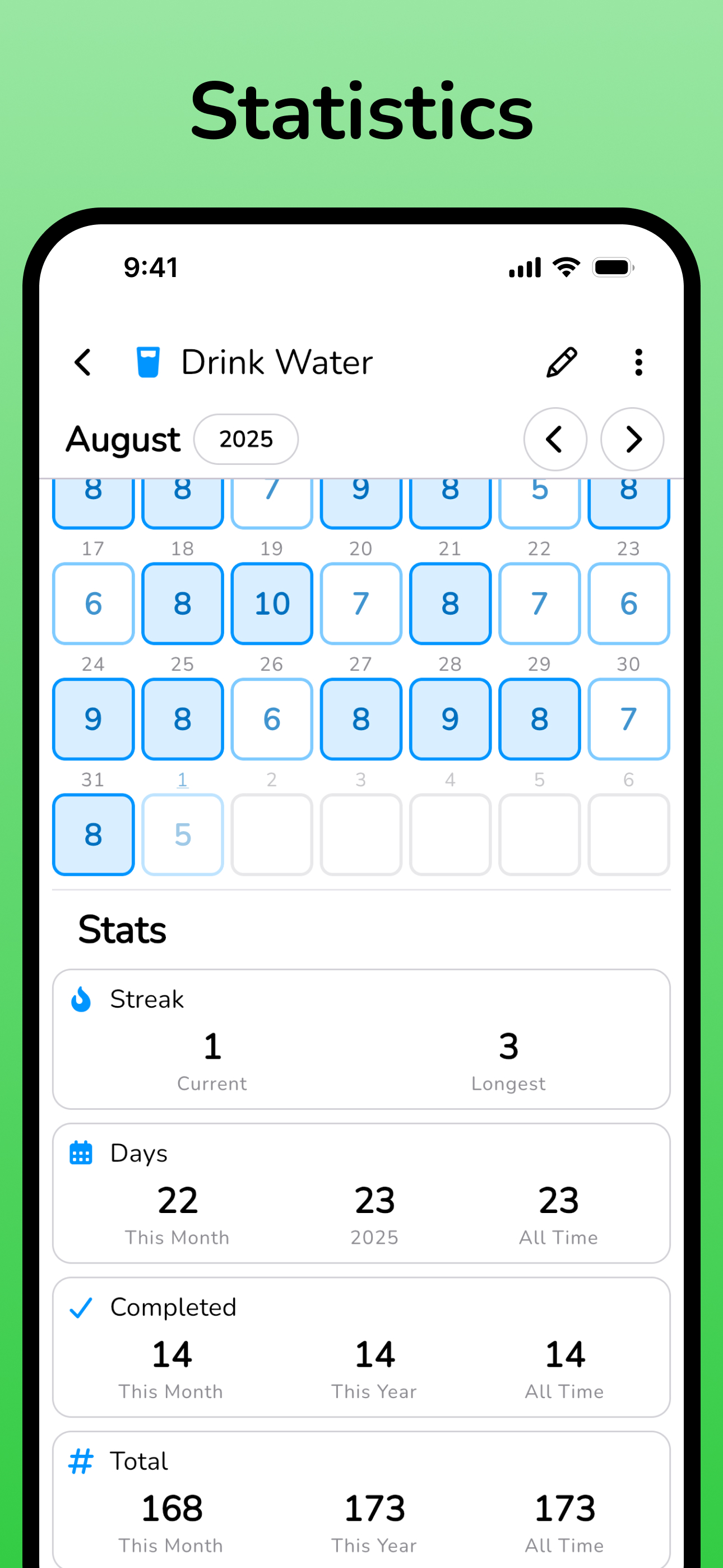
We also built a robust and flexible habit tracking system that supports different goal types (daily, weekly, monthly), while remaining entirely local-first and privacy-focused. Bringing all these elements together in a seamless, cross-platform experience was a major milestone.
What we learned
We learned just how powerful Compose Multiplatform can be for building real-world, production-ready apps. While there are still some rough edges and platform differences to navigate, the ability to build for both iOS and Android simultaneously drastically accelerated development.
This project also reinforced the importance of designing with adaptability in mind, especially when working across platforms with different UI expectations. It taught us how to balance shared code with platform-specific polish to create an app that feels natural to every user.
What's next for Habit Hues
There’s a lot planned for the future of Habit Hues. Some of the next big milestones include adding widgets for quick access and reminders to help users stay on track throughout the day. Alongside these major features, I’ll be focusing on refining the interface and polishing the overall user experience.
With the new year approaching, I know it’s a key time when many people set goals and build new routines. My goal is to roll out these updates before then, so Habit Hues can be a well-rounded, reliable habit tracker right when users need it most.

Log in or sign up for Devpost to join the conversation.