-
-
main page
-
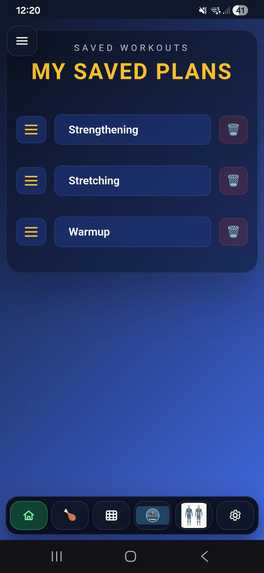
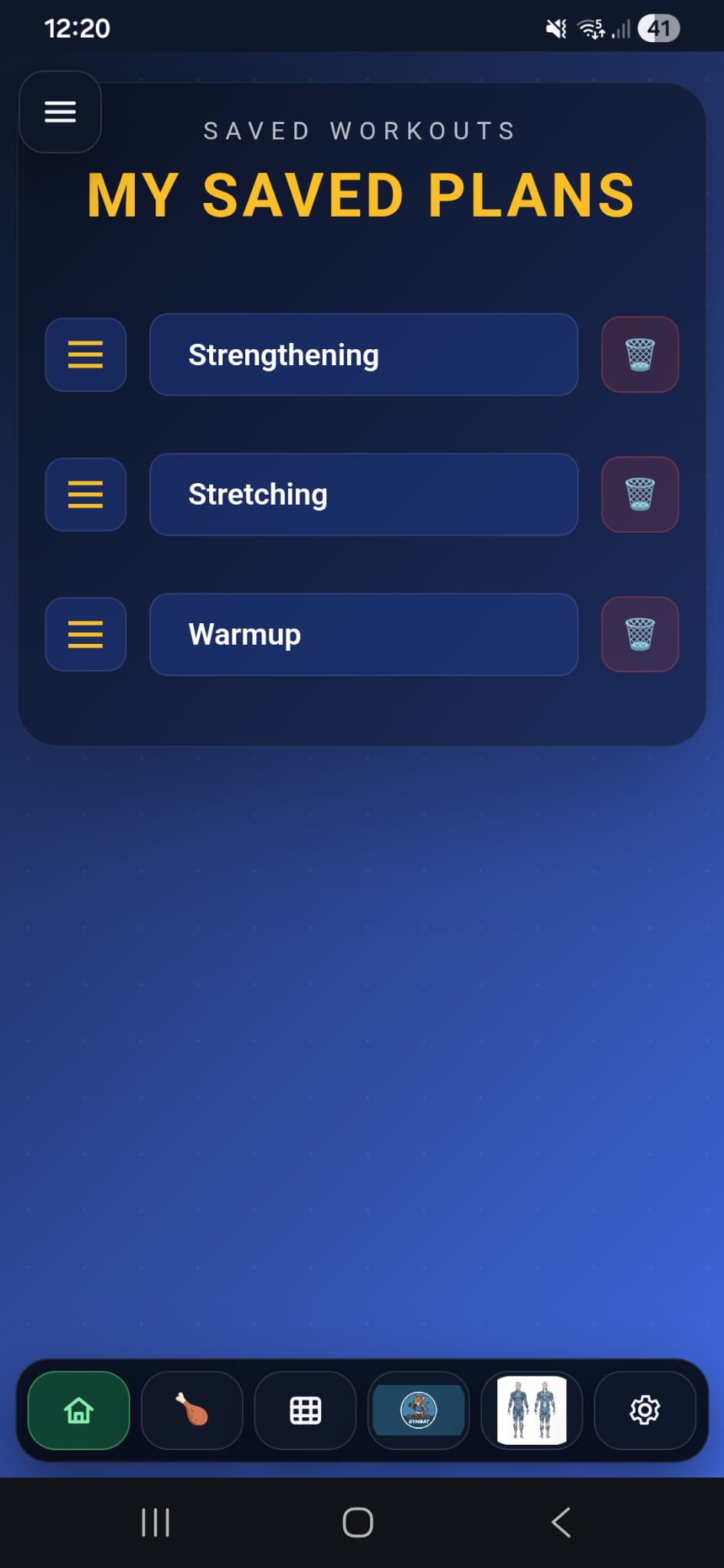
saved workout plans
-
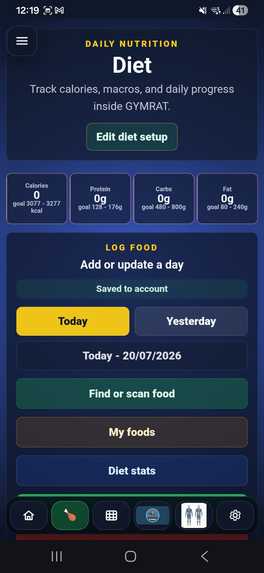
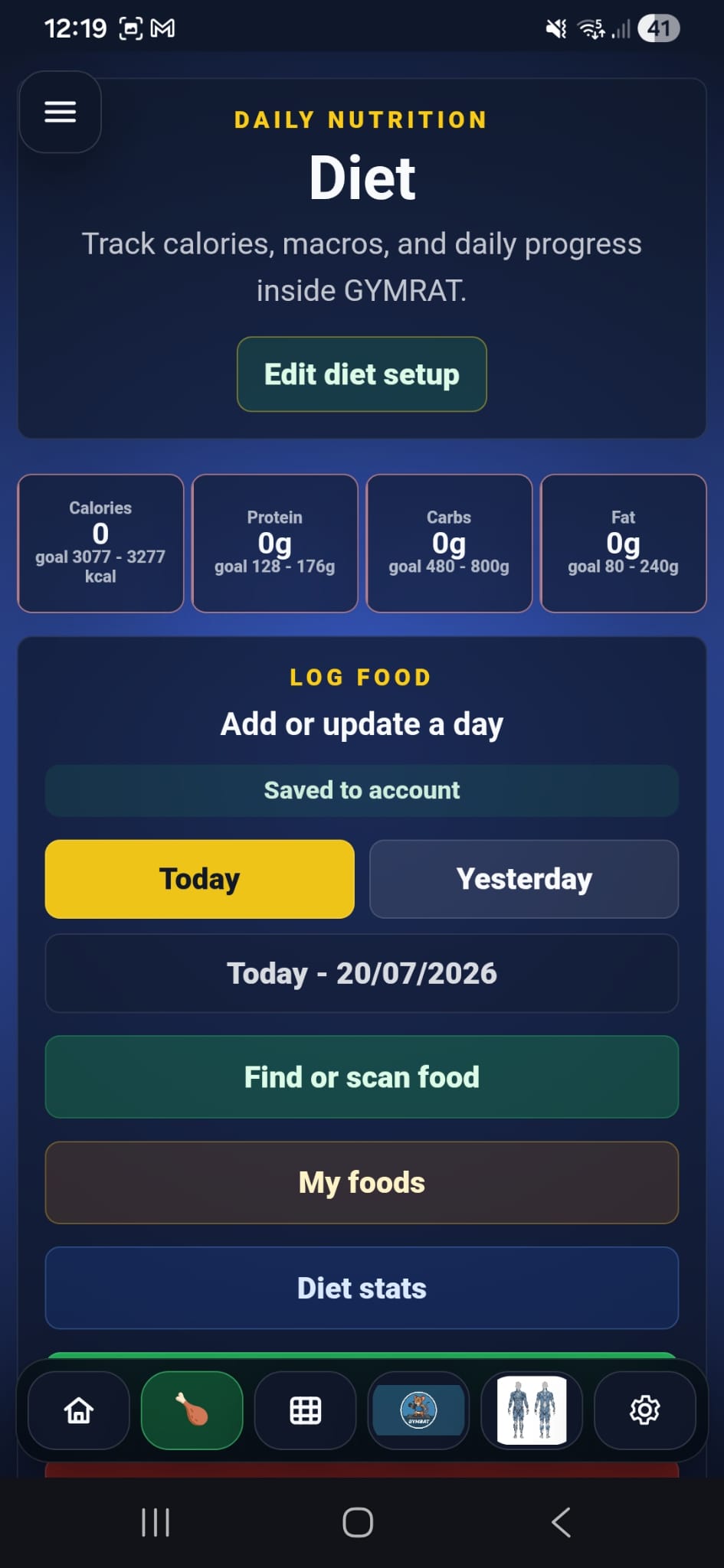
diet system
-
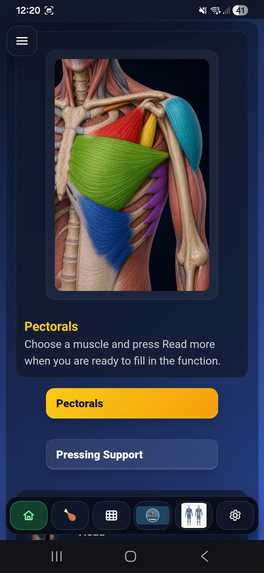
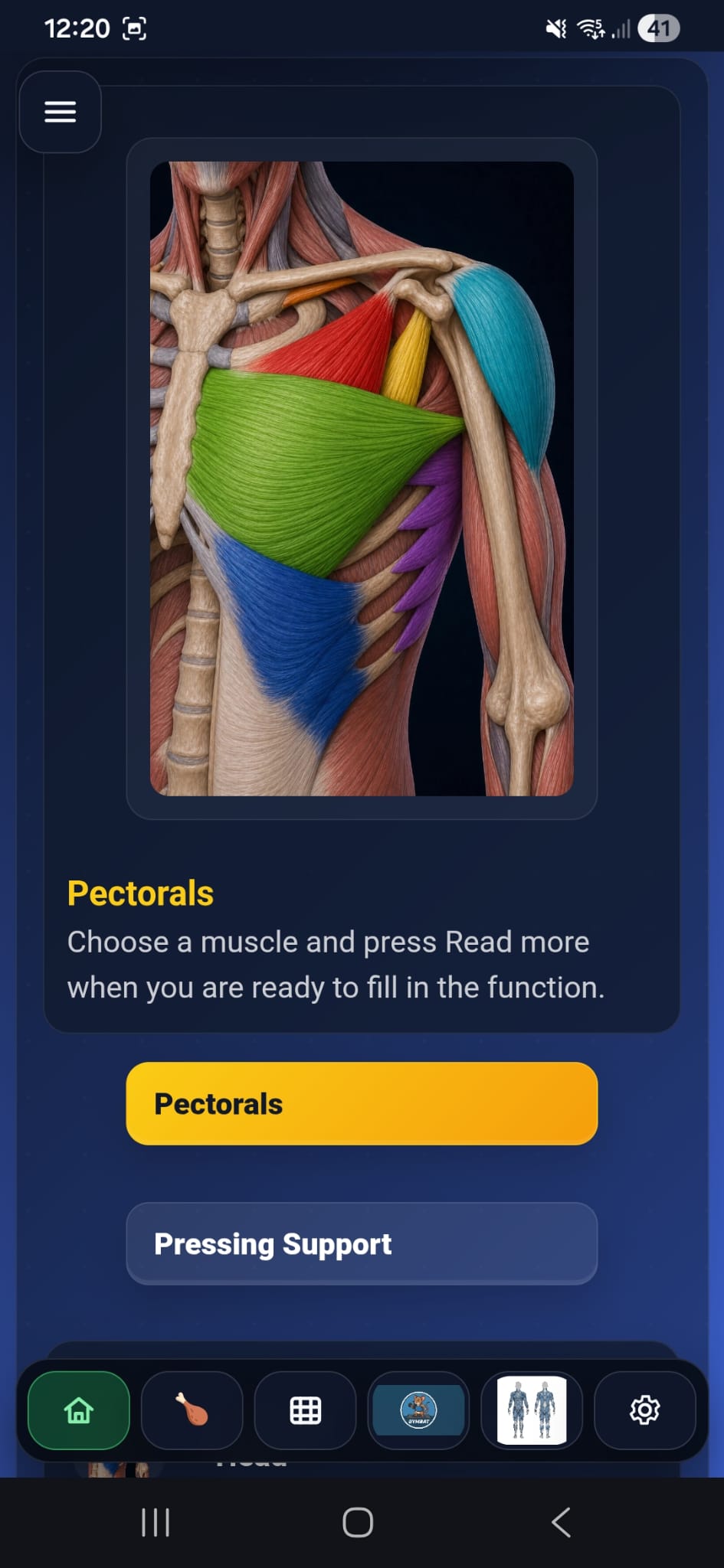
anatomy
Project Title: GYMRAT – The Ultimate All-in-One Fitness & Nutrition Ecosystem
Inspiration
My name is Shalev, I am an 18-year-old from Israel, a hardcore fitness enthusiast who builds muscle while competing in Ironman triathlons. Recently, during the war with Iran, I was injured due to a massive increase in my running volume, which I took on because outdoor cycling was restricted and unsafe. Later on, after recovering from that injury, I was involved in a bicycle accident where my road bike was completely destroyed. For an Ironman athlete, a road bike is essential, but they are incredibly expensive to replace. During my recovery periods, I decided to channel my energy into solving a problem I faced daily. I wanted a single, unified platform that could track my nutrition and my strength progression simultaneously, while being intuitive enough for family, friends, and beginners to use. This inspired me to build GYMRAT, a fully bilingual web application designed to be the ultimate ecosystem for anyone looking to optimize their body, nutrition, and training.
What it does
GYMRAT is a comprehensive fitness and nutrition ecosystem that bridges the gap between diet and strength training. The platform offers precision TDEE and macro tracking, calculating exact caloric needs based on a user's weight, activity level, body fat, and personal goals. It features an optimized local nutritional database with an integrated barcode scanner for instant, lag-free food logging. For training, it includes an advanced strength progression tracker to visualize progressive overload, a dynamic workout planner and calendar with customizable tables, and a complete anatomical education hub featuring detailed explanations and illustrations for nearly every major muscle group alongside curated exercise guidance for beginners.
How we built it
The platform is built as a high-performance Progressive Web App capable of handling up to 300 concurrent users seamlessly. To ensure zero-lag performance, I avoided slow external API calls by working with Codex to extract, filter, and structure raw data directly from the USDA FoodData Central. We compressed a massive library of over 1 million products into an optimized, highly efficient local list of essential items. While Codex was instrumental in brainstorming architectural ideas, designing the UI/UX layout, and accelerating the overall build quality, I took a human-in-the-loop approach for critical features. I personally vetted and hardcoded the core mathematical formulas for the dietary logic based on official scientific research papers to ensure absolute accuracy and safety.
Challenges we ran into
As someone with basic programming knowledge, the development journey initially brought a steep learning curve. Before discovering Codex, relying on standard AI tools was incredibly frustrating because they constantly lost context across a large project structure. Even after transitioning to a better workflow, simple tasks like positioning a single UI element or button in a specific location could take half an hour of trial and error. Overcoming these integration hurdles required learning how to properly structure prompts, manage file dependencies, and establish a fluid, efficient human-AI collaborative loop.
Accomplishments that we're proud of
I am incredibly proud of creating a production-ready, fully bilingual application that operates with maximum efficiency. Successfully filtering and localizing a massive database of over a million food products into a lightning-fast, client-side architecture is a major milestone. Furthermore, building an entirely local barcode scanning system and creating a highly flexible, interconnected workout scheduler where users can link specific routines through custom hyperlinks represents a level of engineering I didn't think possible when I started.
What we learned
This journey taught me how to bridge the gap between abstract concepts and production-grade code. I learned valuable lessons in database optimization, client-side performance, and how to structure scalable web architectures. More importantly, I learned how to treat AI as an elite-level development partner. I discovered that while AI is fantastic for accelerating layout builds and brainstorming logic, a responsible developer must always independently verify critical safety features, such as health and nutritional algorithms.
What's next for GYMRAT
Currently, GYMRAT is deployed as an unlisted PWA accessible only via a direct link due to financial constraints. The immediate next step is to scale our database hosting and secure the necessary funding to pay the recurring Google Play and Apple App Store developer fees required for a native public launch. Winning this challenge will allow me to replace my broken road bike to resume my Ironman training, hire professional developers to work alongside me to expand our infrastructure, and launch global marketing campaigns to bring this free tool to the international fitness community.
Built With
- chatgpt
- codex

Log in or sign up for Devpost to join the conversation.