-
-
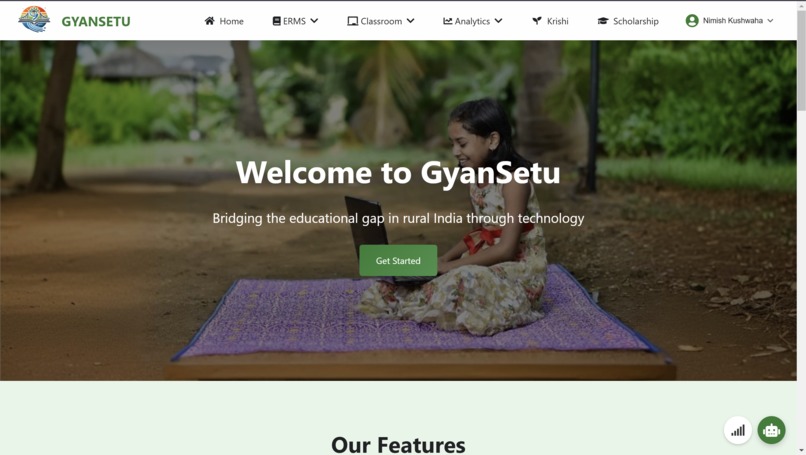
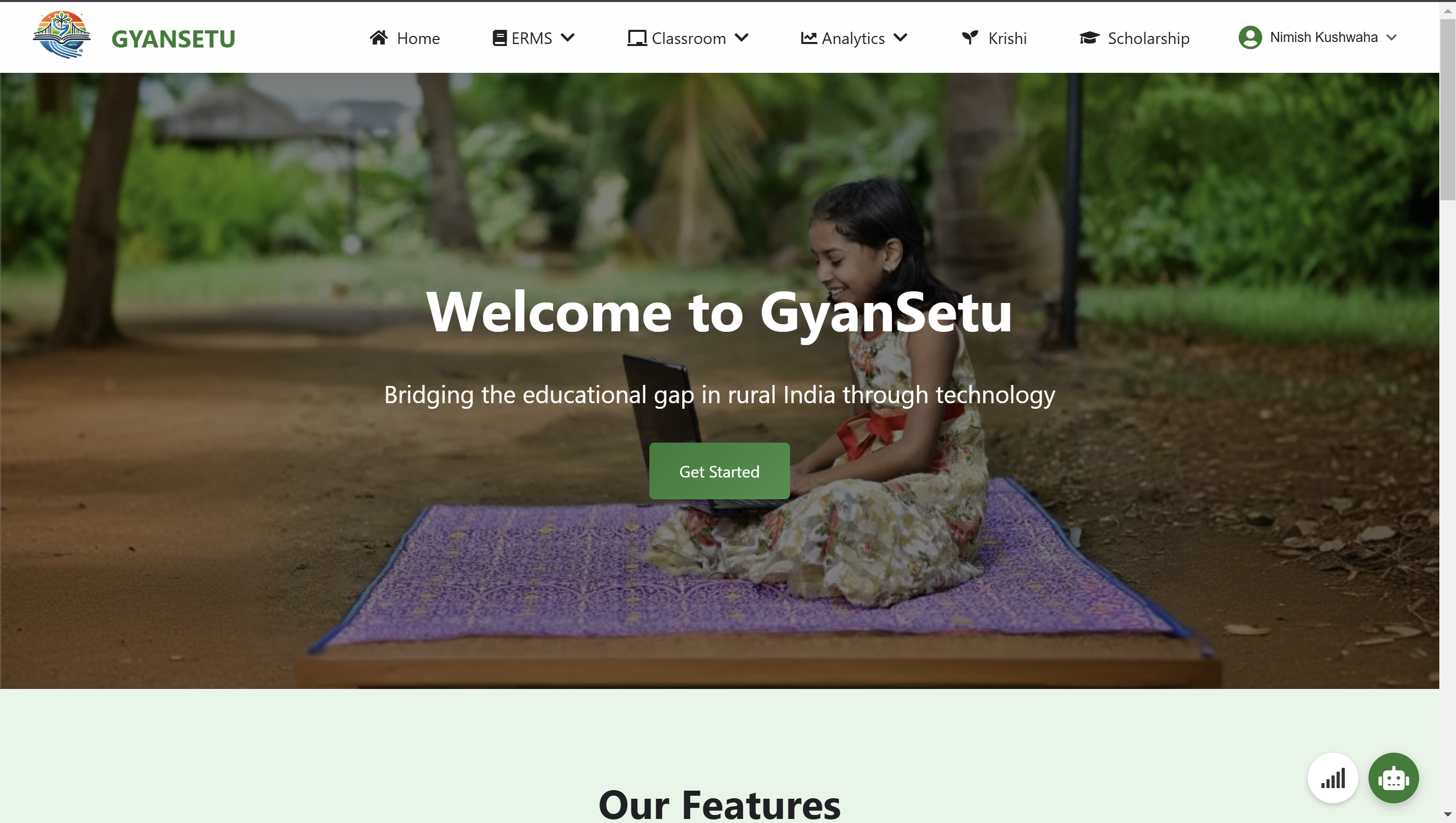
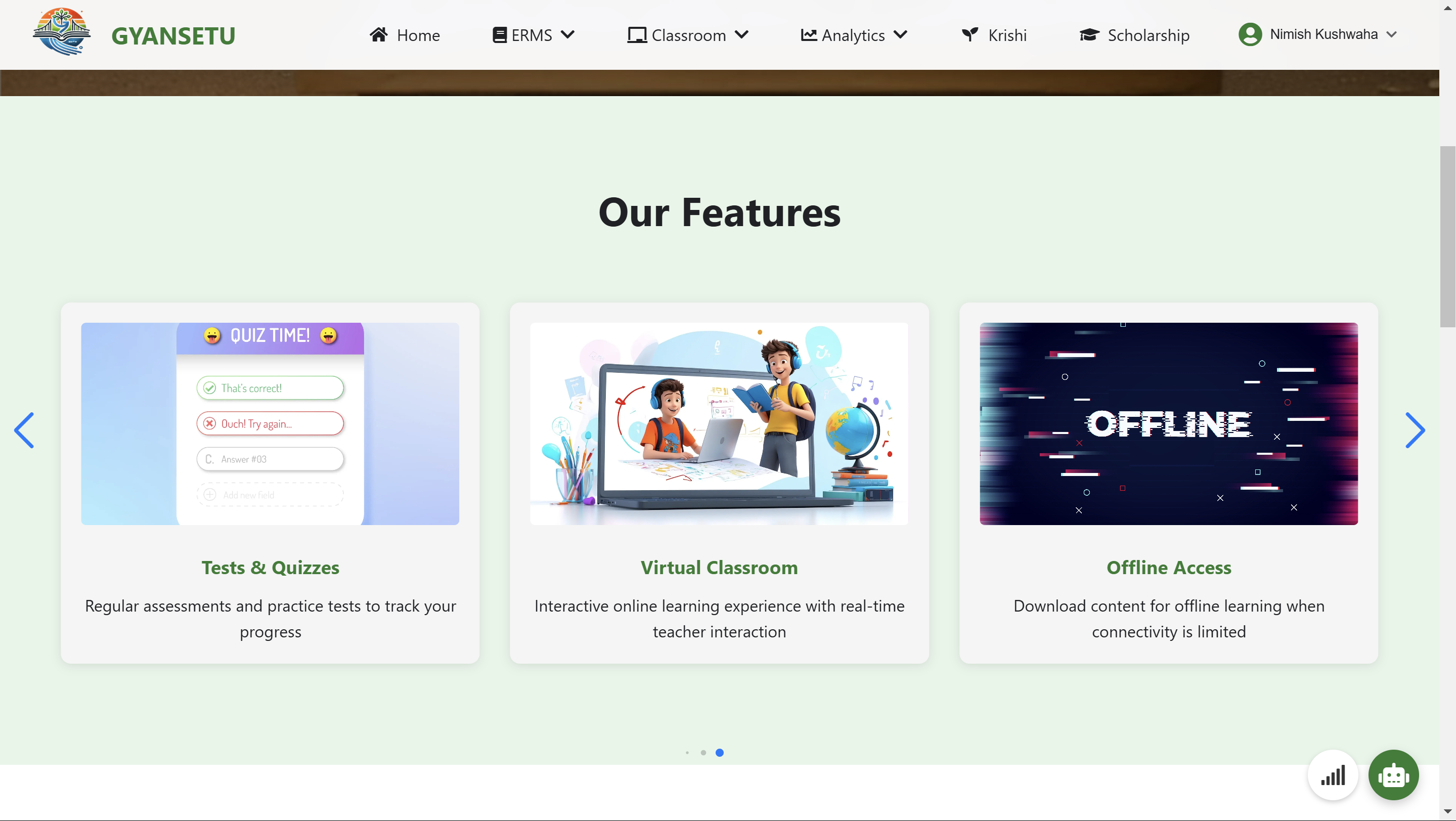
Website Homepage
-
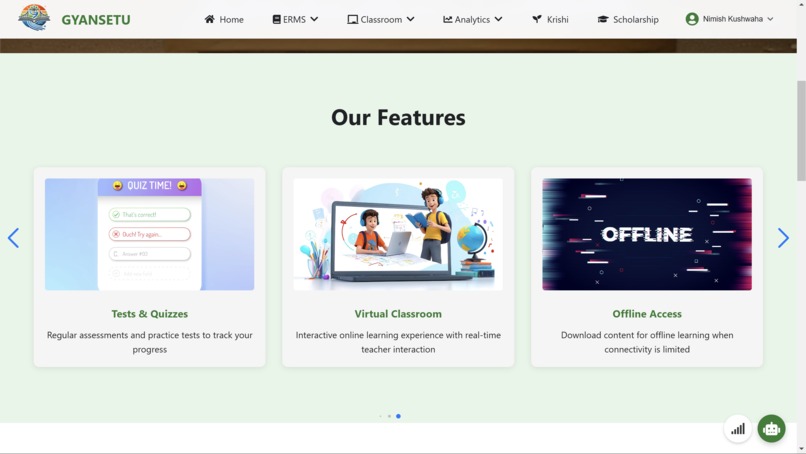
Features
-
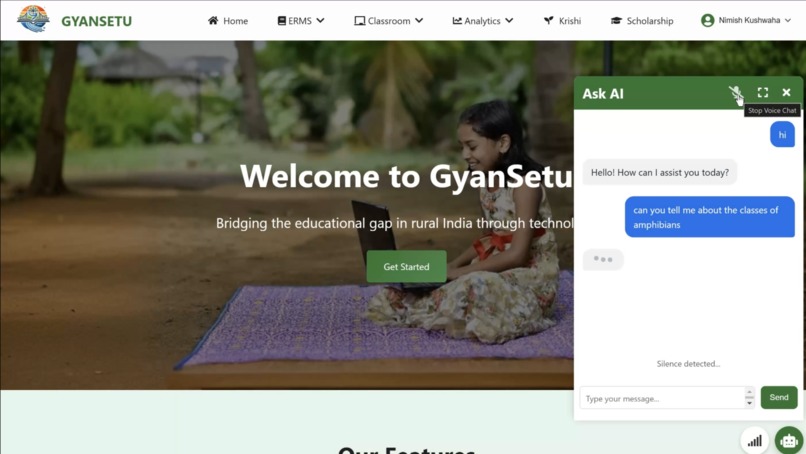
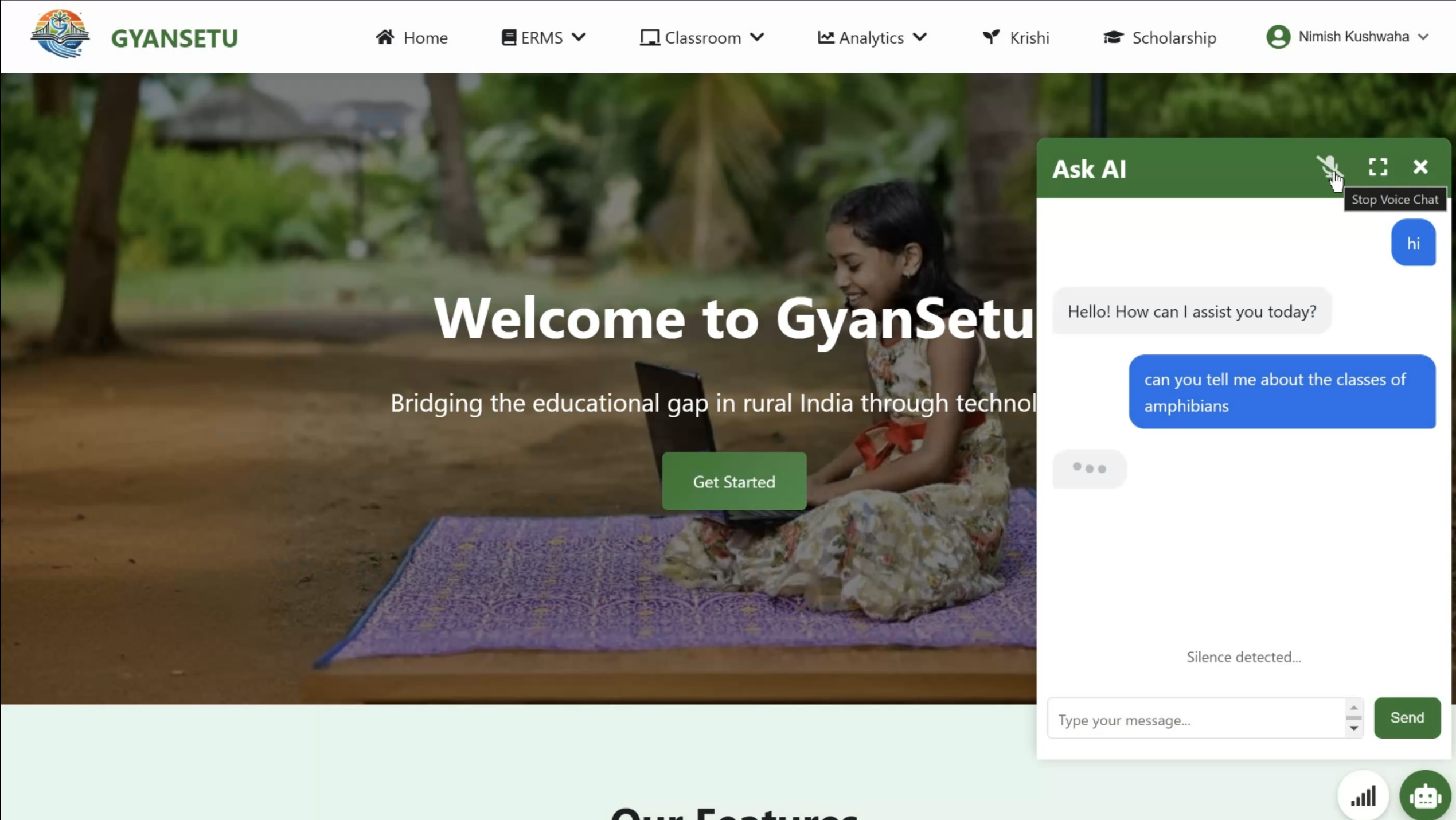
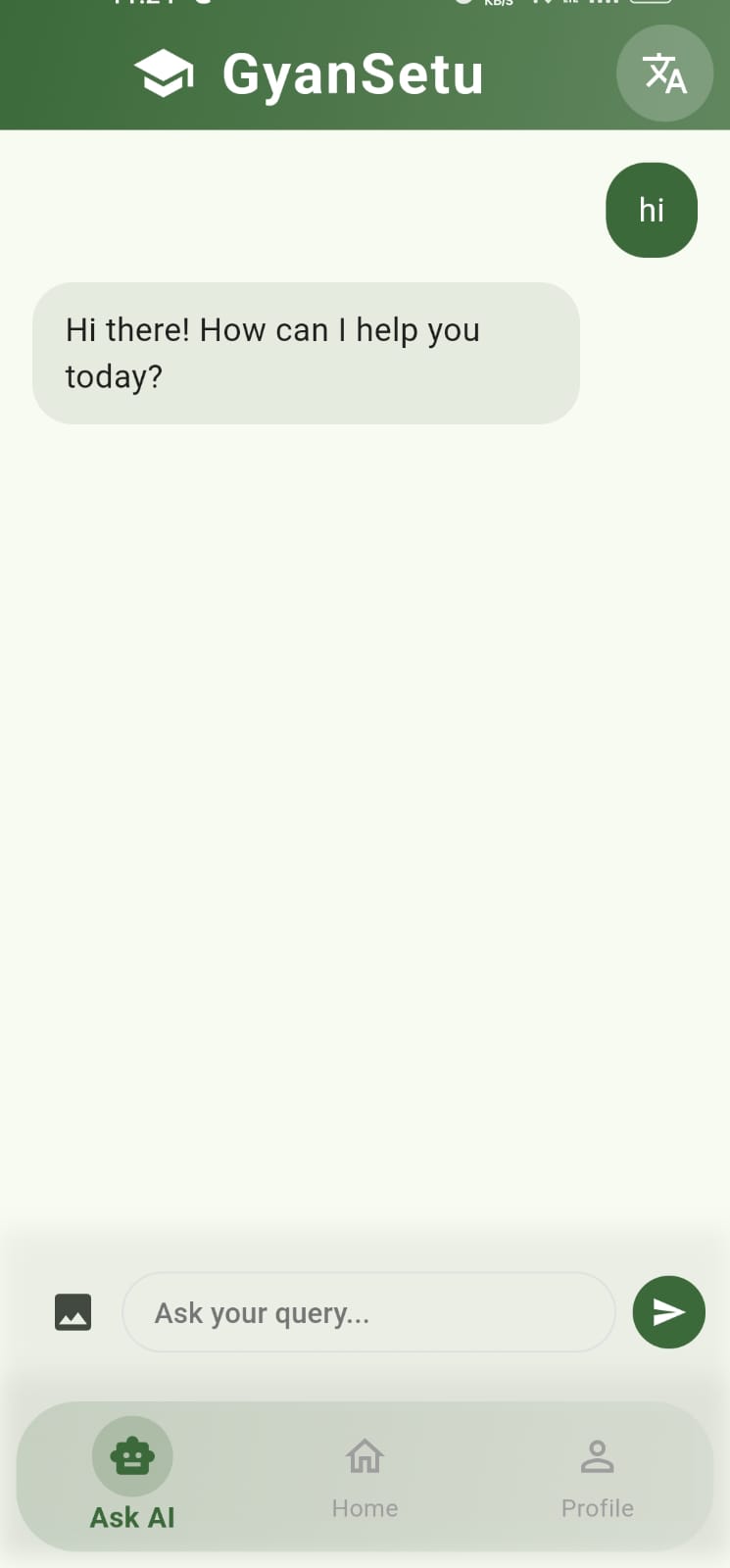
AI Chatbot (Supports both Text & Voice Input)
-
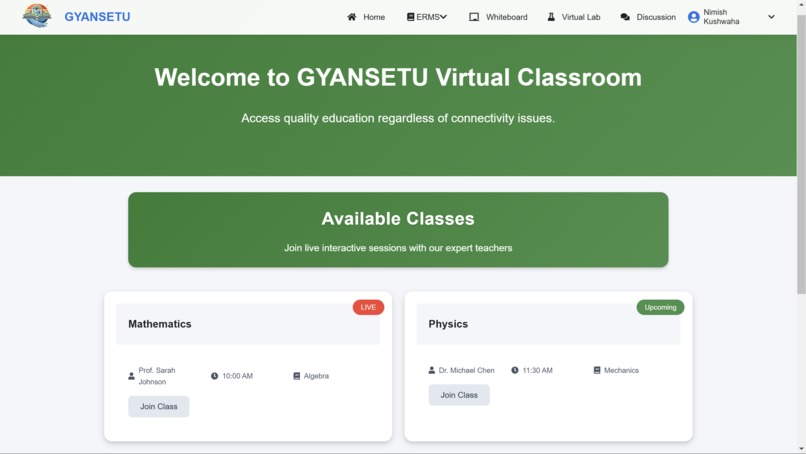
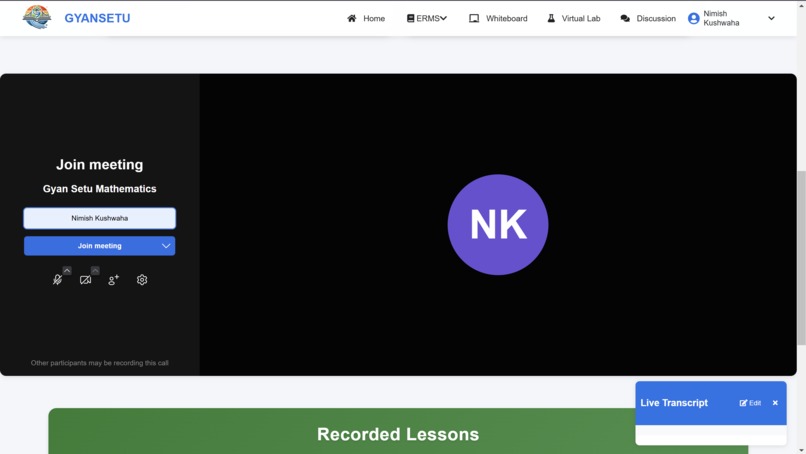
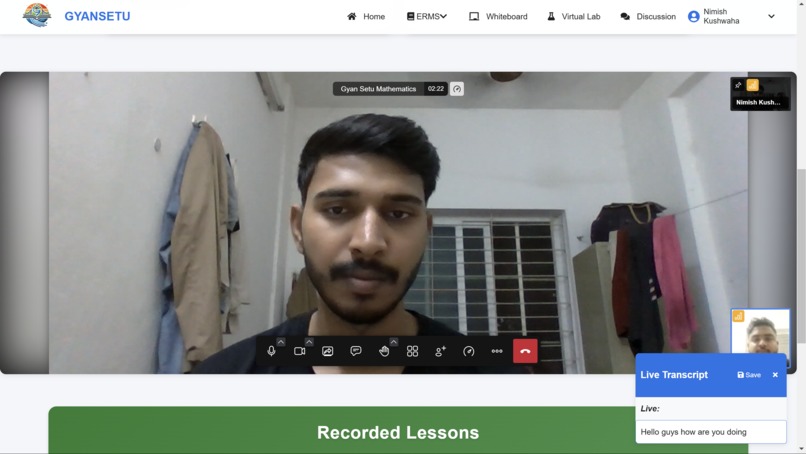
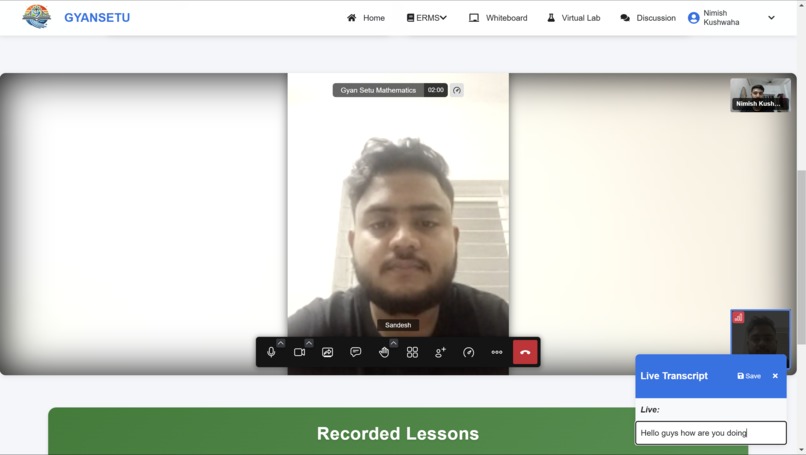
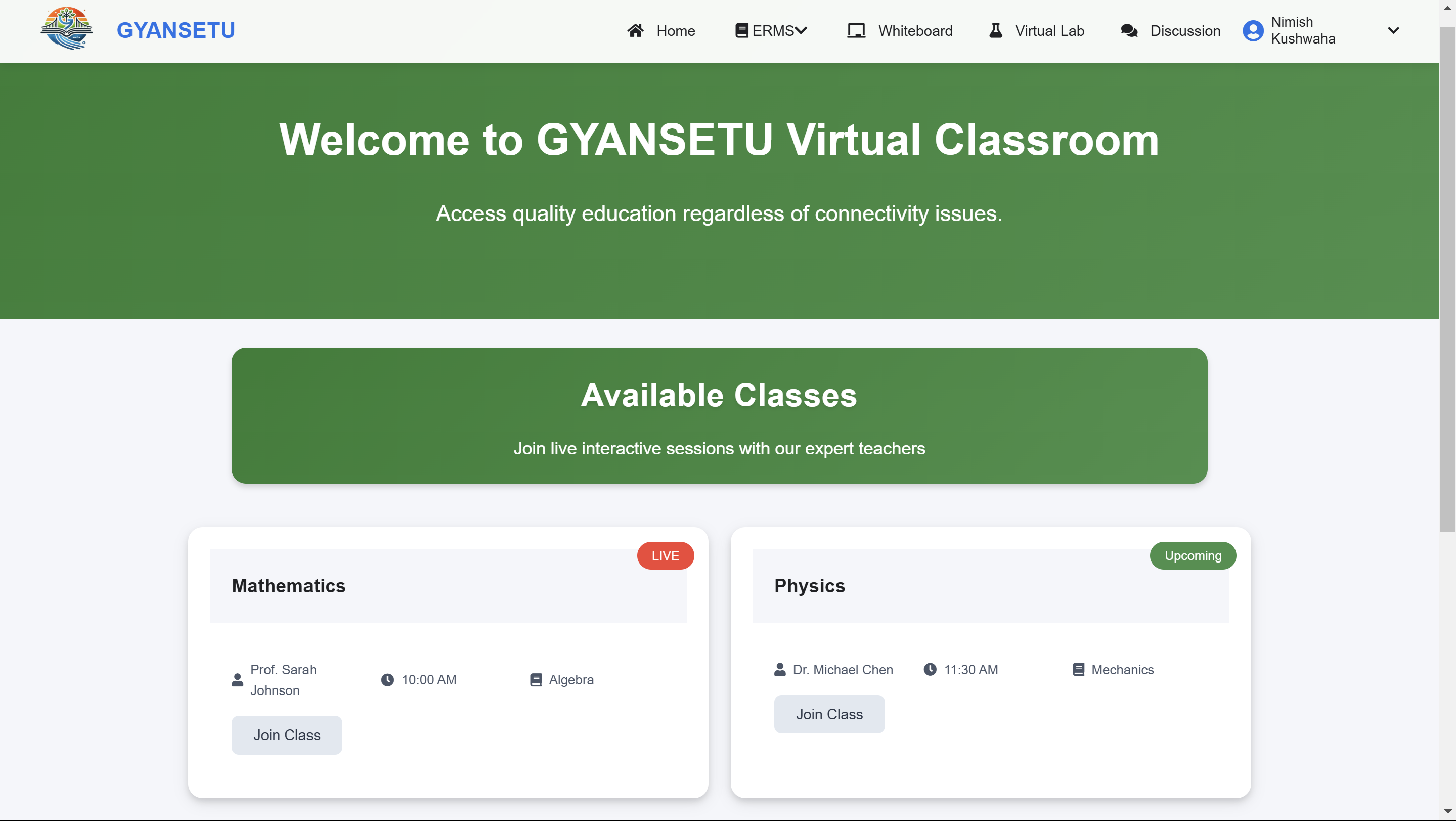
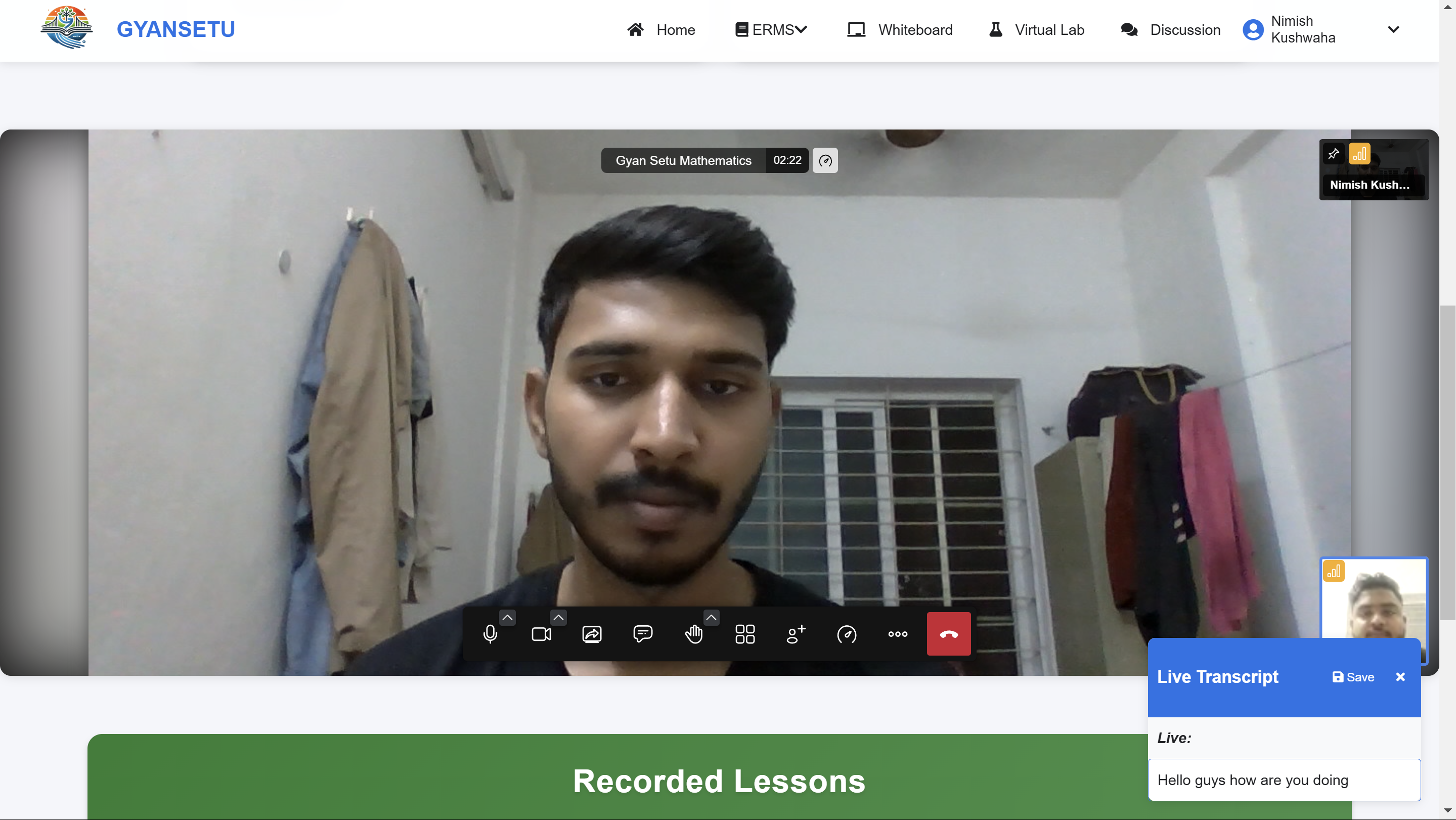
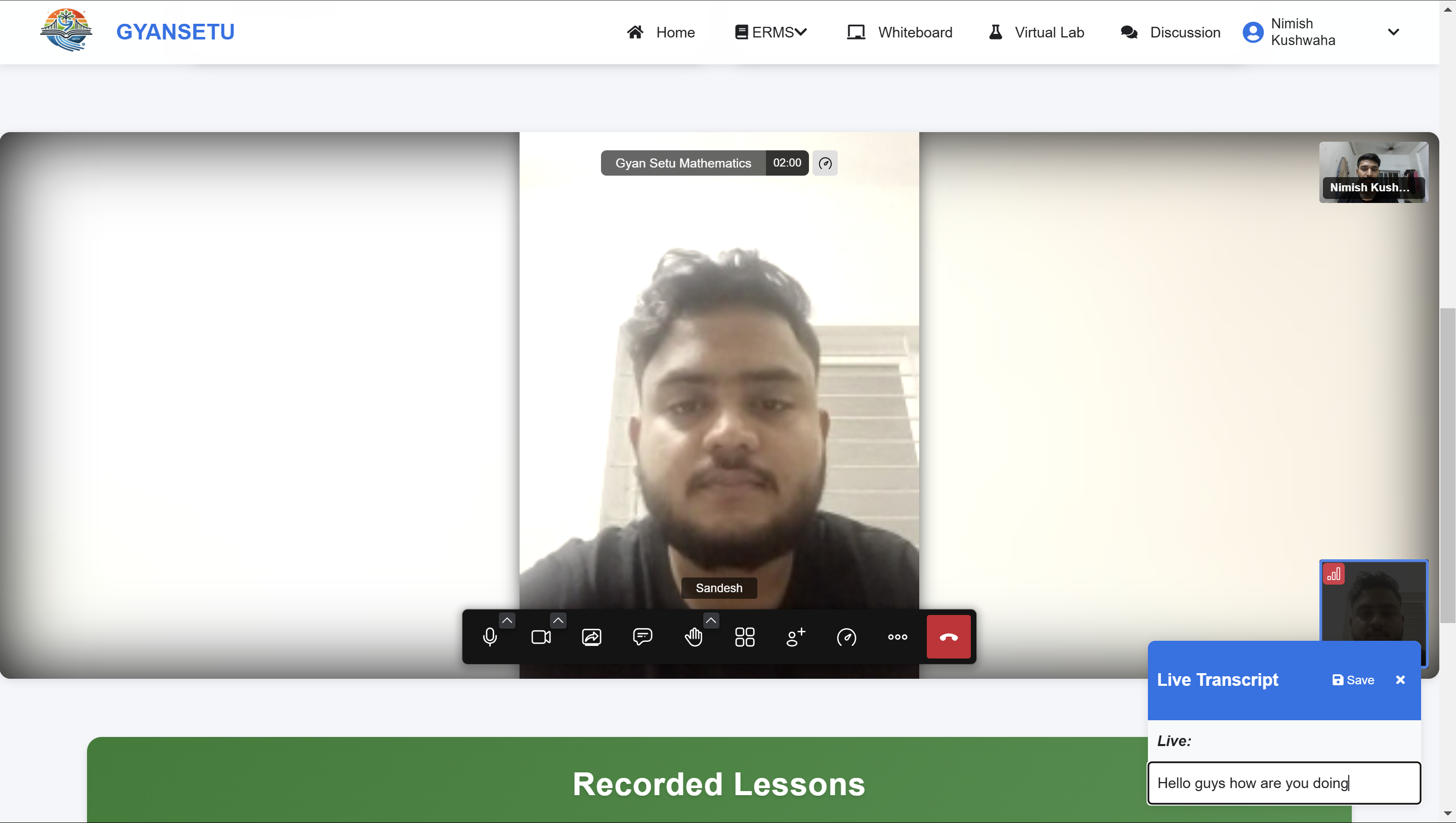
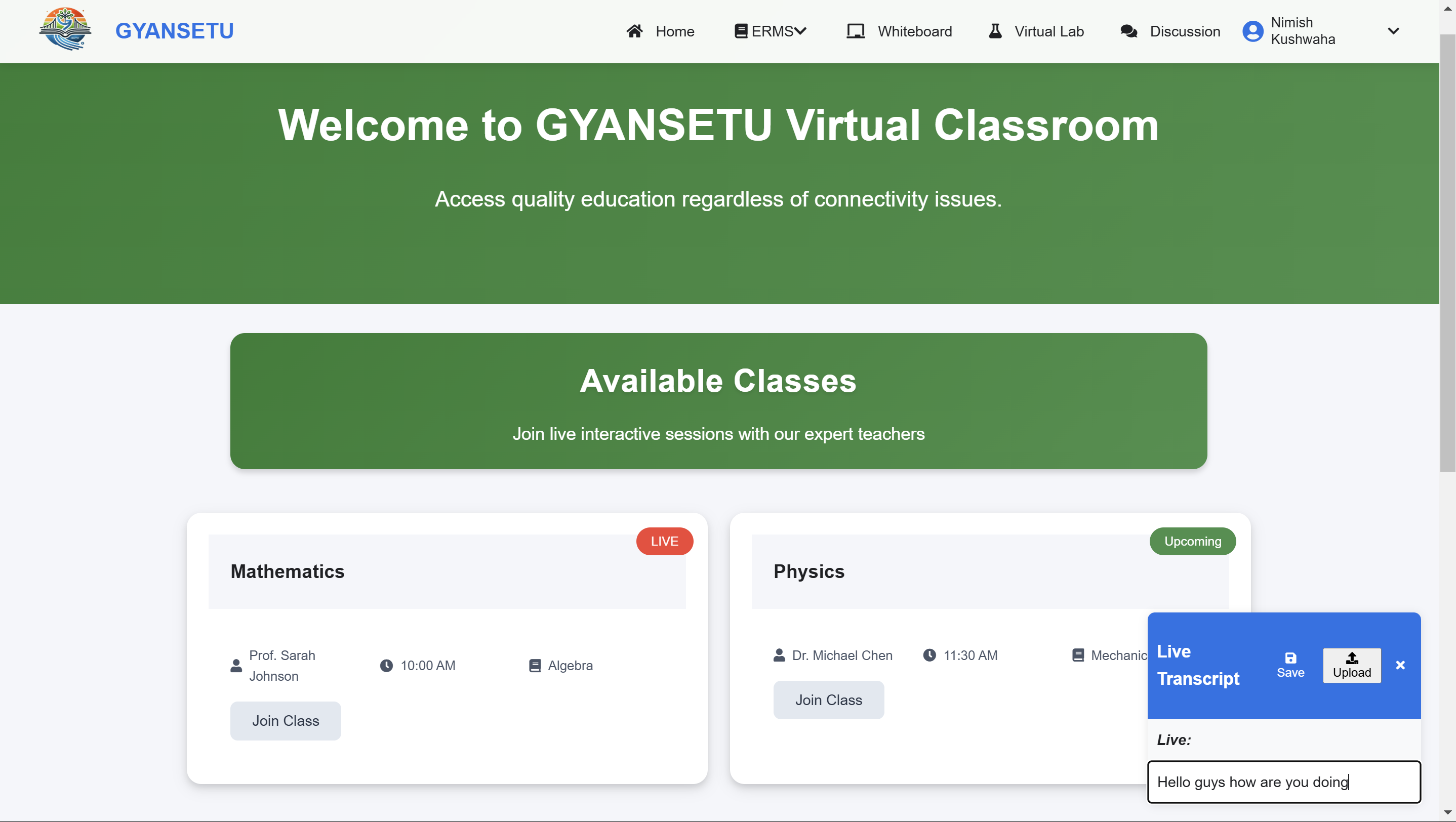
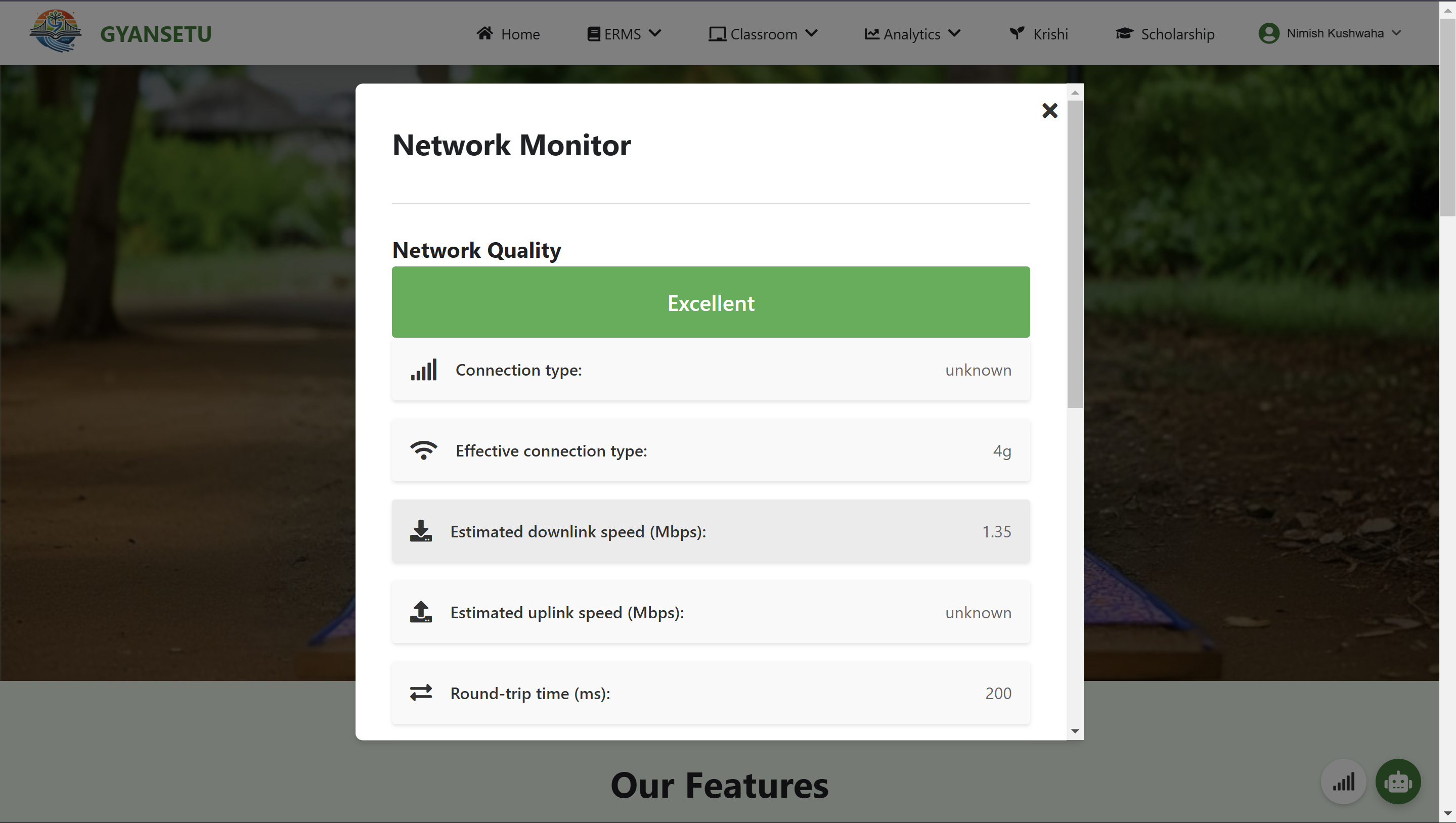
Low connectivity Online Class
-
-
-
-
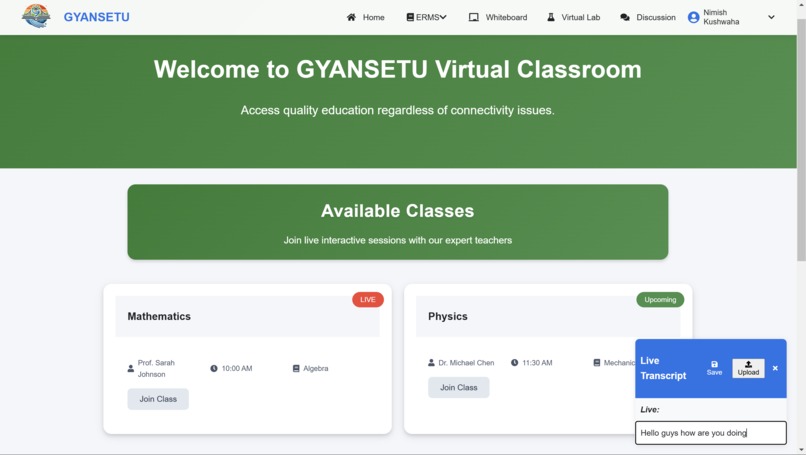
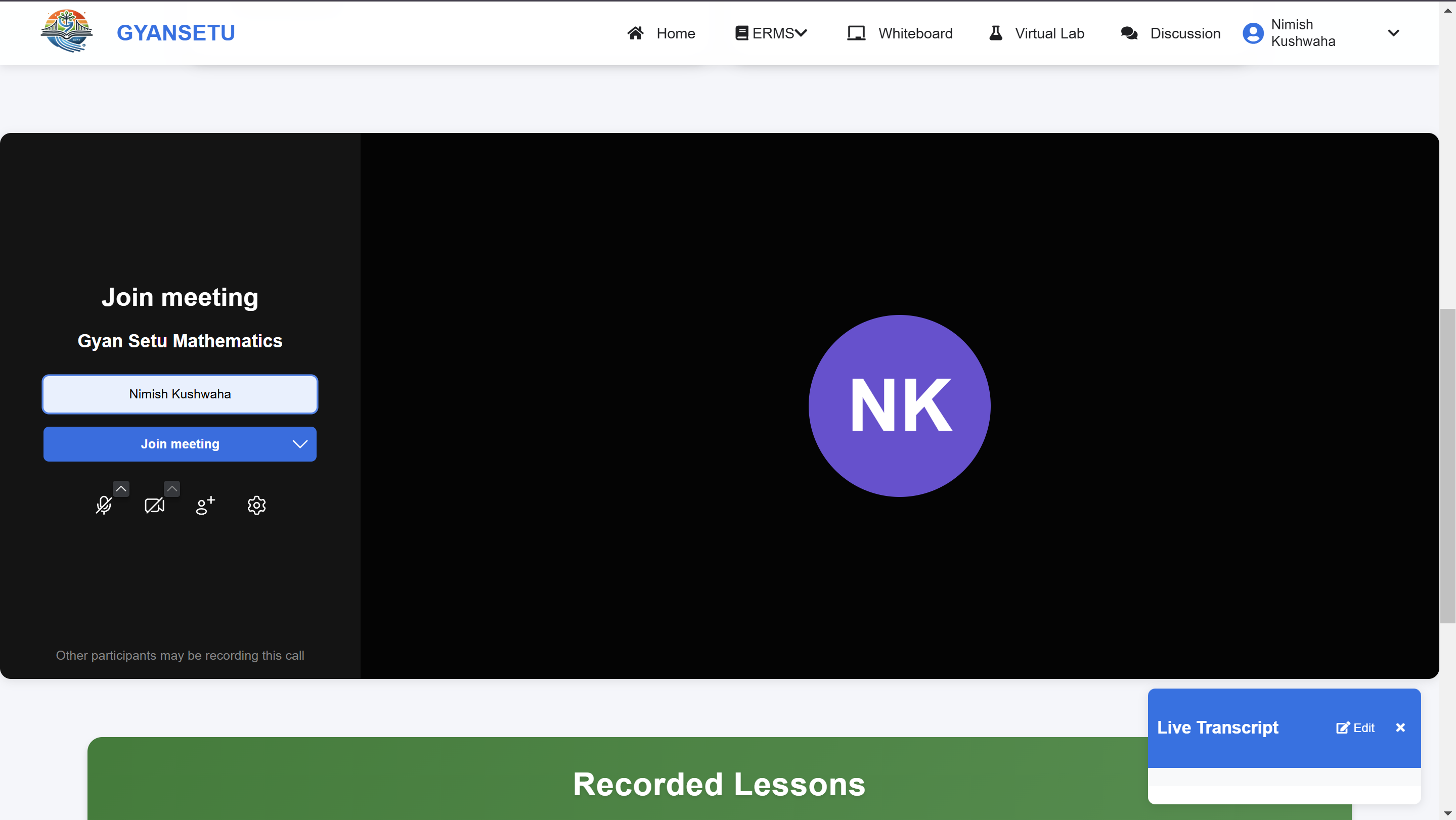
Automatic Note Transcription of the class
-
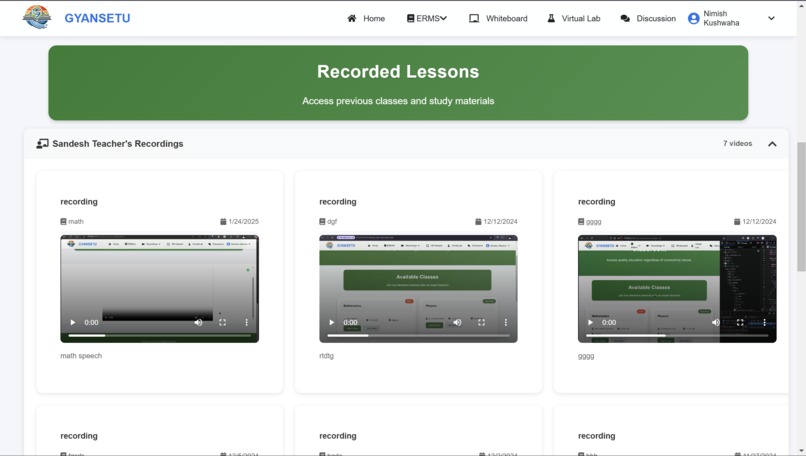
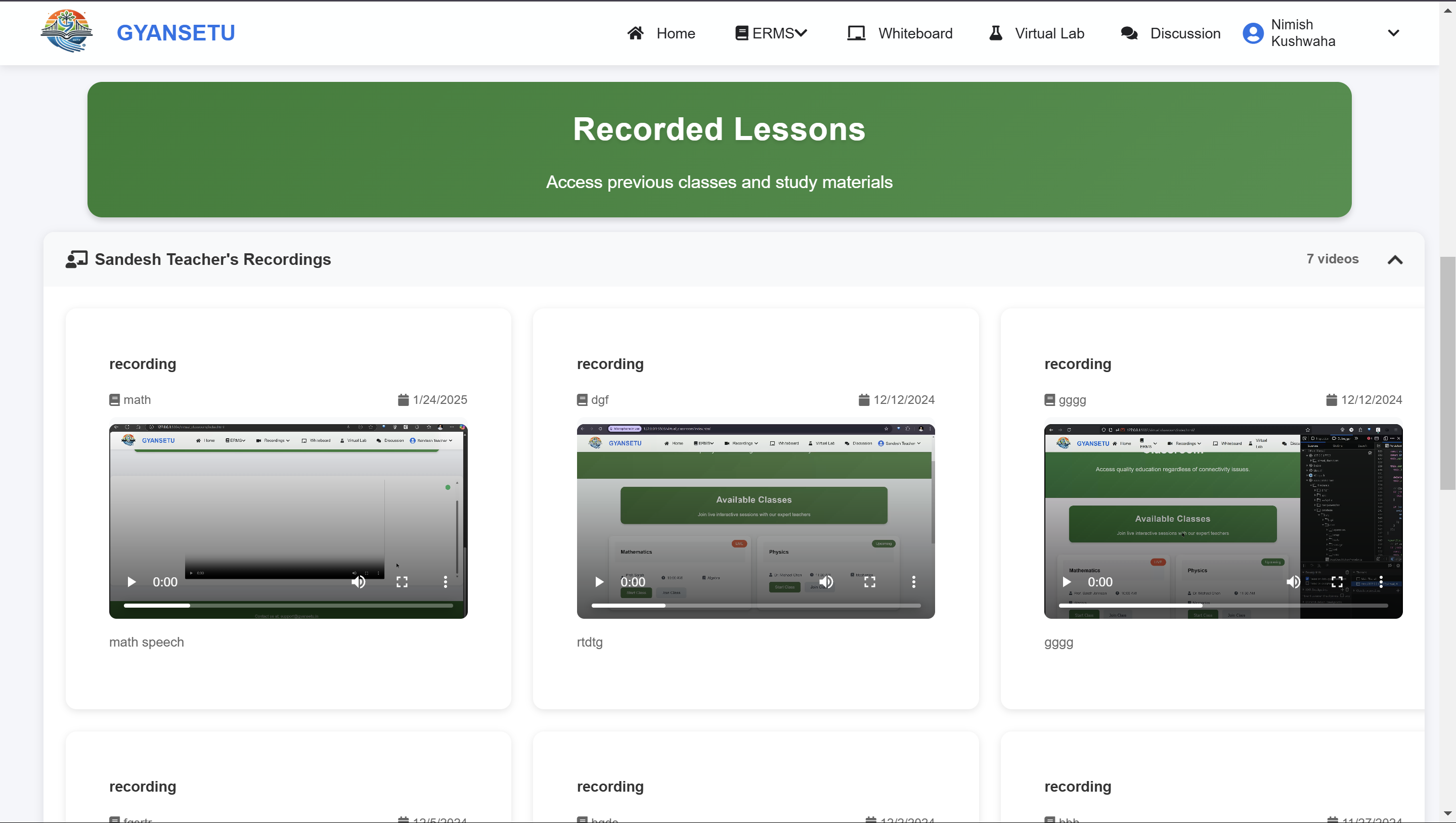
Recorded Classes
-
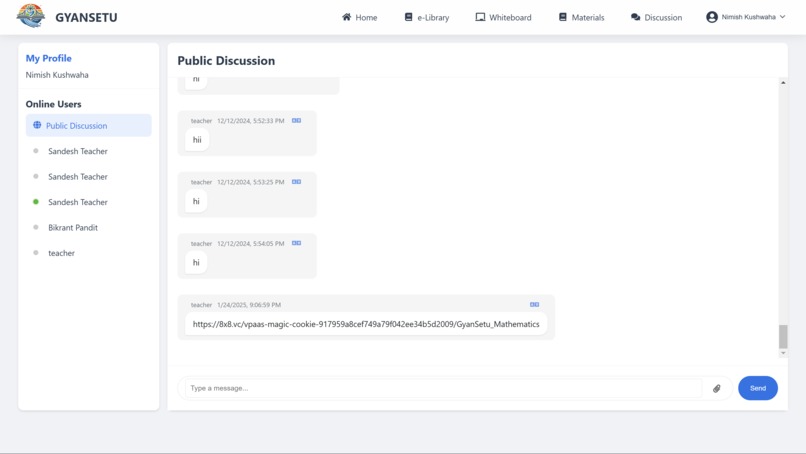
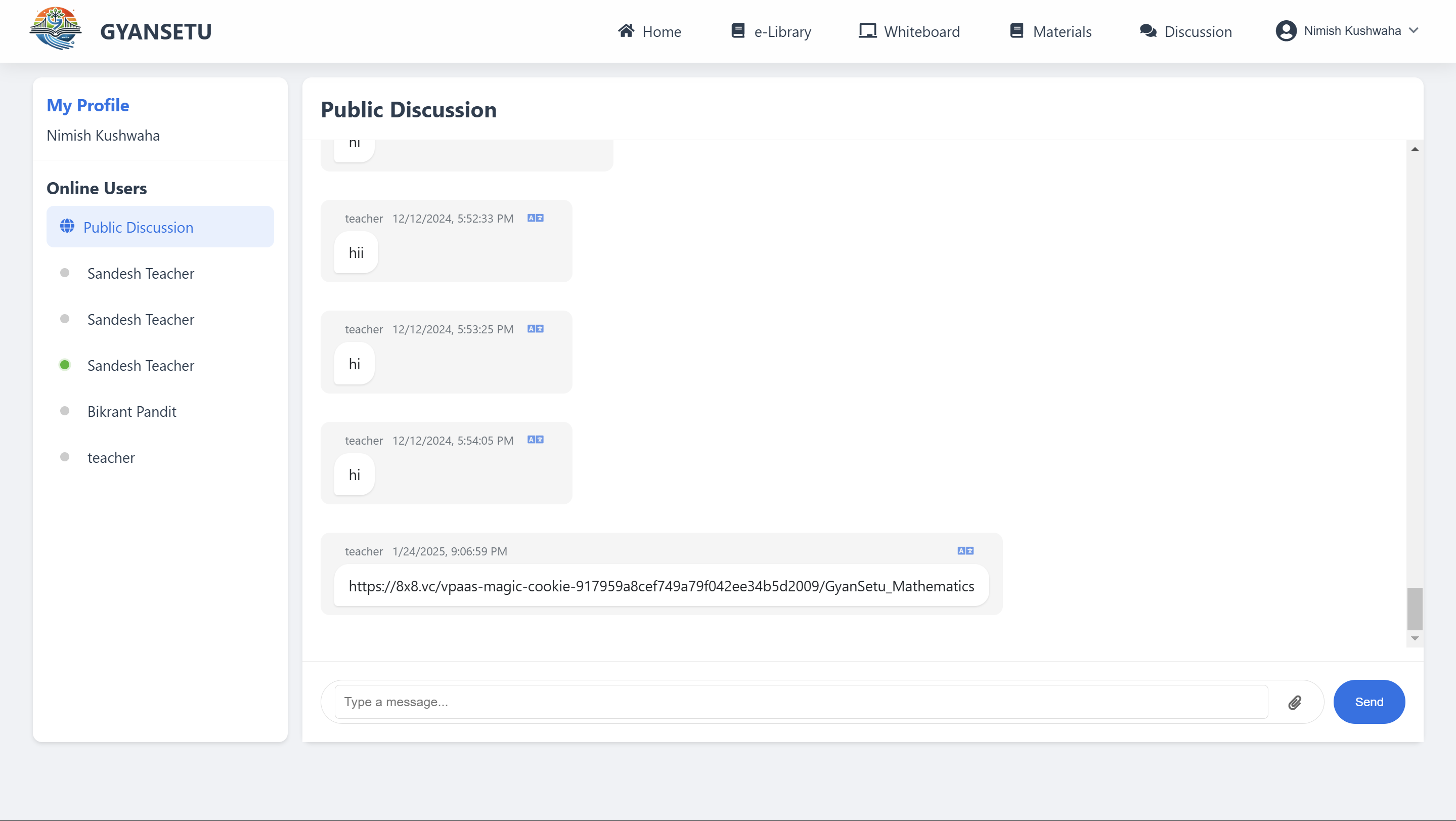
Discussion Forum
-
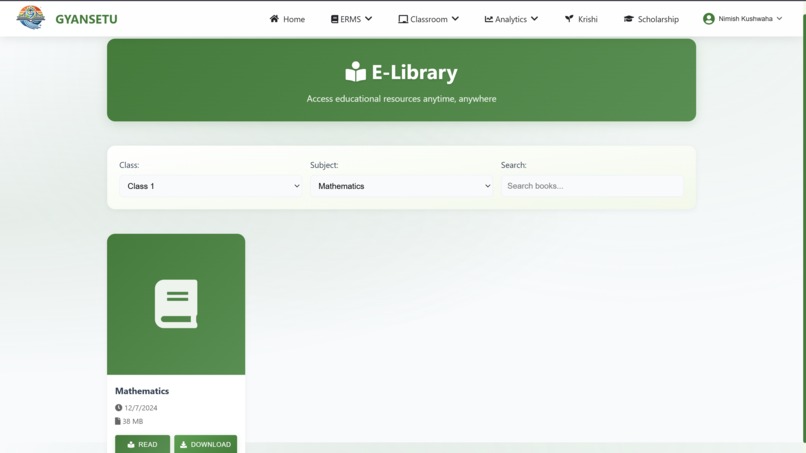
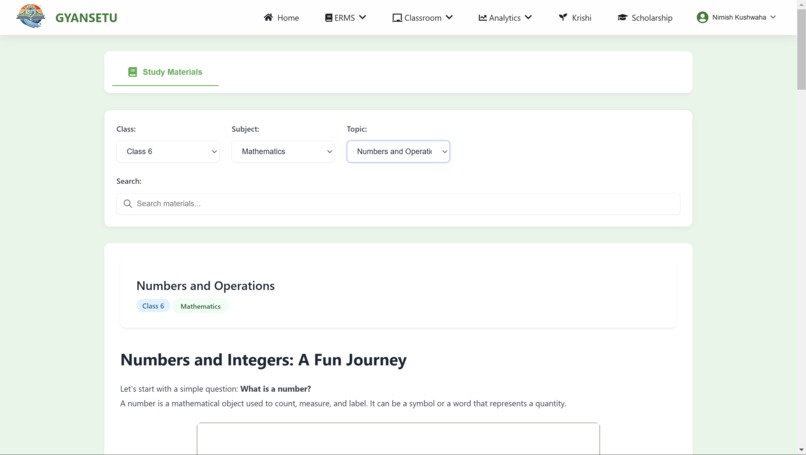
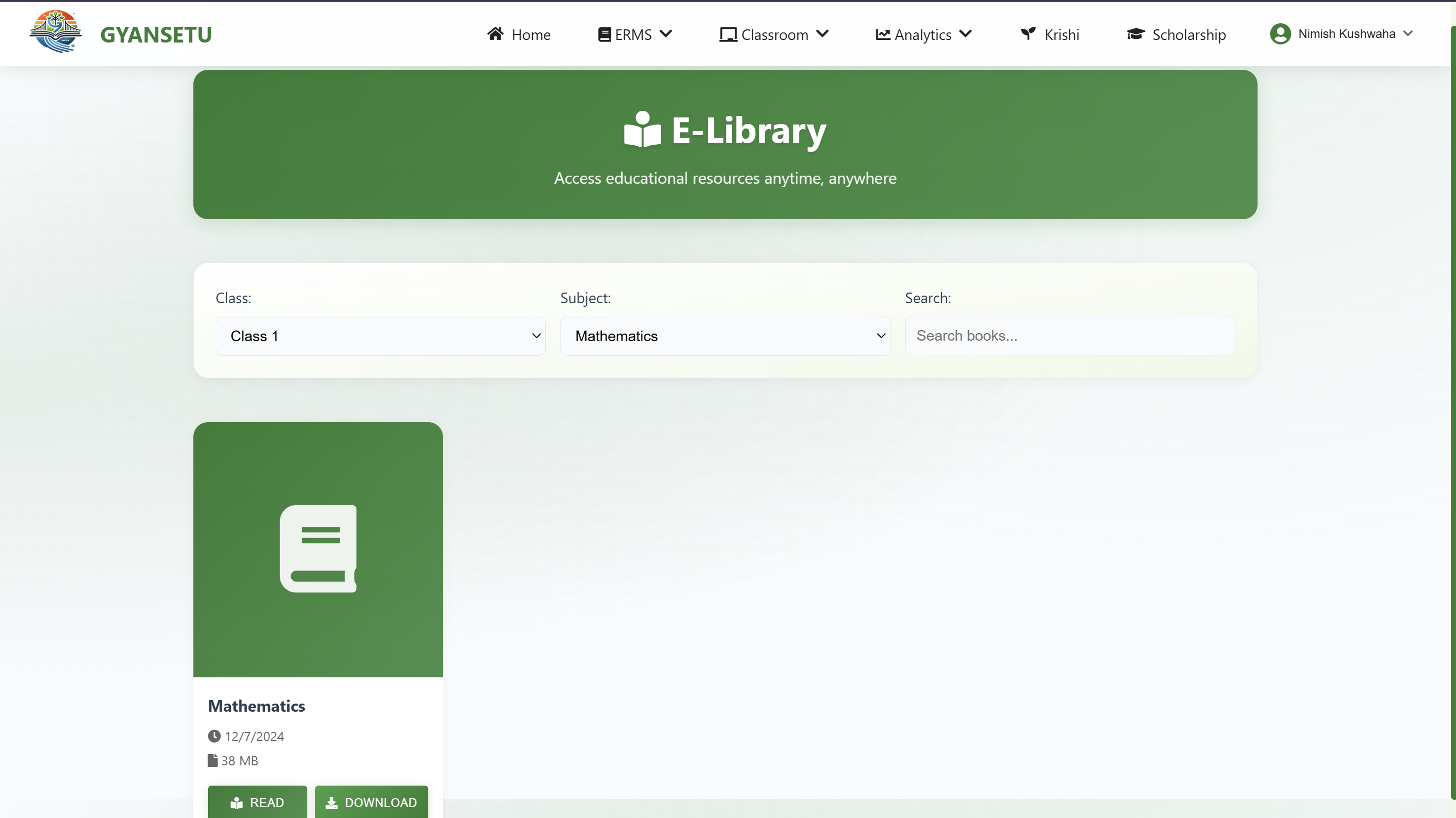
E-Library
-
-
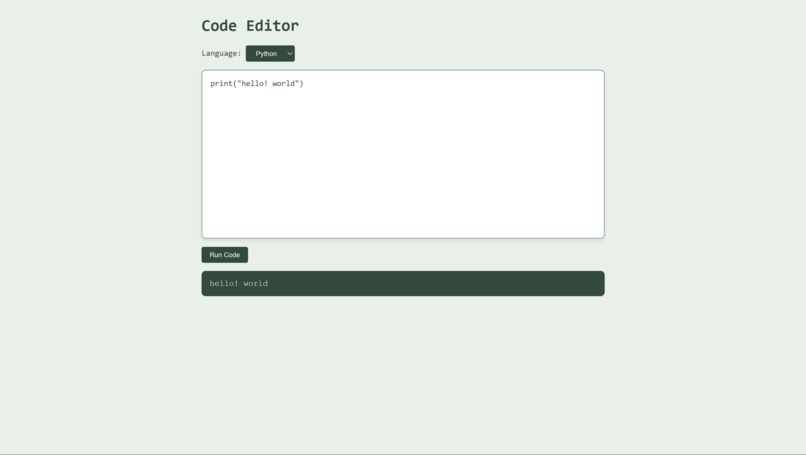
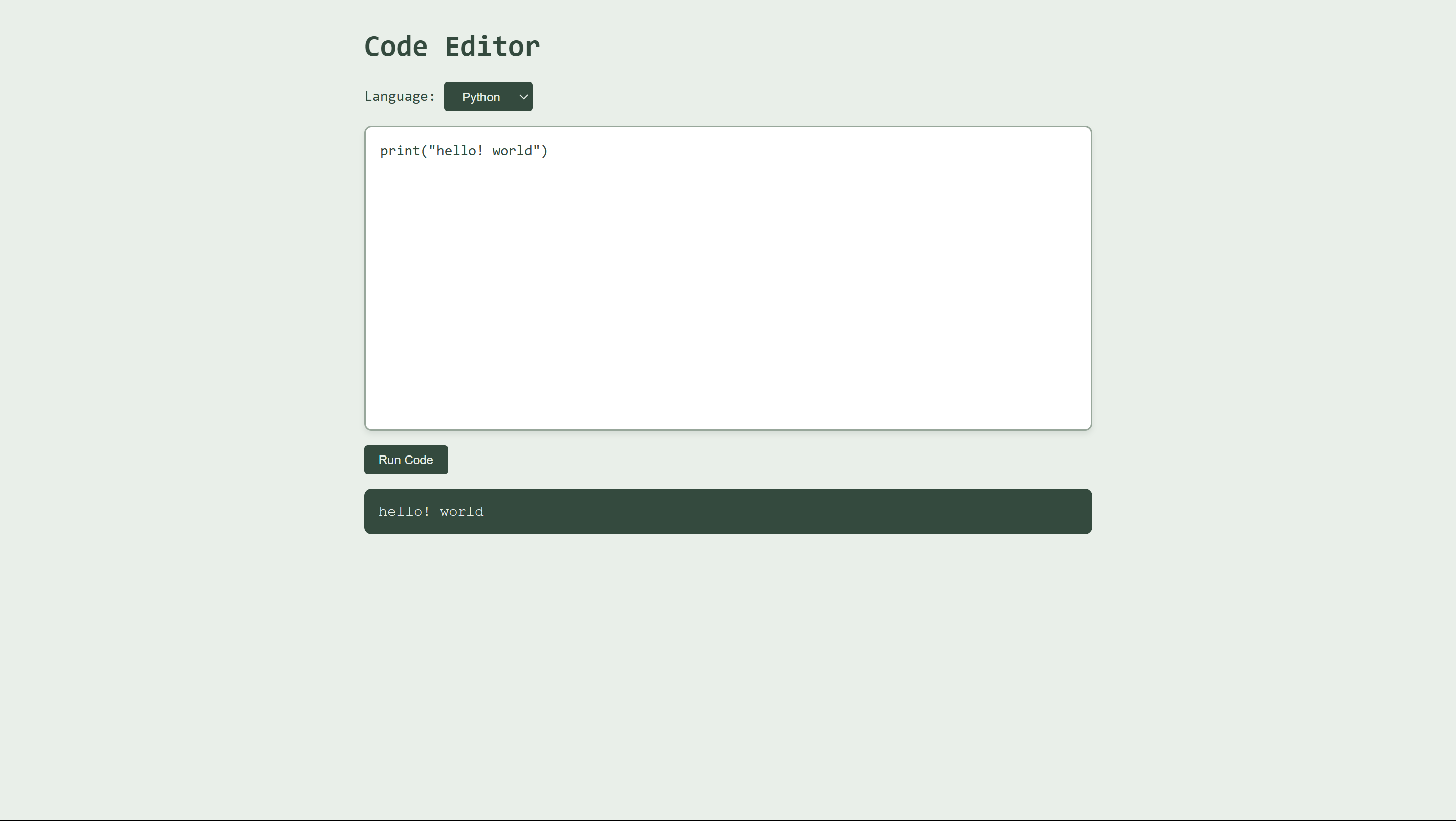
Integrated Coding Platform
-

Whiteboard
-
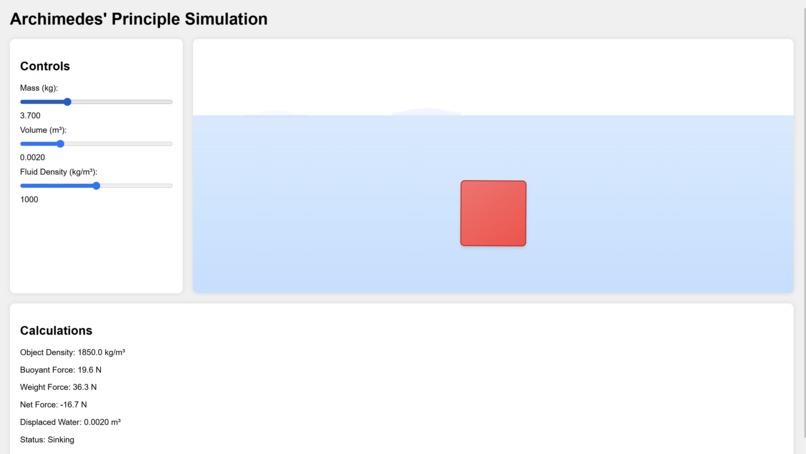
Virtual Labs
-

Virtual Labs
-
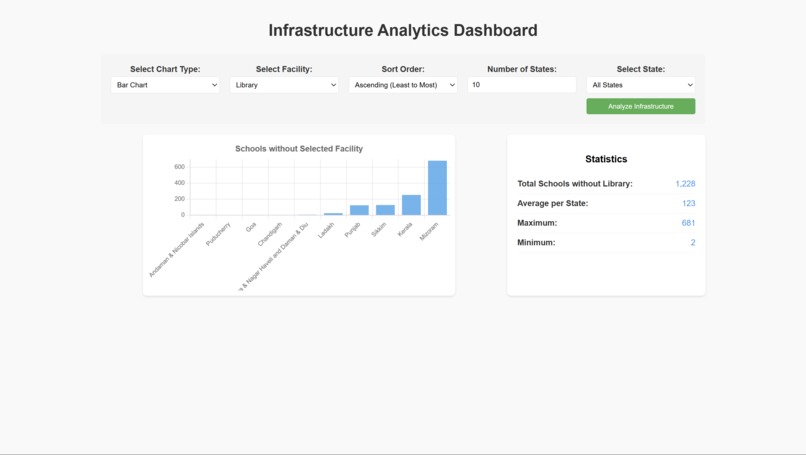
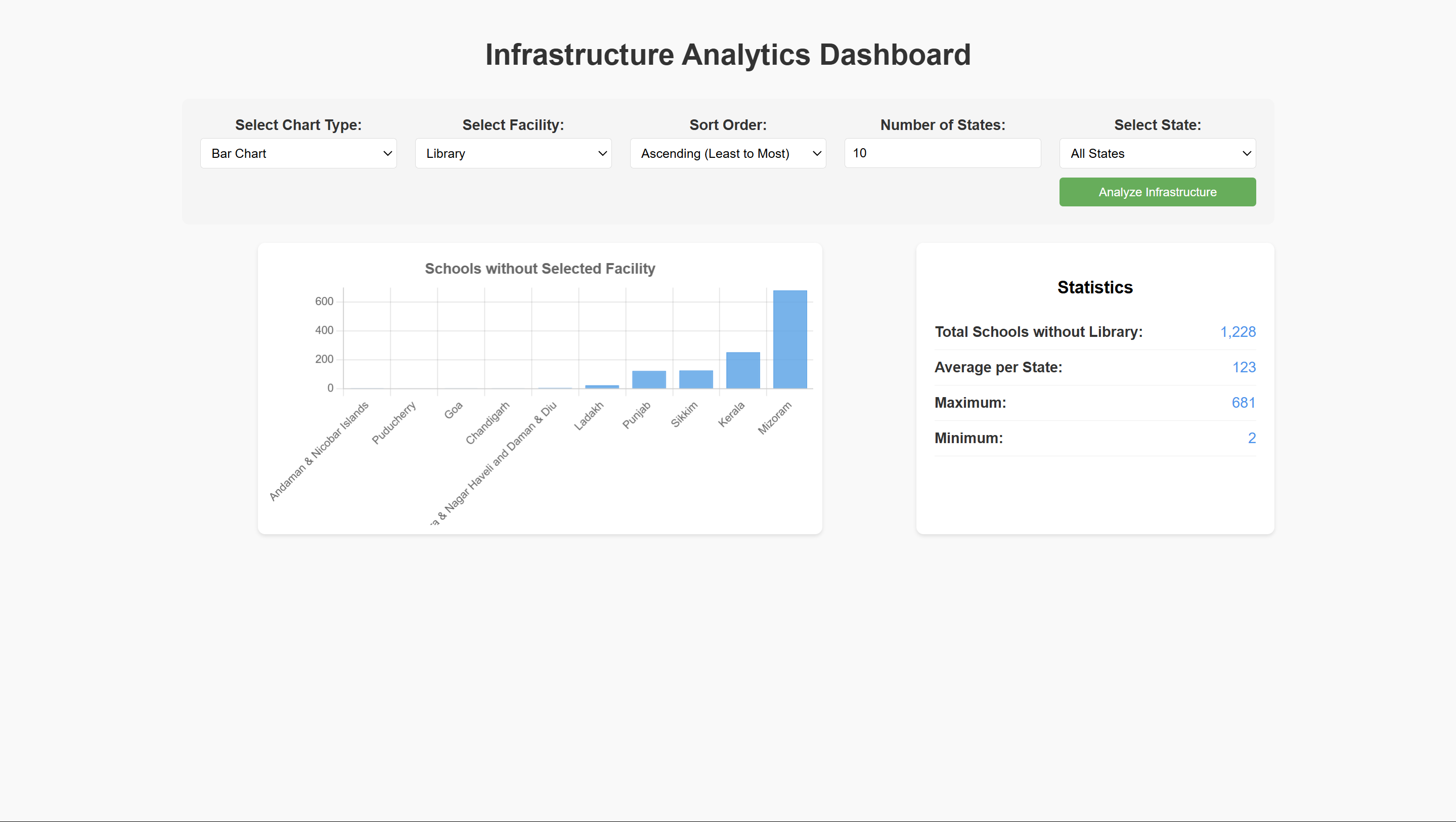
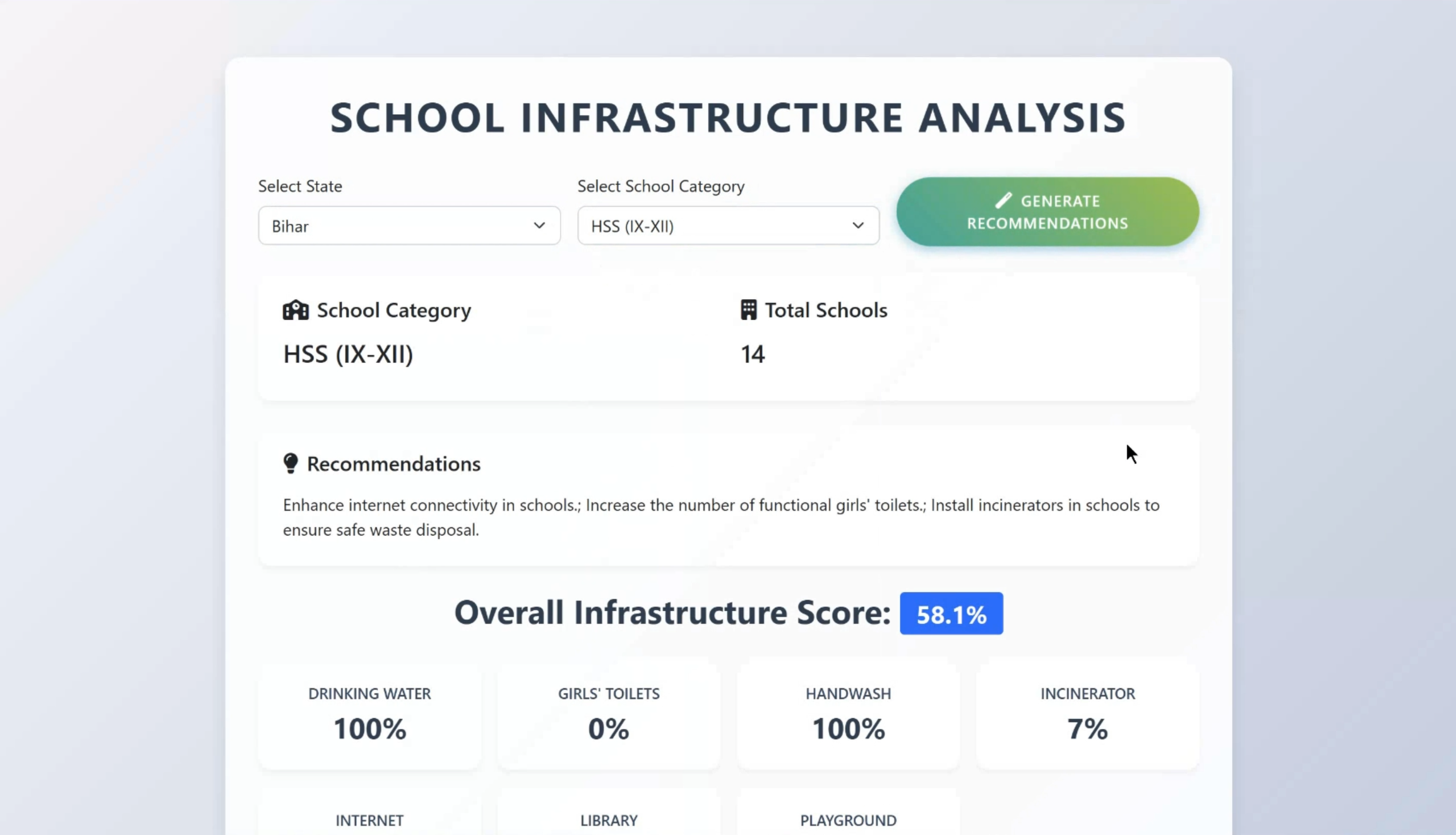
Data Analytics for policymakers
-
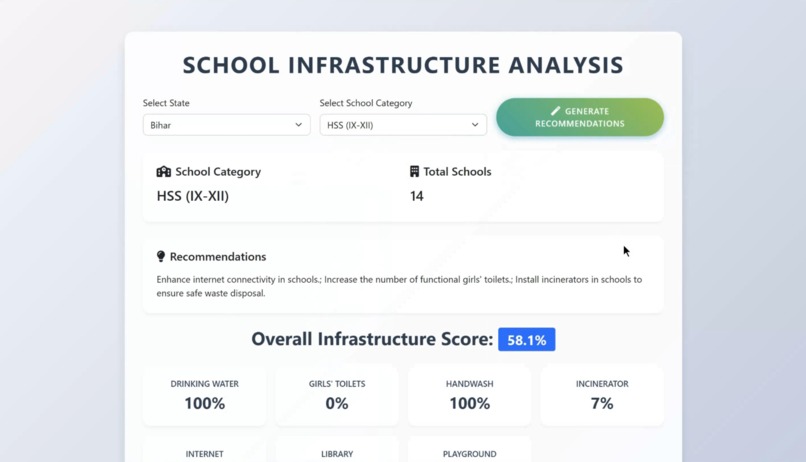
Data Analytics for policymakers
-
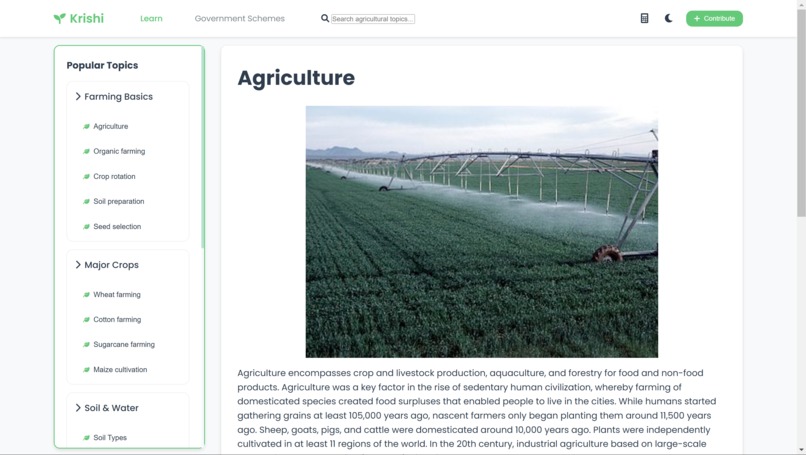
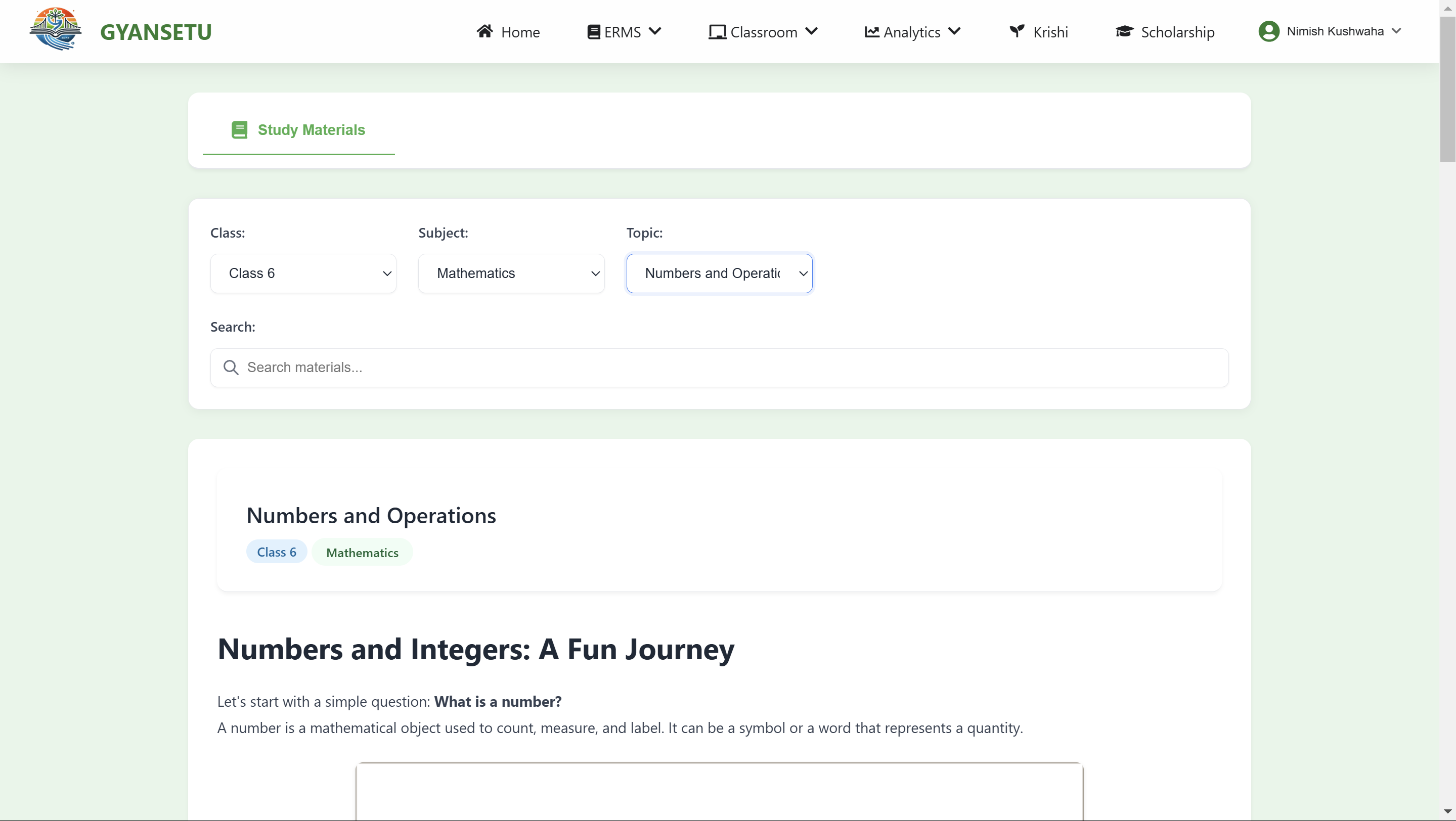
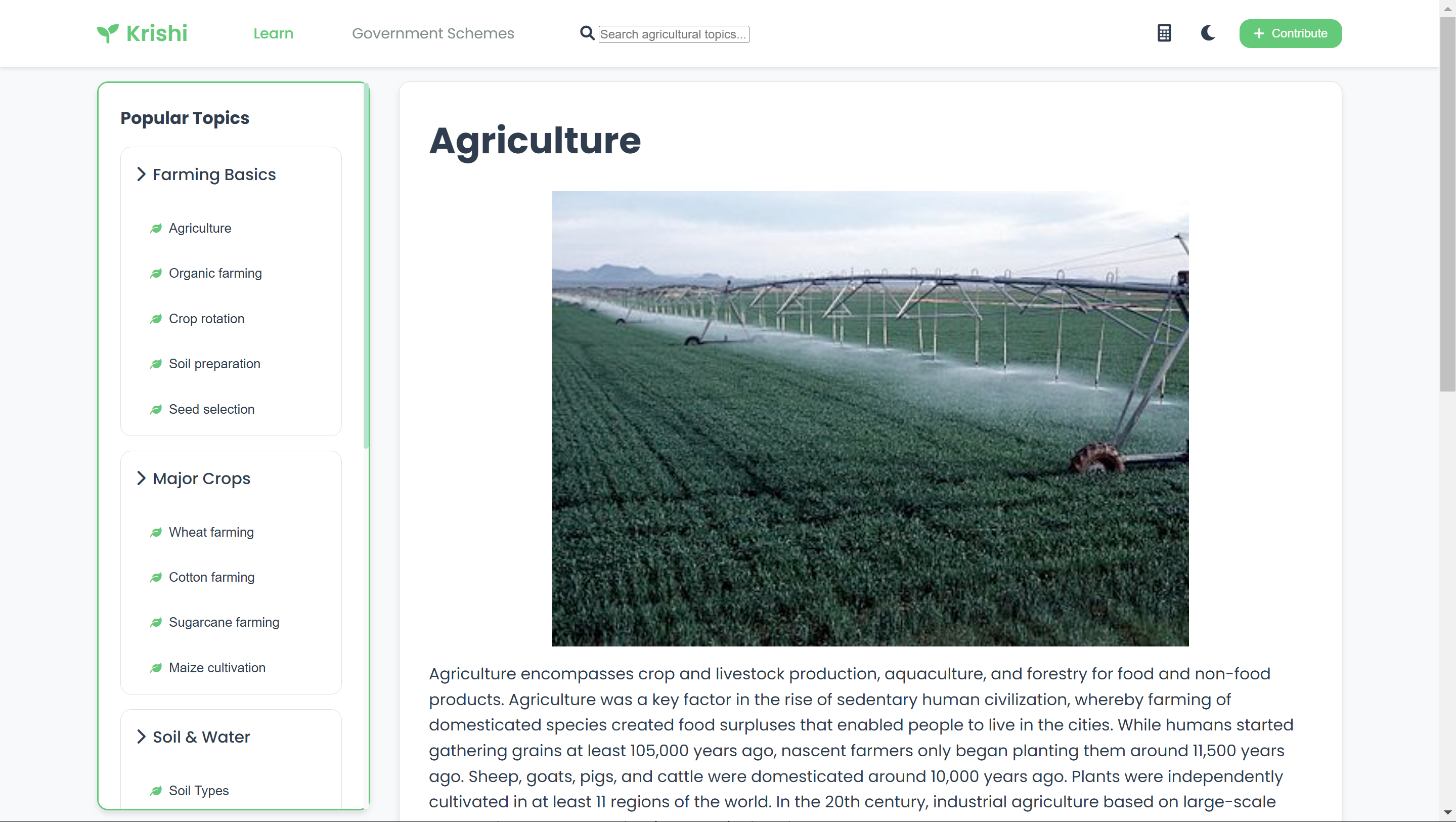
Localized learning
-
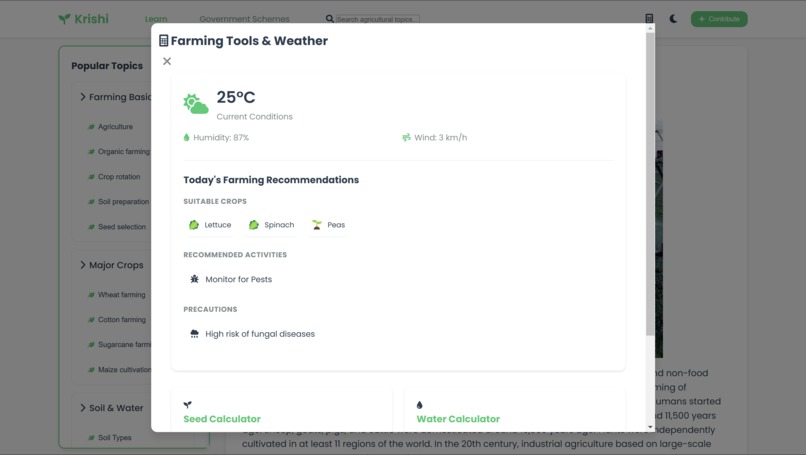
-
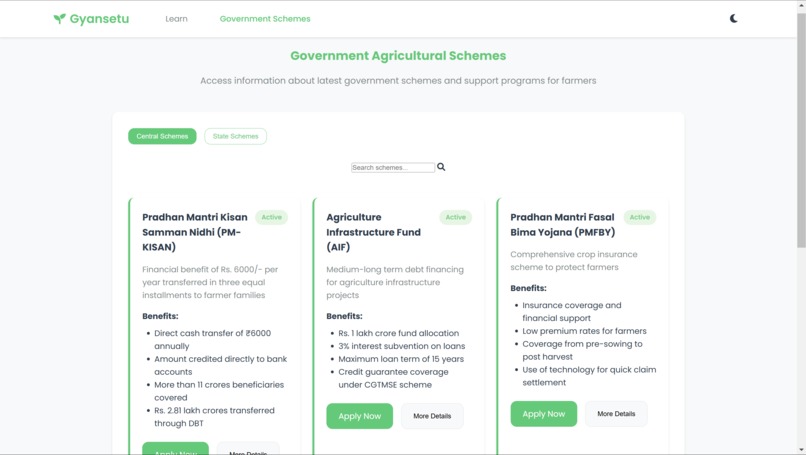
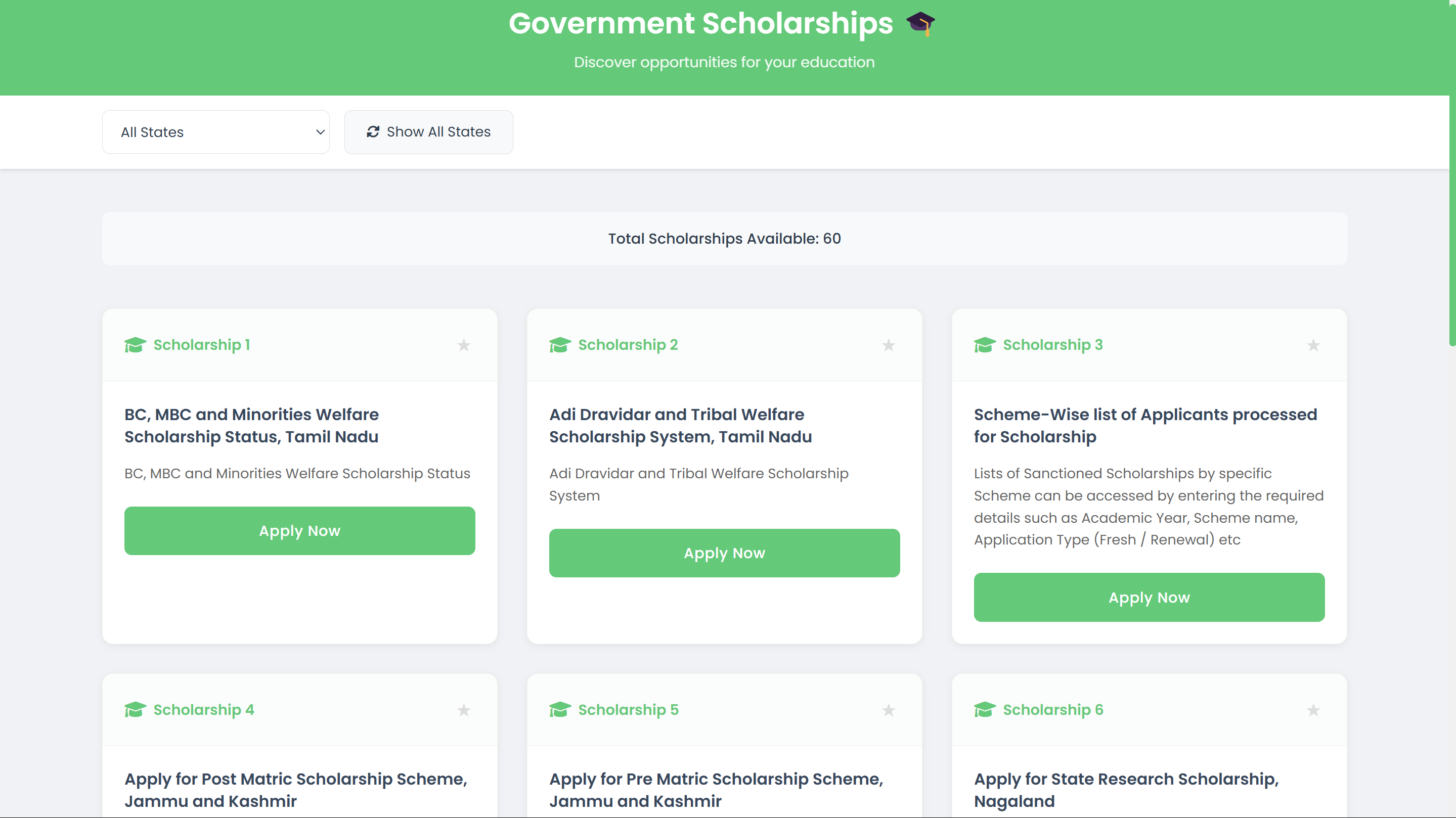
Scholarships
-
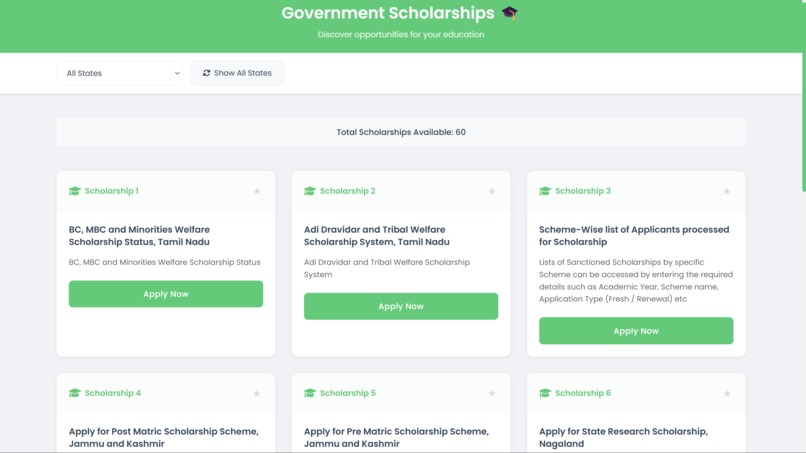
Scholarships
-
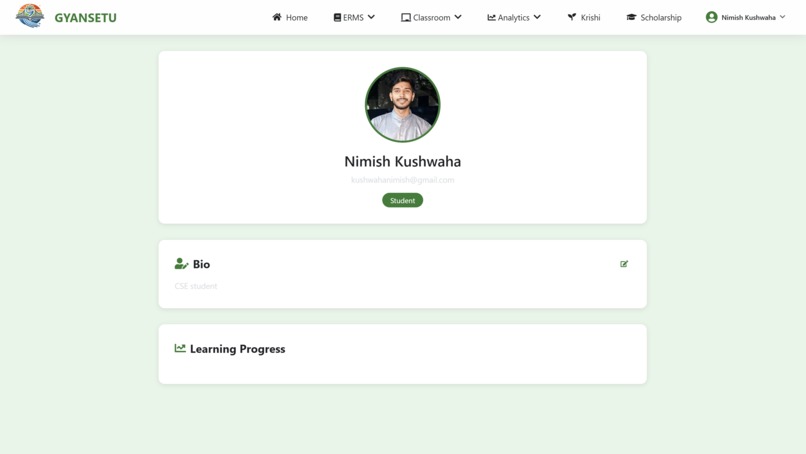
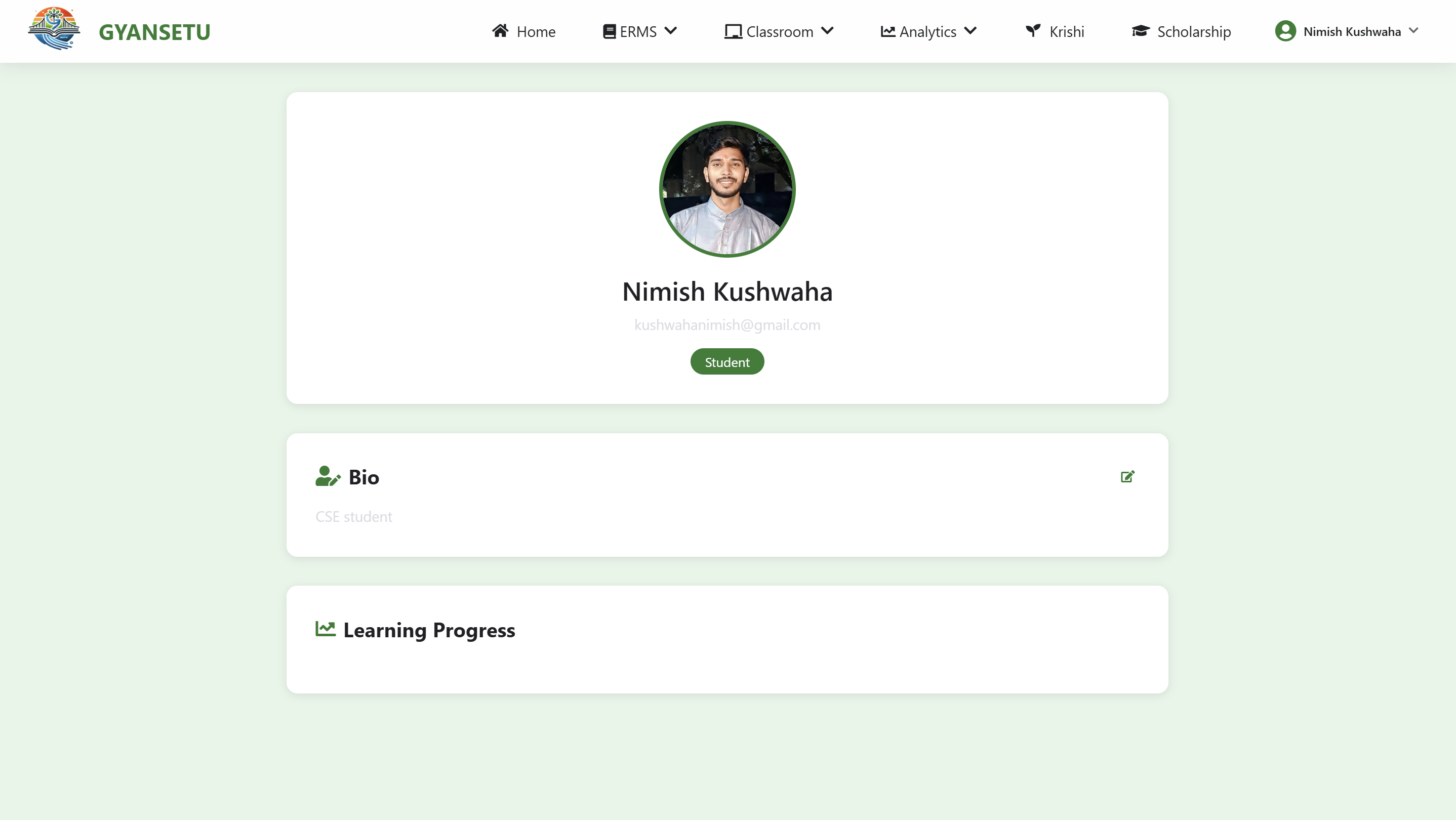
Profile
-
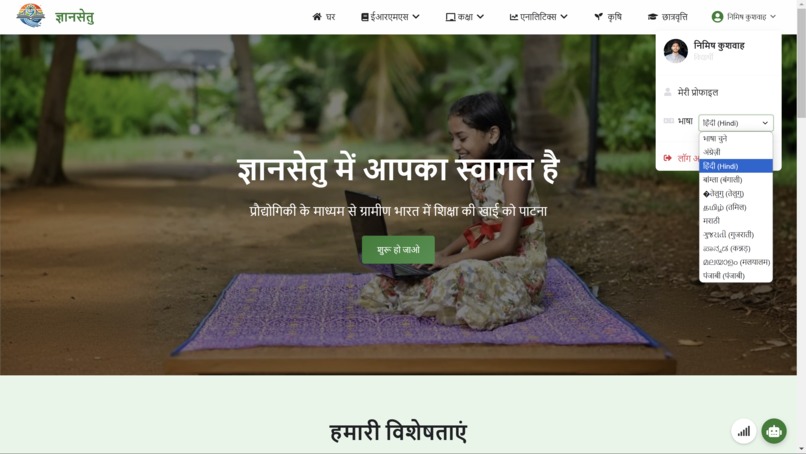
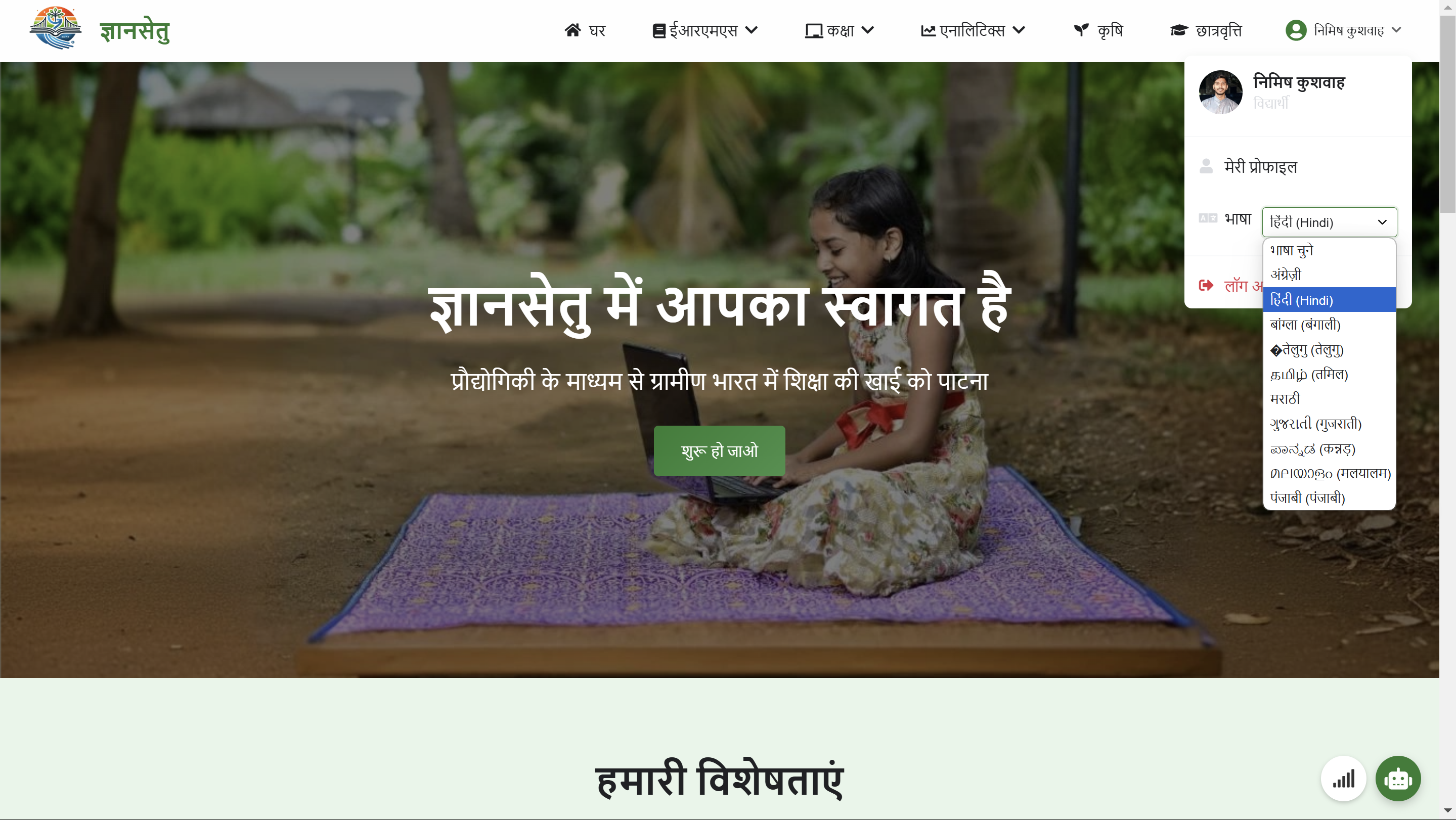
Multilingual website
-
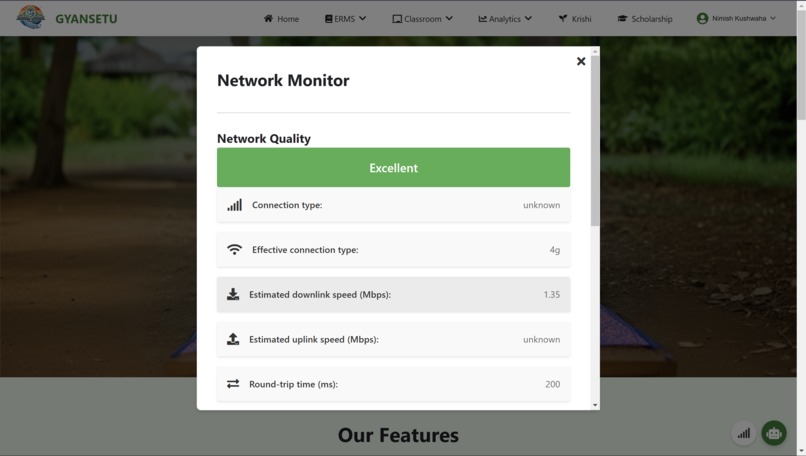
-
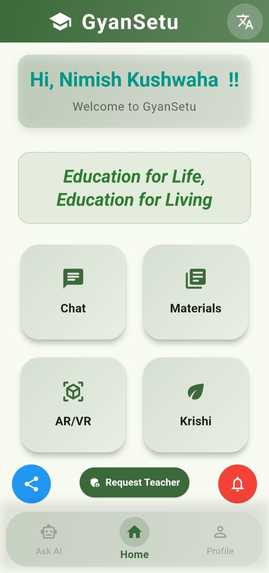
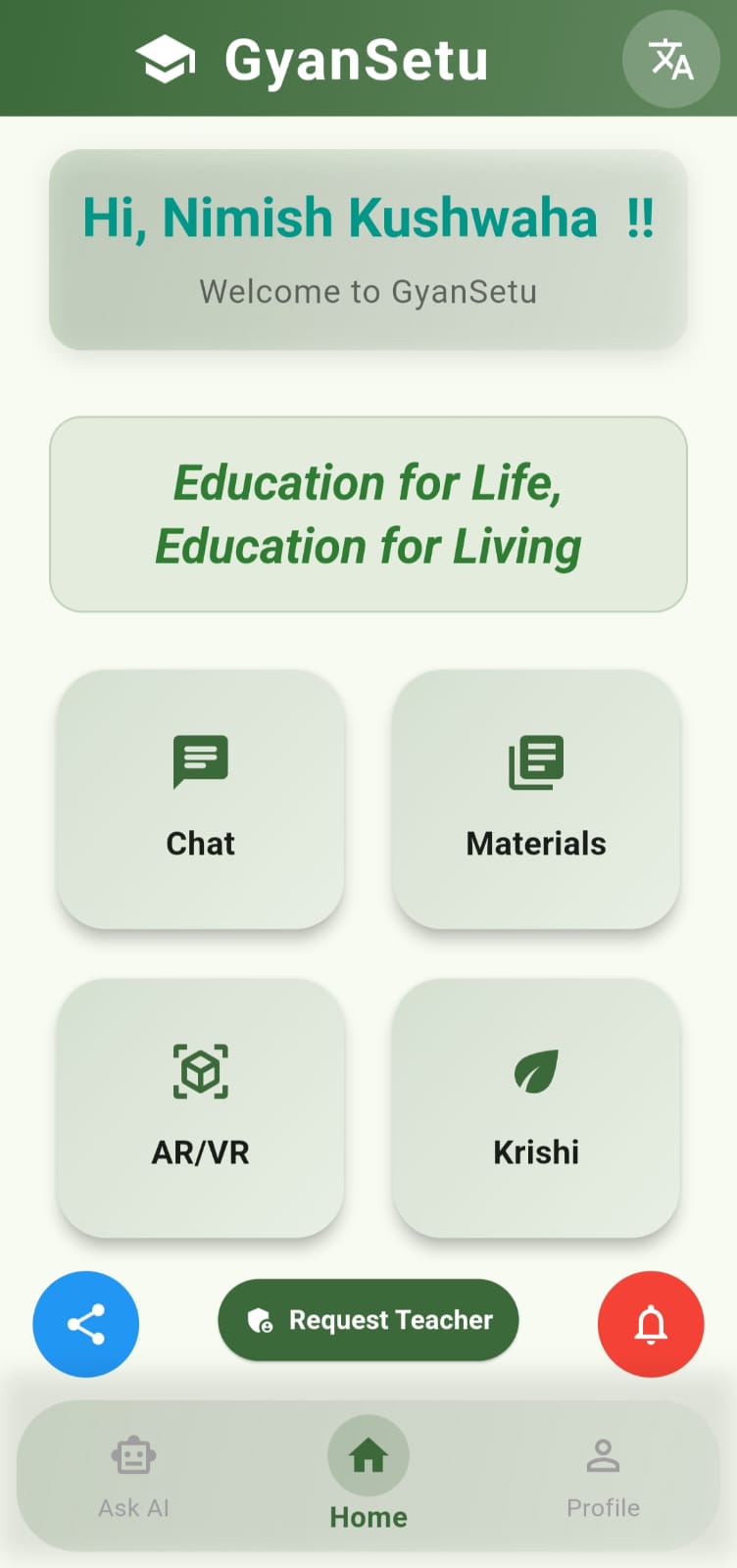
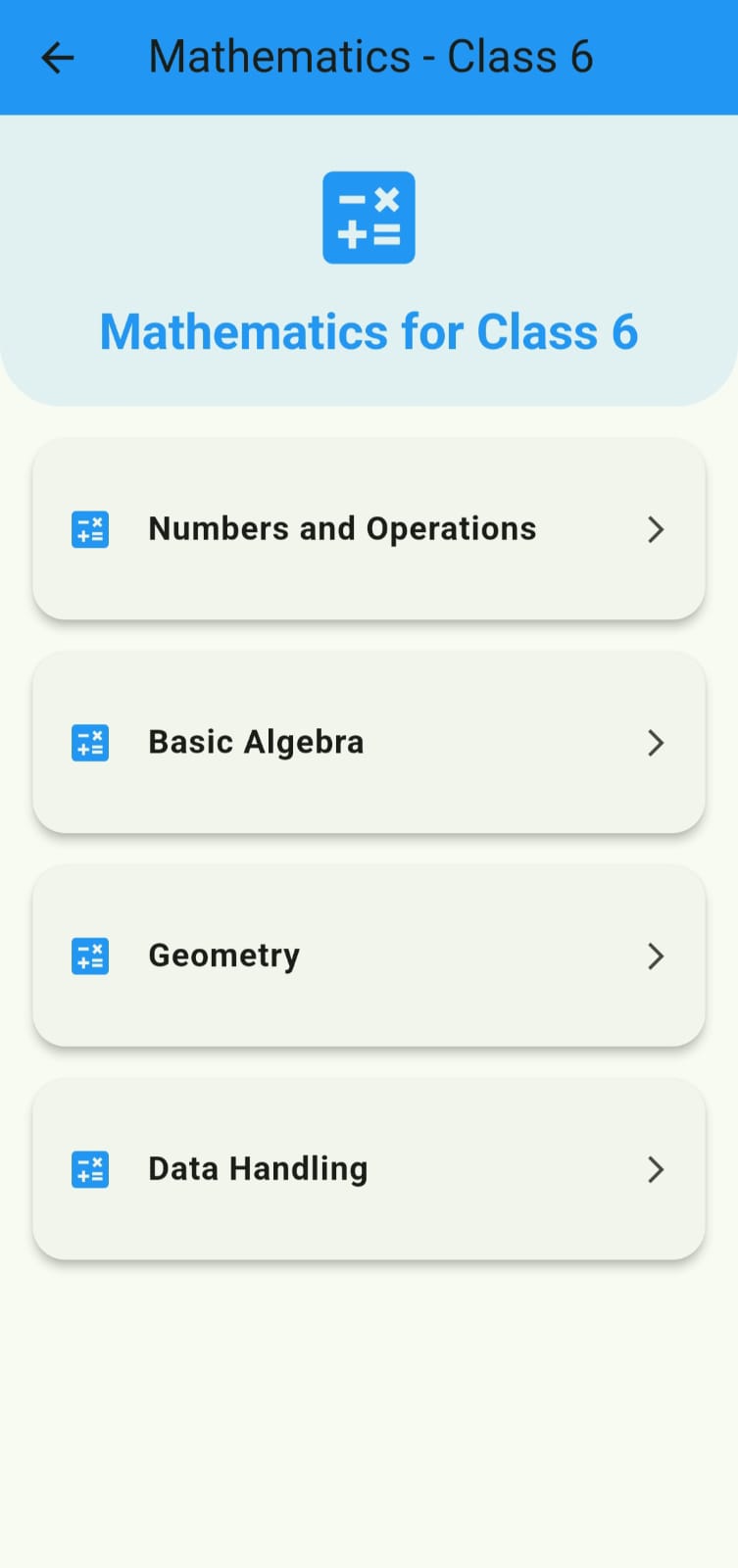
Mobile App - Homepage
-
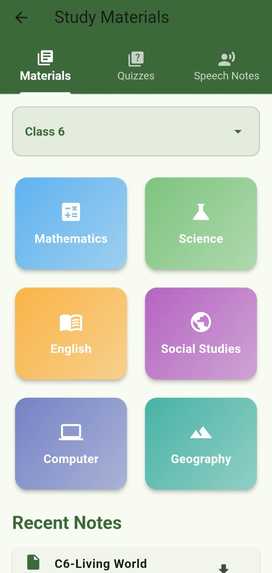
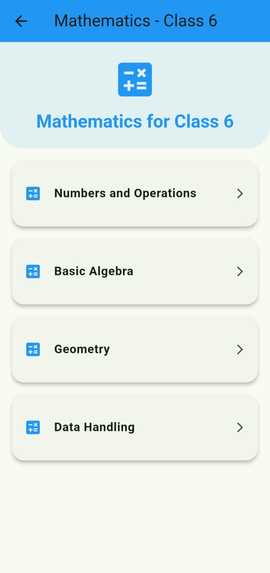
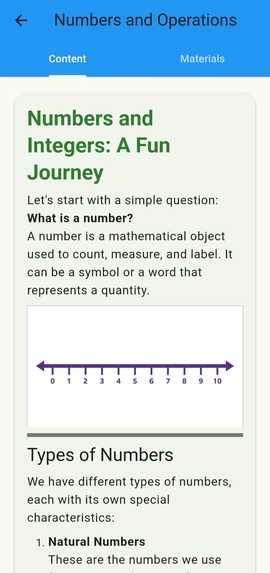
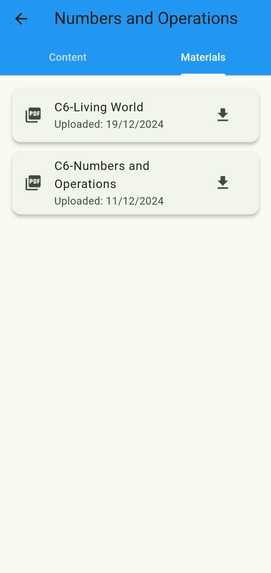
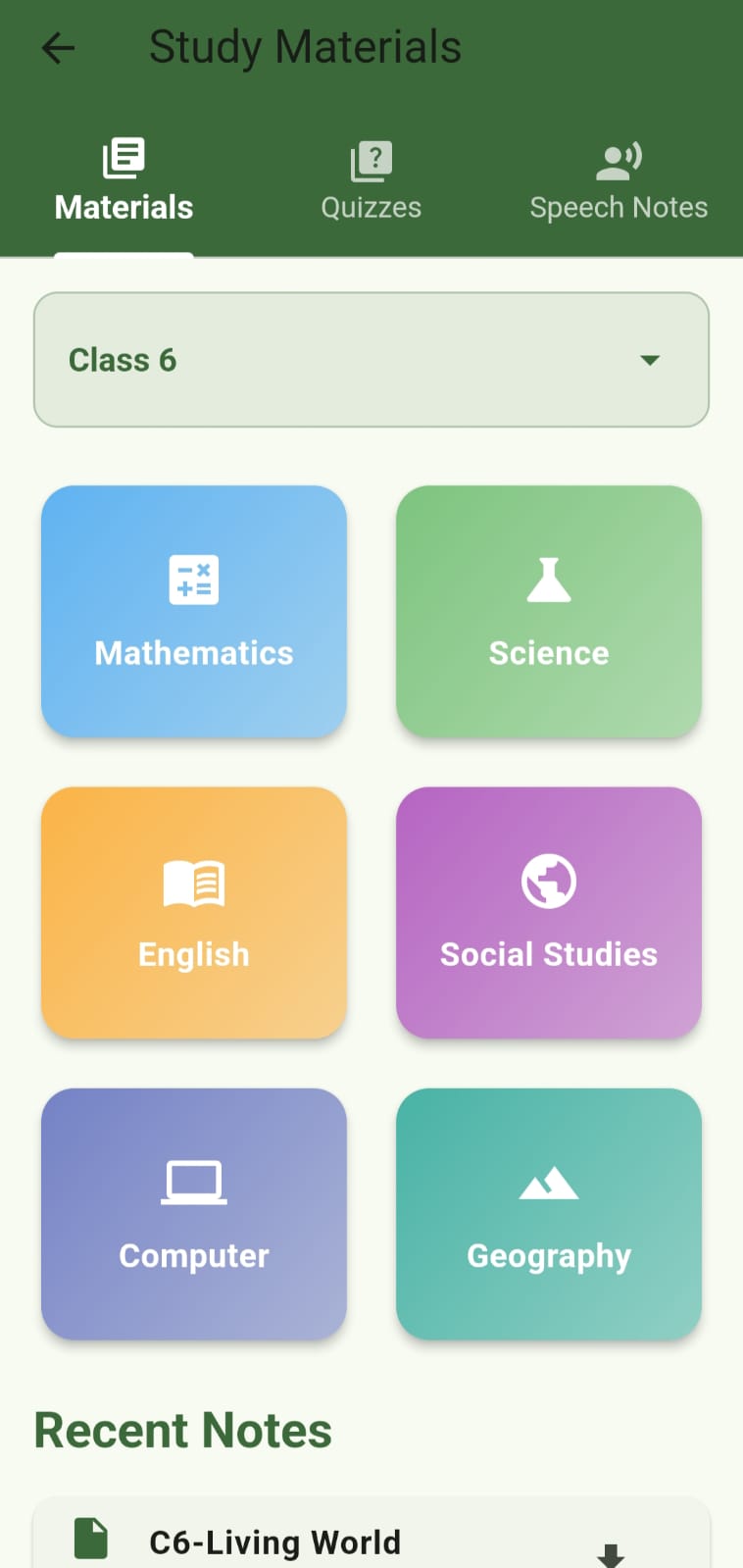
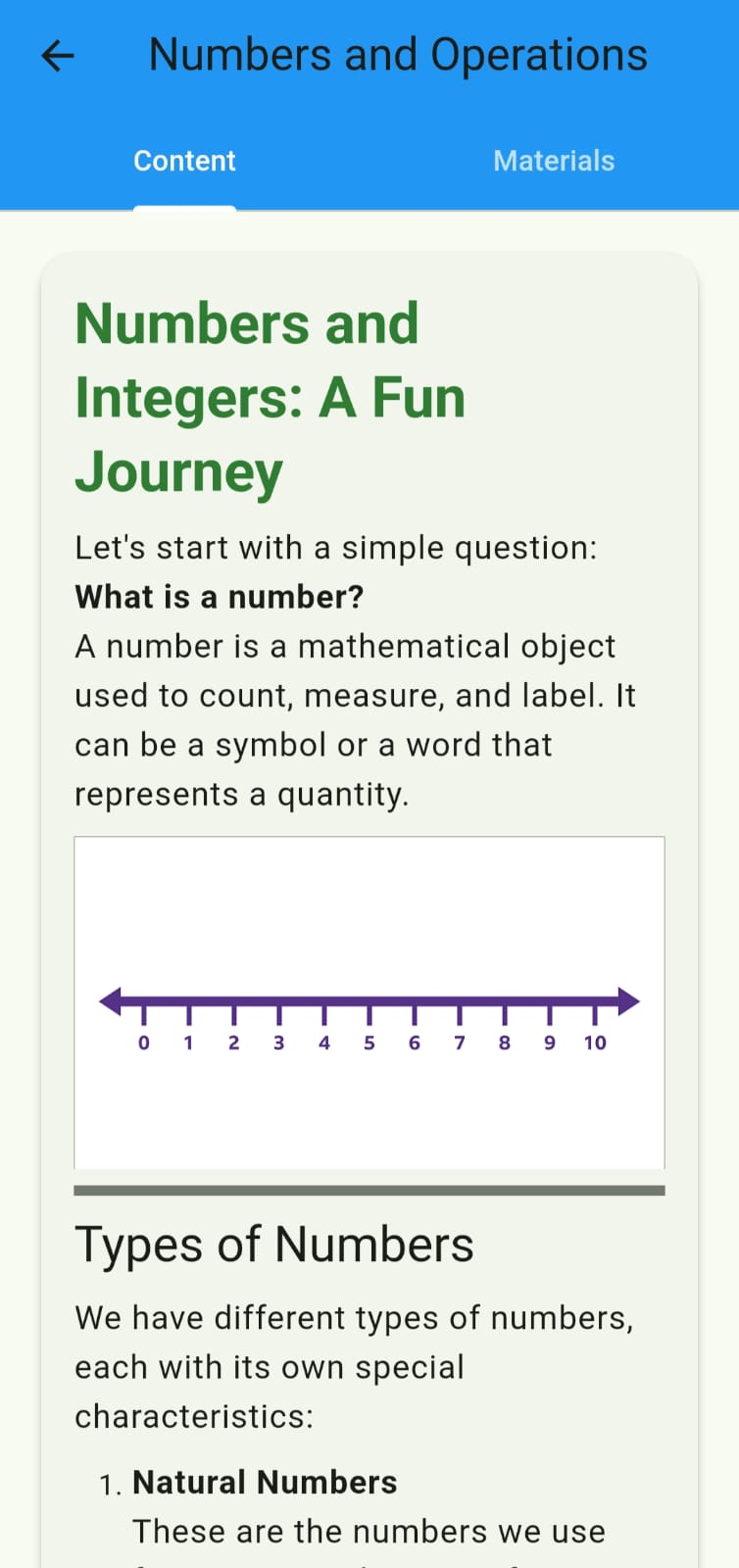
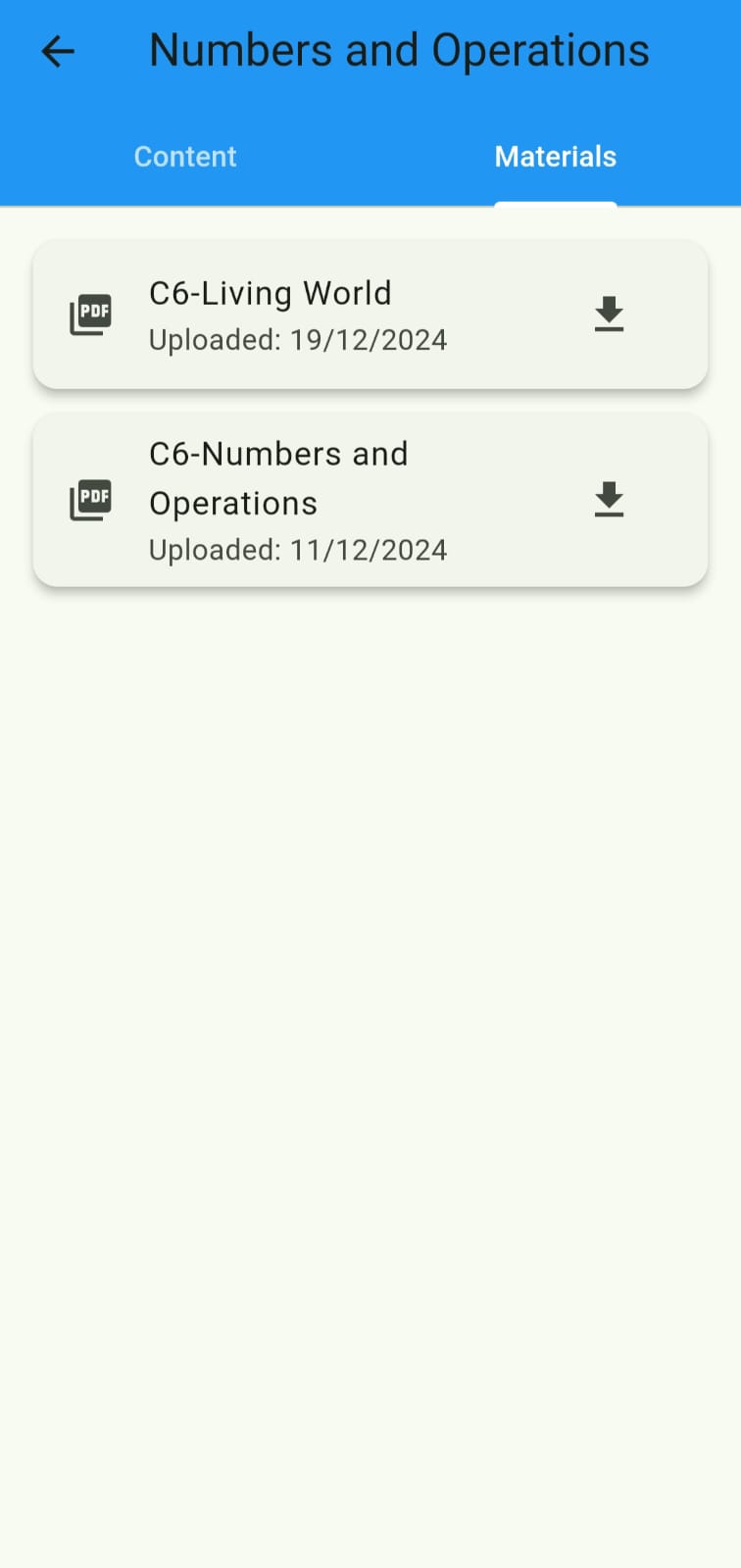
Lessons
-
-
-
-
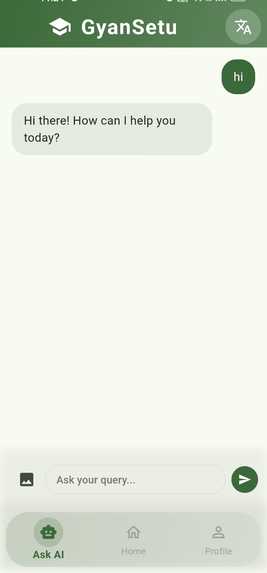
-
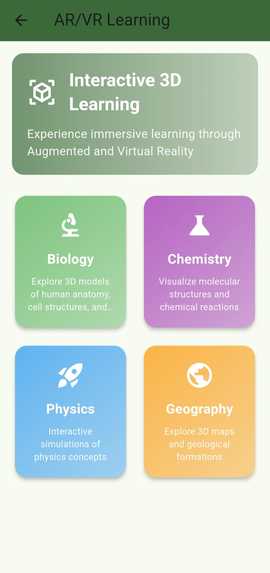
-
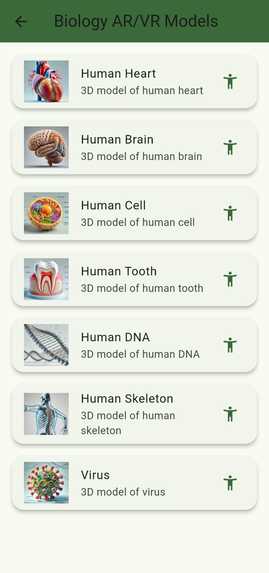
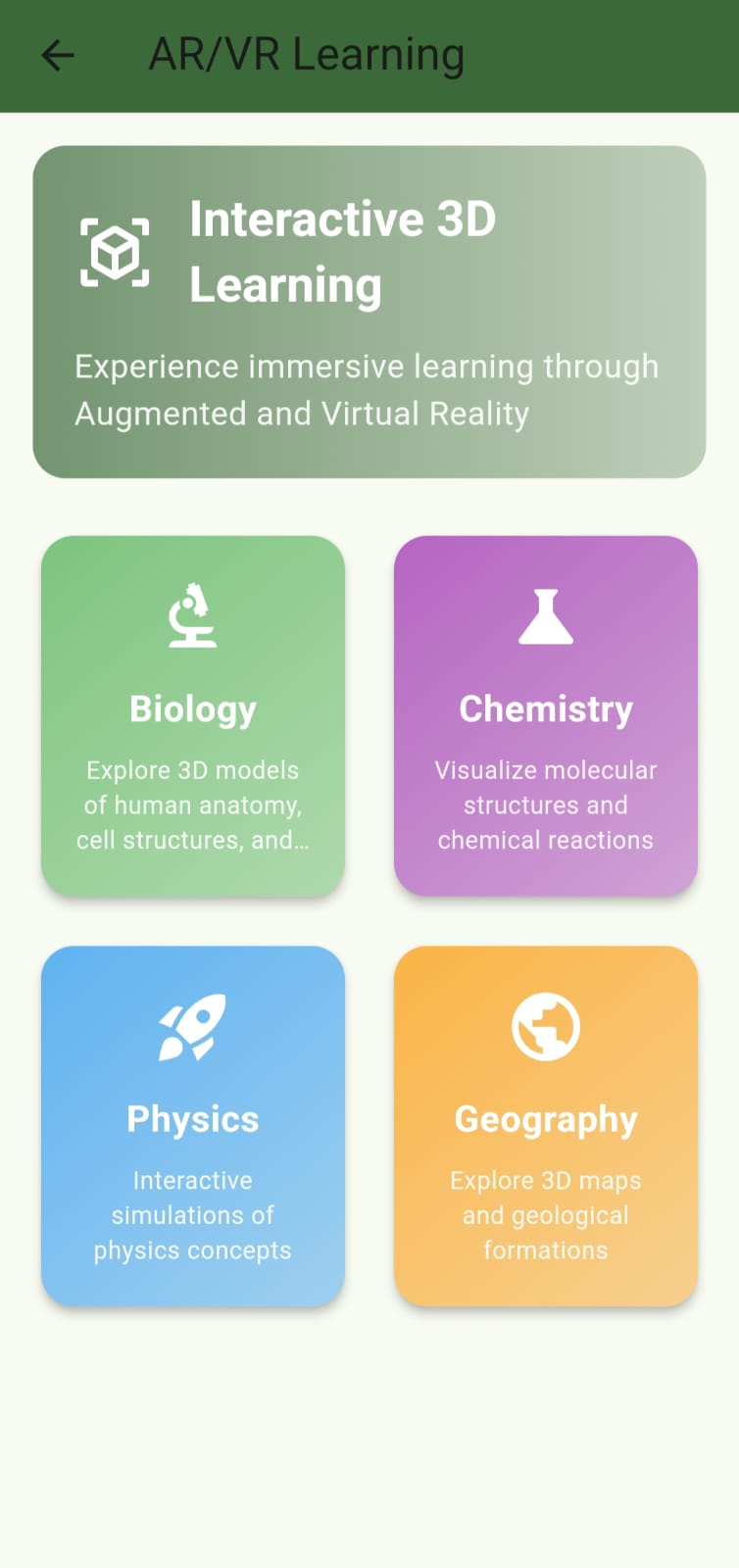
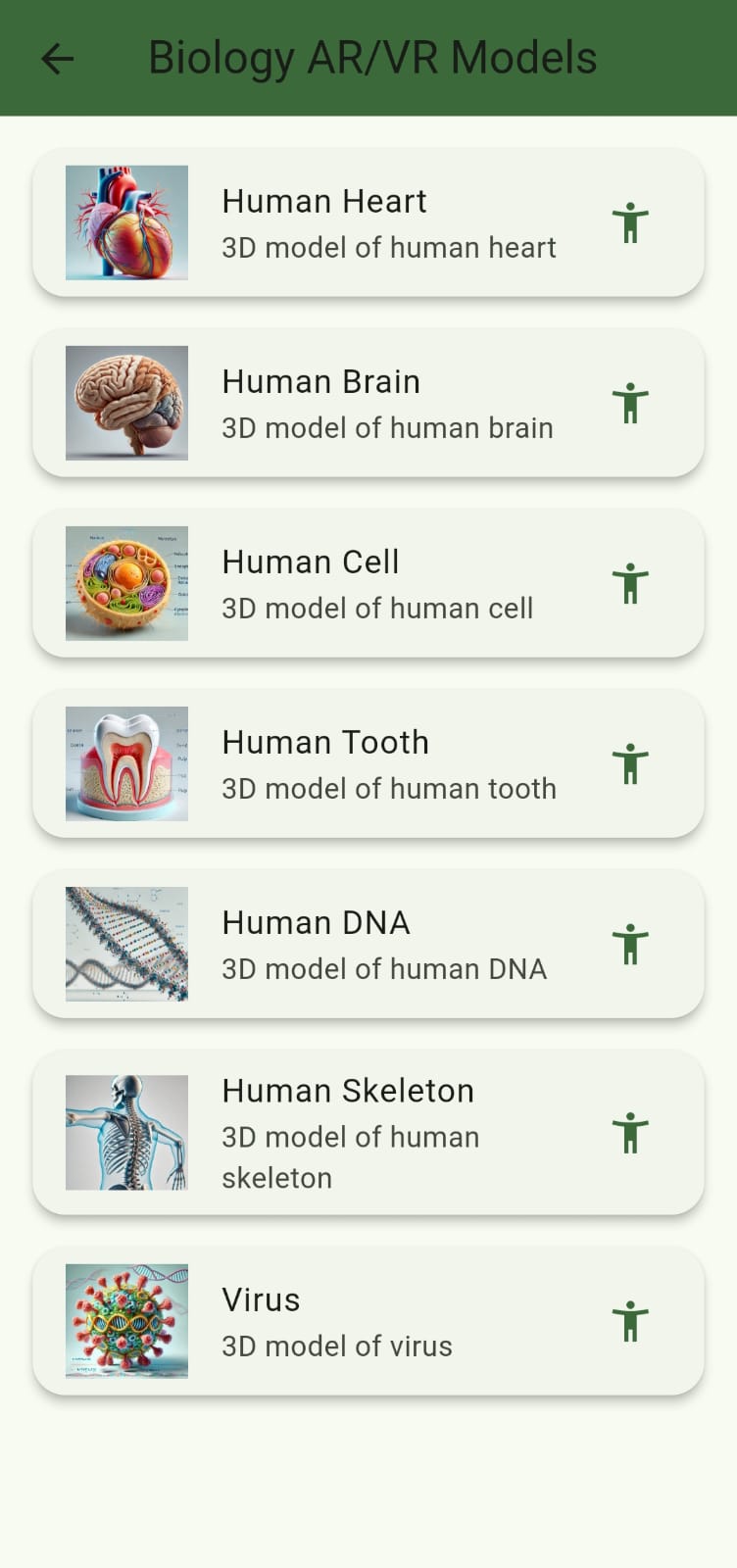
AR Models
-

AR Model -Heart
-

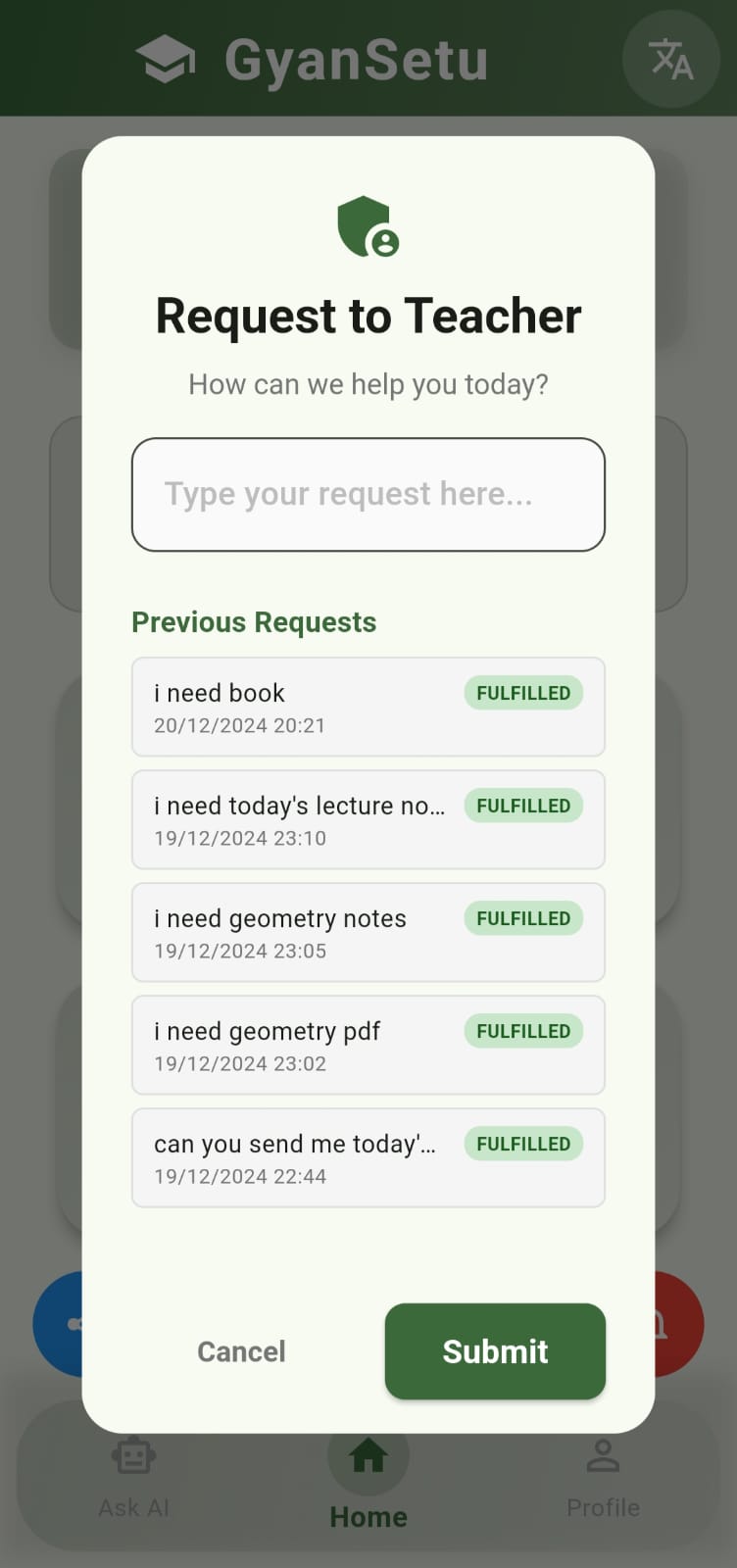
Offline Peer to Peer Resource Sharing
-
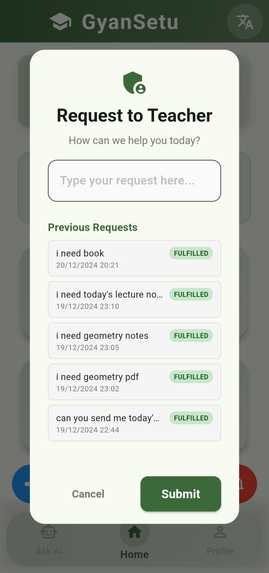
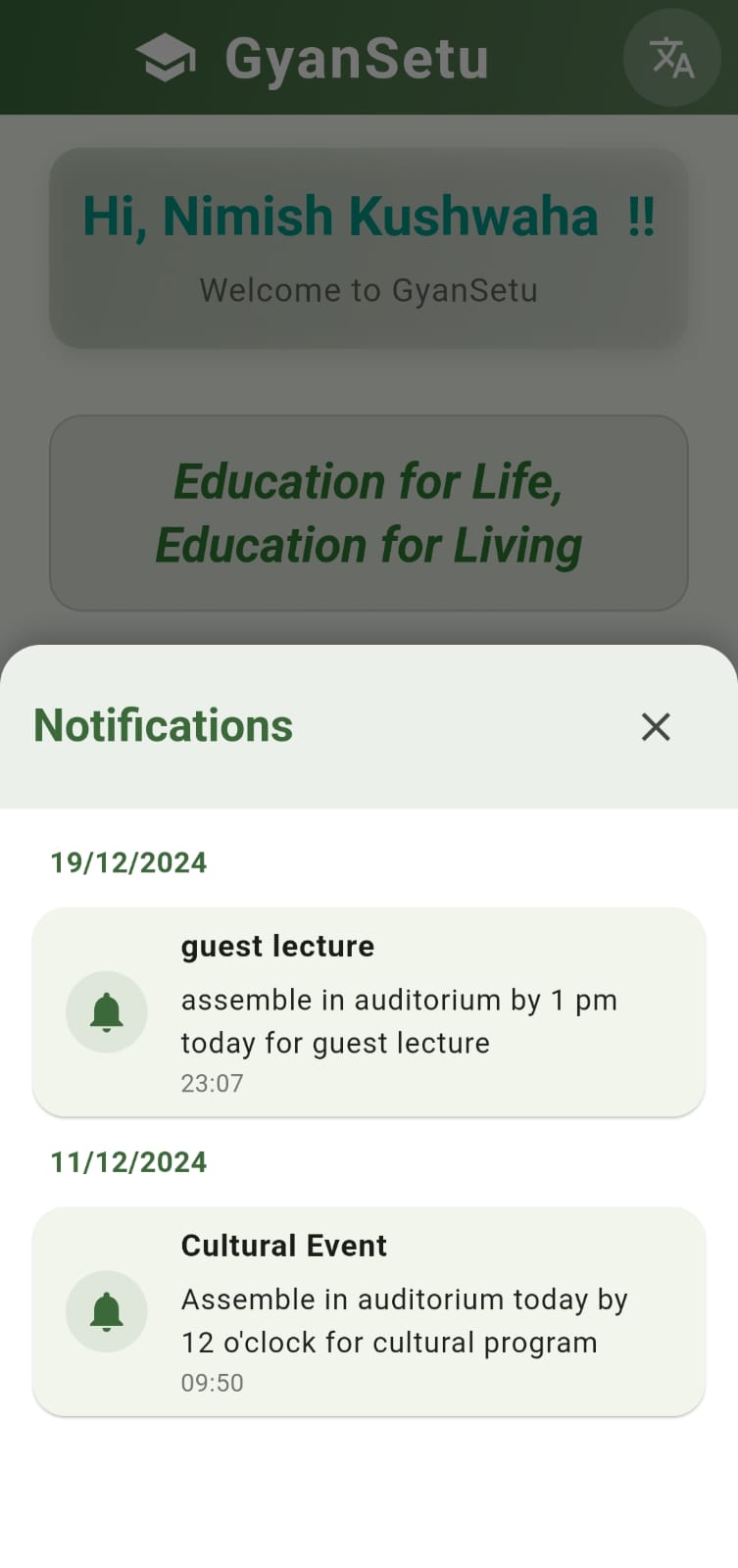
Resource Request Notification (Teacher Side)
-
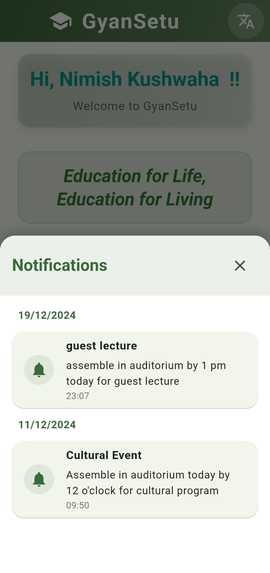
Resource Request Notification (Student Side)
-
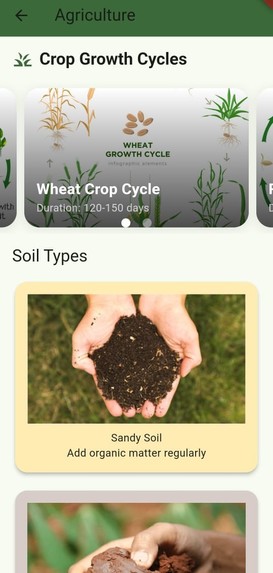
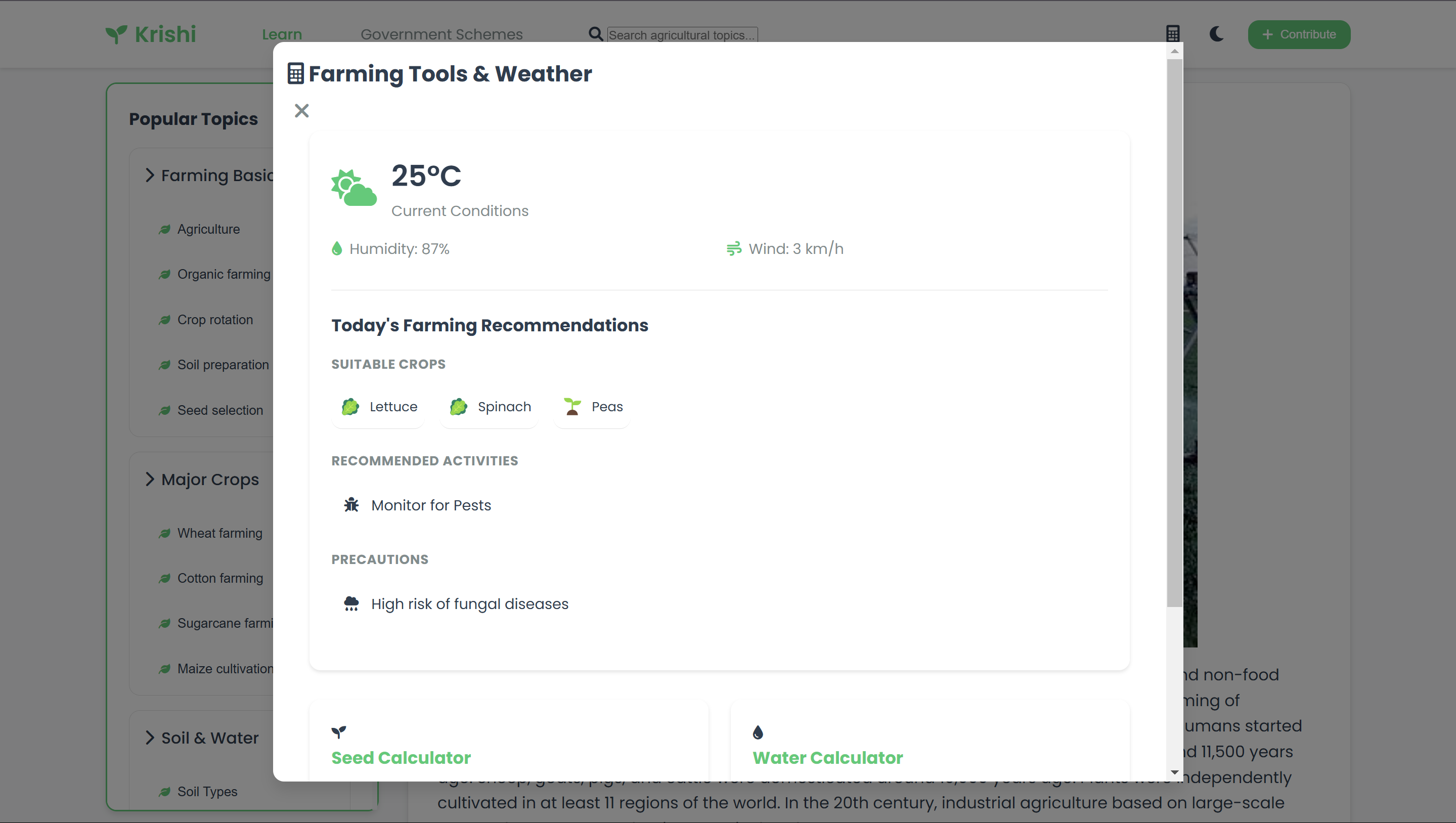
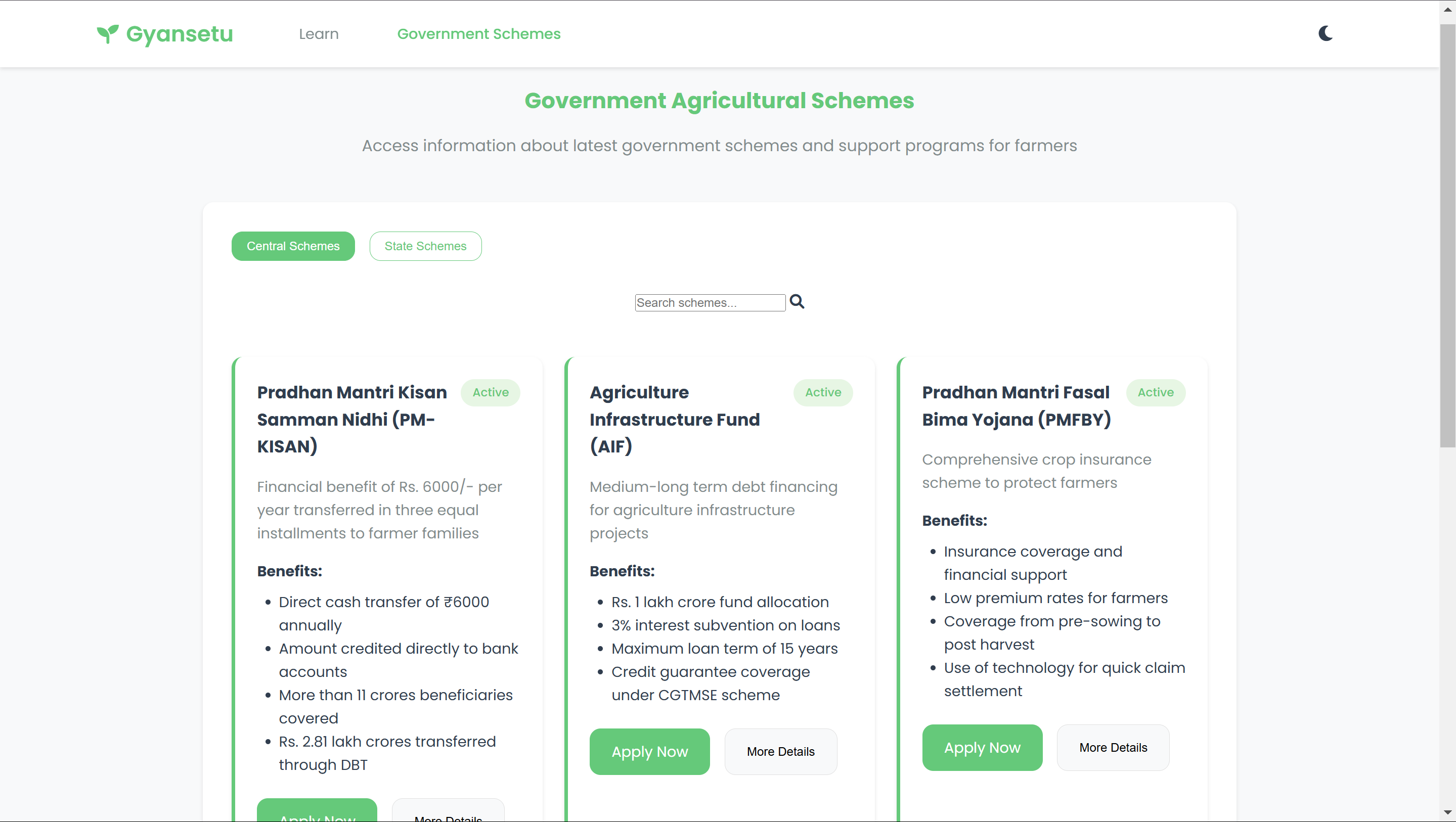
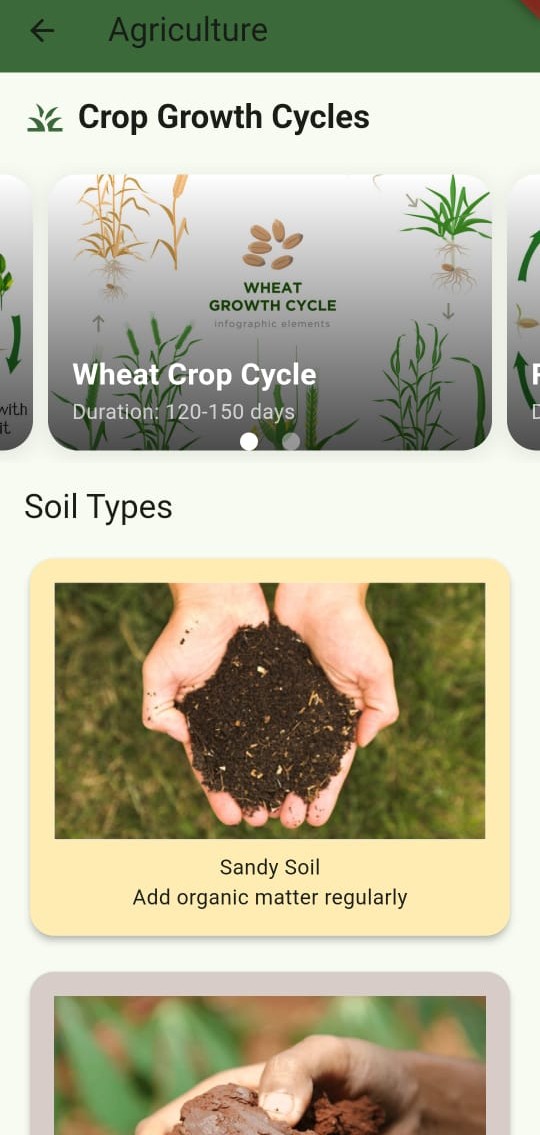
Mobile- Localized learning
-
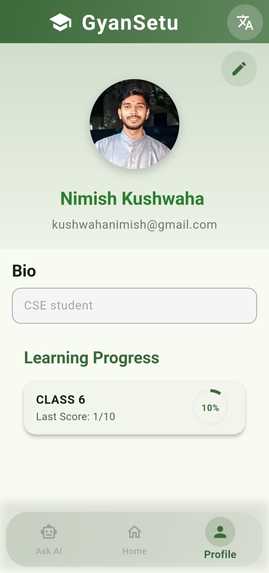
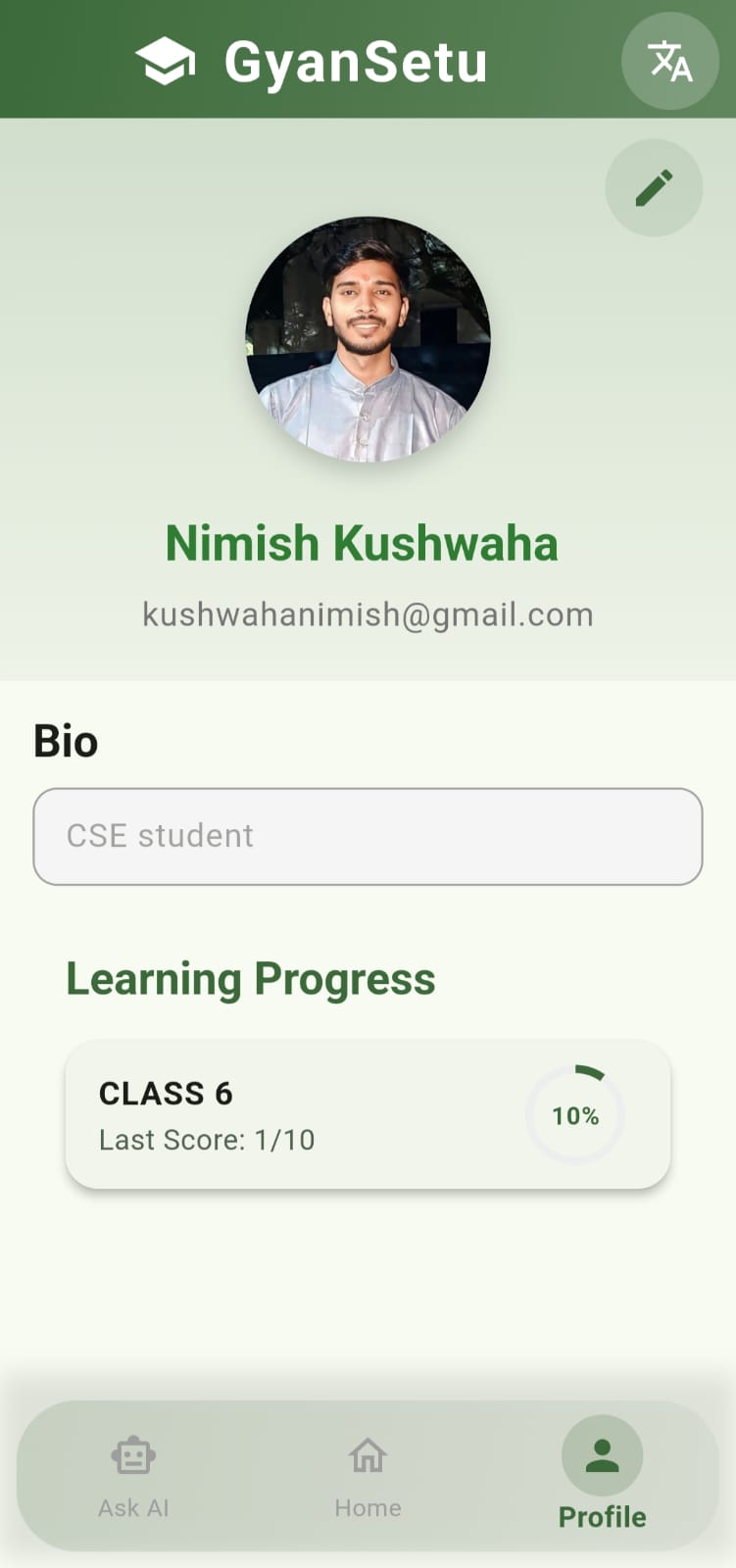
Student Dashboard




GyanSetu: Bridging the Digital Education Gap
1. Inspiration
The world runs on the power of its youth, But Are We Leaving Millions Behind?
In India, over 900 million people live in rural areas. Yet, millions of students in these regions struggle to access quality education due to the lack of proper schools, libraries, and qualified teachers. With limited resources and outdated learning methods, students rely on scarce textbooks and infrequent lessons, making it difficult to prepare for the modern world. Digital learning could change everything, but there’s another challenge. Poor connectivity, unreliable internet, and outdated resources make even online education a distant dream for many.
We have lived this reality—missing out on learning opportunities, struggling with outdated books, and watching ourselves fall behind simply because we lacked digital connectivity. But we believe that education should not be a privilege; it should be a right for all.
GyanSetu is our solution—a platform designed to bridge the digital divide by providing low-data, offline-ready, and interactive education that works even in the most remote corners of India. No internet? No problem. We ensure that learning never stops, no matter the connectivity challenges. A truly developed India begins with educated rural youth- irrespective of their geographical location.
2. Software Engineering Steps
2.1 Requirement Analysis
To ensure GyanSetu meets the needs of students and teachers in low-connectivity areas, we identified key functional and non-functional requirements.
Functional Requirements
- Live classes using Jitsi Meet (JaaS) for real-time interaction.
- AI-generated quizzes and assignments powered by OpenAI.
- Collaborative whiteboards for real-time problem-solving.
- Offline learning via service workers and caching.
- Internet connectivity monitoring and optimization tools.
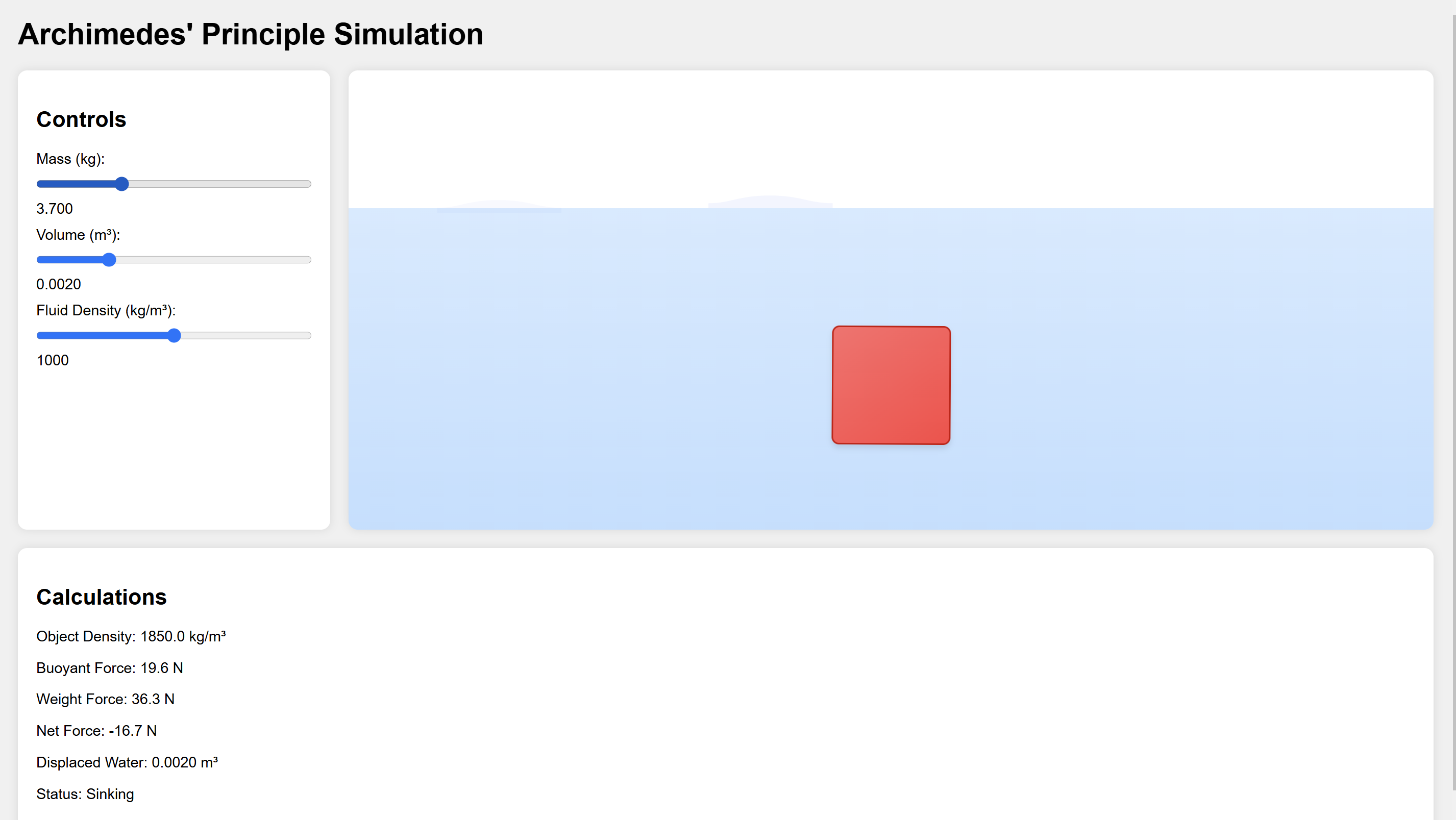
- Virtual labs and AR-based interactive learning.
- Dedicated coding platform for students.
Non-Functional Requirements
- Must work in low-internet and offline conditions.
- Lightweight and efficient for low-end devices.
- Scalable to accommodate multiple schools and users.
- Secure authentication using Firebase.
- Accessible UI/UX for students with minimal digital literacy.
2.2 System Design
We designed GyanSetu as both a web and mobile platform to provide a seamless learning experience.
System Architecture
Frontend:
- Web app (HTML, CSS, JavaScript)
- Mobile app (Flutter for cross-platform support)
Backend & Database:
- Firebase Authentication for user management.
- Firestore for real-time database and content storage.
Live Learning & Collaboration:
- Jitsi Meet (JaaS) for live classes.
- Excalidraw for collaborative whiteboards.
- RecordRTC for session recordings.
AI & AR Integration:
- Google Gemini API for generating quizzes and assignments.
- WebXR/AR.js for interactive learning experiences.
Offline & Connectivity Optimization:
- Service Workers for caching educational content.
- Custom-built connectivity monitoring tool.
2.3 Development
Tech Stack
| Component | Technology Stack |
|---|---|
| Frontend | HTML, CSS, JavaScript (Web), Flutter (Mobile) |
| Backend | Firebase Authentication, Firestore |
| Live Learning | Jitsi Meet (JaaS), Excalidraw |
| AI Features | OpenAI API |
| Offline Learning | Service Workers, IndexedDB |
| Connectivity Monitoring | Go-based network diagnostics |
3. Challenges We Faced
- Unstable Internet: Ensuring smooth video calls and chat in low-connectivity areas.
- Offline Access: Making quizzes, notes, and learning content available without the internet.
- AI Accuracy: Keeping AI-generated quizzes and assignments relevant to different curriculums.
- User Experience: Designing a simple, intuitive interface for students and teachers.
- Accurate ML model: Developing an accurate model for data analytics with limited and unstructured data.
- Scalability: Ensuring GyanSetu can handle more users without performance issues.
4. Accomplishments That We're Proud Of
- Successfully built a platform enabling real-time and offline learning.
- Developed AI-powered tools for quizzes and assignments.
- Implemented connectivity monitoring and optimization for low-network areas.
- Created an interactive learning experience with collaborative whiteboards and VR labs.
5. What We Learned
- Design for real-world challenges: Digital education must be reliable even with poor internet.
- AI is a great assistant, not a replacement: Teachers play an irreplaceable role in education.
- Interactive learning works: Virtual labs, coding platforms, and collaborative tools enhance engagement.
6. What's Next for GyanSetu?
- Dedicated Mobile App optimized for low-end devices.
- More AI-powered tools for personalized learning.
- Partnerships with schools and communities to expand accessibility.

Log in or sign up for Devpost to join the conversation.