-
-
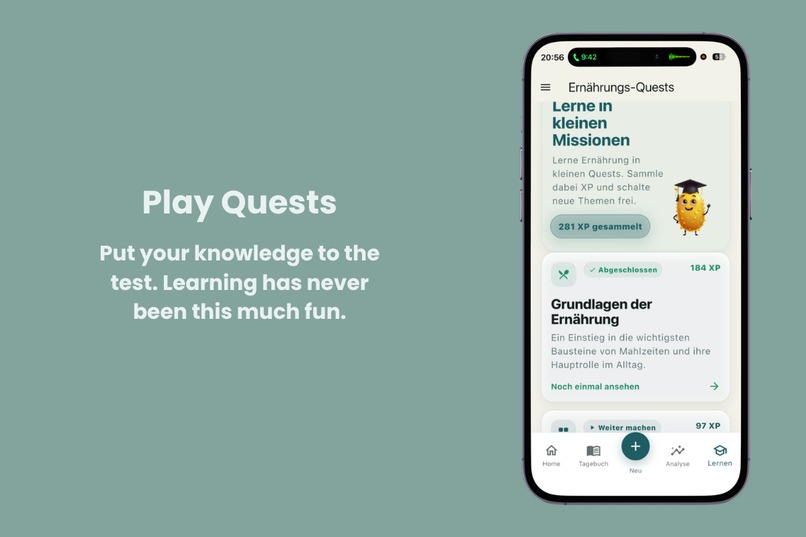
Education is important: Learn about your food and gut
-
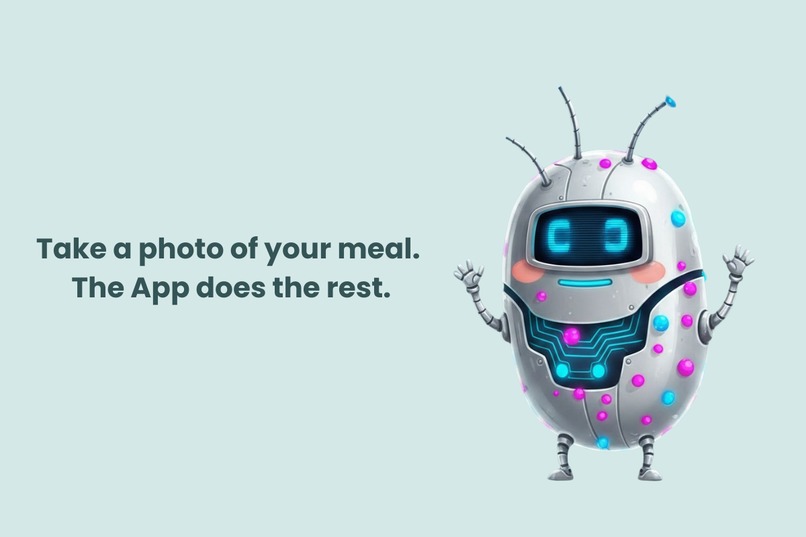
food recognition with AI
-
Gut Bacteria are very happy about Gutora!
-
Your gut bacteria love that app!
-
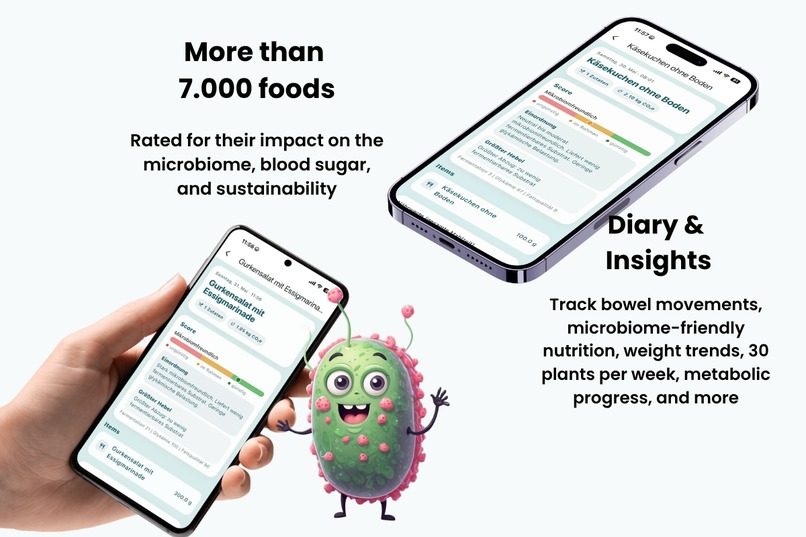
Big scientific database, diary and AI analytics
Inspiration
I am a professor for nutritional biology at a university college. Most nutrition apps focus on calories and weight. But food also influences the gut microbiome, blood-sugar response, energy, and long-term habits. So I wrote a book about the microbiome (will be out in Spring) and I built Gutora, a practical microbiome companion that turns complex nutrition data into understandable, everyday guidance.
The goal was not to create another restrictive diet app. Gutora helps people recognize patterns, improve meal quality, increase plant diversity, and learn through small, achievable steps. Gutora also helps to save the planet!
What it does
Gutora lets users:
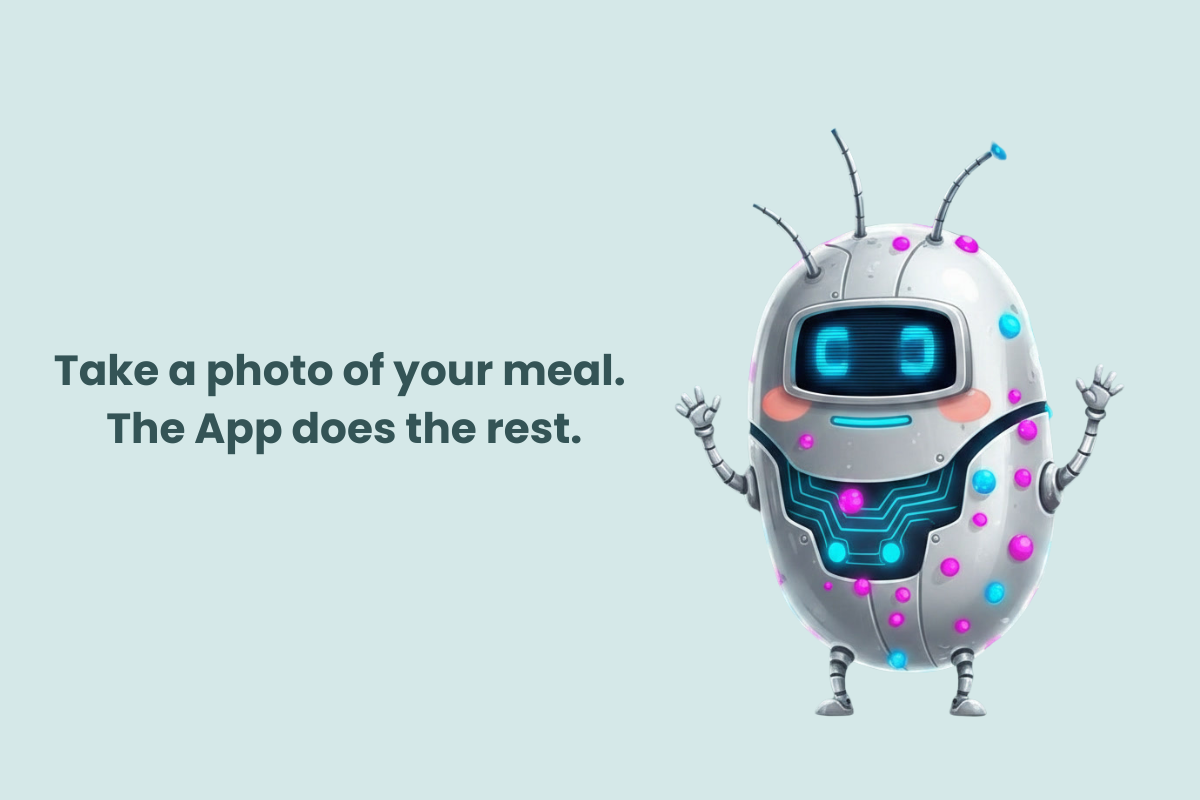
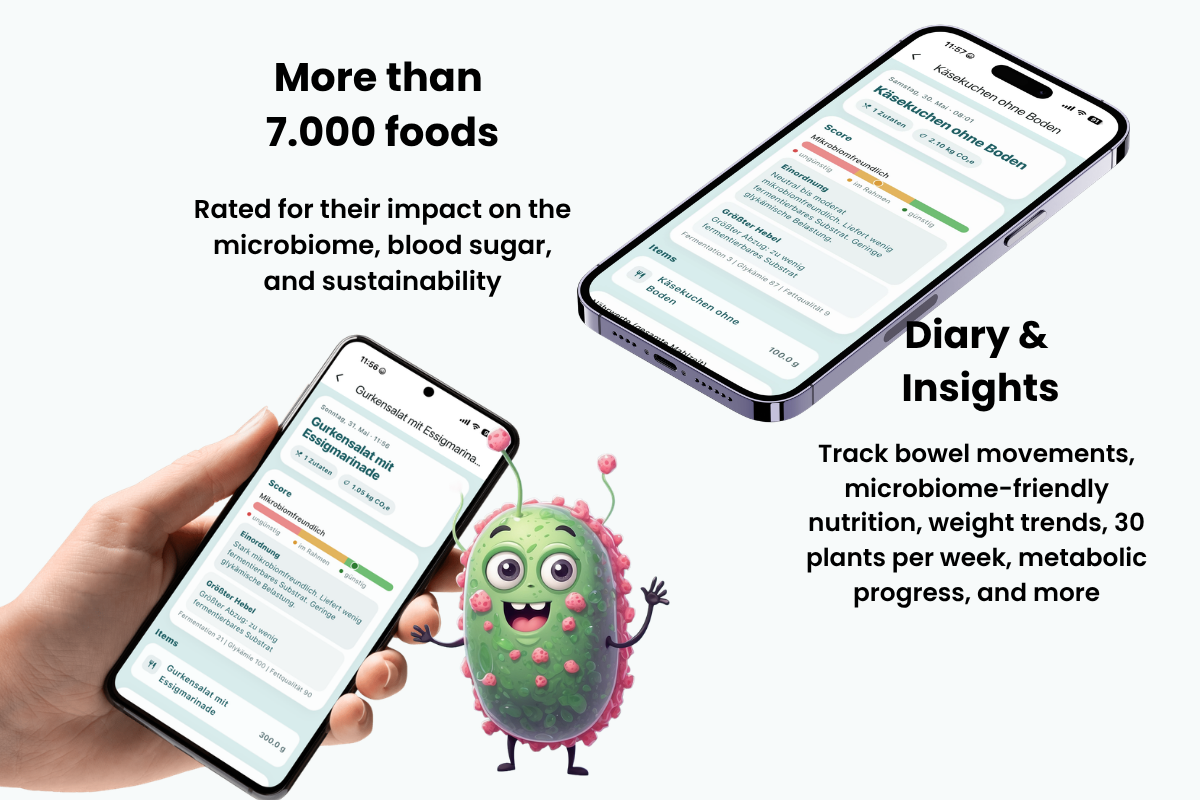
- search foods and build meals (AI recognition of camera/photo) - that's my hackaton bit
- receive a transparent microbiome-friendly meal score
- track fiber, plant diversity, glycemic impact, and fat quality
- track effects of your food on planetary health - to save the planet
- document meals, wellbeing, digestion, and weight
- view trends and weekly/monthly analytics
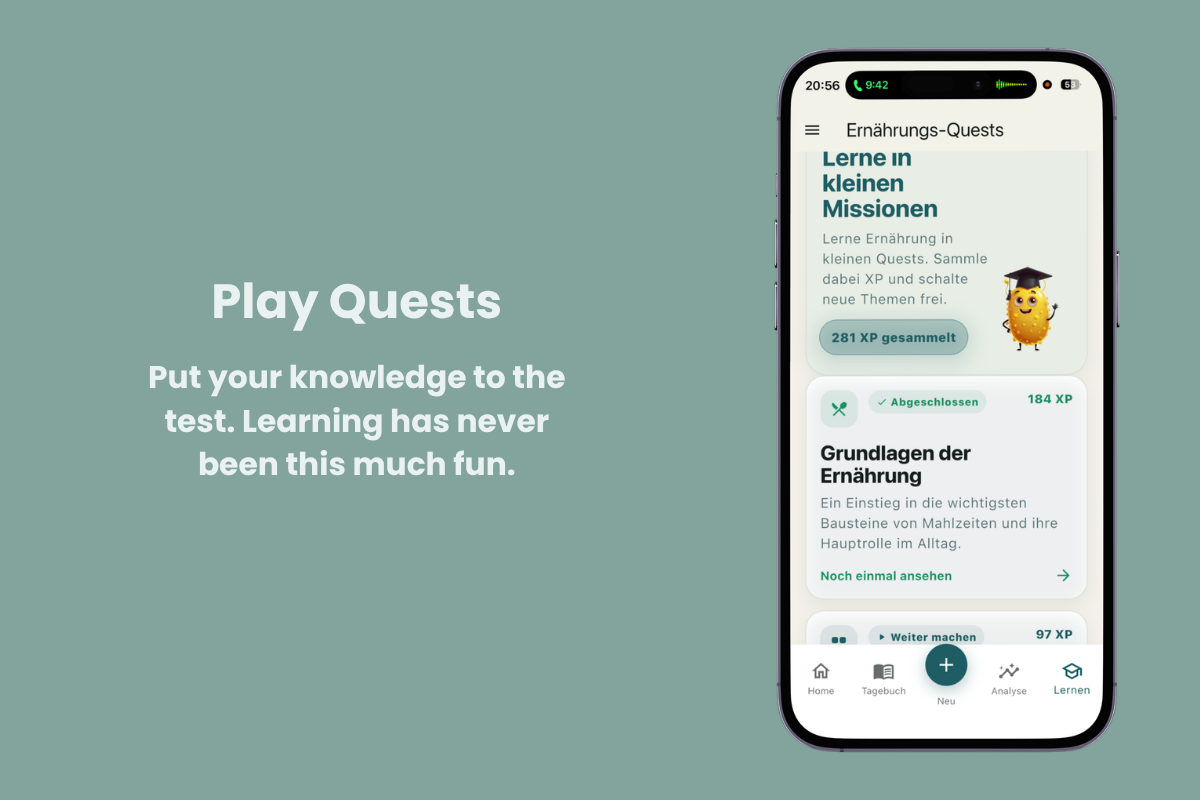
- learn through gamified nutrition quests - following an educational approach
- optionally synchronize data across devices
The app is designed to support informed decisions, not to diagnose conditions or replace medical advice.
How I built it
Gutora is a cross-platform Flutter application using Riverpod for state management.
Its local-first architecture uses an encrypted SQLite database and an integrated food dataset, so essential features remain available offline. Supabase provides optional authentication, synchronization, remote content, and privacy-conscious usage analytics.
For photo-based meal recognition, images are sent through a protected Supabase function to Claude (Sorry). Users must review and confirm all detected foods and quantities before anything is saved.
I used OpenAI Codex with GPT-5.6 as my primary engineering partner throughout development. Codex helped me:
- analyze the food database BLS 4.0
- analyze and restructure the existing codebase
- design features across UI, domain, and data layers
- implement and debug Flutter components
- reason about database synchronization and conflict handling
- improve localization, accessibility, and error states
- write tests and identify edge cases
- iterate quickly from product ideas to working features
Codex was especially valuable for changes spanning many files. It could understand the surrounding architecture, implement a coherent solution, run analysis and tests, and refine the result based on actual failures.
Challenges I faced
One major challenge was translating multidimensional nutrition science into guidance that remains simple and transparent. A single score can easily hide too much, so Gutora also exposes the underlying factors, including fermentation potential, glycemic impact, and fat quality.
Another challenge was building reliable optional synchronization while keeping the app local-first. Offline edits, deleted records, authentication, and conflict resolution required careful data modeling. I addressed deletion conflicts with tombstones and kept the bundled food database read-only and local.
Photo recognition introduced additional privacy and reliability challenges. Images may contain sensitive information, and AI can estimate ingredients or quantities incorrectly. Gutora therefore displays a clear privacy notice, avoids storing uploaded photos in its database, and requires explicit user confirmation.
Finally, creating a coherent experience across meal tracking, analytics, learning quests, subscriptions, localization, and offline behavior required many iterations. Codex helped accelerate these iterations while I retained control over product decisions, nutrition rules, and final validation.
What I learned
I learned that AI-assisted development works best as a continuous engineering collaboration rather than isolated code generation. It's like talking to a coworker who happen to be genius. Clear requirements, small verifiable steps, automated analysis, and repeated testing produced much better results.
I also learned that trust is central to health-related software. Users need to understand where data comes from, how scores are calculated, what is transmitted externally, and where the limits of the product are.
Most importantly, I learned how to turn a broad health concept into a working product with a focused daily loop: record a meal, understand its impact, and make the next choice a little better.
Built With
- dart
- flutter
- gpt-5.6
- leonardo.ai
- openai-codex
- postgresql
- riverpod
- sqlite
- supabase


Log in or sign up for Devpost to join the conversation.