-
-
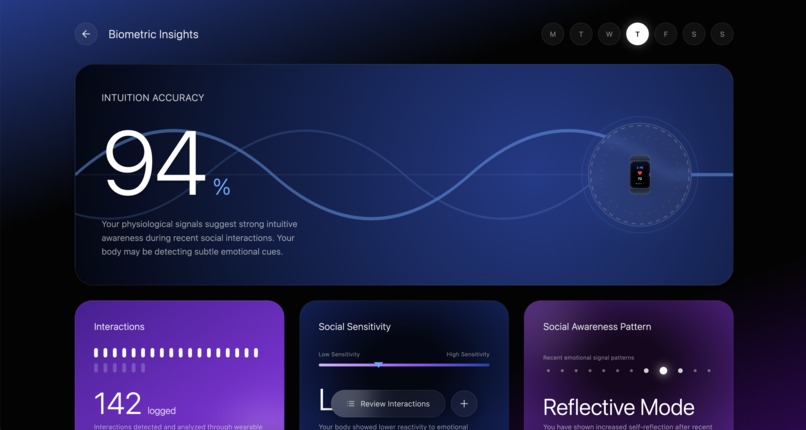
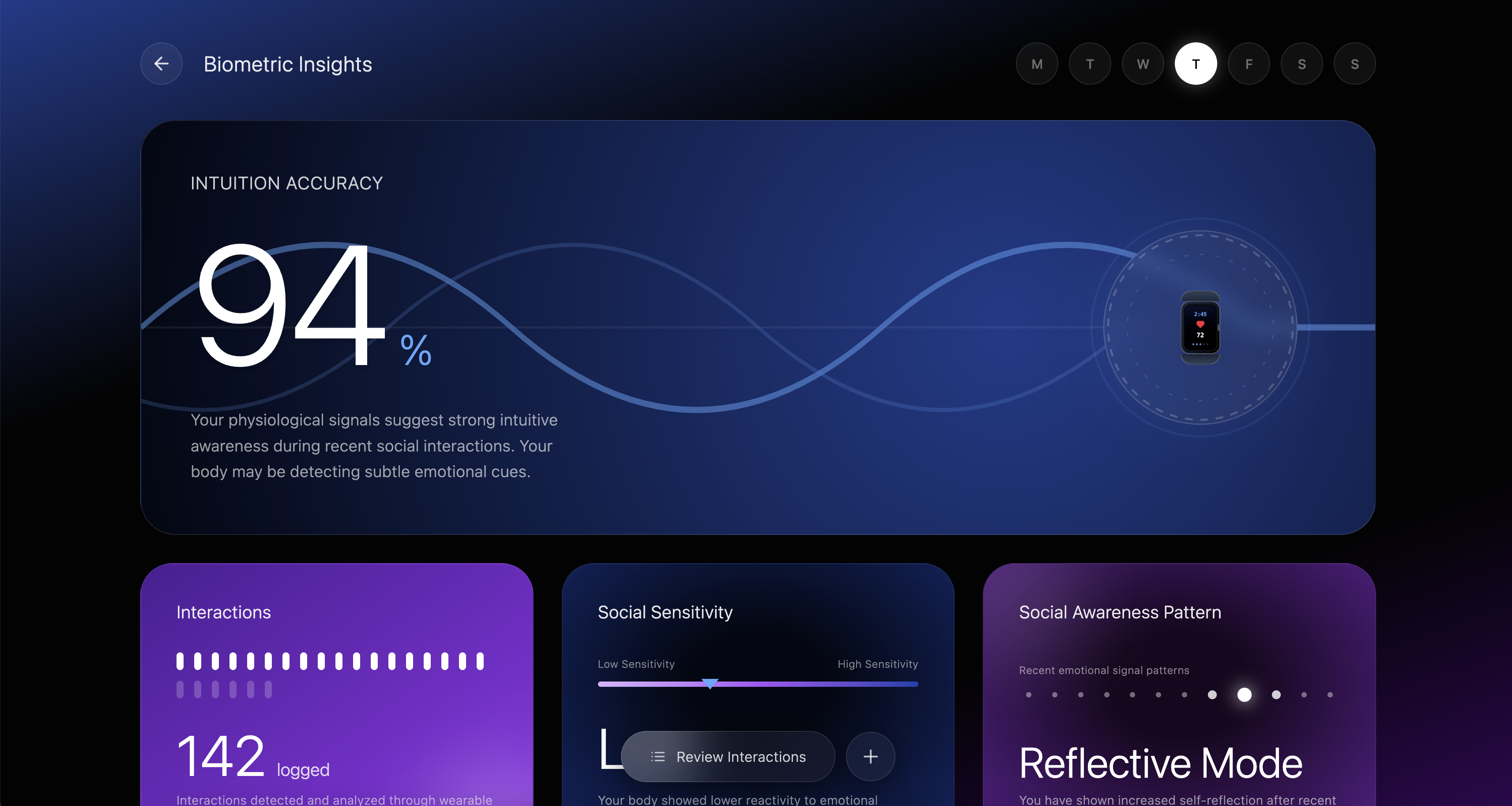
The main dashboard!
-
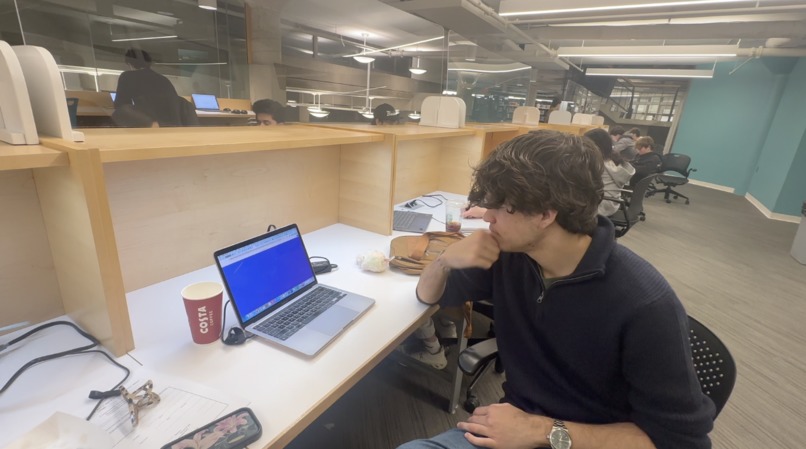
Our MC!
-
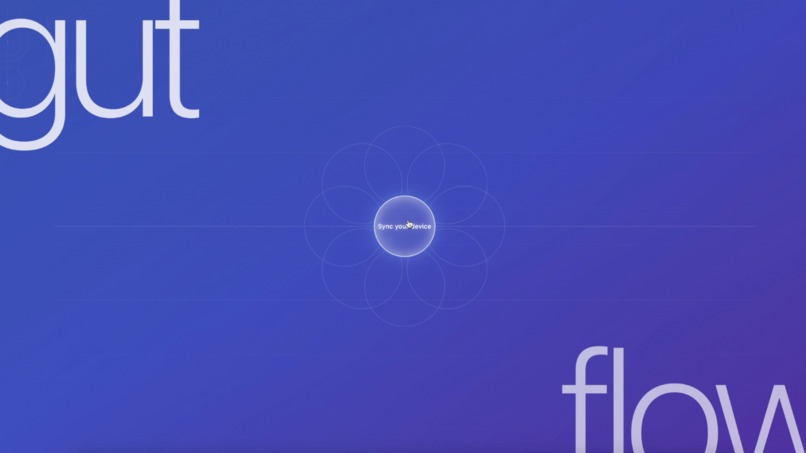
Loading screen!
About the Project
GutFlow came from a simple feeling most people have experienced before. Sometimes you leave a conversation or situation thinking, “Something about that felt off.” But it’s hard to know whether that feeling is real intuition or just overthinking.
As college students, we’re constantly navigating new social environments — meeting new people, going to networking events, joining clubs, and figuring out who we feel comfortable around. A lot of times our bodies pick up on signals before our brain fully understands what’s happening, but there’s no real way to reflect on those moments or notice patterns over time.
GutFlow explores what it would look like if we could better understand our intuition. Instead of ignoring gut feelings, the tool helps users track and reflect on social interactions so they can start noticing patterns in how they feel in different environments and around different people.
This idea was also inspired by the quantified self movement, where people track things like sleep, fitness, and heart rate. While we measure a lot of physical health data, we rarely track our emotional or social experiences. GutFlow imagines a tool that helps people become more aware of their social perception, which is our ability to pick up on emotional cues, tension, and comfort in social situations.
How We Built It
We designed GutFlow using Figma and Figma Make to prototype the main screens and interaction flow, focusing on how users would log and reflect on social interactions. The core idea is that after a social interaction, users can quickly log how the interaction felt by choosing one of three options: Safe, Uncertain, Off
After selecting one of these options, the user answers a few short reflection questions like: Who was the interaction with?, What environment were you in?, Did your intuition feel accurate afterward?
To make the app functional, we integrated Supabase to store and manage user interaction logs. Since the goal of GutFlow is to help users see patterns over time, we needed a way to save each interaction and retrieve that data later for the dashboard. Supabase allowed us to structure the interaction logs and connect the frontend interface with a backend database that tracks user entries.
Over time, the app can begin to show patterns in the user’s experiences. For example, it might reveal that certain environments tend to cause stress, or that the user’s intuition about certain interactions turned out to be accurate.
We also explored how this concept could expand in the future with wearable sensors or XR interfaces that detect subtle physiological signals like stress responses or heart rate changes during social interactions.
What We Learned
One thing we learned from working on this project is how much of our perception happens subconsciously. Our bodies are constantly picking up on small signals in conversations and environments, but we don’t always take the time to reflect on those feelings.
This project also made us think about how technology could help people better understand their own emotional responses without replacing human judgment. The goal isn’t to tell people what to think about others, but to help them reflect on their own experiences.
We also learned how useful speculative design can be when exploring ideas that don’t fully exist yet. Even though technology like this may not be fully possible today, designing the experience helped us imagine what future tools for self-awareness could look like.
Challenges We Faced
One of the biggest challenges was figuring out how to design something around intuition, which is naturally abstract and personal. Translating that into a clear interface and interaction flow took a lot of iteration.
Another challenge was making sure the tool didn’t overwhelm users with too much information. We wanted the interaction to stay simple and reflective rather than feeling like a complicated data tracker.
We also ran into technical challenges when integrating Supabase, since the app depends on storing interaction logs and retrieving them to visualize patterns. Structuring the data and connecting the frontend prototype to the database took some troubleshooting.
Looking Forward
GutFlow imagines a future where technology can help us better understand the signals our bodies are already sensing. As wearable technology and sensing systems become more advanced, tools like this could help people become more aware of their intuition and emotional responses.
Ultimately, the goal of GutFlow is simple: help people reflect on their experiences and feel more confident navigating social environments.
Accomplishments that we're proud of
One thing we’re really proud of is turning a very abstract idea like intuition into something interactive and trackable. Intuition is hard to define, and even harder to design a product around, so creating a clear user flow where people could log and reflect on social interactions felt like a big step.
We’re also proud of successfully connecting the interface to Supabase, which allowed us to actually store and manage interaction logs instead of just designing static screens. This helped the project feel more like a working system rather than just a concept.
Another accomplishment was designing the experience in a way that encourages reflection rather than judgment. Instead of labeling people or situations as good or bad, the tool focuses on helping users notice patterns in their own emotional responses.
Built With
- chatgpt
- figma
- figmamake
- supabase


Log in or sign up for Devpost to join the conversation.