-
-
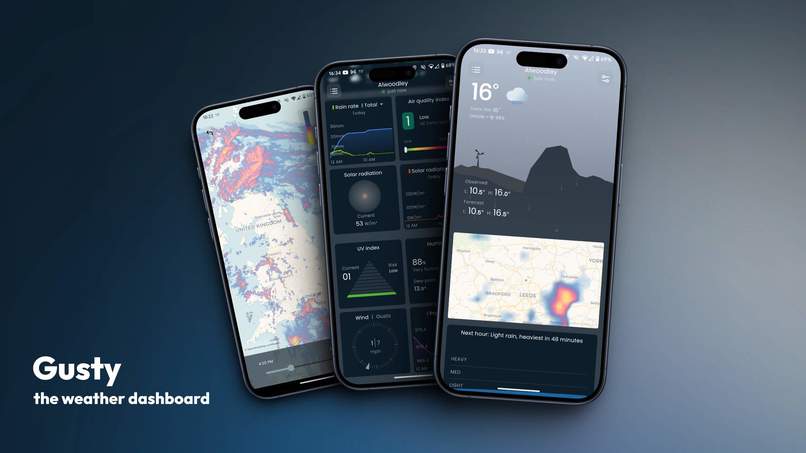
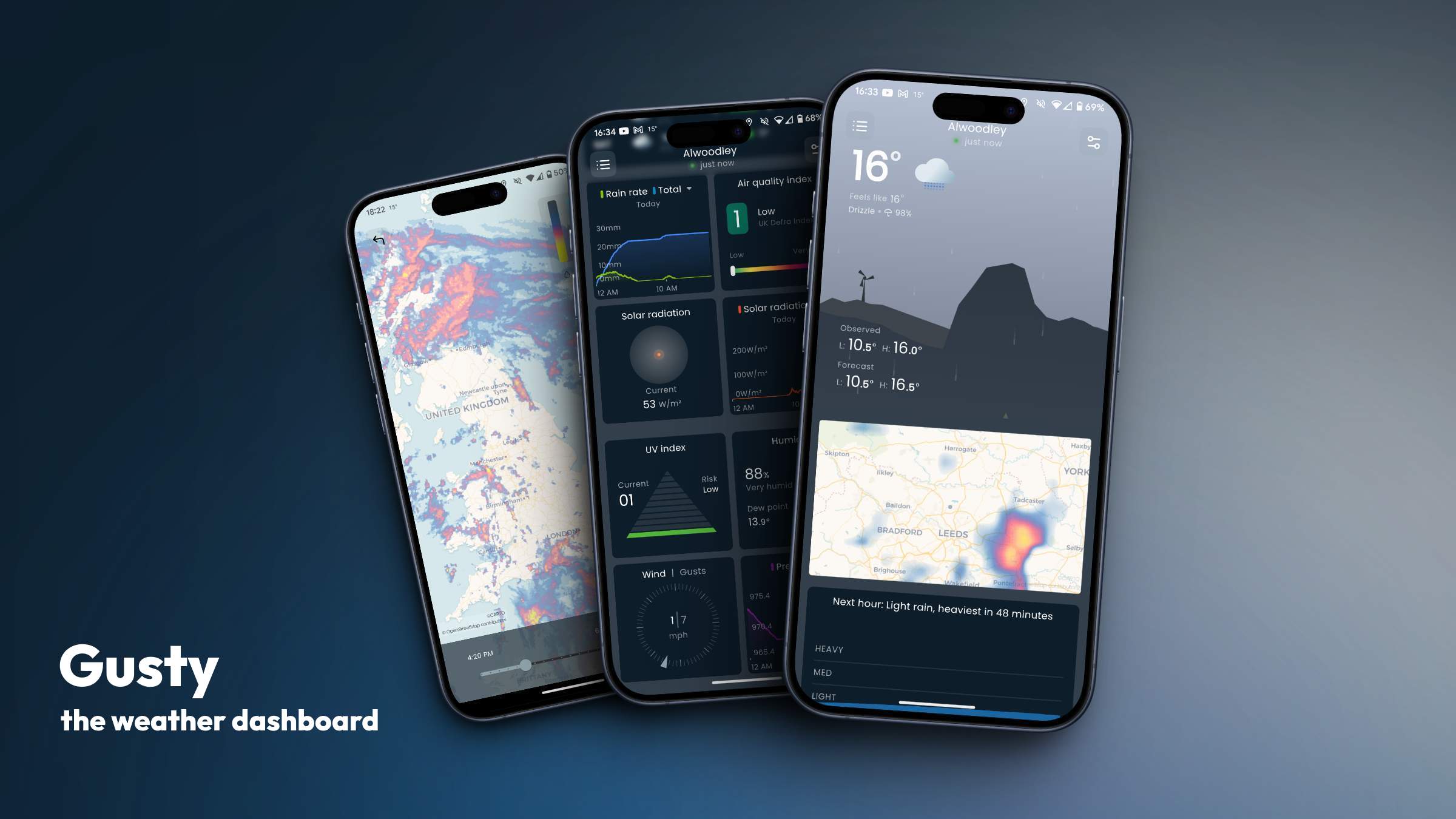
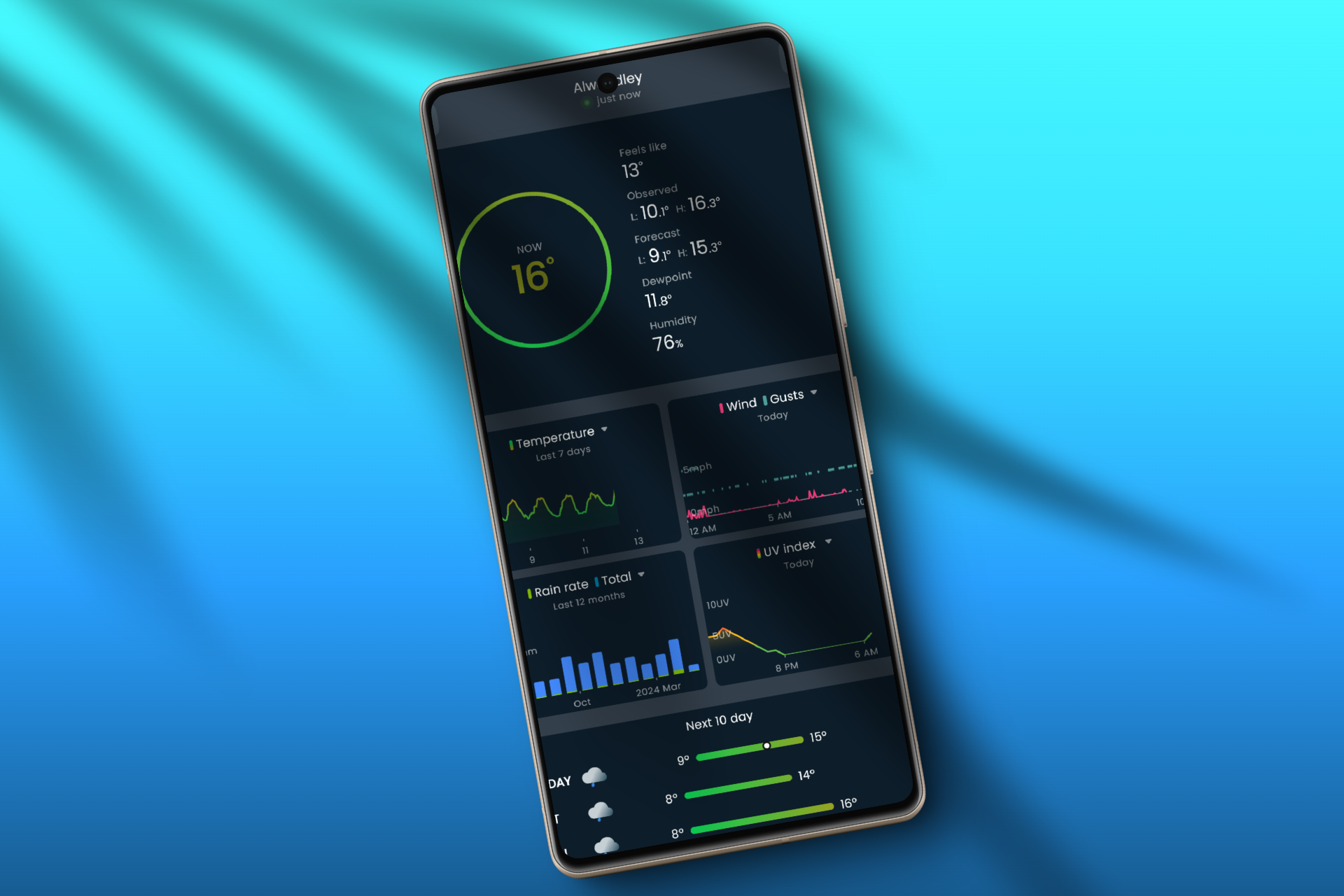
Gusty weather screens
-
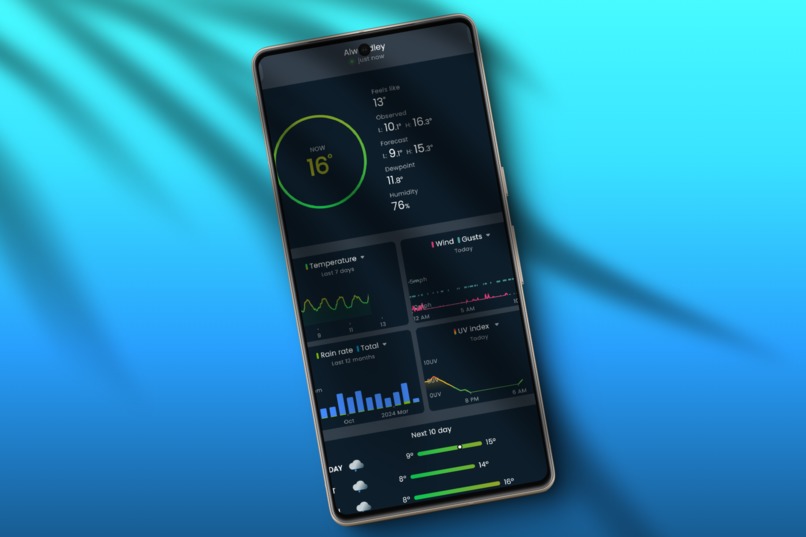
Customisable dashboard with other 20 widgets
-
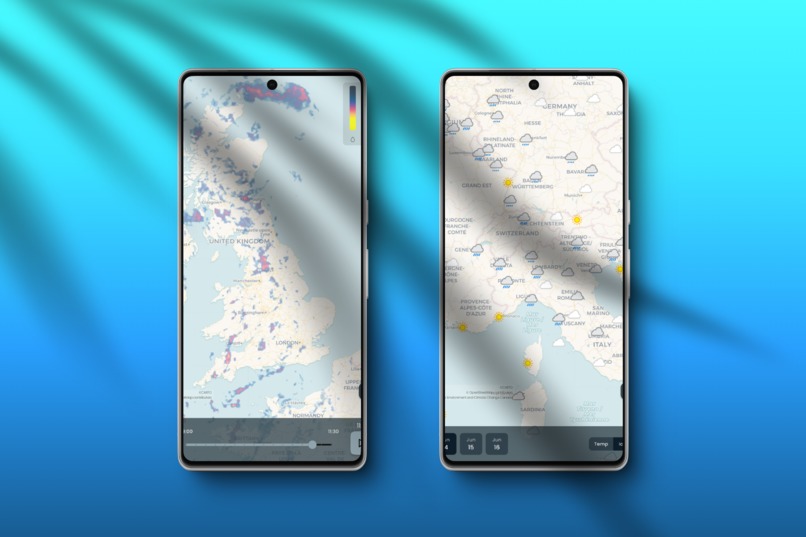
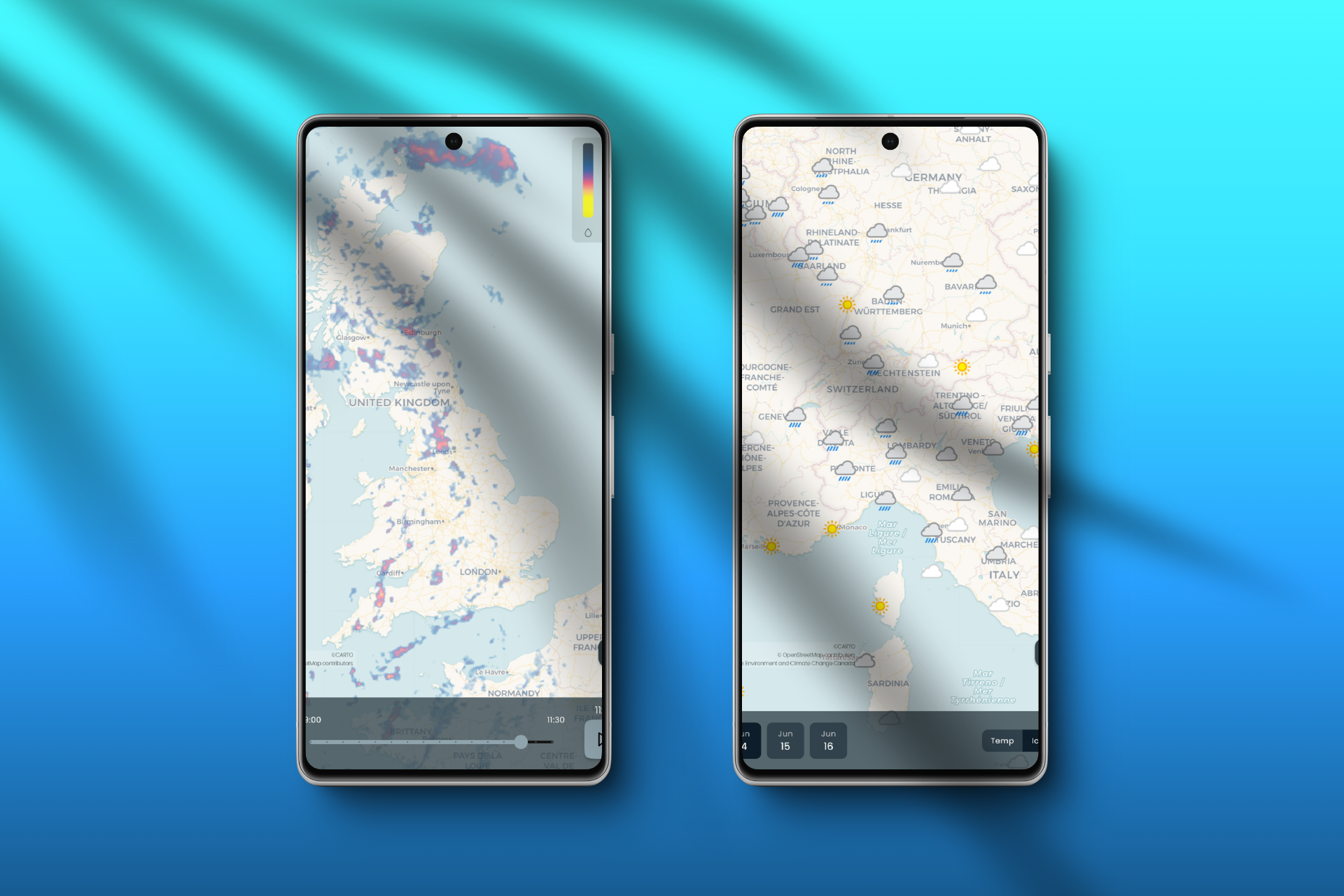
Interactive weather maps
-
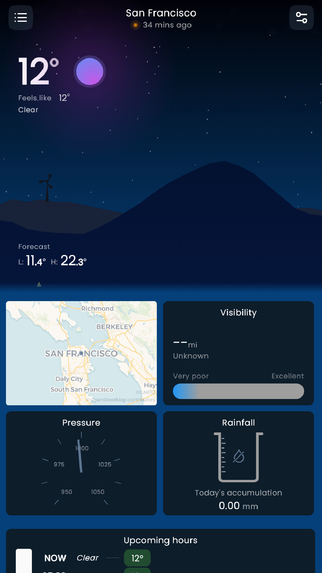
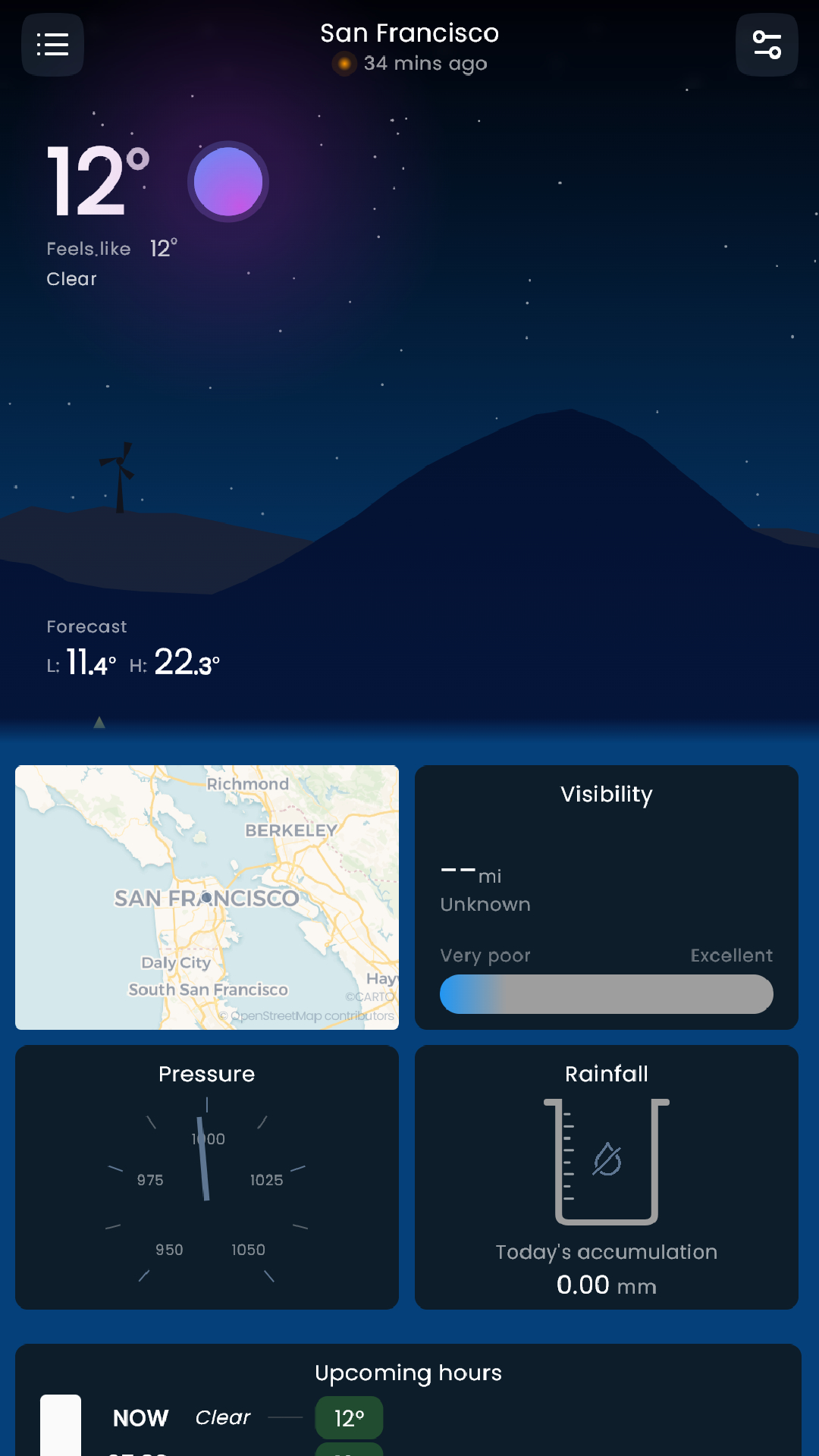
Night time dashboard view, with a dynamic theme that changes the background based on the weather and time of day
Inspiration
I’ve always been a bit of a geek with tech gadgets, and my inspiration for Gusty Weather came from my experience with weather stations. I had a Netatmo weather station with a great app, but after it broke, I replaced it with a more advanced station that unfortunately had a terrible interface. I knew I could create something better, and that’s how Gusty Weather began. I always start with an idea of something I think would be useful as it gives you the motivation to complete the project.
What it does
Gusty Weather is a highly customizable weather app that allows users to create their own weather dashboard. It provides data from multiple weather providers, personal weather stations, and offers interactive maps, detailed forecasts, and more. The app is designed to give users complete control over their weather experience with a sleek, easy-to-use interface.
How I built it
I built Gusty Weather using Flutter to ensure cross-platform compatibility. Given the need for the app to be accessible on phones, tablets, and potentially wall-mounted displays, Flutter was the ideal choice for targeting multiple platforms with a single codebase. This allowed me to focus on the app’s features, such as customizable widgets, while ensuring a consistent experience across devices.
Challenges I ran into
One of the main challenges was handling the massive amounts of weather data from various sources. Different forecast providers use different formats, and syncing historical data across regions was much more complicated than expected. It took significant time and effort to align and normalize the data to deliver a smooth, reliable experience.
Accomplishments that I'm proud of
I’m proud of creating an app that fills a gap in the market for customizable, data-rich weather interfaces. The ability to connect to personal weather stations, offering hyper-local updates, is something I believe adds immense value for users. I've also managed to deliver a design that’s both functional and visually appealing, making weather tracking an enjoyable experience.
The current weather card also reacts to many elements of the current weather for the area you are monitoring. So, the sky will go from night to dawn, day, dust and back to night. The mountains represent the temperature over the coming hours, and the foreground hills the upcoming rain amount. Rain, snow, thunderstorms, fog, dust storms all animate too. The wind turbine represents the current wind speed.
What I learned
I learned that weather data, especially when sourced from multiple providers, is far more complex than it appears. Integrating and aligning the data in a coherent way took much longer than anticipated. However, it was a valuable learning process in managing and normalizing large, complex datasets.
What's next for Gusty Weather
There’s so much more I’m excited to add to Gusty Weather. First on the list is a more detailed, full-screen graph view for better data visualization. I'm also planning to introduce live local data from weather stations, allowing for updates every few seconds rather than every few minutes. I’m bursting with ideas and can’t wait to continue developing the app with even more features in the future.
Built With
- dart
- drift
- flutter
- weather-underground
- weatherkit

Log in or sign up for Devpost to join the conversation.