Inspiration
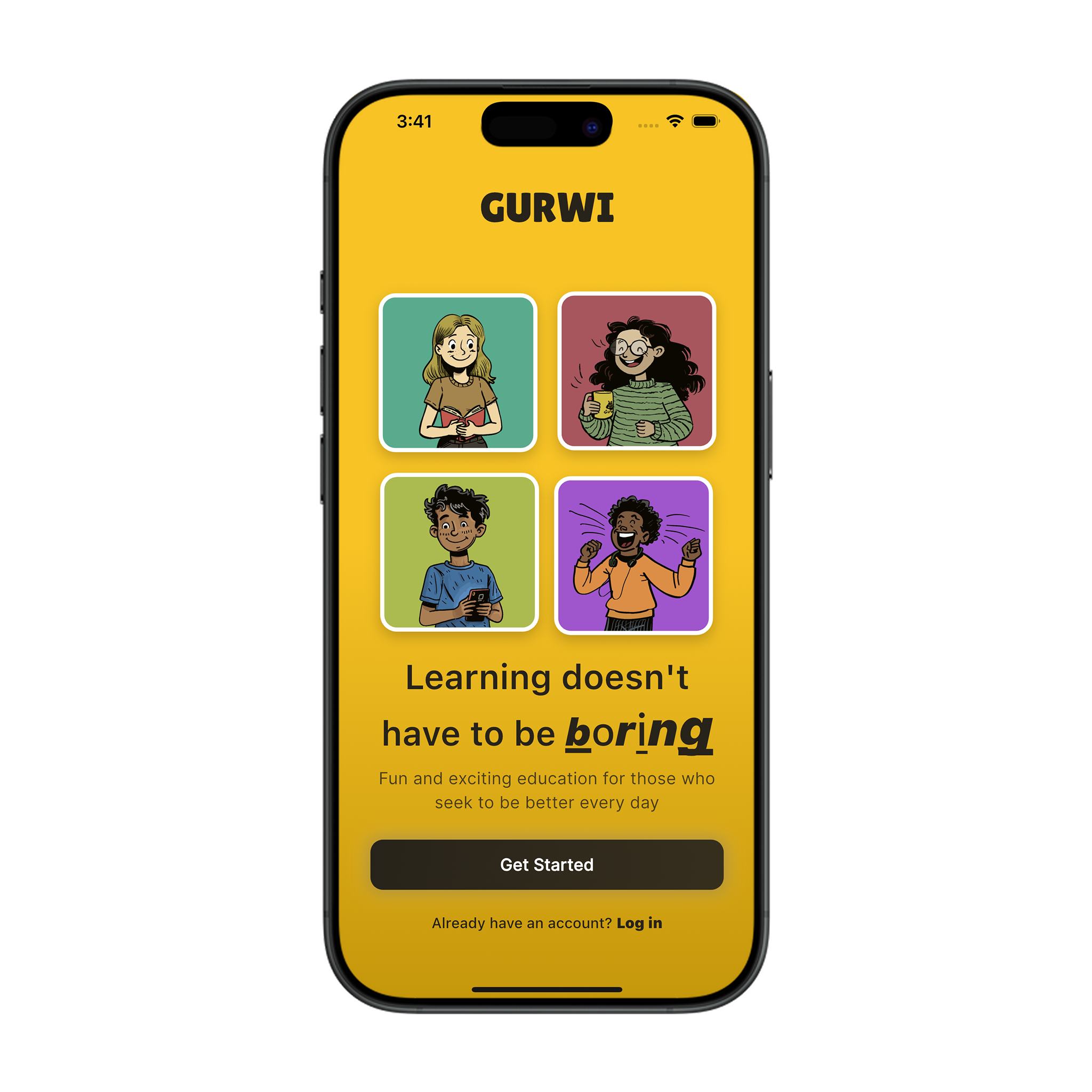
In Colombia, the education system faces a deep crisis that leaves its youth in an alarming state of vulnerability: it is estimated that out of every 100 children who begin primary school, only 44 manage to graduate from high school on time. The results of the PISA tests place the country below the Latin American average in key areas such as mathematics, reading, and science, and more than 80% of final-year students fail to understand basic texts. This is the context that gave birth to Gurwi, an initiative born from personal experience and frustration turned into purpose.
The inspiration for Gurwi took root in the life of its founder, Camilo, upon graduating from high school in Riohacha, a municipality with one of the highest poverty and illiteracy rates in the country, 6.6 times higher than that of Bogotá, Colombia’s capital. At the end of his studies, Camilo felt defenseless and ignorant in the face of the complexities of the real world. The knowledge his school was supposed to provide had not been well learned, and the ones crucial for adult life simply did not exist in the curriculum.
Determined to make up for lost time, Camilo immersed himself in an intense journey of self-learning. For years, he sacrificed his social life to devour non-fiction books, seeking to understand the world that formal education had hidden from him. At the same time, he studied two university degrees—Social Communication and Psychology—while working and writing a novel titled Cansancio y libertad (2022). However, he soon realized that in order to generate large-scale change, technology was the most powerful tool. Thus, as a self-taught learner, he began to learn programming.
Camilo was clear that his goal was to create a startup, but the decisive idea had not yet arrived. Clarity emerged from a new obstacle: while trying to understand the legal framework to start a business in Colombia, he encountered a wall of confusing explanations and inaccessible bureaucracy. This difficulty—a clear example of the lack of preparation for real life within the education system—pushed him to teach himself and create the course How to create and manage companies in Colombia (2024, Udemy). The course became the only one in the country to clearly and engagingly explain corporate law, accounting, and the tax system, filling an obvious gap.
That was when all the pieces came together. Camilo remembered the feeling of emptiness upon graduating from high school and the struggles he faced to understand the legislation of his own country. On May 13, 2024, he published a video proposing the idea of Gurwi: a mobile app to learn anything. Its mission was twofold: to reinforce what school teaches poorly and, fundamentally, to teach everything the system omits but is indispensable for adult life.
The response was explosive and confirmed his suspicions. The video went viral, reaching more than 200,000 views and 40,000 likes, sparking a wave of support among Colombians who identified with his frustration. The message was unequivocal: Colombian society longed for a solution. For Camilo, the path was clear—he had to sacrifice everything and build Gurwi to forge a more prepared and less ignorant country and world.
What it does
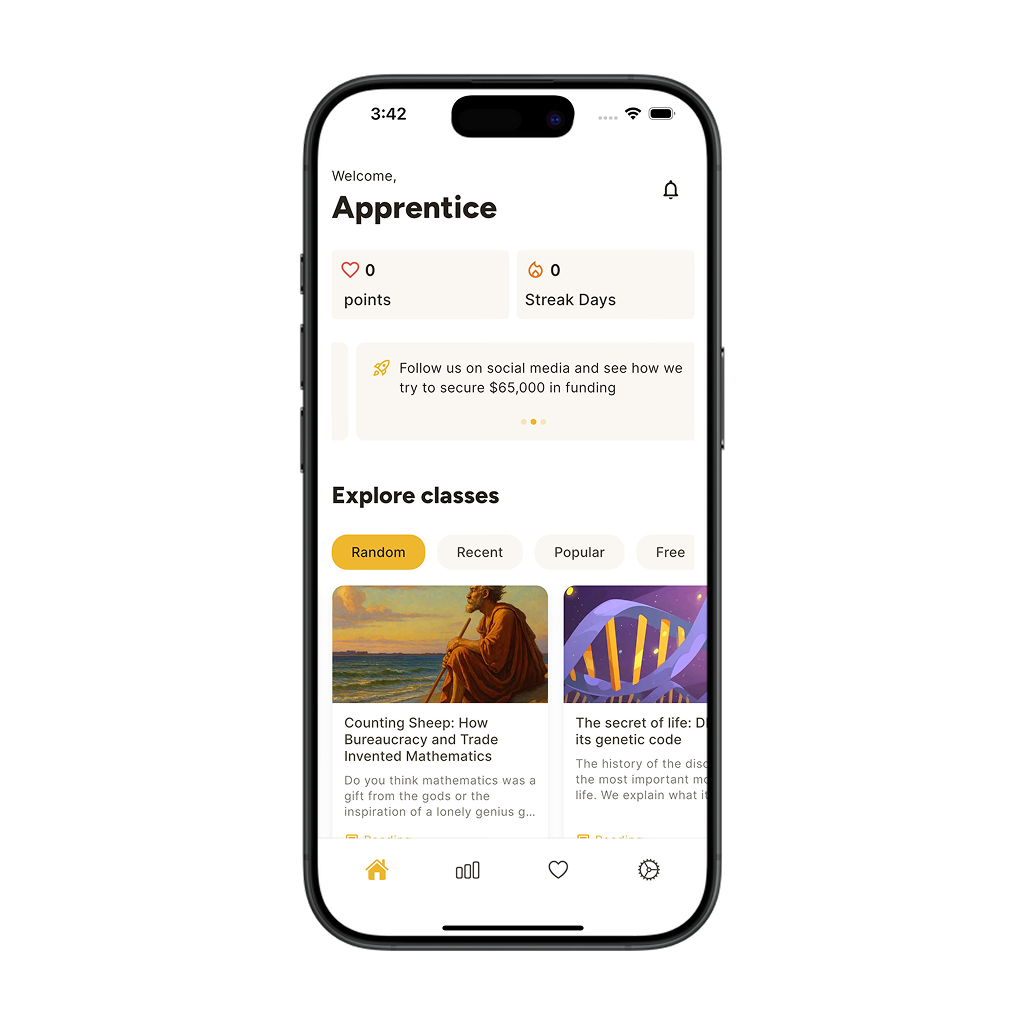
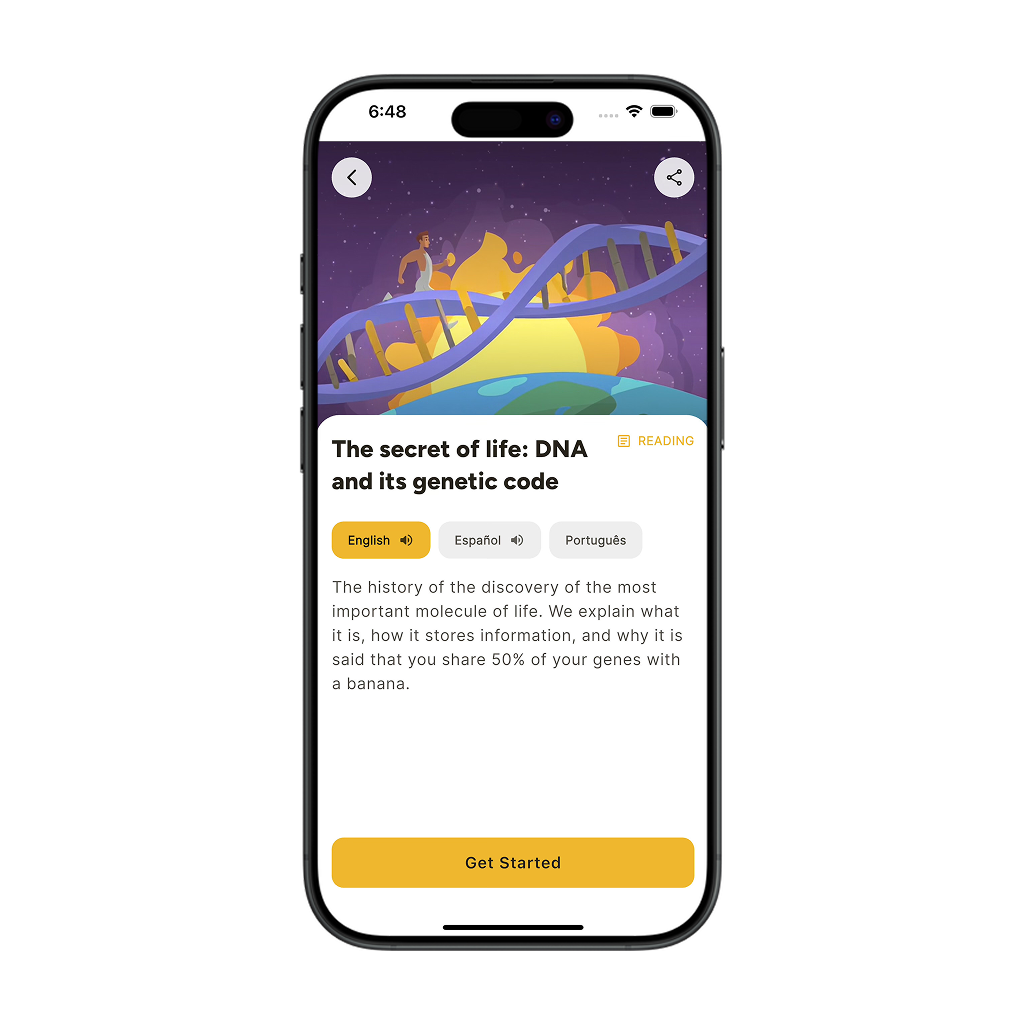
Gurwi is an innovative learning app that seeks to revolutionize education through its visual, interactive, and multilingual format. Its goal is to explain, in a fast and engaging way, the vast knowledge humanity has produced, making it possible to learn anything through concise lessons of 10 to 15 minutes.
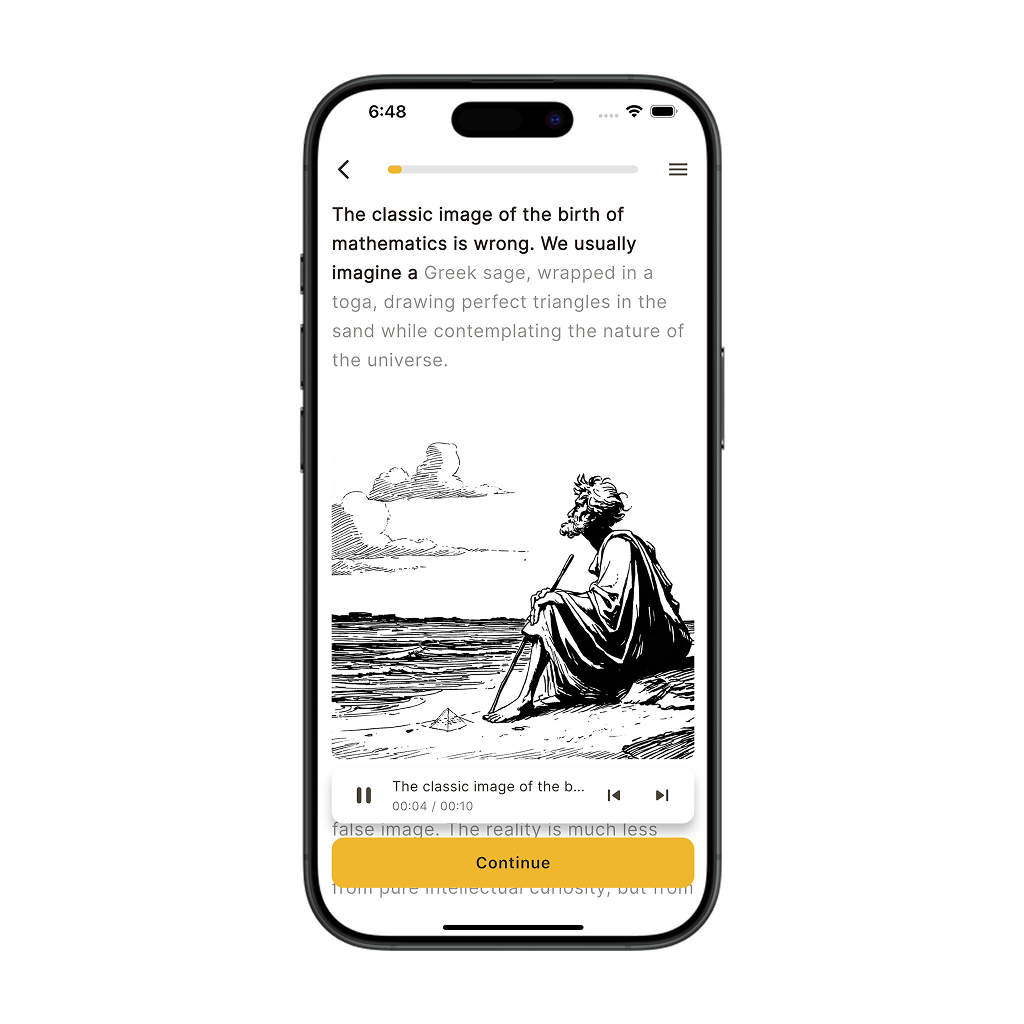
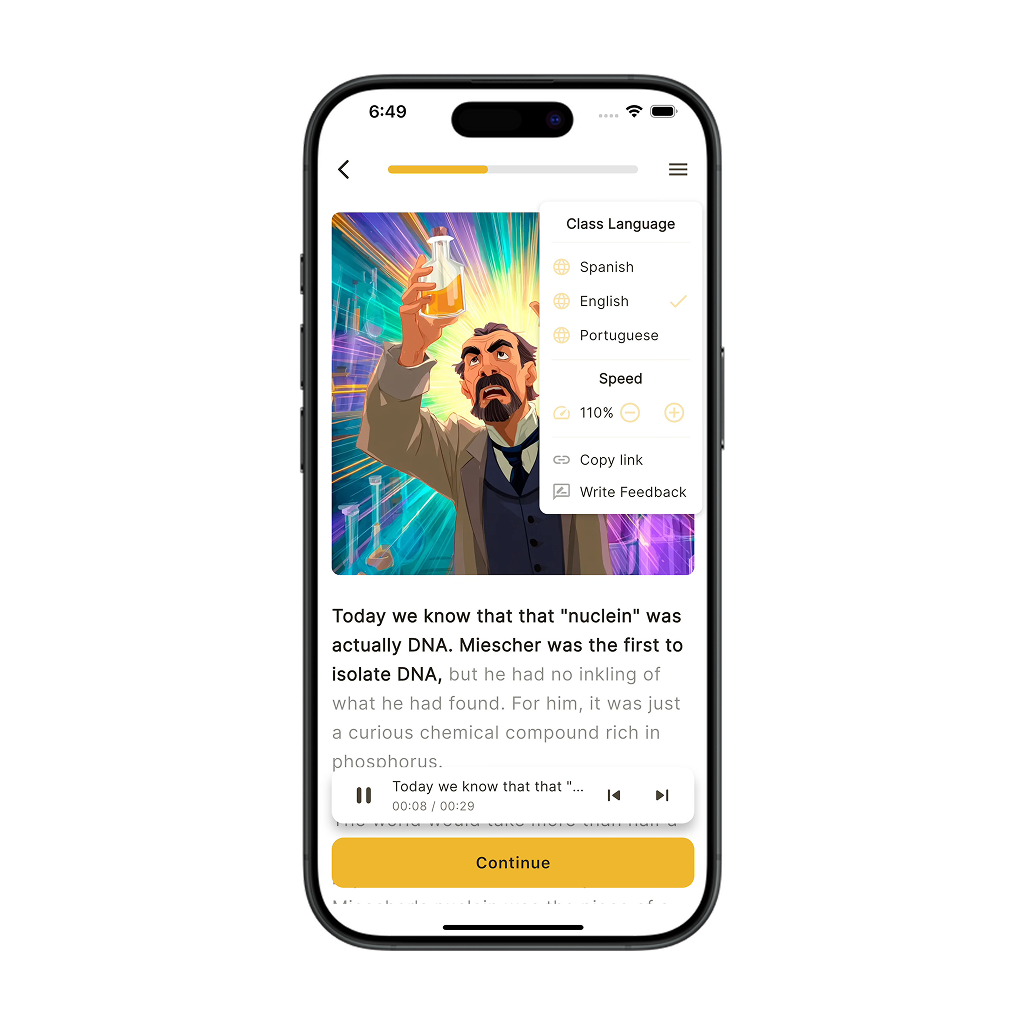
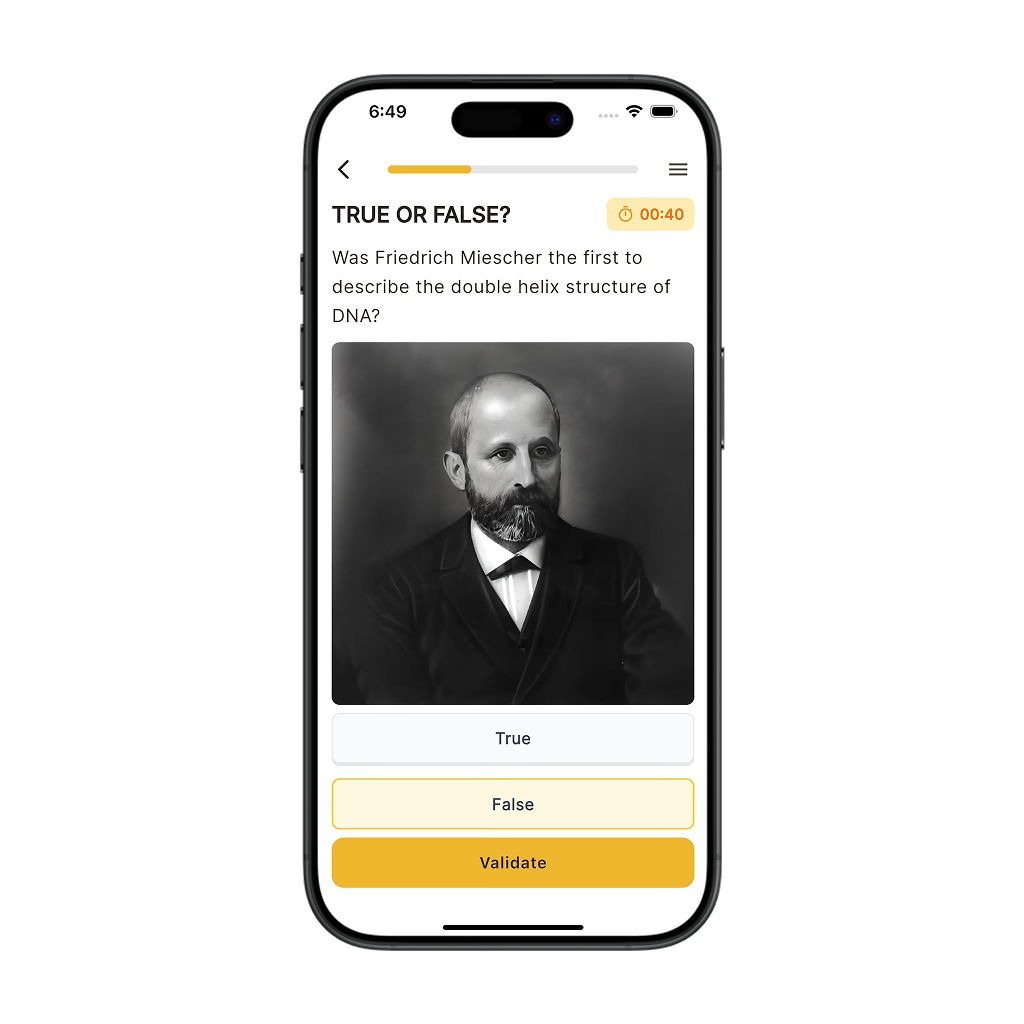
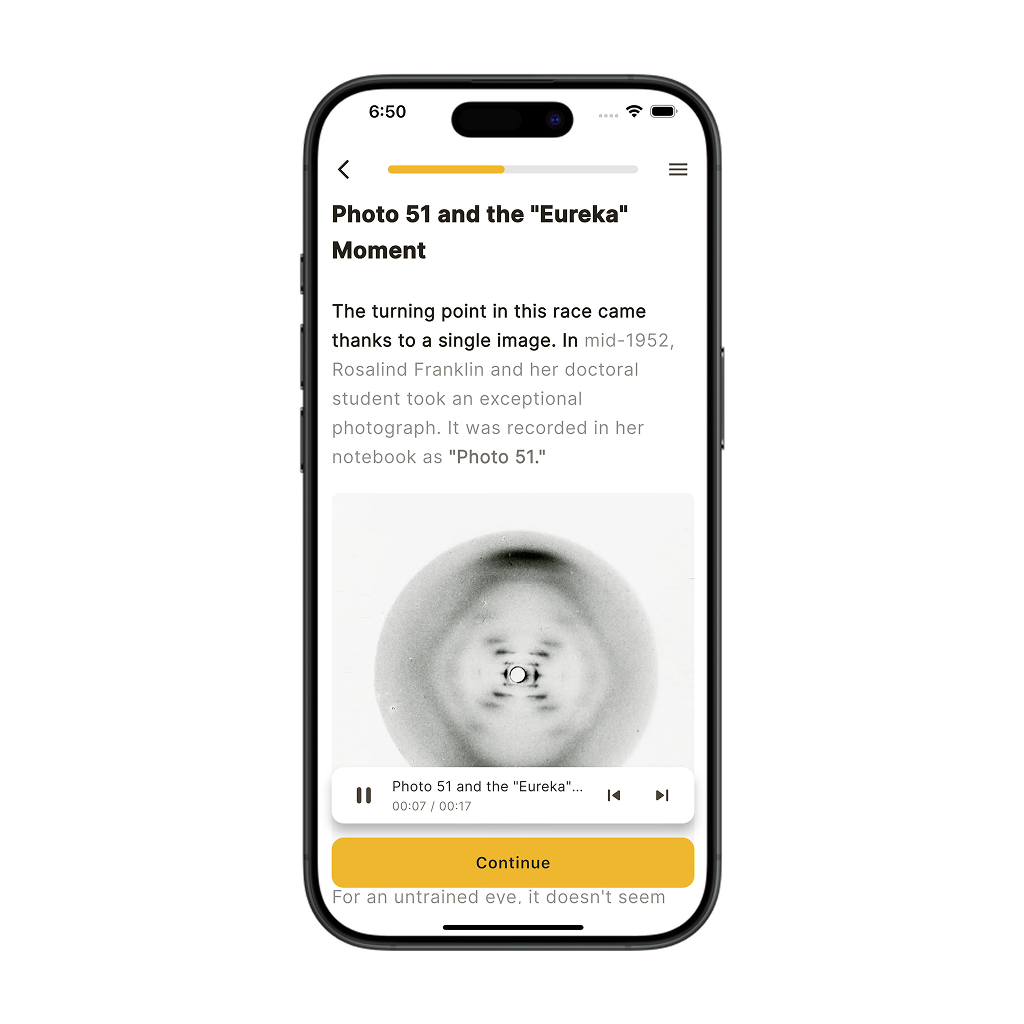
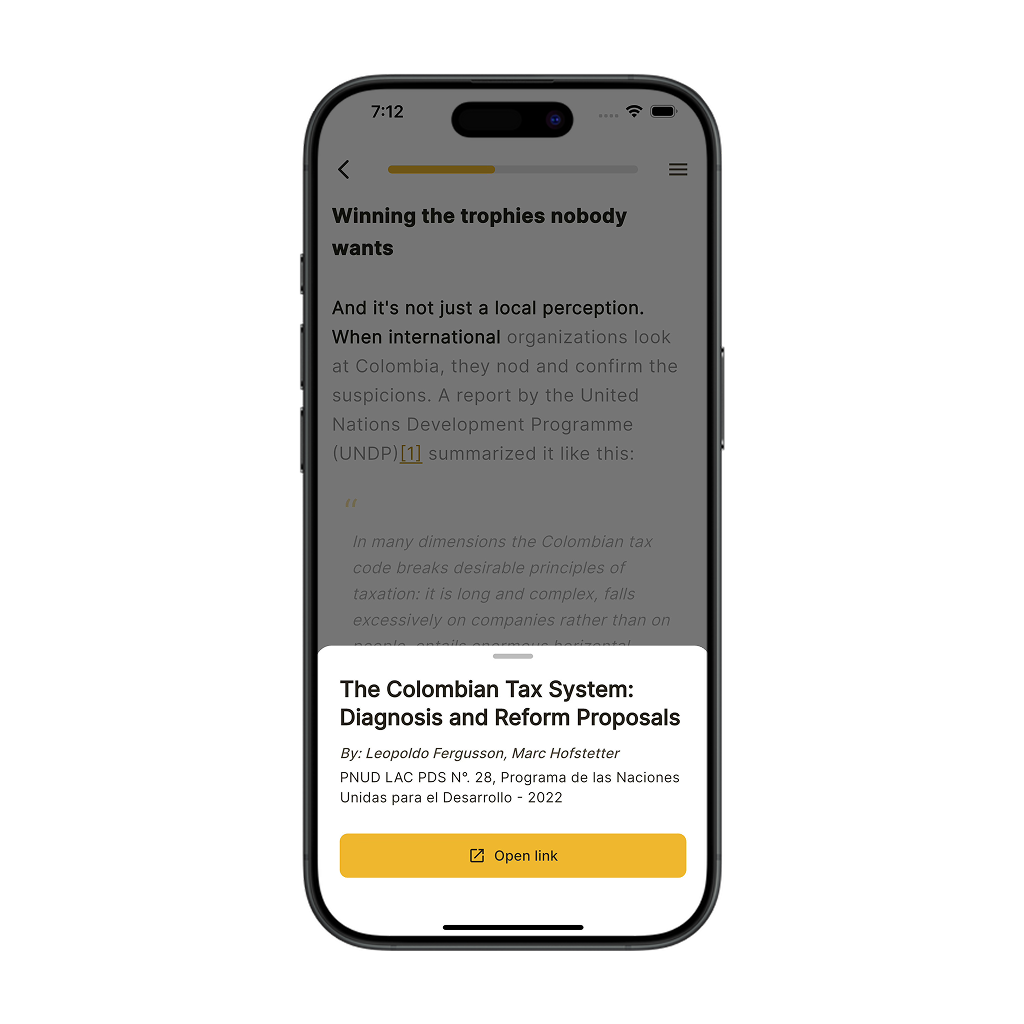
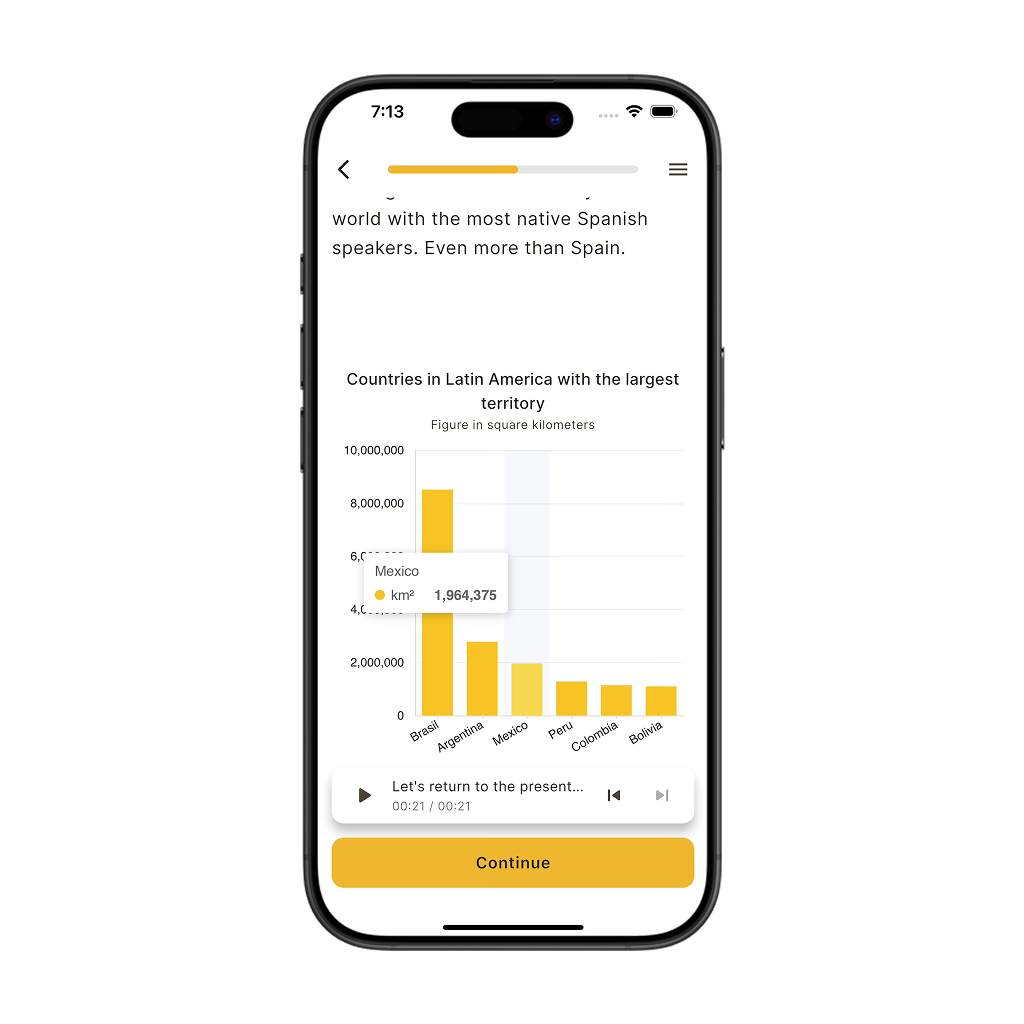
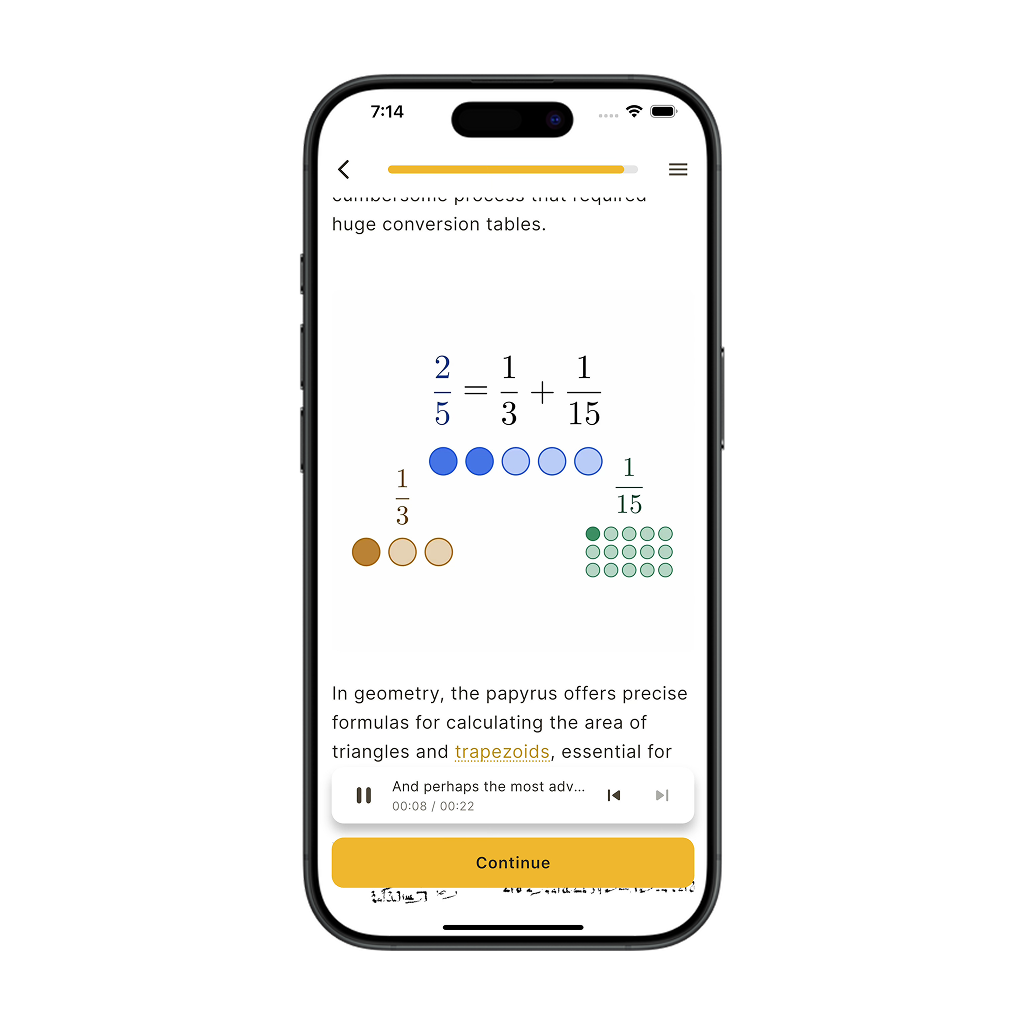
The app features a unique and original educational format that moves away from long videos and traditional PDFs. With this format, users unlock a new page filled with visual or interactive resources every time they press the “continue” button.
One of the standout features of this format is its playable text. Users have full control over the audio, being able to rewind, fast forward, or adjust the playback speed, just like in a conventional media player. In addition, Gurwi provides a multilingual learning experience, with classes available in Spanish, English, and Portuguese. This not only makes the content more accessible to a global audience but also allows users to use the app as a tool to practice and learn new languages.
Each lesson includes a rich variety of elements such as images, animations, charts, and interactive questions. This blend of resources creates a unique learning experience designed to simplify complex topics and make the learning process both engaging and easy to follow.
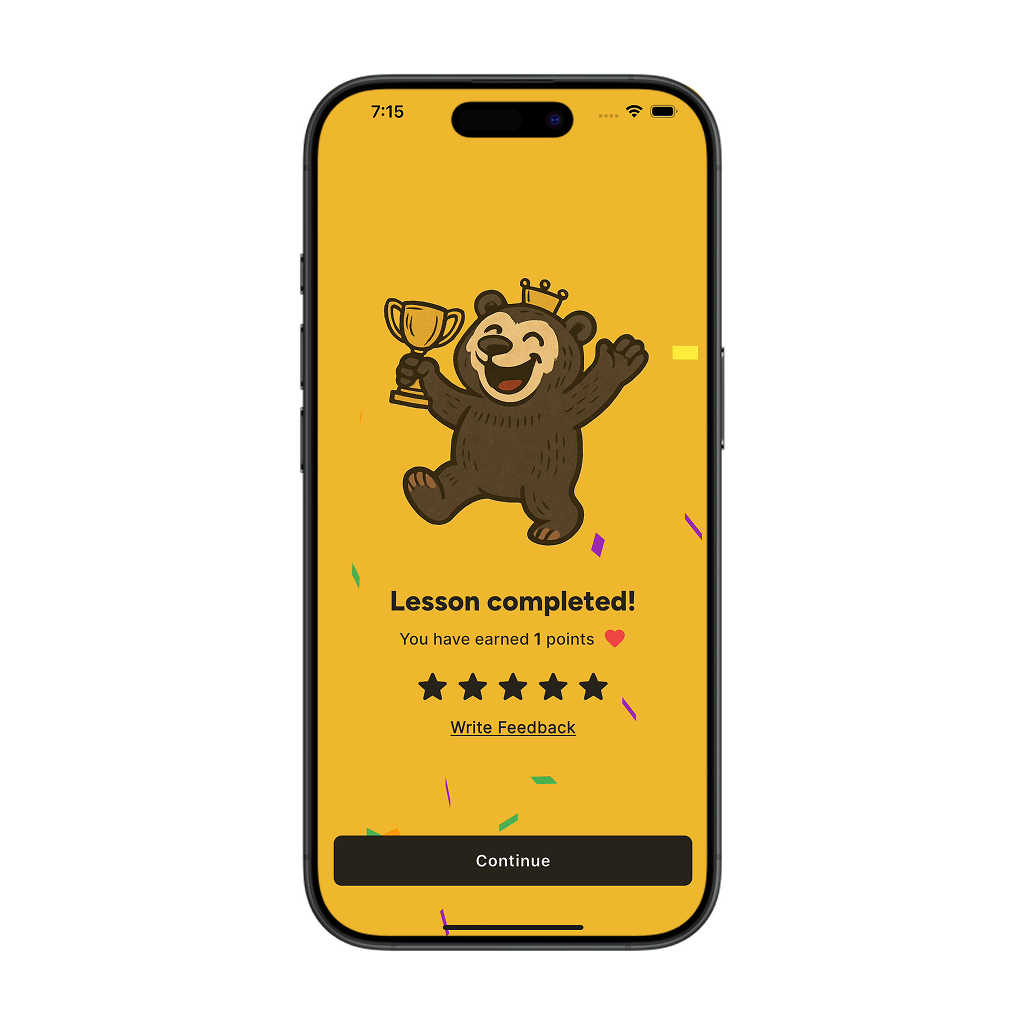
The app also rewards users with points and streak days for completing lessons, allowing them to compete in both global and regional rankings.
How we built it
After more than 200,000 views and 40,000 likes on the viral video where Camilo shared the idea for the app, he began building Gurwi on his own. In the past, he had taken some programming courses, but this would be his first real project and, counterintuitively, a project far too big for a beginner like him.
Camilo built the first prototype of Gurwi using Flutterflow, the no-code development tool based on Flutter. He used Supabase as the backend and carried out his first experiment with these. Once this internal testing stage was complete, he decided to fully transition the app to Flutter.
However, the development of Gurwi has not been limited to creating a mobile application. Since Gurwi has a unique learning format, we had to build an editor to create the app’s classes and manage its content. This software is Gurwi Educators, where the classes are created in the .gurwi format.
That’s how Jonnier Martínez joined the project in December 2024. Camilo, writing Flutter code, sketching PostgreSQL schemas, integrating services for the mobile app—and Jonnier tackling TypeScript, React, and Next.js.
The process has been very iterative. As each new class was created, new types of content the app needed were envisioned. As mobile app code was written, better ways to enrich the user experience were considered. As more classes were built, ways to make their creation more productive were devised, in order to increase the amount of content available.
The result is a beautiful mobile application and a critically acclaimed format with over 1,000 reviews in the app stores and an average rating of 4.9. And behind it, a powerful internal software that allows us to create new classes, upload assets, make the classes public, visible, and much more.
Challenges we ran into
1. Financial challenges
The biggest obstacle in Gurwi’s journey has undoubtedly been funding. Based in Colombia, we face an investment ecosystem that, while growing, operates very differently from established markets like the United States. To put it into perspective, while venture capital investment in Colombia reached a record $513 million in 2024, the market remains highly selective and focused on later stages, leaving early-stage projects with limited access to capital. As two young people from a lower-middle-class background, we lacked both the networks and the personal capital that are often crucial to overcoming the earliest and hardest stages of fundraising.
Gurwi’s development began during a period of extreme personal adversity for our co-founder, Camilo. In a household where neither parent had a job, economic uncertainty was a daily reality. Long hours of intellectual effort and programming were carried out under the constant anxiety of not knowing whether there would be resources for the most basic needs the next day. In the midst of this, a post on social network X by then Colombian Minister of ICT, Mauricio Lizcano, congratulating the project, felt like a ray of hope. It seemed like the validation and the opportunity we had been searching for. However, as is often the case, words of encouragement did not translate into material support, and the struggle for the project’s survival continued.
The true scope of Gurwi’s challenge lies in its dual nature: it is both a software engineering feat and a content production studio at scale. Building the app, with its interactive format and multilingual architecture, was only half the battle. Without a constant flow of high-quality lessons, our software would be nothing more than a magnificent yet empty stage.
The soul of the Gurwi experience is its content, and each lesson is a micro-production. It’s a creative commitment that multiplies with every new subject we want to teach. Imagine the immense pressure of building such a complex technological infrastructure in conditions of absolute scarcity, all while knowing that the costliest challenge —bringing it to life with content— still lay ahead. It was an uncertainty that accompanied us every day.
That’s why the five lessons currently available —written, designed, and produced entirely by Camilo Peñalver— are far more than just a demonstration. They are the testament of extraordinary sacrifice and tangible proof that, even without resources, a powerful idea can begin to change the world.
2. Technological challenges
From a technical perspective, the main challenge was creating a completely new file format, the .gurwi format. It was essential that this format be well defined and robustly built so it could be dynamically and error-free rendered by the mobile application.
A single Gurwi lesson can contain more than 3,000 lines of code within a .gurwi file. The app’s frontend dynamically reads this file to display content to the user. Given Flutter’s strict type system, any unexpected change or value in the file could cause runtime errors, disrupting the learning experience.
In addition, managing the editor (Gurwi Educators) presented another significant challenge. Ensuring compatibility and proper generation of the .gurwi format from an environment built with TypeScript and Next.js was a complex task. Unexpected errors frequently arose that affected the file’s structure or intended behavior, requiring constant debugging and adjustments across both platforms.
Accomplishments that we're proud of
1. Resilience in the face of adversity
We are immensely proud to have persevered through profound hardship, uncertainty, and adverse conditions to finally launch our application after more than a year of relentless work. This journey is a testament to our courage and the strength of our determination. Creating something meaningful is difficult even in comfort; imagine the challenge of doing so in the oppressive heat of the Caribbean Coast, or while the threat of crime and violence hangs in the air in Jonnier's hometown of Palmira. We are proud that we refused to be defined by our circumstances. Instead of merely criticizing a broken education system, we chose to step into the arena and build our own solution.
2. Revolutionizing the learning format
We are proud to have completely rethought the digital learning experience by creating a new format from the ground up. The EdTech industry has long been anchored to the video format, which has inherent limitations. It’s rare to find an instructor with the charisma to consistently captivate an audience, leading to disengagement. Furthermore, producing high-quality video requires significant post-production time and resources, driving up costs. At Gurwi, we don't reject video entirely—we believe it's a powerful tool for key moments in a student's journey. However, over-reliance on it leads to fatigue.
This is why we are so thrilled to have developed our proprietary .gurwi format. Creating a new format is a monumental task; it means defining an entire structure, set of rules, and organization for how knowledge is presented. All that hard work has been validated by the overwhelmingly positive reviews and feedback we’ve received from our users.
3. Mastering immense technical complexity
We are proud to have mastered the staggering complexity involved in building Gurwi from scratch. To offer a glimpse into the architecture: our database alone consists of 10 schemas, 65 tables, 39 functions, and 36 triggers, all intricately interconnected. And that's just the backend. The codebase for our Gurwi Educators platform (built with Next.js) and our mobile app (built with Flutter) is equally massive and sophisticated. We built a robust, enterprise-level system with the resources of a two-person team.
4. Achieving overwhelming market validation
We are proud to have acquired over 13,000 users in just the last two months of the Shipaton. But beyond the numbers, we are most proud of the wave of love we've received from our community. This is reflected in the passionate comments on social media, the 1,000+ app store reviews that give us a near-perfect 4.9-star average rating, and the growing number of paying subscribers we've earned.
This traction is especially meaningful considering we currently offer only five classes and our user base is primarily from Colombia—a country with significantly less purchasing power than the United States. This early success proves the powerful demand for our product and demonstrates the incredible impact and scalability we can achieve once we secure the resources to continue our work.
What we learned
This journey was a masterclass in both product creation and software engineering. For Camilo Peñalver, Gurwi was a trial by fire: his first real project. It marked his first time integrating payments with RevenueCat, implementing push notifications, and deploying edge functions with Supabase. Meanwhile, Jonnier, already an experienced programmer, was pushed to new limits. The scale and complexity of Gurwi Educators demanded that he elevate his Next.js expertise, taking his skills to an entirely new level.
When it comes to product creation, we learned a powerful, though unpopular, lesson: MVPs (Minimum Viable Products) are no longer worth it. They’re a thing of the past. That’s why concepts like MLP (Minimum Lovable Product) or MAP (Minimum Awesome Product) have gained traction over the years. While we can’t deny the truth—without the Shipaton, our development wouldn’t have been nearly as fast—it’s equally true that our success wasn’t just about speed. Had we not taken the deliberate time to do things right and design an exceptional user experience, we never would have earned the incredible affection from our community when launching Gurwi.
At the same time, this project taught me that we must test even what feels wrong from our perspective or preferences. For us, showing a subscription prompt immediately after registration seemed far too invasive, but when we dared to try it, we were thrilled: our subscriptions skyrocketed. Similarly, from our perspective, two questions per class felt like a good balance between information and play, but in the internal feedback we’ve repeatedly received from classes, users have made it clear they prefer more questions. So we will continue down the path of increasing the number of questions per class. We must understand that we won’t always be right.
What's next for Gurwi - Learn anything
We love this question because our journey to become the definitive platform for learning anything has just begun, and the road ahead is thrilling. These are our next steps:
1. Expand our content library
Classes are the heart of Gurwi. Alongside our innovative format, they are the primary reason users are drawn to our platform. The more high-quality classes we offer, the more attractive our platform becomes, which will directly drive user acquisition and subscriptions.
2. Introduce interactive language learning tools
We will implement a feature that allows users to toggle on-demand translations for individual words and phrases within any class. By simply tapping a word, users can see its precise translation, enabling them to build vocabulary organically. This instantly turns Gurwi into a powerful language-learning tool, providing immense value without requiring a massive, dedicated catalog of language courses.
3. Launch interactive coding modules
To become a platform that can teach programming effectively, we must extend the .gurwi format.
This involves creating interactive exercises where users can write and execute code directly within a lesson, supported by a backend microservice that validates their answers and displays real-time console output.
4. Enhance interactivity with advanced animations
We plan to integrate dynamic animations using Lottie and Rive to make our lessons even more engaging. While we currently lack the budget to hire dedicated animators, this is a key step in our roadmap to elevate the interactivity and visual appeal of our platform.
5. Invest in professional design and branding
For key aspects of our product, such as a full redesign of our logo, we recognize the wisdom of collaborating with professional artists and designers. Investing in expert design will be crucial to elevating our brand presence and user experience.
6. Scale AI-powered content creation
We have already developed proprietary techniques for AI image generation that have proven effective. With proper funding, we could run specialized models locally, fine-tune them on our unique artistic style, and dramatically accelerate our content production pipeline. This would be a foundational step toward our agentic future.
7. Usher in the Agentic Era
We built a format. We built an editor to create that format. We built an app to render that format.
The ultimate next step is to build an AI agent capable of creating complete Gurwi classes from a single prompt, assisting users with all their educational needs. Gurwi will evolve into a dual-pronged platform:
- The curated branch: A library of premium, human-verified content where knowledge is rigorously reviewed and approved.
- The generative branch: A space where users can prompt our agent to create a class on any topic, using web search results or user-uploaded documents as a source.
This unlocks countless use cases:
- A university student could upload their syllabus, and our agent would generate an entire course for their semester.
- A researcher could transform a dense academic paper into a visually rich, interactive lesson, democratizing knowledge on an unprecedented scale.
Our agent wouldn’t just write text; it would source images, generate custom graphics, formulate questions, and add narration—all editable and shareable by the user.
8. Expand into B2B and B2G Markets
Gurwi is currently a B2C platform, but our technology is perfectly suited for organizations (B2B) that need to manage internal knowledge and train employees or external stakeholders.
Furthermore, entering the government sector (B2G) aligns with our social mission. Partnerships with public entities would allow us to implement large-scale educational interventions and contribute directly to improving public education systems.
Built With
- elevenlabs
- firebase
- flutter
- github
- google-cloud
- nextjs
- onesignal
- revenuecat
- supabase
- typescript


Log in or sign up for Devpost to join the conversation.