-
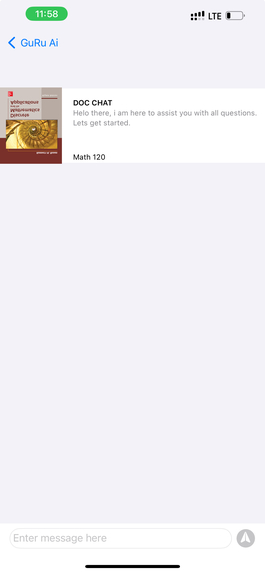
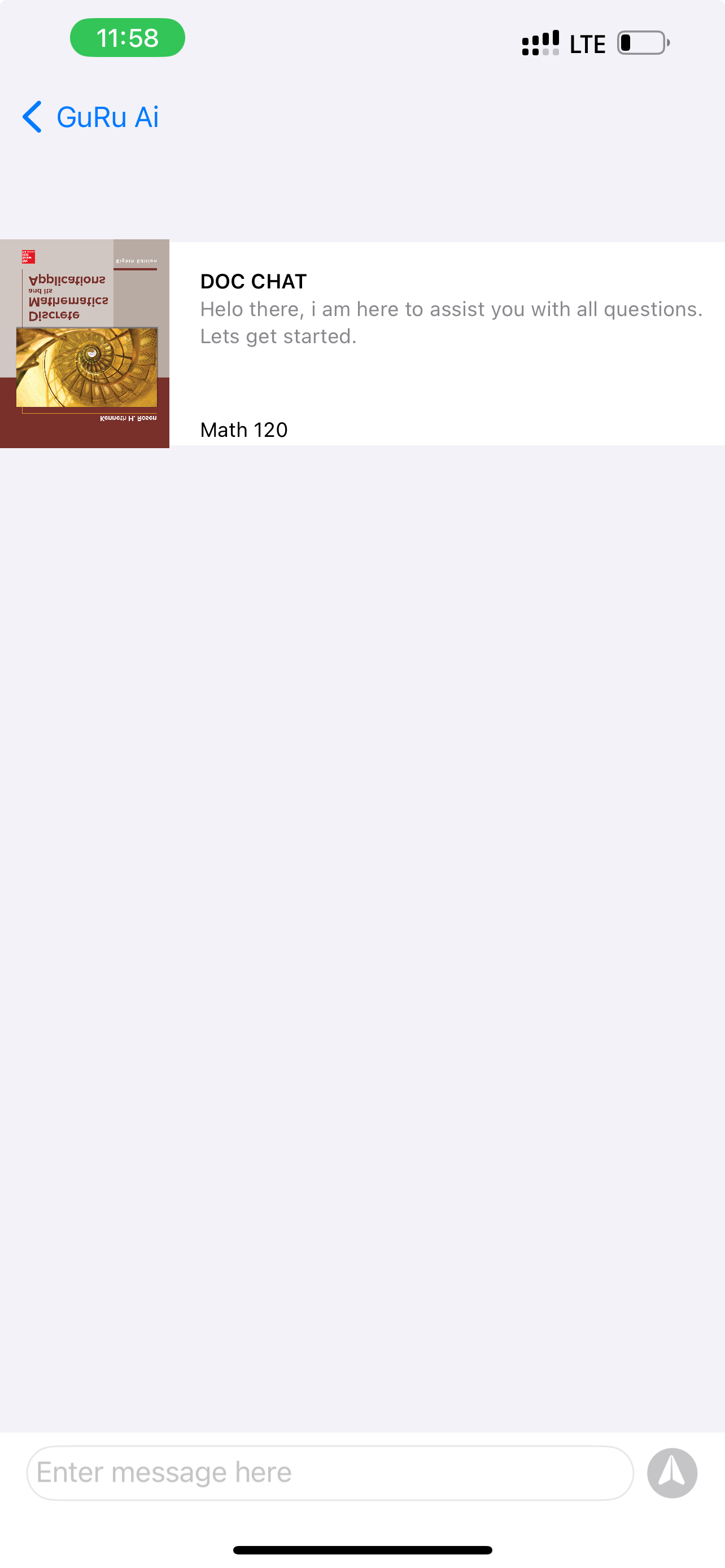
ChatBotPage
-
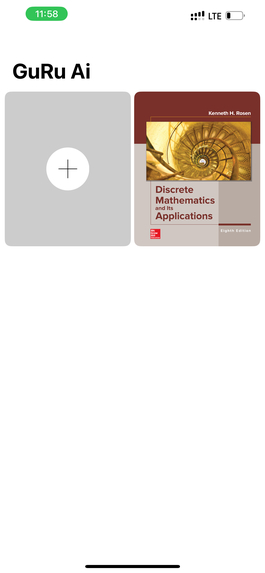
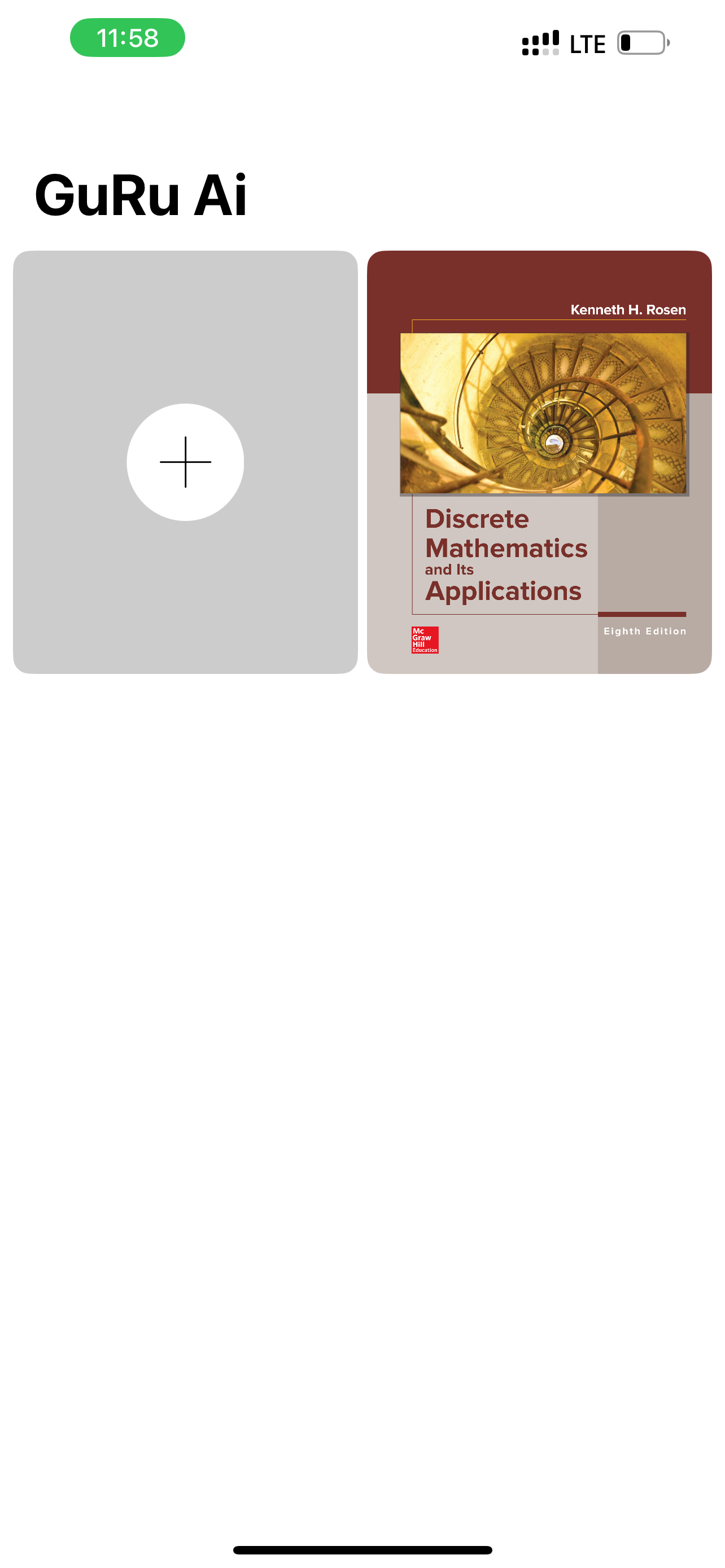
MainPage with 1 book
-
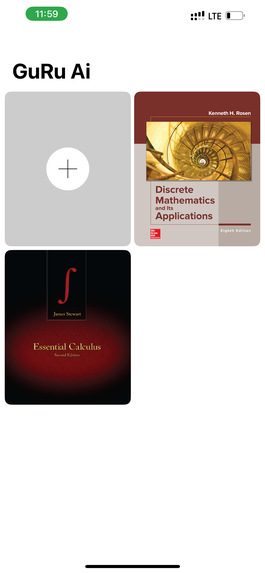
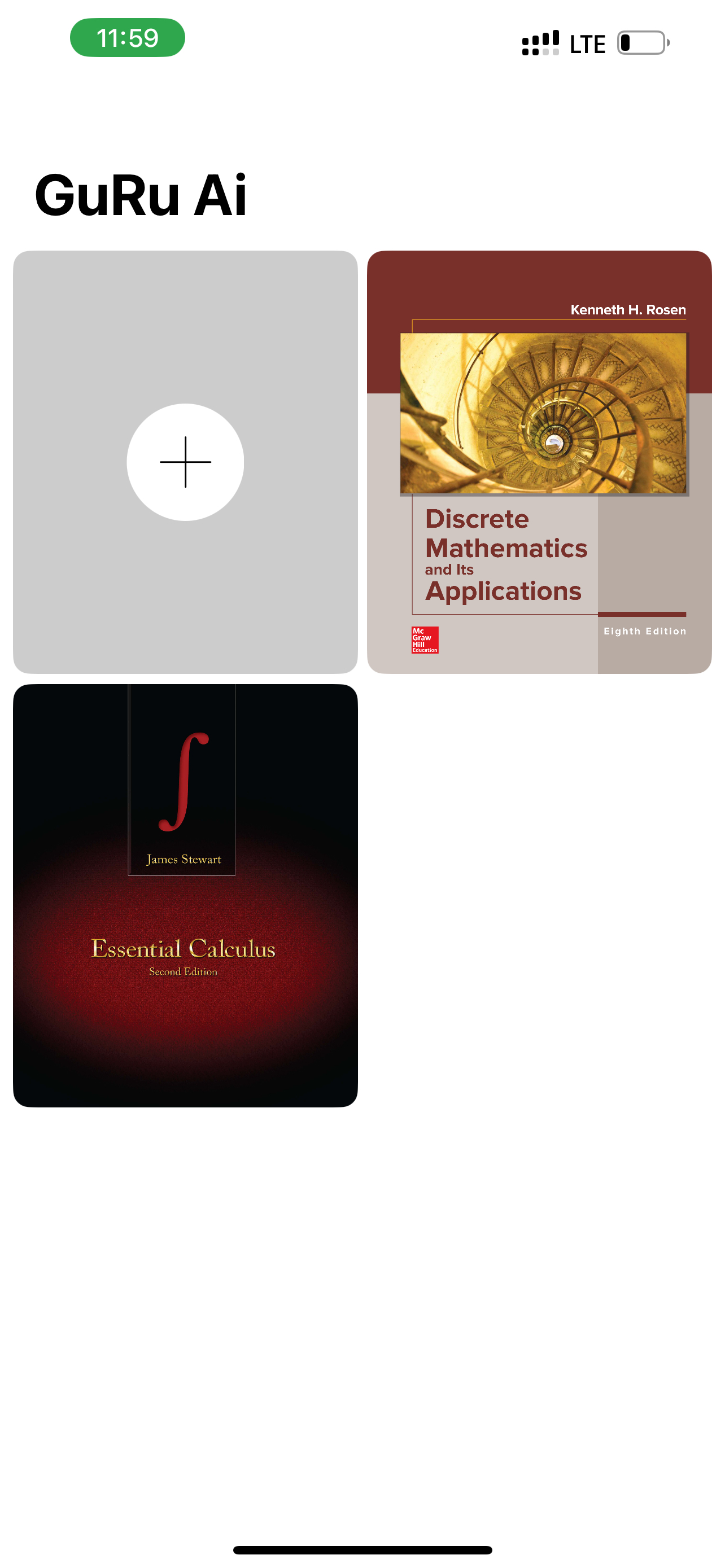
MainPage with 2 books
-
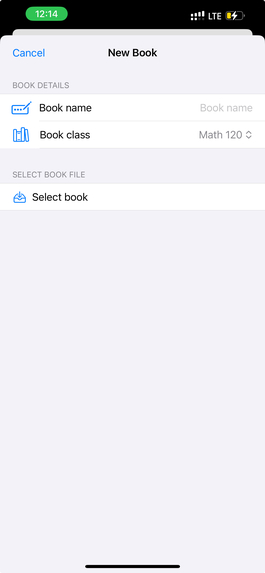
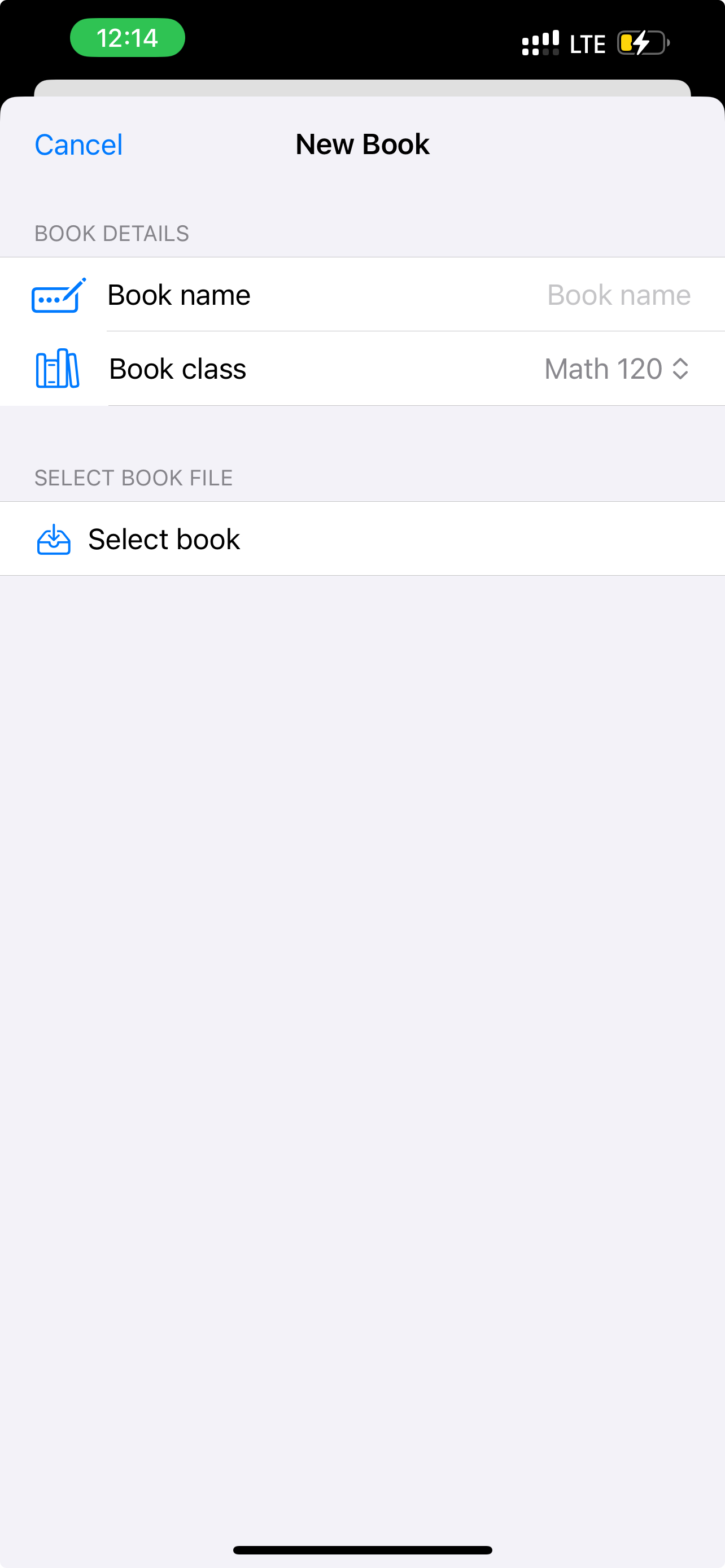
Adding A new Book
-
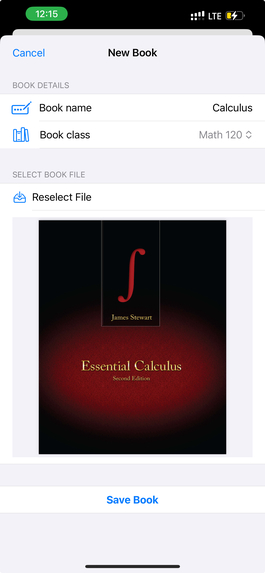
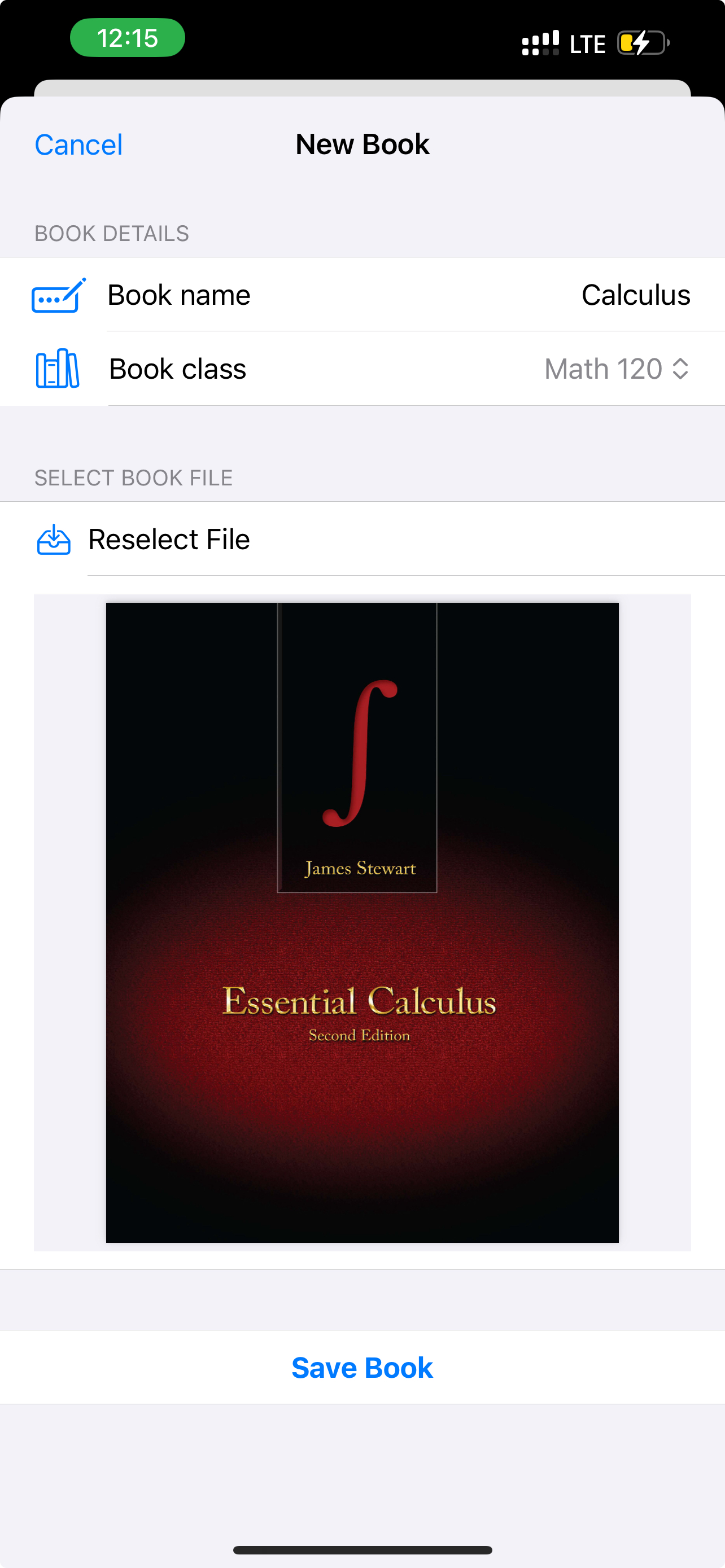
Adding a new book preview
Inspiration
The inspiration for Guru came from observing students' struggles to effectively navigate and absorb information from their extensive PDF textbooks. With the rapid acceleration of digital learning tools, there was a clear need for a more interactive and engaging method to help students not just read, but understand and apply the knowledge from their books. The idea was to bridge the gap between static reading materials and dynamic learning aids, enabling a more personalized and efficient study experience.
What it does
Guru transforms static PDF books into interactive learning experiences. By uploading their PDF textbooks, students can interact directly with the content through an AI-powered assistant. Guru can answer questions, provide summaries, clarify concepts, and even create practice quizzes based on the book's content. This makes learning more engaging and tailored to individual needs, allowing students to study smarter, not harder.
How we built it
We built Guru by integrating advanced natural language processing (NLP) and machine learning algorithms with a user-friendly interface. First, the PDF content is extracted and processed to understand the structure, key concepts, and context. Our AI then uses this processed data to generate responses to user queries, ensuring they are accurate and relevant. We focused on creating a seamless experience, allowing students to upload books, ask questions, and receive answers all within the same platform.
Challenges we ran into
One major challenge was accurately extracting and processing information from PDFs, which often come in various formats and layouts. Ensuring the AI understood context and delivered precise answers was another significant hurdle, requiring extensive training and fine-tuning of our models. Additionally, we faced the technical challenge of scaling the system to support a large number of users and books without compromising performance.
Accomplishments that we're proud of
We are particularly proud of Guru's ability to understand and process complex academic material across various subjects and levels of study. The positive feedback from early users, who reported improved understanding and retention of their material, validated our efforts. Our AI's accuracy and the platform's user-friendly design stand out as significant achievements in making digital learning more accessible and effective.
What we learned
Throughout the development of Guru, we learned a great deal about the complexities of language processing and the importance of user experience design. We gained insights into the diverse learning styles and needs of students, which guided our approach to creating a versatile and inclusive tool. The importance of iterative testing and feedback in developing a user-centric product was a key lesson, driving continuous improvement in our solution.
What's next for Guru
Looking ahead, we plan to expand Guru's capabilities to include more languages and subjects, making it accessible to a broader audience. We aim to incorporate more interactive learning methods, such as video explanations and virtual study groups. Additionally, leveraging AI to predict and address common misunderstandings or challenging concepts for students is on our roadmap. Our vision is to make Guru not just an assistant, but a comprehensive digital tutor, transforming the way students engage with educational content worldwide.

Log in or sign up for Devpost to join the conversation.