-
-

-
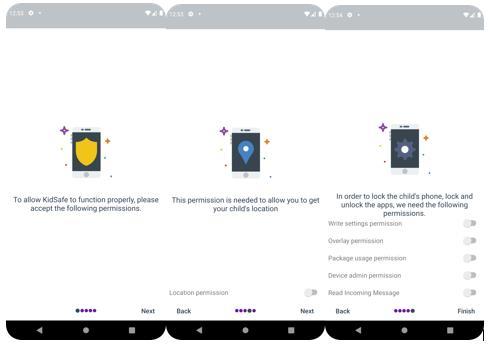
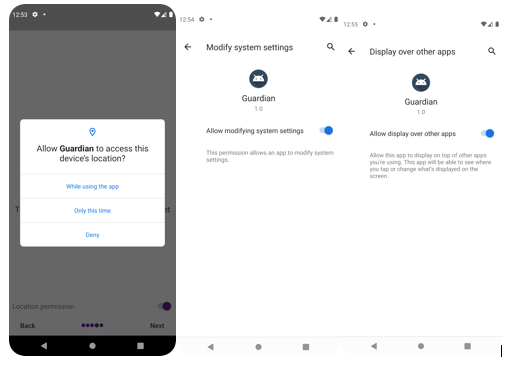
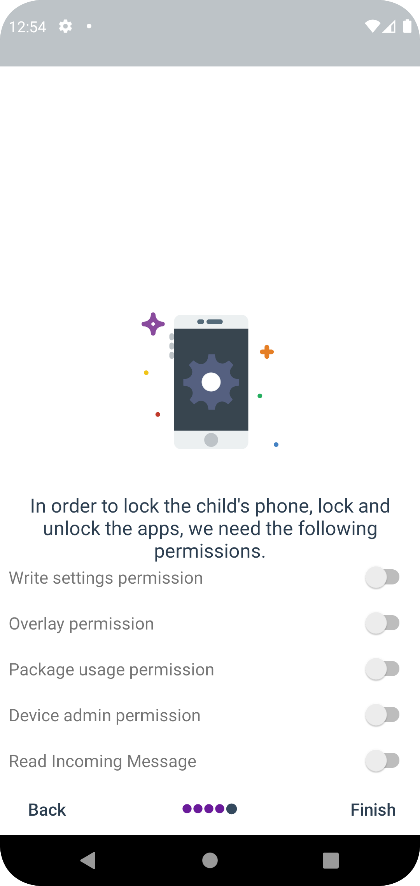
permission
-
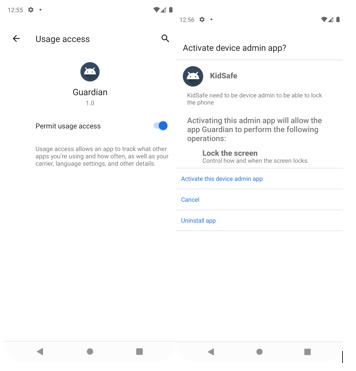
permission
-
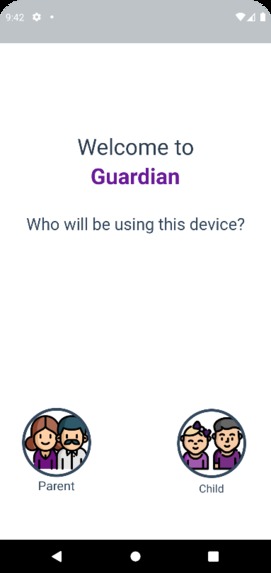
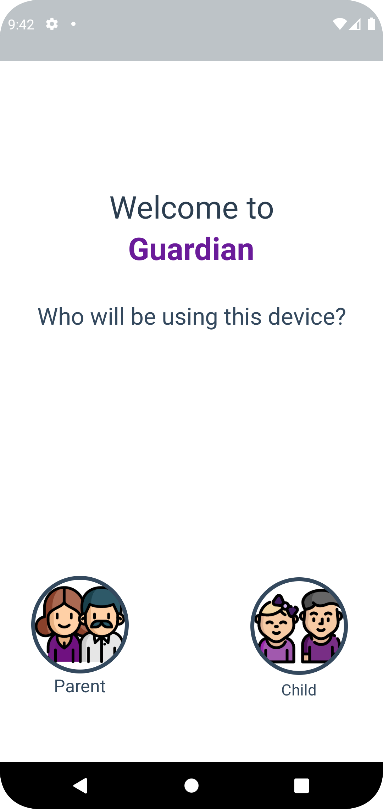
select mode
-
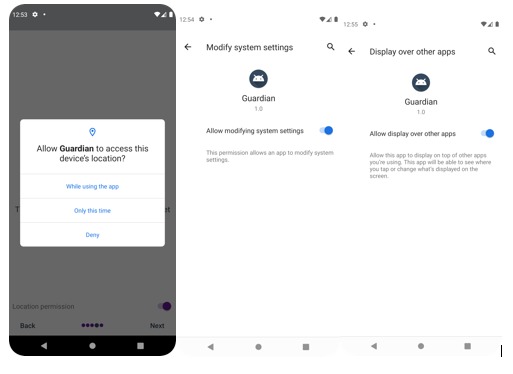
permission
-
Adding child device to parent app
-
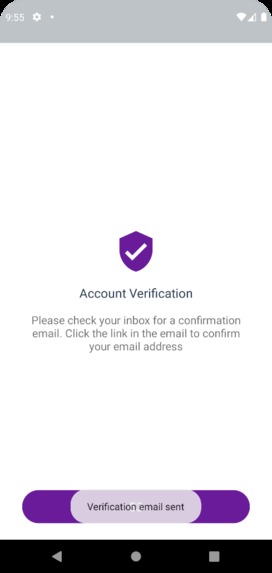
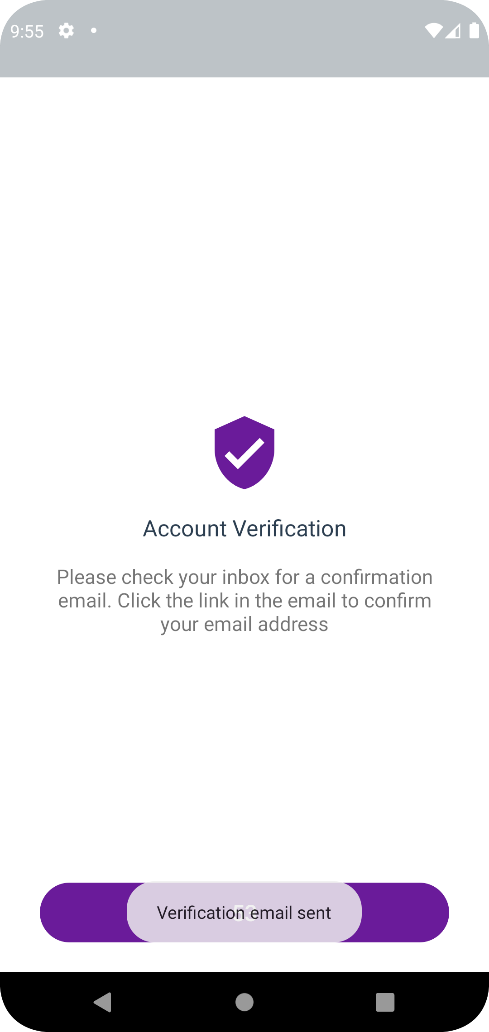
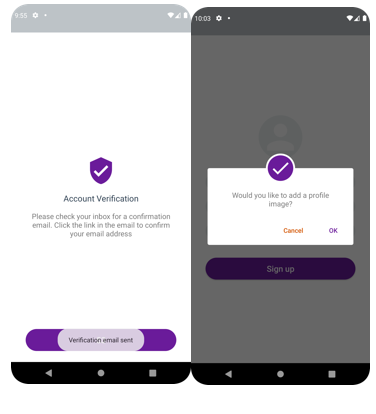
Parent Verification
-
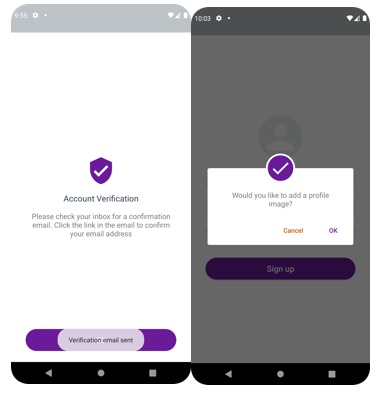
Parent/child verification
-
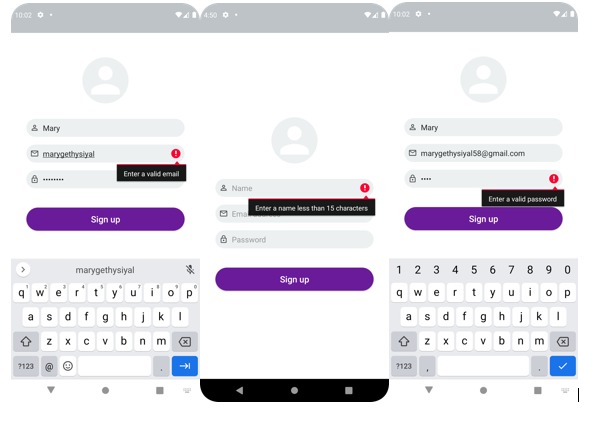
Verifications
-
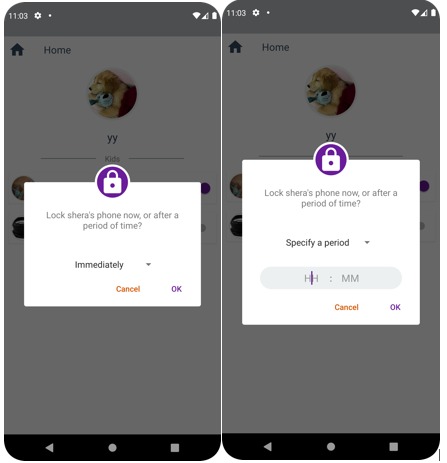
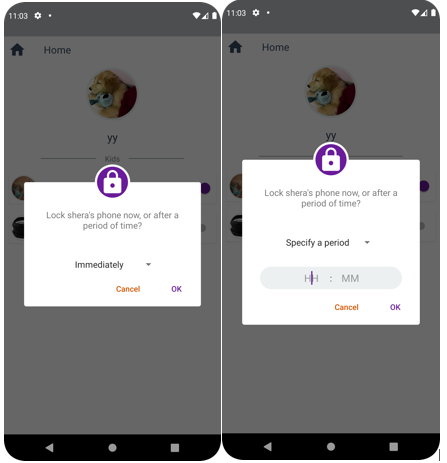
situation when parents sets screen lock to child device
-
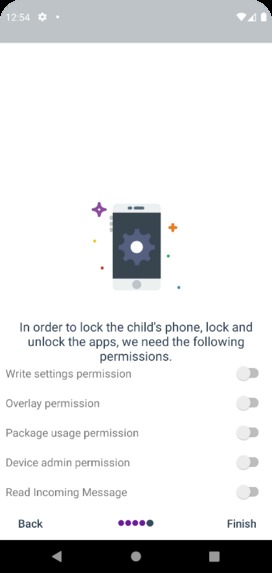
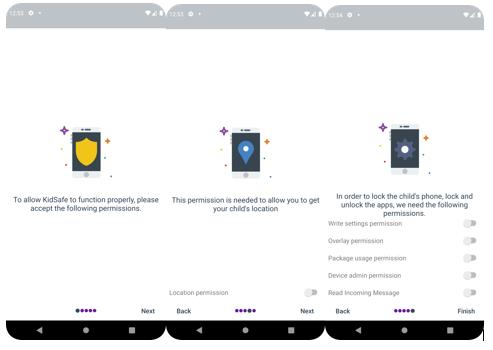
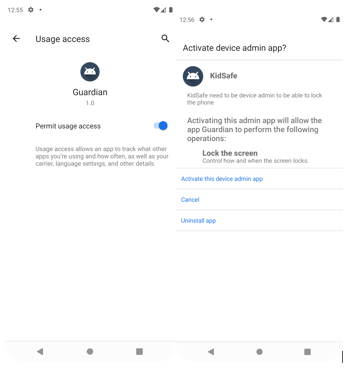
child device permission settings
-

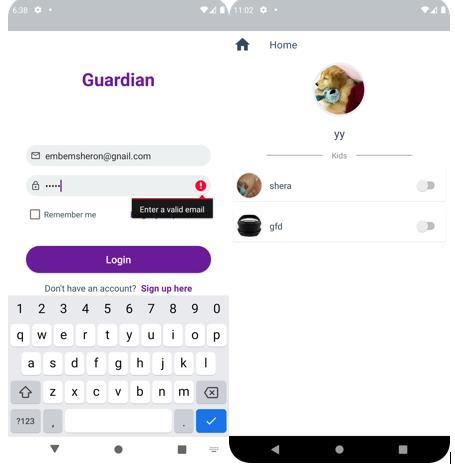
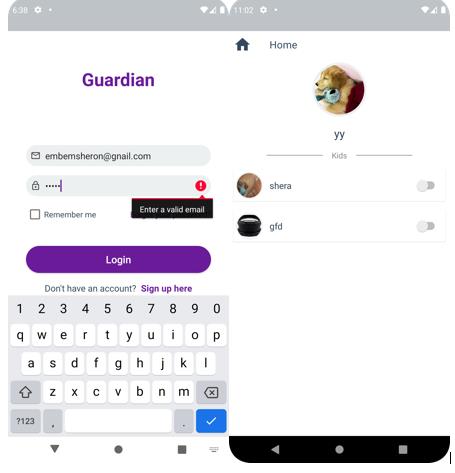
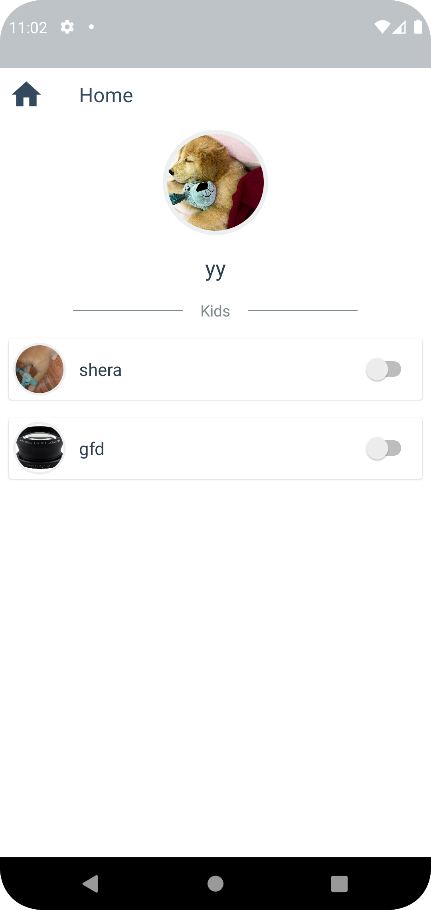
Parent Home
-
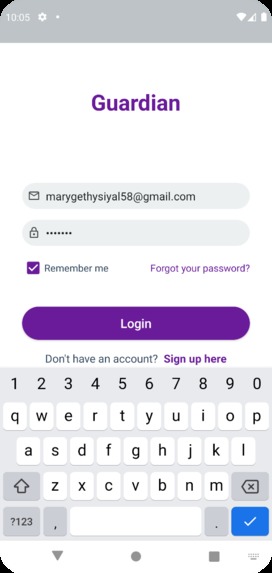
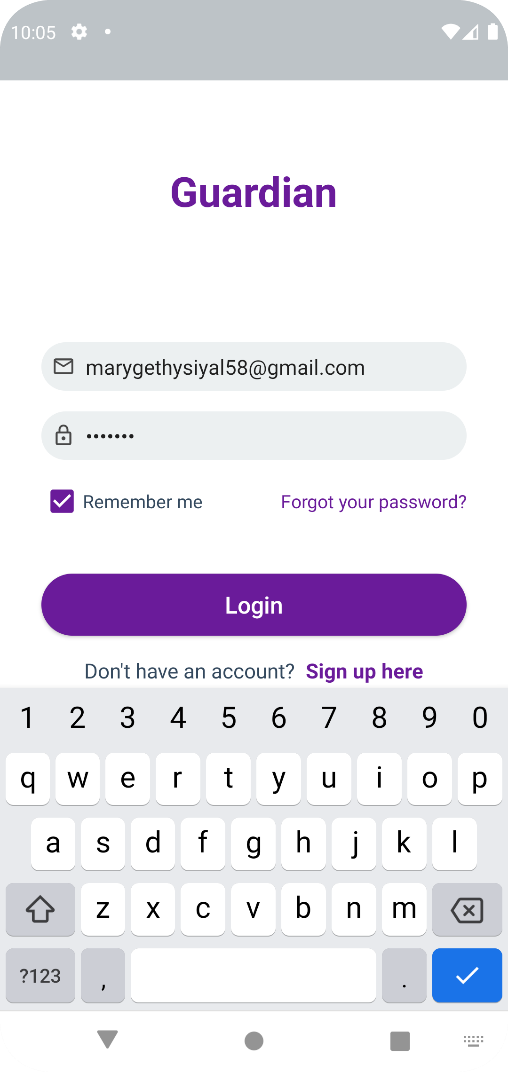
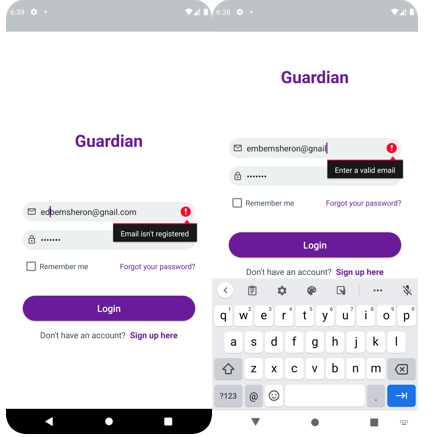
Parent login
-
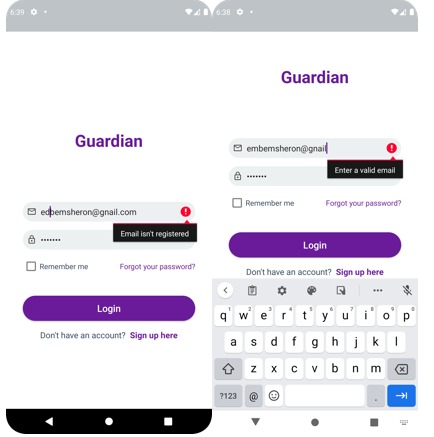
-
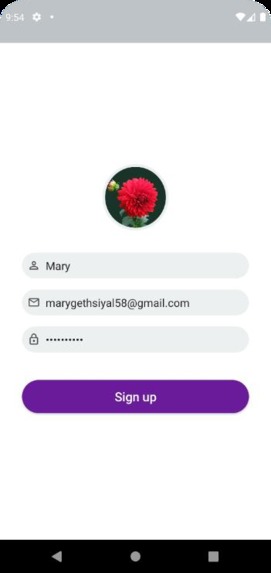
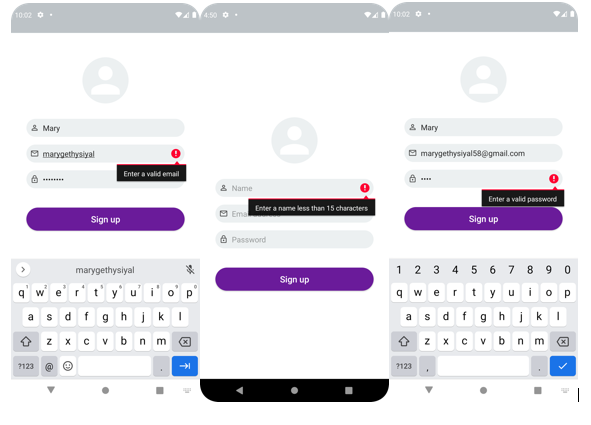
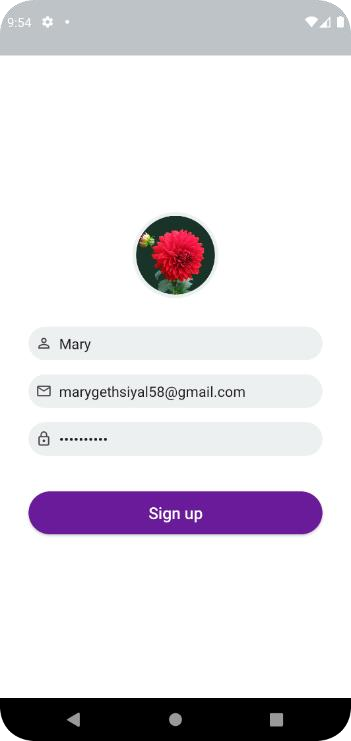
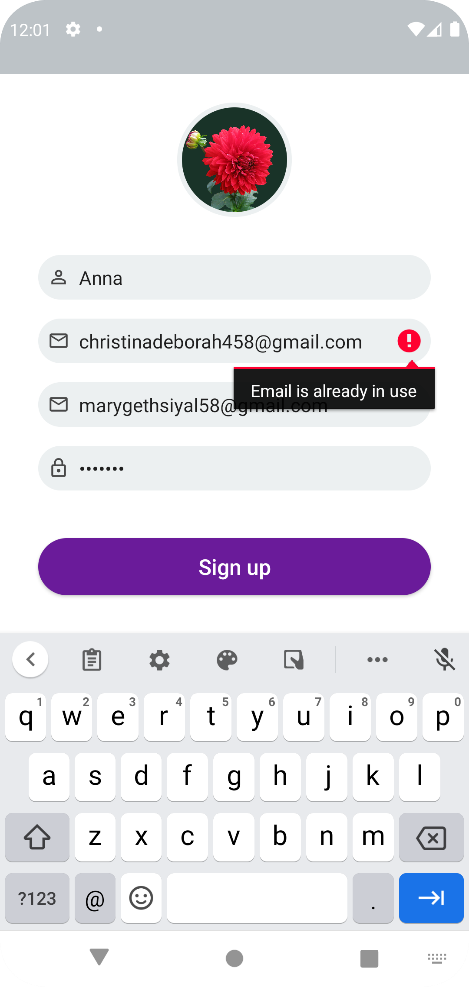
Parent Sign Up
-
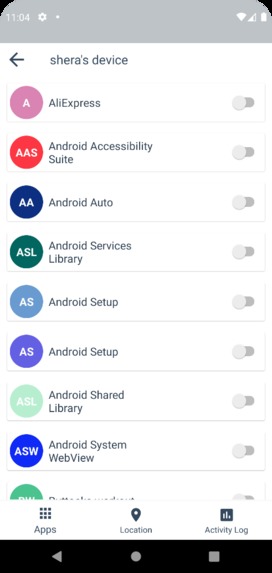
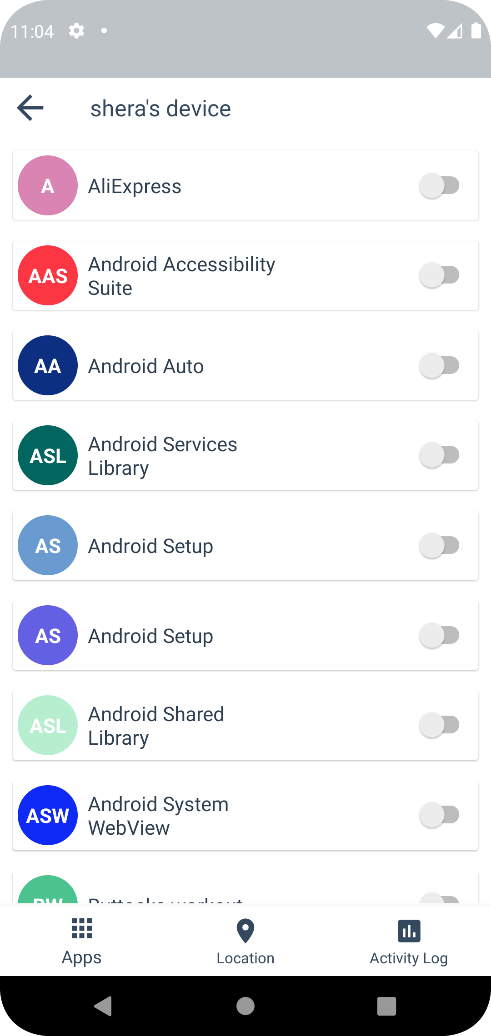
List of child device apps
-
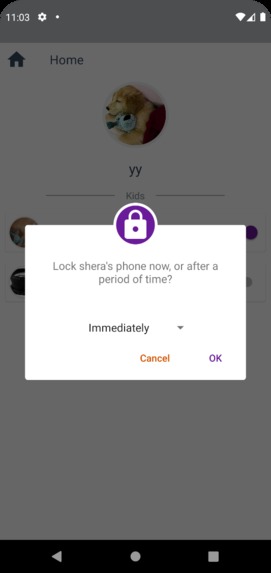
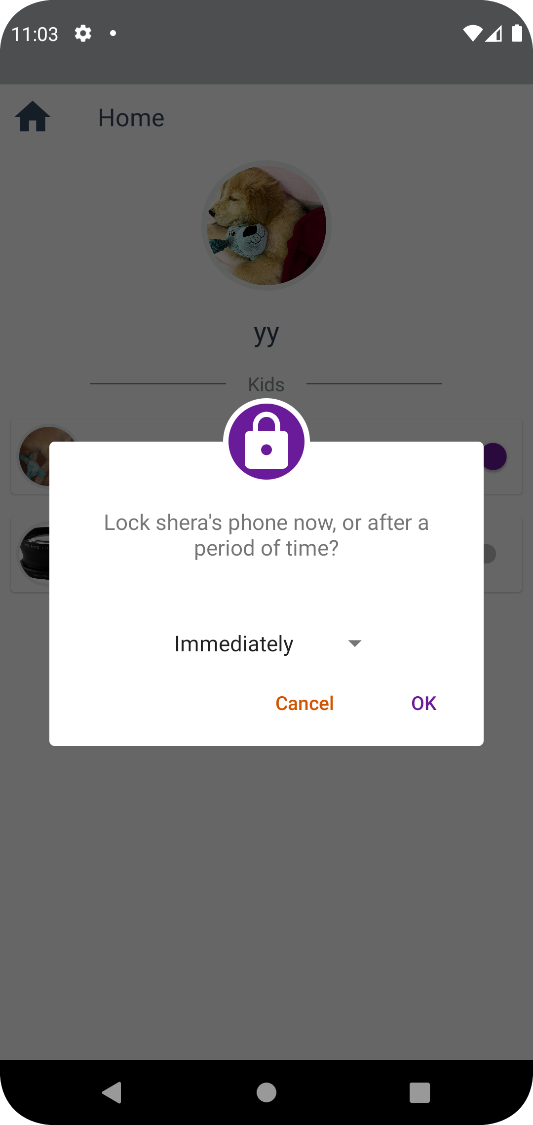
child device Immediate lock pop-up
-
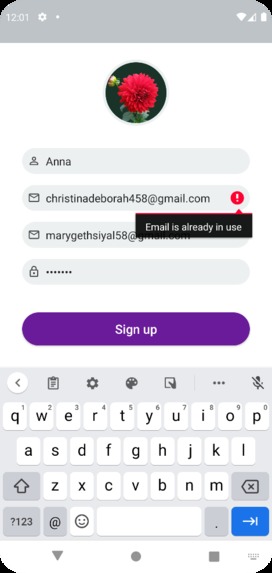
Child device sign up
-
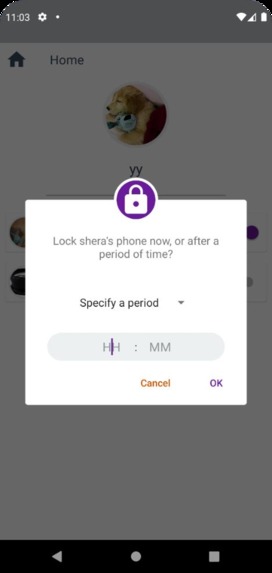
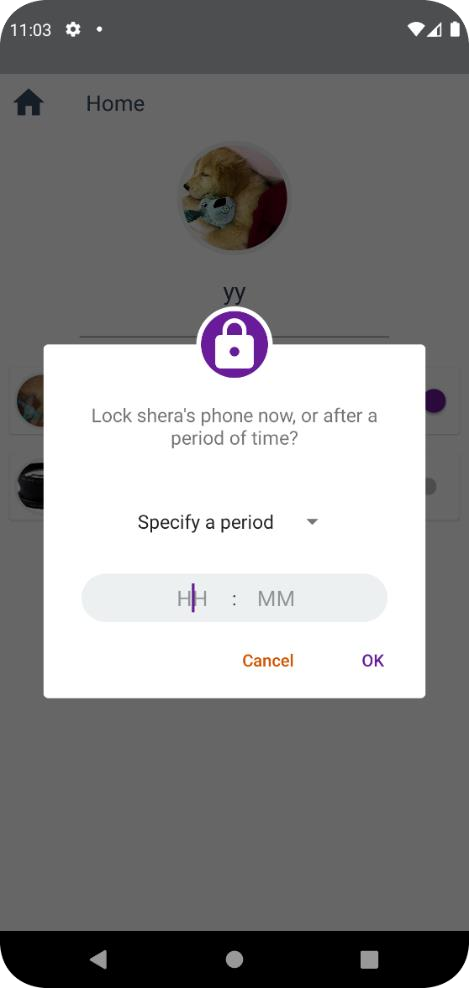
child device timed lock pop-up
-
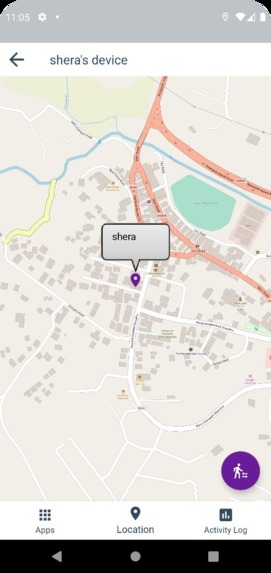
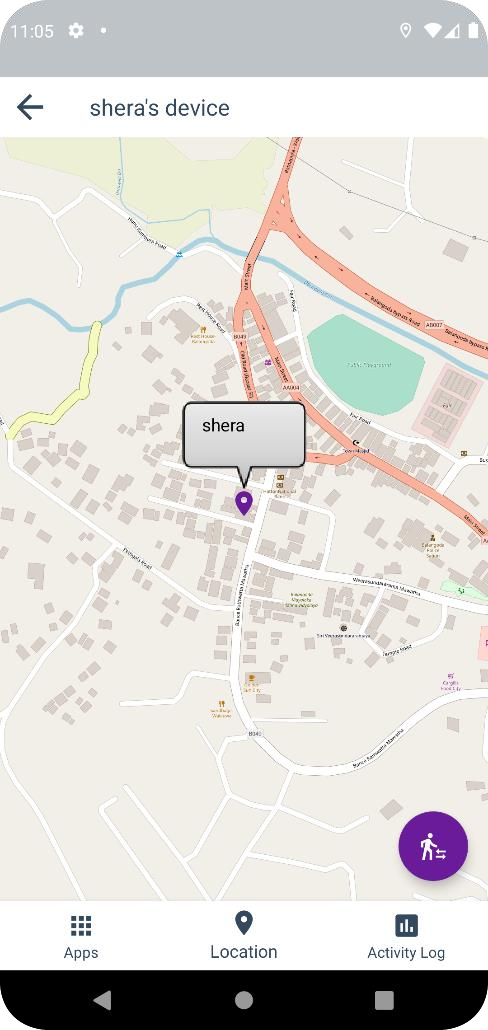
Location of child

Inspiration
My Journey in Developing Guardian: A Mobile App for Online Safety
Inspiration
In 2023, alarming statistics revealed that an estimated 500,000 online predators were actively targeting children, with a significant focus on girls aged 12-15. A UNICEF report highlighted that, in Sri Lanka alone, 27.9% of teens in this age range had physically met an online stranger, and 10.7% had sent explicit content. These findings deeply disturbed me, and I realized the importance of creating tools that could protect teens from online dangers.
This sense of urgency and responsibility was the driving force behind the development of Guardian, an AI-powered mobile application designed to ensure the safety of teens while respecting their privacy. Every teen, especially girls, deserves the freedom to explore social media without the constant threat of online predators. This belief fueled my desire to create Guardian, an innovative solution that combines technology and safety for a better digital experience.
What I Learned
Through this project, I not only learned how to build an application but also delved into the world of machine learning, particularly in the domain of Sexual Predator Detection (SPD). I explored techniques for detecting grooming behaviors through message analysis and sentiment analysis. This project provided me with a deeper understanding of how AI can play a critical role in real-time protection from harmful content.
I also learned about Firebase for real-time database management and authentication, as well as how to integrate machine learning models into mobile applications using APIs. The development process taught me how to balance functionality with user privacy and safety.
How I Built the Project
Guardian consists of two modes: Child Mode and Parent Mode.
Child Mode Features:
- App Blocking: Allows parents to block or restrict access to specific apps.
- Location Tracking & Geo-Fencing: Parents can track their child’s location and set geo-fences for added safety.
- Screen Locking and Time Limits: Parents can lock the child’s device or set screen time limits to promote healthier usage.
- Sentiment Analysis of WhatsApp Messages: Using a trained sentiment analyzer, potentially harmful messages are flagged and alerted to the parent.
Parent Mode Features:
- Device Management: The parent can control some child’s device actions, including locking screens and setting time limits.
- Safety Alerts: The app alerts the parent if a predatory message is detected via sentiment analysis.
- Data Privacy: Unlike other parental control apps, Guardian focuses on alerts for harmful messages without reading the entire conversation, ensuring privacy for the child.
Technical Implementation:
The app uses Firebase for authentication and real-time database management. Notifications from WhatsApp are analyzed using a machine learning model hosted on Hugging Face. The model, trained on a dataset of conversations, detects grooming behaviors by analyzing message content. The app updates the database with flagged messages, and the parent receives an alert when a threat is detected.
Machine Learning and AI:
The most challenging part of this project was implementing the Sexual Predator Detection (SPD) system. A major obstacle was the lack of readily available data on grooming chats. I overcame this by leveraging the PAN12 dataset, which contains a collection of conversations from various sources, including predatory and sexual conversations. This dataset became invaluable for training the machine learning model to detect grooming behaviors.
Challenges Faced
Data Privacy and Legal Constraints: One of the biggest challenges was the lack of access to appropriate datasets for training the model. Due to privacy and legal reasons, finding a dataset with real-world grooming conversations was difficult. However, the PAN12 dataset provided the necessary corpus for research purposes, which allowed me to continue building the model.
Model Training with Limited Resources: With limited computational resources (my laptop only had 4GB of RAM), training the machine learning model was extremely slow and difficult. I had to optimize the code and rely on cloud platforms for processing when possible.
Balancing Privacy and Safety: It was essential to design Guardian in a way that respects the child’s privacy while ensuring their safety. Unlike other apps that allow parents to read all of a child’s messages, Guardian uses sentiment analysis to flag potentially dangerous messages and only alerts the parent in the case of a real threat. Finding this balance was challenging but crucial.
Conclusion
Guardian is more than just an app; it is a response to the growing concern of online safety for teens, particularly girls. The project has been a journey of discovery—learning about machine learning, data privacy, and app development. I am proud of what I have built, as it combines technology with a social cause, aiming to make the digital world safer for everyone. The challenges I faced were numerous, but they ultimately strengthened my resolve and helped me grow as a developer and problem solver and make something wonderful to keep young minds safe.
What's next for Guardian
Moving forward, we plan to enhance Guardian by:
- Expanding the AI Model: Improving the model to detect a wider range of harmful content and behaviors, making the app more effective in safeguarding children.
- User Feedback: Incorporating feedback from users to improve the app's functionality and user interface.
- Additional Features: Introducing more advanced features like real-time alerts for location-based threats and integrating other messaging platforms beyond WhatsApp.
- Wider Reach: Expanding Guardian to more platforms and regions, making it available to a larger audience to ensure online safety for more teens globally. at it does


Log in or sign up for Devpost to join the conversation.