-
-
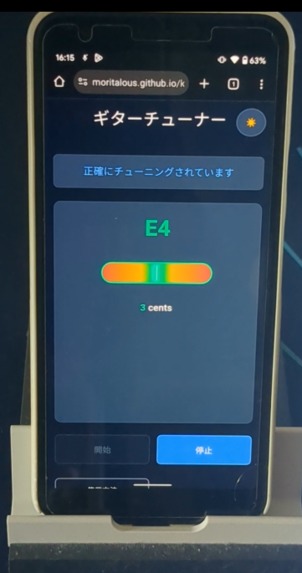
App image
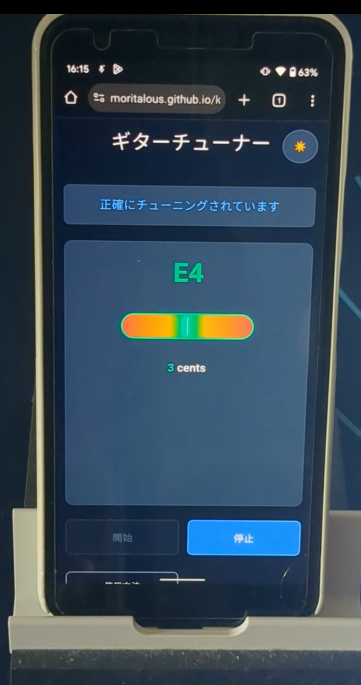
Guitar Tuner Web App - Simple, Clean, Accessible
🎯 Inspiration
As a guitarist, I was frustrated with existing tuner apps. They were cluttered with ads, packed with unnecessary features, and often had poor user interfaces. I wanted something simple, clean, and focused - just tune your guitar and go.
I had attempted this project before but hit major technical roadblocks: accessing microphone input and implementing accurate pitch detection algorithms. These challenges seemed insurmountable with my skill level, so I abandoned the idea.
When Kiro became available, I saw an opportunity to finally tackle those technical barriers that had stopped me before.
🛠️ How Kiro Transformed My Development Process
Technical Problem Solving
Kiro didn't just write code - it became my technical consultant:
- Microphone API Integration: Kiro guided me through the Web Audio API complexities I couldn't grasp before
- Pitch Detection Algorithm: It implemented FFT-based frequency analysis that was completely beyond my knowledge
- Real-time Processing: Helped optimize audio processing for smooth, responsive tuning
Smart Architecture Decisions
When I initially suggested using React + TypeScript, Kiro provided valuable pushback:
"For real-time audio processing with frequent DOM updates, vanilla JavaScript will give you better performance and less overhead than React's virtual DOM."
This wasn't just agreement - it was intelligent technical guidance that improved my project.
Spec-Driven Development
Kiro helped me structure clear technical specifications:
- Audio input capture and processing requirements
- Frequency detection accuracy thresholds
- Visual feedback and UI responsiveness specs
- Browser compatibility requirements
🚀 Implementation Journey
Phase 1: Core Functionality
Using Kiro's technical specs, I built the fundamental tuning engine. The pitch detection worked perfectly on the first run - something that would have taken me weeks to debug manually.
Phase 2: User Experience Enhancement
When I noticed poor dark mode support, I added it as a new specification. Kiro seamlessly integrated dark mode styling while maintaining the clean, minimal aesthetic.
Phase 3: Deployment
I used Kiro's Vibe mode for deployment guidance. It walked me through GitHub Pages setup, making the publishing process effortless.
💡 What I Learned
- Technical Confidence: Complex audio processing is achievable when you have the right guidance
- Architecture Matters: Sometimes simpler technology choices (vanilla JS) outperform trendy frameworks
- Spec-Driven Development: Clear specifications lead to cleaner, more focused implementation
- AI as Technical Mentor: Kiro doesn't just code - it teaches and guides technical decisions
🎯 The Result
A clean, fast, ad-free guitar tuner that solves the exact problem I faced as a musician. No bloat, no distractions - just accurate tuning in a beautiful, accessible interface.
The app demonstrates that sometimes the most valuable solutions are the simplest ones, executed well.
🏆 Impact & Value
- Accessibility: Works across all modern browsers without plugins
- Performance: Real-time audio processing with minimal latency
- User Experience: Clean, distraction-free interface focused on the core task
- Open Source: Available for the community to use and improve
This project represents more than just a tuner - it's proof that with the right AI assistance, technical barriers that once seemed impossible can become stepping stones to creating genuinely useful tools.edback to help users tune their guitar easily.
Built With
- github
- javascript
- kiro

Log in or sign up for Devpost to join the conversation.