-
-

App Icon
-
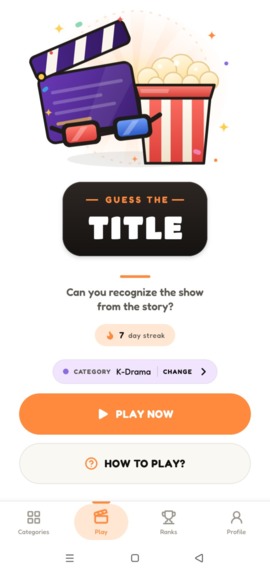
Home
-
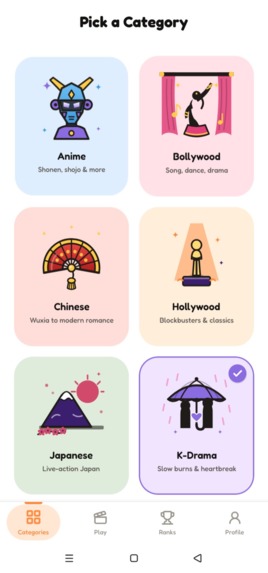
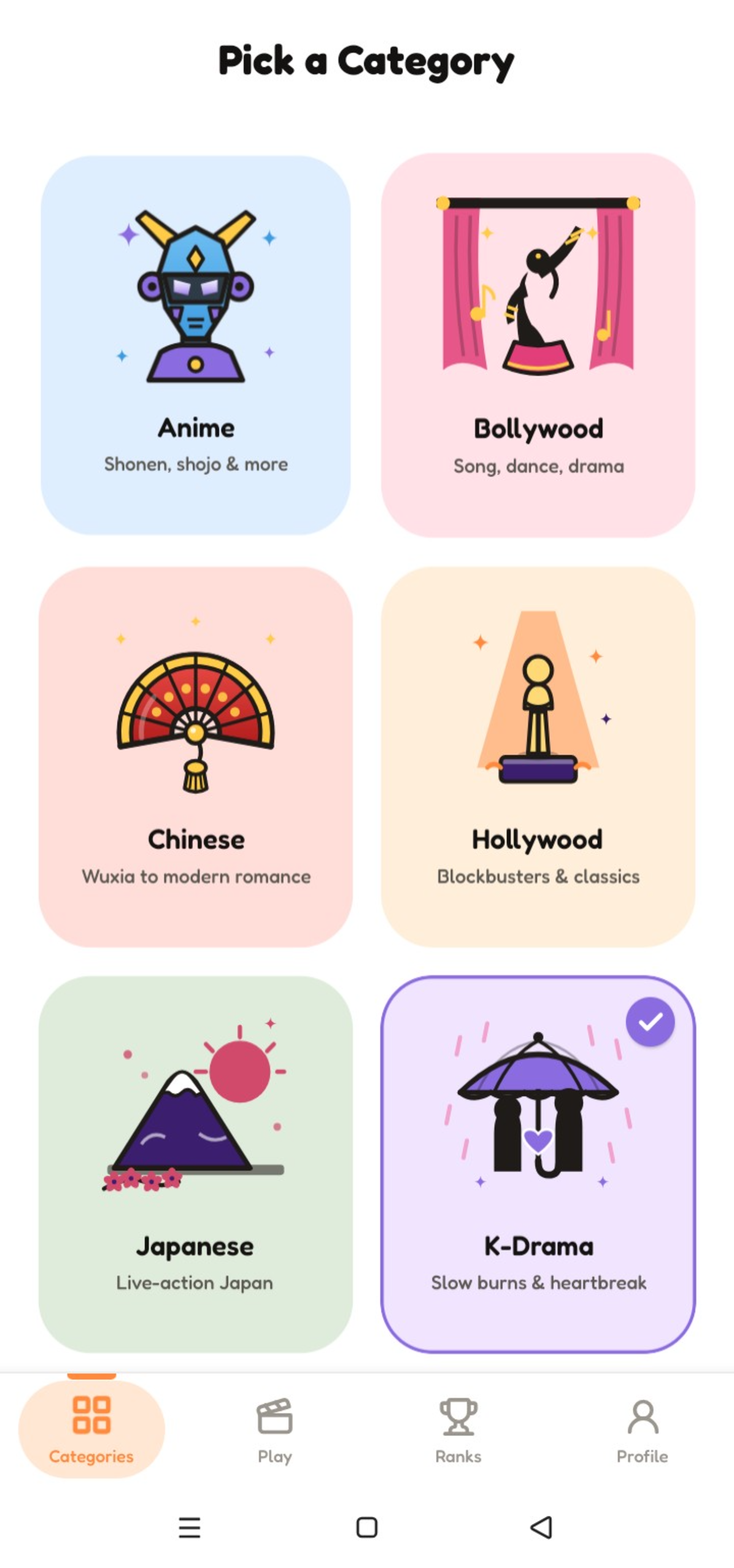
Category Selection
-
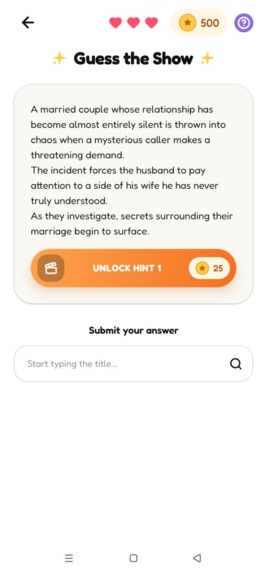
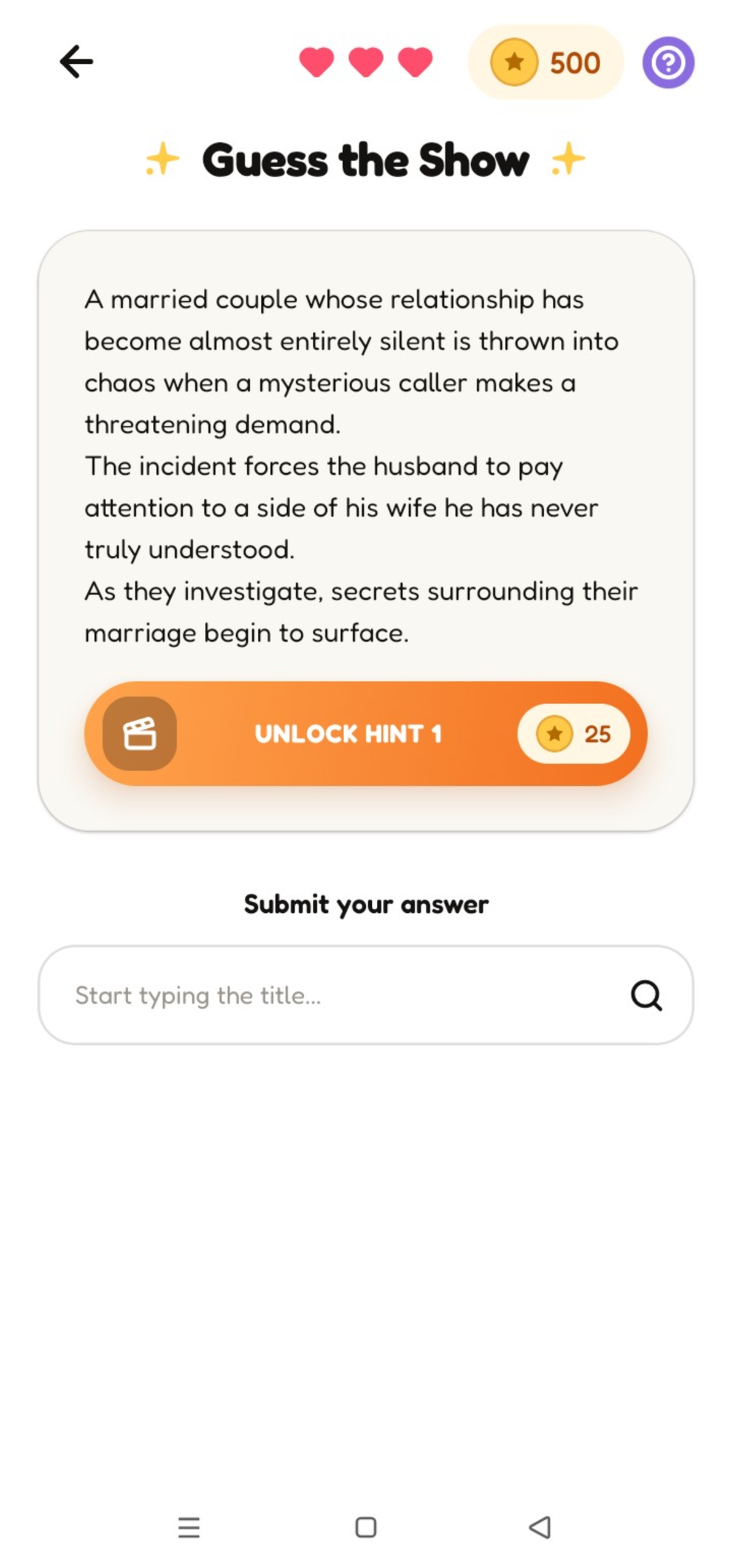
Game
-
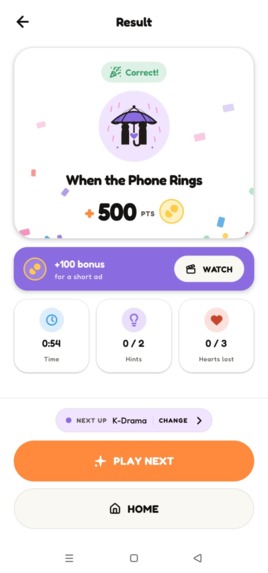
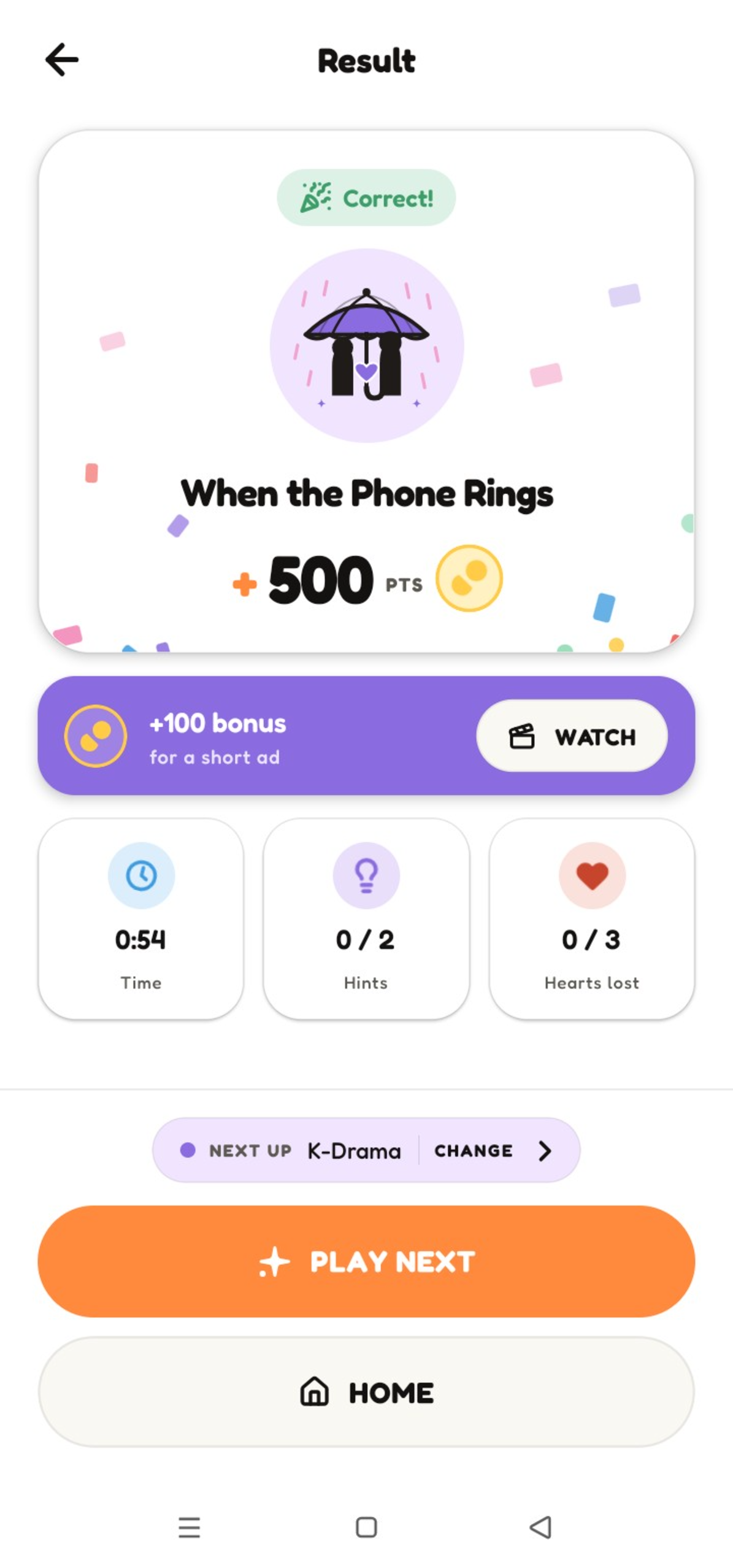
Result
-
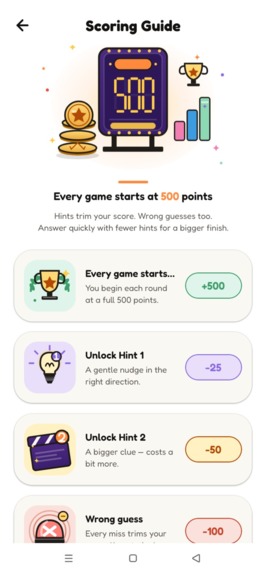
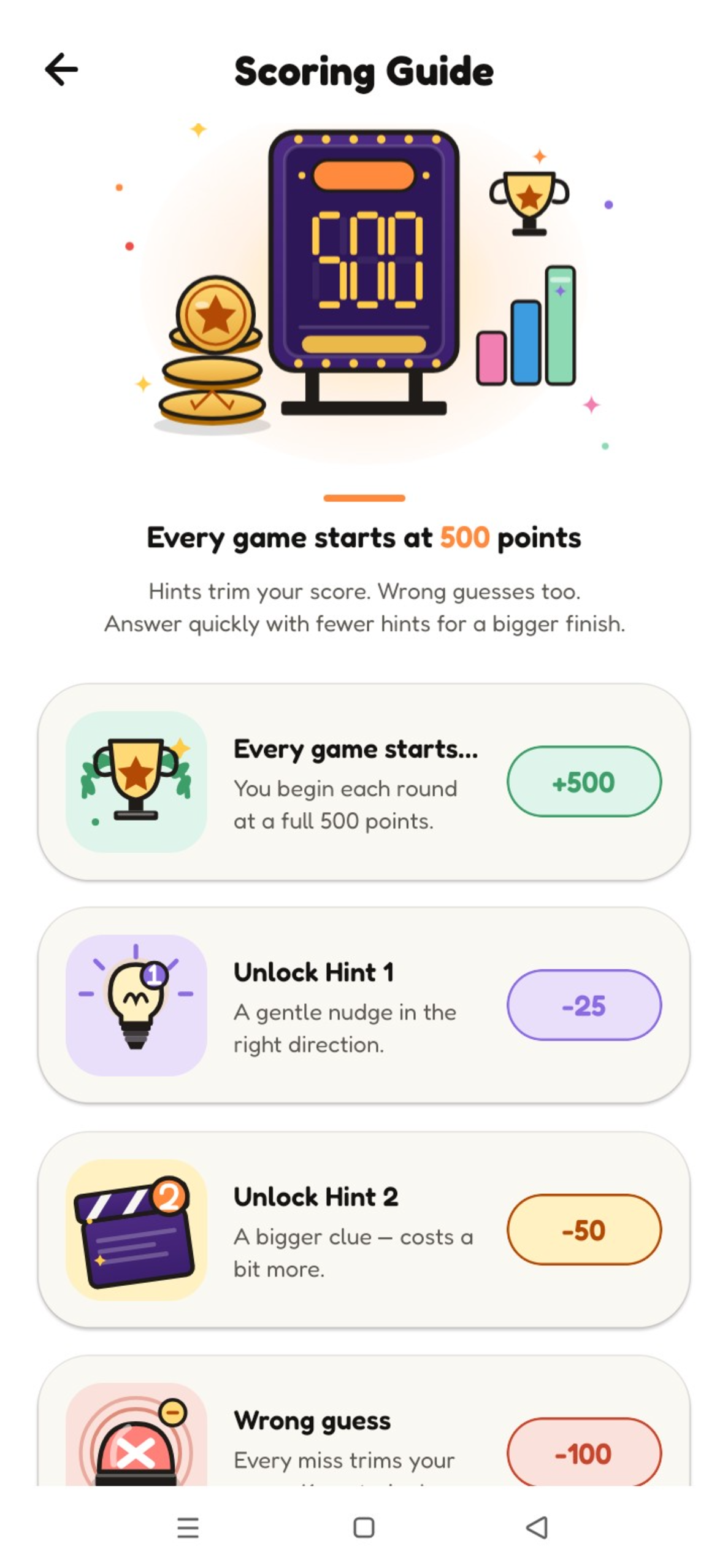
Scoring
-
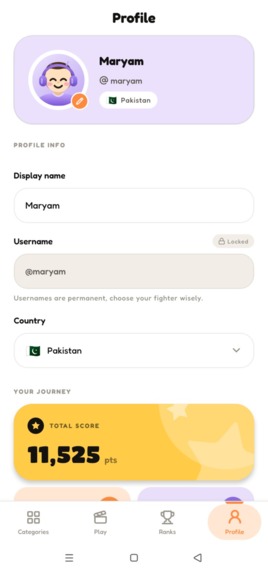
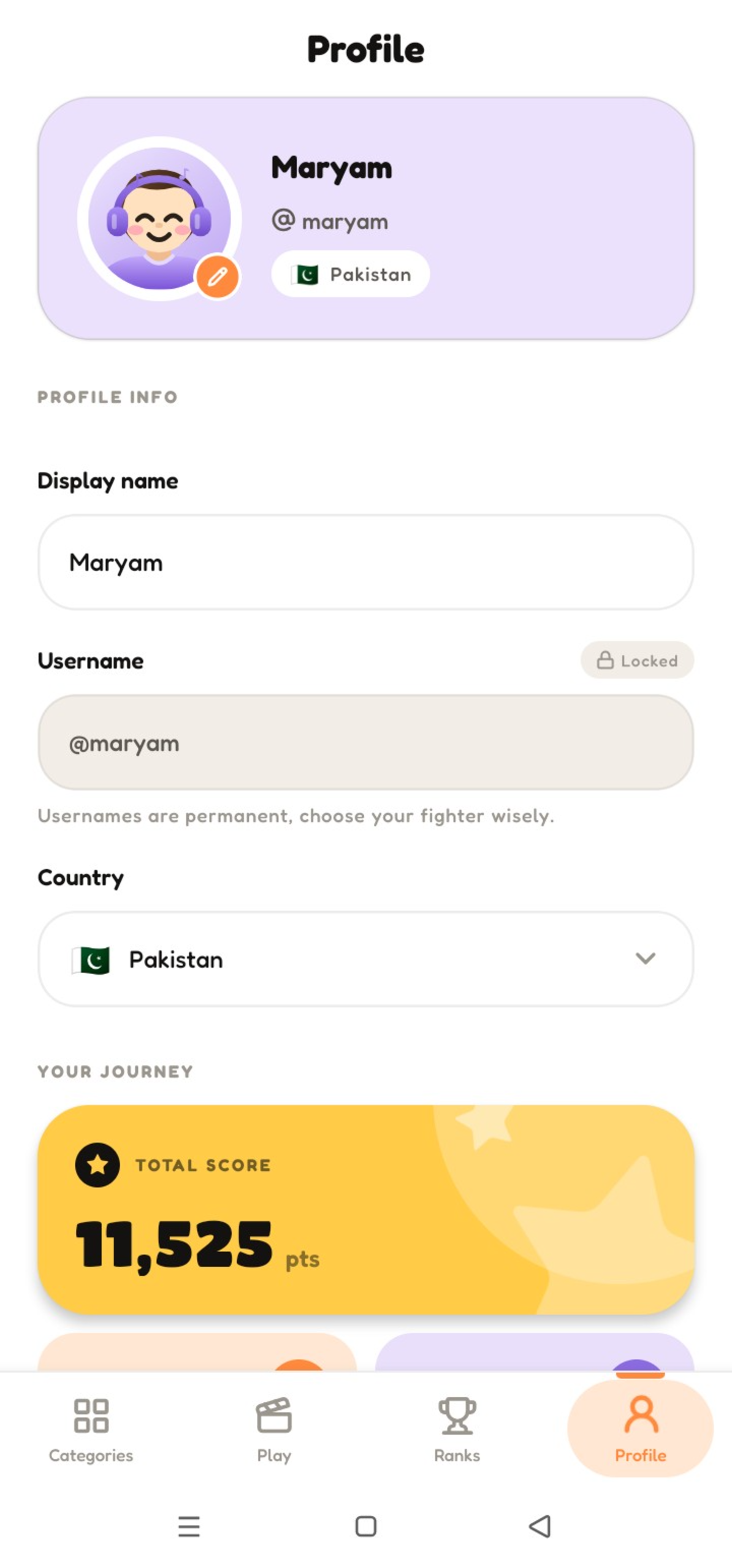
Profile
-
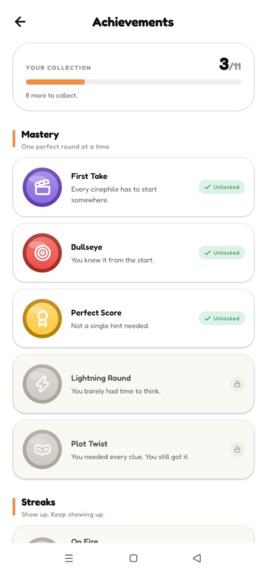
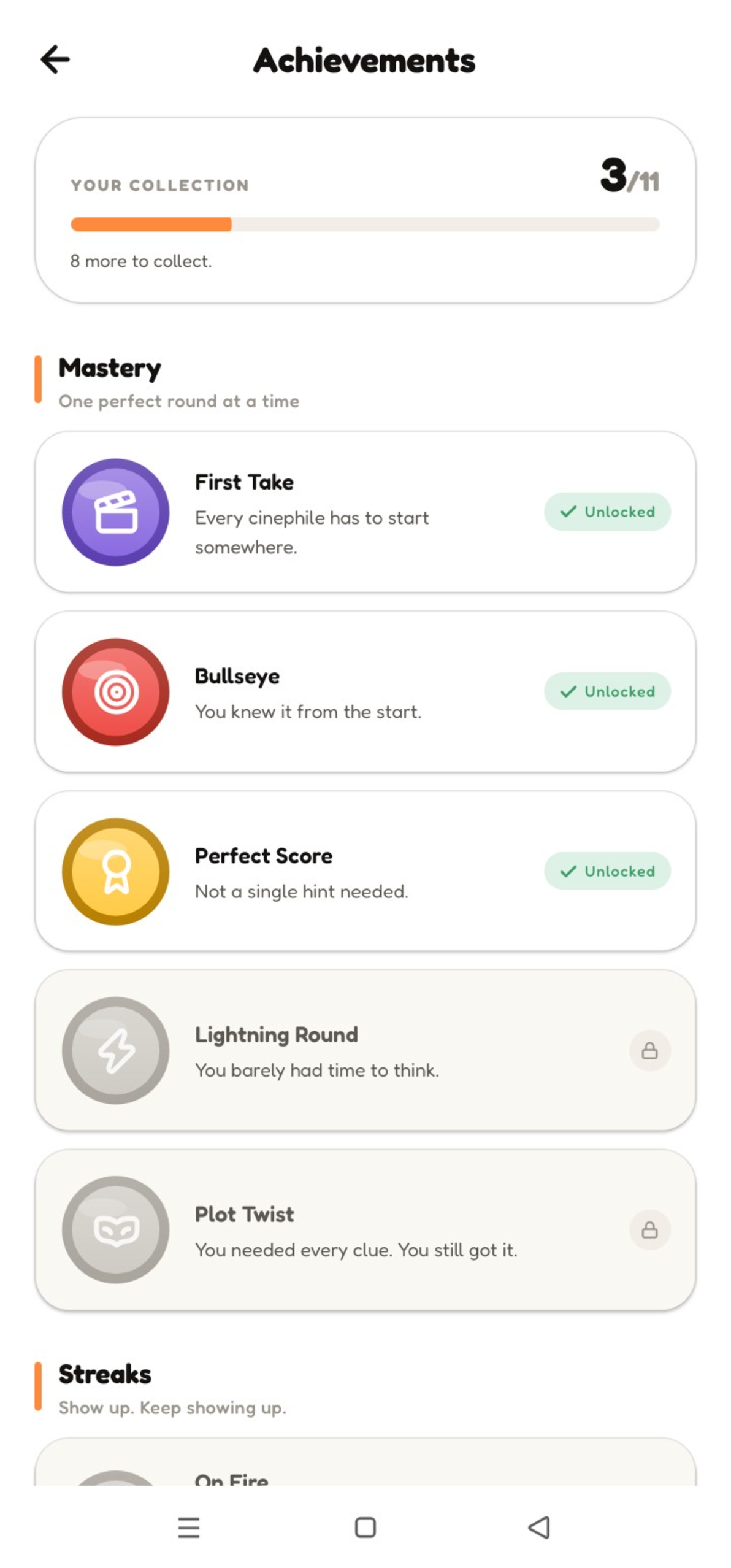
Achievements
-
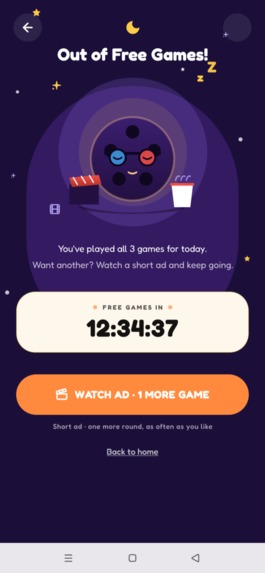
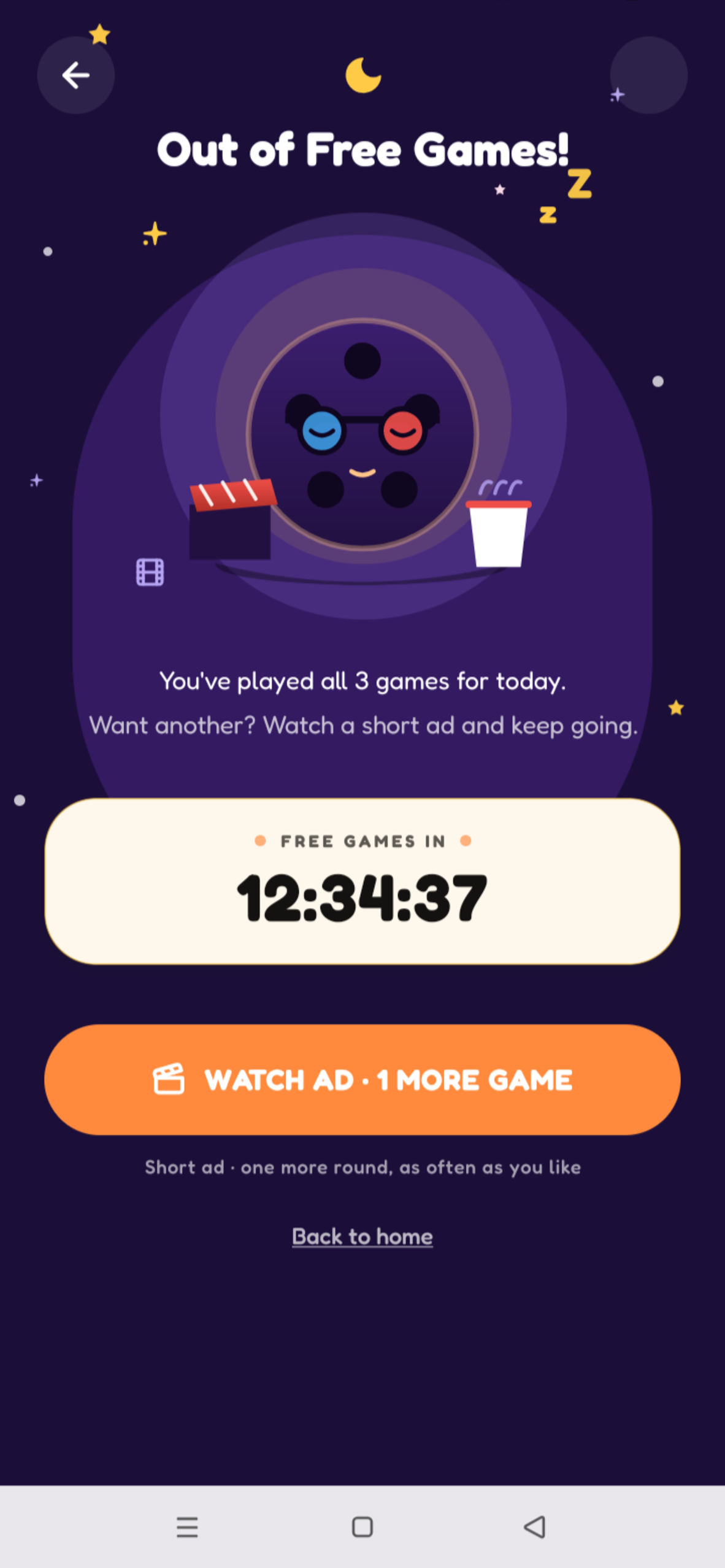
Out of free games!

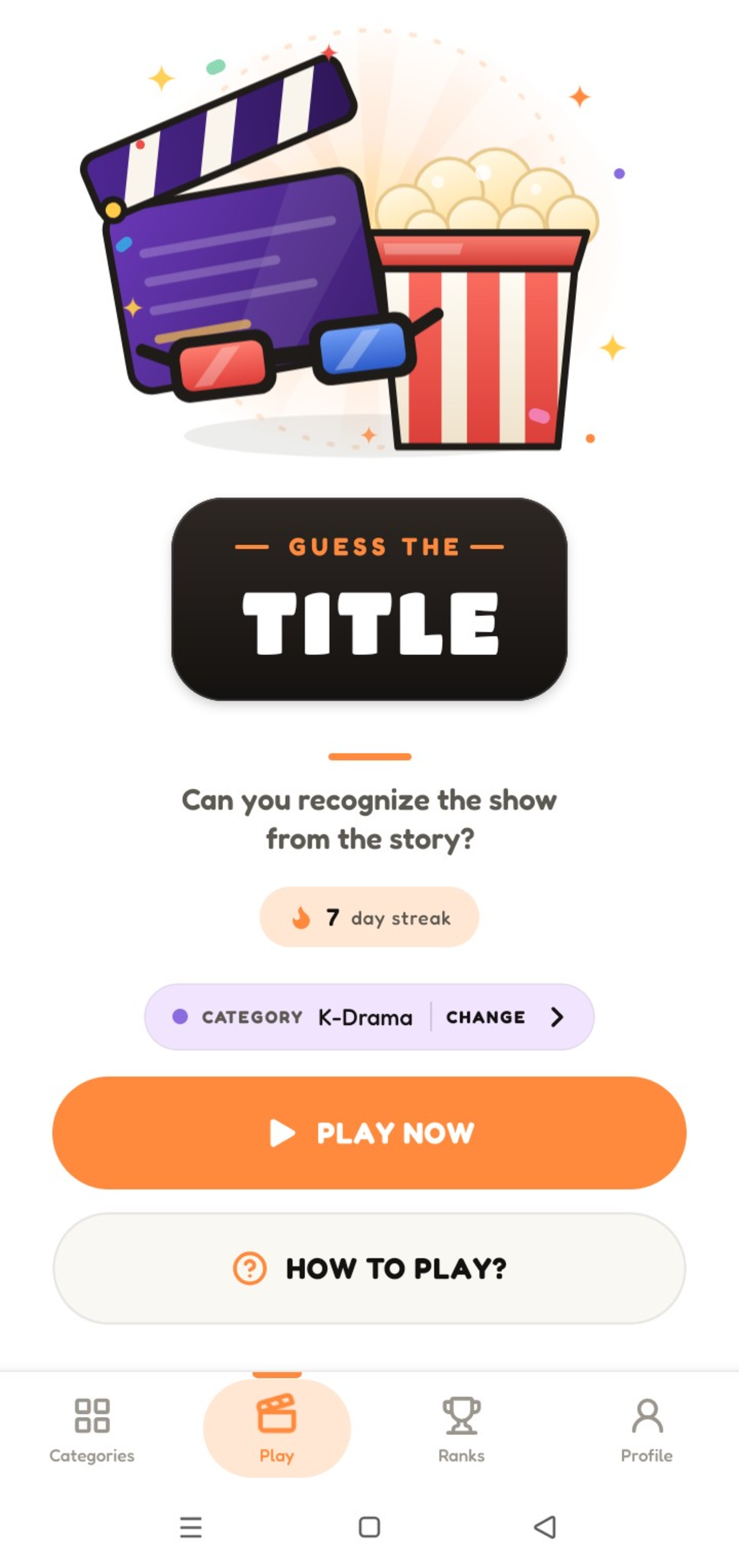
Guess the Title 🎬
The Idea
Guess the Title started with a pretty simple thought: I wanted to make something fun.
There wasn't a grand inspiration or a specific problem I was trying to solve. I wasn't even actively trying to come up with a hackathon idea when the concept came to me. I just thought it would be fun to build a game where you read clues about a movie or show and try to guess its title.
I wanted it to be something people could pick up for just 5-10 minutes a day, while waiting for a bus, taking a break, or simply when they have nothing else to do. Something casual, easy to understand, and satisfying enough that you'd want to come back tomorrow.
That became Guess the Title.
Building It
I built the entire app solo over roughly three weeks.
The app is built with React Native and Expo, with TypeScript on the frontend and Convex as the backend. I used RevenueCat for rewarded ads monitoring.
The basic gameplay is intentionally simple: choose a category, read a plot-focused prompt, and guess the movie or show. If you're stuck, you can use a hint. The goal was to make the core loop immediately understandable while still giving players reasons to keep coming back through scores, streaks, achievements, and other progression features.
I also used AI tools including ChatGPT, Emergent, and Claude Code throughout development. They helped me move faster, explore implementation approaches, and iterate on different parts of the product. But the process wasn't simply about writing code; a surprisingly large part of the work was figuring out what the app actually needed.
For almost every feature, I had to research products that already offered something similar, understand how they approached the problem, compare the available options, and then decide what made sense for this particular app.
That was one of the biggest things I learned during this project.
What I Learned
Before this project, it was easy to think of "building an app" primarily as a development task.
This project changed that perspective.
I learned how much more there is between having an idea and having an app that people can actually download and use. Building the app itself was only one part of the journey. I had to think about authentication, monetization, ads, app-store requirements, assets, testing, release preparation, and all the small details that come with actually shipping a product.
I also learned a lot about making decisions around third-party services. When you need a particular feature, there are often several products that can provide it. Figuring out what each one offers, researching their trade-offs, and choosing the right fit for the project can take almost as much thought as implementing the feature itself.
Most importantly, I learned that getting something from an idea to a launched app is a much bigger journey than getting something from an idea to a working prototype.
The Challenges
The biggest challenge wasn't actually building the game. It was getting everything around the game ready for launch.
Setting up Google Play Console and AdMob took a significant amount of time. I got stuck on the AdMob phone-number verification screen for several days. Then came the Google Play Console setup, release requirements, assets, testing requirements, and all the other things needed before the app could actually be published.
It felt a little like finishing one todo list only to discover another todo list waiting behind it. :D
I also ended up building the entire authentication system because of requirements related to Google Play.
Another challenge was creating good clues and hints. They needed to be informative enough to actually help the player, while still being focused on the plot and avoiding giving away the answer too quickly. Getting that balance right took quite a bit of iteration.
And then there was the design.
I wanted the app to feel playful, colorful, animated, and beautiful, but I didn't want it to become overly shiny or over-designed. The goal was to make every element on a screen work well with the others, while showing the player everything they need with as little UI as possible.
A lot of attention went into deciding what deserves the most visual emphasis and what can stay quiet.
Design
Design was something I cared about throughout the entire project.
I wanted Guess the Title to feel polished without feeling overwhelming. That meant paying attention not just to individual components, but to how those components work together on a screen.
I spent extra time on animations and small interactions that make the app feel alive. Some of the details I'm particularly happy with are the animated loader illustration on the game screen, the six avatars players can choose from, the category illustrations, and the sound effects.
One of my favorite screens is the out-of-games screen. The rest of the app uses a light visual style, but this screen switches to a dark theme. It's a small visual change, but it communicates that you've reached the end of your free games and need to wait until midnight for the next ones.
It felt like a good example of using design to communicate a state rather than simply displaying a message.
Making Monetization Less Annoying
I also wanted the ad experience to feel different from the usual "here's another ad you have to sit through."
Ads are primarily tied to optional rewards. If a player wants a hint, they can choose to watch a rewarded ad to get one. If they don't need the hint, they don't have to watch anything. Same for the additional 100 points at the end of each game, and extra games.
That was important to me because the game is supposed to be something people enjoy for a few minutes, not something constantly interrupting them.
What I'm Proud Of
I'm probably most proud of how the app looks and feels considering it was built in about three weeks.
I'm also happy with how inclusive the category system makes the game. Someone who mostly watches K-Dramas doesn't have to play through Hollywood titles they don't know. They can choose the category they actually enjoy and have fun with it.
The project also taught me that a small, simple idea can still have a surprisingly large journey behind it.
Right now, Guess the Title does what I originally wanted it to do: give someone something fun to play for a few minutes.
What's Next?
I built everything I originally planned for the MVP, but there are still a couple of ideas I'd love to explore if the app grows.
The first is a battle mode, where a small group of players, perhaps four or five, receives the same prompt and competes to guess the title correctly. The fastest correct answer would win the round.
The second is almost the reverse of the current game: instead of the app giving the player a prompt, the player gives the app a prompt, and the app tries to figure out the title. It could even ask the player one or two questions to narrow it down.
For now, though, I'm happy that a random idea that appeared when I wasn't even looking for one turned into a real app that people can actually download and play.
Built With
- admob
- convex
- emergent
- expo.io
- onesignal
- posthog
- react-native
- revenuecat-ads

Log in or sign up for Devpost to join the conversation.