-
-
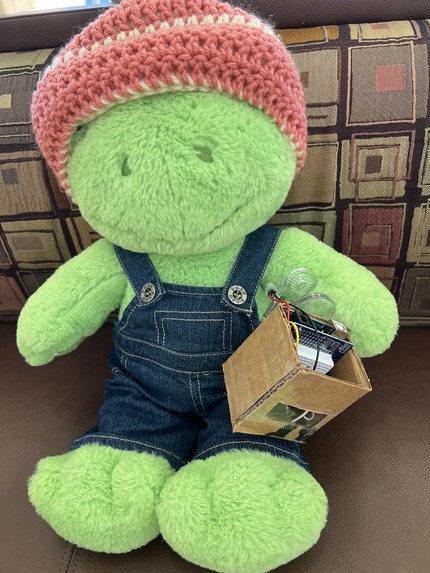
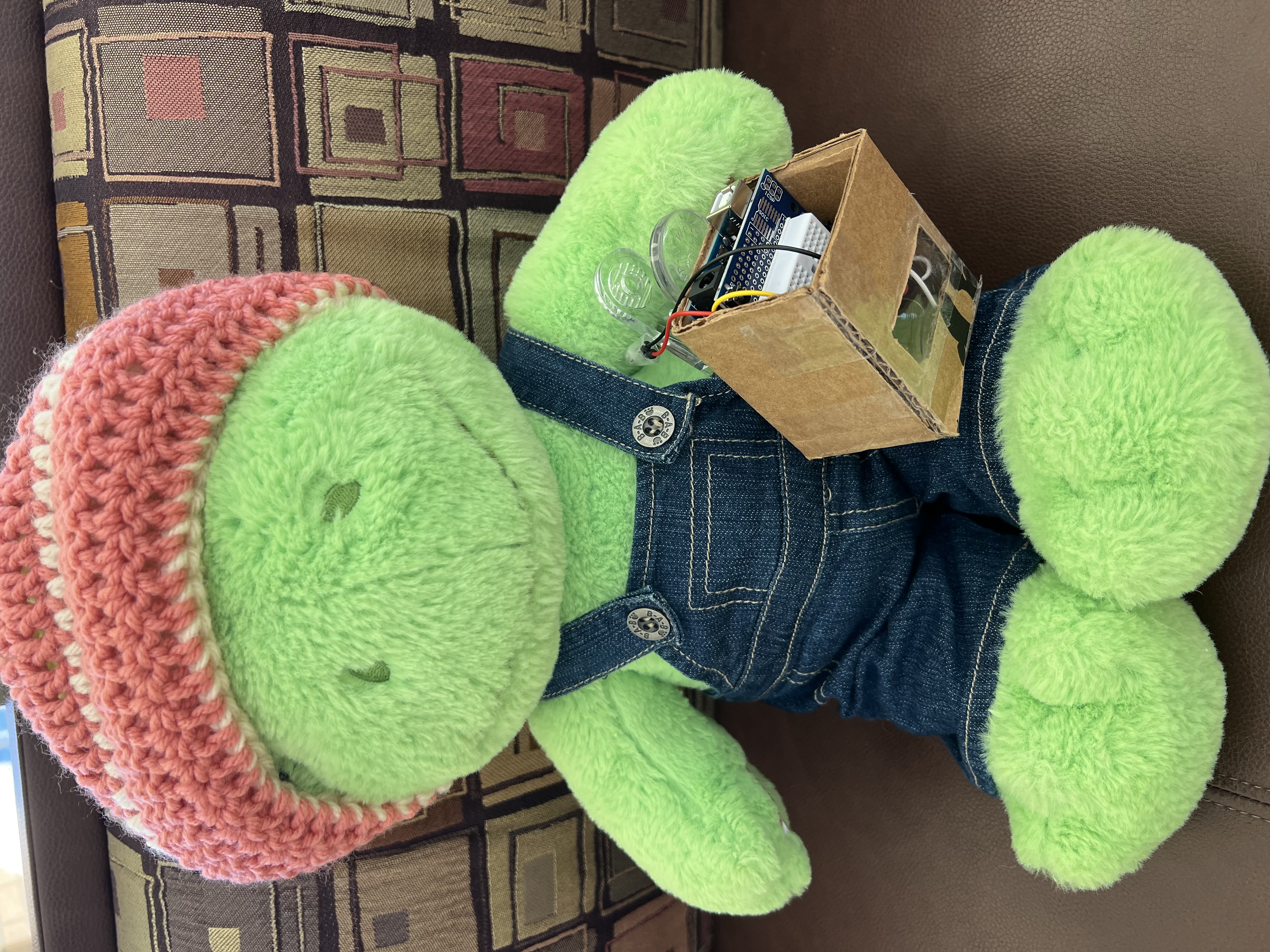
Front view of the unit attached to the child
-
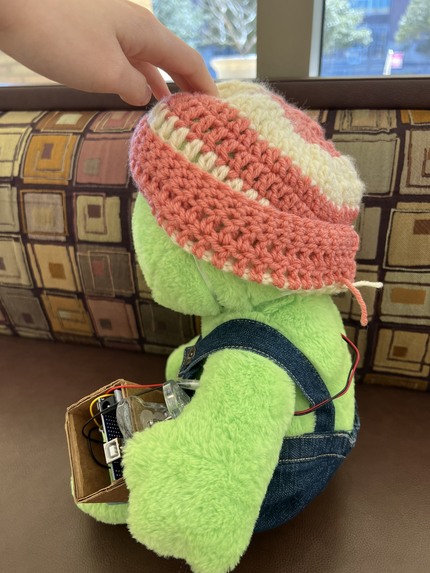
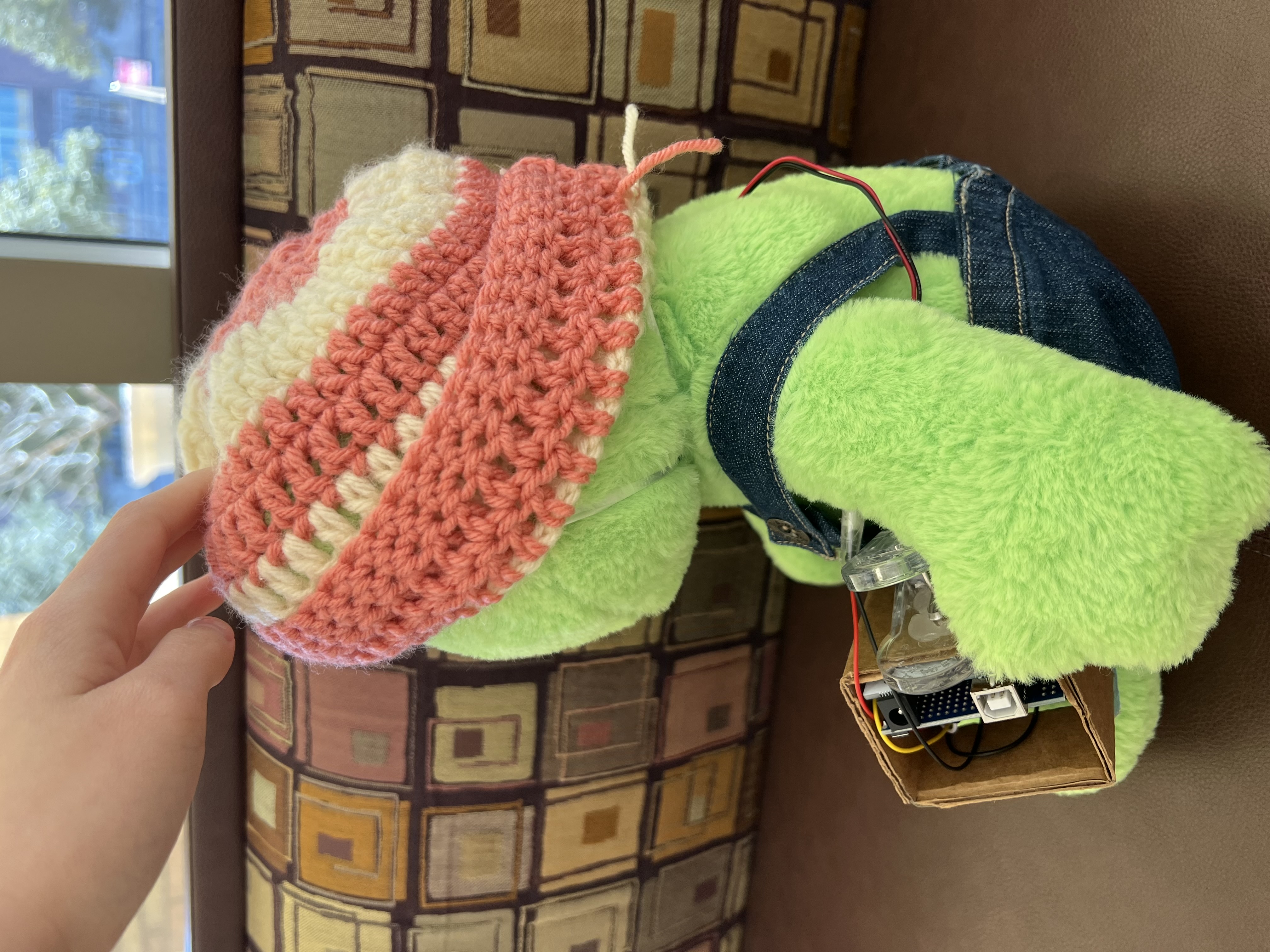
Side view showing the path of the sensor wire
-
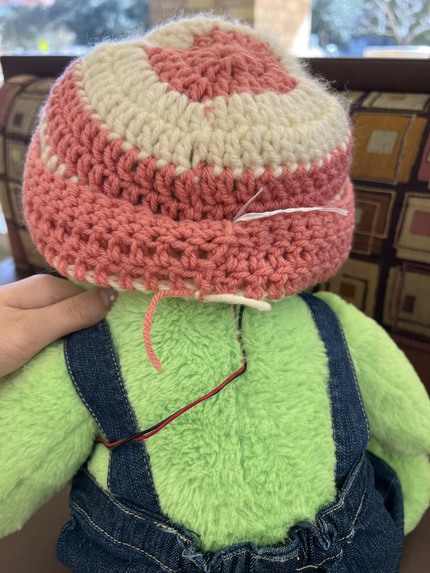
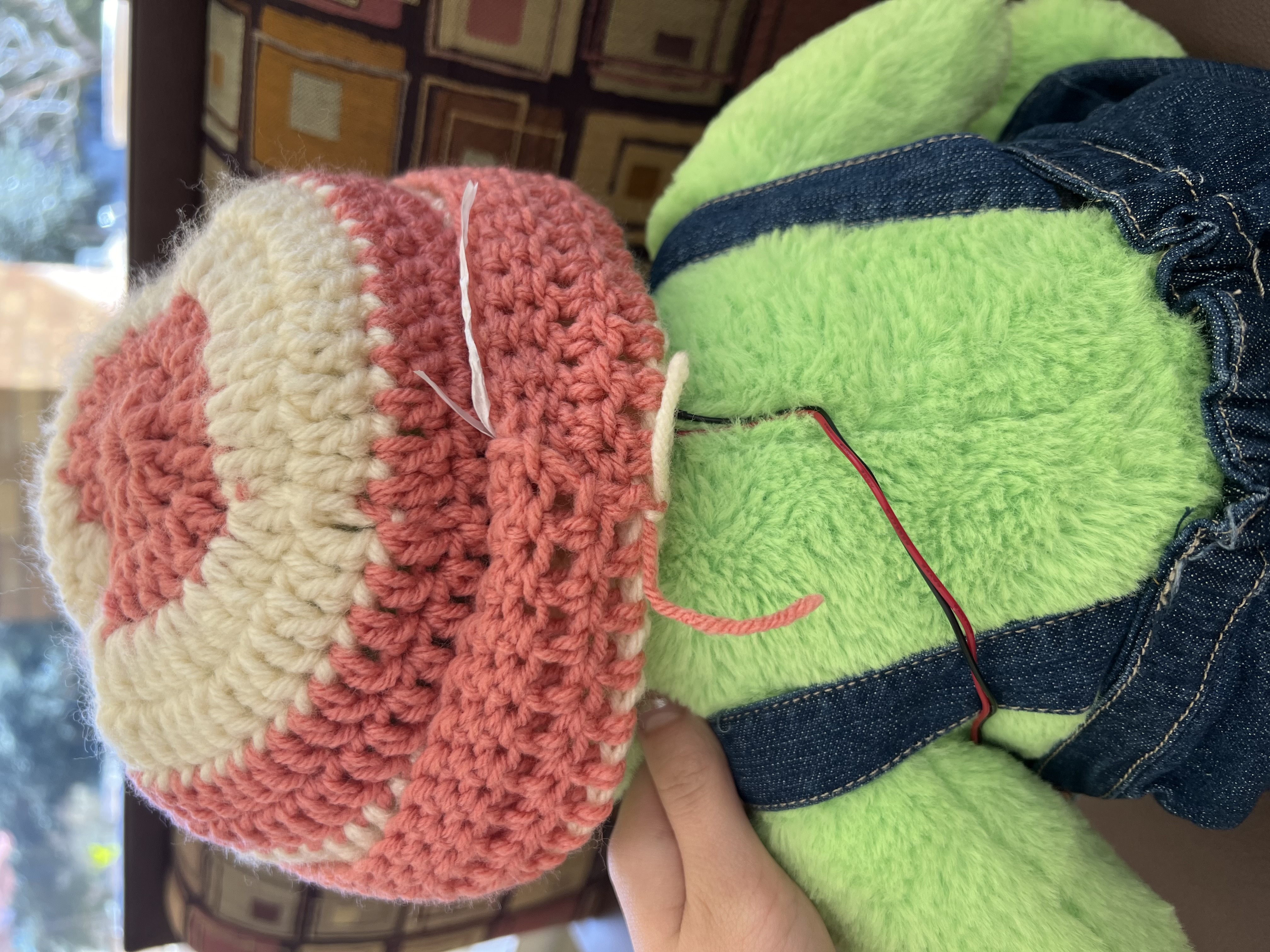
Rear view of sensor wired into the hat
-
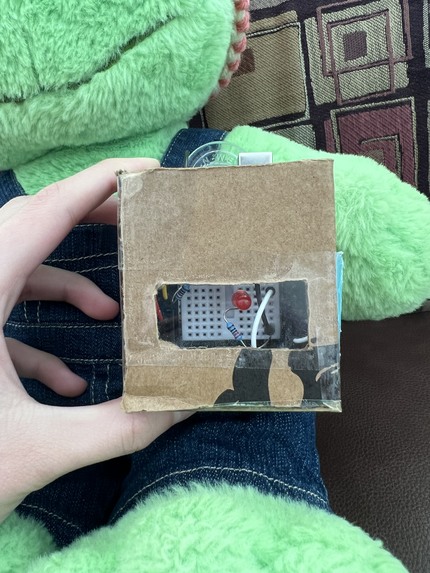
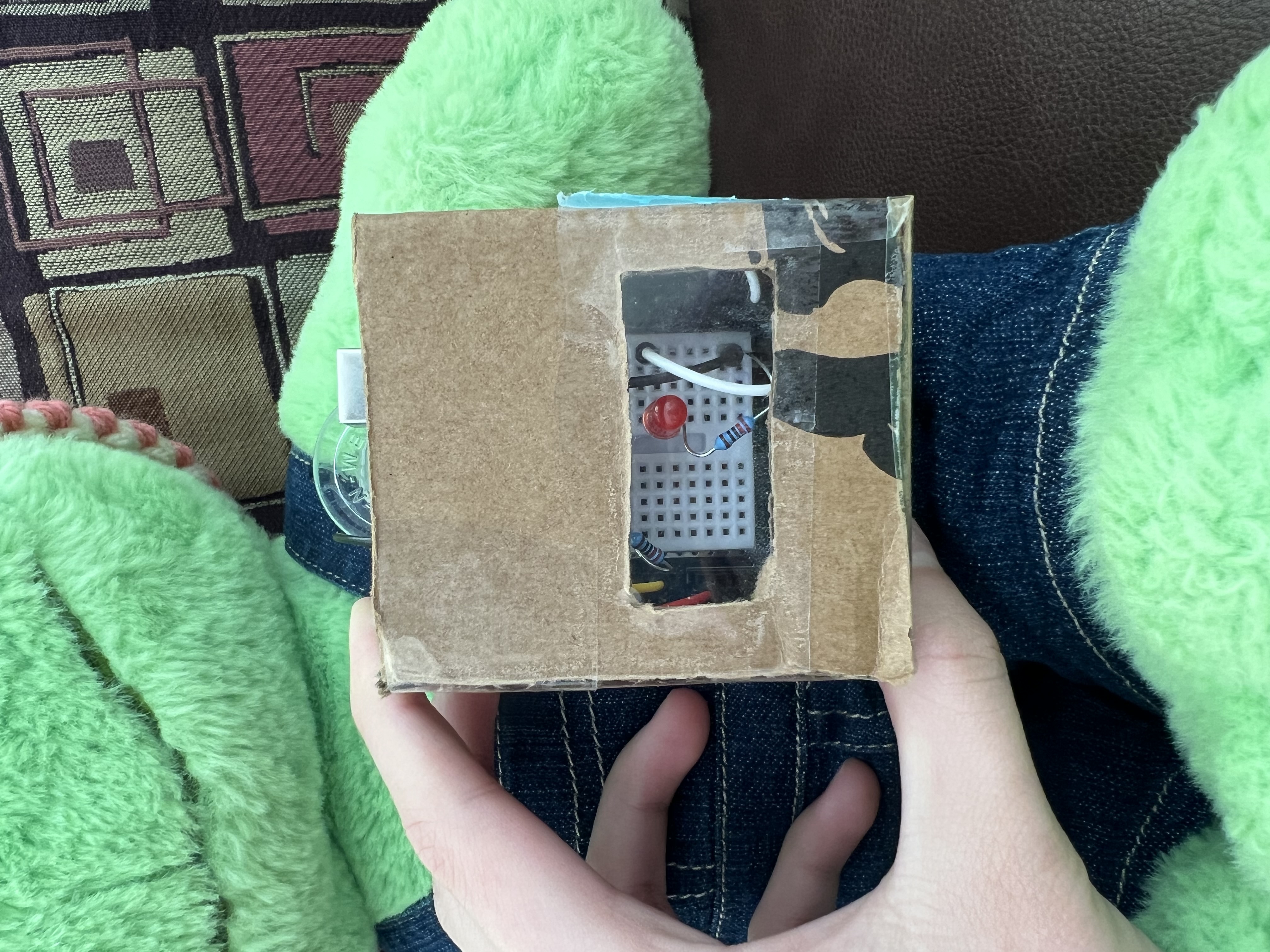
Close up of the clip-on unit with a viewing window for the LED indicator
-
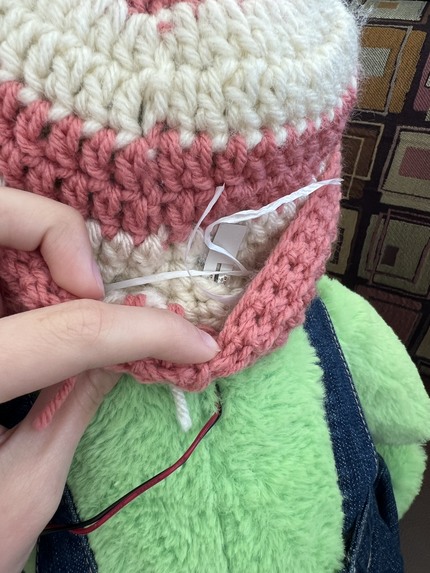
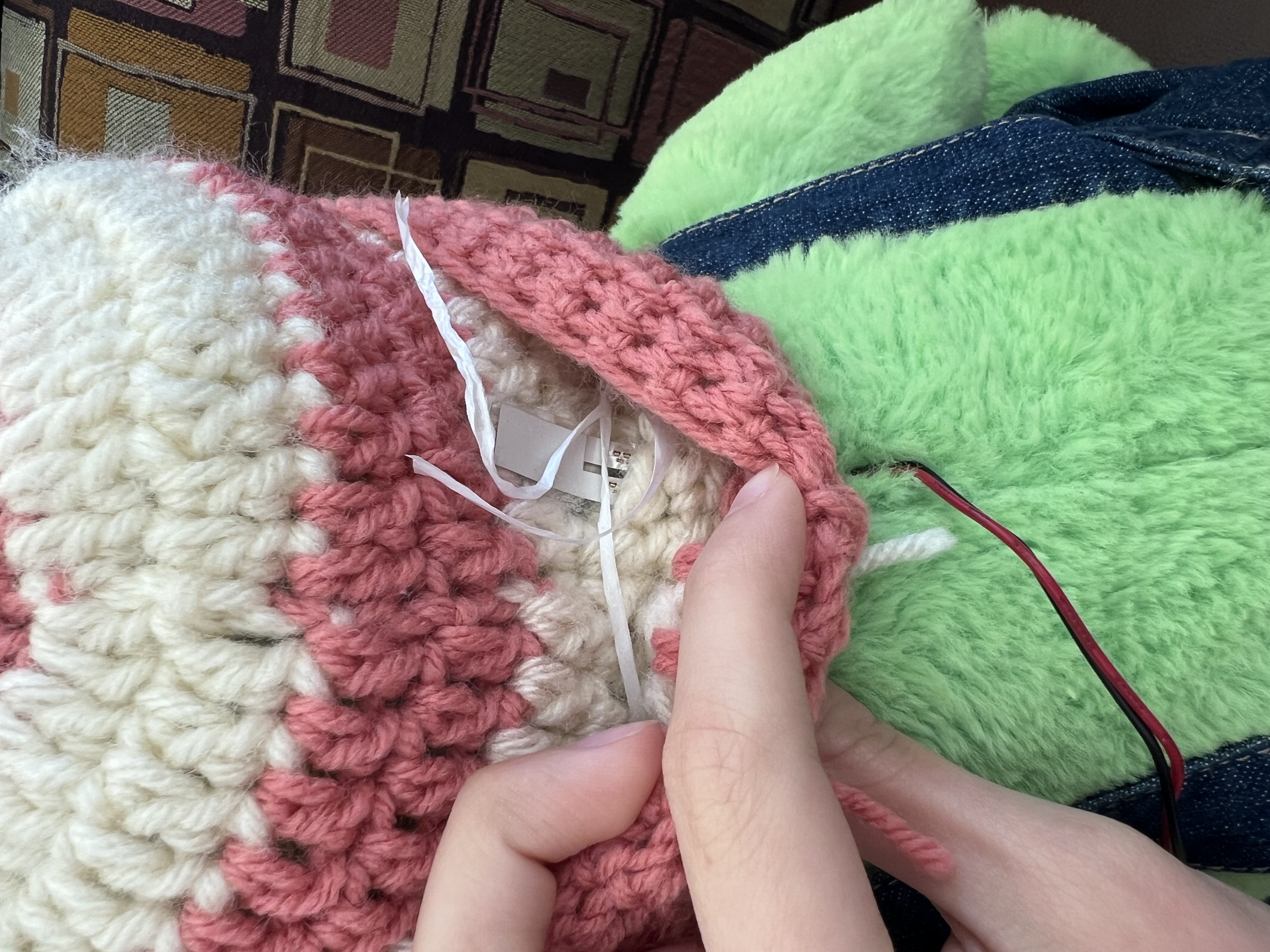
Close up of the sensor embedded into the child's hat
Inspiration
Shaken Baby Syndrome is a very prevalent issue amongst the infant population, globally accounting for almost 15-20% of physical abuse cases globally. Along with abuse cases, accidental incidents can also occur due to improper care in daycare facilities or inexperienced caretakers. Furthermore, the symptoms of mild shaking are similar to other infant ailments, meaning that having some sort of indicator that a child was shaken prior would be of great help in properly diagnosing an infant, especially due to the communication barrier.
What it does
Our product is a discrete sensor that attaches to the neck of the infant, through a medical adhesive. When an extreme bend is detected, the device then counts the interval and frequency of any continuing extreme movement of the neck, indicating that the shaking, whether it be intentional or accidental, could result in shaken baby syndrome complications. When this threshold is being approached, the unit will then sound a warning buzzer for the caretaker to minimize the child's head movement. Furthermore, a permanent light will activate, and stays on until an authorized user (ideally the guardian or the child's doctor) can take note that a shaking incident had occurred.
How we built it
We utilized an Arduino Uno R3, as well as a piezo vibration sensor and a buzzer to develop this project. Additionally we used a standard issue LED light for the signal. The case holding the Arduino and circuit is made from repurposed cardboard box, as well as a plastic clip from a balloon arrangement.
Challenges we ran into
The biggest challenge we ran into during this process was the Bluetooth module. We wanted to use the HC05 Bluetooth module to ideally send a signal from the device to the phone of a guardian when a shake is detected. However, there was great difficulty in connecting the module to iPhone or PC.
Accomplishments that we're proud of
We are proud of the topic we decided to address. We had heard about it, but never realized how prominent the issue itself is. Furthermore, we are a team completely comprised of first-time hackers with minimal experience in hardware. We are happy to be able to work together in such a short time to learn the basics and implement it directly to solve a real world issue.
What we learned
We all were able to learn the basics of Arduino, as well as the science behind shaken baby syndrome. This was important for us in order to be able to program our threshold appropriately.
What's next for GuardianMotion
Our next step is to make our own PCB that allows us to significantly shrink the size of the product, making it more appropriate for use on children. Additionally, we plan to not only use Bluetooth, but also make it Wi-Fi-enabled so that the data can be transmitted to both the guardian's device as well as the infant's physician. This database can then be used to consider what steps need to be taken for the child's health, as time is critical. Ideas were also discussed on making the sensor wireless, which makes the wire less of a hazard.


Log in or sign up for Devpost to join the conversation.