-
-
PalsNTir_8
-
PalsNTir_7
-
PalsNTir_6
-
PalsNTir_5
-
PalsNTir_4
-
PalsNTir_3
-
PalsNTir_2
-
PalsNTir_1
Inspiration
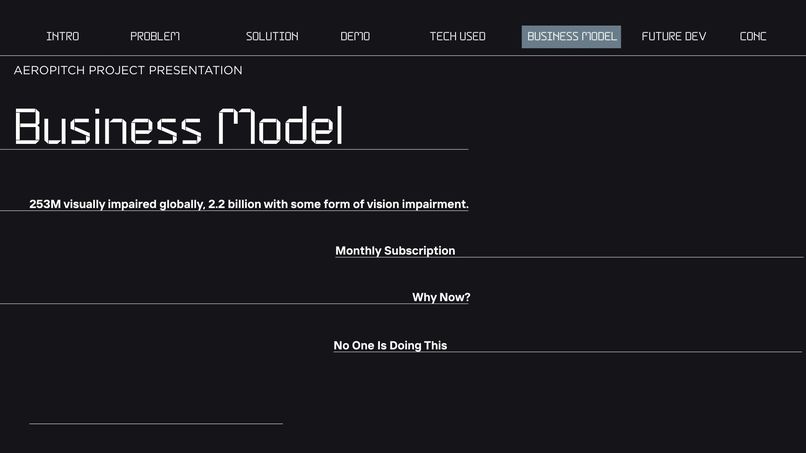
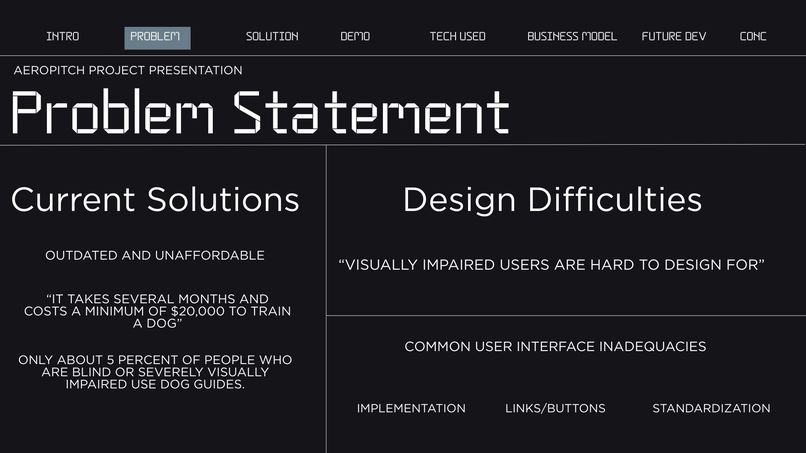
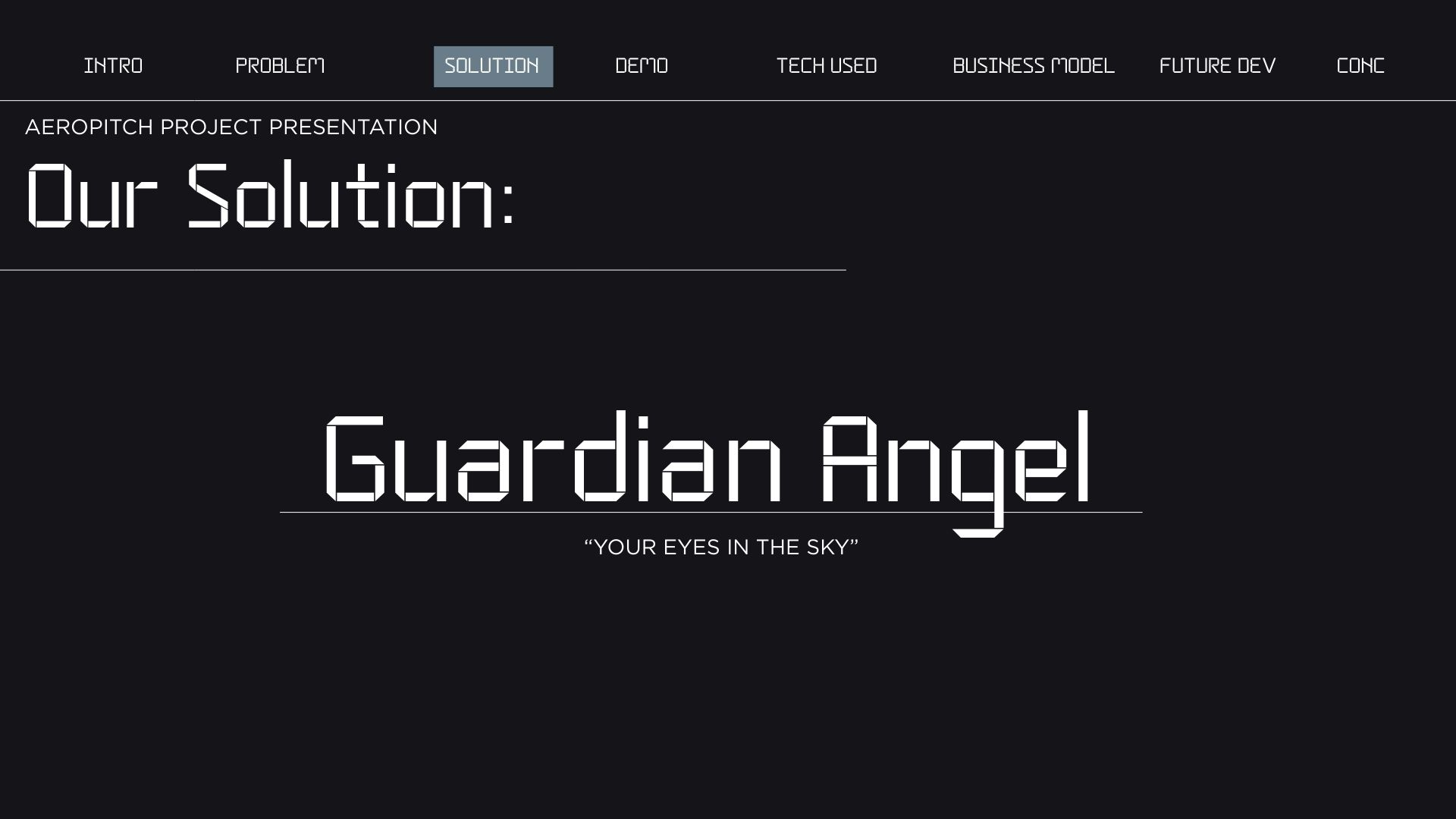
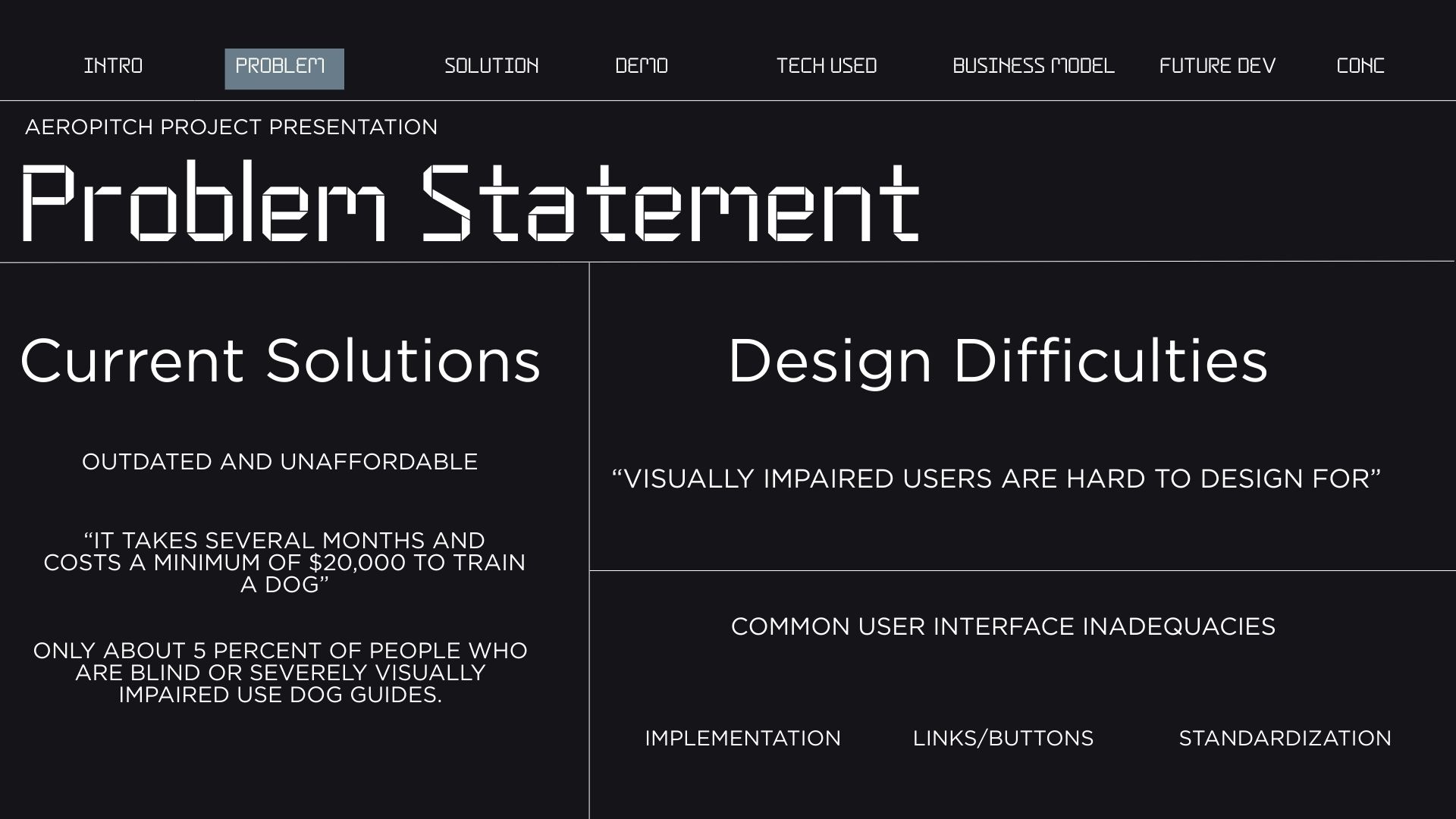
Guardian Angel was inspired by the gap between modern technology and the everyday mobility tools available to visually impaired people. While AI can recognize objects and autonomous systems can navigate complex environments, many blind individuals still rely on a white cane that only detects obstacles after contact or on guide dogs that are expensive and limited in availability. We wanted to explore whether computer vision and drones could help bridge that gap by giving users real-time awareness of their surroundings and allowing them to navigate unfamiliar spaces more independently.
What it does
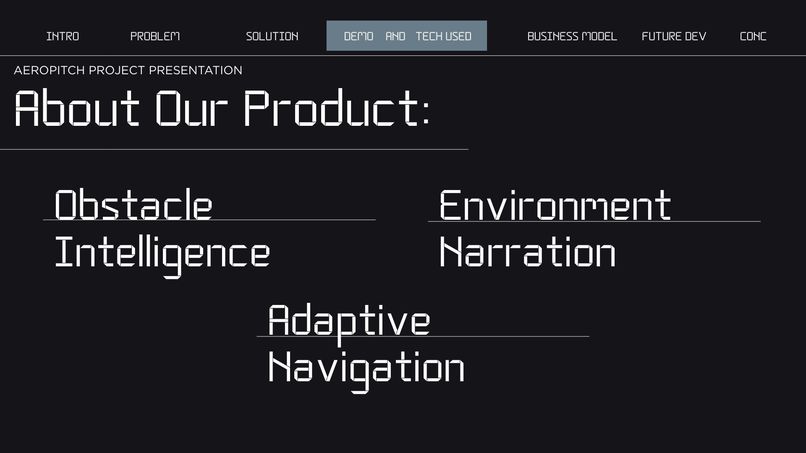
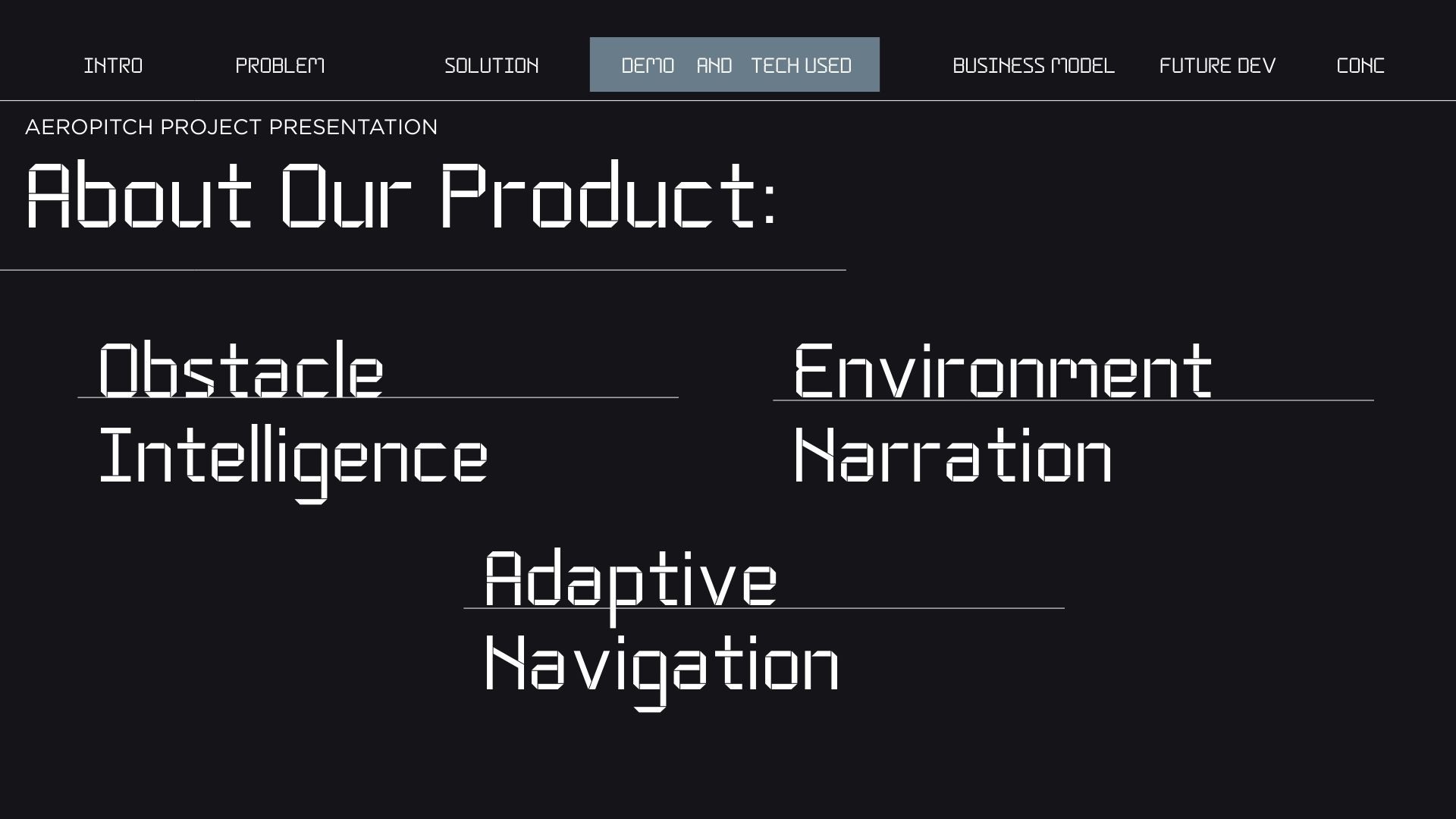
Guardian Angel is a drone-based navigation companion for visually impaired users. A small drone flies roughly 10 meters ahead of the user and scans the environment using its camera. AI analyzes the live video feed to detect obstacles, hazards, and landmarks, then converts that information into clear spoken guidance. The user receives real-time instructions such as warnings about obstacles, directions to move safely, and descriptions of nearby locations.
How we built it
We built Guardian Angel by combining drone hardware, computer vision, and real-time speech synthesis. The drone streams camera frames to a connected computer, where an AI vision model analyzes the environment and identifies obstacles or important objects. The system converts these detections into natural-language descriptions, which are then spoken to the user using a voice synthesis API. Each navigation event is logged in a database so we can track system behavior and analyze navigation sessions. The entire pipeline runs continuously so the user receives guidance while walking.
Challenges we ran into
One of the biggest challenges was real-time processing. Navigation guidance must happen quickly enough to be useful, so reducing delays between visual detection and audio feedback was critical. Another challenge was deciding what information to communicate to the user too much narration becomes overwhelming, while too little reduces safety. Integrating the drone feed, vision model, audio system, and database into a reliable pipeline also required careful debugging and testing. Regarding the technical side, one of the biggest challenges we ran into was a known bug involving Impeller between newer Flutter versions and the Android SDK, the mobile environment we were developing in. It caused a persistent rendering issue that was surprisingly difficult to track down and resolve. After some digging and experimentation, we managed to work around the problem, and the mobile app is now running smoothly and ready for deployment!
Accomplishments that we're proud of
We successfully built a working prototype that can detect obstacles and narrate the environment in real time. Seeing the drone guide a blindfolded teammate safely through obstacles during our demo showed that the concept could work in practice. We also managed to integrate multiple systems vision analysis, speech generation, and data logging into a single functioning pipeline in a very short development time.
What we learned
This project taught us how challenging real-world accessibility problems can be and how important thoughtful design is when building assistive technology. We learned how to combine AI vision systems with real-time hardware feeds, how to optimize for low latency, and how to design instructions that are clear and useful for navigation. It also showed us how powerful AI tools can be when applied to practical human-centered problems.
What's next for GuardianAngel
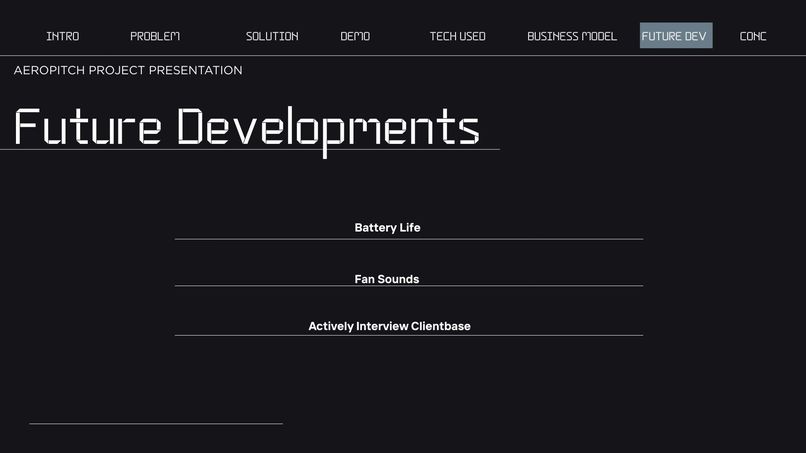
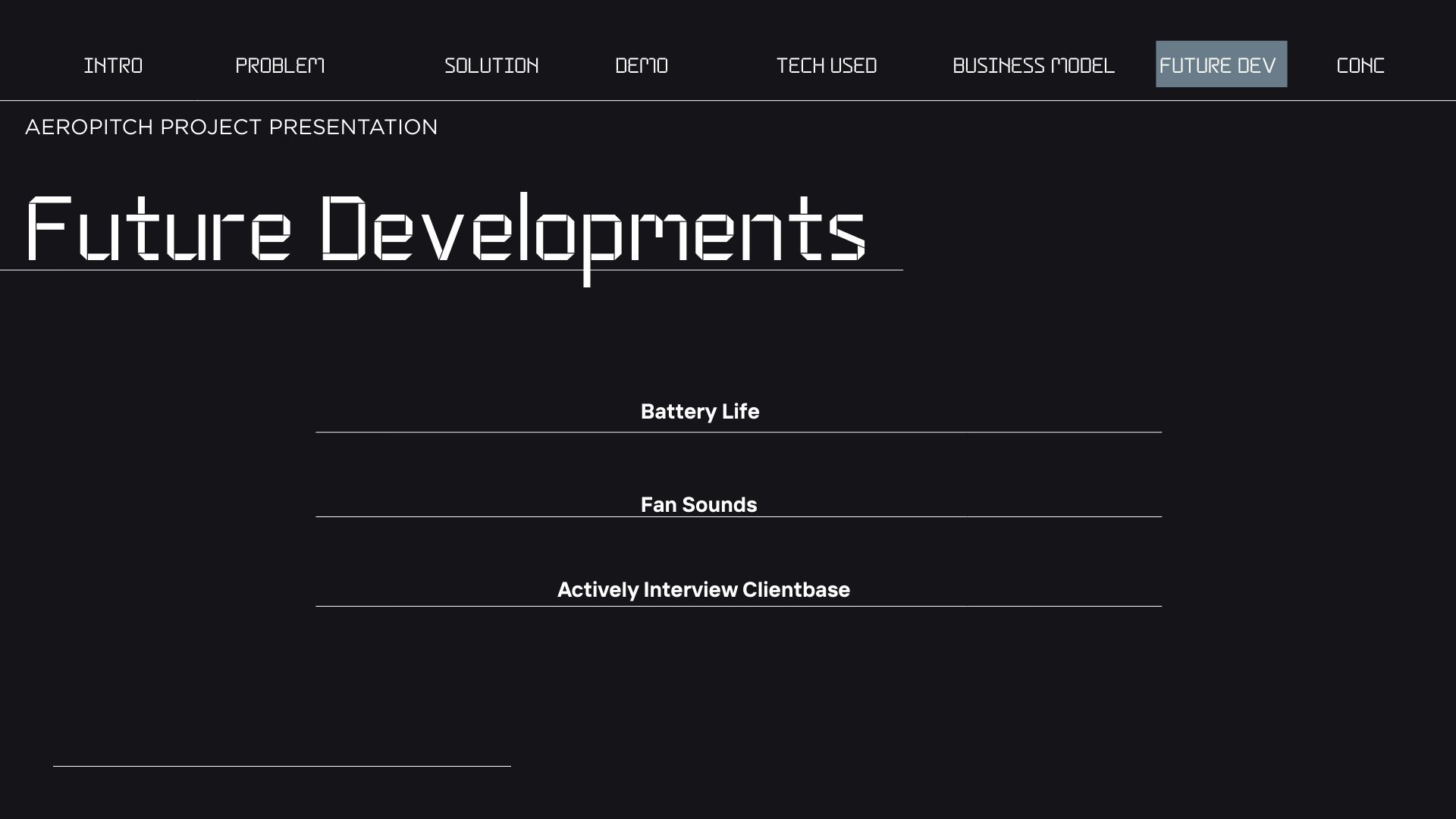
Future development would focus on improving navigation intelligence and reliability. This includes better obstacle prediction, more precise path planning, and the ability to navigate complex environments like indoor spaces or crowded areas. We would also explore making the drone more autonomous and portable so the system can operate without external computers. Ultimately, the goal is to turn Guardian Angel into a scalable assistive technology that helps visually impaired people move through the world with greater independence.


Log in or sign up for Devpost to join the conversation.