-
-
Splash screen
-
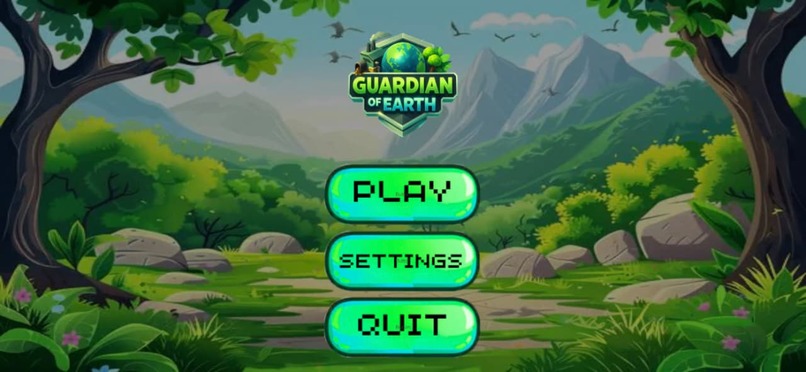
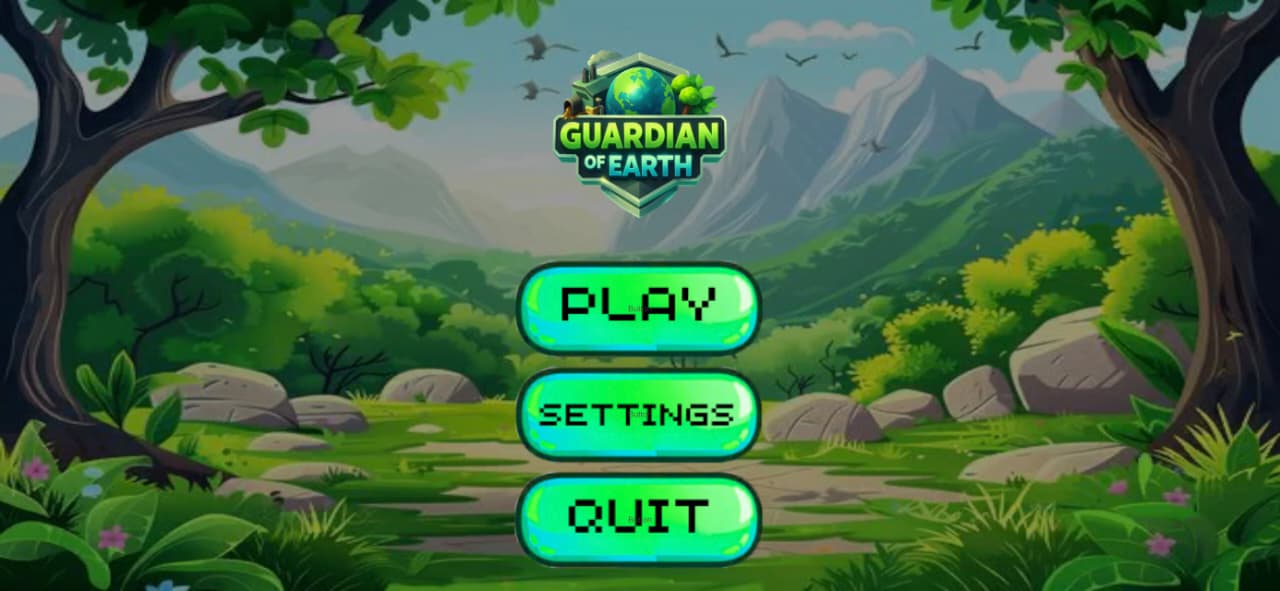
Home screen
-
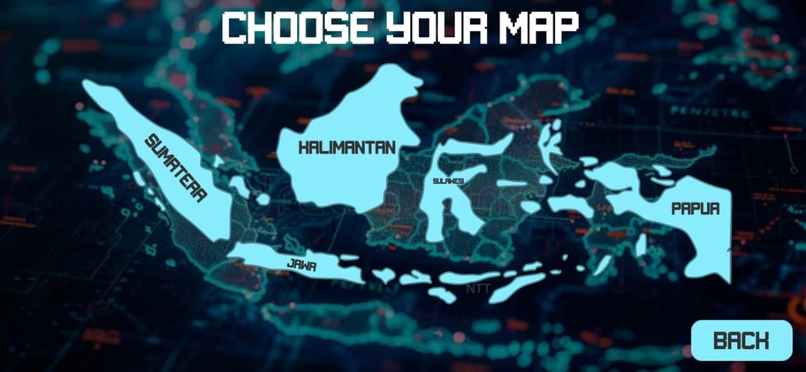
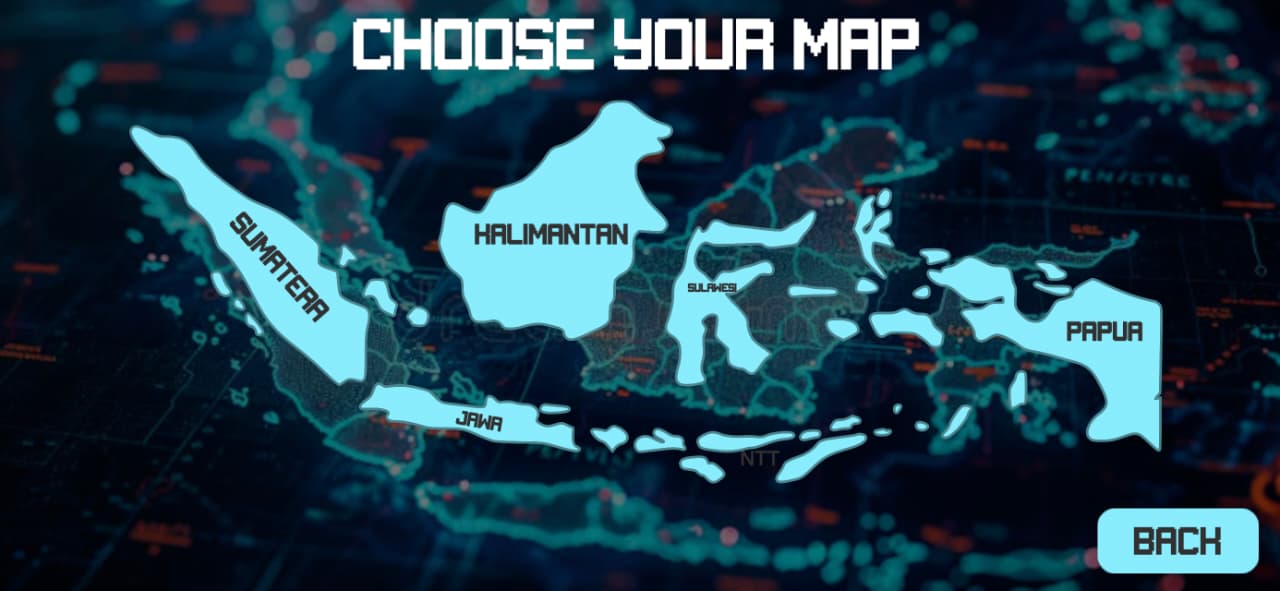
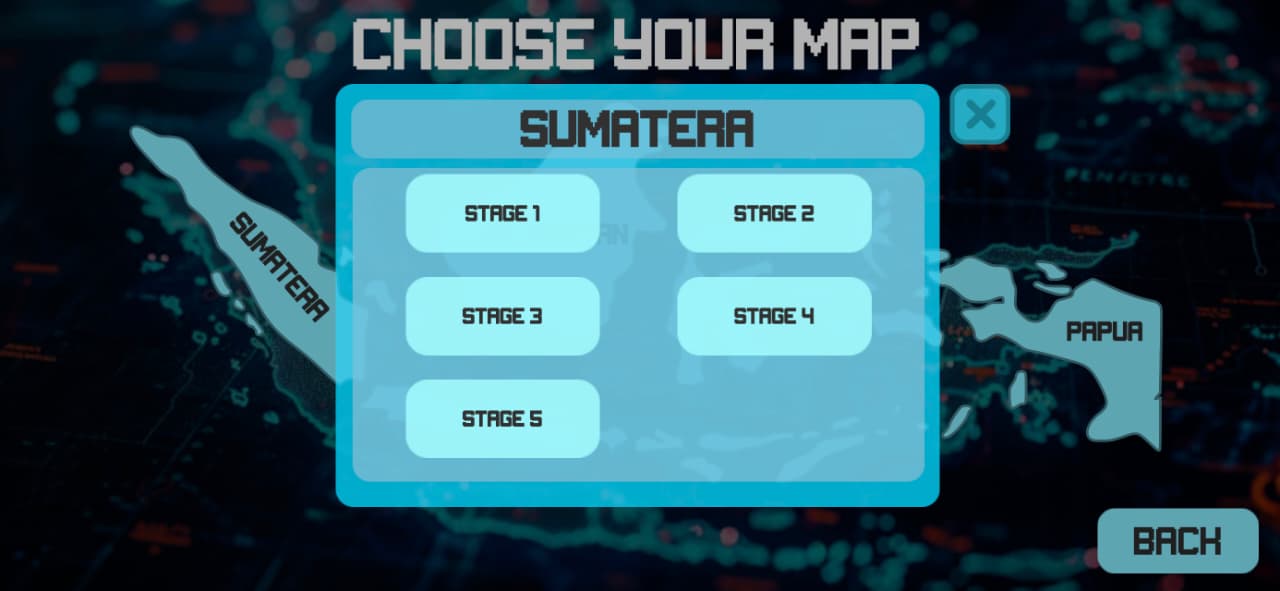
Choose map screen
-
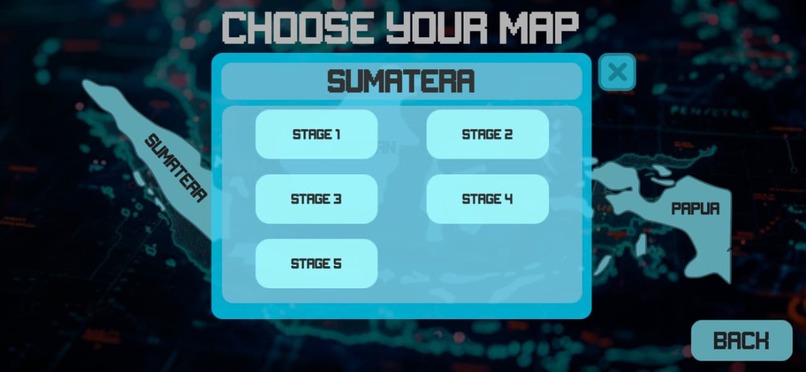
Choose stage screen
-
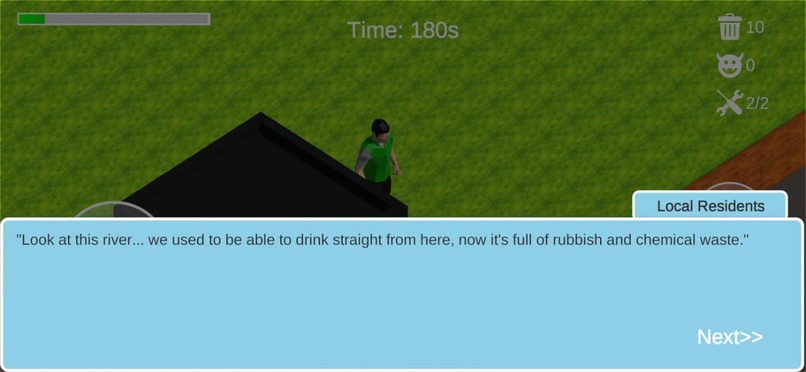
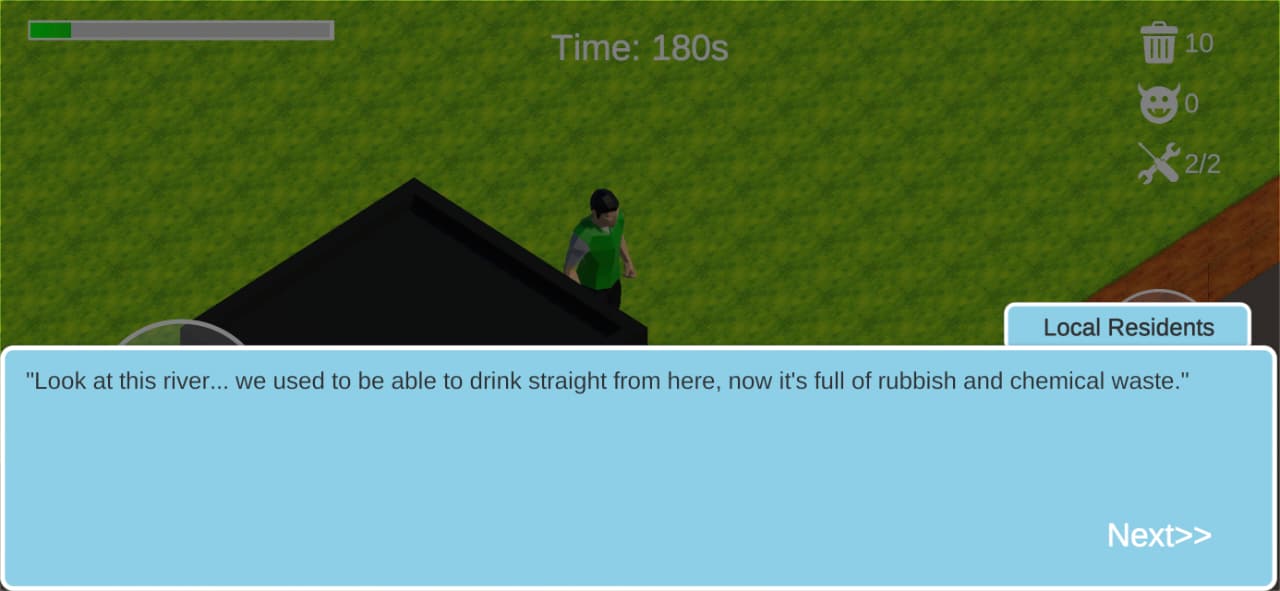
Dialog screen
-
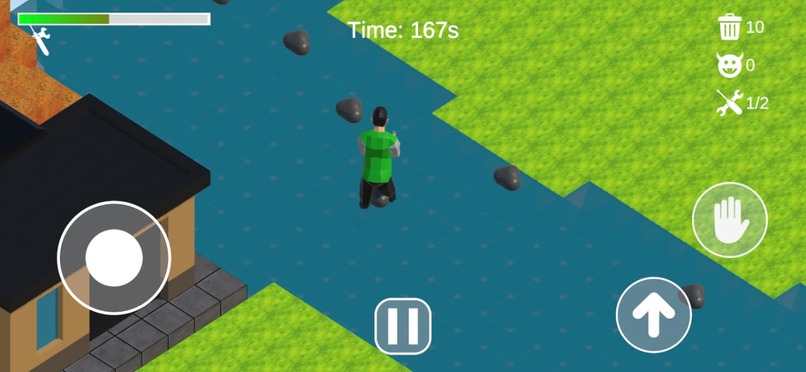
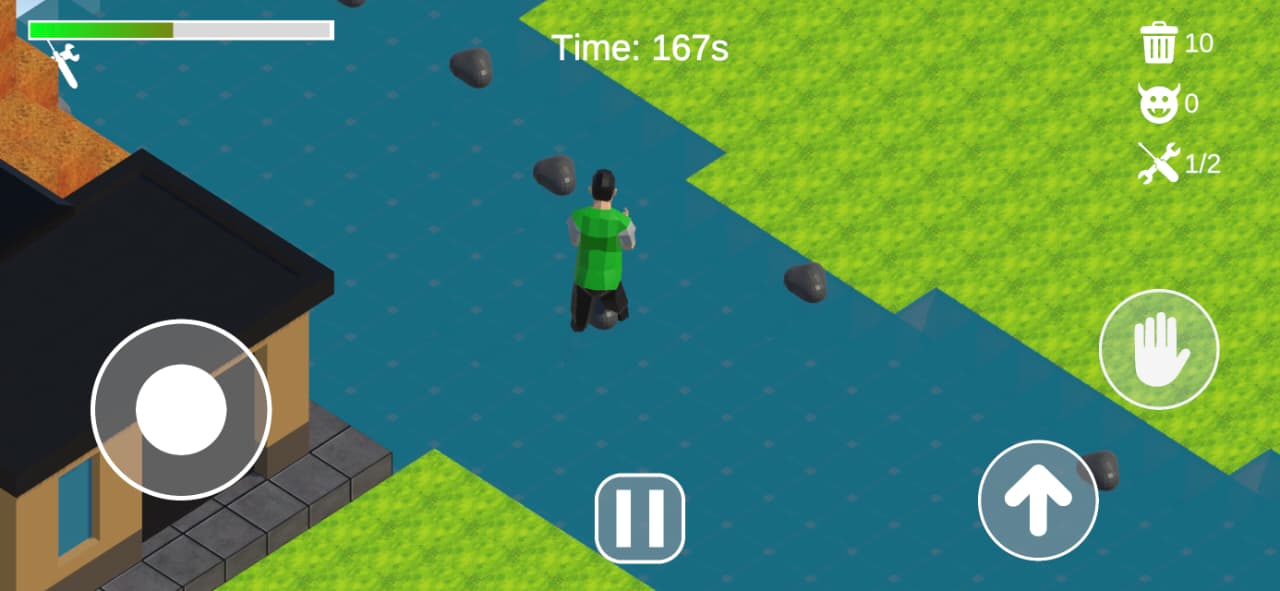
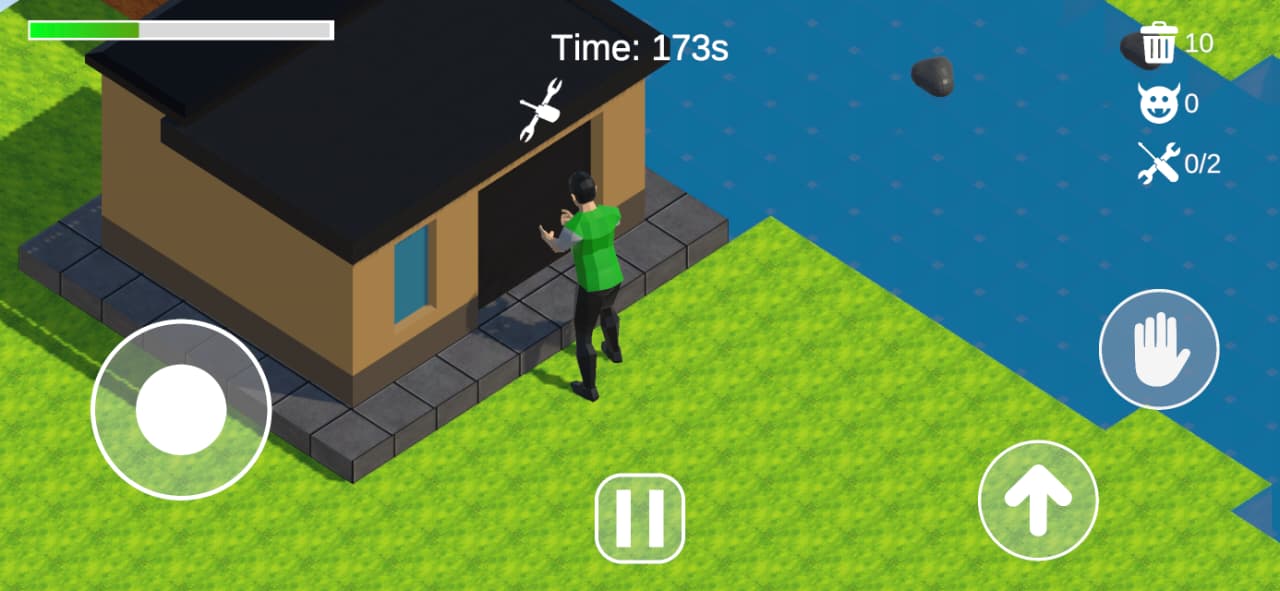
Gameplay pick up trash in the river
-
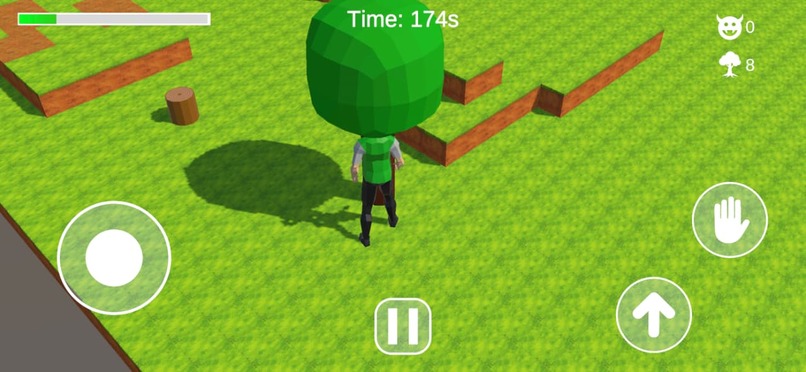
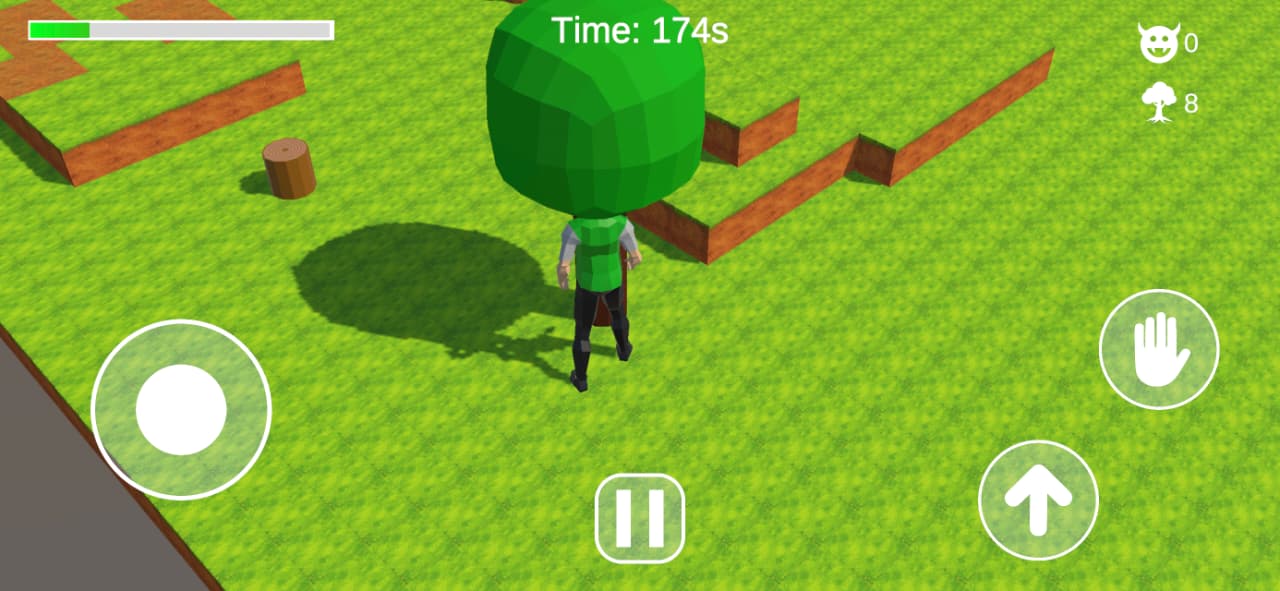
Gameplay reforestation
-
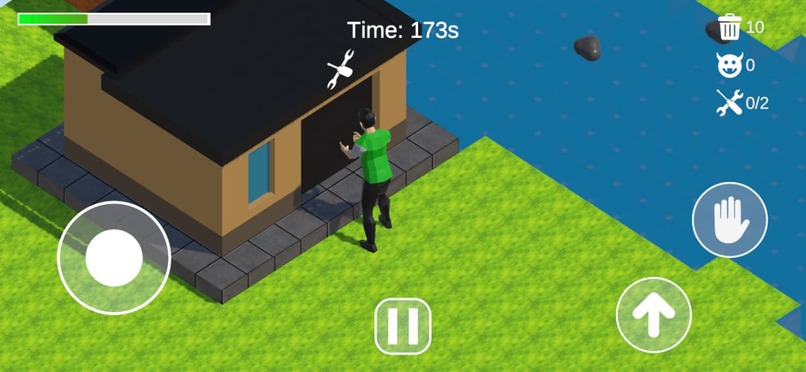
Gameplay repair filter
-
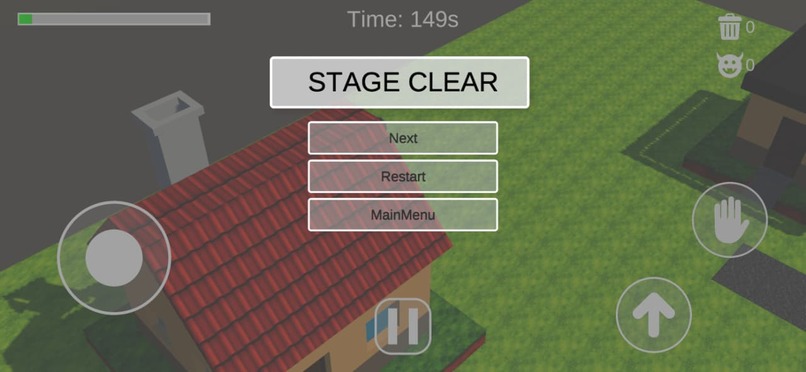
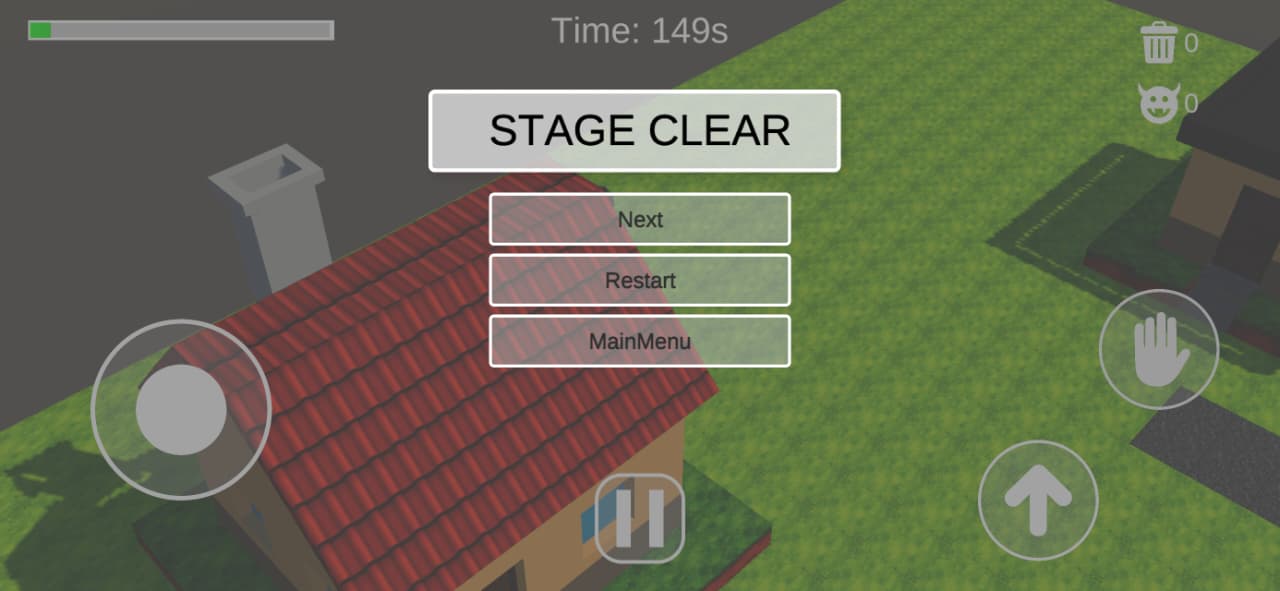
Stage Clear screen
Inspiration
Guardian Of Earth was born from a growing concern about the environmental problems happening around us, especially littering, illegal tree cutting, increasing pollution, and the loss of biodiversity. Every year, irresponsible human actions contribute to flooding, air pollution, water contamination, habitat destruction, and the extinction of various plant and animal species. What’s even more worrying is that many people still underestimate the long-term and interconnected impact of these actions.
Environmental damage is not just about one isolated problem. Flooding can result from deforestation and poor waste management. Air pollution affects both human health and wildlife. The disappearance of one species can disrupt entire ecosystems. These complex relationships inspired us to create a project that simplifies these issues in a way children can understand.
We realized that environmental awareness should start at a young age. Children are the future decision-makers, yet many of them learn about environmental damage only through textbooks, without truly understanding its real impact. This project was inspired by the idea that if children can experience the consequences of environmental destruction, and the rewards of environmental restoration, in a safe and interactive way, they will grow up with stronger awareness and responsibility toward the planet.
Guardian Of Earth is our response to that problem, a way to nurture environmental consciousness through fun, creativity, and meaningful gameplay.
What it does
Guardian Of Earth is an educational adventure game designed to teach children about environmental responsibility through interactive storytelling and gameplay. Instead of just telling players that littering causes flooding, that deforestation destroys habitats, or that pollution harms biodiversity, the game allows them to see and experience these consequences directly inside the game world.
Players take on the role of a young guardian tasked with protecting and restoring nature. They must clean up trash to prevent floods, stop illegal logging to protect forests, reduce pollution levels to improve air quality, and restore habitats to save endangered wildlife.
Every decision players make directly affects the ecosystem. Positive actions make the environment greener, cleaner, and full of life. Forests regrow, animals return, and the sky becomes clearer. Negative actions, however, lead to visible consequences such as floods, polluted air, dying wildlife, and environmental imbalance.
By combining missions, environmental simulations, and reward systems, the game transforms complex ecological concepts, like pollution control and biodiversity preservation, into engaging and understandable gameplay mechanics. Guardian Of Earth turns learning into an exciting adventure that inspires children to care for the Earth not just in the game, but in real life.
Challenges we ran into
One of the biggest challenges we faced was turning complex and interconnected environmental issues, flooding, littering, deforestation, pollution, and biodiversity loss, into a fun and engaging experience for children. We needed to simplify these problems without oversimplifying the message.
Balancing education and entertainment was also challenging. We had to ensure that environmental lessons felt natural within the gameplay rather than forced or preachy.
Representing pollution was particularly difficult because its impact is often gradual and invisible. Unlike floods, which are dramatic and immediate, air pollution and biodiversity loss happen over time. We had to design visual systems, such as environmental health indicators, changes in sky color, and wildlife population shifts, to make these abstract problems understandable for young players.
Designing biodiversity mechanics was another challenge. We wanted players to understand that saving one animal is not enough, ecosystems function as interconnected systems. Creating gameplay that reflects ecosystem balance while keeping it simple and intuitive required careful design and iteration.
On the technical side, expanding the game to simulate pollution levels, wildlife systems, and environmental recovery required scalable architecture and optimization to maintain performance across different devices.
Accomplishments that we're proud of
We are proud that we successfully created a game that is both educational and immersive while covering multiple environmental issues, from waste management and deforestation to pollution control and biodiversity restoration.
We are especially proud of the dynamic cause-and-effect system. Players can clearly see how their actions influence floods, air quality, forest density, and wildlife presence. This interactive feedback makes environmental education more impactful than passive learning.
Another accomplishment is our ability to transform complex ecological systems into intuitive and child-friendly mechanics. We successfully introduced environmental simulation elements without overwhelming the player.
Most importantly, we are proud that Guardian Of Earth encourages positive environmental values through action, not just explanation.
What we learned
Through this project, we learned that environmental issues are deeply interconnected. Flooding, pollution, deforestation, and biodiversity loss cannot be treated as separate problems, they influence one another. Designing the game helped us understand these relationships more clearly.
We also learned that simplifying complex systems for children requires clarity, creativity, and empathy. The challenge is not just technical, but communicative, how to turn invisible issues like air pollution or ecosystem imbalance into visible and meaningful gameplay experiences.
From a technical perspective, we improved our skills in scalable system design, modular architecture, and environmental simulation logic. We learned how to expand game systems while maintaining performance and user experience.
Most importantly, we learned that games can be powerful tools for shaping mindset. When players see the world recover because of their positive actions, they begin to understand that real-world change is also possible.


Log in or sign up for Devpost to join the conversation.